
Guide to CAR-T Therapy Costs for SLE in China
The CAR-T for SLE cost in China generally ranges from $100,000 to $180,000 USD. This total expense encompasses cellular engineering, hospital confinement, and essential supportive care, making advanced immunotherapy far more affordable than Western alternatives.
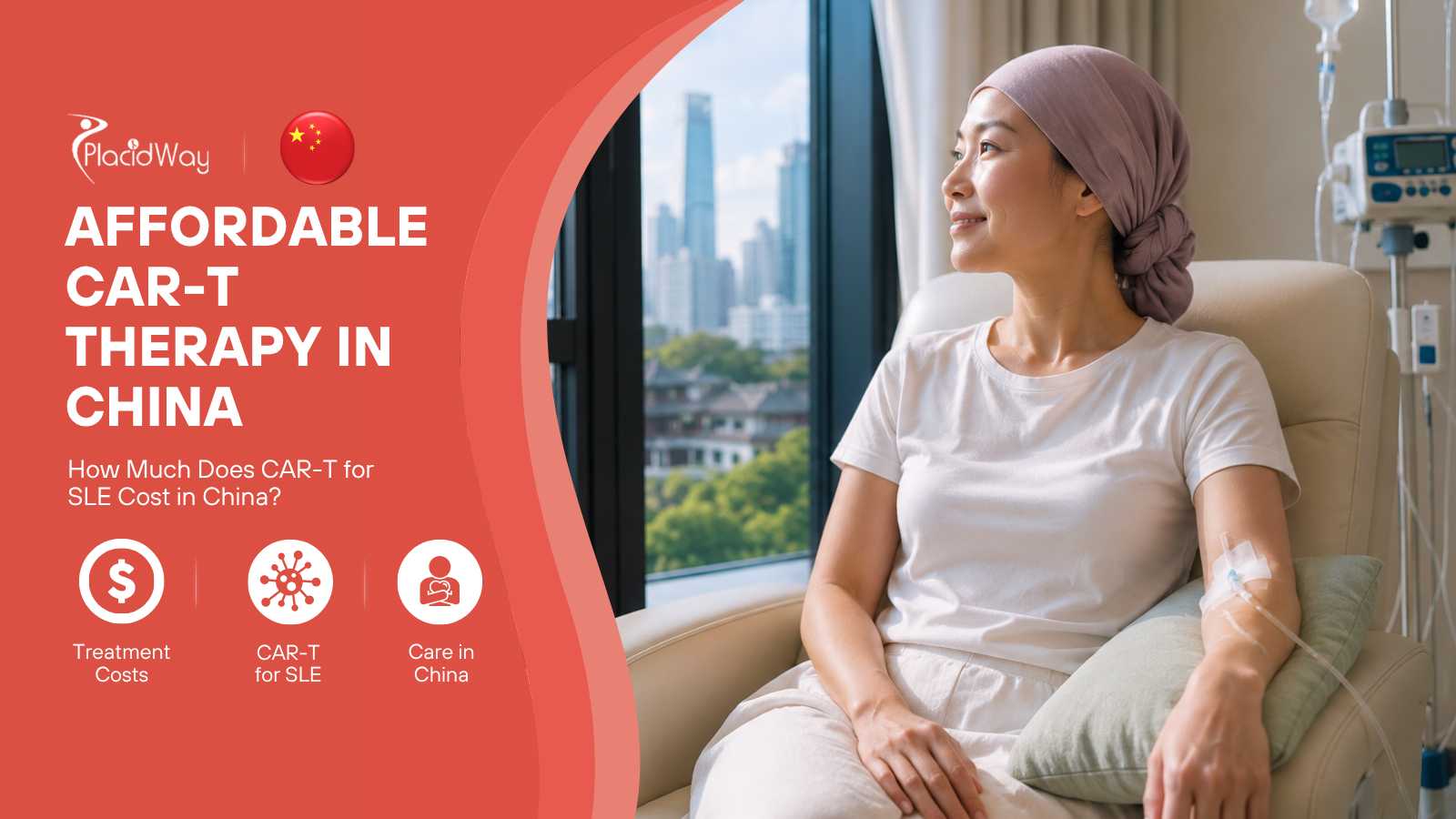
Key Takeaways: Financials & Overview
- Cost Advantage: Save up to seventy percent compared to American or European healthcare markets.
- Comprehensive Packages: Fees often bundle cell harvesting, laboratory manufacturing, and inpatient care.
- Condition Severity: Prices vary based on pre-treatment disease activity and required bridging medications.
- Inpatient Requirements: Budgets must account for a mandatory 3-to-4-week total hospital stay.
- Global Access: International medical tourism standards ensure transparent billing for foreign citizens.
What is Systemic Lupus Erythematosus and why do traditional therapies fail?
Systemic lupus erythematosus is a chronic, complex autoimmune condition where the immune system generates aggressive autoantibodies, systematically attacking healthy tissues, joints, skin, and vital organs like the kidneys.
Systemic lupus erythematosus represents a severe systemic challenge because the body's natural defense mechanism suffers a profound regulatory collapse. Instead of fighting external pathogens, rogue B lymphocytes continuously manufacture destructive autoantibodies that trigger widespread, chronic inflammation. Patients typically cycle through heavy doses of corticosteroids, antimalarial drugs, and toxic immunosuppressive agents. While these conventional treatments attempt to suppress the overactive immune response, they rarely halt the underlying disease progression.
As the illness advances into treatment-refractory stages, patients experience agonizing flare-ups, debilitating fatigue, and progressive organ damage, particularly lupus nephritis. Traditional medications fail to reset the pathological memory of the immune system, leaving sufferers trapped in a cycle of temporary relief and severe relapses. The cumulative toxicity of long-term steroid dependence further introduces grave health risks, including bone degradation, metabolic dysfunction, and heightened susceptibility to dangerous infections.
Because standard pharmacological options offer only symptomatic management rather than a structural fix, the medical community has shifted its focus toward transformative cellular solutions. Addressing the root cause requires eradicating the abnormal immune cells entirely, paving the way for a completely new, healthy immune system to form from scratch.
How does CAR-T cellular therapy work as a revolutionary solution for refractory cases?
Chimeric Antigen Receptor T-cell therapy reprograms a patient's own white blood cells in a laboratory to actively hunt down, target, and completely eradicate disease-causing B cells, achieving a profound immune reset.
Chimeric Antigen Receptor T-cell therapy acts as a living drug that fundamentally alters the trajectory of autoimmune disease. The clinical process begins by extracting a patient's T cells via leukapheresis. In a specialized laboratory setting, scientists insert a specialized gene into the T cells, programming them to recognize specific protein markers found exclusively on the surface of autoreactive B cells. Once these engineered cells are infused back into the patient's bloodstream, they aggressively track down and destroy the rogue cellular populations responsible for manufacturing lupus autoantibodies.
This targeted cellular destruction eliminates the primary source of chronic inflammation, effectively wiping the slate clean. Following the depletion phase, the body undergoes a natural regeneration process where newly generated B cells emerge as naive, healthy cells free of autoimmune memory. Clinical outcomes indicate that this profound biological reset allows patients to achieve long-term, drug-free remission, liberating them from the burdens of continuous immunosuppressive therapy and halting further organ deterioration.
Unlike cancer treatments where massive tumor loads require millions of multiplying cells, utilizing this cellular approach for autoimmune conditions requires a precise, controlled intervention that successfully resets the immune system with minimal long-term persistence.
What specific elements comprise the total CAR-T for SLE cost in China?
The complete financial estimate includes leukocyte harvesting, advanced viral vector transduction, rigorous hospital confinement, lymphodepleting chemotherapy regimens, and dedicated intensive nursing oversight.
- Laboratory processing fees for engineering and expanding the harvested T cells in a certified Good Manufacturing Practice environment.
- Inpatient hospital room charges covering three to four weeks of strict isolation, monitoring, and supportive care.
- Pre-conditioning chemotherapy medications utilized to clear space in the immune system prior to cellular infusion.
- Comprehensive baseline diagnostics, viral security screening, and post-infusion safety evaluations.
- Emergency medical contingencies and specialized pharmacological interventions designed to manage acute immune activation symptoms safely.
| Expense Category | Estimated Cost Range (USD) | Description & Inclusions |
|---|---|---|
| Cellular Manufacturing & Processing | $45,000 - $75,000 | Leukapheresis processing and genetic engineering in sterile GMP labs |
| Hospitalization & Care | $35,000 - $65,000 | Inpatient isolation room, nursing, and medical monitoring for 3-4 weeks |
| Diagnostics & Chemotherapy | $20,000 - $40,000 | Pre-conditioning drugs, blood panels, viral screening, and supportive medications |
How does the CAR-T for SLE cost in China compare to Western healthcare markets?
The overall CAR-T for SLE cost in China provides a budget-friendly alternative to Western nations, where separate billing for cell processing and hospital stays pushes total expenses beyond half a million dollars.
In the United States and Western Europe, advanced cellular therapies carry exorbitant price tags primarily due to commercial drug pricing models and complex hospital billing structures. A patient receiving cellular treatment in the West often faces separate invoices for leukapheresis, pharmaceutical manufacturing, daily intensive care unit rooms, and specialist consultations. These fragmented expenses frequently compound total costs past $500,000 USD.
Conversely, medical centers providing CAR-T for SLE in China operate within a standardized pricing framework that packages major clinical milestones into predictable estimates. Lower infrastructure operational overheads, scaled domestic biotechnology production, and optimized hospital workflows allow institutions to pass substantial savings directly to patients without compromising safety or sterility standards. This financial accessibility has transformed the region into a premier destination for global medical tourists seeking breakthrough therapies.
What makes a CAR-T clinic in China globally equipped for autoimmune treatment?
A premier CAR-T clinic in China features advanced Good Manufacturing Practice cellular laboratories, multidisciplinary rheumatology teams, and strict clinical protocols designed for high-risk autoimmune patients.
Selecting an appropriate institution requires evaluating specific institutional credentials and laboratory capabilities. Top-tier medical centers house on-site cellular engineering laboratories operating under rigorous closed-system automation, minimizing contamination risks during cell modification. Furthermore, these hospitals maintain dedicated clinical research units with extensive experience managing complex rheumatological disorders and severe organ involvements like lupus nephritis.
The synergy between laboratory scientists and clinical rheumatologists ensures seamless coordination from initial cell extraction to post-infusion recovery. Facilities equipped for international medical tourism also provide specialized translation support, clear financial contracts, and structured follow-up guidelines, ensuring foreign patients navigate every phase of their clinical journey with confidence and total transparency.
What should international patients expect during medical tourism in China for cellular treatment?
Engaging in medical tourism in China for cellular therapy requires planning for an extended six-to-eight-week stay encompassing preliminary diagnostics, laboratory manufacturing, hospital admission, and outpatient observation.
- Initial remote medical record reviews to verify patient candidacy prior to booking international flights.
- An initial outpatient assessment involving comprehensive blood panels, cardiac evaluations, and viral testing upon arrival.
- A two-to-three-week waiting window spent in local recovery accommodations while custom T cells are manufactured.
- Hospital admission for lymphodepleting chemotherapy and subsequent cell infusion followed by close inpatient monitoring.
- Final outpatient recovery weeks ensuring vital stability before receiving medical clearance for international travel.
What clinical risks and side effects accompany CAR-T therapy for lupus?
Primary clinical risks include temporary neutropenia, heightened infection vulnerability, and Cytokine Release Syndrome resulting from rapid immune system activation and targeted B cell destruction.
While cellular immunotherapy yields remarkable clinical remissions, it introduces significant physiological side effects that necessitate strict hospital oversight. As the engineered T cells rapidly eliminate target B cells, patients frequently experience transient fevers and systemic inflammatory responses known as Cytokine Release Syndrome. Accredited hospitals manage this effectively through continuous vital sign tracking and prompt administration of targeted biologic inhibitors.
Additionally, the pre-conditioning chemotherapy induces temporary bone marrow suppression, causing low white blood cell counts that increase susceptibility to bacterial and viral infections. Strict sterile isolation protocols and prophylactic antimicrobial medications are standard components of inpatient care to protect patients during this vulnerable window. Close clinical supervision ensures these expected side effects are managed swiftly and safely.
Who qualifies for cellular immunotherapy treatment in Asian medical centers?
Candidates typically include adult patients suffering from severe, treatment-refractory systemic lupus erythematosus who have exhausted standard immunosuppressive medications and exhibit stable organ function.
Eligibility protocols emphasize disease severity and treatment history rather than age boundaries. Individuals whose conditions prove resistant to conventional biologics and heavy corticosteroids are prime candidates for evaluation. Medical boards conduct exhaustive pre-screening assessments to verify that major organs, particularly the heart, lungs, and kidneys, possess sufficient functional reserves to withstand pre-conditioning chemotherapy.
Patients must also demonstrate freedom from active, uncontrolled infections and severe viral conditions such as chronic hepatitis. Reviewing comprehensive medical histories allows specialized clinical teams to determine whether an international patient can safely undergo the cellular engineering process and achieve sustained disease remission.
What is the long-term clinical outlook following successful cellular treatment?
Long-term data demonstrates that successful cellular therapy frequently results in sustained drug-free remission, normal laboratory autoantibody profiles, and progressive recovery of damaged kidney and tissue function.
- Rapid normalization of inflammatory markers and cessation of active disease flare-ups.
- Gradual tapering and complete discontinuation of daily corticosteroid dependence under medical supervision.
- Repopulation of healthy, naive B cells that do not manufacture pathogenic autoantibodies.
- Significant improvement in quality of life metrics, allowing patients to resume normal physical activities.
- Stabilization and functional recovery of renal tissues in patients previously suffering from advanced lupus nephritis.
Why Choose PlacidWay for CAR-T for SLE in China?
Choosing PlacidWay ensures access to vetted, internationally accredited cellular therapy hospitals, transparent pricing structures, and expert guidance throughout your international medical journey.
Frequently Asked Questions About CAR-T for SLE in China
What is the typical out-of-pocket cost for CAR-T for SLE in China?
The typical out-of-pocket cost for CAR-T for SLE in China ranges between $100,000 and $180,000 USD. This comprehensive figure usually covers the complete cellular manufacturing process, pre-conditioning chemotherapy, hospital stay, and standard post-procedure monitoring.
Does health insurance cover CAR-T for SLE in China for foreign patients?
International health insurance rarely covers experimental or advanced cellular treatments performed abroad for autoimmune diseases. Most international patients pay out-of-pocket or utilize specialized healthcare financing options available in their home countries.
Are there additional hidden expenses during medical tourism in China for CAR-T?
While medical packages are largely all-inclusive, patients should budget for international airfare, local long-term lodging before and after the hospital stay, mandatory preliminary diagnostics, and local translation services if not bundled.
How does the CAR-T for SLE cost in China compare to the United States?
The cost in China is roughly seventy percent lower than in the United States, where similar advanced cellular immunotherapies and associated hospitalizations can easily exceed $400,000 to $600,000 USD.
What medical diagnostics are included in the CAR-T cost in China?
The treatment package typically incorporates mandatory baseline blood chemistry panels, viral infection screenings, lymphocyte subset counts, and initial organ function tests required immediately prior to cell collection and infusion.
Is a specialized medical visa required to receive CAR-T therapy in China?
Yes, international patients typically require a specialized medical visa issued with the assistance of the hosting hospital official invitation letter to legally permit an extended stay for cellular treatment and recovery.
How long must a patient stay in the hospital during the CAR-T treatment cycle?
The mandatory inpatient stay generally lasts between two to three weeks. This covers the administration of lymphodepleting chemotherapy, the cellular infusion procedure, and rigorous monitoring for acute inflammatory side effects.
Are follow-up appointments after returning home included in the upfront cost?
Initial post-discharge outpatient checkups within the country are included, but long-term monitoring by a local rheumatologist back in the patient's home country must be arranged and financed separately.
What factors cause fluctuations in the final CAR-T procedure pricing?
Pricing variations depend on the length of required pre-conditioning bridging therapies, the tier of hospital facilities chosen, extended intensive care unit monitoring needs, and additional customized rehabilitation packages.
Can payment be broken down into milestones or installments?
Direct medical installment plans are generally not offered to international patients by foreign hospitals. Payments are structured in milestone phases, such as deposits for cell processing followed by final hospital settlement prior to discharge.
Start Your Transformation Journey in China Today
References
- Efficacy and Safety of CD19 CAR T-Cell Therapy in Systemic Lupus Erythematosus – National Center for Biotechnology Information
- Study of Therapeutic Efficacy of Anti-CD19 CAR-T Cells in Refractory Systemic Lupus Erythematosus – ClinicalTrials.gov
- CAR-T cell therapies in autoimmune rheumatic diseases: current status – PubMed Central
- CD19-targeted CAR T cells in refractory systemic lupus erythematosus – Nature Medicine
- Clinical Trial for New Lupus Treatment Opens in China – Lupus Foundation of America
- Cost-Effectiveness of Chimeric Antigen Receptor T-Cell Therapy – PubMed Central
-Banner-Image-(1).png)




.jpg)
.jpg)


.png)








Share this listing