


The 70% Savings Secret: How to Afford a Hollywood Smile in India

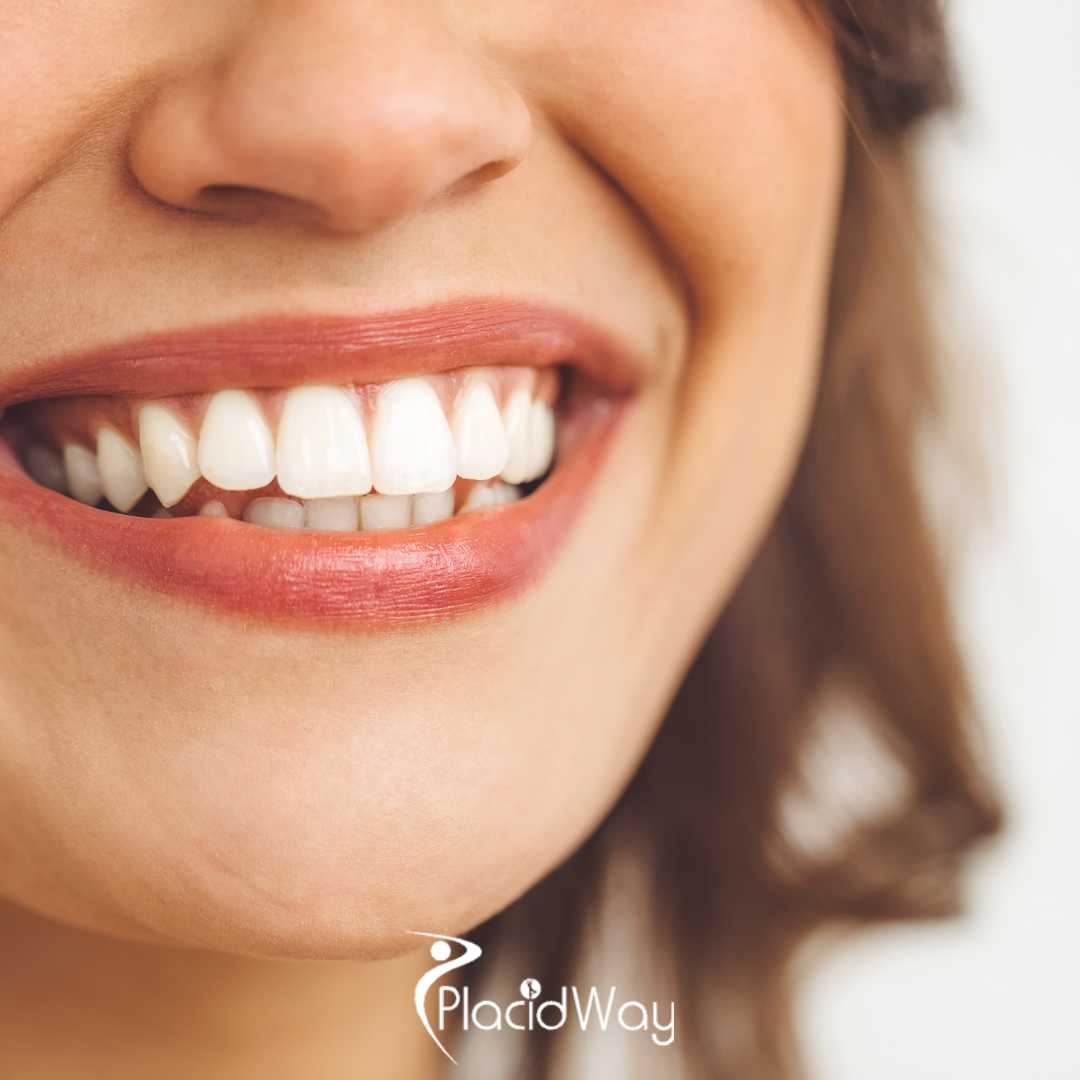
Interest in cosmetic dentistry has grown significantly over the last decade, and for many patients, the pursuit of a complete dental makeover leads them abroad. Getting a Hollywood smile in India has become a notable option for individuals looking to address dental aesthetics without the high local costs commonly found in North America or Europe. If you are exploring this option, understanding the procedures, potential risks, and logistical realities of traveling for dental care is vital.
Key Takeaways
- The term refers to a combination of custom cosmetic and restorative procedures rather than a single specific treatment.
- Cost differences are primarily driven by lower living expenses and operational overhead in the destination country.
- Treatments commonly require a minimum stay of 7 to 14 days, with some complex cases requiring multiple trips.
- Proper preparation involves sharing recent X-rays and understanding the long-term commitment of maintaining veneers or crowns.
- Postoperative care by a local dentist in your home country is highly recommended for long-term oral health.
What exactly is a Hollywood smile procedure?
Rather than being a single recognized medical diagnosis or unified clinical procedure, a smile makeover is highly individualized. Your dentist will evaluate your oral health, bite alignment, and aesthetic goals to create a customized treatment plan. In many cases, the core of the treatment involves porcelain veneers—thin shells bonded to the front of the teeth. For teeth with more significant damage or previous large fillings, dental crowns that cover the entire tooth structure may be used instead.
Before any cosmetic work begins, your provider must ensure your gums and underlying tooth structures are healthy. If issues like active periodontal disease or severe decay are present, these must be treated first. This means the timeline and complexity of the procedure vary widely from patient to patient.
How much does a Hollywood smile cost in India?
Many patients are surprised by the price difference when comparing estimates to their home countries, where full smile makeovers can frequently exceed $15,000 to $30,000. This disparity is not necessarily a reflection of lower material quality. Instead, it reflects the broader economic context: clinical overhead, staff salaries, rent, and local economic factors are considerably lower in South Asia.
When budgeting for this procedure, you must look beyond the initial clinical quote. Patients need to factor in the costs of international flights, accommodations for one to two weeks, ground transportation, specialized medical visas, and potential time off work. Additionally, you should budget for future maintenance, as cosmetic dental work requires upkeep over your lifetime.
What treatments are typically included in this smile makeover?
- Veneers: Thin ceramic layers applied to the front of teeth to correct discoloration, minor gaps, or mild misalignment.
- Crowns: Used when a tooth is broken, severely decayed, or previously treated with a root canal. They provide both aesthetic improvement and structural support.
- Dental Implants: If you have missing teeth, implants act as artificial roots to hold replacement teeth. This significantly extends the treatment timeline.
- Gum Contouring: A procedure to reshape the gum line if a patient feels their smile shows too much gum tissue (often called a "gummy smile").
Are dental materials used in India the same as in Western countries?
Dentistry is a highly globalized profession. High-quality materials like E-max (lithium disilicate) and Zirconia are manufactured by multinational dental corporations and distributed worldwide. These materials are favored because they offer a natural translucency that mimics real tooth enamel while providing high durability.
During your consultation, you can ask the provider specifically about the brands and grades of materials they intend to use. Facilities accustomed to treating international visitors are usually transparent about their suppliers and frequently provide material passports or certificates of authenticity for implants and premium crowns.
How long do you need to stay in India for a Hollywood smile?
The process generally requires multiple visits to the clinic within that timeframe. The first visit typically involves a comprehensive examination, X-rays, and the preparation of your teeth (which may involve removing a thin layer of natural enamel). Impressions or digital scans are then sent to a dental laboratory.
While the permanent veneers are being fabricated—which can take several days—you will likely wear temporary acrylic teeth. The final visit involves bonding the permanent restorations and adjusting your bite. It is wise to remain in the area for an extra day or two after placement so the dentist can make any necessary micro-adjustments if your bite feels uneven.
How do patients safely choose a Hollywood smile clinic in India?
Because dental regulations and oversight vary globally, the responsibility of vetting a facility falls largely on the patient. Look for dentists who are registered with the local national dental council and who continually update their skills through international training or affiliations with global prosthodontic organizations.
Ask prospective clinics detailed questions about their sterilization protocols. Do they use autoclaves? Are they accredited by any local or international health quality boards? Requesting before-and-after photos of actual patients they have treated can also provide insight into their aesthetic approach. Avoid making decisions based solely on the lowest price, as extremely cheap offers may compromise on material quality or laboratory craftsmanship.
What are the potential risks of getting dental veneers abroad?
Traditional veneers require shaving down a portion of your healthy tooth enamel. This process is irreversible. Once you have veneers, you will always need some form of restoration on those teeth. Some patients experience heightened sensitivity to hot and cold temperatures after the procedure, which can sometimes be temporary but may occasionally signal nerve irritation.
A significant risk specific to cross-border dentistry is continuity of care. If a veneer chips, debonds, or an infection develops a few weeks after you fly home, returning to your original treating dentist is usually impractical. You will need to seek treatment from a local dentist, which can result in unforeseen out-of-pocket expenses.
How does medical tourism in India support international dental patients?
To attract global patients, many major dental centers have modernized their approach to patient care. Before you ever board a flight, many clinics will arrange video consultations where you can discuss your goals and share local X-rays. This helps the dental team provide a realistic preliminary treatment plan and cost estimate.
Additionally, patient coordinators often assist in navigating the local environment, answering questions about proximity to hotels, and explaining the medical visa application process. The wide use of English among medical professionals in these centers also helps minimize the risk of miscommunication regarding your health and aesthetic preferences.
How long do the results of a Hollywood smile typically last?
The longevity of your restorations depends heavily on your daily habits. While porcelain does not stain as easily as natural enamel, the underlying tooth and surrounding gum tissue are still susceptible to decay and disease. Receding gums, frequently caused by aggressive brushing or periodontal issues, can expose the margins of the veneers, making them look unnatural and increasing the risk of decay.
Habits like chewing on ice, biting fingernails, or using your teeth to open packages can crack or chip the ceramics. Patients who clench or grind their teeth at night are particularly at risk of damaging their new smile prematurely.
What kind of aftercare is required once you return home?
Returning home with a new smile requires a long-term commitment to maintaining it. You must brush at least twice a day using a non-abrasive toothpaste, as abrasive formulas can scratch the polish on the porcelain. Flossing daily is equally critical to keep the gums healthy around the margins of the restorations.
Your overseas provider may recommend a custom-fitted occlusal guard (night guard) to wear while you sleep. This simple device protects the ceramic from the intense pressure of nighttime teeth grinding. Most importantly, do not skip your bi-annual dental cleanings at home. A local dentist can monitor your restorations and address minor issues before they turn into costly repairs.
Why Choose PlacidWay for Medical Tourism?
Researching international dental care can be overwhelming. PlacidWay serves as a global medical tourism platform to help you navigate your options.
- Broad Network: PlacidWay provides access to a directory of dental clinics and healthcare providers across multiple continents.
- Educational Resources: The platform offers articles and guides to help patients understand various dental procedures and what to expect abroad.
- Direct Communication: Patients can use the platform to connect directly with clinics to ask clinical questions and request preliminary estimates.
- Cost Transparency: The platform helps users compare estimated treatment costs across different facilities and geographic locations.
- Focused Information: PlacidWay gathers provider profiles, helping individuals review facility credentials in one centralized location.
Frequently Asked Questions
Is it safe to get a Hollywood smile in India?
Safety depends largely on the facility and provider you choose. Many modern dental clinics in major Indian cities adhere to strict international sterilization and hygiene protocols. However, risks are inherently involved in any dental procedure, and traveling adds complications if postoperative issues occur.
Do Indian dentists typically speak English?
Yes, the vast majority of dental professionals working in facilities that cater to international patients speak fluent English. English is commonly the language of instruction in Indian medical and dental schools.
Can I get a complete Hollywood smile done in a single trip?
Many veneer and crown procedures can be completed in a single trip lasting one to two weeks. However, if your treatment plan requires dental implants, you will typically need at least two separate trips spaced several months apart for proper healing.
What cities in India are popular for dental work?
Major metropolitan areas such as New Delhi, Mumbai, Bangalore, Chennai, and Hyderabad are frequent destinations for international patients due to their high concentration of advanced dental centers and international airport access.
Do I need a special visa for dental treatments in India?
India offers a specific Medical Visa (M Visa) for patients seeking medical or dental care. Depending on your nationality and the duration of your treatment, you may also be eligible for an e-Medical Visa, which simplifies the application process.
Can I combine my dental treatment with a vacation?
While many patients do combine treatment with sightseeing, it is advisable to prioritize your medical care. Dental procedures can cause temporary sensitivity or discomfort, and you may need multiple clinic visits that could interrupt travel plans.
Will my domestic dental insurance cover treatments in India?
Standard domestic dental insurance policies rarely cover cosmetic treatments or procedures performed internationally. You should consult your insurance provider directly, but expect to pay out of pocket for cross-border cosmetic dentistry.
What happens if I experience pain after returning home?
If complications arise after you return home, you will need to seek care from a local dentist. It is highly recommended to establish a relationship with a domestic dentist before traveling so they are aware of your plans and willing to handle your ongoing aftercare.
Are the physical results of a Hollywood smile permanent?
No dental restorations last forever. While the alteration to your natural tooth structure (enamel removal) is permanent, the veneers or crowns themselves typically need replacement every 10 to 15 years, depending on wear and oral hygiene.
How do I prepare for dental veneers before traveling?
Start by obtaining a current set of dental X-rays and sharing them with your chosen provider for an initial remote consultation. Treat any active gum disease or cavities locally before flying, as a healthy foundation is required for cosmetic work.
Compare Treatment Options Today
Take the next step in gathering information about cosmetic dentistry abroad. Request detailed facility information and preliminary estimates to make an educated decision about your dental care.
Request Treatment InformationReferences
- American Dental Association (ADA) - Oral Health Topics: Veneers
- Centers for Disease Control and Prevention (CDC) - Infection Control in Dental Settings
- PubMed - Longevity of Ceramic Veneers: A Systematic Review
- World Health Organization (WHO) - Medical Travel Q&A
- British Dental Association (BDA) - Dental Tourism Advice and Risks
- International Society for Quality in Health Care (ISQua) - Standards in Global Healthcare





.png)
.png)
.png)
.png)

















Share this listing