
Stem Cell and NK Cell Therapy Combination in Malaysia
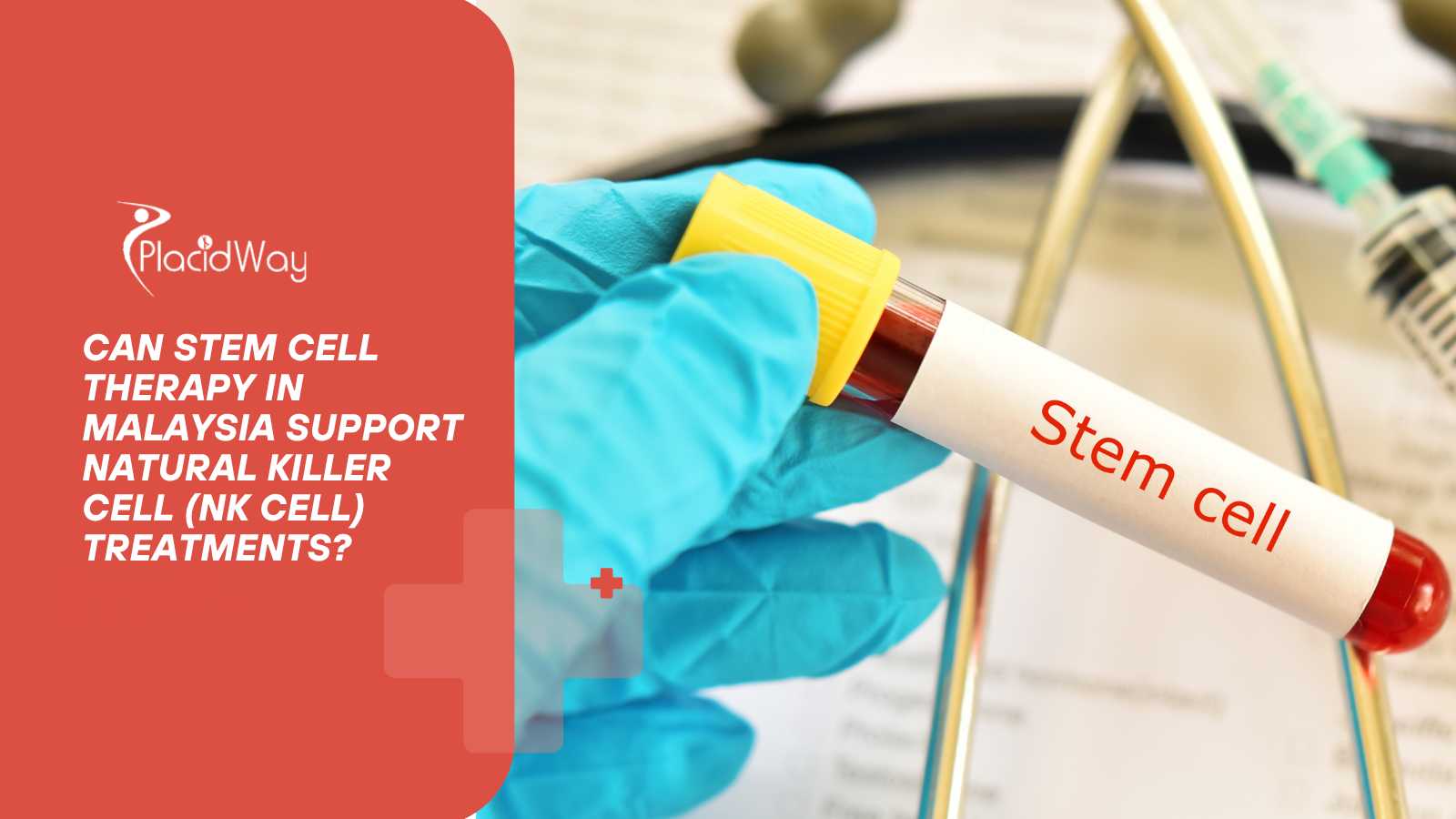
Navigating the evolving landscape of cellular medicine can feel overwhelming, especially when trying to understand how different therapies interact. Many patients researching regenerative medicine or immune support wonder if combining stem cells with immune-modulating treatments like NK cells could offer synergistic benefits. Stem cell therapy in Malaysia has gained international attention due to the country's developing healthcare infrastructure and strict regulatory frameworks, making it a focal point for patients exploring these options.
Key Takeaways
- Biological Differences: Stem cells focus on tissue repair and immunomodulation, while NK cells actively target and destroy abnormal cells.
- Regulatory Landscape: The Ministry of Health Malaysia (MOH) strictly oversees cellular therapies to ensure patient safety and product quality.
- Experimental Nature: Combining these two cellular therapies is an emerging area of research and is not a standardized, universally accepted protocol.
- Patient Assessment: Eligibility for advanced cellular treatments requires thorough blood work, immunological testing, and specialist consultation.
- Financial Planning: Patients must carefully budget for treatment, laboratory fees, travel, and necessary follow-up care, as these procedures are rarely insured.
How do stem cells and NK cells work differently in the body?
To understand how these therapies might interact, we first need to look at their distinct biological roles. Mesenchymal stem cells (MSCs), which are frequently used in regenerative medicine, are known primarily for their immunomodulatory properties. Instead of directly attacking diseases, MSCs secrete proteins and growth factors that can calm overactive immune responses, reduce chronic inflammation, and encourage the body's natural healing processes.
On the other hand, NK cells are a specialized type of white blood cell belonging to the innate immune system. They do not rebuild tissue. Instead, they patrol the bloodstream, identifying cells that lack healthy markers. When an NK cell encounters a stressed or abnormal cell, it releases cytotoxic chemicals to destroy the threat.
Researchers are exploring whether combining these functions could be beneficial. The theoretical premise is that stem cells could help create a balanced, less inflamed internal environment, potentially allowing infused NK cells to function more effectively without being hindered by chronic systemic inflammation. However, this interaction is highly complex, and clinical studies are still necessary to determine how safely and effectively these cells work together in human patients.
Are stem cell and NK cell therapies legally permitted in Malaysia?
Malaysia takes a highly structured approach to emerging medical technologies. The regulatory framework surrounding cell and gene therapy products (CGTP) is designed to protect patients from unproven or dangerous treatments. Any facility cultivating or processing human cells for therapeutic use must adhere to stringent Good Manufacturing Practice (GMP) standards.
While certain well-documented cellular treatments (like hematopoietic stem cell transplants for specific blood disorders) are standard practice, many applications of MSCs and NK cells are still classified as investigational. This means that a clinic offering these therapies must usually do so under specific medical protocols, clinical trials, or strict compassionate use guidelines.
If you are exploring these treatments, you should always verify that the facility complies with MOH regulations. Legitimate providers will be transparent about the regulatory status of the specific therapy they are recommending and will never present an experimental treatment as a guaranteed routine procedure.
What is the typical stem cell therapy cost in Malaysia?
Budgeting for advanced cellular therapies requires a detailed understanding of what the quoted price includes. The costs can fluctuate significantly based on multiple variables, and adding NK cell treatments to a stem cell protocol will substantially increase the overall expense.
Several factors influence the final cost:
- Cell Source: Autologous therapies (using your own cells) often require expensive harvesting and expanding procedures. Allogeneic therapies (donor cells) have different costs associated with rigorous donor screening and cell banking.
- Laboratory Fees: Culturing NK cells and stem cells in a sterile, GMP-compliant clean room is a highly technical, resource-intensive process.
- Number of Infusions: Some protocols require a single infusion, while others necessitate multiple sessions spread over weeks or months.
- Pre-treatment Testing: Comprehensive immunological profiling, blood panels, and imaging are required before any treatment can begin.
| Treatment Component | Estimated Cost Range (USD) | What It Typically Includes |
|---|---|---|
| Consultation & Diagnostics | $500 - $1,500 | Specialist fees, initial blood work, immune system profiling. |
| Mesenchymal Stem Cell Therapy | $5,000 - $15,000+ | Cell harvesting (if autologous), laboratory expansion, IV infusion. |
| NK Cell Therapy Add-on | $6,000 - $12,000+ | Blood draw, specific NK cell isolation and expansion, infusion. |
Note: These figures are general estimates for informational purposes only. Actual costs vary widely by facility and individual medical needs.
What conditions might lead patients to seek combined cellular therapies?
It is crucial to understand that combining these therapies is largely investigational. Doctors rarely recommend this dual approach for straightforward, easily managed conditions. Instead, patients looking into these options are usually dealing with complex, systemic issues that have not responded well to standard care.
Some areas where researchers are actively studying the effects of these cells include severe autoimmune disorders, where the immune system attacks healthy tissue. In theory, MSCs could help downregulate the aggressive autoimmune response, while NK cells might help clear out malfunctioning immune cells or underlying viral triggers. Another area of interest is immune senescence—the natural decline of the immune system as we age.
However, you should approach any clinic claiming that this combination can cure chronic illnesses or cancer with extreme caution. While cellular immunotherapy is a rapidly advancing field, treatments must be matched precisely to the patient's unique pathology by qualified specialists.
How does the immune system respond to combined cellular treatments?
When you receive an infusion of millions of cultured cells, your body reacts. If the treatment involves autologous NK cells (your own cells that have been multiplied in a lab), the risk of rejection is minimal. The goal is for these activated cells to circulate and perform their natural function of identifying and neutralizing cellular threats more robustly than before.
The addition of stem cells, particularly allogeneic MSCs (from a donor), introduces another layer of complexity. MSCs are generally considered "immune-evasive," meaning they do not usually trigger a strong rejection response from the host's immune system. Once in the body, they release cytokines and signaling molecules that communicate with your existing immune cells, potentially reducing systemic inflammation.
Monitoring this response is a critical part of the treatment protocol. Doctors must track how the patient's native immune system interacts with the infused cells to ensure that the environment remains balanced and that the treatment does not trigger unintended immune flares.
What should patients look for in a stem cell clinic in Malaysia?
Choosing the right medical facility is the most critical decision a patient can make. The quality and safety of cellular therapies rely entirely on the standards of the laboratory processing the cells and the medical professionals administering them.
Here are crucial criteria to evaluate:
- Laboratory Standards: Ask where the cells are processed. They must be cultured in a Good Manufacturing Practice (GMP) certified cleanroom to prevent contamination.
- Medical Team Credentials: The team should include specialists in cellular biology, immunology, or hematology, not just general practitioners.
- Transparent Protocols: Reputable clinics will clearly explain the source of the cells, the exact number of cells to be infused, and the expected viability of the product.
- Realistic Expectations: Avoid clinics that use heavy-handed sales tactics or promise guaranteed cures. Ethical providers will openly discuss the experimental nature of combined therapies and their associated risks.
What are the potential risks of mixing stem cells and NK cells?
Patient safety must always be the primary concern. Any medical procedure involving intravenous infusions carries basic risks, such as infection at the injection site, allergic reactions to the preserving agents used during cell storage, or phlebitis (inflammation of the vein).
Specific to cellular therapies, patients may experience a phenomenon sometimes called an "infusion reaction." This can present as chills, fatigue, a mild fever, or temporary nausea as the body adjusts to a large influx of bioactive cells. These symptoms usually resolve within 24 to 48 hours.
A more complex risk involves the theoretical interaction between the cells themselves. Because MSCs suppress certain immune responses to reduce inflammation, researchers must carefully time the administration of NK cells, which rely on immune signaling to function optimally. Poorly planned protocols could result in the stem cells inadvertently dampening the effectiveness of the NK cells. This underscores why these treatments must be designed by specialists who deeply understand cellular biology.
How does medical tourism in Malaysia facilitate access to cellular therapies?
Malaysia has proactively positioned itself as a destination for healthcare travelers. The Malaysia Healthcare Travel Council (MHTC), an agency under the Ministry of Health, works to ensure that medical tourists receive safe, transparent, and high-quality care.
For patients seeking advanced therapies, this infrastructure is highly beneficial. Many of the top-tier hospitals and specialized clinics are concentrated in major hubs like Kuala Lumpur or Penang. These facilities often have dedicated international patient centers that assist with medical record translation, specialist coordination, and transparent cost estimates before the patient ever boards a plane.
However, traveling for healthcare requires careful planning. Patients must consider the physical toll of flying, especially if their health is already compromised. Furthermore, cellular therapies often require multiple visits or extended stays while cells are cultured in the laboratory, making logistical planning an essential part of the medical journey.
What is the standard recovery and follow-up process for cellular therapies?
The immediate physical recovery after an IV infusion of stem cells or NK cells is typically straightforward. Most patients are monitored in the clinic for a few hours to ensure there are no immediate adverse reactions and are then discharged to rest. Strenuous physical activity should be avoided for several days.
The true "recovery" phase is biological and takes time. Cells need weeks or even months to integrate, signal, and exert their intended effects. During this period, follow-up care is vital. Clinics will usually require patients to undergo periodic blood tests to monitor immune markers, liver and kidney function, and inflammatory proteins.
For medical tourists, this means establishing a clear plan for continuity of care. Before leaving Malaysia, you must ensure that the treating clinic provides a detailed discharge summary, complete laboratory reports, and specific instructions for your primary care doctor at home. If complications arise after returning home, your local medical team must know exactly what cells were administered and how they were processed.
Why Choose PlacidWay
Navigating international healthcare requires access to reliable information and clear communication. PlacidWay assists patients by providing educational resources and connections to medical facilities worldwide.
- Extensive Directory: Access a comprehensive global database of medical centers and specialized clinics.
- Educational Focus: Empowers patients with information regarding various medical procedures and destinations.
- Direct Communication: Facilitates initial contact and document sharing between patients and international healthcare providers.
- Transparent Comparisons: Allows users to evaluate different facilities, their accreditations, and estimated treatment costs.
- Informed Decisions: Supports patients in gathering the necessary details to discuss options with their local primary care physicians.
Frequently Asked Questions
What exactly are Natural Killer (NK) cells?
Natural Killer (NK) cells are a type of white blood cell that belongs to the innate immune system. They patrol the body and can quickly identify and destroy abnormal cells, such as virus-infected cells or early-stage tumor cells, without requiring prior exposure or activation.
Are NK cell treatments considered a type of stem cell therapy?
No, NK cell therapy is considered an immunotherapy or cellular immunotherapy, not a stem cell therapy. While stem cells are used to repair or regenerate tissue, NK cells are mature immune cells used to actively target and clear abnormal cells from the body.
How long does a typical cellular therapy session take in Malaysia?
The actual intravenous infusion of cells typically takes between one to three hours. However, the entire process—including initial consultations, blood draws, laboratory culturing (which can take weeks), and post-infusion monitoring—spans a much longer timeframe.
Do I need a medical referral to consult a cellular therapy clinic in Malaysia?
While you can often contact a clinic directly for an initial inquiry, reputable medical facilities will require a comprehensive set of your current medical records and may ask to consult with your primary care physician or specialist back home to determine if you are a candidate.
Are results from stem cell and NK cell treatments guaranteed?
No medical treatment can be guaranteed. Cellular therapies are highly individualized, and patient responses vary significantly based on their underlying health conditions, genetics, the progression of their illness, and other biological factors.
Can foreign patients easily access cellular therapies in Malaysia?
Malaysia has a well-structured medical tourism sector that welcomes foreign patients. However, access to specific cellular therapies depends entirely on medical eligibility, regulatory approvals for the specific treatment, and the capabilities of accredited healthcare facilities.
What are the most common side effects of NK cell therapy?
Common mild side effects include fatigue, low-grade fever, chills, and mild nausea following the infusion. These occur as the immune system responds to the introduced cells. Severe complications are rare but require immediate medical attention.
Does insurance cover the cost of stem cell or NK cell treatments in Malaysia?
In most cases, standard health insurance policies do not cover experimental or investigational cellular therapies. Patients usually pay out-of-pocket, making it crucial to request detailed, transparent cost estimates before traveling.
How are cellular products regulated for safety in Malaysia?
Cell and gene therapy products in Malaysia are regulated by the National Pharmaceutical Regulatory Agency (NPRA) under the Ministry of Health. They enforce strict Cell and Gene Therapy Products (CGTP) guidelines to ensure manufacturing safety and quality control.
What is the difference between autologous and allogeneic cellular therapies?
Autologous therapies use your own cells, which are harvested, processed, and reintroduced to your body. Allogeneic therapies use cells from a carefully screened, healthy donor. Both approaches have specific medical indications and distinct risk profiles.
Explore Your Cellular Therapy Options
Gather detailed information, compare accredited international facilities, and connect with healthcare providers to make an informed decision about your health journey.
Request Treatment InformationReferences
- National Pharmaceutical Regulatory Agency (NPRA) – Ministry of Health Malaysia
- National Center for Biotechnology Information (NCBI) – Interaction between Mesenchymal Stem Cells and Natural Killer Cells
- World Health Organization (WHO) – Quality of Care and Patient Safety
- U.S. Food and Drug Administration (FDA) – Cellular & Gene Therapy Products (General Reference)




















Share this listing