


Stroke Recovery in Malaysia: How Stem Cell Therapy Helps Patients Regain Mobility
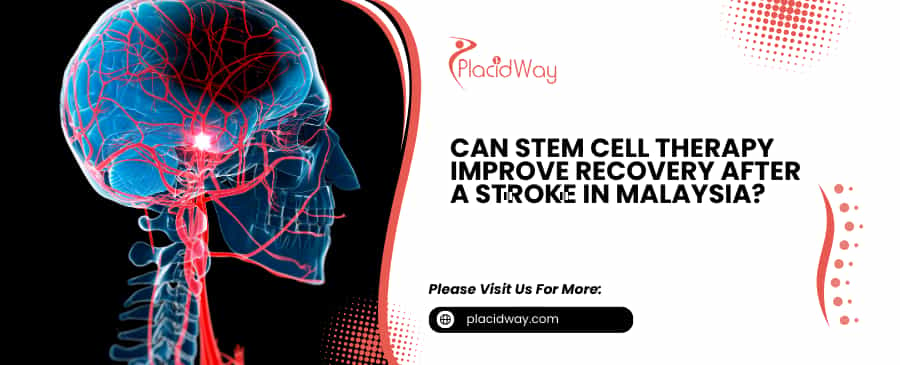
Experiencing a stroke can be a life-altering event, often leaving individuals with significant physical and cognitive challenges. The journey to recovery can be long and arduous, with many patients constantly seeking innovative ways to regain their independence and quality of life. This quest for advanced treatments has brought stem cell therapy into the spotlight as a potential game-changer in post-stroke rehabilitation. In Malaysia, a nation rapidly advancing in medical technology and healthcare, there's growing interest and research into how this cutting-edge approach could transform recovery outcomes for stroke survivors.
For many years, traditional stroke rehabilitation has focused on physical therapy, occupational therapy, and speech therapy to help the brain relearn functions. While these methods are crucial, stem cell therapy offers a different angle: it aims to repair the brain at a cellular level. By harnessing the body's own regenerative capabilities, stem cells could potentially regenerate damaged brain tissue, reduce inflammation, and create new connections, thereby paving the way for more profound and sustained recovery. Let's delve into the possibilities and realities of stem cell therapy for stroke recovery in Malaysia.
How Does Stem Cell Therapy Work for Stroke Recovery?
Stem cell therapy is a form of regenerative medicine that utilizes the unique properties of stem cells to repair damaged tissues and organs. In the context of stroke, these cells are believed to act through several mechanisms:
- Neuroprotection: They can protect existing brain cells from further damage.
- Neurogenesis: They have the potential to develop into new neurons or support cells, replacing those lost during the stroke.
- Angiogenesis: They can promote the formation of new blood vessels, improving blood supply to oxygen-deprived brain areas.
- Immunomodulation: They help reduce the inflammatory response in the brain, which can otherwise exacerbate damage after a stroke.
The introduced stem cells are often thought to create a more hospitable environment for the brain's natural repair mechanisms to kick in, essentially "rebooting" some of the damaged circuitry. This multi-faceted approach aims to not only mitigate immediate damage but also to foster long-term functional recovery.
Is Stem Cell Therapy for Stroke Currently Approved and Regulated in Malaysia?
Malaysia's Ministry of Health (MOH) has a comprehensive framework for regulating cell and gene therapy products. While Malaysia is progressive in its approach to regenerative medicine, routine stem cell therapy for stroke outside of clinical trials is not yet widely approved. The focus is on ensuring patient safety and treatment efficacy through rigorous research and development.
This means that while interest and research are robust, patients should be aware that any treatments offered must adhere to the national regulatory guidelines. Reputable medical institutions in Malaysia often participate in clinical trials, which are carefully monitored to assess the safety and potential benefits of these therapies for stroke patients.
What Potential Benefits Can Stroke Patients Expect from Stem Cell Therapy?
While the full extent of benefits is still being researched, initial studies and anecdotal evidence suggest several positive outcomes for stroke survivors:
- Motor Function Improvement: Patients may regain better control over their limbs, potentially improving walking, grasping, and other daily activities.
- Cognitive Enhancement: Improvements in memory, attention, and problem-solving skills have been noted in some cases.
- Speech and Communication: For those with aphasia or dysarthria, there's a possibility of better articulation and language comprehension.
- Reduced Spasticity: Stem cells might help alleviate muscle stiffness and involuntary movements often experienced post-stroke.
It's important to understand that outcomes can vary greatly among individuals, and stem cell therapy is typically seen as an adjunct to conventional rehabilitation, not a replacement. The goal is to maximize functional recovery and enhance the patient's independence.
Are There Risks or Side Effects Associated with Stem Cell Therapy for Stroke?
As with any medical intervention, stem cell therapy carries potential risks, although many advanced clinics prioritize patient safety through stringent protocols. The most common concerns include:
- Infection: Any invasive procedure carries a risk of infection at the injection site.
- Immune Response: If donor cells are used, there's a slight chance of an immune reaction, though this is minimized by careful matching and immunosuppressive strategies when necessary.
- Allergic Reaction: Patients may have an allergic response to components used in the cell preparation or administration.
- Procedure-Related Complications: Risks associated with cell delivery, such as bleeding or nerve damage, are rare but possible.
Reputable medical facilities in Malaysia adhere to strict safety guidelines, including thorough screening of cell sources and careful patient monitoring, to minimize these potential side effects. Patients should always have an open discussion with their medical team about all potential risks.
Who is a Suitable Candidate for Stem Cell Therapy After a Stroke?
Determining suitability for stem cell therapy is a complex process that involves a comprehensive medical evaluation. Generally, candidates should meet specific criteria:
- Stable Medical Condition: Patients should be medically stable, without acute infections or other severe comorbidities.
- Time Since Stroke: Some therapies target the acute phase (within days or weeks of stroke), while others focus on the chronic phase (months or even years after stroke).
- Severity of Impairment: Candidates often have persistent neurological deficits despite standard rehabilitation.
- Realistic Expectations: Patients and their families must understand that stem cell therapy is not a "cure-all" but a potential aid to recovery.
A thorough assessment by a neurologist and a regenerative medicine specialist is crucial to determine if a patient is an appropriate candidate, considering their unique medical history and the specific type of stem cell therapy being considered.
What is the Typical Timeline and Recovery Process After Stem Cell Treatment?
The recovery process following stem cell therapy is not instantaneous; it is a gradual journey. Patients should anticipate that while the stem cells begin their work, the brain needs time to respond and reorganize. This means that significant functional improvements often unfold over an extended period. Many patients report initial subtle changes within weeks, followed by more noticeable gains in motor skills, cognitive function, or speech over several months.
Crucially, stem cell therapy is most effective when integrated into a comprehensive rehabilitation program. Physical therapy, occupational therapy, and speech therapy remain vital components of post-stroke care, working in conjunction with the regenerative effects of stem cells to maximize neuroplasticity and functional recovery. Consistent effort and adherence to rehabilitation protocols are key to achieving the best possible long-term outcomes.
What is the Estimated Cost of Stem Cell Therapy for Stroke in Malaysia?
The cost of stem cell therapy for stroke in Malaysia is highly variable due to several factors. These include:
- Type of Stem Cells: Different sources (e.g., adipose-derived, bone marrow-derived, umbilical cord-derived) and processing methods can affect the price.
- Number of Treatments: A single infusion might be less expensive than a series of treatments over time.
- Clinic and Facilities: Advanced medical centers with state-of-the-art equipment and specialized staff may have higher costs.
- Inclusion of Ancillary Services: The total price often includes consultations, diagnostic tests, hospitalization, post-treatment care, and rehabilitation sessions.
Compared to Western countries, Malaysia generally offers competitive pricing for advanced medical treatments while maintaining high standards of care. Patients considering this therapy should request a detailed cost breakdown from any prospective medical provider to understand what is included in the quoted price.
Why Consider Malaysia for Stem Cell Therapy After a Stroke?
Malaysia has steadily grown into a reputable medical tourism hub, known for combining excellent healthcare services with affordability. For international patients considering stem cell therapy for stroke, Malaysia offers several compelling advantages:
- Advanced Medical Infrastructure: The country boasts modern hospitals and clinics equipped with cutting-edge technology.
- Experienced Medical Professionals: Many Malaysian doctors and specialists have received training internationally and are highly proficient in English.
- Cost-Effectiveness: The cost of treatments in Malaysia is often significantly lower than in many Western countries, without compromising on quality.
- Government Support: The Malaysian government actively promotes medical tourism, ensuring high standards and regulatory oversight.
- Cultural Richness and Hospitality: Patients can also benefit from Malaysia's warm hospitality, diverse culture, and pleasant environment during their recovery.
These factors collectively create an appealing package for individuals looking for high-quality, accessible, and comprehensive medical care, including advanced regenerative therapies.
What Factors Should Medical Tourists Consider When Choosing a Clinic in Malaysia?
Choosing the right clinic for stem cell therapy is paramount, especially for medical tourists. Careful consideration of these factors will help ensure a safe and effective experience:
- Accreditation and Licensing: Verify that the clinic is fully accredited by relevant national and international bodies, indicating adherence to high standards of patient care and safety.
- Physician Expertise: Research the qualifications, experience, and specialization of the medical team, particularly their experience in regenerative medicine and stroke rehabilitation.
- Treatment Transparency: Ensure the clinic provides a clear, detailed treatment plan, including the type of stem cells used, the number of infusions, expected outcomes, and potential risks.
- Regulatory Compliance: Confirm that the clinic operates within Malaysia's stringent regulatory framework for cell and gene therapy products.
- Comprehensive Care: Look for clinics that offer not only the stem cell procedure but also integrated rehabilitation services and post-treatment follow-up care.
It is advisable to engage in virtual consultations and gather as much information as possible before making a decision. Patient testimonials and independent reviews can also offer valuable insights.
Are There Ongoing Clinical Trials for Stem Cell Therapy for Stroke in Malaysia?
Malaysia is actively involved in the global scientific community dedicated to advancing regenerative medicine. Several research institutions, universities, and hospitals across the country are participating in or conducting clinical trials focused on stem cell therapy for various conditions, including stroke. These trials are essential for gathering robust scientific evidence on the safety, optimal dosage, and long-term effectiveness of different stem cell applications.
Participation in clinical trials offers patients access to cutting-edge treatments that might not yet be widely available. These trials are conducted under strict ethical guidelines and regulatory oversight, ensuring patient safety is prioritized. Interested individuals should consult with their healthcare providers to explore opportunities to participate in such research, if deemed appropriate for their condition.
Considering advanced medical treatments abroad? Explore your options for medical tourism, healthcare services, and innovative therapies by visiting PlacidWay today. Your journey to better health starts here.






.png)
.png)
.png)
.png)




-(7).png)














Share this listing