


Understanding Stem Cell Therapy for Diabetes Management in Malaysia
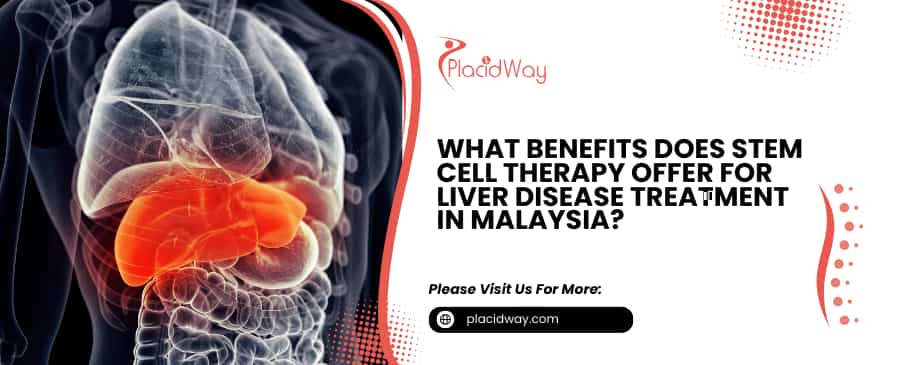
Living with chronic conditions like diabetes or metabolic syndrome often requires a lifelong commitment to medication, dietary adjustments, and careful monitoring. As regenerative medicine evolves, many patients are exploring stem cell therapy for diabetes and metabolic disorders in Malaysia. This Southeast Asian destination has established a strong reputation for offering regulated, high-quality medical treatments to international patients.
Metabolic disorders, particularly type 2 diabetes, are largely characterized by chronic inflammation and the body's inability to effectively use insulin. While standard treatments focus on managing blood sugar levels and minimizing complications, regenerative therapies aim to address the underlying cellular dysfunction. By utilizing the unique properties of specialized cells, medical professionals are investigating new ways to support the body’s natural healing mechanisms.
Key Takeaways
- Biological Focus: Treatment primarily utilizes mesenchymal stem cells (MSCs) to target inflammation and insulin resistance.
- Adjunct Therapy: It is designed to complement, not replace, standard medical treatments like insulin or oral medications.
- Regulatory Oversight: Malaysia has specific guidelines governing cellular and gene therapies to help protect patient safety.
- Personalized Approach: Eligibility, dosages, and treatment protocols are tailored to an individual’s medical history and current health status.
- Variable Outcomes: While some patients report improved energy and better blood sugar control, results are not guaranteed and require time to develop.
How do stem cells target type 2 diabetes and metabolic syndrome?
Type 2 diabetes and metabolic syndrome are heavily driven by systemic inflammation. Over time, this inflammation impairs the ability of cells in the muscles, liver, and fat tissue to absorb glucose, a state known as insulin resistance. The pancreas is then forced to produce more insulin, eventually leading to beta-cell exhaustion and elevated blood sugar levels.
Regenerative medicine focuses on the immunomodulatory properties of stem cells. When introduced into the body, these cells act as natural managers of the immune system. They release cytokines and extracellular vesicles that communicate with surrounding tissues, signaling them to lower inflammatory responses.
By potentially lowering this inflammatory burden, the therapy aims to improve the microenvironment of the organs involved in metabolism. While they may not directly transform into new insulin-producing cells in the pancreas, their supportive role can help preserve remaining beta-cell function and improve overall metabolic efficiency in suitable patients.
What types of stem cells are typically used for metabolic conditions in Malaysia?
Mesenchymal stem cells (MSCs) are currently the standard choice for treating metabolic and inflammatory disorders. Unlike embryonic cells, which carry ethical concerns and a higher risk of forming tumors, adult MSCs have a well-documented safety profile in clinical applications. They are highly valued for their ability to regulate immune responses and promote tissue repair.
In many Southeast Asian medical facilities, umbilical cord-derived MSCs (UC-MSCs) are preferred. These cells are collected from healthy, full-term deliveries with the mother's informed consent. UC-MSCs are considered robust, young, and highly proliferative. Because they possess low immunogenicity, they rarely trigger a rejection response from the patient’s immune system, making them suitable for allogeneic (donor-to-patient) therapies.
Alternatively, some protocols use autologous cells—meaning they are harvested from the patient's own adipose (fat) tissue or bone marrow. The choice of cell type depends heavily on the specific facility’s expertise, the patient’s health condition, and the physician's recommendation.
Who might be a suitable candidate for this treatment?
Determining eligibility requires a thorough medical evaluation. Patients who often explore this route are those who struggle to maintain optimal blood sugar levels despite strict adherence to diet, exercise, and prescribed medications. Those experiencing early signs of metabolic complications, such as neuropathy or persistent fatigue, may also be evaluated for suitability.
However, regenerative therapy is not appropriate for everyone. Patients with active cancers, severe active infections, or advanced organ failure are usually contraindicated for cell therapies. Furthermore, those with type 1 diabetes face a more complex autoimmune challenge; while research is ongoing, treatment protocols for type 1 diabetes remain highly experimental and require specific, cautious assessment.
A responsible medical provider will review your comprehensive medical history, recent blood work (including HbA1c and inflammatory markers), and current medication list before confirming if you are a viable candidate.
What is the typical process for receiving this therapy in Malaysia?
Traveling for regenerative medicine requires planning, but the actual procedure is typically minimally invasive. Upon arrival at the medical facility, you will undergo an in-person consultation with a specialist. This includes baseline blood tests to check your current metabolic state and ensure you are fit to proceed with the treatment.
Once cleared, the treatment itself is often performed on an outpatient basis. The mesenchymal stem cells are usually administered systematically via an intravenous (IV) drip. This method allows the cells to circulate throughout the bloodstream, naturally migrating to areas of inflammation and tissue damage within the body. The infusion process usually takes one to two hours.
Following the infusion, you will remain at the facility for a short observation period to monitor for any immediate allergic reactions. Most patients are cleared to return to their hotel the same day and can resume light, normal activities shortly afterward.
Are there potential risks or side effects?
Patient safety must always be the priority when considering investigational treatments. The use of MSCs is generally considered to have a favorable safety profile, but no medical procedure is entirely devoid of risk. The most commonly reported side effects are transient and mild. Patients may experience a slight fever, lethargy, or mild discomfort at the IV site for 24 to 48 hours following the procedure.
More severe complications are rare but possible. These can include infections if sterile protocols are not strictly maintained, or adverse immune reactions. It is crucial to disclose all pre-existing health conditions, allergies, and current medications to your treating physician to mitigate these risks.
Because regenerative medicine is still advancing, the long-term effects of repeated cell infusions are still being studied. Patients are strongly encouraged to maintain regular check-ups with their local endocrinologist after returning home to monitor their health and manage any delayed side effects safely.
How much does stem cell therapy cost in Malaysia?
Pricing for regenerative therapies can vary significantly based on an individual's tailored treatment plan. The most significant factor influencing the cost is the total number of cells prescribed, which is often calculated based on the patient's body weight and the severity of their condition.
Other variables that affect the final price include the type and source of the stem cells, the inclusion of supportive therapies (such as exosome therapy or specific nutritional IV drips), and the diagnostic testing required before the procedure.
| Cost Factor | Description |
|---|---|
| Cell Dosage | Higher cell counts required for systemic conditions will increase the overall price. |
| Cell Source | Cultured umbilical cord cells may have different pricing structures compared to autologous fat extraction. |
| Diagnostic Tests | Comprehensive blood panels and metabolic testing add to the initial consultation fees. |
These figures are estimates. Patients should always request a detailed, itemized quote from their chosen medical provider to understand exactly what is included in their treatment package.
Is the treatment regulated by the Malaysian Ministry of Health?
One of the reasons international patients feel confident seeking treatment in this region is the structured regulatory framework. The Malaysian Ministry of Health actively monitors the medical sector, particularly the rapidly growing field of regenerative medicine. The NPRA has established specific guidelines that medical facilities and laboratories must follow regarding the harvesting, processing, and clinical application of cells.
These guidelines require laboratories to maintain Good Manufacturing Practice (GMP) standards, ensuring that cell products are sterile, viable, and uncontaminated. Facilities offering these services must be licensed and frequently audited.
While the regulations provide a strong layer of safety, patients must still perform their own due diligence. Always verify that the facility you choose is fully registered with the Ministry of Health and that the doctors are appropriately credentialed to administer cellular therapies.
How long does it typically take to see potential improvements?
Stem cell therapy is not a fast-acting pharmacological drug like insulin or paracetamol. It initiates a biological healing process that takes time to unfold. Following the infusion, the cells begin the complex work of modulating the immune response and interacting with inflamed tissues.
Some patients report feeling initial benefits, such as reduced fatigue or improved sleep, within the first few weeks. However, significant changes in metabolic markers—such as improvements in fasting blood glucose or reductions in HbA1c levels—typically take several months to manifest, if they occur at all. The speed and extent of these potential improvements are highly individualized.
It is vital to maintain realistic expectations. You must continue taking your prescribed diabetes medications and monitoring your blood sugar closely during the months following the procedure. Any adjustments to your standard medication regimen must only be made by your local doctor based on verified blood test results.
Important Consideration
Regenerative medicine works best when combined with a healthy lifestyle. Continuing to eat a balanced diet, exercising regularly, and managing weight are critical factors in supporting your body's metabolic health after receiving therapy.
Why is medical tourism in Malaysia popular for regenerative medicine?
Malaysia has intentionally developed its healthcare infrastructure to cater to international patients. Medical facilities in major cities like Kuala Lumpur and Penang often feature modern technology that rivals hospitals in North America and Europe. Many of the physicians and specialists practicing in these centers have trained or attained fellowships internationally.
Additionally, the costs of medical procedures, laboratory tests, and hospital stays are generally more accessible compared to Western countries, largely due to differences in living costs and favorable currency exchange rates. This allows patients to access private healthcare and advanced therapies without facing prohibitive expenses.
The environment is also highly conducive to recovery. English is widely spoken in the medical and hospitality sectors, removing communication barriers. Patients often find the clinical environment professional and accommodating, which helps reduce the stress of seeking medical care far from home.
Why Choose PlacidWay for Medical Tourism?
Navigating healthcare options abroad requires reliable information. PlacidWay helps international patients explore their medical options through a structured platform.
- Provides a global directory of healthcare providers and registered medical facilities.
- Offers access to educational resources to help patients understand complex procedures.
- Allows users to compare clinic profiles, physician credentials, and estimated treatment costs in one central location.
- Facilitates direct communication and consultation requests between patients and medical centers.
- Provides transparent information to assist patients in making individualized, informed healthcare decisions.
Frequently Asked Questions
Is stem cell therapy a guaranteed cure for diabetes?
No. Stem cell therapy is considered an investigational and adjunctive treatment. It may help manage symptoms, reduce inflammation, and improve insulin sensitivity, but it is not currently recognized as a definitive cure for diabetes.
Can type 1 diabetes be treated with stem cells in Malaysia?
While most clinical applications currently focus on type 2 diabetes due to insulin resistance, some ongoing research targets type 1 diabetes. However, type 1 involves an autoimmune response that destroys beta cells, making it more complex to treat. You must consult a specialist to determine if you are a candidate.
Do I need to stop my current diabetes medication?
You should never stop or alter your prescribed diabetes medications without direct instructions from your primary endocrinologist. Regenerative therapies are designed to complement, not immediately replace, traditional medical management.
How many sessions are usually required?
The number of sessions depends on the individual's condition, the severity of the metabolic disorder, and the specific protocol used by the treating physician. Some patients receive a single comprehensive infusion, while others may require a series of treatments over several months.
Will I need to stay in the hospital?
Most stem cell infusions for metabolic disorders are performed on an outpatient basis. You typically visit the medical facility for a few hours for the infusion and observation, then return to your accommodation.
How do I choose a safe stem cell clinic in Malaysia?
Look for medical facilities that are fully licensed by the Malaysian Ministry of Health, transparent about their cell sourcing, staffed by specialized physicians, and compliant with National Pharmaceutical Regulatory Agency (NPRA) guidelines.
Are the stem cells ethically sourced in Malaysia?
Yes, reputable medical institutions in Malaysia use adult mesenchymal stem cells (MSCs) typically sourced from ethical and regulated environments, such as donated umbilical cord tissue from healthy, full-term pregnancies.
What follow-up care is needed after returning home?
Continuous monitoring of your blood glucose levels, HbA1c, liver function, and kidney function by your local healthcare provider is essential. You will need to maintain communication with both your local doctor and the treating facility abroad.
Can obesity and insulin resistance be addressed simultaneously?
Because metabolic syndrome often includes obesity and insulin resistance, the systemic anti-inflammatory effects of stem cells may help improve overall metabolic function. However, this must be paired with sustained diet and lifestyle modifications.
What should I do if I experience adverse reactions back home?
If you experience fever, infection, or unusual symptoms after returning home, seek immediate medical attention from your local healthcare provider or emergency room. You should also notify the medical team that performed the procedure.
Take the Next Step in Your Healthcare Journey
Compare treatment options and gather the information you need to make an informed decision about metabolic therapies abroad.
Request Treatment InformationReferences
- Mesenchymal Stem Cells for the Treatment of Diabetes – National Center for Biotechnology Information (NCBI)
- Diabetes Fact Sheet – World Health Organization (WHO)
- Stem Cell Research and Diabetes – American Diabetes Association (ADA)
- FDA Warns About Stem Cell Therapies – U.S. Food and Drug Administration (FDA)
- Cell and Gene Therapy Product Guidelines – National Pharmaceutical Regulatory Agency (NPRA) Malaysia
- Stem Cells in the Management of Metabolic Syndrome – National Center for Biotechnology Information (NCBI)




.png)
.png)
.png)
.png)

















Share this listing