
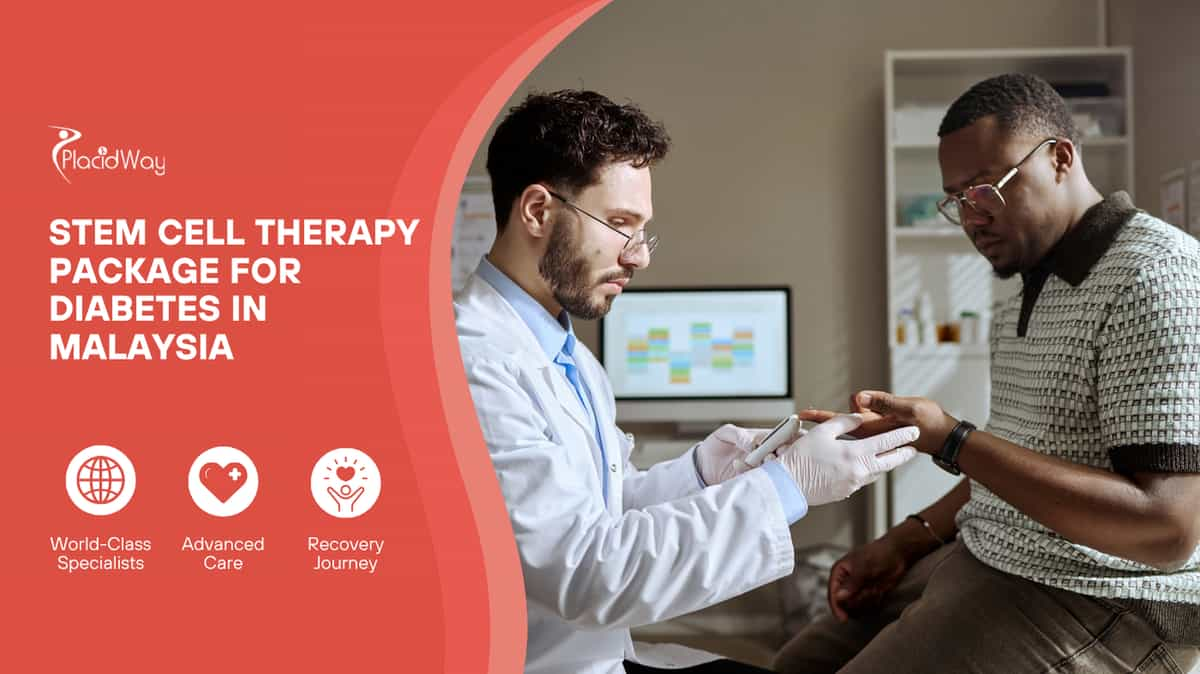
Diabetes care is already a daily job, so an experimental treatment should make the questions clearer not add new ones. This package starts from $35,000 and is intended for medically evaluated patients exploring a regenerative approach alongside established diabetes management. A planning stay of approximately 5–10 days may suit some outpatient cell-therapy protocols, but your diabetes type, cell product, treatment method, eligibility, required stay, and final price must be confirmed through an endocrinology and medical assessment.
Key Facts About Stem Cell Therapy for Diabetes in Malaysia
- Starting package price: $35,000, with final costs depending on your diabetes type, medical condition, laboratory requirements, cell-processing protocol, and treatment plan.
- Current evidence: Stem-cell therapies for type 1 and type 2 diabetes remain under active clinical investigation. Research has reported changes in insulin requirements and some metabolic measures, but results vary and evidence is not strong enough to promise insulin independence.
- Patient assessment: Your endocrinologist should review HbA1c, glucose control, insulin or medication use, C-peptide where relevant, kidney and liver function, cardiovascular health, and diabetes complications.
- Malaysia regulation: Cell and gene therapy products are covered by guidance from Malaysia's National Pharmaceutical Regulatory Agency, including updated CGTP registration guidance issued in 2025.
- Safety first: People with type 1 diabetes must not stop insulin simply because they receive a regenerative treatment. Insulin changes should be made only under medical supervision.
- Before traveling: Request the exact cell source, dose, laboratory standards, regulatory status, treatment route, written costs, complication plan, and follow-up schedule before committing to treatment.
How Much Does Stem Cell Therapy for Diabetes in Malaysia Cost?
This package starts from $35,000. The total cost may change according to whether you have type 1 or type 2 diabetes, how much diagnostic testing is required, the type and quantity of cells used, laboratory processing, administration method, number of treatment sessions, and post-treatment monitoring.
Cost alone should not determine your choice. Stem cell therapy for diabetes may use very different cell products and protocols, and there is currently no standardized international treatment model that allows a straightforward price-for-price comparison.
Diabetes Stem Cell Treatment Cost: Malaysia vs Other Countries
| Country / Market | Estimated Treatment Cost | Important Context |
|---|---|---|
| Malaysia – This Package | From $35,000 | Starting amount for the proposed diabetes stem cell therapy package; final pricing depends on medical assessment and the treatment protocol. |
| Switzerland | Approx. $45,000–$65,000+ | Premium private stem cell programs can include cell collection, laboratory processing, reinjection, long-term cell banking, diagnostics, and extended medical supervision. |
| United States | Approx. $40,000–$50,000+ | Complex systemic or multi-session regenerative programs can reach the higher end of the private-pay stem cell market, depending on cell type and treatment scope. |
| Japan | Approx. $40,000–$50,000+ | Higher-dose and multi-session regenerative medicine programs can exceed standard single-session costs, particularly when cultured cells and specialized laboratory processing are required. |
| South Korea | Approx. $40,000–$70,000+ | Premium multi-treatment and annual regenerative medicine programs can include several cell-based procedures, monitoring, supportive therapies, and extended follow-up. |
| United Arab Emirates | Approx. $40,000–$50,000+ | Advanced private stem cell and complex regenerative programs may reach higher price levels depending on the indication, treatment intensity, hospital services, and cell-processing requirements. |
Cost comparison note: Published literature on international stem-cell tourism has described treatment charges ranging broadly from about $10,000 to $60,000, excluding travel. This range covers different diseases and cell products and is not a diabetes-specific treatment quotation.
Detailed Breakdown of Your $35,000 Stem Cell Therapy Package
Note: The following table represents an estimated cost breakdown for planning purposes. Final pricing is strictly pending a personalized diabetes assessment, diagnostic requirements, proposed cell product, laboratory processing, treatment protocol, and individual medical needs.
| Procedure Item | Estimated Cost | Short Description |
|---|---|---|
| Endocrinology Consultation & Eligibility Assessment | $1,200 | Review of diabetes type, glucose control, medications, complications, medical history, and treatment suitability. |
| Advanced Diabetes Diagnostics | $1,800 | Estimated allowance for HbA1c, glucose testing, C-peptide where relevant, organ-function tests, and other required screening. |
| Cell Sourcing & Preparation | $10,500 | Estimated costs associated with sourcing, preparation, handling, and preparation of the proposed cell product. |
| Laboratory Processing & Quality Control | $8,500 | Laboratory processing, testing, quality checks, storage, and preparation required by the planned protocol. |
| Stem Cell Therapy Administration | $8,000 | Estimated physician, nursing, treatment-room, supplies, and administration-related procedure costs. |
| Post-Treatment Monitoring | $3,000 | Monitoring of glucose, vital signs, immediate reactions, and medical stability after treatment. |
| Diabetes Follow-Up & Medication Review | $2,000 | Follow-up assessment of glucose control, insulin or medication needs, and ongoing endocrinology recommendations. |
| Total Starting Price: | $35,000 | |
What May Be Included in the $35,000 Diabetes Stem Cell Package?
The exact provider inclusions should be confirmed in writing before payment. For planning purposes, the $35,000 estimated medical allocation above assumes the following treatment components:
- Endocrinology or physician consultation
- Review of diabetes diagnosis and treatment history
- Assessment of insulin and other diabetes medicines
- HbA1c and glucose-related laboratory testing
- C-peptide or other beta-cell function testing where clinically appropriate
- Kidney, liver, and general health screening
- Cell sourcing and preparation for the proposed protocol
- Laboratory processing and relevant quality checks
- Physician and nursing services during treatment
- Medical supplies and procedure-room charges
- Administration of the planned cell-based therapy
- Post-treatment glucose and medical monitoring
- Discharge instructions and diabetes medication guidance
- Initial post-treatment medical follow-up
Which Expenses May Not Be Included in Your Malaysia Treatment Package?
- International flights to Malaysia
- Visa and passport-related expenses
- Hotel accommodation unless confirmed in writing
- Meals and everyday travel expenses
- Airport and local transportation
- Costs for a family member or companion
- Continuous glucose monitoring supplies
- Insulin, diabetes tablets, or injectable medicines after discharge
- Additional specialist consultations
- Extra treatment sessions not included in the original plan
- Emergency treatment or prolonged hospitalization
- Treatment of existing diabetes complications
- Travel insurance and medical evacuation coverage
Who May Be Evaluated for Stem Cell Treatment for Diabetes?
Eligibility depends heavily on whether you have type 1 diabetes, type 2 diabetes, or another form of diabetes. These conditions behave differently, so a responsible assessment should not place everyone with high blood sugar into one treatment category.
- You have a confirmed diabetes diagnosis and documented diabetes type.
- Your recent HbA1c, glucose records, and medication history are available.
- Your physician has reviewed your current insulin or diabetes medicine requirements.
- Kidney, liver, cardiovascular, and infection risks have been assessed.
- Your diabetes is medically stable enough for elective treatment and international travel.
- Any severe active infection should be addressed before treatment.
- You understand that the proposed cell therapy remains investigational for diabetes.
- You agree not to stop insulin or prescribed medicines without medical supervision.
- You have realistic goals focused on measurable metabolic outcomes rather than promises of a cure.
Which Diabetes Records Should You Send Before Traveling?
- Endocrinologist or primary-care medical summary
- Confirmed diagnosis of type 1 or type 2 diabetes
- Recent HbA1c results
- Fasting and post-meal glucose records
- Continuous glucose monitor reports, if used
- Current insulin doses and insulin-pump settings, if applicable
- Complete diabetes medication list
- C-peptide and diabetes antibody results, if previously performed
- Kidney-function and urine albumin testing
- Liver-function tests
- Lipid profile and blood-pressure history
- Eye, nerve, kidney, or cardiovascular complication reports
- Previous hospital records for severe hypoglycemia or diabetic ketoacidosis
- Known allergies and previous treatment reactions
How Is Stem Cell Therapy Being Studied for Diabetes?
Diabetes research is exploring several cell-based strategies. Some studies investigate mesenchymal stem cells for their potential metabolic and immune effects, while other research aims to create insulin-producing beta-like or islet cells from stem cells to replace cells that are damaged or lost.
These approaches are not interchangeable. A treatment involving mesenchymal cells is medically different from transplantation of insulin-producing islet cells, so you should ask exactly what product is being proposed rather than relying on the broad label stem cell therapy.
Step-by-Step Diabetes Stem Cell Treatment Process
- Confirm diabetes type: The medical team reviews your diagnosis, insulin production, medication use, glucose history, and complications.
- Establish a baseline: HbA1c, glucose levels, insulin requirements, C-peptide where relevant, and general health markers are documented.
- Review the cell protocol: You should receive information about the cell source, dose, manufacturing process, proposed mechanism, regulatory status, and supporting evidence.
- Complete safety testing: Blood tests and other assessments are performed according to your health status and the planned intervention.
- Prepare the cell product: Cells undergo the required preparation, laboratory processing, testing, and quality-control steps.
- Receive the planned therapy: The treatment is administered using the route defined by the protocol after informed consent.
- Monitor glucose carefully: Blood glucose is followed because changes in glucose or insulin sensitivity could alter medication requirements.
- Continue follow-up: HbA1c, insulin use, glucose patterns, adverse events, and other relevant outcomes are assessed over time.
Your Diabetes Treatment Timeline From Review to Follow-Up
Before Travel: Send diabetes records, medication details, laboratory results, complication reports, and relevant medical history.
Remote Medical Assessment: The medical team reviews eligibility and identifies any additional testing required.
Arrival in Malaysia: Complete an in-person examination, baseline glucose assessment, and outstanding laboratory investigations.
Treatment Planning: Review the proposed cell product, administration method, evidence, risks, alternatives, and informed-consent documents.
Treatment Day: Receive the planned cell-based intervention if the treating physician confirms that it is appropriate to proceed.
Early Monitoring: Blood glucose, vital signs, and potential treatment reactions are monitored.
Before Travel Home: Receive medication instructions, warning signs, follow-up tests, and physician travel clearance.
Long-Term Follow-Up: Continue monitoring HbA1c, glucose patterns, insulin or medication requirements, and diabetes complications with your regular medical team.
How Long Should You Stay in Malaysia After Stem Cell Therapy?
For travel planning, approximately 5–10 days may be reasonable for some outpatient protocols. This is not a fixed medical standard, and your actual stay should depend on the procedure, glucose stability, treatment response, and your physician's clearance.
- Allow time for medical assessment before treatment.
- Do not assume treatment will happen immediately after arrival.
- Keep extra days available if glucose becomes difficult to control.
- Patients using insulin should have sufficient medication and glucose-monitoring supplies for the entire trip.
- Seek immediate care for severe hypoglycemia, persistent severe hyperglycemia, vomiting, dehydration, or symptoms of diabetic ketoacidosis.
- Fly home only when your treating physician considers you medically stable.
Recovery and Diabetes Management After Cell Therapy
Immediately after treatment: Your team may monitor blood glucose, blood pressure, temperature, treatment-related reactions, and any symptoms associated with the administration procedure.
First several days: Continue checking glucose as directed. Do not independently reduce insulin because glucose readings improve temporarily; medication changes require professional supervision to avoid dangerous hyperglycemia or hypoglycemia.
Following weeks: Continue your diabetes meal plan, physical activity recommendations, glucose monitoring, prescribed medicines, foot care, and other established diabetes management unless your clinician makes a specific change.
Following months: Progress should be judged with measurable outcomes such as HbA1c, glucose patterns, C-peptide where appropriate, insulin requirements, hypoglycemia frequency, and overall health not symptoms or expectations alone.
What Risks and Possible Complications Should You Discuss?
This list is not exhaustive. Your physician should explain risks associated with the exact cell product, administration method, your diabetes, medications, and other medical conditions before treatment.
- Pain, bruising, bleeding, or infection associated with an invasive procedure
- Fever or inflammatory reactions
- Allergic or infusion-related reactions
- Unexpected immune responses depending on the cell source
- Changes in glucose that may require medication adjustment
- Hypoglycemia if insulin or other glucose-lowering treatment becomes excessive
- Hyperglycemia if prescribed treatment is reduced too quickly
- Failure to reduce insulin or medication requirements
- No meaningful improvement in HbA1c or other metabolic outcomes
- Unknown long-term effects associated with some investigational cell products
- Risks related to inadequate manufacturing, contamination, or inconsistent cell composition when products are not properly regulated
What Results Can You Realistically Expect From Diabetes Stem Cell Therapy?
Clinical research has produced encouraging signals, but results are mixed and should be interpreted cautiously. A 2025 meta-analysis of 13 randomized trials involving 507 patients with type 1 or type 2 diabetes found lower HbA1c and insulin requirements at 12 months in patients receiving mesenchymal stem-cell therapy, while also reporting substantial variability between studies.
A broader 2026 systematic review found that people with type 1 diabetes did not reliably achieve insulin independence, while some type 2 diabetes studies reported reduced insulin requirements. The authors rated much of the evidence as low or very low certainty and called for larger, longer-term trials.
- Some patients in research studies may require less insulin.
- HbA1c or other metabolic markers may improve in selected patients.
- Results vary substantially between cell products and study populations.
- Some patients may experience little or no measurable benefit.
- Insulin independence should not be promised.
- Long-term durability remains uncertain.
- Standard diabetes monitoring remains necessary even if laboratory results improve.
- For type 1 diabetes, insulin must continue unless an endocrinologist specifically and safely changes the treatment plan.
Frequently Asked Questions About Stem Cell Therapy for Diabetes in Malaysia
1. How much does stem cell therapy for diabetes in Malaysia cost?
The package starts from $35,000. The final amount depends on your diabetes type, diagnostic requirements, cell product, laboratory processing, treatment method, and follow-up needs.
2. Can stem cell therapy cure diabetes?
No responsible provider should promise a cure. Research is exploring whether some cell therapies can improve beta-cell function, glucose control, or insulin requirements, but outcomes remain uncertain.
3. Can stem cell therapy treat both type 1 and type 2 diabetes?
Both conditions have been studied, but they have different causes. Type 1 diabetes involves autoimmune destruction of insulin-producing beta cells, while type 2 diabetes commonly involves insulin resistance and progressive beta-cell dysfunction.
4. Can I stop insulin after stem cell treatment?
Do not stop or reduce insulin without medical supervision. People with type 1 diabetes need insulin to survive unless a specialist confirms otherwise after an appropriately established transplant or treatment pathway.
5. What kind of stem cells are used for diabetes?
Research includes mesenchymal stem cells, hematopoietic approaches, and stem-cell-derived insulin-producing cells. These therapies work differently, so ask for the exact cell product rather than accepting a generic description.
6. How quickly might blood sugar improve?
There is no reliable universal timeframe. Research studies generally assess changes over several months, and some patients may not experience clinically meaningful improvement.
7. How long should I stay in Malaysia?
A planning window of approximately 5–10 days may suit some outpatient treatment protocols, but your actual stay should be based on testing, treatment requirements, glucose stability, and physician clearance.
8. Is stem cell treatment for diabetes regulated in Malaysia?
Malaysia has national guidance covering stem-cell and cell-based research and therapy, while the NPRA has specific registration guidance for Cell and Gene Therapy Products. Ask the provider how the exact product and indication fit within these requirements.
9. What should I verify before paying for treatment?
Request the exact cell source, dose, laboratory standards, regulatory status, treating physician credentials, supporting clinical evidence, itemized price, possible complications, cancellation terms, emergency-care arrangements, and follow-up plan.
10. Should I speak to my endocrinologist before traveling?
Yes. An independent endocrinologist can review whether your current diabetes treatment is optimized and help you assess the possible benefits, uncertainties, and risks of an investigational intervention.
Understand Your Diabetes Treatment Options Before Traveling
Exploring regenerative treatment does not mean rushing a decision or abandoning the diabetes care that is already protecting your health. Request a personalized case review to understand your eligibility, proposed cell protocol, medical tests, estimated costs, travel requirements, and the questions you should discuss with your endocrinologist before choosing treatment in Malaysia.
Request Free QuoteMedical Disclaimer
This content is for general informational and educational purposes only and does not replace diagnosis, diabetes management, or advice from a qualified healthcare professional.
Eligibility, medication changes, treatment selection, risks, expected outcomes, and travel clearance must be determined through an individual medical assessment.
Medical, Scientific, and Regulatory References
- National Institute of Diabetes and Digestive and Kidney Diseases – Type 1 Diabetes and Insulin Management
- NIDDK – Pancreatic Islet Transplantation for Type 1 Diabetes
- National Pharmaceutical Regulatory Agency Malaysia – Cell and Gene Therapy Product Registration Guidance
- PubMed – Systematic Review and Meta-Analysis of Stem Cell Therapy in Type 1 and Type 2 Diabetes
























Share this listing