


Clinical Outcomes of Gastric Balloon Treatment in the Dominican Republic
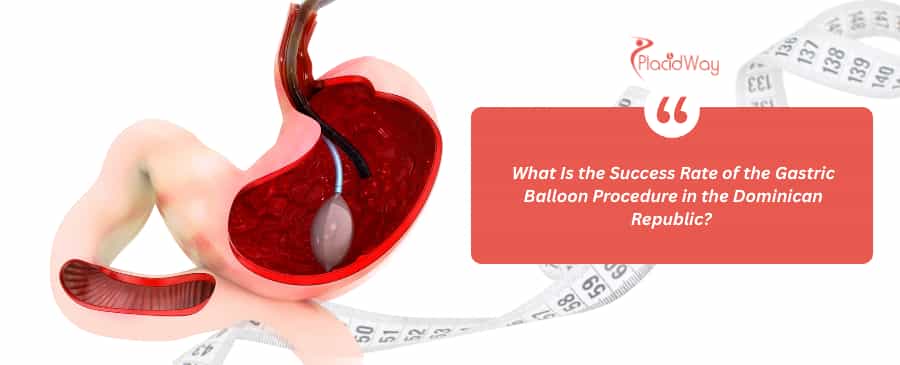
If you have been struggling to lose those stubborn pounds and diet and exercise just aren't cutting it, you are definitely not alone. Many of us hit a wall where we need a little extra help to kickstart a healthier lifestyle, but the thought of invasive surgery can be scary. That is where the gastric balloon procedure in the Dominican Republic comes in as a popular, non-surgical option.
You might be wondering if traveling for this procedure is really worth it. The short answer is that the Dominican Republic has become a go-to destination for medical tourism, not just for the beautiful beaches, but for high-quality medical care at a fraction of the cost you would see at home. We are talking about experienced doctors who perform these procedures daily with excellent results.
In this guide, we are going to dive deep into everything you need to know. We will cover the gastric balloon success rate, what the recovery feels like, and exactly how much money you can expect to save. Whether you are just curious or ready to book your flight, this post will answer all those burning questions you have been searching for.
What is the success rate of the gastric balloon procedure in the Dominican Republic?
When we talk about the success rate of the gastric balloon, we are usually looking at the percentage of total body weight loss (TBWL). Clinical data and patient reports from the Dominican Republic align with international standards, showing that most people lose a significant amount of weight. For someone weighing 200 pounds, this means dropping 20 to 30 pounds in just half a year. It is a powerful tool to reset your eating habits.
However, "success" isn't just about the number on the scale. It is also about keeping it off. The gastric balloon is designed to be a temporary aid—a "training wheels" period for your stomach. The most successful patients are those who use the time while the balloon is inserted to adopt a new, healthier relationship with food. Doctors in the Dominican Republic emphasize that the balloon works best when paired with a commitment to lifestyle changes.
It is also worth noting that success rates can vary slightly depending on the type of balloon used (like Orbera or Spatz3). Some balloons are adjustable or can stay in for up to a year, potentially increasing the total weight loss. Your specialist in the DR will help you choose the one that fits your goals best.
How much does a gastric balloon cost in the Dominican Republic?
One of the biggest drivers for medical tourism is the price tag, and the Dominican Republic offers incredible value. While you might pay upwards of $9,000 for the same procedure in New York or Miami, clinics in Santo Domingo or Punta Cana offer comprehensive packages for less than half that amount. This price often includes the procedure itself, the medical team's fees, and sometimes even transportation.
Here is a quick look at how the costs compare:
| Procedure | USA Average Cost | Dominican Republic Average Cost | Potential Savings |
|---|---|---|---|
| Gastric Balloon | $6,000 - $10,000 | $3,500 - $4,500 | ~50-60% |
| Gastric Sleeve | $15,000 - $20,000 | $5,500 - $7,000 | ~65% |
| Gastric Bypass | $20,000 - $30,000 | $6,500 - $8,500 | ~70% |
You might wonder why it is so much cheaper. It is not about cutting corners on quality; it is largely due to the lower cost of living and operational expenses in the DR. This allows medical centers to offer top-tier care with FDA-approved devices like the Orbera gastric balloon at a price that is accessible to self-pay patients.
Is the gastric balloon procedure safe in the Dominican Republic?
Safety is naturally a top concern for anyone traveling for a medical procedure. The good news is that the Dominican Republic has a robust medical tourism infrastructure. Many of the specialists performing gastric balloon procedures have trained internationally and are board-certified. They use the same high-quality, silicone balloons that you would find in American hospitals.
The procedure itself is non-surgical and minimally invasive, which inherently carries fewer risks than surgeries like gastric bypass. There are no incisions, no stitches, and no reshaping of the stomach anatomy. This significantly lowers the risk of complications like infection or leaks that are associated with more invasive surgeries.
That said, "safe" doesn't mean "risk-free." You still need to do your homework. Always look for clinics that have a track record of success and positive patient reviews. Ensure your doctor performs a thorough pre-procedure evaluation to check that your stomach is healthy enough for the balloon.
Who is the ideal candidate for a gastric balloon?
The gastric balloon is perfect for people who fall into that "middle ground"—you have too much weight to lose with just diet and exercise, but you may not be heavy enough (or willing) to undergo major surgery like a gastric sleeve. It is often used as a jumpstart for people who need to lose 20 to 50 pounds to improve their health.
It is not a magic pill, though. The best candidates are those who understand that the balloon is a tool, not a cure. You need to be ready to change your lifestyle. If you have had previous bariatric surgery or have certain stomach conditions like a large hiatal hernia or severe ulcers, you might not be eligible. Your doctor in the DR will review your medical history to make sure it is the right fit for you.
How long does the gastric balloon procedure take?
One of the most appealing aspects of this weight loss option is how quick and simple the process is. You will likely be sedated (light sleep) to ensure you are comfortable. The doctor inserts a deflated balloon through your mouth and into your stomach using a thin, flexible tube with a camera (endoscope).
Once the balloon is inside, it is filled with a sterile saline solution. That's it! Because there are no incisions to close up, you wake up from sedation, spend a short time in recovery to make sure you are feeling okay, and then you are free to leave. Most patients are back at their hotel or rental apartment within a few hours.
What is the recovery time for a gastric balloon?
While the procedure is fast, your body needs a moment to get used to its new "roommate." It is normal to feel some cramping, nausea, or a feeling of heaviness in your abdomen for the first few days. This is actually a sign that the balloon is doing its job by occupying space in your stomach.
Your medical team in the Dominican Republic will prescribe medication to help manage these symptoms. It is a good idea to plan for a few days of rest after the procedure. Don't plan any strenuous excursions or long tours immediately after placement. Give yourself permission to relax by the pool and let your body settle.
What are the side effects of the gastric balloon?
Let's be real about the first week: it can be uncomfortable for some people. Nausea is the number one complaint. Your stomach senses something inside it and tries to digest it or get rid of it, which causes that queasy feeling. Vomiting can also happen, but it usually stops within a few days.
Serious side effects are rare but possible. These can include balloon deflation, ulcers, or acid reflux (GERD). To minimize these risks, doctors usually prescribe a daily acid-reducing medication (like omeprazole) for as long as the balloon is in place. If you experience severe pain or persistent vomiting that doesn't get better with medication, you should contact your doctor immediately.
What is the diet after gastric balloon placement?
Your post-procedure diet is critical for comfort and success. In the first few days, you will want to stick to water, broth, and sugar-free gelatin to stay hydrated without stressing your stomach. As your nausea fades, you will graduate to yogurt, protein shakes, and pureed soups.
The goal is to reintroduce textures slowly. Once you are back on solid foods, you will notice you get full much faster. The balloon occupies about a third of your stomach space, so portion control becomes automatic. You will learn to eat smaller bites, chew thoroughly, and stop when you feel satisfied—habits that are essential for long-term weight maintenance.
How much weight can I lose with a gastric balloon?
The amount of weight you lose varies from person to person. A heavier individual might lose more total pounds, while someone with a lower BMI might reach their goal weight faster. The statistics from the Dominican Republic are consistent with global data: you can expect to lose the bulk of the weight in the first 3 to 4 months.
After that initial rapid drop, weight loss tends to slow down. This is the crucial phase where your new habits kick in to maintain the progress. Patients who work closely with a nutritionist and stay active see the best results, often exceeding the average 15% weight loss benchmark.
Can the gastric balloon be removed early?
One of the key benefits of the gastric balloon is that it is reversible. If for some reason you simply cannot tolerate the device—which happens in a small percentage of cases—or if you become pregnant or have another medical need, it can be taken out. The removal process is very similar to the insertion: you are sedated, and the doctor punctures the balloon to deflate it before pulling it out through the mouth.
Why choose the Dominican Republic for a gastric balloon?
Beyond the cost savings, the Dominican Republic offers a level of personal care that patients love. Many clinics cater specifically to international patients, offering bilingual staff and concierge services that help with airport transfers and accommodation. It takes the stress out of the logistics.
Plus, let's not forget the setting. Recovering in a warm, tropical climate can do wonders for your mental state. While you won't be sipping margaritas by the pool right away, the relaxing atmosphere can help reduce pre-procedure anxiety and make the recovery period feel less clinical and more like a retreat.
Does insurance cover gastric balloon procedure in the Dominican Republic?
Since the gastric balloon is often classified as a cosmetic or elective weight loss procedure, even US-based insurance rarely covers it fully. When you travel abroad, you should expect to pay out-of-pocket. However, because the base price is so much lower in the DR, many people find that the total cost (including travel) is still less than their deductible or co-pay might be at home for other surgeries.
How to prepare for gastric balloon placement in the DR?
Your chosen clinic will give you specific instructions, but generally, preparation is straightforward. You will need to stop eating and drinking the night before to ensure your stomach is empty. This prevents complications like aspiration during sedation. You may also need to start taking acid-reflux medication a few days prior to prepare your stomach lining.
Is the gastric balloon permanent?
The temporary nature of the balloon is a huge plus for many people. It is not a permanent commitment like having part of your stomach removed. The standard Orbera balloon stays in for 6 months. Some newer adjustable balloons can stay in for up to a year. You must have it removed on time to prevent the balloon material from degrading, which could cause leaks.
What happens if the balloon deflates?
Deflation is a rare complication, but manufacturers have a clever safety system in place. The saline used to fill the balloon is mixed with a safe medical dye (usually Methylene Blue). If the balloon leaks, your body absorbs the fluid and you will notice the change in your urine color. This is your early warning system to seek medical attention so the deflated balloon doesn't pass into your intestines and cause a blockage.
Can I drink alcohol with a gastric balloon?
While you can technically have a drink once you have adjusted, moderation is key. Alcohol is high in calories and can sabotage your weight loss goals. Furthermore, with less space in your stomach and potentially an emptier stomach than usual, you might find that alcohol affects you much faster than before.
Can I exercise with a gastric balloon?
Exercise is a vital part of the success equation. Once your body has adapted to the balloon and the nausea has passed, getting active will help accelerate fat loss. You can swim, run, cycle, and lift weights. In fact, building muscle will help keep your metabolism high as you lose weight.
Do I need a passport for gastric balloon in DR?
Don't let paperwork trip you up! Ensure your passport is valid for at least six months beyond your travel dates. The Dominican Republic also requires an electronic entry and exit form (E-Ticket) which you can fill out online before your flight. Double-check these requirements so your trip goes smoothly from start to finish. If you are considering this life-changing step, take the time to research and connect with a provider who makes you feel safe and supported.





.jpg)

.jpg)








Share this listing