
Does Ibogaine Work for Nicotine Addiction?
Ibogaine therapy in Mexico for nicotine addiction typically costs between $4,500 and $8,500 per session. This alternative treatment interrupts chemical cravings and resets neuroreceptors, offering a powerful tool for lasting smoking cessation.
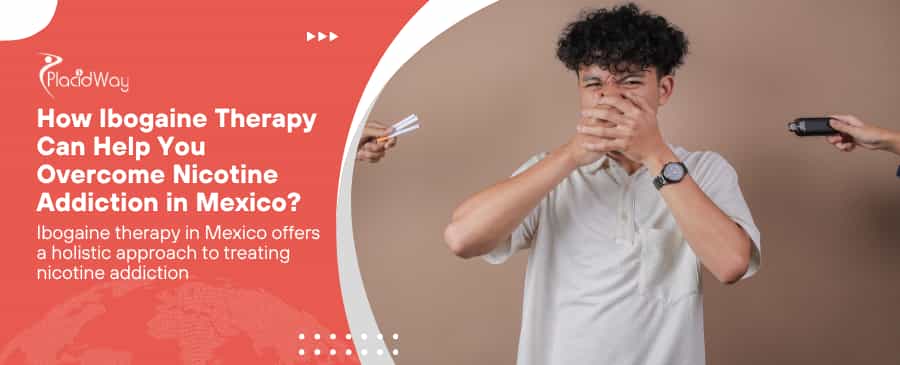
Key Takeaways for Overcoming Nicotine Dependency
- Neurological Reset: The plant medicine interacts with nicotinic receptors to rapidly eliminate physical cravings.
- Psychological Healing: The visionary phase helps patients confront the underlying emotional triggers of their habit.
- Regulated Safety: Top facilities enforce strict cardiac monitoring and blood testing prior to administration.
- Holistic Integration: Programs include psychotherapy and nutritional support for long-term behavioral changes.
- Cost Effectiveness: Ibogaine Therapy cost in Mexico presents a comprehensive, high-value alternative to endless replacement products.
How Does Ibogaine Therapy in Mexico Target Nicotine Receptors?
The naturally occurring alkaloid interacts directly with the brain chemistry to block nicotine pathways. It physically prevents the intense withdrawal symptoms that cause most smokers to relapse during traditional cessation attempts.
When an individual smokes tobacco, nicotine binds to acetylcholine receptors, triggering massive dopamine releases that the brain eventually relies upon to function normally. By seeking out an Ibogaine Therapy clinic in Mexico, patients utilize a medicine that essentially acts as an antagonist to these specific receptors. It binds to the exact sites nicotine normally occupies, restoring them to their pre-addiction state and effectively erasing the physical dependency overnight.
Beyond the immediate receptor blockage, this powerful plant derivative promotes remarkable neuroplasticity. It stimulates the production of glial cell line-derived neurotrophic factor, which physically repairs the damaged neural pathways caused by years of chronic smoking. This biological healing window allows the brain to rapidly rewire itself, making it dramatically easier to establish healthy new habits without fighting constant physiological urges.
Furthermore, the psychological component of the treatment cannot be overstated. While the chemical reset handles the physical addiction, the introspective experience generated by the medicine allows individuals to deeply analyze their emotional relationship with smoking. Patients often emerge from their session with a profound, newfound understanding of their stress triggers, granting them the mental fortitude needed to reject cigarettes moving forward.
What Is the Average Ibogaine Therapy Cost in Mexico for Smokers?
The final price for a comprehensive cessation program depends on several crucial wellness factors. Patients should expect to invest based on the clinical environment, medical oversight, and the holistic support services provided.
- Medical Supervision Level: Facilities that employ board-certified cardiologists and around-the-clock intensive care nurses command a higher premium for unparalleled safety.
- Accommodation Luxury: The price varies significantly between a clinical hospital setting and a highly private, resort-style wellness retreat overlooking the ocean.
- Diagnostic Testing: Comprehensive pre-treatment health screenings, including advanced metabolic panels and heart monitoring, are factored into premium package costs.
- Included Aftercare: Programs offering extensive post-treatment psychotherapy, nutritional counseling, and integration coaching present higher upfront costs but better success rates.
- Program Duration: A longer stay allows for slower, safer integration and additional booster doses, which naturally increases the overall financial investment required.
What Happens During a Session at an Ibogaine Therapy Clinic in Mexico?
The treatment is a deeply introspective medical procedure managed with extreme care. It involves a preparation phase, an intense visionary period lasting several hours, and a highly structured stabilization phase.
Upon arriving at your chosen facility, the first step involves rigorous physiological testing. Medical professionals will attach a continuous electrocardiogram to monitor your heart rhythm while administering intravenous fluids to ensure perfect hydration. Only after the lead physician clears your health metrics will the carefully calculated oral dose be administered in a calm, dimly lit private room.
Roughly one hour after ingestion, the acute visionary phase begins. During this time, patients often experience an intense waking dream state where a rapid review of past memories and emotional traumas occurs. This phase is characterized by a heavy physical sensation, ataxia, and deep introspection. The medical staff remains present but unobtrusive, continuously monitoring vital signs while allowing you the quiet space to process your internal journey regarding your nicotine dependency.
Following the peak hours, the visions subside into a cognitive processing phase that can last an additional twelve to twenty-four hours. You will feel physically exhausted and highly sensitive to external stimuli. Nurses provide holistic support and specialized nutrients to aid brain recovery. This quiet time is crucial for reflecting on the insights gained and preparing mentally for a life completely free from the urge to smoke.
How Long Is the Recovery Process After Medical Tourism in Mexico?
Physical and mental stabilization requires patience, typically taking between three to seven days at the retreat center. The full emotional integration process continues for several months after returning to your home environment.
The immediate day following the flood dose is affectionately known within the community as the gray day. Patients generally experience intense physical fatigue, mild nausea, and emotional vulnerability. During this critical window, you will likely sleep intermittently while the brain actively repairs its chemical balance. Premium medical tourism in Mexico ensures you are surrounded by compassionate caregivers who provide massage therapy and mild physical guidance as you regain your strength.
Over the next several days, physical vitality returns rapidly. You will notice the complete absence of nicotine withdrawal symptoms, an effect that feels almost miraculous to long-term smokers. The clinical team will initiate gentle activities such as breathwork, light yoga, and guided meditation to help ground your nervous system. These final days at the clinic are focused on developing actionable strategies to navigate daily stressors without relying on a cigarette.
The true work begins once you leave the controlled environment. The medicine creates a window of neuroplasticity lasting up to ninety days, making this the perfect time to establish rigorous healthy routines. Regular contact with integration coaches and ongoing psychological counseling are absolutely vital during this period to ensure the profound clinical results transition into permanent lifestyle changes.
Are the Results of Ibogaine Treatment for Smoking Permanent?
The physical cravings are eliminated permanently, but maintaining sobriety requires strong personal commitment. The therapy provides a clean slate, but patients must actively change their habits to avoid psychological relapse.
From a biological standpoint, the physical chemical dependency that drives an individual to chain-smoke is completely neutralized. The agonizing withdrawal symptoms like anxiety, tremors, and intense bodily urges are bypassed entirely. This physiological reset is permanent unless you actively choose to introduce massive amounts of nicotine back into your neuroreceptors. The treatment successfully removes the immense physical barrier to quitting.
However, no medicine can permanently erase free will. The psychological associations connected to smoking, such as taking a break at work, finishing a meal, or driving a car, will still trigger deeply ingrained muscle memories. Success depends entirely on utilizing the clarity gained during the session to consciously build new, healthier responses to these daily behavioral triggers.
To secure a permanent victory over the addiction, patients must ruthlessly edit their environment. This means discarding all tobacco products, avoiding social circles centered entirely around smoking, and committing to stress-reduction therapies. The root cause of the dependency has been addressed, but the daily maintenance of that newly achieved freedom rests firmly in the hands of the recovered individual.
Who Is an Ideal Candidate for Nicotine Cessation with Ibogaine?
The perfect candidate is a chronic smoker highly motivated to quit but trapped by severe physical withdrawal. They must possess a healthy heart and a willingness to engage deeply in emotional integration therapies.
- Chronic Dependency: Ideal for heavy smokers who have repeatedly failed using standard patches, gums, or prescription medications.
- Cardiovascular Health: Candidates must pass strict heart function tests, as the medicine temporarily lowers the resting heart rate and prolongs the QT interval.
- Psychological Readiness: Individuals must be fully prepared to confront uncomfortable memories and process deep emotional trauma during the visionary phase.
- Medication Compliance: Patients must safely taper off specific contraindicated medications, such as SSRI antidepressants, weeks prior to the clinical administration.
- Integration Commitment: Those who understand this is a catalyst for change, not a magic pill, and are ready to follow extensive holistic aftercare regimens.
What Medical Protocols Ensure Patient Safety During Treatment?
Legitimate clinics implement hospital-grade safety standards. This includes mandatory pre-screening, continuous cardiac telemetry during the session, and the constant presence of emergency-trained medical professionals.
The primary medical concern regarding this specific alkaloid is its effect on the cardiovascular system. Reputable centers mitigate this risk entirely by conducting exhaustive diagnostic evaluations before you even arrive. You will be required to submit a comprehensive metabolic panel, a liver function test, and an electrocardiogram. If any red flags appear in your medical history, ethical providers will immediately decline the procedure to guarantee your absolute safety.
Once you are cleared for treatment, the monitoring protocols are intensely strict. During the entire visionary phase, you are connected to medical equipment that tracks your oxygen saturation, blood pressure, and heart rhythm in real time. Advanced Cardiac Life Support certified physicians remain either in the room or stationed just outside the door, ready to intervene instantly if any physiological distress occurs.
Furthermore, safe treatment involves meticulous dose calculation. Doctors do not use a generalized approach; the medicine is carefully titrated based on your exact body weight, metabolic rate, and the severity of your addiction. Intravenous lines are established beforehand not just for hydration, but to ensure immediate access for emergency medications in the highly unlikely event they are needed.
How Does Ibogaine Compare to Traditional Nicotine Replacement Therapies?
While standard replacements merely drag out the chemical dependency over months, this plant medicine abruptly ends it. It offers a total systemic reset rather than slowly weaning the body off the addictive substance.
Traditional methods such as nicotine gum, slow-release patches, and vaping devices are fundamentally flawed for many heavy addicts because they still deliver the highly addictive chemical to the brain. They simply change the delivery method to spare the lungs. This prolonged approach keeps the acetylcholine receptors active and hungry, making relapse incredibly common the moment the patient attempts to step down their dosage.
Conversely, Ibogaine Therapy in Mexico acts as an aggressive interceptor. It provides zero nicotine to the body. Instead, it floods the neural pathways, blocks the cravings entirely, and returns the receptor sites to their default, pre-addiction baseline within hours. The difference is akin to instantly repairing a broken bridge rather than slowly walking across it while it collapses.
Additionally, pharmaceutical cessation pills often come with severe psychiatric side effects, including extreme depression and vivid nightmares, without offering any emotional resolution. The plant medicine provides a therapeutic, introspective journey that intentionally helps the patient resolve the underlying stress or trauma that caused them to pick up the habit in the first place, offering holistic healing rather than merely masking a symptom.
Why Choose PlacidWay to Coordinate Your Ibogaine Journey?
PlacidWay removes the intense anxiety of finding safe medical care abroad. We connect patients exclusively with heavily vetted, board-certified holistic professionals ensuring your clinical experience is secure and effective.
Frequently Asked Questions About Alternative Addiction Treatment
Does ibogaine therapy cause hallucinations during the treatment process?
It is classified as an oneirogen, meaning it produces a waking dream state rather than traditional hallucinations. Patients remain entirely aware of their surroundings and know they are in a clinic, but they experience intense, highly vivid internal visual projections that relate directly to their past memories and personal emotional struggles.
Are medical facilities equipped for emergency situations during alternative therapies?
Top-tier holistic clinics operate essentially as intensive care units during the active treatment phase. They are fully stocked with crash carts, intravenous cardiac medications, defibrillators, and oxygen tanks, with board-certified emergency physicians ready to manage any unexpected physiological complications.
Is it safe to drive across the border for my therapy session?
While driving to border clinics is common, it is strictly forbidden to drive yourself home immediately after the procedure. The intense physical exhaustion and neurological resetting demand that you either use professional medical transport or have a designated companion drive you safely back across the border.
Do staff members at these international facilities speak fluent English?
Facilities dedicated to treating international patients prioritize exceptional communication. The lead physicians, psychotherapists, and integration nurses speak fluent English, ensuring you feel completely understood and safe while navigating intense emotional vulnerability.
Can I smoke cigarettes right up until my scheduled treatment day?
Medical protocols vary slightly by clinic, but most physicians require you to stop smoking and switch to a clean nicotine patch a few days prior. This allows the medical team to stabilize your vitals and ensures your lungs are functioning optimally before undergoing the physical stress of the flood dose.
What should I pack for an inpatient stay at a holistic recovery center?
Comfort is the absolute priority. Patients should pack loose-fitting athletic wear, warm socks, a comfortable eye mask, a personal journal for recording insights, and any approved non-contraindicated daily medications. Leave valuables, work laptops, and stressful reading materials at home.
Are holistic therapies like yoga and meditation included in standard packages?
Yes, premium wellness packages integrate these modalities to support nervous system recovery. Following the medical detox, instructors guide patients through gentle breathwork, restorative yoga, and sound healing sessions to help ground the intense mental energy and promote physical relaxation.
Can I undergo this treatment if I am currently taking antidepressants?
No, this is highly dangerous. Taking SSRIs or other psychiatric medications concurrently can trigger fatal serotonin syndrome. Patients must undergo a medically supervised tapering program to completely clear these medications from their system weeks before attending the retreat.
How do I handle intense emotional shifts after returning from my trip?
The post-treatment neuroplasticity phase often brings massive emotional sensitivity. Clinics provide structured remote integration coaching calls to help you navigate these feelings. It is crucial to engage with a local therapist, practice daily mindfulness, and avoid major life decisions during the first month back.
Are there age restrictions for participating in psychedelic assisted therapy?
Reputable clinics strictly require patients to be over the age of eighteen. For older adults, typically those over sixty-five, medical directors evaluate candidacy on a strict case-by-case basis, requiring exceptionally healthy cardiac profiles to ensure the body can handle the rigorous cardiovascular stress.
.png)




.png)
.png)
.png)
.png)


.jpg)
.jpg)
.jpg)
.jpg)











Share this listing