


Successful Meth Addiction Ibogaine Treatment Stories in Mexico
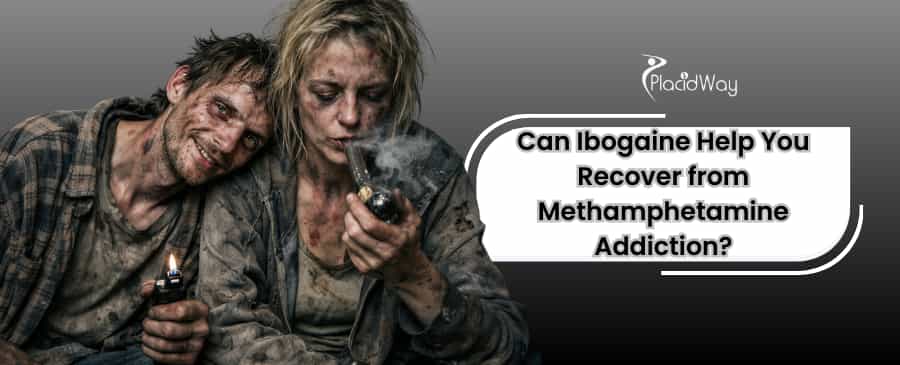
Methamphetamine addiction is one of the most difficult challenges a person can face. If you or a loved one is struggling, you know that the grip of meth goes beyond just a physical craving—it rewires the brain, making traditional quitting methods feel nearly impossible for many. You are likely searching for an alternative because the standard "rehab routine" hasn't provided the long-term freedom you need.
This brings us to Ibogaine treatment for methamphetamine addiction in Mexico. This naturally occurring psychoactive substance, derived from the roots of the Tabernanthe iboga shrub, is gaining international attention for its ability to act as an "addiction interrupter." While it is not a magic wand, it offers a unique window of opportunity that many traditional therapies cannot match. Mexico has become the central hub for this treatment, offering legal, medically supervised environments for those seeking help.
In this guide, we will look at how Ibogaine helps with meth recovery, the reality of success stories, the costs involved, and the safety protocols you must know. We are here to provide clear, expert-backed answers to the questions you are actually asking, helping you make an informed decision about your health and future.
What exactly is Ibogaine and how does it affect meth addiction?
Ibogaine functions very differently from standard maintenance medications like methadone or suboxone. Instead of replacing one drug with another, Ibogaine works by interacting with multiple neurotransmitter systems in the brain simultaneously, including serotonin and dopamine pathways. For a meth user, whose dopamine receptors are often severely depleted or damaged, this interaction is crucial.
Think of your brain like a computer that has frozen due to too many open programs (the addiction). Ibogaine acts like a "hard reboot." It doesn't delete the files (your memories or habits), but it clears the cache and allows the system to restart cleanly. This biological reset helps to significantly lower, and in many cases eliminate, the excruciating acute withdrawal symptoms associated with stopping meth.
Furthermore, Ibogaine is converted in the liver into Noribogaine, a metabolite that stays in the body for weeks or months. This substance acts as a natural antidepressant and helps to curb post-acute withdrawal syndrome (PAWS), giving the patient a fighting chance to build new habits without the constant physical nag of addiction.
Why is Mexico the primary destination for Ibogaine treatment?
The United States classifies Ibogaine as a Schedule I substance, making it illegal to possess or use. This forces the treatment underground in the US, where it is often unregulated and potentially unsafe. In contrast, Ibogaine treatment in Mexico operates within a legal framework. This legality allows for the existence of fully medicalized facilities that look and function like hospitals or high-end wellness centers.
In Mexico, specifically in areas like Baja California, clinics can employ board-certified doctors, nurses, and cardiologists to oversee the treatment. This medical supervision is non-negotiable for safety. Because it is legal, these centers can also offer holistic aftercare, proper nutrition, and psychological support without the fear of legal repercussions. This environment provides the peace of mind necessary for such a deep psychological experience.
What is the cost of Ibogaine treatment for meth addiction in Mexico?
Understanding the financial investment is vital. Unlike standard drug rehabs in the US, which can cost upwards of $30,000 a month, Ibogaine therapy costs are generally lower but require upfront payment as insurance rarely covers it. The price variance usually reflects the level of medical staffing and comfort. A higher price tag generally ensures 24/7 cardiac monitoring and ACLS-certified staff, which are critical for safety.
Below is a breakdown of what you might expect regarding costs compared to other options:
| Treatment Type | Estimated Cost (USD) | Inclusions |
|---|---|---|
| Standard Medical Ibogaine Clinic (Mexico) | $5,000 - $8,000 | Medical screening, 5-7 day stay, nurse supervision, basic aftercare planning. |
| Luxury/vip Ibogaine Center (Mexico) | $9,000 - $15,000+ | Private suites, 24/7 doctor presence, extended stay (10+ days), holistic therapies (massage, yoga), gourmet meals. |
| US Traditional Inpatient Rehab | $20,000 - $60,000 (Month) | Group therapy, 30-day stay, 12-step programs (often covered by insurance, unlike Ibogaine). |
| Underground Provider (Not Recommended) | $2,000 - $4,000 | Often lacks medical equipment, emergency protocols, and proper cardiac screening. |
What do success stories actually look like for meth recovery?
When you read Ibogaine success stories related to methamphetamine, a common theme emerges: the "psychospiritual" journey. Patients frequently report a dream-like state where they visualize their life, their trauma, and the root causes of their addiction without the emotional pain usually attached to these memories. This perspective shift is profound.
For example, a typical success story involves a patient who has struggled with meth for a decade due to childhood abuse. During the Ibogaine experience, they might "visit" that trauma, understand it, and release the guilt associated with it. Upon waking, they report that the physical compulsion to use meth—the "itch" in their brain—is simply gone. This doesn't mean the work is over, but the immediate, crushing weight of addiction is lifted, allowing them to finally participate in their own recovery.
Does Ibogaine completely cure meth addiction?
It is crucial to manage expectations: Ibogaine is not a magic pill that permanently fixes addiction. If a person returns to the exact same environment, hangs out with the same people, and does not engage in integration work, relapse is possible. Ibogaine provides a massive head start—perhaps saving months of painful detox—but it is the catalyst, not the entire solution.
Think of it like surgery. Ibogaine performs the surgery to remove the tumor (the physical dependence and immediate trauma response), but the patient still needs physical therapy (aftercare, counseling, lifestyle changes) to walk properly again. The most successful patients are those who have a solid plan for what happens after they leave Mexico.
What are the risks and safety concerns with Ibogaine?
Safety is the most important topic to discuss. Ibogaine affects the heart. It can slow the heart rate and change the rhythm (QT prolongation), which can be dangerous for individuals with pre-existing heart conditions or those taking certain medications. This is why "doing it yourself" or visiting an underground provider is extremely risky.
Reputable medical clinics in Mexico minimize these risks through rigorous protocols. This includes liver panels and kidney function tests before you even arrive, and an EKG upon arrival. During the treatment, you should be hooked up to a cardiac monitor with a doctor or ACLS nurse present to intervene immediately if your heart rhythm changes. When these protocols are followed, the treatment is generally considered safe.
How long does the treatment process take?
Recovery is not a race. A typical Ibogaine clinic stay involves arriving a day or two before the treatment to stabilize. If you have been using meth heavily, your body is likely exhausted and dehydrated. The medical team will use this time to hydrate you and ensure your electrolytes are balanced, which helps protect your heart.
The treatment itself lasts about 24 to 36 hours. The "trip" or active phase lasts roughly 8-12 hours, followed by a "gray day" of introspection and rest where you may feel physically drained but mentally active. Most clinics require you to stay at least 2-3 days after the treatment to ensure your heart rate has returned to normal and you are physically strong enough to travel.
Is there a specific preparation required for meth users?
Preparation is key for efficacy and safety. Because methamphetamine is a stimulant that stresses the cardiovascular system, your heart needs to be as rested as possible before introducing Ibogaine. Clinics will provide a specific protocol on when to stop using. Unlike opiates, where patients fear being "sick" during travel, meth users primarily face exhaustion and depression during cessation.
Additionally, medical screening is more rigorous for long-term meth users. Doctors will look closely for signs of cardiomyopathy (heart muscle disease) which can be a side effect of chronic meth use. Being honest about your usage history with the medical staff is essential for them to calculate the correct dosage for your body.
What is the difference between Ibogaine and Ayahuasca?
People often confuse these two plant medicines, but they serve different purposes. Ayahuasca is fantastic for emotional healing, but it does not reset the brain's dopamine receptors in the same way Ibogaine does. If a person addicted to meth takes Ayahuasca, they may still face severe physical cravings and withdrawal symptoms afterward.
Ibogaine is the heavy lifter for addiction interruption. It is much more physiological in its action. Many people choose to do Ibogaine first to break the addiction, and then, months later, might explore Ayahuasca or other modalities for continued spiritual growth. For the immediate crisis of meth addiction, Ibogaine is the superior tool.
Can I return to work immediately after treatment?
Rushing back into a high-stress job immediately after Ibogaine treatment can be jarring. Your brain has just undergone a massive reset. You are in a state of high neuroplasticity—meaning your brain is very open to learning new habits, but also sensitive to stress. This period is often called the "window of opportunity."
Ideally, you should plan for a "soft landing." If possible, take an extra week off work to establish a morning routine, find a therapist, or simply rest. The clarity you feel after treatment is powerful, but it needs to be protected from the chaos of daily life until it settles into a permanent state of being.
What happens if I have a "bad trip"?
The term "bad trip" implies a recreational disaster, but in a clinical setting, a difficult experience is often referred to as "challenging work." Ibogaine forces you to look at uncomfortable truths. You might see the pain you caused others or the damage you did to yourself. This can be emotionally heavy, but it is necessary for healing.
In a professional Mexican clinic, you are not alone. Nurses and facilitators are there to hold your hand, reassure you, and ensure you don't spiral. The goal isn't to have "fun"; the goal is to process the garbage that has been fueling the addiction. Most patients report that even the hardest parts of the journey were the most valuable in the end.
Do I need a passport to go to Mexico for treatment?
Logistics are a practical concern. Most reputable clinics are located in Baja California (near the San Diego border) or near major airports like Cancun or Mexico City. You will need a valid passport. Some clinics offer "curbside" service, picking you up directly from the San Diego airport and driving you across the border, handling the logistics for you.
This adds a layer of safety and ease, as you don't have to navigate a foreign country on your own while feeling vulnerable. Always check with the facility about their specific transportation protocols before booking.
How do I verify if a clinic is legitimate?
Not all centers are created equal. To ensure you are choosing a safe Ibogaine center, you must ask the hard questions. Do they have a defibrillator on site? Is the staff ACLS (Advanced Cardiac Life Support) certified? Do they have a transfer agreement with a local hospital in case of an emergency?
Legitimate clinics will be transparent. They will let you speak to the medical director. If a clinic is vague about their medical team or tries to pressure you into a quick deposit without a medical screening, that is a major red flag. Trust your gut and prioritize safety over luxury amenities.
What role does nutrition play in recovery?
Methamphetamine suppresses appetite and depletes the body of essential vitamins. Recovery requires rebuilding the physical vessel. During your stay, good clinics will focus heavily on hydration and nutrition. You aren't just there for the medicine; you are there to heal your body.
Expect meals rich in amino acids, magnesium, and healthy fats—the building blocks of serotonin and dopamine. Continuing this focus on nutrition after you leave is a practical way to keep your energy levels up and reduce the fatigue that often triggers relapse.
Is there an age limit for Ibogaine treatment?
While there is no strict upper age limit, the risks of Ibogaine increase with age due to the natural aging of the heart. Patients over 50 or 60 may require more extensive testing, including stress tests or echocardiograms, before being approved. It is not about discrimination; it is about keeping you alive. If a clinic accepts an older patient without extra screening, they are being negligent.
Start Your Recovery Journey Safely
Don't navigate this alone. Find accredited Ibogaine clinics, verify medical credentials, and get transparent pricing today.
Explore Treatment Options.png)

.png)

.png)









Share this listing