


Complete Guide to Skin Booster Injections in South Korea
.png)
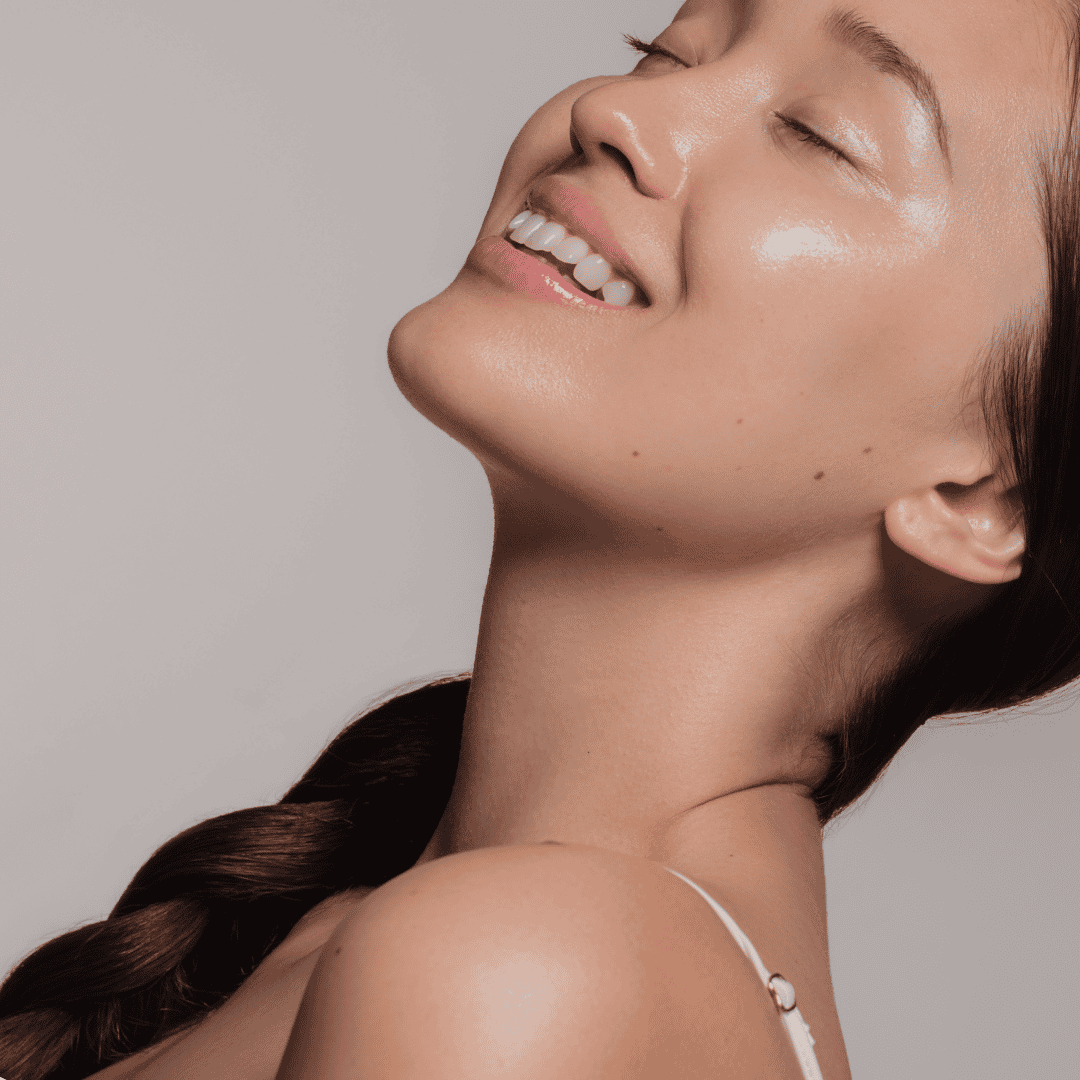
If you've ever wondered how K-pop stars and actors maintain that flawless, dewy "glass skin" look, the secret often lies beyond just topical creams. South Korea is the global capital of aesthetic treatments, and skin booster injections are among the most sought-after procedures for locals and tourists alike.
Unlike traditional fillers that change your face shape, these treatments focus entirely on skin quality—improving hydration, texture, and elasticity from the inside out. Whether you're dealing with acne scars, dryness, or early signs of aging, there is likely a specific Korean skin booster designed just for you. In this guide, we will break down everything you need to know about the top treatments like Rejuran Healer, Exosomes, and the famous Chanel Injection, helping you decide which one might be right for your skin journey.
What are the most popular skin boosters in South Korea?
South Korea offers a wide variety of skin boosters, each targeting different skin concerns. While the list is extensive, a few stand out due to their proven results and immense popularity in clinics across Seoul. These "injectable moisturizers" go deep into the dermis to deliver nutrients that regular skincare just can't reach.
The "Big 5" that you will see on almost every clinic menu are:
- Rejuran Healer: Famous for skin barrier repair and anti-aging.
- Chanel Injection (Filorga): Best for overall brightening and hydration.
- Exosomes: The newest trend for anti-inflammation and regeneration.
- Juvelook: Excellent for pore reduction and acne scarring.
- Skin Botox: A technique to tighten pores and create a lift without freezing muscles.
What is Rejuran Healer (Salmon Injection)?
Rejuran Healer, often called the "Salmon Injection," is arguably the most famous skin booster in Korea right now. The active ingredient, Polynucleotide (PN), is extracted from salmon DNA, which is highly compatible with human skin. Instead of just adding artificial volume, Rejuran actually heals the skin cells.
It is particularly effective for people with thin, damaged, or sensitive skin. If you have fine lines, acne scars, or redness, Rejuran works to thicken the skin barrier and balance oil and moisture levels. Many patients report that their skin feels denser and healthier after a course of 3-4 treatments.
What is the Chanel Injection (Filorga NCTF 135HA)?
The Chanel Injection gets its nickname because it is considered a "luxury" treatment for the skin, though it has no official affiliation with the fashion brand. The product used is Filorga NCTF 135HA, a premium French skin booster that has been a staple in Korean clinics for years.
This "cocktail" contains a powerful blend of hyaluronic acid, 12 vitamins, 23 amino acids, 6 coenzymes, 5 nucleic acids, 6 minerals, and antioxidants. It is the go-to choice for skin brightening and that coveted "water glow." If your skin looks dull, tired, or dehydrated, the Chanel injection acts like a super-charged multivitamin delivered directly into your dermis.
What are Exosome skin boosters?
Exosomes are the latest biotechnology breakthrough in the Korean beauty market. Unlike other boosters that provide nutrients, exosomes are actual "messengers" derived from stem cells that signal your own skin cells to regenerate and repair themselves. They are incredibly small (nanometer-sized), allowing for excellent absorption.
This treatment is becoming the gold standard for treating inflammatory acne, rosacea, and sensitive skin. It effectively calms down angry skin while simultaneously tightening pores and improving texture. Because exosomes have strong anti-inflammatory properties, the recovery time is often shorter compared to other injectables.
What is Juvelook?
Juvelook is gaining massive popularity as a "collagen skin booster." It combines Hyaluronic Acid (HA) with Poly D, L-Lactide (PDLLA). While the HA provides immediate hydration, the PDLLA particles stimulate your body's own collagen production over the following weeks.
There are generally two types of Juvelook: one for general skin volume and one specifically for skin texture. It is famously effective for filling in acne scars and shrinking enlarged pores. Unlike traditional fillers that can sometimes look puffy, Juvelook offers a very natural improvement in skin elasticity and smoothness.
What is Skin Botox (Dermatoxin)?
Many people confuse Skin Botox with regular Botox, but the technique is quite different. Instead of injecting deep into the muscle to stop movement, the doctor injects a diluted solution into the superficial layers of the skin. This allows you to keep your natural facial expressions.
The primary benefits of Skin Botox are an immediate "glass skin" effect, tightened pores, and a subtle lifting effect along the jawline. It also helps control oil production, making it a favorite for patients with oily or combination skin. The results are smoother, tighter skin that looks filtered in real life.
What is the cost of skin boosters in South Korea?
One of the main reasons people fly to Korea for these treatments is the affordability. High competition among clinics and domestic manufacturing of products keep prices low. Below is a comparison table of average costs in Seoul.
| Treatment | Avg. Cost (KRW) | Avg. Cost (USD) | Best For |
|---|---|---|---|
| Rejuran Healer (2cc) | ?300,000 - ?500,000 | $230 - $380 | Repair, Anti-aging |
| Chanel Injection (3cc) | ?250,000 - ?450,000 | $190 - $340 | Glow, Hydration |
| Exosome (5-6cc) | ?300,000 - ?600,000 | $230 - $460 | Acne, Sensitive Skin |
| Juvelook (4-6cc) | ?350,000 - ?600,000 | $270 - $460 | Pores, Scars |
| Skin Botox | ?150,000 - ?300,000 | $115 - $230 | Tightening, Lifting |
| Mulguang (Water Shine) | ?100,000 - ?200,000 | $75 - $150 | Basic Hydration |
Does the skin booster procedure hurt?
Pain tolerance varies by person, but it is honest to say that skin boosters are not painless. Rejuran Healer is notorious for being the most painful because the solution is thicker and slightly acidic. However, Korean clinics are experts at pain management.
You will always receive a topical anesthetic cream before the procedure. Some clinics also offer "nanosoft" needles or injector guns (like the Derma Shine injector) which use suction to reduce pain and ensure even distribution. If you have a low pain threshold, ask your doctor about these automated injector options instead of manual injection.
What is the downtime for Korean skin boosters?
Immediately after the treatment, your face might look like a bumpy reptile skin! This phenomenon is called "embossing." It happens because the fluid is injected just under the surface of the skin. Don't panic; this is a sign that the treatment was done correctly.
These bumps usually disappear within 24 to 48 hours as the product absorbs. You might also experience some pinpoint bruising or needle marks, which can be covered with makeup after a day. Most people are back to their normal social activities within 2-3 days.
How long do skin booster results last?
Skin boosters are not permanent. They are skin conditioning treatments. A single session will give you a nice glow for a few weeks, but for real, transformative changes, consistency is key. Most dermatologists recommend an initial protocol of three sessions spaced one month apart.
After this initial "loading" phase, you can maintain the results with a single touch-up session every 4 to 6 months. Juvelook tends to last a bit longer (up to a year) because it stimulates your own collagen, while basic Hyaluronic Acid boosters may need more frequent touch-ups.
Can I combine different skin boosters?
Korean clinics love "menu combinations." It is very common to mix treatments to tackle multiple concerns at once. A very popular combo is Rejuran + Skin Botox. Rejuran handles the deep repair and hydration, while Skin Botox tightens the surface and pores.
Another popular mix is adding a skin booster to a laser treatment. For example, getting an Exosome treatment right after Potenza (microneedling RF) can dramatically speed up healing and enhance the penetration of the exosomes into the skin channels created by the laser.
Are skin boosters in Korea safe?
Safety is a top priority in the South Korean medical aesthetic industry. The products mentioned, such as Rejuran and Juvelook, have undergone rigorous testing and are KFDA approved. Because these substances (Hyaluronic Acid, Polynucleotides) are biocompatible, the risk of allergic reactions is very low.
However, risks like infection or bruising exist with any injection. It is crucial to choose a reputable clinic with board-certified dermatologists rather than going to an unlicensed spa. Always verify that the clinic unboxes a new, sealed syringe in front of you.
How do I choose the right skin booster for my skin type?
With so many options, it can be overwhelming. Here is a simple cheat sheet to help you decide:
- Dry, Dull Skin: Go for Chanel Injection or Mulguang. You need hydration and vitamins.
- Acne Scars & Large Pores: Go for Juvelook. You need collagen stimulation.
- Sensitive, Red, or Active Acne: Go for Exosomes. You need anti-inflammation.
- Aging, Thin Skin, Fine Lines: Go for Rejuran Healer. You need barrier repair and thickness.
What is the "Witch's Injection"?
You might see the term "Witch's Injection" on some clinic menus. This is a marketing term for a specific cocktail that usually combines concentrated collagen, PDRN (salmon DNA), and sometimes botox. The name implies that the results are "magical" or that you stop aging like a witch.
It’s essentially a high-end customized mix. Always ask the doctor exactly what ingredients are in their specific "Witch" or "Cinderella" injections to ensure they match your skin goals.
Why are skin boosters cheaper in Korea?
It is not because the quality is lower—in fact, the quality is often higher. The lower price point is simple economics. South Korea has the highest density of aesthetic clinics in the world. To stay competitive, clinics must offer reasonable prices.
Furthermore, many of the top products, including Rejuran and Juvelook, are manufactured in Korea. This eliminates import taxes and shipping costs that clinics in the US or Europe have to pay. This savings is passed directly to the patient.
How does the application method affect the result (Hand vs. Machine)?
You will often be asked if you want "hand injection" or "machine injection." Hand injection allows the doctor to carefully place the product exactly where you need it most (like deep acne scars) and ensures no product is wasted. However, it is more painful and takes longer.
Machine injection (using devices like Hycoox or Derma Shine) uses suction to lift the skin before multiple needles inject simultaneously. It is much faster and less painful, making it great for beginners, though a tiny bit of product might be lost on the skin surface.
What is the "Mulguang" (Water Shine) Injection?
The "Mulguang" injection was the original Korean skin booster. "Mul" means water and "Guang" means light/glow. It consists of pure Hyaluronic Acid. Unlike fillers, this HA is "non-crosslinked," meaning it is very watery and spreads evenly under the skin to hydrate.
While newer boosters like Rejuran have added anti-aging benefits, Mulguang remains the most affordable and effective option if your only goal is pure, intense hydration for a dry winter or a special event.
Is it better to get skin boosters in Korea or at home?
If you are planning a trip to Asia, getting your treatment in Korea is a no-brainer. You will save hundreds of dollars and get access to the latest products that might not even be approved in your home country yet. The doctors perform these injections dozens of times a day, so their technique is incredibly refined.
The only downside is maintenance. Since skin boosters require follow-up sessions, you might need to find a local provider at home for your second and third rounds, or plan your trips to Korea accordingly.
Ready to Achieve Your Dream Skin?
Finding the right clinic and navigating foreign medical systems can be challenging. Let us help you find the best dermatologists in South Korea for your skin booster journey.
Explore Skin Treatment Packages with PlacidWay

.png)




.png)








Share this listing