

Contents
Patients in the United States, Australia, and Western Europe often face exorbitant fees or limited access to the latest aesthetic technologies. Routine visits for skin rejuvenation back home can quickly drain savings, and the laser equipment used is sometimes years behind the current standard. Finding specialized, highly advanced treatments like glass skin protocols or targeted pigmentation therapy often feels frustrating and prohibitively expensive. People are increasingly looking abroad for aesthetic solutions that prioritize innovation without the extreme price tags.
Traveling to South Korea offers a practical solution to these common dermatology struggles. Seoul is widely recognized as the global capital of advanced skin care, where basic treatments start around $150 and comprehensive anti-aging protocols range from $500 to $1,200. When researching facilities in this bustling medical hub, it is essential to look for official accreditations like the Korean Accreditation Program for Hospitals Serving Foreign Patients (KAHF) or Ministry of Health certifications. These credentials ensure the clinic maintains strict safety protocols and employs board-certified specialists.
Quick Facts at a Glance
Navigating individual treatment fees can quickly become confusing when visiting a foreign dermatologist. Comprehensive skin care packages help simplify this process by bundling consultations, multiple laser sessions, and necessary aftercare products into one clear, upfront price. These bundled programs often include valuable extras like translation services and soothing post-treatment masks.
Opting for a package ensures you do not face unexpected out-of-pocket expenses for required follow-up care. Review the skin care packages detailed below to see which bundled options best match your budget and aesthetic needs.

Price starting from $999
Skin Laser Therapy Package in Seoul, South Korea by DM Dermatology
DM Dermatology
- Skin Care
Seoul, South Korea
Paying entirely out of pocket for advanced dermatology in places like the US or Australia can strain any budget. In South Korea, basic skin treatments typically start around $150, while advanced anti-aging laser protocols average between $500 and $1,200. This pricing structure makes high-end aesthetic medicine significantly more accessible without compromising on safety or technology.
Understanding the baseline costs helps you plan your medical travel budget with confidence and avoid hidden fees. Take a moment to compare the clinic prices listed below to estimate the total cost for your upcoming trip.
Skin Care Centers Cost Comparison in Seoul, South Korea
| Provider | Procedure | Price |
|---|---|---|
| DM Dermatology | Skin Laser Therapy, Skin Care | $900 |
Skin Care Cost Comparison in South Korea
| Country | Procedure | Price |
|---|---|---|
| Canada | Dermabrasion, Skin Care | $2898 |
| United Kingdom | Skin Laser Therapy, Skin Care | $2359 |
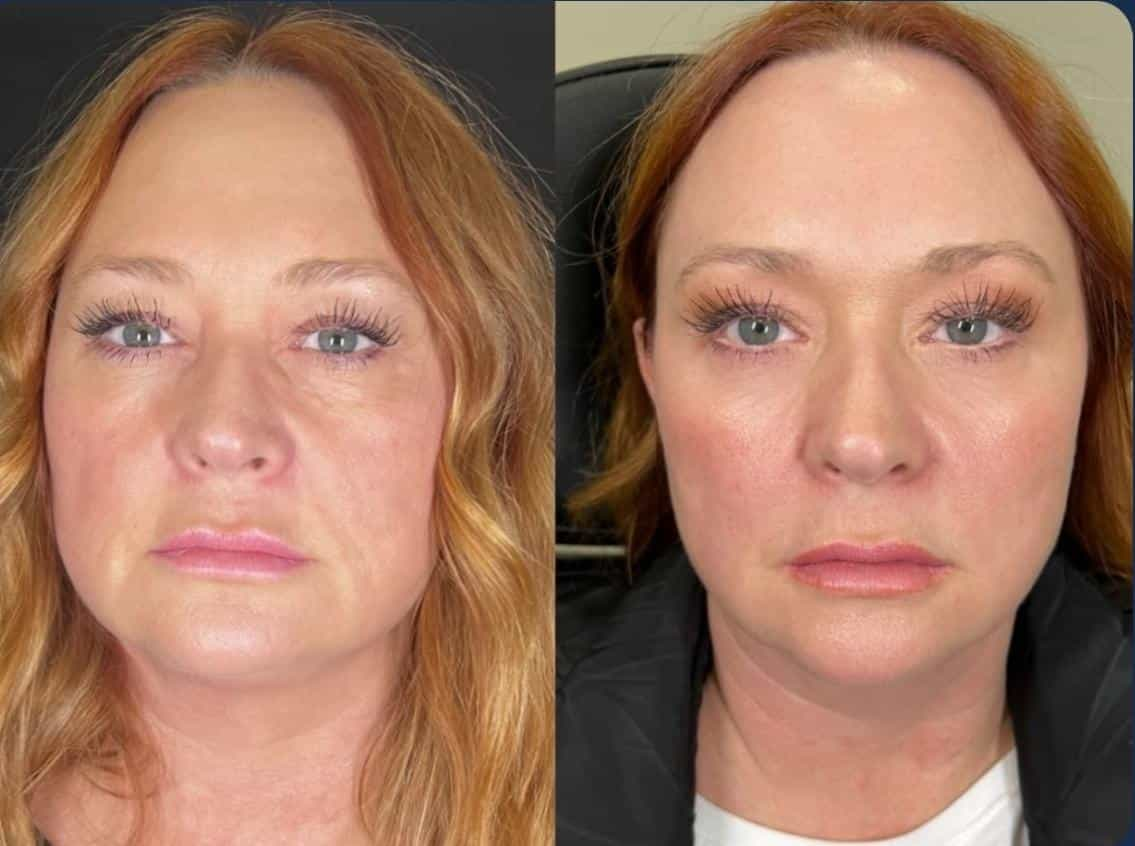
Choosing a dermatology clinic in a foreign country can feel overwhelming, especially when trying to navigate language barriers and marketing claims. It is crucial to verify medical credentials rather than relying entirely on polished social media before-and-after photos. Focus your research on facilities recognized by the local Ministry of Health or those holding specific foreign patient certifications.
A reputable facility will gladly provide details about their licensing, equipment sterilization processes, and the availability of in-house medical translators. Compare the accredited clinics listed below to find the right facility for your specific skincare goals.
VG Plastic Surgery
Seoul, South Korea
Rodam Korean Medical Clinic
Seoul, South Korea
AB Plastic Surgery
Seoul, South Korea
DM Dermatology
Seoul, South Korea

Forena Clinic - Skin Clinic in Seoul, South Korea
Seoul, South Korea
LiMO Plastic Surgery Clinic in Seoul, South Korea
Seoul,Gangnam, South Korea
Reading about laser therapies or skin boosters only tells part of the story when you are planning treatment abroad. Watching actual patient journeys provides genuine insight into the clinic environment, the doctor’s bedside manner, and the immediate post-procedure realities. Video testimonials help demystify what to expect on the day of your appointment.
Seeing the facility and hearing about the language assistance process directly from past visitors can ease travel anxiety. Watch the patient experience videos below to get a clearer picture of what your own skincare journey might look like.

When evaluating international dermatology options, hearing directly from previous patients is incredibly valuable. Honest feedback reveals important details about the healing process, translation quality, and how the clinical staff handles post-treatment concerns. Reading these firsthand accounts helps build trust and sets realistic expectations for your own results.
Patient stories highlight the nuances of traveling for aesthetic care that official websites often miss. Browse the patient reviews below to learn how others navigated their skincare treatments and recovery in a new city.

Planning a medical trip raises valid questions about recovery times, clinical safety protocols, and travel logistics. We have gathered answers to the most common questions international patients ask when considering dermatology procedures in South Korea.
Why is Seoul a popular destination for skin care treatments?
Seoul is globally recognized for its highly advanced dermatological technology, strict medical standards, and competitive pricing. Clinics here often utilize the latest laser and injectable innovations long before they become widely available in Western countries.
Do dermatologists in Seoul speak English?
Many top-tier dermatology clinics catering to international patients employ English-speaking doctors or provide dedicated in-house medical translators to ensure clear communication during consultations.
How long should I stay in South Korea for a laser treatment?
Most non-invasive laser treatments require a stay of only 3 to 5 days. This allows enough time for the initial consultation, the procedure, and a follow-up appointment to monitor early healing.
Is it safe to fly immediately after receiving injectable skin boosters?
While generally safe, most dermatologists recommend waiting at least 24 to 48 hours before flying. Cabin pressure and dry air can increase swelling or irritation at the injection sites.
What is the typical recovery time for Korean glass skin treatments?
Recovery is usually minimal. Patients might experience slight redness or mild peeling for 1 to 3 days, but they can typically resume normal daily activities almost immediately with proper sun protection.
How can I verify a skin clinic's credentials in South Korea?
Look for clinics that are accredited by the Korean Accreditation Program for Hospitals Serving Foreign Patients (KAHF) or those officially registered with the Ministry of Health and Welfare.
Will I need follow-up appointments before returning home?
It depends on the intensity of the treatment. Light peels or standard facials usually do not require follow-ups, while deep laser resurfacing may require a check-up one or two days later.
What happens if I experience complications after leaving the clinic?
Reputable clinics provide detailed aftercare instructions and direct contact information for their medical team. Many offer virtual follow-up consultations to address any post-treatment concerns once you return home.
Are advanced Korean skincare procedures painful?
Discomfort is usually minimal. Clinics extensively use strong topical numbing creams prior to lasers and injectables to ensure a comfortable experience for the patient.
Can I combine different dermatology procedures in one visit?
Yes, many patients safely combine therapies, such as pairing a skin booster injection with a gentle toning laser. Your dermatologist will assess your skin during the consultation to determine safe combinations.
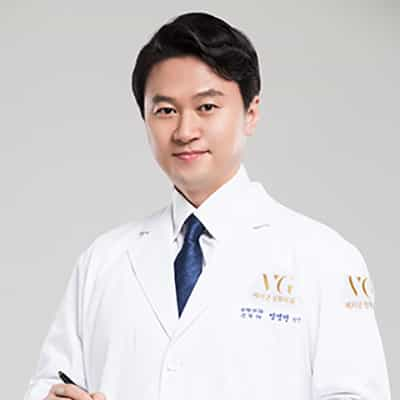
The success of advanced aesthetic treatments relies heavily on the clinical expertise of the physician administering them. South Korea boasts some of the most rigorously trained dermatologists in the world, many of whom specialize exclusively in specific laser technologies or injectable protocols. Ensuring your doctor is board-certified and experienced with international skin types is essential for a safe outcome.
A skilled physician will carefully assess your skin concerns and customize a treatment plan rather than offering a one-size-fits-all approach. Explore the profiles of the specialized doctors listed below to find a qualified expert for your procedure.
Traveling to Seoul for medical aesthetics combines world-class clinical care with a dynamic, safe, and highly efficient cultural experience. Patients from the United States, Australia, and Southeast Asia frequently fly into Incheon International Airport (ICN), which connects seamlessly to the city center via the high-speed Airport Railroad Express (AREX). South Korea's infrastructure is incredibly welcoming to foreigners, featuring robust public transportation with clear English signage.
Districts like Gangnam and Myeongdong serve as the primary hubs for top-tier dermatology clinics. These areas offer easy access to recovery-friendly hotels, well-stocked pharmacies, and numerous cafes where you can relax comfortably after a treatment. When planning your trip, consider booking accommodations near your chosen clinic to minimize transit times and ensure you have a quiet space to rest during your initial healing phase.
| Primary Airport | Incheon International Airport (ICN) |
| Top Clinic Districts | Gangnam, Seocho, Myeongdong |
| City Transportation | Seoul Metro, AREX, Kakao T (Taxis) |
| Local Currency | South Korean Won (KRW) |
Taking the next step in your aesthetic journey requires reliable information and trusted support. PlacidWay is here to help you navigate the process of securing safe, high-quality skin care in South Korea. Our team connects you with fully accredited clinics, assists with understanding transparent pricing, and helps coordinate the logistics of your medical travel.
We aim to take the guesswork out of booking treatments abroad so you can focus entirely on your health and desired outcomes. Reach out today to receive personalized guidance and detailed clinic information tailored to your specific dermatological needs.
References
- Travelers' Health: South Korea – Centers for Disease Control and Prevention (CDC)
- Aesthetic Procedures Safety – International Society of Aesthetic Plastic Surgery (ISAPS)
- Quality and Safety in Medical Tourism – World Health Organization (WHO)
- Dermal Filler Safety Information – U.S. Food and Drug Administration (FDA)
- Complications and Safety of Laser Skin Resurfacing – PubMed Central


















Share this listing