
What treatment


20+ Most Frequently Asked Questions About Skin Care
Find Clear and Concise Answers to Common Questions About Skin Care
Trusted Medical Tourism Platform Since 2007

How Much Does Skin Botox Cost in South Korea?
Skin Botox (Dermatoxin) in South Korea typically ranges from $40 to $150 USD per area, with full-face treatments costing between $200 and $450 USD. This price is generally 60-70% lower than in the US or Europe. The final cost depends on the brand used (Korean brands like Botulax are cheaper than imported Xeomin) and the clinic's location. Most packages in Seoul or Busan include consultation, numbing cream, and post-procedure cooling masks. Key Takeaways: Skin Botox in Korea Huge Savings: Domestic Korean toxin brands offer high quality at 30-50% less than imported brands. Specific Benefit: Unlike regular Botox, Skin Botox targets pores and oil production to create a "glass skin" effect without freezing facial expressions. Quick Procedure: The treatment takes only 15-20 minutes with minimal downtime, making it perfect for short medical tourism trips. VAT Refund Alert: As of 2026, the tax refund for cosmetic procedures is uncertain; travelers must confirm eligibility directly with their clinic. Comprehensive Guide to Skin Botox in South Korea What is the difference between Skin Botox and Regular Botox? Understanding this distinction is crucial for setting expectations. Regular Botox is injected deep into the muscle layer to temporarily paralyze the muscles that cause dynamic wrinkles, such as frown lines or crow's feet. Its primary goal is to stop movement to smooth out deep lines. Skin Botox (also known as Dermatoxin or Mesotox) is injected superficially into the dermis the skin layer itself rather than the muscle. It targets the sebaceous (oil) glands, sweat glands, and the erector pili muscles connected to pores. This results in tightened pores, significantly reduced oil production, and a smoother skin texture, often described as the "glass skin" glow. Importantly, it does not "freeze" your face, allowing you to retain natural facial expressions. Why is Skin Botox so much cheaper in Korea than in the West? The price difference is driven by competition and domestic manufacturing. South Korea is a global powerhouse in manufacturing botulinum toxin. Domestic brands such as Botulax, Nabota, and Coretox are produced locally, eliminating import tariffs and shipping costs. These brands are approved by the KFDA (Korea's FDA equivalent) and have safety profiles comparable to Western brands. Additionally, the sheer volume of procedures performed in districts like Gangnam allows clinics to operate with lower margins per patient. While you might pay $400-$800 for a full-face micro-Botox treatment in the US, the same procedure with a high-quality Korean brand can cost as little as $200 in Seoul. How do prices compare between Seoul and Busan? Seoul (Gangnam, Apgujeong): As the capital of medical tourism, Seoul offers the widest range of options. "Factory-style" clinics here are incredibly affordable, sometimes offering single-area Skin Botox for under $40 USD. However, premium "boutique" clinics that offer private rooms and doctor-led consultations will charge significantly more, often $250+ for a full face. Busan (Seomyeon Medical Street): Busan is generally 10-20% cheaper than premium Seoul clinics. It is an excellent destination for those who want a more relaxed atmosphere. The quality of care in Seomyeon is on par with Seoul, but the clinics may be less crowded, offering a more personalized experience for the price. Is the tax refund for cosmetic procedures still available in 2026? This is a critical update for all medical tourists. Historically, foreign tourists could claim a ~7-10% VAT refund on cosmetic procedures. However, government policies regarding this incentive have been under review for 2026. The status is currently uncertain and may have been discontinued for specific aesthetic treatments. You should not assume you will automatically receive a refund. It is mandatory to ask your chosen clinic two questions before booking: "Are you a certified tax-refund provider?" and "Is the VAT refund program currently active for this specific procedure?" If eligible, you will need your passport and a dedicated refund slip from the clinic to claim your money at the airport. Does the procedure hurt, and is there downtime? Skin Botox involves dozens of tiny micro-injections across the face, which can be uncomfortable. To ensure patient comfort, almost all Korean clinics apply a strong topical numbing cream for 20-30 minutes before the procedure. With this anesthesia, most patients describe the sensation as mild pricking or pressure, not acute pain. Regarding downtime, you may experience small raised bumps (wheals) at the injection sites immediately after the treatment, resembling mosquito bites. These typically disappear within 2 to 4 hours. Minor bruising is possible but rare. Most tourists are back to exploring the city the same evening, though makeup should be avoided until the next day. How long do the results last? Because Skin Botox is injected superficially and often in a more diluted form than muscle Botox, the duration is shorter. You will typically see the "glow" and pore reduction within 3-5 days, with peak results at 2 weeks. The effects generally last 2 to 3 months. Many medical tourists view this as a quarterly maintenance treatment. To extend the results, many patients combine Skin Botox with skin boosters like Rejuran Healer (PN) or Hyaluronic Acid, which can improve skin health at a cellular level alongside the pore-tightening effects of the toxin. Are there any side effects I should worry about? Skin Botox is generally very safe, but it requires a skilled hand. If the injector goes too deep, the toxin can affect the underlying muscles, potentially leading to an asymmetrical smile or a stiff expression. This is why choosing a reputable clinic is vital. Common, temporary side effects include redness, mild swelling, and the aforementioned bumps. In very rare cases, patients may experience a headache for 24 hours post-procedure. Because the toxin is injected into the skin, the risk of "droopy eyelids" (ptosis) is significantly lower than with traditional forehead Botox. Can I combine this with other treatments? Absolutely. In fact, "stacking" treatments is the norm in Korean dermatology. A very popular combination is the "Glass Skin Package," which often includes Skin Botox + Rejuran Healer + a hydration filler. Another common pairing is Skin Botox with energy devices like Shurink (HIFU) or InMode. Combining treatments during one visit is efficient for medical tourists and can often lead to package discounts. However, always consult with the doctor to ensure that the combination is safe for your specific skin type. What is the difference between Factory and Boutique clinics? Factory Clinics: High volume, fast turnover, and very low prices. You will likely consult with a coordinator rather than a doctor, and the doctor enters only to perform the injection. These are efficient and cost-effective for standard procedures if you know exactly what you want. Boutique Clinics: Lower volume, higher prices (often double). You get a 1-on-1 consultation with the doctor, a customized facial mapping, and a more private experience. For first-time medical tourists or those with specific concerns, a boutique clinic often provides better peace of mind. Frequently Asked Questions How much does full face Skin Botox cost in Korea? Full face Skin Botox in Korea typically ranges from $200 to $450 USD depending on the clinic and brand used. Is Korean Botox as good as Allergan? Yes, major Korean brands like Botulax and Nabota are KFDA-approved and considered comparable in safety and efficacy to Allergan, but at a lower price point. Can I wear makeup after Skin Botox? It is best to avoid makeup for at least 4-6 hours, preferably waiting until the next day, to prevent infection at the injection sites. Does Skin Botox help with acne? Yes, by reducing oil production and pore size, Skin Botox can help control mild acne and prevent future breakouts. Is Skin Botox painful? Most clinics use a strong numbing cream, making the procedure tolerable. Patients usually feel mild pricking sensation. How long does the redness last? Redness and small bumps usually subside within 2 to 4 hours after the treatment. What is the English name for Dermatoxin? Dermatoxin is commonly called 'Skin Botox,' 'Micro-Botox,' or 'Mesotox' in English. Do I need a prescription for Skin Botox? No, but it must be administered by a licensed medical professional in a clinic setting. Can men get Skin Botox? Yes, it is very popular among men for reducing large pores and oiliness without looking 'frozen'. Is it safe to fly after Skin Botox? Yes, you can fly immediately after the procedure, though it is recommended to keep the skin clean and hydrated. Find the Best Skin Botox Clinics in Korea Don't navigate the complex world of medical tourism alone. Get a free quote and personalized recommendations for top-rated, English-speaking clinics in Seoul and Busan....
Read more details


What Skin Booster Injections Are Popular In South Korea?
The most popular skin boosters in South Korea are Rejuran Healer, Chanel Injection (Filorga), Exosomes, and Juvelook. These treatments hydrate, repair, and rejuvenate skin, costing between $200 and $700 per session. If you've ever wondered how K-pop stars and actors maintain that flawless, dewy "glass skin" look, the secret often lies beyond just topical creams. South Korea is the global capital of aesthetic treatments, and skin booster injections are among the most sought-after procedures for locals and tourists alike. Unlike traditional fillers that change your face shape, these treatments focus entirely on skin quality improving hydration, texture, and elasticity from the inside out. Whether you're dealing with acne scars, dryness, or early signs of aging, there is likely a specific Korean skin booster designed just for you. In this guide, we will break down everything you need to know about the top treatments like Rejuran Healer, Exosomes, and the famous Chanel Injection, helping you decide which one might be right for your skin journey. What are the most popular skin boosters in South Korea? The top skin boosters in Korea include Rejuran Healer (Salmon DNA), Chanel Injection (Filorga NCTF), Exosomes (Stem Cell), Juvelook (Collagen), and Skin Botox. South Korea offers a wide variety of skin boosters, each targeting different skin concerns. While the list is extensive, a few stand out due to their proven results and immense popularity in clinics across Seoul. These "injectable moisturizers" go deep into the dermis to deliver nutrients that regular skincare just can't reach. The "Big 5" that you will see on almost every clinic menu are: Rejuran Healer: Famous for skin barrier repair and anti-aging. Chanel Injection (Filorga): Best for overall brightening and hydration. Exosomes: The newest trend for anti-inflammation and regeneration. Juvelook: Excellent for pore reduction and acne scarring. Skin Botox: A technique to tighten pores and create a lift without freezing muscles. What is Rejuran Healer (Salmon Injection)? Rejuran Healer is a skin booster made from polynucleotides (PN) derived from salmon DNA, designed to repair damaged skin barriers, reduce acne scars, and improve elasticity. Rejuran Healer, often called the "Salmon Injection," is arguably the most famous skin booster in Korea right now. The active ingredient, Polynucleotide (PN), is extracted from salmon DNA, which is highly compatible with human skin. Instead of just adding artificial volume, Rejuran actually heals the skin cells. It is particularly effective for people with thin, damaged, or sensitive skin. If you have fine lines, acne scars, or redness, Rejuran works to thicken the skin barrier and balance oil and moisture levels. Many patients report that their skin feels denser and healthier after a course of 3-4 treatments. What is the Chanel Injection (Filorga NCTF 135HA)? The Chanel Injection, officially known as Filorga NCTF 135HA, is a cocktail of 53 ingredients including vitamins and amino acids that boosts radiance and hydration. The Chanel Injection gets its nickname because it is considered a "luxury" treatment for the skin, though it has no official affiliation with the fashion brand. The product used is Filorga NCTF 135HA, a premium French skin booster that has been a staple in Korean clinics for years. This "cocktail" contains a powerful blend of hyaluronic acid, 12 vitamins, 23 amino acids, 6 coenzymes, 5 nucleic acids, 6 minerals, and antioxidants. It is the go-to choice for skin brightening and that coveted "water glow." If your skin looks dull, tired, or dehydrated, the Chanel injection acts like a super-charged multivitamin delivered directly into your dermis. What are Exosome skin boosters? Exosome skin boosters use cell-derived vesicles to reduce inflammation, treat acne, and regenerate skin cells, offering faster recovery and potent anti-aging effects. Exosomes are the latest biotechnology breakthrough in the Korean beauty market. Unlike other boosters that provide nutrients, exosomes are actual "messengers" derived from stem cells that signal your own skin cells to regenerate and repair themselves. They are incredibly small (nanometer-sized), allowing for excellent absorption. This treatment is becoming the gold standard for treating inflammatory acne, rosacea, and sensitive skin. It effectively calms down angry skin while simultaneously tightening pores and improving texture. Because exosomes have strong anti-inflammatory properties, the recovery time is often shorter compared to other injectables. What is Juvelook? Juvelook is a hybrid collagen stimulator combining PDLLA and Hyaluronic Acid, specifically used to treat enlarged pores, acne scars, and fine wrinkles naturally. Juvelook is gaining massive popularity as a "collagen skin booster." It combines Hyaluronic Acid (HA) with Poly D, L-Lactide (PDLLA). While the HA provides immediate hydration, the PDLLA particles stimulate your body's own collagen production over the following weeks. There are generally two types of Juvelook: one for general skin volume and one specifically for skin texture. It is famously effective for filling in acne scars and shrinking enlarged pores. Unlike traditional fillers that can sometimes look puffy, Juvelook offers a very natural improvement in skin elasticity and smoothness. What is Skin Botox (Dermatoxin)? Skin Botox, or Dermatoxin, involves injecting diluted botox into the outer skin layers to tighten pores and lift skin without freezing facial muscles. Many people confuse Skin Botox with regular Botox, but the technique is quite different. Instead of injecting deep into the muscle to stop movement, the doctor injects a diluted solution into the superficial layers of the skin. This allows you to keep your natural facial expressions. The primary benefits of Skin Botox are an immediate "glass skin" effect, tightened pores, and a subtle lifting effect along the jawline. It also helps control oil production, making it a favorite for patients with oily or combination skin. The results are smoother, tighter skin that looks filtered in real life. What is the cost of skin boosters in South Korea? The cost of skin boosters in South Korea ranges between $150 and $500 USD per session, which is significantly cheaper than in the US or Europe. One of the main reasons people fly to Korea for these treatments is the affordability. High competition among clinics and domestic manufacturing of products keep prices low. Below is a comparison table of average costs in Seoul. Treatment Avg. Cost (KRW) Avg. Cost (USD) Best For Rejuran Healer (2cc) ?300,000 - ?500,000 $230 - $380 Repair, Anti-aging Chanel Injection (3cc) ?250,000 - ?450,000 $190 - $340 Glow, Hydration Exosome (5-6cc) ?300,000 - ?600,000 $230 - $460 Acne, Sensitive Skin Juvelook (4-6cc) ?350,000 - ?600,000 $270 - $460 Pores, Scars Skin Botox ?150,000 - ?300,000 $115 - $230 Tightening, Lifting Mulguang (Water Shine) ?100,000 - ?200,000 $75 - $150 Basic Hydration Does the skin booster procedure hurt? Yes, injections can be painful, especially Rejuran, but clinics always apply strong numbing cream for 20-30 minutes to minimize discomfort. Pain tolerance varies by person, but it is honest to say that skin boosters are not painless. Rejuran Healer is notorious for being the most painful because the solution is thicker and slightly acidic. However, Korean clinics are experts at pain management. You will always receive a topical anesthetic cream before the procedure. Some clinics also offer "nanosoft" needles or injector guns (like the Derma Shine injector) which use suction to reduce pain and ensure even distribution. If you have a low pain threshold, ask your doctor about these automated injector options instead of manual injection. What is the downtime for Korean skin boosters? Downtime typically involves "embossing" (small bumps) on the skin for 1 to 3 days, along with minor redness or bruising. Immediately after the treatment, your face might look like a bumpy reptile skin! This phenomenon is called "embossing." It happens because the fluid is injected just under the surface of the skin. Don't panic; this is a sign that the treatment was done correctly. These bumps usually disappear within 24 to 48 hours as the product absorbs. You might also experience some pinpoint bruising or needle marks, which can be covered with makeup after a day. Most people are back to their normal social activities within 2-3 days. How long do skin booster results last? Results typically last 3 to 6 months, but a course of 3 initial sessions spaced 2-4 weeks apart is recommended for long-term benefits. Skin boosters are not permanent. They are skin conditioning treatments. A single session will give you a nice glow for a few weeks, but for real, transformative changes, consistency is key. Most dermatologists recommend an initial protocol of three sessions spaced one month apart. After this initial "loading" phase, you can maintain the results with a single touch-up session every 4 to 6 months. Juvelook tends to last a bit longer (up to a year) because it stimulates your own collagen, while basic Hyaluronic Acid boosters may need more frequent touch-ups. Can I combine different skin boosters? Yes, combining treatments is common; popular combinations include Rejuran with Skin Botox or Chanel Injection with Microneedling for enhanced results. Korean clinics love "menu combinations." It is very common to mix treatments to tackle multiple concerns at once. A very popular combo is Rejuran + Skin Botox. Rejuran handles the deep repair and hydration, while Skin Botox tightens the surface and pores. Another popular mix is adding a skin booster to a laser treatment. For example, getting an Exosome treatment right after Potenza (microneedling RF) can dramatically speed up healing and enhance the penetration of the exosomes into the skin channels created by the laser. Are skin boosters in Korea safe? Yes, skin boosters are generally safe when performed by licensed professionals, using products approved by the KFDA (Korea Food and Drug Administration). Safety is a top priority in the South Korean medical aesthetic industry. The products mentioned, such as Rejuran and Juvelook, have undergone rigorous testing and are KFDA approved. Because these substances (Hyaluronic Acid, Polynucleotides) are biocompatible, the risk of allergic reactions is very low. However, risks like infection or bruising exist with any injection. It is crucial to choose a reputable clinic with board-certified dermatologists rather than going to an unlicensed spa. Always verify that the clinic unboxes a new, sealed syringe in front of you. How do I choose the right skin booster for my skin type? Choose Rejuran for aging or damaged skin, Chanel for dry dull skin, Exosomes for acne-prone skin, and Juvelook for scarring and pores. With so many options, it can be overwhelming. Here is a simple cheat sheet to help you decide: Dry, Dull Skin: Go for Chanel Injection or Mulguang. You need hydration and vitamins. Acne Scars & Large Pores: Go for Juvelook. You need collagen stimulation. Sensitive, Red, or Active Acne: Go for Exosomes. You need anti-inflammation. Aging, Thin Skin, Fine Lines: Go for Rejuran Healer. You need barrier repair and thickness. What is the "Witch's Injection"? The "Witch's Injection" is a cocktail treatment combining collagen and PRN that lifts and moisturizes, often marketed for its potent anti-aging effects. You might see the term "Witch's Injection" on some clinic menus. This is a marketing term for a specific cocktail that usually combines concentrated collagen, PDRN (salmon DNA), and sometimes botox. The name implies that the results are "magical" or that you stop aging like a witch. It’s essentially a high-end customized mix. Always ask the doctor exactly what ingredients are in their specific "Witch" or "Cinderella" injections to ensure they match your skin goals. Why are skin boosters cheaper in Korea? Korea is cheaper due to high market competition, domestic manufacturing of products like Rejuran and Juvelook, and a high volume of patients. It is not because the quality is lower in fact, the quality is often higher. The lower price point is simple economics. South Korea has the highest density of aesthetic clinics in the world. To stay competitive, clinics must offer reasonable prices. Furthermore, many of the top products, including Rejuran and Juvelook, are manufactured in Korea. This eliminates import taxes and shipping costs that clinics in the US or Europe have to pay. This savings is passed directly to the patient. How does the application method affect the result (Hand vs. Machine)? Hand injection prevents product loss and targets specific areas better, while machine injection is faster, less painful, and ensures even depth. You will often be asked if you want "hand injection" or "machine injection." Hand injection allows the doctor to carefully place the product exactly where you need it most (like deep acne scars) and ensures no product is wasted. However, it is more painful and takes longer. Machine injection (using devices like Hycoox or Derma Shine) uses suction to lift the skin before multiple needles inject simultaneously. It is much faster and less painful, making it great for beginners, though a tiny bit of product might be lost on the skin surface. What is the "Mulguang" (Water Shine) Injection? Mulguang injections are pure non-crosslinked hyaluronic acid treatments that provide intense hydration for a glowing, dewy look without adding volume. The "Mulguang" injection was the original Korean skin booster. "Mul" means water and "Guang" means light/glow. It consists of pure Hyaluronic Acid. Unlike fillers, this HA is "non-crosslinked," meaning it is very watery and spreads evenly under the skin to hydrate. While newer boosters like Rejuran have added anti-aging benefits, Mulguang remains the most affordable and effective option if your only goal is pure, intense hydration for a dry winter or a special event. Is it better to get skin boosters in Korea or at home? Korea offers significantly lower prices and more advanced product options, making it ideal for those already traveling, though maintenance requires return trips. If you are planning a trip to Asia, getting your treatment in Korea is a no-brainer. You will save hundreds of dollars and get access to the latest products that might not even be approved in your home country yet. The doctors perform these injections dozens of times a day, so their technique is incredibly refined. The only downside is maintenance. Since skin boosters require follow-up sessions, you might need to find a local provider at home for your second and third rounds, or plan your trips to Korea accordingly. Ready to Achieve Your Dream Skin? Finding the right clinic and navigating foreign medical systems can be challenging. Let us help you find the best dermatologists in South Korea for your skin booster journey. Explore Skin Treatment Packages with PlacidWay...
Read more details
How Much Does Botox Cost in Gangnam, South Korea?
Botox in Gangnam, South Korea, typically ranges from $35 to $550 USD per area or for specific packages, depending on the brand, units, and clinic. Thinking about getting Botox in Gangnam, South Korea? You're in good company! Gangnam is renowned globally as a hub for aesthetic treatments, attracting people from all over the world seeking high-quality procedures at often more affordable prices than in their home countries. When it comes to Botox, South Korea, particularly Gangnam, offers a compelling combination of experienced professionals, advanced techniques, and competitive pricing. This comprehensive guide will break down everything you need to know about the cost of Botox in Gangnam, what factors influence the price, and what you can expect from your experience. Many people search for answers regarding the cost and quality of Botox treatments in this vibrant district. This blog post aims to provide clear, concise answers to those common questions, followed by detailed explanations to help you make informed decisions. We'll cover everything from the average price per area to the different types of Botox available and what hidden costs to look out for. So, if you're curious about smoothing out those wrinkles or achieving a more contoured look, let's dive into the world of Gangnam Botox. How Much Does Botox Cost in Gangnam, South Korea? Botox in Gangnam, South Korea, generally costs between $35 and $550 USD, varying based on the treated area, the brand of Botox, and the clinic's reputation. The price of Botox in Gangnam can vary significantly, but generally, you can expect to pay anywhere from $35 to $550 USD. This broad range accounts for several factors, including the specific area being treated (e.g., forehead, crow's feet, jawline), the number of units required, the brand of botulinum toxin used, and the clinic's standing. For instance, smaller areas or promotional deals might be at the lower end of the spectrum, while more extensive treatments or premium brands will be higher. Many clinics for Botox in Gangnam offer pricing based on the "area" rather than per unit, which can be beneficial for patients as it provides a clearer upfront cost. However, it's always wise to clarify whether the quoted price includes a specific number of units or if additional units will incur extra charges. Often, clinics will have seasonal promotions or package deals that can further reduce the cost of Botox treatments. What Factors Influence the Cost of Botox in Gangnam? The cost of Botox in Gangnam is influenced by the treated area, the number of units, the brand of Botox (e.g., Allergan, Xeomin, Korean brands), the clinic's reputation, and any ongoing promotions or package deals. Understanding the factors that influence Botox cost is crucial for budgeting and choosing the right clinic. Here's a breakdown: Treated Area and Number of Units: Different areas of the face and body require varying amounts of Botox. For example, treating crow's feet might require fewer units than a masseter Botox for jawline slimming. Clinics often price per area or per a certain number of units, and more units naturally mean a higher cost. Brand of Botox: There are several reputable brands of botulinum toxin available. The original and most well-known is Allergan's Botox. However, Korean brands like Neuronox, Meditoxin, Hutox, Coretox, and Nabota are also widely used and often more affordable. Premium brands like Xeomin or Dysport might also be offered at a slightly higher price point. The effectiveness can be similar across brands, but some patients may have preferences. Clinic's Reputation and Location: Clinics with highly experienced doctors, state-of-the-art facilities, and a strong reputation for patient satisfaction in prime Gangnam locations might charge more. However, even within Gangnam, there are many reputable clinics offering competitive prices. Promotions and Packages: Many clinics in Gangnam regularly offer promotional deals, especially for popular treatments like Botox. These can include discounts for multiple areas, first-time patient offers, or package deals combined with other aesthetic procedures. It's worth looking for these deals to get the best value. Is Botox in Gangnam Cheaper Than in Other Countries? Yes, Botox in Gangnam, South Korea, is generally significantly cheaper than in many Western countries like the USA, Canada, or Europe, often up to 50% less, without compromising on quality or safety standards. South Korea has gained a reputation as a medical tourism destination, and for good reason. The cost of Botox and other aesthetic procedures is often considerably lower than in countries like the United States, Canada, the UK, and even parts of Europe. This affordability doesn't mean a compromise on quality. Korean clinics are known for their high standards of care, advanced technology, and skilled medical professionals. The lower prices are often attributed to the high volume of procedures performed, the competitive market among clinics, and sometimes lower operational costs. This makes Gangnam an attractive option for individuals seeking high-quality Botox treatments at a more accessible price point. It's common for medical tourists to combine their aesthetic treatments with a trip to experience Korean culture and hospitality. What is the Average Cost of Forehead Botox in Gangnam? Forehead Botox in Gangnam typically ranges from $35 to $150 USD, depending on the specific clinic and the amount of product needed to smooth forehead lines. Forehead Botox is one of the most common applications of the treatment, targeting horizontal lines and wrinkles across the forehead. The average cost for this area in Gangnam can fall within the $35 to $150 USD range. This price often includes the treatment of frown lines (between the eyebrows) and crow's feet, sometimes bundled as a "three-area" package. Clinics frequently run promotions that make these treatments even more cost-effective. It's important to have a consultation to determine the exact number of units required for your specific needs, as this can impact the final price. Some individuals may have deeper lines or stronger muscles, necessitating more units for optimal results. How Much Does Masseter Botox Cost in Gangnam? Masseter Botox for jawline slimming in Gangnam usually costs between $35 and $220 USD, varying with the units used and the clinic. Masseter Botox is a popular treatment in Gangnam for achieving a slimmer, more V-shaped jawline by relaxing the masseter muscles, which can become enlarged from chewing or teeth grinding. The cost for this procedure generally ranges from $35 to $220 USD. This price typically covers a specific number of units, often around 50 units, which is a common starting point for this treatment. As with other Botox treatments, the exact price will depend on the brand of botulinum toxin used and the individual's muscle size, which dictates the number of units required. Many clinics in Gangnam are highly experienced in masseter Botox, making it a routine and effective procedure. What About Body Botox Costs in Gangnam? Body Botox treatments in Gangnam, such as for calf slimming or hyperhidrosis (excessive sweating), range from $200 to $2,400 USD, depending on the target area and required units. Beyond facial applications, Botox is also used for various body treatments, often referred to as Body Botox. These include: Calf Slimming: To reduce the size of calf muscles for a more slender leg appearance. Trapezius Botox (Shoulder Slimming): To relax the trapezius muscles, leading to a more elongated neck and a softer shoulder line. Hyperhidrosis (Excessive Sweating): Injections in the armpits, hands, or feet to significantly reduce sweating. The cost for Body Botox treatments in Gangnam is typically higher than facial Botox due to the larger muscle groups involved and the greater number of units required. Prices can range from $200 to $2,400 USD. Clinics often offer specific packages for these treatments, and it's essential to inquire about what's included in the price, such as the number of units and follow-up consultations. Are There Any Hidden Costs for Botox in Gangnam? Hidden costs for Botox in Gangnam are rare in reputable clinics, but it's important to confirm if the quoted price includes VAT (Value-Added Tax), consultation fees, and any necessary follow-up appointments or touch-ups. While most reputable clinics in Gangnam are transparent with their pricing, it's always good practice to clarify what's included in the quoted cost to avoid any surprises. Here are a few things to check: VAT (Value-Added Tax): In Korea, VAT is typically 10% and may or may not be included in the initial price quoted. Always confirm if the final price is inclusive of VAT. Consultation Fees: Some clinics offer free initial consultations, while others might charge a small fee. This fee is sometimes deducted from the total treatment cost if you proceed with the procedure. Follow-up Appointments/Touch-ups: In some cases, a follow-up appointment for a review or a small touch-up might be necessary a few weeks after the initial injection. Clarify if these are included in the original price or if they incur additional charges. Brand of Botox: Ensure the quoted price specifies the brand of Botox that will be used. If you have a preference for a premium brand, confirm the cost difference upfront. How Can I Ensure Quality and Safety for Botox in Gangnam? To ensure quality and safety for Botox in Gangnam, choose clinics with certified and experienced dermatologists or plastic surgeons, check for international accreditations, read patient reviews, and confirm the use of authentic, approved Botox products. While Gangnam is known for its high standards, it's essential to do your due diligence to ensure a safe and effective Botox treatment. Here are some tips: Choose Licensed and Experienced Professionals: Ensure the clinic is staffed by certified dermatologists or plastic surgeons with extensive experience in administering Botox injections. Don't hesitate to ask about their qualifications and experience. Check Clinic Reputation and Reviews: Look for clinics with positive reviews and testimonials from other patients, especially international ones. Online forums and medical tourism platforms can be good resources. Verify Product Authenticity: Ask the clinic about the brand of Botox they use and if they can show you the sealed product before injection. Reputable clinics use only authentic, approved botulinum toxin products. Consultation and Communication: A thorough consultation where your concerns are listened to and explained clearly is vital. Ensure the clinic has staff who can communicate effectively in your language, making you feel comfortable and understood. Hygiene and Facility Standards: Observe the clinic's cleanliness and overall hygiene. A professional and sterile environment is a strong indicator of a safe practice. What is the Typical Procedure for Getting Botox in Gangnam? The typical Botox procedure in Gangnam involves an initial consultation, followed by the injection of Botox into the targeted areas, a quick and generally painless process taking about 10-15 minutes, with minimal downtime. The process of getting Botox in Gangnam is generally straightforward and efficient: Consultation: Your journey begins with a consultation. The doctor will assess your facial anatomy, discuss your aesthetic goals, and determine the appropriate areas for Botox injection. They will also discuss the number of units and the expected results. This is your chance to ask any questions you have. Preparation: The treatment area will be cleaned, and sometimes a topical numbing cream is applied to minimize discomfort, though many find Botox injections to be tolerable even without it. Injection: Using a very fine needle, the Botox is injected into the targeted muscles. The injection process itself is very quick, usually taking only 10 to 15 minutes, depending on the number of areas being treated. Post-Procedure: After the injections, you might experience some minor redness, swelling, or bruising at the injection sites, which usually subsides within a few hours to a day. You'll be given post-care instructions, which typically include avoiding rubbing the treated area, strenuous exercise, and lying flat for a few hours. Results typically begin to appear within 3-5 days, with full effects visible around 10-14 days. The effects of Botox usually last for 3 to 6 months, after which repeat sessions are recommended to maintain the results. Are Korean Botox Brands as Effective as International Brands? Yes, Korean Botox brands like Neuronox, Meditoxin, and Nabota are generally considered as effective as international brands, offering comparable results at a more competitive price due to local production and fierce market competition. South Korea has developed its own highly competitive pharmaceutical industry, leading to the production of several domestic Botox brands. These include: Neuronox (Medytox) Meditoxin (Medytox) Nabota (Daewoong Pharmaceutical) Coretox (Medytox) Hutox (Huons) Botulax (Hugel) These Korean brands are rigorously tested and approved by the Korean Ministry of Food and Drug Safety (MFDS), ensuring their safety and efficacy. Many patients and practitioners in Korea report comparable results to international brands like Allergan's Botox and Xeomin. The main difference often lies in the cost, with Korean brands typically being more affordable. The effectiveness can also depend on the individual's response to the product and the skill of the injector. It's always a good idea to discuss the available options with your doctor and choose the brand that best suits your needs and budget. What Should I Do Before Getting Botox in Gangnam? Before getting Botox in Gangnam, research reputable clinics, book a consultation, avoid blood-thinning medications and alcohol for a week prior, and discuss your medical history and expectations with your doctor. To prepare for your Botox treatment in Gangnam and ensure the best possible experience, consider these steps: Research Clinics: Spend time researching clinics in Gangnam. Look at their websites, social media, and read reviews from other international patients. Book a Consultation: Schedule an initial consultation. This is crucial for discussing your goals, assessing your suitability for Botox, and getting a personalized treatment plan and cost estimate. Disclose Medical History: Be open and honest about your full medical history, including any allergies, medications you are taking (especially blood thinners), and previous cosmetic procedures. Avoid Certain Medications: Your doctor may advise you to avoid blood-thinning medications (like aspirin, ibuprofen, certain supplements) for about a week before your appointment to minimize bruising. Avoid Alcohol: It's generally recommended to avoid alcohol for at least 24-48 hours before your treatment, as it can also contribute to bruising. Have Realistic Expectations: Understand that Botox is a temporary treatment and results vary for each individual. Discuss realistic outcomes with your doctor. What is the Recovery Time for Botox in Gangnam? The recovery time for Botox in Gangnam is minimal, typically involving only minor redness or swelling at injection sites for a few hours. Most people can resume normal activities immediately, with full results appearing in 10-14 days. One of the appealing aspects of Botox treatments is the minimal downtime required. After your injections in Gangnam, you can generally resume most of your normal daily activities immediately. However, there are a few recommendations to ensure optimal results and minimize potential side effects: Avoid Rubbing or Massaging: Do not rub or massage the treated areas for at least 24 hours to prevent the Botox from spreading to unintended muscles. Avoid Strenuous Exercise: It's often advised to avoid strenuous exercise for 24 hours after the injection. Stay Upright: Avoid lying down for 3-4 hours immediately after your treatment. Minor Side Effects: You might experience slight redness, swelling, or bruising at the injection points, but these are usually mild and resolve quickly. Ice packs can help reduce these if needed. You can typically apply makeup a few hours after the treatment, being gentle with the treated areas. The full effects of the Botox will become apparent within two weeks. Can I Combine Botox with Other Treatments in Gangnam? Yes, it is common to combine Botox with other aesthetic treatments in Gangnam, such as dermal fillers, laser treatments, or skin boosters, to achieve more comprehensive facial rejuvenation or enhancement. Many clinics in Gangnam offer a wide range of aesthetic treatments, and it's quite common for patients to combine Botox with other procedures to achieve more comprehensive results. Popular combinations include: Botox and Dermal Fillers: While Botox relaxes muscles to reduce dynamic wrinkles, dermal fillers add volume to smooth static wrinkles, plump lips, or enhance facial contours. Combining them can address multiple signs of aging. Botox and Laser Treatments: Laser treatments can improve skin texture, tone, and address issues like pigmentation or acne scars. Botox can complement these by smoothing lines. Botox and Skin Boosters (e.g., Rejuran Healer): Skin boosters inject hyaluronic acid or polynucleotides to hydrate and rejuvenate the skin from within, enhancing the overall effect of Botox. Botox and Lifting Procedures (e.g., Ultherapy, Shurink): For a more lifted and tightened appearance, Botox can be combined with non-surgical lifting procedures to further enhance facial contours. If you're considering combining treatments, discuss your goals with your doctor during the consultation. They can recommend a customized treatment plan that addresses all your concerns effectively and safely. If you're considering aesthetic treatments like Botox and looking for reliable, high-quality options, explore PlacidWay for comprehensive solutions and support in medical tourism....
Read more detailsDiscover your treatment options with a free, no-obligation quote!
Get your quote now!
How Much Does Skin Whitening Cost in Seoul, South Korea?
The cost of skin whitening in Seoul, South Korea can range from approximately $50 to over $1,000 per session. The final price depends on the type of treatment, the clinic's reputation, and the number of sessions required. Embarking on a journey to achieve a brighter, more even skin tone can lead you to the global hub of cosmetic innovation: Seoul, South Korea. Renowned for its cutting-edge dermatological treatments and highly skilled practitioners, Seoul offers a wide array of options for those seeking skin whitening. But before you book your ticket, the most pressing question is likely, "How much will it cost?" The answer isn't a simple one, as the price of skin whitening in Seoul is influenced by a multitude of factors. From advanced laser therapies to popular glutathione injections, the cost can vary significantly. This guide will provide a comprehensive overview of what you can expect to pay for various skin whitening treatments in this vibrant city, helping you make an informed decision on your path to radiant skin. Understanding the financial aspect of these procedures is crucial for anyone considering medical tourism in South Korea. The cost is not just about the treatment itself but can also include consultation fees, aftercare products, and the number of sessions needed to achieve your desired results. This article will break down the costs of the most popular skin whitening treatments in Seoul, explore the factors that affect these prices, and give you an idea of what's typically included in a treatment package. Whether you're interested in a subtle brightening effect or a more significant change in your skin's complexion, you'll find the information you need to budget for your cosmetic goals in the heart of K-beauty. What is the average cost of skin whitening in Seoul? The average cost of a single session of skin whitening in Seoul can range from approximately $50 to $500. However, for more intensive treatments or packages of multiple sessions, the total cost can go up to $2,500 or more. The cost of skin whitening in Seoul is not a one-size-fits-all figure. It largely depends on the specific procedure you choose. For instance, a basic chemical peel or a revitalizing facial with whitening agents might be at the lower end of the price spectrum. On the other hand, advanced treatments like Pico laser toning or a series of glutathione IV drips will be at the higher end. The reputation and location of the clinic also play a significant role in determining the price, with high-end clinics in upscale districts like Gangnam generally charging more. It's also important to remember that most skin whitening treatments require multiple sessions to see noticeable and lasting results. Many clinics in Seoul offer package deals for a series of treatments, which can be more cost-effective than paying for each session individually. Therefore, when you receive a price quote, be sure to ask how many sessions are recommended for your specific skin concerns and whether the quoted price is for a single session or a full treatment course. What are the most popular skin whitening treatments in Seoul? The most popular skin whitening treatments in Seoul include laser toning (particularly Pico laser), glutathione injections (often called "Beyoncé" or "Cinderella" drips), Intense Pulsed Light (IPL) therapy, chemical peels, and specialized whitening facials. Seoul's dermatology clinics are at the forefront of cosmetic innovation, offering a diverse range of treatments to lighten and brighten the skin. Among the most sought-after procedures are: Laser Toning: This is a non-invasive treatment that uses a laser to break down pigmentation in the skin, such as sunspots, freckles, and melasma. Pico laser toning is a particularly popular choice due to its effectiveness and minimal downtime. Glutathione Injections: These intravenous drips deliver a powerful antioxidant, glutathione, directly into the bloodstream. This is believed to inhibit melanin production, leading to a lighter skin tone over time. IPL Therapy: Intense Pulsed Light therapy uses broad-spectrum light to target and reduce pigmentation, redness, and other skin imperfections. Chemical Peels: This treatment involves applying a chemical solution to the skin to exfoliate the top layers, revealing a brighter and more even complexion underneath. The choice of treatment will depend on your individual skin concerns, desired results, and budget. A consultation with a qualified dermatologist in Seoul will help you determine the most suitable option for you. How much do glutathione injections cost in Seoul? A single session of glutathione injections in Seoul typically costs between $50 and $150. However, since multiple sessions are usually required, the total cost can range from $500 to $1,500 or more for a full course of treatment. Glutathione injections, often marketed with appealing names like "Cinderella Drip" or "Beyoncé Drip," are a very popular skin whitening treatment in South Korea. The cost per session is relatively affordable, but it's crucial to understand that a single injection will not produce dramatic results. Most clinics recommend a series of 10 or more sessions, administered once or twice a week, to achieve a noticeable lightening effect. The price of glutathione drips can also vary depending on the concentration of glutathione and whether other vitamins and minerals, such as Vitamin C, are included in the infusion. Some clinics offer package deals for multiple sessions, which can significantly reduce the overall cost. When considering this treatment, be sure to factor in the commitment to multiple sessions and the associated cumulative cost. Number of Sessions Estimated Total Cost (USD) 1 Session $50 - $150 5 Sessions $250 - $700 10 Sessions $500 - $1,200 What is the cost of laser skin whitening in Seoul? The cost of laser skin whitening in Seoul can vary widely, from around $100 for a single session of a gentle laser like IPL to over $500 per session for more advanced treatments like Pico laser toning. A full course of treatment with multiple sessions can cost between $500 and $2,500. Laser skin whitening is a highly effective method for targeting specific pigmentation issues and achieving a more uniform skin tone. The cost of laser treatments in Seoul depends on several factors, including: The type of laser used: Different lasers, such as Q-switched lasers, Fraxel, and Pico lasers, have different price points. Pico lasers, being a newer and more advanced technology, tend to be more expensive. The area being treated: Treating a small area, like a few sunspots, will cost less than treating the entire face or other parts of the body. The number of sessions required: Most laser treatments require multiple sessions for optimal results. The number of sessions will depend on the severity of your pigmentation and your desired outcome. During your consultation, the dermatologist will assess your skin and recommend a specific type of laser and the number of sessions needed. They will also provide you with a detailed cost breakdown. How does the cost of pico toning in Seoul compare to other laser treatments? Pico toning in Seoul is generally more expensive than traditional laser toning treatments, with prices per session ranging from approximately $150 to $400. This is due to the advanced technology of the Pico laser, which delivers faster and more effective results with less downtime. Pico toning has become the gold standard for laser skin whitening in Seoul, and for good reason. It uses ultra-short pulses of laser energy to shatter pigment particles without damaging the surrounding skin. This results in less heat, reduced risk of side effects, and a quicker recovery time compared to older laser technologies. While the upfront cost per session may be higher, you may require fewer sessions of Pico toning to achieve your desired results, which could make it a more cost-effective option in the long run. When comparing the cost of Pico toning to other laser treatments, it's essential to consider the overall value. The higher price reflects the advanced technology, the expertise of the dermatologist operating the laser, and the superior results it can deliver. For those seeking significant improvement in their skin's clarity and brightness, Pico toning is often the recommended choice. Are there any hidden costs associated with skin whitening in Seoul? While reputable clinics in Seoul are generally transparent about their pricing, there can be some additional costs to consider. These may include a consultation fee (sometimes waived if you proceed with treatment), the cost of aftercare products, and VAT (Value Added Tax). To avoid any surprises, it's crucial to have a detailed discussion about the total cost of your treatment during your consultation. Ask for a written quote that clearly outlines what is included in the price. Some potential additional costs to be aware of include: Consultation Fee: Some clinics charge a nominal fee for the initial consultation with the dermatologist. However, many clinics will waive this fee if you decide to go ahead with the recommended treatment on the same day. Aftercare Products: Your dermatologist may recommend specific skincare products to use after your treatment to enhance the results and aid in healing. These products are usually not included in the treatment price. VAT: A 10% Value Added Tax (VAT) is typically applied to cosmetic procedures in South Korea. Be sure to confirm whether the quoted price is inclusive or exclusive of VAT. By asking the right questions and getting a clear understanding of the costs involved, you can budget effectively for your skin whitening treatment in Seoul. Is it cheaper to get skin whitening treatments in Seoul compared to other countries? Generally, yes. The cost of skin whitening treatments in Seoul is often more affordable than in countries like the United States, the UK, or Australia, without compromising on quality or technology. The competitive market and high volume of procedures contribute to the lower prices. South Korea has become a global hotspot for medical tourism, and a significant reason for this is the cost-effectiveness of its treatments. The combination of high-quality care, advanced technology, and competitive pricing makes Seoul an attractive destination for those seeking cosmetic procedures. The sheer number of dermatology clinics in Seoul creates a competitive environment, which helps to keep prices in check. However, it's important to remember that the total cost of your trip will include flights, accommodation, and other travel expenses. When comparing the cost of treatment in Seoul to your home country, be sure to factor in these additional costs to get a true sense of the overall savings. What factors affect the cost of skin whitening in Seoul? Several factors can influence the final cost of your skin whitening treatment in Seoul. These include the type and complexity of the procedure, the reputation and location of the clinic, the experience of the dermatologist, the technology used, and the number of sessions required. Understanding the variables that impact the cost of skin whitening in Seoul can help you make a more informed decision. Here's a breakdown of the key factors: Type of Treatment: As discussed earlier, the specific procedure you choose will be the biggest determinant of the cost. Clinic's Reputation and Location: Well-known clinics in prime locations like Gangnam or Apgujeong tend to have higher overheads and may charge more for their services. Dermatologist's Experience: Highly experienced and sought-after dermatologists may command higher fees for their expertise. Technology Used: Clinics that invest in the latest and most advanced technology, such as state-of-the-art Pico lasers, may have higher prices. Number of Sessions: The total cost will be directly proportional to the number of treatment sessions you undergo. Do clinics in Seoul offer package deals for skin whitening? Yes, many clinics in Seoul offer package deals for multiple sessions of skin whitening treatments. These packages can provide significant savings compared to paying for each session individually and are a popular option for both locals and medical tourists. Package deals are a great way to make your skin whitening in Seoul more affordable. Clinics often create these packages for treatments that require multiple sessions, such as laser toning or glutathione injections. A typical package might include a set number of sessions at a discounted price, and some may even include complimentary aftercare products or a follow-up consultation. When you're researching clinics, be sure to inquire about any available package deals. This can be a smart way to get the most value for your money and commit to a full course of treatment for the best possible results. How much does a consultation for skin whitening cost in Seoul? A consultation for skin whitening in Seoul can range from free to around $100. Many clinics offer free consultations, especially if you book a treatment on the same day. It's always best to check the clinic's policy on consultation fees beforehand. The initial consultation is a crucial step in your skin whitening journey. It's an opportunity for the dermatologist to assess your skin, discuss your goals, and recommend a personalized treatment plan. While some clinics may charge a fee for this expert advice, many others offer complimentary consultations to attract new clients. In some cases, the consultation fee may be deducted from the total cost of your treatment if you decide to proceed. Don't let a consultation fee deter you from seeking expert advice. A thorough consultation is essential for ensuring you choose the right treatment for your skin and for getting an accurate quote for the total cost. Are skin whitening treatments in Seoul safe? Yes, when performed by a qualified and experienced dermatologist in a reputable clinic, skin whitening treatments in Seoul are generally very safe. South Korea has strict regulations for medical procedures, and clinics use high-quality, approved products and technologies. The safety of your skin whitening treatment should be your top priority. South Korea is known for its high standards in the medical and cosmetic fields. Dermatologists in Seoul undergo extensive training and are highly skilled in performing a wide range of cosmetic procedures. Clinics are typically equipped with the latest technology and adhere to strict hygiene and safety protocols. However, as with any medical procedure, there are potential risks and side effects. It's important to choose a reputable clinic, have a thorough consultation, and disclose your full medical history to the dermatologist. They will be able to assess your suitability for the treatment and discuss any potential risks with you. How can I find a reputable clinic for skin whitening in Seoul? To find a reputable clinic for skin whitening in Seoul, you can research online reviews, check for international accreditations, and look at before-and-after photos of previous patients. It's also helpful to look for clinics that have experience treating international patients and have English-speaking staff. With so many clinics to choose from in Seoul, finding the right one can feel overwhelming. Here are some tips to help you in your search: Do your research: Read online reviews from previous patients on various platforms. Look for clinics with consistently positive feedback. Check for certifications: Reputable clinics will often be certified by national or international medical boards. Look at their work: Browse the clinic's website and social media for before-and-after photos. This can give you an idea of the quality of their results. Inquire about international patient services: Many clinics in Seoul cater to international patients and have English-speaking staff, which can make the experience much smoother. What should I expect during a skin whitening consultation in Seoul? During a skin whitening consultation in Seoul, you can expect a thorough examination of your skin, a discussion of your aesthetic goals and medical history, a detailed explanation of the recommended treatment options, and a clear breakdown of the associated costs. Your consultation is your opportunity to get all your questions answered and to feel comfortable and confident in your chosen clinic and dermatologist. A typical consultation will involve: Skin Analysis: The dermatologist will use various tools, sometimes including advanced skin analysis machines, to get an in-depth understanding of your skin's condition. Discussion of Goals: You'll have the chance to explain what you'd like to achieve with the treatment. Treatment Recommendations: Based on your skin analysis and goals, the dermatologist will recommend the most suitable treatment options for you. Cost and Treatment Plan: You'll receive a detailed treatment plan, including the number of recommended sessions and a clear quote for the total cost. Is South Korea a good destination for medical tourism for skin treatments? Absolutely. South Korea is widely regarded as one of the best destinations in the world for medical tourism, especially for dermatological and cosmetic treatments. The country boasts a combination of highly skilled professionals, advanced technology, innovative procedures, and competitive pricing. The "Korean wave" (Hallyu) has not only spread K-pop and K-dramas across the globe but has also highlighted the country's expertise in the beauty and skincare industry. Patients from all over the world travel to South Korea to take advantage of the high-quality and affordable cosmetic treatments available. The focus on natural-looking results and the continuous innovation in the field make it a top choice for anyone looking to improve their skin's health and appearance. What is the cost of a chemical peel for skin whitening in Seoul? The cost of a chemical peel for skin whitening in Seoul typically ranges from $50 to $200 per session. The price depends on the type and strength of the peel, with gentler peels being more affordable and deeper peels costing more. Chemical peels are a cost-effective option for improving skin tone and texture. They work by removing the outermost layer of dead skin cells, which can help to reduce the appearance of pigmentation, fine lines, and acne scars. There are different types of chemical peels, ranging from mild to deep. The type of peel that is right for you will depend on your skin concerns and sensitivity. A series of mild to moderate peels is often recommended for the best results. Your dermatologist will be able to create a customized treatment plan for you and provide you with a detailed cost breakdown. Ready to explore your options for skin whitening in Seoul? PlacidWay can help you connect with top-rated clinics and experienced dermatologists in South Korea. Explore our network of healthcare providers and take the first step towards achieving the radiant skin you've always wanted. ...
Read more details
How Much is Skin Laser Therapy in Seoul, South Korea?
The cost of skin laser treatment in Seoul, South Korea, typically ranges from $100 per session for simpler procedures like laser toning to over $800 per session for more intensive treatments like CO2 or Fraxel laser resurfacing. Are you dreaming of achieving that flawless, "glass skin" complexion that South Korea is famous for? Advanced dermatological care is a cornerstone of K-beauty, and at the heart of it lies a vast array of cutting-edge laser technologies. Seoul, the nation's vibrant capital, is a global epicenter for cosmetic dermatology, offering world-class treatments at highly competitive prices. This naturally leads to the crucial question for anyone considering a trip: "What is the skin laser treatment cost in Seoul, South Korea?" This query is your first step toward accessing some of the most sophisticated skin treatments in the world, often for a fraction of what you would pay in Western countries. Seoul's dermatology clinics are renowned for their state-of-the-art equipment and highly skilled specialists who can address a multitude of skin concerns, from stubborn pigmentation and acne scars to fine lines and enlarged pores. The value proposition is undeniable: top-tier technology and expertise at a price point that makes consistent, effective skincare accessible. This guide is designed to be your comprehensive resource, breaking down the costs of the most popular laser treatments available in Seoul, including Pico toning, Fraxel, CO2 laser resurfacing, and more. We'll explore the factors that influence the final price, what you can expect to be included in a treatment session, and how to budget for your skincare journey. We aim to demystify the process by answering the real questions people are asking on forums, AI platforms, and search engines. Our goal is to provide you with the clarity and confidence you need to navigate the world of K-beauty dermatology and make an informed investment in your skin's health and appearance. Let's explore the costs and details to help you plan your path to a radiant complexion. What is the average cost of a skin laser session in Seoul? "The average cost for a single session of skin laser treatment in Seoul is approximately $150 to $700. The price varies widely depending on the specific type of laser technology used, the skin concern being treated, and the reputation of the clinic." The price of laser treatments in Seoul is not a one-size-fits-all number. It's a spectrum that reflects the diversity of available technologies and the personalized nature of dermatological care. A gentle, maintenance-style treatment like basic laser toning will be at the lower end of this range, making it a very popular and routine procedure for many. In contrast, more intensive, ablative, or fractional laser treatments designed for significant skin resurfacing, deep scar revision, or complex pigmentation issues will be at the higher end. Most clinics in Seoul offer package deals for multiple sessions, which is the standard recommendation for achieving optimal results. These packages can significantly reduce the per-session cost, making a full course of treatment much more affordable. How much does Pico laser toning cost in Seoul? "The cost of a Pico laser toning session in Seoul typically ranges from $80 to $250 (?100,000 to ?300,000). This advanced laser is highly effective for treating pigmentation, sunspots, and improving overall skin tone with minimal downtime." Pico laser, or picosecond laser, is one of the most popular treatments in South Korea. It delivers ultra-short pulses of energy to the skin, shattering pigment particles without generating excessive heat. This makes it a very safe and effective option for treating conditions like melasma, sunspots, and post-inflammatory hyperpigmentation (PIH) from acne. The price per session can depend on whether you are treating the full face or just specific spots. Because Pico laser is a gentle, non-ablative treatment, a series of 3 to 5 sessions is often recommended for the best results. Many clinics offer discounted packages for a full course of treatment, which can bring the total cost down significantly. What is the price of Fraxel or CO2 laser resurfacing? "More intensive laser resurfacing treatments in Seoul are priced higher. A session of Fraxel laser typically costs between $400 and $700, while a CO2 laser session can range from $300 to $800, depending on the intensity and treatment area." Fraxel and CO2 lasers are powerful tools for skin rejuvenation, primarily used to treat deep wrinkles, significant sun damage, and atrophic acne scars. They work by creating microscopic thermal zones in the skin, which stimulates a powerful collagen remodeling and healing response. These treatments are more invasive and require more downtime than laser toning, but the results can be much more dramatic. The cost reflects the power of the technology and the high level of skill required to perform the treatment safely and effectively. The final price will depend on whether you are treating the full face or smaller, targeted areas like the cheeks or around the mouth. How much does laser treatment for acne scars cost in Seoul? "The cost of laser treatment for acne scars in Seoul typically ranges from $200 to $700 per session. The price depends on the type of scars (e.g., boxcar, ice pick, rolling) and the laser technology required, such as Fraxel, CO2, or Pico lasers." Treating acne scars often requires a combination approach, and Seoul's dermatologists are experts at creating customized plans. The type of laser used is the biggest cost factor. For shallow, pigmented scars, a series of Pico laser sessions might be recommended at the lower end of the price range. For deeper, textured scars, more intensive fractional lasers like Fraxel or CO2 will be necessary, which are priced higher. Many clinics in Seoul offer comprehensive acne scar treatment packages that may combine laser therapy with other effective treatments like subcision, TCA CROSS (for ice pick scars), or Rejuran skin boosters to maximize results. These packages can be a cost-effective way to address complex scarring. What factors influence the cost of skin laser treatments? "The final skin laser treatment cost in Seoul is determined by the type of laser technology, the reputation and location of the clinic (e.g., Gangnam), the dermatologist's expertise, the size of the treatment area, and the number of sessions purchased." Several variables contribute to the final price of your laser treatment. Understanding them can help you see where the value lies: Laser Technology: The specific machine being used is a major cost factor. Newer, more advanced lasers like the latest Pico or Fraxel models are a significant investment for a clinic, and this is reflected in the treatment price. Clinic's Reputation: Premier dermatology clinics in upscale districts like Gangnam or Apgujeong have higher overheads but also offer the most experienced doctors and a luxurious patient experience. Dermatologist's Expertise: A highly renowned dermatologist who is a leading expert in laser treatments will command higher fees for their skill and knowledge. Treatment Area: A full-face treatment will naturally cost more than treating a smaller, specific area like the nose and cheeks for pore reduction. Package Deals: The single-session price is almost always higher than the per-session price within a package. Buying a package of 3, 5, or 10 sessions is the most common and cost-effective approach. How does the cost in Seoul compare to the USA or Europe? "The cost of skin laser treatments in Seoul is dramatically lower than in the United States or Europe. Patients can often save 50-70% per session for the exact same laser technology, without any compromise on the quality of care or the expertise of the dermatologist." The affordability of high-tech dermatology is one of the biggest draws for medical tourists visiting South Korea. This significant price difference is not because of lower standards; it's due to the highly competitive market, lower operational costs, and the sheer volume of procedures performed. Here is a general cost comparison for a single session of Fraxel laser: Country Average Cost per Session (USD) South Korea (Seoul) $400 - $700 United States $1,000 - $2,000+ United Kingdom $900 - $1,800+ The savings are so substantial that even after factoring in flights and accommodation, a full course of laser treatment in Seoul can still be more affordable than a single session in many Western cities. What is included in the price of a laser session? "The price of a single laser session in Seoul typically includes the initial cleansing and preparation of the skin, the laser procedure itself performed by a dermatologist, and the immediate post-treatment care, such as a cooling mask and application of regenerative cream." Seoul clinics are known for their thorough and pampering approach, even for routine procedures. A typical laser session is a multi-step process. You can generally expect the following to be included in the per-session cost: Consultation: A brief consultation with the dermatologist before the procedure to confirm the treatment plan. Skin Prep: A deep cleanse and application of a numbing cream (for more intensive lasers). The Laser Treatment: The procedure itself, which is always performed by a certified dermatologist. Post-Care: Immediate aftercare is crucial. This almost always includes a soothing, cooling modeling mask or sheet mask, followed by the application of a healing cream and sunscreen. The initial, more in-depth consultation with the doctor to diagnose your skin and create a treatment plan may have a separate fee, typically between $50 and $150. What other costs should I consider for a skincare trip to Seoul? "In addition to the treatment costs, you must budget for your flights to Seoul, accommodation for the duration of your stay, daily living expenses like food and transportation, and any post-treatment skincare products recommended by the clinic." To ensure a smooth and enjoyable trip, it's important to plan for all associated expenses. While the treatments themselves are affordable, you need to create a complete budget: Airfare: The cost of your round-trip ticket to Incheon International Airport (ICN). Accommodation: You'll need a place to stay. The duration depends on your treatment plan. For non-invasive lasers, you might only need a few days. For more intensive treatments with downtime, a week or more is advisable. Living Expenses: Seoul has dining options for every budget, from delicious street food to fine dining. The subway system is excellent and affordable for getting around. Post-Care Products: Your dermatologist will recommend specific skincare to use after your laser treatment to protect your skin and enhance results. It's a good idea to budget for these high-quality, medical-grade products. Ready to achieve your skincare goals with the best technology in the world? Explore PlacidWay to connect with top-tier dermatology clinics in Seoul, South Korea, and receive a personalized treatment plan and quote today....
Read more details
How Much Does Botox Cost in Seoul, South Korea?
The cost of Botox in Seoul, South Korea, is significantly lower than in many Western countries, typically ranging from $25 to $70 per area for Korean brands and slightly higher for international brands. The final price depends on the clinic, the brand of botulinum toxin used, and the number of units required for the desired treatment area. Thinking about getting Botox? You're not alone! It's one of the most popular cosmetic treatments worldwide for smoothing out wrinkles and achieving a more youthful appearance. And when it comes to getting high-quality yet affordable cosmetic procedures, Seoul, the vibrant capital of South Korea, has emerged as a global hotspot. If you've been wondering, "How much does Botox cost in Seoul, South Korea?", you'll be pleased to know that it's remarkably budget-friendly. The cost of Botox in Seoul is a fraction of what you might pay in the United States or Europe, without compromising on quality or safety. This guide will walk you through everything you need to know about the cost of Botox in Seoul. We'll break down the prices for different treatment areas, explore the factors that influence the cost, and give you a clear picture of what to expect. Whether you're a seasoned Botox enthusiast or a curious first-timer, this information will help you make an informed decision about your cosmetic journey in the heart of K-beauty. So, let's dive into the specifics of Botox prices in Seoul and uncover why so many people are flocking to this city for their aesthetic needs. How much does Botox generally cost in Seoul? "The general cost of Botox in Seoul ranges from approximately ?30,000 to ?100,000 (about $25 to $85 USD) per treatment area when using Korean-made botulinum toxin brands. The price can be higher for internationally recognized brands." The affordability of Botox in Seoul is a major draw for both locals and medical tourists. This price range is significantly lower than what you would typically find in North America or Europe. The competition among the numerous high-quality clinics in Seoul helps to keep prices competitive. You can often find promotional offers and packages, especially in the popular Gangnam district, which is famous for its concentration of cosmetic surgery clinics. It's important to note that the final cost will depend on the specific clinic, the experience of the practitioner, and the brand of botulinum toxin you choose. While Korean brands are very effective and more affordable, some patients may prefer to pay a premium for well-known international brands. What is the average price of Botox per unit in Seoul? "The average price of Botox per unit in Seoul is not always advertised, as many clinics price the treatment per area. However, when broken down, the cost can be as low as $3 to $8 USD per unit for Korean brands." Unlike in many Western countries where Botox is priced per unit, clinics in Seoul often charge a flat fee for a specific treatment area, such as the forehead or crow's feet. This approach simplifies the pricing structure for patients. However, for treatments that require a larger volume of Botox, such as for masseter (jaw) reduction, the price may be based on the number of units used. This "per area" pricing can be very cost-effective, especially for common wrinkle treatments. It's always a good idea to have a consultation with the clinic beforehand to get a precise quote based on your individual needs and the area you want to have treated. How does the cost of Botox in Seoul compare to other countries? "The cost of Botox in Seoul is significantly lower compared to countries like the United States, the United Kingdom, and Australia. In the US, the price per unit can range from $10 to $25, making a single treatment area cost several hundred dollars." This stark price difference is a primary driver for South Korea's booming medical tourism industry. Even when factoring in travel and accommodation costs, many people find it more economical to get their Botox treatments in Seoul. The combination of high standards of care, experienced practitioners, and affordable pricing makes it an attractive option for a global clientele. Here's a general comparison of the approximate cost per treatment area: Country Approximate Cost per Area (USD) South Korea (Seoul) $25 - $85 United States $200 - $600 United Kingdom $250 - $500 Australia $300 - $700 What factors influence the cost of Botox in Seoul? "Several factors influence the final cost of Botox in Seoul, including the brand of botulinum toxin, the reputation and location of the clinic, the experience of the practitioner, and the number of treatment areas." Brand of Botulinum Toxin: South Korea has its own highly effective and safe brands of botulinum toxin, which are generally more affordable than international brands like Botox® (by Allergan) or Xeomin®. Clinics will often offer both options. Clinic Reputation and Location: Well-known clinics in prime locations like Gangnam may charge slightly higher prices due to their reputation and overhead costs. These clinics often have English-speaking staff and cater to international patients. Practitioner's Experience: The expertise of the doctor administering the Botox can also affect the price. Highly experienced dermatologists or plastic surgeons may have higher fees, but this often comes with the assurance of excellent results and safety. Number of Treatment Areas: The more areas you choose to treat, the higher the overall cost will be. However, many clinics offer package deals for multiple treatment areas, which can provide significant savings. Are there different types of Botox available in Seoul and how do their costs vary? "Yes, there are several brands of botulinum toxin available in Seoul. The most common are Korean brands like Nabota and international brands such as Botox® and Xeomin®. Korean brands are typically more affordable." The term "Botox" is often used generically to refer to botulinum toxin injections. In Seoul, you'll find a variety of brands, each with its own price point. Korean brands have gained international recognition for their quality and effectiveness and are a popular choice for those seeking a more budget-friendly option. International brands are also widely available for those who prefer them. The choice of brand can impact the overall cost of your treatment. It's a good idea to discuss the different options with your doctor during the consultation to determine which brand is best suited for your needs and budget. What is the cost of Botox for specific areas like the forehead or crow's feet in Seoul? "The cost of Botox for specific areas like the forehead or crow's feet in Seoul typically ranges from ?30,000 to ?70,000 (approximately $25 to $60 USD) per area when using a Korean brand." Treating common areas of concern for wrinkles is very affordable in Seoul. The price is often standardized per area, making it easy to budget for your desired treatment. For example, you might pay a set price for your forehead lines and another for the crow's feet around your eyes. Clinics often have price lists available on their websites, or you can inquire during your consultation. Here's an estimated breakdown of costs for popular treatment areas: Forehead Lines: $25 - $60 Crow's Feet: $25 - $60 Glabellar Lines (between eyebrows): $25 - $60 Masseter (Jaw) Reduction: $80 - $200+ (depending on the number of units) Are there any hidden costs associated with Botox treatments in Seoul? "Reputable clinics in Seoul are generally transparent about their pricing. However, it's always wise to confirm if the quoted price includes consultation fees, taxes (VAT), and any necessary follow-up appointments." While the initial quoted price is usually comprehensive, it's a good practice to clarify what's included. Most clinics will provide a detailed breakdown of the costs during the consultation. Some potential additional costs to be aware of could include: Consultation Fee: Many clinics offer free consultations, but some may charge a nominal fee, which is often deducted from the final treatment cost if you proceed. Value Added Tax (VAT): Check if the quoted price is inclusive of the 10% VAT. Some clinics may offer VAT refunds for tourists. Follow-up Appointments: In most cases, a brief follow-up is included in the initial price. However, if additional touch-ups are required, there might be an extra charge. What is typically included in the price of a Botox treatment in Seoul? "The price of a Botox treatment in Seoul typically includes the consultation with the doctor, the botulinum toxin product itself, and the injection procedure performed by a qualified practitioner." When you pay for a Botox treatment in Seoul, you are generally paying for a comprehensive service. This ensures that you are well-informed and receive a safe and effective treatment. The process usually begins with a thorough consultation where the doctor assesses your facial anatomy, discusses your aesthetic goals, and recommends a treatment plan. The price also covers the cost of the botulinum toxin, whether it's a Korean or international brand, and the professional fee for the doctor who performs the injections. Some clinics may also include a post-treatment follow-up to ensure you are happy with the results. Are consultations for Botox in Seoul usually free? "Many clinics in Seoul offer free consultations for Botox treatments, especially for international patients. However, it's best to confirm with the clinic when booking your appointment." The competitive nature of the aesthetics industry in Seoul means that many clinics provide complimentary consultations to attract new patients. This is a great opportunity for you to meet with a doctor, ask questions, and get a personalized quote without any financial commitment. During the consultation, you can also get a feel for the clinic's environment and the professionalism of the staff. Even if a clinic does charge a small consultation fee, it is often applied as a credit towards your treatment if you decide to go ahead. This practice is quite common and ensures that the doctor's time and expertise are valued. How does the choice of clinic affect Botox prices in Seoul? "The choice of clinic can significantly affect Botox prices in Seoul. High-end clinics in prestigious areas like Gangnam with experienced, English-speaking doctors may charge more than smaller, local clinics." When choosing a clinic for your Botox treatment, you'll find a wide range of options in Seoul, each with its own pricing structure. Larger, more luxurious clinics that cater to an international clientele often have higher prices to reflect their premium services, state-of-the-art facilities, and multilingual staff. These clinics often invest heavily in marketing and have a strong online presence. On the other hand, smaller, more local clinics may offer more competitive pricing. While they may not have all the bells and whistles of the larger establishments, they can still provide excellent care from qualified professionals. It's important to do your research, read reviews, and choose a clinic that you feel comfortable with and that fits your budget. Are there package deals or promotions for Botox in Seoul? "Yes, many clinics in Seoul offer package deals and promotions for Botox treatments, especially for multiple treatment areas or when combined with other procedures like fillers or skin boosters." To attract customers, clinics in Seoul frequently run promotional campaigns. These can be a great way to save money on your Botox treatment. Common promotions include discounts for treating multiple areas at once, or bundled packages that combine Botox with other popular treatments like dermal fillers, laser toning, or facials. These packages are often designed to provide a more comprehensive facial rejuvenation experience at a reduced cost. It's a good idea to check the websites and social media pages of different clinics to see their current promotions. You can also inquire about any ongoing deals when you book your consultation. Taking advantage of these offers can make your Botox in Seoul experience even more affordable. What are the qualifications of practitioners who administer Botox in South Korea? "In South Korea, Botox injections are administered by licensed medical doctors, typically dermatologists or plastic surgeons, who have undergone extensive training in aesthetic medicine." South Korea has a highly regulated medical system, and cosmetic procedures like Botox are performed by qualified and experienced professionals. The doctors who administer Botox have a deep understanding of facial anatomy and are skilled in achieving natural-looking results. Many have trained internationally and are at the forefront of the latest techniques in aesthetic medicine. When choosing a clinic, you can be confident that you will be treated by a medical professional who prioritizes your safety and satisfaction. This commitment to high standards is one of the reasons why South Korea has become such a trusted destination for medical tourism. Is Botox tourism in South Korea popular? "Yes, Botox tourism in South Korea is extremely popular. The country's reputation for high-quality, affordable cosmetic treatments attracts a large number of international visitors each year." South Korea has successfully positioned itself as a global hub for medical tourism, and Botox is one of the most sought-after treatments. The combination of cutting-edge technology, skilled practitioners, and competitive pricing makes it an irresistible destination for those looking to enhance their appearance. Many clinics in Seoul are specifically set up to cater to international patients, with multilingual staff, online consultation services, and assistance with travel arrangements. The "Korean wave" (Hallyu) has also played a role in popularizing Korean beauty standards and treatments. People from all over the world come to Seoul to experience the same high-quality aesthetic care that is popular among Korean celebrities and locals. Do I need to speak Korean to get Botox in Seoul? "No, you do not need to speak Korean to get Botox in Seoul. Many clinics, especially in areas popular with tourists like Gangnam and Myeongdong, have English-speaking doctors, coordinators, and staff to assist international patients." The medical tourism industry in Seoul is well-equipped to handle foreign visitors. From the initial online inquiry to the in-person consultation and treatment, you will find that communication is not a barrier. Many clinics have dedicated international patient departments to ensure a smooth and comfortable experience. It's always a good idea to confirm the availability of English-speaking staff when you book your appointment. However, in most of the well-known clinics, you can expect to be able to communicate your needs and concerns effectively in English. What is the recovery time for Botox, and can I travel after the procedure? "There is virtually no downtime after a Botox treatment. You may experience some minor redness or swelling at the injection sites, which usually subsides within a few hours. You can typically travel immediately after the procedure." Botox is often referred to as a "lunchtime procedure" because it is quick, and you can resume your normal activities right away. While it's generally safe to travel after getting Botox, it's a good idea to follow the post-treatment care instructions provided by your doctor. This may include avoiding strenuous exercise, excessive heat, and alcohol for the first 24 hours. If you are flying, there are no specific restrictions related to Botox injections. You can enjoy the rest of your trip to Seoul and return home with a refreshed and more youthful appearance. Ready to explore your options for affordable, high-quality Botox in Seoul? Explore PlacidWay for solutions related to medical tourism and healthcare services to find the perfect clinic for your needs. ...
Read more details
How Much Does a Skin Biopsy Cost in Turkey?
A skin biopsy in Turkey generally costs between $350 and $2,010, with an average price of around $1,180. Prices vary based on the biopsy type, clinic, and included services. Turkey offers cost-effective options without compromising quality for dermatological diagnostics. Welcome to our comprehensive guide on the cost of a skin biopsy in Turkey. If you're considering this diagnostic procedure, you're likely looking for clear, reliable information about expenses, quality of care, and what to expect. Turkey has emerged as a leading destination for medical tourism, attracting patients worldwide with its combination of advanced healthcare facilities, highly qualified medical professionals, and competitive pricing. A skin biopsy is a crucial diagnostic tool used to examine suspicious skin lesions, moles, or rashes to identify conditions ranging from infections to skin cancer. This procedure involves taking a small sample of skin tissue for microscopic analysis. In this detailed guide, we aim to answer all your pressing questions, providing you with the insights you need to make an informed decision about undergoing a skin biopsy in Turkey. How much does a skin biopsy cost in Turkey? "The cost of a skin biopsy in Turkey typically ranges from $350 to $2,010, with an average price of approximately $1,180. This makes it significantly more affordable compared to Western Europe or North America, while still maintaining high standards of care." Generally, Turkey offers a compelling value proposition, providing access to modern equipment and experienced dermatologists at a fraction of the cost found in many other developed countries. For instance, while a basic shave biopsy might be on the lower end of the spectrum, a more involved excisional biopsy that requires stitches and more extensive lab analysis could be at the higher end. It's always advisable to get a detailed quote from your chosen clinic to understand what exactly is included in the price. What factors influence the cost of a skin biopsy in Turkey? "Several factors influence the cost of a skin biopsy in Turkey, including the type of biopsy (shave, punch, excisional), the complexity and location of the lesion, the clinic's reputation, the surgeon's expertise, and whether additional services like pathology reports or follow-up consultations are included." Type of Biopsy: Shave Biopsy: This is the least invasive and usually the least expensive, involving the removal of only the outermost layers of skin. Punch Biopsy: A circular tool is used to remove a deeper core of skin, including the epidermis, dermis, and sometimes subcutaneous fat. This is moderately priced. Excisional Biopsy: This involves surgically removing the entire lesion, often with a margin of healthy tissue, and requires stitches. It's generally the most expensive due to its invasiveness and the need for suturing. Incisional Biopsy: Similar to an excisional biopsy, but only a portion of a larger lesion is removed. Complexity and Location of the Lesion: Biopsies from sensitive or hard-to-reach areas (e.g., face, eyelids, fingers) might incur higher costs due to the precision required and potential for cosmetic considerations. Larger or more irregular lesions might also increase the complexity and, consequently, the cost. Clinic or Hospital Reputation and Location: Major cities like Istanbul and Antalya often have clinics with higher overheads, leading to slightly higher prices compared to smaller cities. Clinics with international accreditations (like JCI) and renowned dermatologists may charge more for their expertise and advanced facilities. Surgeon's Experience and Expertise: Highly experienced dermatologists or surgical oncologists specializing in skin conditions may have higher fees. Included Services: Some clinics offer all-inclusive packages that cover the consultation, the biopsy procedure, local anesthesia, pathology analysis, and initial follow-up. Others might charge these separately. Always clarify what is included in the quoted price. Pathology Report: The laboratory analysis of the tissue sample is a critical part of the process. The cost of this analysis, including the pathologist's fee, is usually a significant component of the overall price. Are skin biopsies in Turkey safe and reliable? "Yes, skin biopsies in Turkey are generally safe and reliable. Many Turkish clinics are internationally accredited, employ highly qualified dermatologists, and adhere to strict medical standards, ensuring accurate diagnoses and patient safety." Turkey has significantly invested in its healthcare infrastructure, with many hospitals and clinics meeting international standards. International Accreditations: Many top-tier hospitals in Turkey are accredited by organizations like the Joint Commission International (JCI), signifying their adherence to rigorous quality and patient safety standards. Highly Qualified Professionals: Turkish dermatologists and pathologists often receive training from reputable institutions globally and are experienced in diagnosing a wide range of skin conditions, including various forms of skin cancer. Advanced Equipment: Clinics in Turkey are typically equipped with modern diagnostic tools and laboratories, ensuring precise and reliable analysis of biopsy samples. Strict Hygiene Protocols: Medical facilities follow strict hygiene and sterilization protocols to minimize the risk of infection. While any medical procedure carries some inherent risks, choosing a reputable clinic with experienced professionals in Turkey significantly minimizes these. What should I expect during a skin biopsy procedure in Turkey? "During a skin biopsy procedure in Turkey, you can expect a consultation, application of local anesthesia to numb the area, removal of a small tissue sample, and proper wound care. The process is usually quick, and discomfort is minimal." Consultation: Your dermatologist will first examine the suspicious skin lesion, discuss your medical history, and explain the need for a biopsy. They will also inform you about the specific type of biopsy recommended. Preparation: The area to be biopsied will be cleaned and sterilized. Anesthesia: A local anesthetic will be injected into the skin around the lesion to numb the area, ensuring you feel no pain during the biopsy. You might feel a slight sting from the injection. Tissue Removal: For a shave biopsy, the dermatologist will use a sharp blade to shave off the top layers of the skin. For a punch biopsy, a small, pen-like tool will be used to extract a cylindrical piece of tissue. For an excisional or incisional biopsy, a scalpel will be used to cut out the lesion, and stitches will be applied to close the wound. Wound Care: After the tissue is removed, the area will be dressed with a bandage. You'll receive instructions on how to care for the wound to promote healing and prevent infection. Pathology: The collected tissue sample will be sent to a pathology lab for microscopic examination by a pathologist. This is where the definitive diagnosis is made. The entire procedure, from numbing to bandaging, usually takes only a few minutes, depending on the type of biopsy. How long does it take to get skin biopsy results in Turkey? "The time to receive skin biopsy results in Turkey typically ranges from 3 to 10 business days. This timeframe can vary based on the complexity of the sample, the lab's workload, and whether additional specialized tests are required." Laboratory Processing: Once the tissue sample arrives at the pathology lab, it undergoes several steps: Fixation: The tissue is preserved to prevent decay. Processing: It's dehydrated and embedded in paraffin wax. Sectioning: Thin slices are cut from the paraffin block. Staining: The slices are stained with dyes to highlight cellular structures. Pathologist's Examination: A specialized pathologist examines the stained tissue slides under a microscope to identify any abnormalities, such as cancerous cells, inflammation, or infection. Additional Tests: In some cases, if the initial examination is inconclusive or a specific diagnosis is needed, additional tests like immunohistochemistry or molecular studies may be performed, which can extend the processing time. Clinic Communication: Once the pathologist completes the report, it is sent back to your dermatologist, who will then communicate the results to you and discuss the next steps. It's always a good idea to confirm the expected turnaround time with your clinic during your initial consultation. What are the potential risks and side effects of a skin biopsy? "Potential risks of a skin biopsy are generally minor and include mild pain, bleeding, infection, scarring, and, rarely, an allergic reaction to the anesthetic. Serious complications are uncommon when performed by experienced professionals." Pain or Discomfort: You might experience some mild soreness or tenderness at the biopsy site after the anesthesia wears off. Over-the-counter pain relievers can usually manage this. Bleeding: Minor bleeding is normal immediately after the procedure. Your dermatologist will apply pressure or a bandage to stop it. Persistent bleeding is rare but should be reported. Infection: Although sterile techniques are used, there's a small risk of infection at the biopsy site. Signs of infection include increased redness, swelling, pus, or fever. Following wound care instructions carefully can minimize this risk. Scarring: Any incision in the skin can result in a scar. The size and appearance of the scar depend on the biopsy type, its location, and individual healing factors. Shave biopsies typically leave minimal scarring, while excisional biopsies result in linear scars. Allergic Reaction: Rarely, a patient might have an allergic reaction to the local anesthetic. Inform your doctor about any known allergies beforehand. Nerve Damage: Extremely rare, but if a biopsy is performed very close to a nerve, temporary or permanent numbness or tingling could occur. Your dermatologist will discuss these potential risks with you before the procedure and take all necessary precautions to ensure your safety. What types of skin conditions can a skin biopsy diagnose? "A skin biopsy can diagnose a wide range of skin conditions, including various types of skin cancer (melanoma, basal cell carcinoma, squamous cell carcinoma), infections (bacterial, fungal, viral), inflammatory skin diseases (psoriasis, eczema, lupus), and benign growths." Skin Cancers: Melanoma: The most serious type of skin cancer. Basal Cell Carcinoma (BCC): The most common type of skin cancer. Squamous Cell Carcinoma (SCC): The second most common type of skin cancer. Other rare skin cancers. Precancerous Lesions: Such as actinic keratoses, which can develop into squamous cell carcinoma. Inflammatory Skin Diseases: Psoriasis: A chronic autoimmune condition causing red, scaly patches. Eczema (Dermatitis): Inflammatory skin conditions characterized by itching, redness, and dryness. Lupus: An autoimmune disease that can affect the skin. Lichen Planus: An inflammatory condition affecting the skin, hair, nails, and mucous membranes. Vasculitis: Inflammation of blood vessels. Infections: Fungal Infections: Such as ringworm or yeast infections. Bacterial Infections: Like impetigo or cellulitis. Viral Infections: Such as herpes or warts, especially if diagnosis is unclear. Benign Growths: Moles (Nevi): To differentiate between benign and atypical moles. Cysts: Sacs filled with fluid or semi-solid material. Lipomas: Benign fatty tumors. Seborrheic Keratoses: Common, non-cancerous skin growths. Other Conditions: Including unexplained rashes, blisters, or chronic ulcers. The microscopic examination of the tissue allows the pathologist to identify specific cellular changes and patterns that are characteristic of these conditions, leading to an accurate diagnosis and appropriate treatment plan. Is a skin biopsy covered by insurance in Turkey for international patients? "Coverage for a skin biopsy in Turkey for international patients depends on your individual travel insurance policy. It's crucial to check with your insurance provider if medical procedures abroad are included, especially for diagnostic services." Travel Insurance with Medical Coverage: Many comprehensive travel insurance policies offer coverage for medical emergencies and sometimes for planned medical procedures abroad. You'll need to review your specific policy details or contact your provider directly to confirm if a skin biopsy is covered. International Health Insurance: If you have an international health insurance plan, it is more likely to cover procedures performed in other countries. Again, verify the specifics of your plan, including deductibles, co-pays, and pre-authorization requirements. Out-of-Pocket Payment: If your insurance does not cover the procedure, you will be responsible for the full cost. However, given Turkey's competitive pricing, paying out-of-pocket can still be a more affordable option compared to undergoing the same procedure in your home country. Always obtain a detailed breakdown of costs from the clinic and pre-authorize with your insurance company if seeking coverage. Can I combine a skin biopsy with other dermatological treatments in Turkey? "Yes, it is often possible to combine a skin biopsy with other dermatological treatments in Turkey, such as mole removal, aesthetic procedures, or further treatments if a diagnosis requires it. Many clinics offer comprehensive care packages." Mole Removal: If a biopsy confirms a benign mole, you might choose to have it removed for cosmetic reasons or to prevent future irritation. Aesthetic Dermatology: Many clinics offering biopsies also provide a full range of aesthetic dermatology services, such as laser treatments, chemical peels, or anti-aging procedures. Patients often schedule these treatments during the same trip to maximize their time in Turkey. Follow-up Treatments for Diagnosed Conditions: If the biopsy diagnoses a specific condition, like skin cancer or a chronic inflammatory disease, the clinic can typically offer immediate follow-up treatments or refer you to appropriate specialists within their network. This seamless transition from diagnosis to treatment is a significant advantage. Comprehensive Packages: Some clinics design tailored packages that include a biopsy, subsequent consultations, and planned treatments, which can be cost-effective and convenient for international patients. Discuss your full dermatological needs with your chosen clinic to explore combination options and streamline your medical journey. What are the alternatives to a skin biopsy for diagnosis? "While a skin biopsy is often the definitive diagnostic tool, alternatives include dermoscopy (detailed imaging of lesions), visual examination by a dermatologist, and, in some cases, advanced imaging techniques, though these may not provide a conclusive diagnosis without tissue analysis." Dermoscopy: This non-invasive technique involves using a specialized magnifying device (dermoscope) to examine skin lesions with high magnification and illumination. It helps dermatologists visualize structures and patterns not visible to the naked eye, aiding in the differentiation of benign from malignant lesions. However, it's typically used as a screening tool to decide if a biopsy is necessary, rather than a definitive diagnosis itself. Visual Examination: An experienced dermatologist can often make an initial assessment based on the appearance, size, color, and texture of a lesion. This is usually the first step in any dermatological evaluation. Photography and Digital Mapping: For patients with many moles, digital photography and mole mapping can track changes over time, helping to identify new or evolving lesions that may require further investigation. Confocal Microscopy: This advanced imaging technique allows for non-invasive, high-resolution imaging of skin structures at a cellular level, sometimes avoiding the need for a biopsy. However, it's not widely available and is often used in research settings or for specific cases. Blood Tests: In some systemic inflammatory conditions that manifest on the skin (e.g., lupus), blood tests can help in diagnosis, but they usually don't replace the need for a skin biopsy to confirm skin-specific involvement. Ultimately, if there is suspicion of a serious condition like skin cancer, a biopsy remains the most reliable method for an accurate diagnosis. Why choose Turkey for a skin biopsy and dermatological care? "Choosing Turkey for a skin biopsy and dermatological care offers several advantages: significantly lower costs, high-quality medical facilities, experienced dermatologists, short waiting times, and the opportunity to combine treatment with tourism." Cost-Effectiveness: As highlighted, medical procedures, including skin biopsies, are considerably more affordable in Turkey compared to many Western countries, often without compromising on quality. This can lead to savings of 50-70%. High-Quality Healthcare System: Turkey boasts a modern healthcare infrastructure with state-of-the-art hospitals and clinics equipped with advanced technology. Many facilities have international accreditations, signifying adherence to global standards of care. Experienced Medical Professionals: Turkish dermatologists, surgeons, and pathologists are highly trained, often with international experience and certifications. They are skilled in performing various biopsy techniques and accurately interpreting results. Short Waiting Times: Unlike some public healthcare systems where waiting lists can be long, clinics in Turkey generally offer prompt appointments, allowing patients to undergo procedures without significant delays. Strategic Location and Accessibility: Turkey's geographical position makes it easily accessible from Europe, Asia, and the Middle East, with numerous direct flights available. Medical Tourism Infrastructure: The country has a well-developed medical tourism industry, with many clinics offering comprehensive packages that include airport transfers, accommodation assistance, and language support, making the process smooth for international patients. Opportunity for Tourism: Patients can combine their medical trip with a vacation, exploring Turkey's rich history, culture, and natural beauty. These factors make Turkey an attractive and practical choice for individuals seeking high-quality and affordable dermatological diagnostics and care. What post-biopsy care is required after a skin biopsy in Turkey? "After a skin biopsy in Turkey, essential post-care includes keeping the biopsy site clean and dry, changing dressings as instructed, avoiding strenuous activity, and monitoring for signs of infection. Your dermatologist will provide specific wound care guidelines." Proper post-biopsy care is crucial for optimal healing and to prevent complications. Wound Dressing: Keeping the biopsy site covered with a clean, dry dressing for the first 24-48 hours, or as advised. Keeping it Dry: Avoiding getting the wound wet for the first day or two to prevent infection and promote clot formation. Cleaning the Wound: After the initial period, gently cleaning the wound with mild soap and water or as instructed, then patting it dry. Antibiotic Ointment: Applying an antibiotic ointment as recommended by your dermatologist to keep the wound moist and prevent infection. Avoiding Strenuous Activity: Limiting activities that might stretch the skin around the biopsy site, especially for excisional biopsies, to prevent the wound from reopening or scarring. Monitoring for Infection: Watching for signs of infection such as increased redness, swelling, warmth, pus, or fever. If any of these occur, contact your clinic immediately. Pain Management: Using over-the-counter pain relievers if needed for mild discomfort. Suture Removal (if applicable): If you received stitches, you would need to return to the clinic for suture removal, typically within 7-14 days, depending on the biopsy location. If you are returning to your home country, ensure you have arrangements for suture removal there. Adhering to these guidelines will help ensure a smooth recovery. Are there language barriers when getting a skin biopsy in Turkey? "While Turkish is the primary language, many clinics catering to international patients have English-speaking staff, doctors, and translators available, minimizing language barriers when getting a skin biopsy in Turkey." English-Speaking Staff: Many doctors, nurses, and administrative staff in prominent medical facilities speak English proficiently. Translators and Interpreters: Most clinics offer professional translation and interpretation services, either in-person or via phone/video, to ensure clear communication between patients and medical professionals. They can assist during consultations, procedures, and post-procedure discussions. International Patient Departments: Larger hospitals often have dedicated international patient departments with staff specifically trained to assist foreign visitors with all aspects of their medical journey, including language support. Medical Tourism Facilitators: If you work with a medical tourism facilitator, they will typically arrange for language assistance as part of their services. It is advisable to confirm the availability of language support when you first contact a clinic to ensure a comfortable and clear experience. What are the benefits of undergoing medical procedures like a skin biopsy in Turkey? "The benefits of undergoing medical procedures like a skin biopsy in Turkey include significant cost savings, access to high-quality healthcare with advanced technology, experienced medical professionals, minimal waiting times, and the opportunity for a recovery in a beautiful tourist destination." Cost-Efficiency: The primary driver for many patients is the substantial cost savings without compromising on the quality of care. Medical services are often 50-70% cheaper than in the USA, Canada, or Western European countries. Advanced Medical Technology: Turkish hospitals are equipped with cutting-edge diagnostic and treatment technologies, including modern pathology labs for accurate biopsy analysis. Highly Skilled Medical Professionals: Turkish doctors, surgeons, and specialists are often internationally trained and have extensive experience in their respective fields, performing a high volume of procedures. International Accreditation: Numerous hospitals are JCI-accredited, assuring patients of adherence to global healthcare standards, safety protocols, and quality of care. Reduced Waiting Times: Patients can typically schedule appointments and procedures much faster than in countries with public healthcare systems burdened by long waiting lists. Comprehensive Service Packages: Many clinics offer all-inclusive packages that simplify the travel and treatment process, often covering accommodation, transfers, and interpreter services. Cultural Experience and Recovery Environment: Patients have the unique opportunity to recover in a culturally rich country, often combining their medical trip with a relaxing vacation. The Mediterranean climate and hospitality can contribute to a positive recovery experience. Patient-Centric Care: Turkish healthcare providers are known for their warm hospitality and patient-centric approach, aiming to make international patients feel comfortable and well-cared for. These benefits collectively make Turkey a compelling choice for those seeking medical treatments abroad. If you are considering a skin biopsy or other dermatological treatments in Turkey, we encourage you to explore the extensive network of trusted clinics and hospitals available through PlacidWay. We can help you connect with top-rated medical facilities that offer high-quality, affordable care tailored to your specific needs. Visit PlacidWay to learn more and begin your journey toward optimal health. ...
Read more detailsDiscover your treatment options with a free, no-obligation quote!
Get your quote now!
How Much Does Laser Acne Scar Removal Cost in Mexico?
Laser acne scar removal in Mexico typically costs between $150 and $960 per session, depending on the clinic, type of laser, and the extent of the treatment area. This is notably more affordable than in countries like the United States. Acne scars can be a source of frustration, impacting self-confidence and skin texture. Fortunately, advancements in dermatology offer effective solutions, with laser acne scar removal standing out as a popular and often highly successful treatment. For many, seeking this procedure abroad, particularly in Mexico, has become an attractive option due to its combination of high-quality care and significantly lower costs. If you've been wondering about smoothing out those lingering reminders of past breakouts, you're in the right place. This detailed guide will explore everything you need to know about laser acne scar removal in Mexico, focusing on pricing, types of treatments, and what makes Mexico a top destination for this cosmetic procedure. We'll answer all the common questions people have, providing clear, concise information to help you make informed decisions about your skincare journey. How much does laser acne scar removal cost in Mexico? The cost of laser acne scar removal in Mexico generally ranges from $150 to $960 per session, offering substantial savings compared to procedures in the United States or Canada. The price for laser acne scar removal in Mexico is one of its most appealing aspects for international patients. While specific costs can vary widely, you can generally expect to pay anywhere from $150 to $960 per session. This stark contrast to prices in countries like the United States, where a single session can exceed $1,000 or even $2,000, makes Mexico a very compelling choice for medical tourism. These prices often include the initial consultation, the laser treatment itself, and sometimes even post-treatment care instructions. Many clinics in popular medical tourism cities like Tijuana, Cancun, and Mexico City offer competitive packages, aiming to provide comprehensive care at a fraction of the cost you might find elsewhere. The affordability is largely due to lower operational costs in Mexico, including overheads and labor. What types of laser treatments are available for acne scars in Mexico? Mexico offers various laser treatments for acne scars, including ablative lasers (CO2, Erbium) and non-ablative lasers (Fraxel, IPL, VBeam, eMatrix), each suited for different scar types and skin concerns. Clinics in Mexico utilize a range of advanced laser technologies to address different types of acne scars and skin conditions. The choice of laser depends on the severity and type of scars you have, as well as your skin type and desired downtime. Here are some of the common types of laser treatments available: Ablative Lasers: These lasers work by removing thin layers of skin, promoting new collagen growth and smoother skin texture. They are typically more aggressive and require a longer recovery period. CO2 Laser: A powerful ablative laser effective for deep and severe acne scars, wrinkles, and sun damage. It provides dramatic results but comes with significant downtime. Erbium Laser: Another ablative option, the Erbium laser is less invasive than CO2 and offers a quicker recovery time. It's excellent for fine lines, superficial scars, and improving overall skin tone. Non-Ablative Lasers: These lasers target the underlying skin tissue to stimulate collagen production without removing the surface layer. They have minimal downtime but may require more sessions for optimal results. Fractional Lasers (e.g., Fraxel): These lasers create microscopic treatment zones in the skin, stimulating collagen remodeling while leaving surrounding tissue intact. This allows for faster healing and less downtime, making them popular for various acne scar types. IPL (Intense Pulsed Light): While not strictly a laser, IPL is a light-based therapy often used for improving skin texture, reducing redness, and addressing hyperpigmentation associated with acne scars. VBeam Laser: Specifically designed to target redness and vascular issues, the VBeam laser is effective for red or hyperpigmented acne scars. eMatrix (Sublative Rejuvenation): This radiofrequency technology delivers energy in a fractional pattern, promoting collagen and elastin production. It's effective for improving skin texture, reducing the appearance of scars, and minimizing pores. During your consultation, a dermatologist will assess your scars and recommend the most suitable laser treatment or combination of treatments for your specific needs. What factors influence the cost of laser acne scar removal in Mexico? The cost of laser acne scar removal in Mexico is influenced by the type of laser used, the severity and size of the scars, the number of sessions required, the clinic's reputation and location, and the expertise of the dermatologist. Several key factors contribute to the overall cost of laser acne scar removal in Mexico: Type of Laser Technology: As mentioned, different lasers have varying price points. Ablative lasers like CO2, which offer more dramatic results, generally cost more per session than non-ablative options like Fraxel or IPL. Severity and Type of Scars: The deeper, wider, or more numerous the scars, the more intensive the treatment will likely be, potentially requiring more powerful lasers or additional sessions, thereby increasing the cost. Ice pick, boxcar, and rolling scars may require different approaches and, consequently, different pricing. Number of Sessions Required: Most laser treatments for acne scars are not a one-time fix. Multiple sessions are often necessary to achieve optimal results, especially for more severe scarring. A package deal for multiple sessions can sometimes offer a better overall price. Size of the Treatment Area: Treating a small area with a few scars will be less expensive than a full-face treatment or treating scars on larger body areas like the back or chest. Clinic's Reputation and Location: Clinics in major cities or popular medical tourism destinations like Cancun or Tijuana might have slightly higher prices due to demand and overheads. Highly reputable clinics with state-of-the-art equipment and internationally certified staff may also charge more. Dermatologist's or Surgeon's Expertise: Highly experienced and board-certified dermatologists or plastic surgeons may command higher fees for their services, reflecting their skill and successful track record. Inclusions in the Package: Some clinics offer all-inclusive packages that cover pre-treatment consultations, the laser sessions, and post-treatment care products or follow-up appointments. Be sure to clarify what is included in the quoted price. Why is laser acne scar removal more affordable in Mexico than in other countries? Laser acne scar removal is more affordable in Mexico primarily due to lower operational costs, including reduced labor expenses, lower rent for clinics, and less expensive medical supplies, without compromising on quality of care. Mexico's affordability in medical procedures, including laser acne scar removal, stems from several economic factors: Lower Operational Costs: The cost of running a medical facility in Mexico, including rent, utilities, and general administrative expenses, is significantly lower than in countries like the United States or Canada. Reduced Labor Costs: Wages for medical professionals and support staff in Mexico are generally lower, contributing to the overall decrease in procedure costs. Affordable Medical Supplies and Equipment: While many Mexican clinics use advanced, high-quality laser technology, the cost of acquiring and maintaining these machines, as well as the consumables, can be less expensive due to favorable import duties and local supply chains. Competitive Market: The thriving medical tourism industry in Mexico has created a competitive market among clinics, encouraging them to offer attractive pricing to draw international patients. Government Support and Policies: Some government policies and initiatives aimed at promoting medical tourism can indirectly contribute to the cost-effectiveness of treatments. It's important to note that affordability in Mexico does not equate to lower quality. Many clinics in Mexico are internationally accredited and employ highly trained, board-certified dermatologists and plastic surgeons who adhere to strict safety and quality standards. Is laser acne scar removal safe in Mexico? Yes, laser acne scar removal in Mexico is generally safe, especially when performed by board-certified dermatologists in accredited clinics that adhere to international safety and hygiene standards. The safety of laser acne scar removal in Mexico is a primary concern for many patients considering treatment abroad. Reputable clinics in Mexico prioritize patient safety and adhere to high medical standards. To ensure a safe experience, consider the following: Accreditation: Look for clinics that are accredited by recognized international organizations or adhere to standards similar to those in your home country. This indicates a commitment to quality and safety protocols. Board-Certified Specialists: Ensure your treatment is performed by a board-certified dermatologist or plastic surgeon with specific experience in laser skin treatments and acne scar revision. Verify their credentials and ask about their experience. Technology and Equipment: Reputable clinics invest in modern, well-maintained laser equipment. Ask about the specific laser technology they use and ensure it's approved by relevant health authorities. Hygiene and Sterilization: Clinics should maintain strict hygiene and sterilization practices to prevent infections. Patient Reviews and Testimonials: Reading reviews from previous international patients can provide insight into their experiences and the clinic's safety record. While no medical procedure is entirely without risk, choosing a reputable clinic and an experienced specialist significantly minimizes potential complications. It's always advisable to have a thorough consultation and openly discuss any concerns you may have. What should I expect during a laser acne scar removal consultation in Mexico? During a laser acne scar removal consultation in Mexico, expect a thorough skin examination, discussion of your medical history, assessment of scar types, explanation of suitable laser options, a personalized treatment plan, and a detailed cost breakdown. A comprehensive consultation is a crucial first step in your laser acne scar removal journey. When you have your consultation in Mexico, here's what you should typically expect: Medical History Review: The dermatologist will ask about your general health, past medical conditions, medications you are taking, and any history of skin conditions or allergies. Skin Examination and Scar Assessment: A detailed examination of your skin will be conducted to assess the type, depth, and severity of your acne scars. The specialist will identify whether you have ice pick, boxcar, rolling, or hypertrophic scars, as this influences the treatment approach. Discussion of Treatment Goals: You'll have the opportunity to discuss your expectations and desired outcomes from the laser treatment. The dermatologist will provide realistic expectations regarding the degree of improvement possible. Explanation of Laser Options: The specialist will explain the different types of laser treatments suitable for your scars, outlining the benefits, risks, and expected downtime for each. Personalized Treatment Plan: Based on the assessment, a customized treatment plan will be created, detailing the recommended laser type, the number of sessions, and the intervals between sessions. Cost Breakdown: You will receive a clear and detailed breakdown of the costs involved, including per-session pricing, package deals, and any potential additional expenses. Pre- and Post-Treatment Instructions: The dermatologist will provide instructions on how to prepare for your laser sessions and what to expect during the recovery period, including skincare routines and sun protection. Opportunity for Questions: This is your chance to ask any questions or voice any concerns you have about the procedure, the clinic, or the specialist. How many laser sessions are typically needed for acne scar removal? The number of laser sessions needed for acne scar removal varies but typically ranges from 3 to 6 sessions for significant improvement, depending on scar severity and the type of laser used. The exact number of laser sessions required for optimal acne scar removal varies significantly from person to person. It depends on several factors: Severity of Scars: Mild scarring may see significant improvement in fewer sessions, while deep or extensive scarring will necessitate more treatments. Type of Scars: Different scar types respond differently to laser treatments. For instance, ice pick scars can be more challenging and may require a combination of treatments or more sessions compared to rolling scars. Type of Laser Used: Ablative lasers often provide more dramatic results in fewer sessions due to their aggressive nature, but they also have longer downtime. Non-ablative lasers, while gentler with less downtime, typically require a greater number of sessions to achieve similar results. Individual Healing Response: Each person's skin responds and heals at a different rate, which can influence the total number of sessions needed. Desired Outcome: Your personal aesthetic goals will also play a role. If you're aiming for a subtle improvement, fewer sessions might suffice, but for significant reduction, more treatments will be necessary. On average, most individuals can expect to undergo anywhere from 3 to 6 laser sessions to achieve noticeable and satisfactory results. These sessions are usually spaced several weeks apart to allow the skin to heal and regenerate. What is the recovery time after laser acne scar removal? Recovery time after laser acne scar removal varies by laser type; ablative lasers can have 1-2 weeks of significant downtime, while non-ablative lasers typically involve only a few days of redness and swelling. The recovery period following laser acne scar removal depends heavily on the type of laser used and the intensity of the treatment: Ablative Lasers (e.g., CO2, Erbium): Initial Downtime (1-2 weeks): For the first few days, your skin will be red, swollen, and may ooze. It will then form a crust or scab, which will eventually peel off. Extended Redness (several weeks to months): After the initial healing, the treated area will remain pink or red for several weeks, sometimes even months, as new skin forms. Care: It's crucial to follow strict aftercare instructions, including gentle cleansing, applying prescribed ointments, and rigorous sun protection. Non-Ablative Lasers (e.g., Fraxel, IPL, VBeam): Minimal Downtime (1-3 days): You might experience mild redness, swelling, or a feeling similar to a sunburn immediately after the session. This typically subsides within a few days. Subtle Changes: Since these lasers don't remove skin layers, the changes are more gradual, and there's usually no significant peeling or crusting. Care: Sun protection is still vital, along with a gentle skincare routine. Regardless of the laser type, it's essential to protect your treated skin from sun exposure using broad-spectrum sunscreen and protective clothing to prevent hyperpigmentation and ensure proper healing. Your dermatologist in Mexico will provide specific post-treatment instructions tailored to your procedure. Are there any hidden costs associated with laser acne scar removal in Mexico? While reputable clinics in Mexico are transparent, potential hidden costs for laser acne scar removal could include post-procedure medications, follow-up appointments not included in a package, or additional treatments if complications arise. When considering laser acne scar removal in Mexico, it's important to understand the full scope of potential expenses beyond the quoted per-session or package price. While many reputable clinics are transparent about their pricing, some factors might not be explicitly included in the initial quote: Medications: This can include topical creams, antibiotics, or pain relievers prescribed for post-treatment care. Follow-up Appointments: Some packages might include initial follow-ups, but additional consultations or unexpected visits could incur extra charges. Pre-procedure Tests: Although generally minimal for laser treatments, some specific cases might require blood tests or other evaluations. Transportation and Accommodation: These are significant costs for medical tourists and should be factored into your budget. While not "hidden" by the clinic, they are additional expenses you'll bear. Consultation Fees: Some clinics charge a separate fee for the initial consultation, which may or may not be waived or deducted from the treatment cost if you proceed. Complication Management: While rare, if complications arise that require additional treatments or medical attention, these costs might not be covered by the initial package. To avoid surprises, always ask for a detailed breakdown of all potential costs during your initial consultation. Inquire about what is explicitly included and excluded from the quoted price, and clarify any potential variable expenses. What results can I expect from laser acne scar removal? Laser acne scar removal can significantly reduce the appearance of scars, improve skin texture, and promote a smoother, more even complexion. Complete eradication of scars is often unrealistic, but substantial improvement is achievable. Laser acne scar removal can lead to significant improvements in the appearance of your skin. Here's what you can generally expect in terms of results: Reduced Scar Depth and Visibility: Lasers work by stimulating collagen production and remodeling the skin, which helps to plump up depressed scars and smooth out uneven textures. While complete eradication of deep scars might not always be possible, a substantial reduction in their visibility is a realistic expectation. Improved Skin Texture: Beyond scar reduction, laser treatments often lead to overall skin rejuvenation, resulting in a smoother, softer, and more refined skin texture. More Even Skin Tone: Lasers can help to reduce post-inflammatory hyperpigmentation (dark spots) and redness associated with acne scars, leading to a more uniform complexion. Stimulated Collagen Production: The heat from the laser encourages your body to produce new collagen, which continues to improve your skin's appearance over several months following the treatment. The final results will become more apparent as your skin heals and new collagen develops. It's important to have realistic expectations and understand that while lasers offer excellent improvement, perfection might not be achievable for every scar type. Who is a good candidate for laser acne scar removal in Mexico? Good candidates for laser acne scar removal in Mexico are individuals with various types of acne scars, generally good health, no active acne breakouts, and realistic expectations for improvement rather than complete eradication. Determining if you are a suitable candidate for laser acne scar removal is a crucial part of the consultation process. Generally, good candidates meet the following criteria: Presence of Acne Scars: The primary requirement is the presence of acne scars, including atrophic (ice pick, boxcar, rolling) or sometimes hypertrophic scars. No Active Acne: It's essential that you do not have active acne breakouts during the time of your laser treatment, as this can lead to new scarring or infection. Any active acne should be managed before undergoing laser therapy. Good General Health: You should be in good overall health and free from any medical conditions that could impair healing, such as uncontrolled diabetes or autoimmune disorders. Realistic Expectations: Candidates should understand that while laser treatment can significantly improve the appearance of scars, it may not result in perfectly flawless skin. Realistic expectations about the degree of improvement are important. Not Pregnant or Breastfeeding: Laser treatments are generally not recommended for pregnant or breastfeeding women. No Recent Sun Exposure/Tanning: Your skin should not be recently tanned or sunburned, as this can increase the risk of complications like hyperpigmentation. Skin Type Consideration: While advancements have made laser treatments safer for a wider range of skin tones, individuals with darker skin tones may be at a higher risk of post-inflammatory hyperpigmentation (darkening of the skin) and may require specific laser types or pre-treatment protocols. Commitment to Aftercare: Willingness to diligently follow post-treatment care instructions, especially sun protection, is critical for optimal results and preventing complications. What are the potential risks or side effects of laser acne scar removal? Potential risks of laser acne scar removal include temporary redness, swelling, blistering, and scabbing; less common side effects are infection, hyperpigmentation, hypopigmentation, or scarring. While laser acne scar removal is generally safe, like any medical procedure, it carries potential risks and side effects. These can vary depending on the type of laser used and individual skin characteristics: Common Side Effects (usually temporary): Redness and Swelling: This is almost universally experienced and can last from a few days to several weeks, depending on the laser. Itching or Stinging: The treated area might feel itchy or have a mild stinging sensation during the initial healing phase. Peeling or Flaking: Especially with ablative lasers, the outer layers of skin will peel or flake off as new skin emerges. Crusting or Scabbing: Small scabs may form on the treated areas, which should not be picked or scratched. Increased Sensitivity to Sun: Treated skin will be more susceptible to sun damage, making sun protection absolutely crucial. Less Common but More Serious Risks: Infection: Though rare, bacterial, viral (e.g., cold sores), or fungal infections can occur, especially if post-care instructions are not followed. Hyperpigmentation: Darkening of the treated skin (post-inflammatory hyperpigmentation) can occur, particularly in individuals with darker skin tones or those who don't avoid sun exposure. This is often temporary but can be persistent. Hypopigmentation: Lightening of the treated skin can also occur, though less commonly than hyperpigmentation. This can be permanent. Scarring: In very rare cases, laser treatment can lead to new or worsened scarring, especially if the treatment is too aggressive or proper aftercare is neglected. Acne Flares: Some individuals may experience temporary acne flares after treatment due to the use of emollients or the skin's healing process. It's vital to choose an experienced and qualified dermatologist to minimize these risks and to follow all pre- and post-treatment instructions diligently. Discuss your concerns with your specialist during the consultation. How should I prepare for laser acne scar removal in Mexico? Preparation for laser acne scar removal involves avoiding sun exposure, discontinuing certain medications or retinoids, ensuring no active breakouts, and hydrating well, as per your dermatologist's specific instructions. Proper preparation is key to ensuring a safe and effective laser acne scar removal treatment and optimizing your results. Your dermatologist in Mexico will provide specific instructions, but general guidelines often include: Avoid Sun Exposure: Stay out of direct sunlight and avoid tanning beds for at least 2-4 weeks before your treatment. Sunburned or tanned skin increases the risk of complications like hyperpigmentation. Use a broad-spectrum sunscreen with SPF 30 or higher daily. Discontinue Certain Medications: You may be advised to stop taking certain medications, such as aspirin, ibuprofen, or other blood thinners, for about two weeks prior to the procedure to reduce the risk of bruising. Discuss all your medications, including supplements, with your dermatologist. Stop Retinoids/Retinol: Discontinue the use of retinoid-based creams or other products that can make your skin more sensitive for at least 1-2 weeks before the treatment, as instructed by your doctor. Manage Active Acne: Ensure any active acne breakouts are cleared before your laser session. Your dermatologist may prescribe oral medications or topical treatments to control breakouts. Antiviral Medication: If you have a history of cold sores, your dermatologist might prescribe an antiviral medication to prevent an outbreak after the laser treatment. Hydrate and Maintain a Healthy Lifestyle: Drink plenty of water and maintain a healthy diet to support your body's healing process. Arrange Transportation: If you are undergoing a more intensive ablative laser treatment, you might need someone to drive you back to your accommodation after the procedure, as your skin may be sensitive or you might have received mild sedation. Plan for Recovery: Understand the expected downtime for your chosen laser and make arrangements for rest and post-treatment care. What is the typical experience of a medical tourist getting laser acne scar removal in Mexico? Medical tourists in Mexico typically experience organized clinic transfers, English-speaking staff, thorough consultations, advanced laser treatments, and detailed aftercare, often combined with enjoying local attractions during recovery. Mexico has a well-established medical tourism industry, and clinics catering to international patients often provide a streamlined and supportive experience. Here's what a typical journey for a medical tourist seeking laser acne scar removal might look like: Initial Research and Contact: Patients typically begin by researching clinics online, reading reviews, and contacting potential providers to get quotes and understand their services. Many clinics offer virtual consultations to discuss your needs. Travel Arrangements: Once a clinic is chosen, patients arrange their travel to Mexico, including flights and accommodation. Popular medical tourism cities often have clinics conveniently located near airports or tourist-friendly areas. Arrival and Clinic Transfer: Some clinics offer airport pick-up services or can assist with arranging reliable transportation to your hotel or directly to the clinic. Consultation and Pre-Treatment: Upon arrival at the clinic, you'll have an in-person consultation with the dermatologist. This typically includes a detailed examination, discussion of your medical history, and confirmation of your treatment plan. Any necessary pre-procedure tests might be conducted. Laser Treatment: The laser session itself will be performed by the dermatologist. The duration varies depending on the treatment area and type of laser. Local anesthesia is often used to ensure comfort. Post-Treatment Care and Instructions: Immediately after the procedure, you'll receive detailed instructions on how to care for your skin, including wound care, applying ointments, and sun protection. Recovery and Follow-ups: Depending on the laser type, you'll have a recovery period. For ablative lasers, this might involve staying indoors for a few days. For non-ablative lasers, you can often resume light activities sooner. Many clinics schedule follow-up appointments to monitor your healing progress. Combining Treatment with Tourism: Many patients take advantage of their time in Mexico to enjoy local attractions, cultural experiences, or simply relax, especially during the gentler recovery phases. Departure: Once cleared by the dermatologist, you can return home, often with continued post-care instructions. Clinics specializing in medical tourism often have English-speaking staff, patient coordinators, and systems in place to make the experience as smooth and comfortable as possible for international visitors. To learn more about your options for laser acne scar removal in Mexico and to connect with reputable clinics, explore PlacidWay's extensive network of healthcare providers. PlacidWay can help you find the best solutions for your medical tourism needs, offering access to high-quality care at affordable prices. ...
Read more details
How Much Does Botox Cost in Mexico?
Botox in Mexico typically costs significantly less than in the United States, with prices ranging from $6 to $15 per unit, and full treatment sessions often between $300 and $600, depending on the number of areas treated and the clinic's location. Welcome to your comprehensive guide on the cost of Botox in Mexico! If you're considering aesthetic treatments and looking for a cost-effective solution without compromising on quality, Mexico has emerged as a popular destination. Many people are curious about how much they can save and what to expect when seeking Botox treatments across the border. This guide will break down the pricing, explore the factors that influence the cost, and answer all your essential questions to help you make an informed decision. We'll delve into everything from per-unit pricing to the cost of treating specific areas, ensuring you have a clear picture of the financial aspects involved. Our goal is to provide a human, approachable overview, making the information easy to understand and directly applicable to your needs. How Much Does Botox Cost in Mexico per Unit? "Botox in Mexico typically costs between $6 and $15 per unit, making it significantly more affordable than in the United States or Canada." The cost of Botox in Mexico is often quoted per unit, which is a standard way to measure the dosage. On average, you can expect to pay anywhere from $6 to $15 USD per unit. This price can vary depending on the specific clinic, its location within Mexico (cities like Tijuana or Mexico City might have slightly different pricing than smaller towns), and the brand of botulinum toxin used (while Botox is a well-known brand, others like Dysport or Xeomin might also be available). To put this into perspective, a common area like the forehead might require 10-30 units, meaning a single area treatment could range from $60 to $450 just based on the unit price. When you consult with a clinic, they will assess the areas you wish to treat and determine the appropriate number of units needed. It's important to clarify whether the quoted price is per unit or for a specific area/package, as some clinics offer bundled deals that can be more economical. What is the Average Total Cost of a Botox Session in Mexico? "A full Botox session in Mexico, treating common areas like the forehead, frown lines, and crow's feet, typically ranges from $300 to $600 USD." While the per-unit cost gives you a baseline, most patients are interested in the total price for a complete treatment session. For treating common areas such as the forehead, frown lines (glabellar lines), and crow's feet (around the eyes), a typical Botox session in Mexico generally falls within the range of $300 to $600 USD. This is a significant saving compared to what you might pay in the United States, where the same treatment can easily cost $600 to $900 or more. The total cost depends on several factors: Number of Areas Treated: The more areas you want to address, the more units of Botox will be required, thus increasing the overall cost. Severity of Wrinkles: Deeper or more established wrinkles might need more units for optimal results. Clinic Reputation and Location: High-end clinics in prime tourist areas might charge slightly more than smaller clinics or those in less central locations. Doctor's Expertise: Highly experienced and specialized doctors may have a higher fee structure. It's always a good idea to get a personalized quote from the clinic after an initial consultation, as they can accurately assess your needs and provide an exact price. How Does Botox Cost in Mexico Compare to the USA and Canada? "Botox in Mexico is often 30-70% cheaper than in the USA and Canada, with average savings of $200-$400 or more per session." One of the primary reasons people travel to Mexico for Botox treatments is the substantial cost savings. On average, you can expect to save anywhere from 30% to 70% on Botox treatments in Mexico compared to prices in the United States and Canada. For example, if a Botox session costs $700 in the US, you might pay around $350-$450 in Mexico for the same treatment. Here's a general comparison table: Country Average Cost Per Unit (USD) Average Cost Per Session (USD for 3 areas) Mexico $6 - $15 $300 - $600 USA $10 - $25 $600 - $900+ Canada $10 - $20 $500 - $800+ These savings are largely due to lower operational costs in Mexico, including rent, labor, and insurance. However, it's crucial to ensure that clinics in Mexico use authentic, FDA-approved Botox products, as quality and safety should always be a top priority. Why is Botox Cheaper in Mexico? "Botox is cheaper in Mexico primarily due to lower overhead costs, including rent, labor, insurance, and medical supplies, without compromising on product quality or practitioner expertise." The lower cost of Botox in Mexico doesn't necessarily indicate a compromise in quality. Instead, it's driven by several economic factors: Lower Operating Costs: The cost of running a medical practice, including rent, utilities, and administrative staff salaries, is significantly lower in Mexico than in the US or Canada. Reduced Malpractice Insurance: Medical malpractice insurance premiums are typically much lower in Mexico, which reduces the overall overhead for clinics. Cost of Living and Wages: The general cost of living and average wages for medical professionals are lower, allowing clinics to offer services at more competitive prices while still providing fair compensation to their staff. Government Regulations and Taxes: While regulations are strict for medical tourism, the tax structures and other regulatory fees can be different, contributing to lower prices. Bulk Purchasing: Many clinics that cater to international patients purchase Botox and other supplies in larger quantities, often receiving bulk discounts from distributors. Reputable clinics in Mexico use the same high-quality, FDA-approved products found in other countries. The savings come from the economic environment, not from using inferior products or cutting corners on patient care. Are There Different Types of Botox and How Do They Affect Cost in Mexico? "While 'Botox' is a brand, other botulinum toxin products like Dysport and Xeomin are available in Mexico, with minor price variations based on brand and specific clinical use." When people say "Botox," they often refer to any botulinum toxin type A injection. However, Botox is a specific brand name. In Mexico, as in other countries, you might encounter other reputable brands of botulinum toxin products, such as Dysport and Xeomin. These different brands have slight variations in their molecular structure, onset of action, and diffusion properties, which might influence their application and, sometimes, their cost. Generally, the pricing per unit for these alternative neurotoxins might be similar to Botox, or there could be slight differences. A qualified practitioner will discuss which product is best suited for your specific needs and desired outcomes. It's important to ask the clinic which brand they use and if there are any price differences among them. Reputable clinics will only use products that are approved by health authorities and have a proven safety record. What Factors Influence the Final Cost of Botox in Mexico? "The final cost of Botox in Mexico depends on the number of units needed, treated areas, clinic's location and reputation, doctor's experience, and any package deals." The ultimate price you pay for Botox in Mexico is influenced by a combination of factors. Understanding these can help you better estimate your potential expenses: Number of Units: This is the most significant factor. More units mean a higher cost. The number of units is determined by the size of the treatment area and the strength of your facial muscles. Areas Being Treated: Treating multiple areas (e.g., forehead, crow's feet, frown lines) will naturally cost more than treating just one. Clinic Location: Prices can vary slightly between major cities (like Mexico City, Cancun, or Guadalajara) and border towns (like Tijuana), or even within different neighborhoods of the same city. Clinics in more affluent or tourist-heavy areas might have slightly higher prices. Clinic's Reputation and Amenities: Well-established clinics with state-of-the-art facilities and a strong reputation for patient care may charge a premium. Injector's Experience and Qualifications: Highly experienced and board-certified aesthetic specialists or plastic surgeons might charge more for their expertise. Promotional Packages: Some clinics offer package deals for multiple areas or combined treatments (e.g., Botox and fillers), which can sometimes offer better value. Consultation Fees: While many clinics offer free initial consultations, some might charge a nominal fee that could be deducted from the treatment cost if you proceed. Always ask for a detailed breakdown of costs before committing to any treatment. Is it Safe to Get Botox in Mexico? "Yes, getting Botox in Mexico can be safe, provided you choose a reputable, licensed clinic with experienced, board-certified practitioners using authentic, FDA-approved products." The safety of Botox treatments in Mexico is a common concern, and rightly so. The answer is yes, it can be very safe, but it hinges entirely on choosing the right clinic and practitioner. Mexico has many highly skilled and qualified medical professionals and modern, well-equipped clinics that adhere to international standards of care. To ensure safety, consider the following: Verify Credentials: Look for clinics where the practitioners are board-certified plastic surgeons, dermatologists, or aesthetic specialists with specific training in injectables. Read Reviews and Testimonials: Check online reviews from previous patients, especially those from international visitors. Confirm Product Authenticity: Ask the clinic about the source of their Botox and ensure they use authentic, sealed, FDA-approved products. Counterfeit products exist and can be dangerous. Clinic Accreditation: Some clinics may have international accreditations, which is a strong indicator of quality and safety standards. Hygiene and Sterilization: Observe the clinic's cleanliness and ensure they follow proper sterilization protocols. A thorough consultation where your questions are answered transparently is a good sign of a trustworthy clinic. Do your research diligently to have a safe and successful experience. What Should I Expect During a Botox Consultation in Mexico? "During a Botox consultation in Mexico, expect a thorough facial assessment, discussion of your aesthetic goals, a detailed explanation of the procedure, and a personalized treatment plan with cost breakdown." A proper Botox consultation in Mexico should be comprehensive and informative, much like what you would experience in your home country. Here's what you should expect: Medical History Review: The practitioner will ask about your general health, any allergies, medications you're taking, and previous cosmetic procedures. Facial Assessment: They will examine your facial muscles and skin quality, noting the areas where wrinkles are prominent and how your muscles move when you make expressions. Discussion of Goals: You'll have the opportunity to discuss your aesthetic concerns and what results you hope to achieve. The practitioner will offer realistic expectations. Explanation of the Procedure: The doctor should clearly explain how Botox works, the injection process, potential side effects, and aftercare instructions. Personalized Treatment Plan: Based on your assessment and goals, a customized treatment plan will be developed, outlining the areas to be treated and the estimated number of units. Cost Breakdown: The clinic should provide a transparent breakdown of the total cost, including all associated fees. Opportunity to Ask Questions: This is your chance to clarify any doubts or concerns you may have. A good practitioner will patiently answer all your questions. If you feel rushed or that your questions are not adequately addressed, it might be a sign to seek another clinic. How Long Does a Botox Treatment Take in Mexico? "A typical Botox treatment session in Mexico is quick, usually taking only 15 to 30 minutes, allowing for minimal disruption to your travel plans." One of the great advantages of Botox is its efficiency. A typical treatment session in Mexico is remarkably quick, often taking only 15 to 30 minutes from start to finish. This brief duration makes it a popular "lunchtime procedure" and is convenient for those combining their treatment with a vacation or other activities. The process generally involves: Preparation: The area to be treated will be cleaned, and sometimes a topical numbing cream is applied, though many find the injections tolerable without it. Injections: The practitioner will administer small injections into the targeted muscles using a fine needle. Post-Treatment Care: Brief instructions on what to do and avoid immediately after the injections will be provided. While the actual injection time is short, factor in time for initial consultation (if not done previously), paperwork, and any pre- or post-treatment discussions. What is the Recovery Time After Botox in Mexico? "There is minimal to no downtime after Botox in Mexico, with most patients resuming normal activities immediately, though minor redness or bruising might occur temporarily." One of the most appealing aspects of Botox is the minimal downtime required. After your treatment in Mexico, you can generally resume your normal daily activities almost immediately. Most people experience little to no recovery time. However, it's common to have some minor and temporary side effects: Redness: Small red bumps at the injection sites are typical and usually subside within 15-30 minutes. Mild Swelling: Slight swelling can occur but typically resolves within a few hours. Bruising: While less common, small bruises can appear, especially in sensitive areas. These usually fade within a few days to a week and can often be covered with makeup. Headache: A mild headache is occasionally reported but is usually short-lived. Your practitioner will provide specific aftercare instructions, which usually include avoiding strenuous exercise, lying flat, and rubbing the treated areas for a few hours post-injection to ensure the Botox settles correctly. How Long Do Botox Results Last? "Botox results typically last between 3 to 6 months, with the effects gradually fading as muscle activity returns." The effects of Botox are temporary, but they generally provide a good duration of results. You can typically expect the smoothing of wrinkles and relaxation of muscles to last anywhere from 3 to 6 months. The longevity of the results can vary from person to person due to several factors: Individual Metabolism: How quickly your body metabolizes the neurotoxin can affect how long the effects last. Area Treated: Some areas, like the forehead, might see results last longer than others, depending on muscle activity. Dosage: The number of units administered can influence the duration of the effect. Regularity of Treatment: Over time, with consistent Botox treatments, some individuals find that their results last slightly longer, as the muscles become "trained" to relax. Lifestyle Factors: Sun exposure, smoking, and overall skin health can also play a role in how long the effects are noticeable. Most people schedule follow-up appointments every 3-4 months to maintain their desired look. Can I Combine Botox with Other Treatments in Mexico? "Yes, many clinics in Mexico offer combination treatments, allowing you to pair Botox with dermal fillers, chemical peels, or other aesthetic procedures for comprehensive facial rejuvenation." Absolutely! Many individuals choose to combine Botox with other aesthetic treatments to achieve more comprehensive facial rejuvenation. Clinics in Mexico often provide packages for such combined procedures, which can sometimes be more cost-effective than getting them separately. Common combinations include: Botox and Dermal Fillers: This is a popular pairing. Botox targets dynamic wrinkles (those caused by muscle movement), while dermal fillers address static wrinkles (those present at rest) and restore lost volume in areas like the cheeks, lips, or under-eye hollows. Botox and Chemical Peels/Facials: Combining Botox with skin resurfacing treatments like chemical peels or advanced facials can enhance overall skin texture and tone, complementing the wrinkle-reducing effects of Botox. Botox and Laser Treatments: Laser therapies can target pigmentation, redness, and improve skin elasticity, making them a good complement to Botox for a more youthful appearance. During your consultation, discuss all your aesthetic goals with the practitioner. They can recommend the most suitable combination of treatments to help you achieve your desired results effectively and safely. What Cities in Mexico Offer Affordable Botox? "Affordable Botox in Mexico is widely available in cities catering to medical tourism, including Tijuana, Mexico City, Cancun, and Guadalajara." Mexico's popularity for medical tourism means that affordable Botox treatments are available in several key cities, particularly those with established medical and dental tourism infrastructures: Tijuana: Located just across the border from San Diego, California, Tijuana is a major hub for medical tourism due to its accessibility. You'll find numerous clinics offering competitive Botox prices here. Mexico City: As the capital, Mexico City boasts a wide array of high-quality clinics, including many specializing in aesthetic medicine. Prices here are generally very competitive, and you have a vast selection of experienced practitioners. Cancun: A popular tourist destination, Cancun also offers a growing number of aesthetic clinics that cater to international visitors, combining your treatment with a vacation. Guadalajara: Known for its medical advancements, Guadalajara has a strong presence of reputable clinics and experienced doctors offering Botox and other cosmetic procedures at attractive prices. Puerto Vallarta and Monterrey: These cities also offer good options for Botox and other aesthetic treatments, often at competitive rates. When choosing a city, consider your travel preferences, the availability of direct flights, and the specific clinics you are interested in. Are There Any Hidden Costs for Botox in Mexico? "Reputable clinics in Mexico aim for transparent Botox pricing, but always confirm if the quoted price includes consultation fees, follow-up visits, or post-procedure medication to avoid unexpected costs." While Mexican clinics are generally known for their transparent pricing and affordability, it's always wise to ask for a detailed breakdown of costs to ensure there are no surprises. Reputable clinics will be upfront about all charges. However, potential "hidden" or overlooked costs could include: Consultation Fees: While many offer free consultations, some may charge a fee that might or might not be deducted from the treatment cost. Follow-up Visits: Clarify if any necessary follow-up appointments are included in the initial price. Medication or Aftercare Products: Ask if any prescribed pain relievers or specific aftercare creams are included or if you'll need to purchase them separately. Transportation: Factor in the cost of getting to and from the clinic, especially if you're staying far away or need specialized transport. Taxes: Confirm if local taxes are included in the quoted price. Exchange Rates: Be mindful of currency exchange rates if paying in a currency other than Mexican Pesos or USD. To avoid any unexpected expenses, ask for an all-inclusive quote for your Botox treatment plan before you proceed. What are the Benefits of Getting Botox in Mexico? "Benefits of getting Botox in Mexico include significant cost savings, access to experienced practitioners, high-quality facilities, and the opportunity to combine treatment with a vacation." Choosing Mexico for your Botox treatment offers several compelling benefits beyond just the cost savings: Significant Cost Savings: As discussed, the primary draw is the substantial reduction in price compared to many Western countries, making aesthetic treatments more accessible. Access to Experienced Professionals: Mexico has a growing number of highly trained and board-certified plastic surgeons, dermatologists, and aesthetic specialists who are proficient in administering Botox. Many have international training and experience. High-Quality Facilities: Many clinics catering to international patients are modern, well-equipped, and adhere to international hygiene and safety standards, offering a comfortable and professional environment. Opportunity for a Medical Vacation: You can combine your Botox treatment with a relaxing vacation. Cities like Cancun, Puerto Vallarta, and Mexico City offer rich cultural experiences, beautiful beaches, and vibrant nightlife. Reduced Waiting Times: Unlike some countries where you might face long waiting lists for aesthetic procedures, clinics in Mexico often have shorter wait times for appointments. Privacy: Some individuals appreciate the discretion and privacy of receiving cosmetic treatments abroad. These combined advantages make Mexico an attractive option for those seeking effective and affordable Botox treatments. What are the Risks of Getting Botox in Mexico? "Risks of Botox in Mexico, as anywhere, include minor side effects like bruising or headache; however, choosing uncertified clinics or unauthentic products poses higher risks such as infection or poor results." While generally safe when performed by qualified professionals, getting Botox in Mexico (or anywhere) carries some inherent risks. The key is to minimize these by making informed choices: Standard Side Effects: Like any injection, common, minor side effects can include temporary redness, swelling, bruising, or a mild headache. Rare Complications: More serious but rare complications can include drooping eyelids (ptosis) or eyebrows, asymmetry, or an allergic reaction. These are often linked to improper injection technique or incorrect dosage. Risk of Unqualified Practitioners: The biggest risk, regardless of location, is choosing an untrained or unlicensed individual or a clinic that doesn't prioritize patient safety. This can lead to poor results, complications, or the use of non-authentic products. Counterfeit Products: There is a risk, although declining in reputable clinics, of counterfeit or diluted Botox products being used, which can lead to ineffective results or adverse reactions. Communication Barriers: While many clinics catering to medical tourists have English-speaking staff, language barriers could potentially lead to misunderstandings if not properly addressed. Travel Complications: While not directly related to the procedure, travel itself can present unforeseen challenges, especially if complications arise after returning home. Thorough research and selecting a highly reputable clinic with verifiable credentials are your best defenses against these risks. Do Clinics in Mexico Use Authentic Botox Products? "Reputable clinics in Mexico committed to international standards exclusively use authentic, FDA-approved Botox products from legitimate distributors, ensuring quality and safety for patients." Yes, reputable clinics in Mexico, especially those targeting international patients, prioritize using authentic, FDA-approved Botox products. They understand that patient trust and safety are paramount. These clinics source their products directly from legitimate pharmaceutical distributors, ensuring the authenticity and quality of the neurotoxin. When you are considering a clinic for Botox in Mexico, it is absolutely essential to ask about the specific brand of botulinum toxin they use and to verify its authenticity. You can ask to see the vial or packaging, which should have security features like holograms or serial numbers to confirm it's genuine. A trustworthy clinic will be transparent about their products and suppliers. Be wary of unusually low prices, as this could sometimes be an indicator of diluted or counterfeit products. Prioritize clinics with strong reviews, clear credentials, and open communication about their practices and products to ensure you receive genuine Botox. What is "Baby Botox" and How Much Does it Cost in Mexico? "Baby Botox, a treatment using smaller, more dilute doses for a subtle effect, generally costs less than traditional Botox in Mexico, often ranging from $150 to $350." Baby Botox is a trending treatment that involves using smaller, more diluted doses of Botox injected into targeted areas. The goal is to achieve a more subtle, natural-looking result, reducing fine lines and preventing deeper wrinkles without completely freezing facial expressions. It's often preferred by younger individuals or those seeking a very soft, refreshed look rather than a dramatic change. Because Baby Botox uses fewer units than a standard Botox treatment, it generally comes at a lower cost. In Mexico, you can expect Baby Botox treatments to range from approximately $150 to $350 USD, depending on the number of areas treated and the specific clinic. This makes it an even more accessible option for those looking to try Botox for the first time or maintain a very natural appearance. Discuss with your practitioner if Baby Botox is suitable for your goals, as not all concerns can be effectively addressed with smaller doses. If you are considering Botox or other medical and aesthetic treatments abroad, PlacidWay can connect you with reputable clinics and experienced professionals in Mexico. Explore your options and achieve your desired results with confidence....
Read more details
How Much Does Cheek Filler Cost in Seoul South Korea
In Seoul, South Korea, cheek filler typically costs between $300 and $800 per syringe (1cc). The exact price depends on the filler brand (domestic Korean vs. imported Western brands), the clinic's location, and the patient's specific facial volume needs. Enhancing facial contours without surgery has become increasingly popular worldwide. For those looking to restore lost volume or create more defined cheekbones, dermal fillers offer a minimally invasive solution. Understanding cheek filler cost in Seoul South Korea is often the first step for international patients exploring aesthetic treatments abroad. Known for its advanced medical aesthetics industry, Seoul attracts thousands of patients seeking high-quality injectable treatments. Key Takeaways Prices typically range from $300 to $800 per 1cc syringe, heavily dependent on the chosen brand. Korean domestic fillers (like Neuramis) are more affordable than imported brands (like Juvederm or Restylane). Most patients require 1 to 3 syringes in total to achieve their desired midface volume. The procedure takes about 15–30 minutes and involves minimal downtime. Selecting a board-certified professional is vital to minimize risks such as vascular occlusion. What factors influence cheek filler cost in Seoul South Korea? The final price is shaped by the brand of filler used, the volume required, the clinic's location, and the expertise of the injecting physician. When you look into pricing for aesthetics, you will quickly notice that the cost is rarely a flat rate. Clinics typically price dermal fillers by the syringe, which usually contains 1cc (milliliter) of product. Brand of Filler: This is the largest price differentiator. South Korea manufactures several highly regarded hyaluronic acid (HA) fillers. These local brands avoid import taxes and international shipping fees, making them highly cost-effective. Imported European or American brands carry a premium price tag. Volume Required: The natural anatomy of your face and your aesthetic goals dictate how much product you need. A subtle enhancement might require only 1cc total (0.5cc per cheek), while replacing significant age-related volume loss could require 2cc or 3cc. Clinic Location: Choosing a cheek filler clinic in Seoul South Korea located in an upscale district like Gangnam or Cheongdam-dong will often come with higher facility fees compared to clinics in less tourist-heavy neighborhoods. Provider Expertise: Board-certified dermatologists or plastic surgeons with decades of experience command higher fees than newer practitioners or general physicians offering aesthetic services. Korean vs. imported cheek fillers: Which is better? Both Korean and imported fillers use hyaluronic acid and offer excellent results, but they differ primarily in brand heritage, specific cross-linking technologies, and price. International patients often wonder if the lower price of Korean fillers implies lower quality. In reality, South Korea has stringent medical manufacturing standards (overseen by the Ministry of Food and Drug Safety), and local brands like Neuramis, Revolax, and Yvoire are widely respected and used globally. Imported brands, such as Juvederm (Allergan) or Restylane (Galderma), have longer track records, extensive clinical studies, and FDA approval in the United States. Many patients prefer these brands simply because they recognize the names or have used them previously at home. Filler Origin Common Brands Estimated Price per Syringe (1cc) Korean Domestic Neuramis, Revolax, Yvoire, Elravie $150 - $350 Imported (Western) Juvederm, Restylane, Belotero $400 - $800+ How long does cheek filler last? Hyaluronic acid cheek fillers typically last between 9 and 18 months, varying based on the specific product formulation and your body's metabolism. Because the cheeks are a relatively low-movement area of the face compared to the lips or around the mouth, fillers here tend to have a longer lifespan. The products used for cheek augmentation are formulated with a thicker, highly cross-linked hyaluronic acid gel designed to mimic bone structure and lift overlying tissue. Your individual metabolism plays a significant role. Highly active individuals or those with faster metabolisms may find their bodies break down the hyaluronic acid more quickly. Over time, the filler slowly dissolves, and the face gradually returns to its pre-treatment appearance. Routine touch-up appointments can help maintain the volume. Am I a good candidate for cheek augmentation with fillers? Suitable candidates are individuals looking to restore age-related midface volume loss, enhance flat cheekbones, or improve facial symmetry without undergoing surgery. Ideal candidates have realistic expectations about what non-surgical treatments can achieve. If you have noticed flattening in the midface area, which often leads to heavier smile lines (nasolabial folds) or a tired appearance, replacing that lost volume can rejuvenate your overall look. However, fillers cannot correct severe skin laxity or deep structural sagging. In such cases, a medical professional might suggest alternative or complementary treatments, such as a surgical facelift or thread lift. Additionally, pregnant or breastfeeding women, and individuals with active skin infections or bleeding disorders, are typically advised against getting dermal fillers. What happens during a cheek filler procedure in Seoul? The procedure is an outpatient treatment that involves a consultation, application of numbing cream, precise injections using a fine needle or micro-cannula, and gentle molding, usually taking about 30 minutes. The process begins with an in-depth consultation. Your provider will evaluate your facial anatomy, discuss your aesthetic goals, and help you select the appropriate filler brand. Once a plan is agreed upon, the treatment area is cleansed, and a topical anesthetic is applied for about 15 to 20 minutes to maximize your comfort. During the injection phase, the doctor may use a standard sharp needle or a blunt-tipped micro-cannula. Cannulas are often favored for the cheek area because they can reduce the likelihood of bruising and offer a smoother distribution of the product. The doctor will inject small amounts of the gel deep into the dermal layer or just above the bone, massaging the area gently to ensure the filler settles evenly. You can see the initial volume increase immediately before leaving the clinic. Is getting cheek filler in Seoul safe? Yes, when performed by a qualified, board-certified healthcare professional in a clinical setting, cheek fillers are generally safe. South Korea maintains high regulatory standards for medical aesthetics. While dermal fillers are a common aesthetic enhancement, they remain a medical procedure. The safety of the treatment hinges heavily on the anatomical knowledge and skill of the injector. The face has a complex network of blood vessels; placing filler into or pressing heavily against a blood vessel can lead to serious complications. By choosing an established, reputable clinic that prioritizes patient safety and hygiene, you mitigate many of the risks associated with injectables. Legitimate clinics will only use factory-sealed, regulated products and will unbox the syringe in front of you. What is the typical recovery process like? Recovery is usually swift, with most patients returning to normal activities immediately. Mild swelling, tenderness, and occasional bruising may occur but typically resolve within a few days. After your treatment, your cheeks may feel slightly firm or tender to the touch. This is a normal part of the integration process as the hyaluronic acid settles into the surrounding tissue and binds with water. To ensure proper healing, providers generally recommend: Avoiding strenuous exercise for 24 to 48 hours to minimize swelling. Sleeping on your back with your head elevated for the first few nights to prevent putting pressure on the newly filled areas. Refraining from excessive heat exposure, such as saunas or hot yoga, for a few days. Avoiding deep facial massages or pressing firmly on the cheeks for at least two weeks. What are the potential risks and complications of dermal fillers? Common side effects include temporary swelling and bruising. Rare but severe complications include infection, allergic reactions, and vascular occlusion, which requires immediate medical intervention. Any procedure breaking the skin carries a risk of infection, which is why clinical hygiene is paramount. Most patients experience only minor aesthetic inconveniences, such as slight asymmetry or lumps, which can often be massaged out by your doctor or gently dissolved. The most serious risk associated with facial fillers is vascular occlusion. This occurs when filler is inadvertently injected into a blood vessel, blocking blood flow to the skin. If left untreated, this can lead to tissue necrosis (skin death) or, in extremely rare cases involving specific facial areas, vision impairment. This highlights why thorough anatomical knowledge is required and why patients should never seek out uncredentialed providers for a bargain price. How do I choose the right cheek filler clinic in Seoul South Korea? Look for board-certified dermatologists or plastic surgeons, check for English-language support, review before-and-after portfolios, and ensure the clinic is transparent about their pricing and the products they use. Researching a clinic from overseas requires diligence. Focus on facilities that have a dedicated international patient department. This usually means they provide trained medical interpreters, which is vital for communicating your medical history and aesthetic goals clearly. You can also check if the clinic is registered with the Korean Ministry of Health and Welfare to treat foreign patients. When assessing before-and-after photos, look for patients with similar facial structures to yours and results that match your aesthetic preferences—whether that means dramatic contouring or very subtle rejuvenation. Why is medical tourism in South Korea popular for injectables? Patients travel for medical tourism in South Korea due to the high concentration of skilled practitioners, competitive pricing on advanced treatments, and a well-organized infrastructure for international visitors. The sheer volume of aesthetic procedures performed in the country means that practitioners often have unparalleled experience and refined techniques. Furthermore, the availability of high-quality domestic products keeps the overall cheek filler in Seoul South Korea cost highly competitive globally. Additionally, the government supports the medical tourism sector. Eligible foreign visitors can often claim a tax refund on cosmetic procedures performed at certified clinics, further reducing the financial burden. The convenience of combining non-invasive aesthetic treatments with an international holiday makes the destination highly attractive. Why Choose PlacidWay for Medical Tourism? Navigating healthcare options in a foreign country requires reliable information. PlacidWay helps international patients explore treatment possibilities abroad by providing structured, educational resources. Here are factual points about how PlacidWay operates: Extensive Directory: PlacidWay offers a comprehensive global database of medical centers, clinics, and hospitals. Educational Resources: The platform provides informative guides on various medical procedures, helping patients understand their options. Direct Communication: Patients can use the platform to send inquiries directly to international healthcare providers. Cost Comparisons: PlacidWay allows users to review estimated pricing and treatment packages from different global regions. Specialty Focus: The platform covers a wide range of medical fields, including dentistry, cosmetic surgery, orthopedics, and wellness. Frequently Asked Questions (FAQs) How much is a consultation for cheek filler in Seoul? Consultation fees vary. Some clinics offer complimentary consultations, especially if you proceed with treatment the same day. Others may charge between $15 and $50 for a detailed facial assessment. Can I fly immediately after getting cheek fillers? While you physically can fly after dermal fillers, many medical professionals advise waiting 24 to 48 hours. Cabin pressure changes can sometimes exacerbate swelling, and it is best to be near your clinic should any rare immediate complications occur. Do cheek fillers hurt? Discomfort is typically minimal. Most modern fillers contain lidocaine (a local anesthetic), and clinics often apply a topical numbing cream beforehand to make the injection process more comfortable. How many syringes of filler will I need for my cheeks? Most patients require 1 to 3 syringes (1cc to 3cc) total for both cheeks, depending on their existing facial volume, age, and aesthetic goals. Your provider will assess your needs during consultation. Are touch-ups included in the initial cost? Touch-ups are generally not included in the per-syringe price. If you require additional filler after the initial swelling subsides, you will typically need to pay for the extra product used. What happens if I don't like my cheek filler results? If a hyaluronic acid (HA) filler was used, the treatment can be reversed. A qualified medical professional can inject an enzyme called hyaluronidase, which safely dissolves the filler within a few days. Can cheek filler lift the lower face? Adding volume to the midface can provide a subtle lifting effect to the skin, which may slightly improve the appearance of nasolabial folds or mild jowling. However, it is not a substitute for a surgical facelift in cases of significant skin laxity. Do Korean clinics offer English translation services? Many clinics catering to international patients have dedicated English-speaking coordinators and translators on staff. It helps to verify this availability before booking your appointment. Can I combine cheek filler with Botox or other treatments? Yes, many patients safely combine cheek fillers with neuromodulators (like Botox) or laser treatments during the same visit. Your doctor will advise on the correct sequence of treatments to ensure safety. How do I maintain my cheek filler results after returning home? Maintain your results by practicing good skincare, wearing daily sunscreen, and keeping hydrated. You can schedule follow-up treatments with a qualified local provider once the filler naturally begins to metabolize. Compare Treatment Options Discover more about medical procedures abroad, compare estimated costs, and gather information to help you make an informed decision. Request Treatment Information References Dermal Fillers (Soft Tissue Fillers) – U.S. Food and Drug Administration (FDA) Dermal Fillers Guide – American Society of Plastic Surgeons (ASPS) Dermal Fillers Information – International Society of Aesthetic Plastic Surgery (ISAPS) Medical Tourism Information – Visit Medical Korea (Korea Tourism Organization) Complications of Hyaluronic Acid Fillers and Their Managements – National Institutes of Health (NIH) Dermal Fillers Overview – American Academy of Dermatology (AAD) Medical Disclaimer: The information provided in this article is for educational and informational purposes only and does not constitute medical advice. Dermal fillers are medical procedures that carry inherent risks, including but not limited to infection, asymmetry, and vascular occlusion. Patient eligibility, recovery times, and treatment outcomes vary individually. Always consult with a qualified, board-certified healthcare professional before undergoing any aesthetic treatments or making medical travel decisions. Prices mentioned are estimates and are subject to change....
Read more details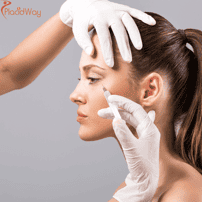
What is Botox and how does it work
Botox is a purified neurotoxin protein that temporarily relaxes facial muscles. It works by blocking nerve signals to the targeted muscles, preventing them from contracting. This smooths existing wrinkles and helps prevent new lines from forming. If you are considering Botox in Turkey, you likely have questions about what the treatment actually involves, the science behind it, and what to expect when traveling abroad for cosmetic care. As one of the most recognized non-surgical aesthetic procedures worldwide, botulinum toxin injections offer a relatively straightforward way to address the visible signs of aging. Understanding the mechanism of action, the realistic outcomes, and the nuances of seeking treatment internationally is essential for making an informed decision. This guide explores the science of how these injections smooth the skin, what the procedure entails, and helpful considerations for those exploring medical travel. Key Takeaways Botox injections temporarily block nerve signals to reduce targeted muscle activity. It is commonly used to smooth dynamic wrinkles like forehead lines, crow's feet, and frown lines. Results typically begin to appear within a few days and generally last for 3 to 6 months. Turkey is a leading destination offering advanced aesthetic care to international patients. Individual suitability depends heavily on your unique medical history, facial anatomy, and skin condition. 1. What exactly is Botox made of? Botox is formulated from botulinum toxin type A, a highly purified protein derived from the bacterium Clostridium botulinum. In strictly controlled medical doses, it safely targets specific muscle groups. The name "Botox" is actually a brand name that has become synonymous with the treatment itself, much like Kleenex or Band-Aid. The active ingredient is a neurotoxin. While the word "toxin" can sound intimidating, the product used in cosmetic and medical settings undergoes an intensive purification process in laboratory environments. This ensures that the final injectable formulation is safe for human use when administered correctly. The science relies on precise formulation. The protein is stabilized with human albumin and sodium chloride, creating a freeze-dried powder. Before injection, the medical professional reconstitutes this powder with sterile saline. Because the formulation is so refined, it acts predictably when placed into specific facial muscles by an experienced injector, minimizing the risk of the product spreading beyond the intended treatment zone. 2. How does the Botox mechanism of action work? The treatment works by intercepting the chemical messengers (acetylcholine) that nerves release to tell your muscles to contract. Without these signals, the muscle remains temporarily at rest. To understand how wrinkles form, you have to look at facial mechanics. Every time you smile, frown, or squint, your brain sends a signal down your nerves. The nerve endings release a neurotransmitter called acetylcholine, which binds to receptors on the muscle, causing it to contract. Over years of repetitive movement, the skin overlying these muscles creases, eventually leading to permanent lines. When the purified protein is injected into a specific muscle, it blocks the release of acetylcholine. The nerve still sends the signal, but the message never reaches the muscle. Because the muscle cannot contract fully, the skin above it remains smooth and relaxed. This localized relaxation gives the skin time to recover, softening existing dynamic wrinkles (wrinkles caused by movement) and helping to prevent new ones from etching deeper into the skin. 3. What are the most common areas treated with Botox? The most frequently treated areas include the upper face, specifically horizontal forehead lines, the vertical frown lines between the eyebrows, and crow's feet around the outer corners of the eyes. The upper third of the face is where dynamic wrinkles tend to be most prominent, making it the primary focus for neuromodulator injections. The vertical lines between the eyebrows, often called "elevens" or glabellar lines, are among the most common reasons patients seek treatment, as these lines can sometimes create an unintended angry or tired expression. Beyond the upper face, advanced injectors may utilize the treatment for lower facial concerns, though these are often considered off-label uses. Some patients receive injections in the masseter muscles (the jaw) to relieve teeth grinding or to create a slimmer jawline profile. Others may seek treatment for "bunny lines" on the nose, a gummy smile, or downward-turning corners of the mouth. The suitability of these areas depends heavily on a personalized consultation. Important Consideration Botox specifically treats dynamic wrinkles (lines formed by muscle movement). It is generally less effective on static wrinkles (lines that are present when your face is completely at rest) or wrinkles caused by sun damage and volume loss. Your provider can help you understand which lines will respond best to treatment. 4. How long does a Botox treatment take and does it hurt? A typical Botox session is remarkably quick, often taking only 10 to 15 minutes. Most patients report only mild, brief discomfort similar to a small pinprick. Because the procedure is minimally invasive, it is often referred to as a "lunchtime treatment." Once the consultation is complete and your provider has mapped out the specific injection points based on your facial muscle patterns, the actual administration takes only a few minutes. The injector uses a micro-fine needle to deliver precise amounts of the product just beneath the skin. Anesthesia is rarely required. Some patients may experience a slight stinging or pinching sensation during the injection, but it resolves almost immediately. If you have a particularly low pain tolerance or needle anxiety, you can ask your provider to apply a topical numbing cream or a cold pack to the area before the injections begin, which can significantly improve comfort. 5. When will I see results and how long do they last? Initial smoothing may begin within 3 to 4 days, with full results usually visible after two weeks. The visible effects generally last between 3 to 6 months. Patience is required after receiving the injections, as the neurotoxin needs time to bind to the nerve receptors and inhibit muscle contraction. You will not see an immediate change when you leave the clinic. The gradual onset means that day by day, you will notice decreased movement in the treated area and a corresponding softening of the overlying skin. Providers typically wait a full 14 days before assessing the final outcome or offering any touch-ups. The longevity of the results varies from person to person. Because your body continuously generates new nerve endings and slowly metabolizes the injected protein, muscle function inevitably returns. For most patients, this process takes about three to four months, though some may enjoy effects for up to six months. Factors such as your individual metabolism, the dosage administered, and the strength of the treated muscles all influence how long the results will endure. 6. What are the potential risks and side effects? While generally well-tolerated, potential side effects can include temporary bruising, swelling at the injection site, or rarely, a temporary drooping eyelid or brow. Any medical or cosmetic procedure involves some degree of risk, and neuromodulators are no exception. The most common side effects are localized and temporary. You may experience minor redness, slight swelling, or pinpoint bruising where the needle entered the skin. Some patients also report a mild headache during the first 24 to 48 hours following the treatment. More complex complications occur when the product spreads beyond the intended muscle group. This can lead to temporary asymmetry, such as a drooping eyelid (ptosis), uneven eyebrows, or an asymmetrical smile. These effects are temporary and will resolve as the product wears off, but they underscore the critical importance of choosing a highly trained medical professional who deeply understands facial anatomy. Furthermore, the treatment is contraindicated for individuals who are pregnant, breastfeeding, or suffering from certain neurological diseases. 7. How much does Botox typically cost in Turkey? The Botox cost in Turkey is often more affordable than in North America or Western Europe, typically ranging from $150 to $350 per area or session, depending on the units required. Financial considerations are a primary driver for patients exploring medical tourism in Turkey. The lower cost of living and favorable exchange rates allow many Turkish clinics to offer high-quality cosmetic treatments at a fraction of the cost seen in the US or the UK. Pricing structures vary; some providers charge by the unit (e.g., $4 to $8 per unit), while others charge a flat fee per treatment area (such as the forehead or crow's feet). When evaluating estimated costs, it is important to factor in the total expense of your trip if you are traveling primarily for aesthetic procedures. However, many international patients incorporate their treatment into a broader vacation or combine it with other medical or cosmetic procedures, making the trip highly cost-effective. Always request a clear, individualized estimate from your chosen provider prior to travel. 8. What should I expect during recovery after Botox? Recovery is immediate, allowing most people to return to normal activities right away, though you must avoid rubbing the treated area or exercising vigorously for 24 hours. There is essentially no clinical downtime required after the injections. You can leave the clinic and immediately resume non-strenuous activities, including sightseeing if you are visiting as a medical tourist. However, providers generally enforce a few crucial aftercare rules to prevent the product from migrating from the targeted muscles to adjacent areas. Typical aftercare instructions include remaining upright for at least four hours (avoiding lying flat or bending over excessively), refraining from touching, rubbing, or massaging the injected areas, and pausing strenuous cardiovascular exercise for 24 hours. You may also be advised to avoid saunas, hot tubs, and excessive sun exposure immediately after the procedure to minimize the risk of swelling and bruising. 9. How do I choose a safe Botox clinic in Turkey? Selecting a safe Botox clinic in Turkey requires researching the facility's international accreditations and ensuring the injector is a licensed, qualified medical professional. Because Turkey is a major hub for medical tourism, there is a vast array of clinics available. Patient safety should always be the priority when traveling abroad for care. Begin by looking for facilities that hold domestic certifications from the Turkish Ministry of Health, and ideally, recognized international accreditations that signify adherence to rigorous hygiene and patient care standards. Equally important is the person holding the needle. Verify the credentials of the injector. The procedure should be performed by a registered doctor, dermatologist, or specialized plastic surgeon with extensive training in facial anatomy. Reputable clinics will gladly share their providers' qualifications, before-and-after portfolios, and the specific brands of neurotoxins they utilize. Clear communication in a language you fully understand is also essential for a safe consultation. 10. Can Botox be combined with other cosmetic treatments while abroad? Yes, many patients safely combine Botox with dermal fillers, chemical peels, or other non-surgical skin rejuvenation treatments during their trip. Combining treatments is a popular approach for international patients seeking to maximize their time in the country. A "liquid facelift," for example, involves utilizing neurotoxins to relax dynamic upper-face wrinkles while concurrently using dermal fillers to restore lost volume in the cheeks, lips, or nasolabial folds. Because they address different types of aging concerns, they complement each other well. While non-surgical combinations are generally safe in capable hands, it is vital to discuss your entire aesthetic timeline with your provider. Certain treatments, like aggressive laser resurfacing or deep chemical peels, may need to be spaced apart from injectables to ensure optimal healing and prevent product migration. A comprehensive consultation upon your arrival will determine the safest schedule for your specific goals. Why Choose PlacidWay for Medical Tourism in Turkey? PlacidWay is a leading medical tourism platform designed to help patients connect with healthcare providers internationally. Here is how the platform can assist your journey: Extensive Network: PlacidWay connects patients with recognized, accredited medical facilities and cosmetic clinics across Turkey. Comprehensive Provider Profiles: Patients can review detailed information about clinics, including physician credentials and facility certifications. Educational Resources: The platform offers transparent information regarding procedure details, helping you make informed healthcare choices. Direct Communication: PlacidWay facilitates direct contact between international patients and local clinical coordinators in Turkey. Cost Comparisons: The platform allows individuals to request informational quotes, making it easier to compare estimated costs across different regions. Frequently Asked Questions Is Botox permanent? No, Botox is not permanent. The effects are temporary because your body gradually metabolizes the protein and regenerates nerve receptors. Results typically last between three to six months, after which muscle action slowly returns. Can men get Botox in Turkey? Absolutely. Often informally referred to as "Brotox", the treatment is highly popular among men seeking to reduce deep forehead creases and frown lines. The mechanism of action is identical, though men may sometimes require slightly higher doses due to greater muscle mass. What happens if I stop getting Botox? If you choose not to continue treatments, your muscles will gradually regain full movement. Your skin will slowly return to its pre-treatment appearance, and normal wrinkle development will resume. Your wrinkles will not be worse than before you started. Are there age restrictions for getting Botox? Botox is generally approved for adults 18 and older. While many patients begin treatments in their late 20s or 30s as a preventative measure, suitability depends on your skin condition, muscle movement, and a thorough medical evaluation rather than a specific age. Can Botox treat medical conditions? Yes. Beyond cosmetic wrinkle reduction, medical professionals frequently use botulinum toxin to help manage conditions such as chronic migraines, excessive sweating (hyperhidrosis), muscle spasms, and overactive bladder, depending on clinical assessment. Is it safe to fly after getting Botox in Turkey? Generally, it is safe to fly after treatment. However, many medical professionals advise waiting 24 to 48 hours before taking a long flight to minimize the risk of swelling or potential movement of the product due to cabin pressure changes. How many units of Botox will I need? The number of units varies widely based on the specific areas being treated, gender, and individual muscle strength. For example, treating frown lines might require 15 to 25 units, while crow's feet may need 10 to 15 units per side. Your provider will determine the appropriate dose. What is the difference between Botox and dermal fillers? Botox works by temporarily relaxing the underlying muscles that cause dynamic wrinkles when you make facial expressions. Dermal fillers, on the other hand, are injected beneath the skin to add volume, fill in static wrinkles, and plump areas like the lips or cheeks. Do I need a consultation before treatment in Turkey? Yes, a comprehensive medical consultation is essential. Even for non-surgical procedures, a qualified provider must review your medical history, assess your facial anatomy, and ensure you are a suitable candidate before proceeding with injections. How can I prepare for my Botox appointment? Providers typically recommend avoiding blood-thinning medications, NSAIDs, and alcohol for several days prior to your appointment to minimize the risk of bruising. Always follow the specific pre-treatment instructions provided by your chosen clinic. Ready to Compare Treatment Options? Learn more about aesthetic procedures, discover verified clinics in Turkey, and request comprehensive treatment information to help you make an informed decision. Request Treatment Information References Botulinum Toxin Products: What to Know – U.S. Food and Drug Administration (FDA) Botox Injections: Overview, Risks, and Results – Mayo Clinic Botulinum Toxin Therapy Overview – American Academy of Dermatology (AAD) Botulinum Toxin – American Society of Plastic Surgeons (ASPS) Botox: MedlinePlus Medical Encyclopedia – National Institutes of Health (NIH) Medical Tourism: Travel Health Advice – Centers for Disease Control and Prevention (CDC) Medical Disclaimer: The information provided in this article is for educational and informational purposes only and does not constitute medical advice. Treatment outcomes, recovery times, and risks vary by individual. Always consult with a qualified, licensed healthcare provider to discuss your specific medical history and determine if botulinum toxin injections or any cosmetic procedures are appropriate for you....
Read more details
How much does Botox cost in Colombia
On average, Botox cost in Colombia ranges between $8 and $12 per unit, translating to roughly $150 to $300 per treatment area. Prices vary based on the clinic location, the provider expertise, and the exact amount of product needed to reach your aesthetic goals. Key Takeaways Prices in Colombia are typically calculated per unit rather than per area, allowing for precise, customized treatments. Major cities like Bogotá, Medellín, and Cali offer state-of-the-art medical facilities popular among international patients. Safety and optimal outcomes depend heavily on selecting a board-certified dermatologist or plastic surgeon. Authentic botulinum toxin type A products, regulated by INVIMA (Colombia's regulatory body), are widely available. Patients often combine neurotoxin injections with other non-surgical procedures during their visit. Pursuing aesthetic treatments abroad has become increasingly common as patients seek quality care at competitive rates. Exploring Botox in Colombia reveals a vibrant medical sector that caters to both locals and international visitors. Whether you want to soften expression lines, address hyperhidrosis, or explore facial rejuvenation, understanding the financial and medical landscape is essential before packing your bags. This guide dives deep into everything you need to know about navigating aesthetic treatments in South America. From detailed price breakdowns and safety protocols to tips on finding a highly qualified Botox clinic in Colombia, you will find the facts required to make a safe, informed decision about your medical care. What factors affect Botox prices in Colombia? The final price you pay depends on the number of units required, the specific brand of neurotoxin utilized, the experience level of your injecting physician, and the geographic location of the clinic. In aesthetic medicine, there is no one-size-fits-all approach. Your facial anatomy, muscle strength, and cosmetic goals heavily dictate the volume of product required. Men, for example, typically have stronger facial muscles than women and may require a higher dosage to achieve the same wrinkle-relaxing effect. Because most clinics charge by the unit, stronger muscles naturally translate to a higher total bill. The brand of botulinum toxin also plays a significant role. While Allergan's Botox Cosmetic is the most recognized name, other FDA- and INVIMA-approved brands like Dysport and Xeomin are widely used. These alternatives have slightly different molecular structures and dispersion patterns, which might influence their pricing per unit. Finally, the clinic's location and reputation are major variables. A luxury facility situated in the upscale El Poblado neighborhood of Medellín or the chic Zona T in Bogotá will carry higher overhead costs than a modest clinic in a smaller city. Furthermore, a highly sought-after, board-certified plastic surgeon will appropriately charge a premium for their extensive anatomical knowledge and specialized injection techniques compared to a general practitioner. How does the cost compare to the United States or Canada? Patients visiting Colombia for aesthetic injectables can often expect to see prices roughly 40 to 60 percent lower than what they would typically encounter in North America. In the United States and Canada, a single unit of botulinum toxin generally ranges from $12 to $25, depending on the region and the provider. A standard treatment for the forehead and glabellar lines (the 11s between the eyebrows) might easily exceed $500 to $800. In contrast, those exact same areas treated with the same authentic products in Colombia frequently cost between $200 and $350. This stark difference is not indicative of inferior medical quality or substandard products. Instead, the cost variation stems primarily from distinct macroeconomic factors. The cost of living, commercial real estate leases, medical liability insurance, and labor costs are all significantly lower in Colombia. Additionally, favorable currency exchange rates for those spending US dollars, Canadian dollars, or Euros stretch the patient's purchasing power considerably. However, you must factor in the overall cost of travel. If you are flying to Colombia exclusively for a single cosmetic injection, the cost of flights, hotels, and transportation will likely negate the medical savings. This is why medical tourism in Colombia usually involves combining neurotoxins with larger dental work, plastic surgery, or a planned vacation. What are the common areas treated with Botox and their estimated costs? The most frequently treated areas include the forehead, the glabellar lines between the eyebrows, and the crow's feet around the eyes, with total costs depending on the exact unit count utilized for your face. Below is a broad estimation of what patients might expect when pursuing these treatments. Keep in mind that these are rough estimates; an in-person assessment is the only way a clinician can provide an exact quote tailored to your muscle dynamics. Treatment Area Estimated Units Required Estimated Cost Range (USD) Forehead Lines 10 - 30 units $80 - $360 Glabellar Lines (Frown Lines) 15 - 30 units $120 - $360 Crow's Feet (Both Eyes) 12 - 24 units $95 - $290 Masseter Muscles (Jaw Slimming) 20 - 50 units $160 - $600 Hyperhidrosis (Underarm Sweating) 50 - 100 units $400 - $1,200 Advanced techniques, such as the lip flip, bunny lines correction, or downward smile correction, usually require fewer units and may cost less, though they demand a high degree of precision and expertise from your provider. Is it safe to get Botox in Colombia? Receiving injectable treatments in Colombia can be highly safe when you carefully select a licensed, board-certified medical professional working in an accredited clinical environment. Colombia is internationally recognized for its advanced healthcare infrastructure and highly skilled medical professionals. The country is home to excellent medical universities, and many of its top plastic surgeons and dermatologists have completed additional training or fellowships in the United States, Europe, or Brazil. Furthermore, the use of medical devices and pharmaceuticals is overseen by INVIMA (National Food and Drug Surveillance Institute), an agency analogous to the FDA. However, just as in any country, the booming aesthetic industry can sometimes attract unqualified practitioners. Getting injections at a spa, beauty salon, or private residence by someone without a medical degree carries significant danger. Unqualified individuals may use counterfeit products, dilute the neurotoxin excessively, or lack the deep anatomical understanding required to avoid critical blood vessels and nerves. To protect your health, you must proactively verify credentials. Ensure your doctor is a recognized member of a respected organization, such as the Colombian Society of Plastic, Aesthetic and Reconstructive Surgery (SCCP) or the Colombian Association of Dermatology (AsoColDerma). Medical safety should always remain your overriding priority, regardless of price. Who is a good candidate for Botox injections? Ideal candidates are generally healthy adults seeking to reduce the appearance of dynamic facial wrinkles, manage excessive sweating, or treat specific muscular conditions, provided they have realistic expectations. Botulinum toxin is highly effective at treating dynamic wrinkles—the lines that appear when you smile, frown, or raise your eyebrows. If you are beginning to notice these expression lines lingering even when your face is at rest, you might benefit from preventative injections. The treatment essentially blocks the chemical signals from the nerves that cause the muscles to contract, allowing the overlying skin to relax and smooth out over time. However, not everyone is an appropriate candidate. You should typically avoid this treatment if you: Are currently pregnant or breastfeeding, as the effects on a fetus or infant are not fully established. Have a neurological disease or a nerve/muscle condition like Myasthenia Gravis or ALS. Are experiencing an active skin infection or severe inflammation at the planned injection site. Are allergic to any ingredients in the formulated botulinum toxin product. Have profound static wrinkles caused by sun damage or gravity, which may respond better to dermal fillers or laser resurfacing. What should I expect during recovery and aftercare? Recovery is generally immediate, often referred to as a lunchtime procedure, but strict adherence to your provider's aftercare instructions is crucial to ensure the product settles correctly and effectively. Immediately following your appointment, you may notice tiny red bumps or minor swelling at the injection sites. These typically resolve within 20 to 30 minutes. Most patients can comfortably return to their normal daily activities, go out for dinner, or resume remote work without any visible signs of having had a cosmetic procedure. Despite the ease of recovery, specific aftercare rules must be followed to prevent the neurotoxin from migrating to unintended facial muscles. Your doctor will likely advise you to remain upright for at least four hours after the injections. You should avoid vigorously rubbing or massaging your face, skipping aggressive skincare routines or facials for at least 24 hours. Additionally, it is highly recommended to avoid strenuous exercise, heavy lifting, saunas, and excessive alcohol consumption for the first day. Elevated blood pressure and increased circulation could theoretically disperse the product before it fully binds to the targeted nerve receptors, potentially leading to suboptimal results or unwanted side effects. Are there any risks or side effects associated with Botox? While considered highly safe when administered by a qualified professional, botulinum toxin injections carry potential risks, ranging from minor, temporary bruising to more complex muscular issues. The most frequently reported side effects are localized to the injection sites. Mild bruising, slight redness, pinpoint bleeding, and temporary swelling are common and usually dissipate within a few days. Some patients also report a mild, transient headache shortly after receiving treatment in the forehead region, which can typically be managed with over-the-counter pain relief approved by your doctor. More complex side effects occur if the neurotoxin affects adjacent, unintended muscles. This can lead to ptosis (a drooping eyelid), a lowered eyebrow, an asymmetric smile, or difficulty fully closing an eye. While these complications are aesthetically frustrating, they are temporary and will gradually resolve as the effects of the toxin naturally wear off over several months. In extremely rare instances, the effects of the botulinum toxin may spread away from the injection site, potentially causing generalized muscle weakness, vision issues, or difficulty breathing and swallowing. Although highly unlikely with standard cosmetic dosages, it highlights exactly why these treatments must be performed by medically trained professionals who thoroughly understand human anatomy and appropriate dosing protocols. How do I choose a qualified provider for Botox in Colombia? Choosing the right practitioner involves careful research, verifying board certifications, reviewing patient testimonials, and scheduling a comprehensive consultation before committing to any treatment. When looking for a Botox clinic in Colombia, start by focusing entirely on the doctor's credentials. Ensure they are a board-certified plastic surgeon, dermatologist, or an aesthetic medicine physician with verifiable, specialized training in cosmetic injectables. You can often check their registrations with national medical boards online. A reputable provider will always conduct a thorough initial consultation. They should review your complete medical history, evaluate your facial anatomy while asking you to make various expressions, and discuss your goals honestly. They will explain the realistic outcomes, detail the potential risks, and never pressure you into purchasing more units than you comfortably need. Furthermore, observe the clinic environment. It should adhere to strict hygiene and clinical standards. Do not hesitate to ask to see the vial of neurotoxin being used; a trustworthy practitioner will gladly show you the branded bottle, verify its expiration date, and explain how they reconstitute the product. Transparency is a hallmark of excellent medical care. Why is medical tourism in Colombia popular for cosmetic treatments? International patients are drawn to Colombia due to its unique combination of highly skilled medical specialists, modern healthcare facilities, significant cost savings, and rich cultural attractions. The rise of medical tourism in Colombia is not a recent phenomenon. For decades, the country has heavily invested in its healthcare infrastructure, creating internationally accredited hospitals and cutting-edge boutique clinics. Cities like Bogotá, Medellín, Cartagena, and Cali have become global hubs for cosmetic enhancements, attracting patients from North America, Europe, and neighboring Latin American countries. Colombian medical professionals are often celebrated for their warm, empathetic bedside manner and their highly refined aesthetic eye. The local culture places a strong emphasis on beauty and wellness, meaning cosmetic procedures are both commonplace and sophisticated. Doctors here are highly experienced in achieving natural, balanced results rather than an over-treated appearance. Beyond the clinical advantages, the country offers a spectacular backdrop for recovery. Many patients combine their aesthetic treatments with a chance to explore the historic walled city of Cartagena, the lush coffee regions, or the vibrant gastronomy of Medellín. This blend of premium healthcare and appealing tourism makes it a highly attractive destination for global health travelers. Why Choose PlacidWay for Medical Tourism in Colombia? PlacidWay acts as a comprehensive resource, connecting international patients with a diverse network of healthcare providers and medical facilities globally. Information Access: PlacidWay provides detailed profiles of various international clinics, allowing patients to review available services and facility standards. Cost Transparency: The platform offers access to estimated pricing and treatment packages, helping patients evaluate their financial options before traveling. Provider Profiles: Patients can research the professional backgrounds, languages spoken, and specialties of different medical practitioners. Educational Resources: PlacidWay supplies extensive articles, guides, and FAQs to help patients understand complex procedures and medical travel considerations. Direct Communication: The service allows individuals to request information directly from selected international clinics to ask specific medical questions. Frequently Asked Questions How long does Botox last? Botox results typically last between three to four months. Factors such as your metabolism, the area treated, the dosage used, and your activity level can influence how quickly your body breaks down the neurotoxin. Regular maintenance treatments are usually required to sustain the desired aesthetic effect. Is Botox painful? Most patients report only mild, brief discomfort during Botox injections, often describing it as a quick pinch. Providers use very fine needles, and many apply a topical numbing cream or ice pack beforehand to minimize pain. Can I fly immediately after getting Botox in Colombia? While flying shortly after Botox is generally safe for most people, many providers recommend waiting at least 24 to 48 hours before taking a flight. Changes in cabin pressure and the risk of rubbing your face while sleeping on the plane could theoretically affect how the product settles. What is the difference between Botox and dermal fillers? Botox relaxes the specific facial muscles that cause dynamic wrinkles, such as frown lines and crow's feet. Dermal fillers, on the other hand, add volume to smooth out static wrinkles, plump lips, and restore lost facial contours. They are often used together for comprehensive facial rejuvenation. Will my face look frozen after treatment? When administered correctly by a skilled professional, Botox should not leave your face looking frozen. A qualified injector aims for a natural result that softens wrinkles while allowing you to maintain normal facial expressions. How soon will I see results from my injections? You may start to notice a softening of your expression lines within three to five days. However, it typically takes up to two weeks for the neurotoxin to take full effect and reveal the final aesthetic outcome. Are there restrictions on medications before Botox? Yes, providers usually advise patients to stop taking blood-thinning medications and supplements, such as aspirin, ibuprofen, fish oil, and vitamin E, about a week before treatment. This helps reduce the likelihood of bruising and bleeding at the injection sites. What happens if I stop getting Botox? If you decide to stop receiving Botox injections, your muscles will gradually regain their normal movement. Over time, your dynamic wrinkles and expression lines will slowly return to how they looked before you began treatment. Can men get Botox treatments in Colombia? Absolutely. Known colloquially as Brotox, neurotoxin treatments for men are highly popular in Colombia. Men often seek treatment for deep frown lines and forehead wrinkles, though they typically require slightly higher dosages due to greater muscle mass. Do Colombian clinics use authentic Allergan Botox? Reputable, board-certified clinics in Colombia use authentic Allergan Botox or other globally recognized, FDA-approved and INVIMA-approved brands like Dysport or Xeomin. Always ask to see the original packaging and verify the product during your consultation. Ready to Explore Your Options? Compare clinic profiles, evaluate estimated costs, and request specific treatment information to help plan your medical journey safely. Request Treatment Information References Botulinum Toxin Safety – American Society of Plastic Surgeons (ASPS) Botulinum Toxin Overview – American Academy of Dermatology (AAD) Botox and Similar Products: What to Know – U.S. Food and Drug Administration (FDA) Botox Injections: About the Procedure – Mayo Clinic Medical Tourism Travel Guidelines – Centers for Disease Control and Prevention (CDC) Botulinum Toxin Injections – Cleveland Clinic Global Aesthetic Statistics – International Society of Aesthetic Plastic Surgery (ISAPS) Medical Disclaimer: The information provided in this article is for educational and informational purposes only and does not constitute medical advice, diagnosis, or treatment recommendations. Pricing, travel rules, and treatment availability are subject to change. Any medical procedure, including cosmetic injections, carries inherent risks. Individual results, recovery times, and suitability vary greatly depending on personal health history and anatomical differences. Always consult with a qualified, appropriately licensed healthcare provider or medical specialist in your home country or destination before deciding to undergo any medical treatment or procedure....
Read more details
How much do Skin Treatments Cost in South Korea
On average, skin treatments cost in South Korea range from $50 for basic facials to $2,500 for advanced procedures like Ultherapy. Common injectables and laser toning typically cost between $100 and $500. Prices vary by clinic and patient needs. Interest in cosmetic dermatology has grown globally, prompting many individuals to explore skin treatments in South Korea. Known for a heavily established aesthetic industry, the country draws thousands of international visitors each year seeking procedures ranging from basic hydrating facials to advanced radiofrequency lifting. If you are considering traveling abroad for aesthetic care, understanding the estimated skin treatments cost in South Korea is often the first step in planning your trip. Navigating the options available at a skin treatment clinic in South Korea can feel overwhelming due to the sheer variety of devices, injectables, and multi-step programs offered. In addition to procedure prices, individuals engaging in medical tourism in South Korea must also factor in travel expenses, recovery timelines, and the inherent risks of undergoing medical treatments far from home. This guide breaks down typical pricing structures, safety considerations, and common questions patients have when looking into Korean dermatological care. Key Takeaways Basic skin conditioning and laser therapies typically run between $50 and $300 per session. Advanced ultrasound lifting and structural injectables can range from $300 to $2,500 depending on the device brand. Procedure costs may be lower than in Western countries due to high local competition and domestically manufactured devices. Medical outcomes vary based on individual skin types, biological healing, and adherence to aftercare instructions. Patients must arrange for local follow-up care in their home country in the event of delayed side effects or complications. What are the most popular skin treatments in South Korea and their estimated costs? The most frequently requested procedures include basic laser toning ($50–$200), skin boosters ($200–$600), and non-invasive lifting technologies ($800–$2,500). Final estimates depend on the specific brand of materials and devices used. Korean dermatology clinics offer a broad spectrum of services designed to address pigmentation, texture, laxity, and hydration. Laser toning, which utilizes low-energy lasers to gently break up excess melanin, is highly common. Because it requires multiple sessions, individual treatments are often priced quite affordably. Skin boosters involve micro-injections of substances like hyaluronic acid, polynucleotides, or vitamins directly into the dermal layer. These are intended to improve skin hydration and barrier function. Non-invasive lifting procedures use either High-Intensity Focused Ultrasound (HIFU) or Radiofrequency (RF) to heat deeper tissue layers, aiming to stimulate collagen production without surgical incisions. Treatment Category Common Examples Estimated Cost Range (USD) Medical Facials & Peels Aqua Peel, LDM Water Drop $50 - $150 Pigmentation Lasers Pico Toning, Nd:YAG $100 - $300 Injectable Skin Boosters Rejuran Healer, Juvelook $200 - $600 Energy-Based Lifting Ultherapy, Thermage, Shurink $300 - $2,500 Note: The prices above are estimates only. Actual costs fluctuate based on currency exchange rates, clinic location, and individualized treatment plans. Why are skin treatments often more affordable in South Korea? High domestic demand and fierce competition among clinics help keep consumer prices competitive. Additionally, South Korea manufactures many of its own laser devices and injectables, reducing import overhead. One of the primary drivers behind the lower costs found in Korean aesthetic centers is the volume of patients. Cosmetic dermatology is deeply integrated into regular self-care routines for many locals, creating an environment with hundreds of clinics operating within small geographic areas, such as the Gangnam district in Seoul. To attract patients, these facilities frequently offer competitive pricing and seasonal promotions. Furthermore, South Korea has a robust domestic medical manufacturing sector. Many clinics use Korean-made HIFU machines (like Shurink or Doublo) and domestically produced botulinum toxins and dermal fillers. Because these products do not incur heavy international shipping costs or import tariffs, providers can offer them to patients at a lower price point than imported Western brands, while often achieving similar aesthetic goals. How do Korean skin clinics charge for treatments compared to Western clinics? Korean clinics frequently list standardized, upfront prices for specific services and offer bundled treatment packages. Unlike many Western practices, they rarely charge high standalone consultation fees. In many North American and European dermatology practices, patients are billed for an initial specialist consultation before any procedure is discussed. Pricing for the treatments themselves is often tailored post-consultation and can include facility fees or hourly provider rates. This can make estimating total costs difficult prior to visiting. Conversely, a typical skin treatment clinic in South Korea operates with high transparency regarding baseline costs. Many publish price menus online or in their lobbies. Patients often meet initially with a clinic coordinator to discuss goals and review standard pricing before seeing the dermatologist for medical clearance. Bundle pricing—where a patient might purchase a package of three laser sessions combined with hydrating facials—is highly prevalent and often reduces the per-session cost. What factors influence the final cost of your dermatological procedure? Total expenses fluctuate based on the specific brand of medical device used, the credentials of the attending physician, the geographic location of the clinic, and the number of sessions required. The choice of materials is one of the most significant cost variables. For example, opting for an imported, brand-name lifting device from the United States will generally cost significantly more than choosing a locally manufactured Korean equivalent. Both utilize focused ultrasound, but the brand recognition and consumable cartridge costs dictate the final price passed on to the patient. Provider credentials also play a role. Treatments administered by a board-certified dermatologist generally command a higher premium than those performed by a general practitioner working in an aesthetic capacity. Finally, a clinic’s location matters. Facilities in high-rent, luxury districts equipped with extensive amenities and multi-lingual staff will typically charge more than smaller, localized practices. Are there hidden costs to consider when traveling for skincare in Seoul? While clinic pricing is usually transparent, international patients must budget for round-trip flights, accommodation, post-treatment skincare products, local transportation, and potential translation services. Evaluating medical tourism in South Korea requires looking beyond the medical bill. Airfare to Seoul can be substantial depending on your origin country, and recovery may dictate staying in a hotel for several days to a week. Some patients overlook the cost of aftercare; following laser or microneedling treatments, clinics often recommend specific regenerative creams, sunscreens, or sheet masks to protect the compromised skin barrier. On a positive note, the South Korean government allows eligible international tourists to claim a value-added tax (VAT) refund on specific cosmetic procedures. When visiting a certified medical facility, you can request tax refund documents, which are processed at the airport upon departure, slightly offsetting your total medical expenditure. What are the potential risks and side effects of advanced skin treatments? Common mild side effects include temporary redness, swelling, and bruising. More severe, albeit less common, risks include burns, post-inflammatory hyperpigmentation, scarring, or vascular occlusion from injectables. Patient safety must always remain the priority over aesthetic goals. While many aesthetic devices are marketed as non-invasive, they still alter biological tissue through heat, chemical exfoliation, or physical penetration. Lasers, if applied at incorrect settings for a specific skin tone, can cause burns or trigger post-inflammatory hyperpigmentation (PIH), which darkens rather than lightens the skin. Injectable treatments carry their own set of medical risks. Dermal fillers can inadvertently be injected into blood vessels, potentially leading to tissue necrosis if not immediately addressed by a qualified professional. It is essential to remember that not every patient is a suitable candidate for every trending treatment. A thorough consultation regarding your medical history, existing skin conditions, and current medications is necessary before proceeding. How effective are popular Korean treatments like Rejuran Healer and skin boosters? Skin boosters may visibly improve hydration, texture, and fine lines in suitable candidates. However, results are temporary, typically requiring a series of initial sessions followed by regular maintenance. Treatments like Rejuran Healer—which utilizes polynucleotides derived from salmon DNA—are highly popular for their reported ability to aid in skin repair and increase elasticity. Unlike traditional dermal fillers that physically add volume to the face, skin boosters are injected superficially to alter the skin's overall quality and hydration level. While many patients report positive changes, outcomes vary significantly based on baseline skin health, age, and lifestyle factors. Furthermore, these treatments do not stop the natural aging process. To maintain the benefits, patients often need to repeat the procedure multiple times a year, which can be logistically challenging and expensive for those traveling internationally. How much time should I plan to stay in South Korea for recovery and follow-up? Many non-invasive treatments require zero downtime, allowing you to fly home within a few days. More aggressive lasers or multi-session packages may necessitate a stay of one to two weeks. The concept of "downtime" in Korean dermatology often refers to how long it takes before you can comfortably apply makeup and resume normal social activities. Basic hydrating facials, superficial peels, and mild laser toning generally allow patients to return to their hotel and carry on with their vacation immediately, provided they use adequate sun protection. Conversely, ablative fractional lasers (like CO2 lasers used for acne scars) or extensive bruising from multiple injectables may require several days of staying indoors to avoid UV exposure and airborne pollutants. If you choose a treatment that requires follow-up assessments or sequential sessions, you must align your travel itinerary accordingly. Always discuss recovery timelines with your provider before committing to a procedure. Is it safe to undergo multiple skin treatments at once? Combining specific treatments—such as pairing an energy-based lifting device with a hydrating skin booster—is common practice, but it may increase the risk of temporary irritation and requires careful medical oversight. Because medical tourists have limited time in the country, there is often a temptation to maximize a single clinic visit by layering multiple procedures on the same day. For example, a patient might receive Botox, laser toning, and an RF lifting treatment in one afternoon. When performed by an experienced professional who understands the proper sequence and device depth, this can often be done effectively. However, over-treating the skin can compromise its barrier function, leading to severe inflammation, prolonged redness, or adverse reactions. A conservative approach is generally advisable, particularly if it is your first time undergoing advanced aesthetic procedures or if you have sensitive or reactive skin. A qualified physician should dictate which combinations are appropriate. How can international patients choose a reputable skin treatment provider? Look for facilities staffed by board-certified dermatologists, equipped with transparent pricing, and experienced in managing international patients through clear, translated communication regarding risks and benefits. When researching clinics from abroad, it is important to rely on more than just social media marketing or celebrity endorsements. Patients should verify the medical credentials of the practitioners who will actually be operating the lasers or administering the injections. Inquire whether the clinic uses genuine, unexpired products, particularly for brand-name injectables and ultrasound cartridges. Communication is another critical safety factor. If there is a language barrier, ensure the clinic provides a dedicated medical translator so you can thoroughly understand the consent forms, pre-procedure instructions, and aftercare requirements. Avoid facilities that heavily pressure you into purchasing large, expensive packages on the spot or those that downplay the potential side effects of medical procedures. Why Choose PlacidWay for Medical Tourism? Planning international healthcare requires access to clear, organized information. PlacidWay is a medical tourism platform designed to help patients research their options globally. Extensive Directory: Provides access to a wide network of international medical facilities and aesthetic clinics. Cost Comparisons: Allows patients to view and compare estimated pricing for various dermatological procedures across different regions. Educational Resources: Offers guides and articles on medical tourism destinations to help inform your decision-making. Direct Connections: Facilitates direct communication between individuals and clinic representatives for initial inquiries. No-Obligation Inquiries: Supports information gathering, allowing patients to ask questions without any obligation to book a procedure. Frequently Asked Questions Do Korean skin clinics offer VAT refunds for international tourists? Yes, many certified medical facilities in South Korea participate in a value-added tax (VAT) refund program for foreign patients undergoing eligible cosmetic procedures. You will typically need your passport and the necessary clinic forms to claim this refund at the airport. Can I get a consultation and treatment on the same day? In many Korean dermatology clinics, it is common practice to offer consultations and perform non-invasive procedures on the same day. However, this depends on the clinic's schedule, the complexity of the treatment, and your medical eligibility. Do I need to speak Korean to visit a dermatology clinic in Seoul? Not always. Many clinics that cater to international patients employ in-house English translators or multilingual coordinators. It is advisable to confirm the availability of language support before booking your appointment. What is the difference between Korean and Western botulinum toxin brands? Korean and Western botulinum toxin brands may use different manufacturing processes, strains, and purifications. While their general efficacy in temporarily relaxing muscles is often comparable, onset times, duration, and pricing can vary. A professional can help determine which is appropriate for you. Will my skin be highly sensitive during my flight home? This depends entirely on the specific procedure. Aggressive lasers or deep peels can leave your skin red, peeling, and sensitive to the dry cabin air. Mild facials or basic injectables generally cause minimal discomfort during travel. How often do I need to return to South Korea for maintenance treatments? Maintenance schedules vary widely. Some skin boosters require a series of sessions spaced three to four weeks apart, while lifting treatments like ultrasound therapy might only be recommended every six to twelve months. Are numbing creams used for injectable treatments? Yes, topical anesthetic creams are standard practice for injectables, microneedling, and laser procedures. They are typically applied 20 to 30 minutes before the session to help minimize discomfort. What should I avoid after receiving a laser toning treatment? Patients are usually advised to avoid direct sun exposure, saunas, intense physical exercise, and harsh chemical exfoliants for several days to a week. Applying broad-spectrum sunscreen and gentle moisturizers is heavily encouraged. Can injectable skin boosters help with severe acne scars? While skin boosters can improve overall skin hydration and texture, severe acne scarring often requires more intensive therapies such as subcision, fractional lasers, or radiofrequency microneedling to break up scar tissue. How do I manage complications after returning to my home country? Before leaving South Korea, ask your clinic for a detailed record of the exact devices, settings, and products used. If you experience unusual pain, prolonged swelling, or signs of infection at home, present these records to a local board-certified dermatologist immediately. Explore Your Cosmetic Options Connect with global clinics to learn more about treatment availability, estimated costs, and provider qualifications. Request Treatment Information References Laser Resurfacing Basics – American Academy of Dermatology (AAD) Global Statistics on Non-Surgical Procedures – International Society of Aesthetic Plastic Surgery (ISAPS) Tax Refund Information for Medical Tourists – Korea Tourism Organization (KTO) Clinical Efficacy of Polynucleotides in Skin Rejuvenation – National Institutes of Health (NIH) / PubMed Dermal Fillers Safety and Risks – American Society of Plastic Surgeons (ASPS) Guidelines for Foreign Patient Care – Ministry of Health and Welfare, South Korea Medical Disclaimer: The information provided in this article is for educational and informational purposes only and does not constitute medical advice, diagnosis, or treatment recommendations. Skin treatments involve varying degrees of risk, and outcomes are highly individual. Prices mentioned are general estimates and are subject to change. Always seek the advice of a qualified healthcare provider or board-certified dermatologist regarding any medical condition or potential aesthetic treatment....
Read more details
Why is South Korea a Leader in Medical Tourism for Dermatology Treatments?
South Korea is highly regarded in the dermatology sector due to its rigorous medical training standards, rapid adoption of advanced aesthetic technologies, government-regulated healthcare infrastructure, and highly specialized, customized approaches to complex skin conditions. When discussing aesthetic and clinical skin care, patients from around the globe frequently look toward East Asia. Pursuing dermatology treatments in South Korea has become a prominent choice for individuals seeking solutions for acne scarring, hyperpigmentation, skin aging, and overall skin health. The country's medical system integrates highly trained specialists with heavily researched medical devices, creating an environment focused on precision and continuous improvement. However, traveling abroad for any medical procedure requires careful consideration. Medical tourism in South Korea is well-organized, but international patients must still navigate language differences, understand the nuances of different technologies, and carefully manage their recovery before flying home. Understanding exactly why this destination stands out, as well as the realities of receiving care overseas, can help you make a more informed decision about your skin health. Key Takeaways South Korea offers highly advanced laser and energy-based devices for various skin conditions. Board-certified dermatologists undergo extensive, specialized training before practicing. Prices are often competitive, but costs vary widely based on treatment complexity and clinic reputation. Patient safety is regulated by government health authorities, though risks inherent to all medical procedures remain. Proper planning for translation services, recovery downtime, and follow-up care is essential for a safe trip. What makes South Korea's dermatology technology so advanced? The rapid advancement is driven by heavy investment in medical research, strong domestic demand for innovative skincare solutions, and close partnerships between technology manufacturers and practicing dermatologists. One of the primary reasons patients travel internationally for skin care is to access technologies that may not yet be widely available in their home countries. The Korean medical device industry frequently develops and refines sophisticated tools, including high-intensity focused ultrasound (HIFU), radiofrequency (RF) microneedling, and highly precise pico-second lasers. Because these tools are heavily utilized domestically, providers often gain extensive clinical experience operating them. Furthermore, dermatologists in the region often collaborate with biomedical engineers to test and improve these devices. This feedback loop allows for rapid iterations in technology, often leading to treatments that aim for maximum efficacy with minimized downtime. However, it is vital to remember that advanced technology is only as safe as the practitioner operating it; the machine itself does not guarantee a successful outcome. What types of skin treatments typically attract international patients? Patients primarily travel for multi-layered treatment plans addressing persistent pigmentation, severe acne scarring, skin laxity, and overall skin barrier rejuvenation. International visitors often seek out complex, combination therapies rather than single, standard facials. These customized plans often integrate multiple modalities during a single session, provided the patient's skin can safely handle it. Common procedures include: Laser Toning and Pigmentation Removal: Using Q-switched or Pico lasers to gently break down melasma or sun damage. Scar Revision: Combining subcision, fractional lasers, and RF microneedling to address tethered acne scars. Skin Boosters: Micro-injections of hyaluronic acid, polynucleotides, or vitamins directly into the dermis to improve hydration and texture. Non-Surgical Lifting: Utilizing ultrasound or radiofrequency energy to stimulate collagen production and tighten the skin. Suitability for these procedures varies significantly from person to person. A thorough medical evaluation is required to ensure that a specific therapy will not exacerbate underlying skin conditions, such as active infections or severe rosacea. How do you find a reputable dermatology treatments clinic in South Korea? Finding a trusted clinic requires verifying the doctor's board certification with recognized medical associations, ensuring they have experience with your specific skin type, and checking for transparent communication practices. When searching for a dermatology treatments clinic in South Korea, the distinction between a general practitioner offering aesthetic services and a board-certified dermatologist is crucial. Board-certified dermatologists have completed extensive, specific residency training in diagnosing and treating diseases of the skin, hair, and nails. To identify a reputable provider, look for affiliations with the Korean Dermatological Association or the Korean Medical Association. Additionally, inquire about the clinic's experience treating international patients. Reputable facilities will offer professional medical interpreters, clearly explain the risks and alternatives of any procedure, and provide comprehensive post-care instructions in your native language. What factors influence dermatology treatments cost in South Korea? Costs depend heavily on the specific technology used, the complexity of your skin condition, the expertise of the treating physician, and the clinic's location within the country. The dermatology treatments cost in South Korea can be competitive when compared to North America or Western Europe, but it is rarely "cheap" if you are seeing a highly qualified specialist. Because treatment plans are highly individualized, providing a set price list is often difficult. For instance, treating mild sunspots requires vastly different resources than performing deep laser resurfacing for severe acne scars. When budgeting for medical travel, remember to factor in the total cost of the trip. The procedure itself is only one part of the expense. You must also account for flights, accommodation for the duration of your required recovery, translation services (if not included by the clinic), and any prescribed aftercare medications. Always request a detailed, itemized estimate before committing to travel. Are these skin procedures safe for all international patients? While performed in modern facilities, no medical procedure is entirely free of risk. Suitability and safety depend heavily on your medical history, skin type, and adherence to aftercare instructions. Patient safety must always be the priority. Lasers and energy-based devices cause controlled injuries to the skin to stimulate healing. In some cases, especially if post-care is neglected, this can lead to complications such as bacterial infections, scarring, or prolonged redness. Important Consideration for Darker Skin Tones: Patients with Fitzpatrick skin types IV through VI (olive, brown, and deeply pigmented skin) face a higher risk of post-inflammatory hyperpigmentation (PIH) when exposed to certain lasers. It is critical to consult a provider who has specific, documented experience treating diverse skin tones safely. You should disclose your full medical history during your consultation, including any history of cold sores, keloid scarring, autoimmune conditions, or recent use of medications like isotretinoin, as these can significantly impact your eligibility for certain treatments. How does the consultation process work for foreign patients? Consultations typically involve sophisticated 3D skin analysis imaging, a detailed review of your medical history, and discussions mediated by a medical translator to formulate a customized care plan. A thorough consultation is the foundation of effective dermatological care. Upon arriving at a specialized clinic, you will likely undergo facial imaging using specialized cameras that reveal underlying sun damage, vascular issues, and bacterial concentrations invisible to the naked eye. This data allows the dermatologist to diagnose your skin's condition objectively. During the consultation, clear communication is essential. If you and the doctor do not speak the same language fluently, a trained medical interpreter should be present. Do not rely on basic translation apps for medical discussions. This is the time to ask about expected pain levels, exact downtime, alternative treatments, and what steps to take if an unexpected reaction occurs. Is the medical tourism industry regulated for patient protection? Yes, the South Korean government actively oversees medical facilities that treat international patients, requiring specific registrations and adherence to national health standards. The Ministry of Health and Welfare in South Korea mandates that hospitals and clinics seeking to attract foreign patients must be officially registered. This registration requires facilities to meet specific criteria regarding medical malpractice insurance, patient safety protocols, and the provision of adequate dispute resolution mechanisms. Additionally, some larger facilities voluntarily undergo accreditation by the Korean Accreditation Program for Hospitals Serving Foreign Patients (KAHF). While this oversight adds a layer of reassurance, patients must still do their own research. Government regulation establishes baseline standards, but the individual skill of the treating physician is what most heavily influences the outcome of your procedure. What should patients expect during recovery and aftercare? Recovery varies by procedure, ranging from zero downtime to several weeks of redness, peeling, and swelling, requiring strict adherence to sun avoidance and gentle skincare routines. Many patients mistakenly view medical travel as a traditional vacation. However, recovering from intensive skin treatments often precludes typical tourist activities. For example, following fractional laser resurfacing, your skin may be raw, swollen, and highly sensitive. Sweating, prolonged walking in polluted city air, and UV exposure must be strictly avoided to prevent complications. Your clinic will typically prescribe a specific regimen of gentle cleansers, intensive barrier repair creams, and occasionally oral antibiotics or antivirals. It is highly advisable to remain in the country for at least a few days to a week after intensive procedures. This allows your treating physician to monitor your initial healing phase and manage any immediate, unexpected swelling or reactions before you board an airplane. What happens if I need follow-up care after returning home? International patients must have a plan in place for local follow-up care, as managing delayed complications from a distance is challenging and local doctors need access to your treatment records. One of the most significant challenges of receiving medical care abroad is managing long-term follow-up. While immediate complications can be handled if you stay in the destination country for a sufficient recovery period, delayed reactions—such as persistent hyperpigmentation or late-onset infections—can occur after you have flown home. Before you depart, ensure you receive a comprehensive medical report detailing the exact names of the procedures performed, the settings used on the laser devices, and the names of any injected substances. Having this documentation is crucial if you need to consult a local dermatologist in your home country. It is highly recommended to establish a relationship with a local skin specialist before you travel, so you have a trusted professional to turn to if you need assistance upon your return. Why Choose PlacidWay for Medical Tourism in South Korea? Navigating the logistics of international healthcare can be a complex process. PlacidWay exists to help patients access educational resources and connect with healthcare systems worldwide. When considering options in South Korea, PlacidWay offers: Extensive Information: Access to detailed profiles of medical facilities and their listed specialties. Provider Connections: A platform that facilitates direct communication between patients and registered international clinics. Global Perspective: The ability to research and compare healthcare approaches across multiple different countries. Educational Resources: Articles and guides to help patients understand general procedure types and standard medical travel considerations. Streamlined Inquiries: A straightforward system to request initial estimates and consultation information directly from medical centers. Frequently Asked Questions Do I need a visa specifically for medical treatment in Korea? Many international visitors can enter South Korea for short stays without a visa or with an electronic travel authorization (K-ETA) for minor procedures. However, if you are planning an extended stay strictly for medical reasons, you may need to apply for a Medical Visa (C-3-3 or G-1-10). Always check current regulations with the South Korean embassy in your home country before booking your trip. How long should I plan to stay in Seoul for a dermatology procedure? The length of your stay depends entirely on the procedures you undergo. For superficial treatments or minor injectables, a few days may be sufficient. For deeper laser resurfacing or more intensive therapies, clinics often recommend staying for 7 to 14 days to monitor initial healing, manage any complications, and attend follow-up appointments. Are Korean dermatology treatments suitable for all skin types and tones? While advanced devices are available, certain lasers and energy treatments carry a higher risk of post-inflammatory hyperpigmentation for individuals with darker skin tones (Fitzpatrick types IV–VI). It is vital to consult with a provider experienced in treating diverse skin types rather than just typical Asian or Caucasian skin profiles. Can I combine multiple skin procedures in a single visit? Yes, providers often combine therapies—such as mixing a laser treatment with hydrating skin boosters—to address different layers of the skin. However, combining treatments can also increase recovery time and the risk of complications. Your doctor will determine which combinations are safe for your specific skin barrier. Will my local insurance cover any treatments done in Korea? Generally, no. Most domestic health insurance plans do not cover medical care received abroad, especially for procedures that are considered elective or cosmetic. You will typically need to pay out-of-pocket. Specialized medical travel insurance can sometimes cover unforeseen travel complications, but not the procedure itself. What should I avoid doing right before traveling for a laser treatment? You should generally avoid heavy sun exposure, tanning beds, and the use of strong active ingredients like retinoids or chemical exfoliants for at least one to two weeks prior to laser therapies. Having inflamed or sunburned skin can result in your provider canceling the procedure for your safety. Are consultations typically free at Korean skin clinics? Policies vary widely. Some clinics aimed at international patients offer complimentary initial virtual or in-person consultations, while highly specialized board-certified dermatologists often charge a consultation fee. This fee is sometimes deducted from your final treatment cost if you proceed with their services. How soon can I fly after receiving injectables or laser therapy? For non-invasive procedures, patients can often fly within a day or two. However, cabin pressure and dry airplane air can exacerbate swelling and dehydrate recovering skin. Your provider will give you a specific timeline for safe travel, which usually involves waiting until primary swelling or the risk of immediate infection has passed. Do clinics provide translated medical records for my doctor back home? Clinics that frequently cater to international patients often provide summaries or translated records of the exact devices, settings, and products used during your visit. You should request this documentation before you leave, as it is highly beneficial if you need follow-up care with your local dermatologist. Can I wear makeup during my recovery in Korea? Following treatments that break the skin barrier, such as microneedling or ablative lasers, you must avoid makeup to prevent infection and irritation. Your provider will tell you when it is safe to resume wearing makeup, which is usually after the skin has fully closed and peeling has stopped. Ready to Explore Your Options? Gather more information about facilities, specific treatments, and specialized providers to make an informed choice regarding your skin health journey. Request Treatment Information References Medical Tourism Overview – Korea Tourism Organization Policies on Foreign Patients – Ministry of Health and Welfare, South Korea Laser Treatment Safety and Efficacy – American Academy of Dermatology Travelers' Health: South Korea – Centers for Disease Control and Prevention (CDC) Medical Training and Certification Standards – Korean Medical Association (KMA) Patient Safety for International Aesthetic Procedures – International Society of Aesthetic Plastic Surgery (ISAPS) Medical Disclaimer: The content provided in this article is for informational and educational purposes only and does not constitute medical advice, diagnosis, or treatment planning. Dermatology treatments carry inherent risks, including but not limited to infection, scarring, and hyperpigmentation, and results vary significantly by individual. Always seek the advice of a qualified, board-certified physician or dermatologist with any questions you may have regarding a medical condition or before deciding to travel internationally for healthcare....
Read more details
How Much Does Sclerotherapy Cost in Seoul, South Korea?
Many international patients consider seeking sclerotherapy in South Korea to address spider veins and smaller varicose veins. Seoul has established itself as a prominent destination for aesthetic and dermatological care, drawing visitors who seek modern facilities and experienced practitioners. Before planning a trip, patients naturally want to understand the financial investment, the specifics of the procedure, and what recovery entails. The estimated sclerotherapy cost in South Korea typically ranges from $150 to $500 per session. Final prices depend on the number of veins treated, the clinic's location in Seoul, and the specific sclerosant medication used. Key Takeaways Prices generally range between $150 and $500 per session in Seoul. Most patients require multiple sessions to achieve their desired outcome. The procedure involves injecting a solution directly into targeted veins to collapse them. Recovery is relatively quick, though wearing compression stockings is usually mandatory. Consulting with a qualified vascular specialist or dermatologist is necessary to determine if you are a suitable candidate. 1. What exactly influences the cost of sclerotherapy in Seoul? The total price varies based on the size of the treatment area, the number of sessions required, and the practitioner's expertise. Because vein patterns are unique to each individual, clinics rarely offer a flat fee without first assessing the patient. The type of sclerosant used—whether liquid or foam—can slightly alter the price. Foam sclerotherapy, which is sometimes used for larger veins because it covers more surface area inside the blood vessel, may carry a different cost profile than traditional liquid injections. Additionally, the reputation and location of the facility play a role. Clinics situated in upscale districts of Seoul, such as Gangnam, often have higher overhead costs, which can reflect in their pricing. The fee also factors in the experience level of the dermatologist or vascular surgeon performing the injections. 2. How does the price in South Korea compare to Western countries? Patients often find that vein treatment in Seoul costs less than in the United States or the United Kingdom, where a single session can exceed $500. The relatively affordable pricing is a major driver of medical tourism in South Korea. In many North American and European cities, high administrative costs and clinic fees can make multiple sessions of cosmetic vein treatment quite expensive. By comparison, South Korea’s highly competitive medical sector often allows for lower procedural costs without compromising the standard of the equipment or the sanitation protocols. However, international patients must remember to calculate the broader financial picture. While the procedure itself may cost less, adding the price of round-trip flights, hotel accommodations, meals, and local transportation can offset the savings if the sole purpose of the trip is a minor vein treatment. Many patients opt to combine this treatment with a pre-existing travel itinerary or other aesthetic procedures. 3. What is usually included when I pay for a sclerotherapy session? A standard treatment fee typically covers the specialist's time, the sclerosing agent, and the injection materials used during that specific visit. To avoid unexpected charges, patients should clarify exactly what their quoted estimate includes before traveling. When inquiring at a sclerotherapy clinic in South Korea, ask if the following items are bundled into the price or billed separately: Initial consultation: Some clinics charge a separate fee for the doctor's initial evaluation. Diagnostic imaging: If ultrasound is required to map deeper veins, this often incurs an additional cost. Compression garments: Medical-grade stockings are crucial for recovery and may need to be purchased separately at the clinic or a local pharmacy. Follow-up appointments: Post-treatment check-ups to monitor healing may or may not be included. Translation services: English-speaking coordinators might be provided free of charge by international clinics, but it is wise to confirm. 4. Why do international patients choose Seoul for vein treatments? Seoul is recognized for its advanced medical infrastructure, strict healthcare regulations, and skilled specialists who frequently perform aesthetic and vascular procedures. South Korea places a strong emphasis on dermatological and aesthetic health. Facilities in Seoul are known for utilizing modern technologies and adhering to rigorous safety standards. The practitioners handling these injections often perform a high volume of aesthetic procedures, giving them extensive hands-on experience in dealing with delicate cosmetic issues like spider veins. Furthermore, many clinics in the capital city are explicitly structured to accommodate visitors from abroad. They often feature multilingual staff, streamlined booking processes, and detailed pre-arrival instructions to make the experience manageable for those navigating a foreign medical system. Important Consideration: Always verify that the practitioner performing the injections is a licensed medical doctor, such as a dermatologist or vascular surgeon, rather than an unlicensed technician. 5. Am I a suitable candidate for this procedure? Suitable candidates are usually healthy adults looking to diminish the appearance of spider veins or small, uncomplicated varicose veins. While sclerotherapy is highly effective for many, it is not appropriate for everyone. A thorough medical evaluation is required before treatment can proceed. Individuals who are pregnant or nursing are advised to wait, as the effects of the sclerosant on the fetus or in breast milk are not fully established. You may also be ineligible if you have a history of deep vein thrombosis (DVT), certain blood clotting disorders, or if the targeted veins are potentially usable for future cardiac bypass surgeries. Patients taking specific medications, such as blood thinners or prolonged courses of NSAIDs, will need to discuss these with their doctor, as they can affect bleeding and healing. 6. What actually happens during a sclerotherapy appointment? A healthcare provider injects a special chemical solution directly into the targeted vein, causing it to collapse and eventually fade from view. The procedure is typically performed in a standard clinic room and usually takes 15 to 45 minutes, depending on how many veins are being treated. You will lie down on an examination table, and the doctor will clean the skin overlying the targeted veins with alcohol. Using a very fine needle, the doctor slowly injects the sclerosant. This solution irritates the lining of the blood vessel, causing it to swell shut and block the flow of blood. Once the needle is withdrawn, the doctor will apply pressure and massage the area to disperse the solution and keep blood out of the injected vessel. The body will eventually reabsorb the collapsed vein, redirecting blood flow through healthier, deeper veins. 7. How long is the recovery, and when can I fly home? Most people can walk immediately after the procedure, but it is typically advised to wait a few days before taking a long-haul flight to reduce the risk of blood clots. Patients are usually instructed to get up and walk around right after the session finishes. Walking helps prevent the formation of blood clots and promotes good circulation. You will be required to wear compression stockings or bandages over the treated areas for one to three weeks to maintain pressure on the collapsed veins. Traveling by air shortly after vein treatment requires caution. Sitting immobilized on a long flight from South Korea increases the risk of deep vein thrombosis. Medical guidelines generally suggest waiting a few days to a week before flying, though you should strictly follow the advice provided by your treating physician based on the extent of your procedure. 8. What are the potential risks and side effects? While generally well-tolerated, side effects can include temporary bruising, small skin sores, darkened skin lines, or multiple tiny red blood vessels around the treated area. Most side effects are minor and resolve on their own within a few days or weeks. Bruising at the injection site is common. Some patients experience hyperpigmentation, where darkened lines or spots appear along the path of the treated vein. This usually fades over several months but can occasionally be permanent. More severe, though rare, complications include allergic reactions to the injected solution, inflammation, or the formation of a blood clot in a deep vein (DVT). If a blood clot travels to the lungs, it can cause a pulmonary embolism, which is a medical emergency. If you experience sudden shortness of breath, chest pain, or severe leg swelling after returning home, seek immediate emergency medical care. 9. Will one session be enough to clear my veins? It usually takes several weeks to see final results, and many patients require two to four sessions to achieve their desired outcome. Sclerotherapy is a gradual process. Small spider veins typically respond in three to six weeks, while larger veins may take three to four months to fade completely. The body needs time to safely break down and reabsorb the treated tissue. During your initial consultation, the doctor will estimate how many sessions you might need. If you have a large network of spider veins, it is unlikely they can all be treated safely in a single visit, as there is a limit to how much sclerosant can be injected safely in one day. International patients should factor this into their travel schedule, as sessions are typically spaced several weeks apart. 10. How can I prepare for my vein treatment in South Korea? Your doctor will likely advise you to avoid certain medications, shave or apply lotion to your legs before the appointment, and bring loose-fitting clothing. Proper preparation can minimize the risk of bruising and complications. You will typically be instructed to stop taking aspirin, ibuprofen, and other non-steroidal anti-inflammatory drugs (NSAIDs) several days prior to the procedure. Dietary supplements that thin the blood, such as ginkgo biloba, garlic, or high doses of vitamin E, should also be paused. On the day of your appointment, do not apply any lotions, sunscreens, or oils to your legs, as these can interfere with the tape used to secure cotton balls or bandages post-injection. Wearing loose shorts or a skirt to the clinic can make the examination easier, and loose sweatpants are ideal for wearing home over bulky compression stockings. Why Choose PlacidWay for Medical Tourism in South Korea? Planning medical travel to a foreign country requires careful research and access to accurate information. PlacidWay acts as an informational resource for patients exploring global healthcare options. Informational Platform: PlacidWay provides a directory of clinics and medical providers worldwide, allowing patients to review various treatment centers in one place. Direct Connection: The platform allows users to directly request information and pricing estimates from medical facilities in South Korea. Facility Profiles: Patients can view details about a clinic's focus areas, technologies, and available services. Procedure Overviews: The site offers educational articles and guides on a wide range of aesthetic and medical treatments. Free to Use: Patients can browse facilities, compare options, and submit inquiries through the platform without paying user fees. Frequently Asked Questions Is sclerotherapy painful? Patients often experience a mild pinching sensation when the needle is inserted, and a slight stinging or cramping feeling as the solution enters the vein. The discomfort is usually brief and well-tolerated by most individuals. Can I get sclerotherapy on my face in Seoul? While sclerotherapy is primarily used for the legs, specialized providers in Seoul may use highly diluted solutions for certain facial spider veins. However, laser therapy is often preferred for delicate facial blood vessels. How long do the results of sclerotherapy last? Veins that are successfully destroyed by sclerotherapy generally do not return. However, the procedure does not prevent new spider or varicose veins from developing in the future. Do I need to wear compression stockings after treatment? Yes, physicians typically recommend wearing medical-grade compression stockings for one to three weeks after the procedure to maintain pressure on the treated veins and promote proper blood flow. Is ultrasound guidance used for sclerotherapy? Ultrasound-guided sclerotherapy is often utilized for deeper veins that cannot be seen on the skin's surface. Your specialist will determine if this technique is necessary during your initial evaluation. Can I drive immediately after my appointment? Most patients are able to drive themselves home or back to their hotel after the session, as no general anesthesia or strong sedatives are typically used. Are there alternatives to sclerotherapy available in South Korea? Yes. Depending on the size and location of the veins, alternatives may include surface laser treatments, endovenous laser ablation (EVLA), radiofrequency ablation, or surgical microphlebectomy. Does health insurance cover this treatment abroad? When performed for cosmetic reasons, such as treating spider veins, sclerotherapy is rarely covered by insurance. If deemed medically necessary for symptomatic varicose veins, coverage depends heavily on your specific international health insurance policy. How soon can I exercise after the injections? While walking is encouraged immediately to prevent blood clots, strenuous exercise, heavy lifting, and high-impact aerobics should typically be avoided for at least a week following treatment. Can sclerotherapy treat large, bulging varicose veins? Foam sclerotherapy can sometimes be used for larger veins, but significantly bulging varicose veins often require different treatments, such as laser ablation or surgical removal, for optimal results. Explore Your Vein Treatment Options Gather more information about clinics, compare facility capabilities, and review estimated costs for treatment in South Korea. Request Treatment Information References Sclerotherapy: Overview, Risks, and Recovery – Mayo Clinic Sclerotherapy Procedure Details and Expectations – Cleveland Clinic Spider Veins and Treatment Options – Society for Vascular Surgery Efficacy and Safety of Sclerotherapy for Varicose Veins – National Center for Biotechnology Information Leg Veins: Why Sclerotherapy is the Treatment of Choice – American Academy of Dermatology Medical Tourism Guidelines and Risks – Centers for Disease Control and Prevention (CDC) Medical Disclaimer: The information provided in this article is for educational and informational purposes only and does not constitute medical advice, diagnosis, or treatment planning. Procedure outcomes, risks, costs, and recovery times vary significantly by individual patient. Always seek the advice of a qualified healthcare provider regarding a medical condition or treatment plan. Never disregard professional medical advice or delay in seeking it because of something you have read here....
Read more details
What are Anti-Aging Treatments in Seoul, South Korea?
Anti-aging treatments in Seoul, South Korea include a variety of non-surgical and surgical procedures designed to rejuvenate the skin and address signs of aging. Options range from injectables and laser therapies to thread lifts and facelifts. If you are researching ways to address fine lines, volume loss, or skin laxity, you may have encountered information about anti-aging treatments in Seoul, South Korea. Known globally for its integration of modern dermatology and plastic surgery, the city attracts many individuals seeking aesthetic care. Whether you are interested in minimally invasive options like neurotoxins and dermal fillers or more comprehensive surgical interventions, understanding the medical landscape, potential risks, and logistical requirements is essential before making any decisions. Key Takeaways Seoul offers a wide spectrum of anti-aging options, from energy-based devices and injectables to complex surgical facelifts. Estimated costs vary significantly depending on the clinic, the expertise of the provider, and the specific materials or devices used. Recovery times can range from zero downtime for light skin treatments to several weeks of restricted activity for surgical procedures. Results are not permanent; aging is an ongoing process, and maintenance treatments are typically required to sustain non-surgical outcomes. Traveling for aesthetic medicine requires careful planning, including arranging local translation services, scheduling adequate recovery time before flying, and organizing post-care at home. What are the most common non-surgical anti-aging treatments in South Korea? Non-surgical anti-aging options in Seoul often include neurotoxin injections, dermal fillers, skin boosters, and various energy-based laser or ultrasound treatments. Non-surgical interventions are popular because they typically involve less downtime and carry fewer severe risks than surgery, though they are not without potential complications. Neurotoxins (such as botulinum toxin) are frequently used to temporarily relax facial muscles, which can soften the appearance of dynamic wrinkles on the forehead and around the eyes. Dermal fillers, often made of hyaluronic acid, are utilized to restore lost volume in areas like the cheeks, nasolabial folds, and lips. In addition to injectables, energy-based devices play a significant role in Korean dermatology. High-Intensity Focused Ultrasound (HIFU) and Radiofrequency (RF) microneedling are commonly employed to heat the deeper layers of the skin. This thermal energy may stimulate collagen production over time, which can help improve skin firmness. Another category highly prevalent in Seoul is "skin boosters"—micro-injections of polynucleotides, hyaluronic acid, or amino acids directly into the skin to improve overall hydration and texture. Important Consideration: Non-surgical treatments provide temporary results. Depending on the product and how your body metabolizes it, you will likely need repeat sessions every few months to a few years to maintain the desired effect. What surgical anti-aging procedures are popular in Seoul? Surgical anti-aging procedures aim to address deeper tissue laxity and often include rhytidectomy (facelifts), blepharoplasty (eyelid surgery), and autologous fat grafting. For individuals with significant skin sagging or deep facial folds that cannot be adequately addressed by injectables or lasers, surgical options are often discussed. A rhytidectomy, or facelift, involves repositioning underlying facial tissues (such as the SMAS layer), removing excess skin, and re-draping the remaining skin to create a smoother contour. Surgeons in Seoul perform various types of facelifts, ranging from mini-lifts targeting the lower face to full comprehensive facelifts and neck lifts. Blepharoplasty is another highly requested procedure. Upper eyelid surgery can remove heavy, drooping skin that can obscure vision or create a tired appearance, while lower blepharoplasty addresses under-eye bags by repositioning or removing excess fat and skin. Additionally, fat grafting (transferring a patient's own fat from areas like the abdomen or thighs to the face) is frequently used to naturally restore facial volume that depletes with age. How much does an anti-aging treatment cost in South Korea? The anti-aging treatments cost in South Korea varies significantly, typically ranging from a few hundred dollars for basic injectables to several thousand dollars for comprehensive surgical facelifts. Pricing is highly dependent on the complexity of the procedure, the materials used (e.g., imported vs. domestic filler brands), and the reputation of the specific anti-aging clinic in South Korea. It is essential to request a detailed, itemized estimate during your consultation, as initial quotes may not always include anesthesia, facility fees, or post-operative garments. Procedure Type Estimated Cost Range (USD) Neurotoxin Injections (per area) $100 - $400 Dermal Fillers (per syringe) $300 - $800 Energy-Based Lifting (e.g., HIFU) $500 - $1,500 Upper or Lower Blepharoplasty $1,500 - $3,500 Full Facelift (SMAS) $7,000 - $15,000+ *Disclaimer: These are rough estimates for educational purposes only. Actual costs vary by patient anatomy, clinic, and surgeon. Consult directly with medical providers for accurate pricing. Am I a suitable candidate for anti-aging treatments? Ideal candidates are generally healthy adults with realistic expectations who wish to address specific signs of aging, such as fine lines, volume loss, or skin laxity. Suitability can only be determined by a qualified healthcare professional after reviewing your medical history, current medications, and aesthetic goals. If you have active skin infections, certain autoimmune diseases, or bleeding disorders, some treatments may be contraindicated. Women who are pregnant or nursing are typically advised to postpone elective aesthetic procedures. For surgical procedures, your overall cardiovascular health, smoking status, and ability to undergo general anesthesia or heavy sedation will be evaluated. Smokers are often required to quit nicotine products several weeks before and after surgery, as nicotine constricts blood vessels, significantly increasing the risk of poor wound healing and tissue necrosis. What should I expect during recovery from anti-aging procedures? Recovery varies by procedure; non-invasive treatments may involve mild redness for a few days, while surgical interventions often require several weeks of healing and activity restriction. If you opt for injectables or non-ablative lasers, you might experience mild swelling, bruising, or redness that typically resolves within a few days to a week. Most patients can resume normal daily activities almost immediately, though doctors often advise against strenuous exercise, excessive heat exposure (like saunas), and alcohol consumption for 24 to 48 hours. Surgical recovery is much more intensive. A facelift usually involves significant swelling, bruising, and a feeling of tightness that peaks around the third or fourth day post-operation. Patients normally need one to two weeks off work and must avoid vigorous physical activity for at least four to six weeks. Follow-up appointments are necessary to remove sutures and monitor the healing process to help prevent complications like infection or hematoma. How long do the results of anti-aging treatments typically last? Results are never permanent; non-surgical effects may last several months to a couple of years, while surgical outcomes can last longer but do not stop the natural aging process. Neurotoxins: Typically wear off after 3 to 6 months as muscle action gradually returns. Dermal Fillers: Depending on the type of filler and the area injected, results often last between 6 and 18 months before the body safely absorbs the material. Energy-based devices: Collagen remodeling takes time; initial improvements may be seen in a few months, with results lasting 1 to 2 years depending on your skin's natural aging rate. Surgical Facelifts: While surgery can effectively "turn back the clock" by 7 to 10 years, your face will continue to age from its new starting point. Sun protection and a healthy lifestyle can help prolong the outcome. What are the potential risks and complications of these procedures? All medical procedures carry risks, which can include infection, scarring, asymmetry, nerve damage, or adverse reactions to anesthesia or injected materials. It is vital not to minimize the risks associated with cosmetic treatments. Non-surgical options like dermal fillers carry a rare but severe risk of vascular occlusion, where filler is accidentally injected into a blood vessel. This can lead to tissue necrosis (skin death) or, in extremely rare cases, blindness if it occurs near the eyes. Choosing a provider with an intimate knowledge of facial anatomy is critical to mitigating this risk. Surgical risks include adverse reactions to general anesthesia, deep vein thrombosis (DVT), excessive bleeding (hematoma), poor wound healing, and noticeable scarring. Facial nerve injury, which can cause temporary or permanent muscle weakness or facial asymmetry, is a specific risk associated with facelifts. A thorough consultation should involve an open discussion about how your surgeon works to minimize these risks and how they manage complications if they arise. How do I choose a qualified anti-aging clinic in South Korea? When selecting an anti-aging clinic in South Korea, look for board-certified dermatologists or plastic surgeons, modern facilities, transparent pricing, and clear communication. Because the aesthetic market is highly competitive, thorough research is essential. Verify that the physician performing the procedure is board-certified in an appropriate specialty, such as plastic surgery or dermatology. Many reputable clinics will clearly display their doctors' credentials, education, and professional affiliations on their websites. Clear communication is equally important. Ensure the clinic has qualified translators if you do not speak Korean, so you fully understand the proposed treatment plan, the expected recovery, and the medical consent forms. Be cautious of clinics that pressure you into booking multiple procedures on the spot or that guarantee flawless, permanent results. What is it like to combine medical tourism in South Korea with anti-aging care? Medical tourism in South Korea offers international patients access to advanced treatments, but it requires careful planning for travel, translation services, and adequate post-treatment recovery time before flying. Traveling abroad for healthcare introduces unique logistical and physical challenges. First, you must plan your itinerary to accommodate medical appointments, the procedure itself, and a sufficient recovery period before you are medically cleared to fly. Flying too soon after surgery can increase swelling and the risk of blood clots due to changes in cabin pressure and prolonged sitting. Additionally, you must plan for what happens when you return home. Should you develop a delayed complication, such as a late-onset infection or prolonged swelling, you need a local healthcare provider willing to assess and treat you. Before leaving South Korea, obtain all your medical records, surgical notes, and details of any implants or products used, as this information is vital for any future medical care you receive in your home country. Why Choose PlacidWay for Medical Tourism Research? Navigating international healthcare options can be complex. PlacidWay is a medical tourism platform designed to help patients gather information about global healthcare providers. Connects patients with healthcare facilities and clinics worldwide. Provides access to clinic profiles, allowing patients to review doctor credentials independently. Facilitates initial communication between international patients and medical providers. Offers resources and platforms to compare estimated medical costs across different countries. Allows users to explore a wide variety of medical and aesthetic treatment options in one centralized location. Frequently Asked Questions (FAQs) Is it safe to get anti-aging treatments in Seoul? Safety largely depends on your overall health, the specific procedure, and the qualifications of the medical provider. While Seoul has many modern, regulated facilities, all medical procedures carry inherent risks that should be discussed with a board-certified professional. Do doctors in South Korea speak English? Many doctors who frequently treat international patients speak English, and large clinics often employ in-house translators. However, proficiency varies, so it is important to confirm communication options before booking a consultation. Can I fly immediately after an anti-aging procedure? It depends on the treatment. Mild injectables may only require a day or two of observation, while surgical procedures like facelifts require patients to wait several weeks before flying due to the risks of swelling, pressure changes, and deep vein thrombosis (DVT). What is a 'skin booster' in Korean dermatology? A skin booster typically refers to micro-injections of hydrating or stimulating substances, such as hyaluronic acid or polynucleotides, delivered into the dermis to help improve skin texture, hydration, and elasticity over time. Are Korean anti-aging treatments different from those in the US or Europe? The core medical technologies (like lasers, neurotoxins, and fillers) are largely the same. However, Korean clinics may utilize different locally manufactured brands and often emphasize combination therapies tailored to specific aesthetic preferences. How do I handle complications if I return home? Before traveling, you should identify a local healthcare provider willing to assist with follow-up care. You should also request copies of all medical records, treatment notes, and device/implant details from your Korean clinic to share with your local doctor. Are consultations free at anti-aging clinics in Seoul? Policies vary by clinic. Some offer complimentary initial discussions, often with a patient coordinator, while comprehensive medical evaluations with a board-certified physician typically require a consultation fee. What is the minimum age for anti-aging treatments? There is no universal minimum age, though procedures are generally reserved for legal adults. Medical suitability depends on individual skin condition, signs of aging, and psychological readiness, which a doctor must assess. Will I need to stay in the hospital overnight? Non-surgical treatments are almost always performed on an outpatient basis. More extensive surgeries, such as a comprehensive facelift, may require a one or two-night stay in the clinic for monitoring, depending on the surgeon's protocol. Can I undergo multiple treatments at once? Combining treatments is common but increases the complexity, recovery time, and potential risks. A medical professional must evaluate your health and aesthetic goals to determine if multiple procedures can be performed safely in one session. Compare Treatment Options Gather more information about clinic facilities, doctor credentials, and estimated costs to make an informed decision regarding your care. Request Treatment Information References Facelift Safety and Risks – American Society of Plastic Surgeons (ASPS) Botulinum Toxin Overview – American Academy of Dermatology (AAD) Dermal Fillers Approved by the Center for Devices and Radiological Health – U.S. Food and Drug Administration (FDA) Medical Tourism Guidelines – Centers for Disease Control and Prevention (CDC) Facelift Information – International Society of Aesthetic Plastic Surgery (ISAPS) Face-lift: Risks and Recovery – Mayo Clinic Medical Disclaimer: The information provided in this article is for educational and informational purposes only and does not constitute medical advice, diagnosis, or treatment planning. All medical procedures carry inherent risks, and outcomes vary by individual. Always consult with a qualified, board-certified healthcare professional to determine if a specific treatment is suitable for your health profile and needs....
Read more details
How Much Does a Skin Biopsy Cost in Seoul, South Korea?
The estimated skin biopsy cost in Seoul, South Korea typically ranges from $100 to $400 USD. Prices vary based on the biopsy technique (shave, punch, or excisional), clinic fees, and whether specialized laboratory pathology analysis is required. If you notice a suspicious mole, an unusual rash, or a persistent skin lesion, a dermatologist may recommend a skin biopsy to determine the exact cause. Because early detection is vital for managing many dermatological conditions, seeking prompt medical attention is highly recommended. As healthcare becomes more globally accessible, many patients look abroad for efficient, high-quality diagnostic services. Knowing what to expect regarding a skin biopsy in Seoul, South Korea can help you plan your medical journey effectively. Seoul has established itself as a major hub for medical care, particularly in the fields of dermatology and cosmetic surgery. The city is home to modern facilities, experienced specialists, and advanced diagnostic technology. In this guide, we will explore the estimated costs, the different types of biopsy procedures, what to expect during recovery, and why international patients consider this destination for their diagnostic needs. Key Takeaways Costs generally range from $100 to $400 USD, though complex cases may cost more. The total price often depends on the specific biopsy method and independent laboratory fees. Common methods include shave biopsies, punch biopsies, and excisional biopsies. Recovery is typically brief, but some procedures may require stitches and localized wound care. Patients should factor in potential consultation fees and translation services when planning their budget. What exactly is a skin biopsy and why might I need one? A skin biopsy is a diagnostic procedure where a doctor removes a small sample of skin tissue to be examined under a microscope. It is primarily used to diagnose or rule out conditions like skin cancer, infections, or inflammatory disorders. When a dermatologist visually examines your skin, they can often identify common issues. However, some lesions, moles, or rashes look ambiguous to the naked eye. In these situations, a visual inspection is not enough to provide a definitive diagnosis. A biopsy allows a specialized doctor, known as a dermatopathologist, to look at the cellular structure of the tissue. You might be advised to undergo this procedure if your doctor suspects melanoma, basal cell carcinoma, or squamous cell carcinoma. Additionally, biopsies are frequently used to diagnose non-cancerous conditions such as psoriasis, eczema, fungal infections, or autoimmune disorders that affect the skin. Getting an accurate diagnosis is the first and most crucial step in developing a safe and effective treatment plan tailored to your specific condition. What factors influence the skin biopsy cost in Seoul, South Korea? The final cost of your procedure is influenced by the type of biopsy performed, the complexity of the laboratory analysis, the clinic's location, and the doctor's level of expertise. While the baseline price for a biopsy might seem straightforward, the medical bill usually comprises several different components. The physical removal of the tissue is just one part of the process. The tissue must then be prepared, stained, and examined by a pathologist. If the initial laboratory tests are inconclusive, special chemical stains or advanced molecular testing may be required, which can increase the overall cost. Additionally, choosing a skin biopsy clinic in Seoul, South Korea that caters heavily to international patients might involve slightly higher fees to cover premium services, such as dedicated English-speaking coordinators or expedited lab results. Clinics situated in upscale medical districts may also charge higher consultation fees compared to general hospitals. Always ask for an itemized estimate so you understand whether the quoted price includes both the clinical procedure and the pathology lab work. What are the different types of skin biopsies available? Dermatologists generally use three main techniques: shave biopsy, punch biopsy, and excisional biopsy. The method chosen depends on the size, depth, and suspected nature of the skin lesion. Understanding the different techniques can help you feel more comfortable during your appointment. The three most common approaches are: Shave Biopsy: The doctor uses a tool similar to a razor blade to remove the top layers of the skin (epidermis and a portion of the dermis). This is frequently used for conditions that are superficial or lesions that are raised above the skin surface. Punch Biopsy: A small, circular tool (resembling a tiny cookie cutter) is used to remove a deeper core of tissue. This retrieves layers including the epidermis, dermis, and superficial fat. It usually requires one or two small stitches to close. Excisional Biopsy: A scalpel is used to remove an entire lump or an entire area of abnormal skin, including a border of normal skin around it. This is often the preferred method when melanoma is suspected, as it provides a comprehensive sample for the pathologist. Sutures are required to close the wound. How should I prepare for my dermatological procedure? Preparation is minimal, but you should inform your doctor about any medications you are taking—especially blood thinners—and disclose any known allergies to anesthetics or medical tapes. Before the procedure, your dermatologist will take a brief medical history. It is highly important to communicate openly during this consultation. If you are taking aspirin, ibuprofen, certain supplements, or prescription blood thinners, your doctor might advise you to adjust your dosage to prevent excessive bleeding during the biopsy. Never stop taking prescribed medications without explicit instructions from a qualified healthcare provider. You should also mention if you have a history of adverse reactions to local anesthetics (like lidocaine), topical antiseptics, or the adhesives used in bandages. If you have a compromised immune system or a history of skin infections, sharing this information helps the medical team take appropriate precautions to support your safe recovery. What can I expect during the skin biopsy process? The procedure is usually performed in an outpatient clinic and takes only 10 to 15 minutes. The area will be cleaned, numbed with a local injection, and the tissue sample will be carefully removed. Once you are comfortably positioned in the treatment room, the medical staff will clean the targeted area with an antiseptic solution. The doctor will then inject a local anesthetic into the skin surrounding the lesion. You will likely feel a quick pinch and a brief burning sensation as the medication takes effect. After a minute or two, the area will be completely numb. Because the area is numb, you should not feel any sharp pain while the doctor removes the tissue, though you might feel some light pressure or tugging, especially during a punch or excisional biopsy. Once the tissue is collected, the doctor will stop any minor bleeding by applying pressure or a topical medication. If necessary, stitches will be placed, and the site will be covered with a sterile bandage. How long does recovery take after a skin biopsy? Recovery is usually fast, taking anywhere from a few days to a couple of weeks depending on the biopsy depth. Keeping the site clean and following specific wound care instructions is essential for proper healing. After you leave the clinic, the numbing medication will gradually wear off over a few hours. You may experience mild soreness, which can usually be managed with over-the-counter pain relievers as recommended by your doctor. The medical team will provide you with specific instructions on how to care for your wound at home. This generally involves washing the area gently with soap and water and applying a prescribed or recommended ointment to keep the tissue moist, which promotes better healing. If you received stitches, they will typically need to be removed in 7 to 14 days, depending on where they are located on your body. If you are traveling as a medical tourist, it is important to discuss your travel itinerary with your doctor so they can use absorbable sutures or provide instructions for having the stitches removed by a local doctor once you return home. Are there risks or complications associated with this procedure? While generally considered very safe, a skin biopsy does carry small risks of bleeding, infection, and scarring. Individual outcomes vary based on medical history and the body's natural healing process. Every medical procedure involves some level of risk. Post-biopsy bleeding can occasionally happen, particularly if the biopsy site is accidentally bumped or if you are taking blood-thinning medications. Infection is rare but possible; signs include increasing redness, swelling, warmth, throbbing pain, or pus draining from the wound. If you notice any of these symptoms, you must contact a healthcare professional promptly for evaluation. Scarring is an expected outcome of almost all skin biopsies. The resulting scar usually fades over time, but its final appearance depends heavily on genetics, the size of the lesion, and its location (for example, the chest and back are more prone to widened scars). Some individuals are naturally predisposed to forming keloids or hypertrophic scars—raised, thickened areas of scar tissue. If you have a history of irregular scarring, mention it to your dermatologist prior to the procedure. How long will it take to get my pathology results in Seoul? Pathology results usually take anywhere from 3 to 10 days to process. The exact timeline depends on the complexity of the sample and whether special stains are required for a diagnosis. Once the sample is sent to the laboratory, a pathologist slices it into microscopic layers, mounts it on slides, and examines the cellular structure. Routine biopsies for common conditions may be processed quite quickly in Seoul's efficient medical infrastructure. However, if the pathologist needs to run additional immunofluorescence tests or special genetic markers to confirm a complex diagnosis, the wait time will be extended. Waiting for biopsy results can understandably cause anxiety. Before leaving the clinic, ask the staff how you will be notified of your results. Many modern clinics offer secure email correspondence or telemedicine follow-ups, which is highly beneficial for international patients who may need to fly back to their home country before the final report is generated. Why do international patients explore medical tourism in Seoul, South Korea for dermatology? Patients often seek medical tourism in Seoul, South Korea because the city is renowned for its highly trained dermatologists, modern technology, and efficient diagnostic pathways. South Korea places a strong cultural and medical emphasis on skin health. As a result, dermatological facilities in Seoul are frequently equipped with advanced diagnostic tools and are staffed by specialists who perform a high volume of skin procedures. This depth of experience often provides patients with confidence when seeking diagnoses for unusual or concerning skin lesions. Furthermore, the healthcare system is known for its efficiency. International patients often find that scheduling a consultation, undergoing a biopsy, and receiving results happens much faster in Seoul than in some Western countries where waitlists for specialists can be extensive. For patients seeking quick answers to potentially serious skin concerns, this expedited timeline is a significant advantage. Why Choose PlacidWay for Medical Tourism? Planning medical care in another country involves research and careful consideration. PlacidWay is a medical tourism platform designed to help you navigate your international healthcare options. Here are several factual ways the platform assists patients: Global Network: PlacidWay connects patients with a wide directory of healthcare providers, clinics, and hospitals in numerous countries, including South Korea. Provider Information: The platform offers access to clinic profiles, doctor credentials, and facility details to help you research your options. Cost Comparisons: Patients can request and compare cost estimates for procedures across different international clinics. Educational Resources: The website provides articles, patient guides, and informational content to help users understand various medical procedures. Multilingual Access: The platform supports communication and inquiries in multiple languages, accommodating a diverse base of international patients. Frequently Asked Questions Is a skin biopsy painful? A skin biopsy is generally well-tolerated. The doctor will typically administer a local anesthetic injection to numb the area before the procedure. You may feel a brief pinch or sting from the injection, but the biopsy itself should not cause sharp pain. Some mild tenderness is common after the numbness wears off. Will I have a scar after a skin biopsy in Seoul? Most skin biopsies do leave a small scar. The size and visibility of the scar depend on the type of biopsy performed, the location on your body, and how your skin naturally heals. Excisional biopsies tend to leave a linear scar, while punch biopsies may leave a small, round mark. Fading usually occurs over several months. Do I need a referral to get a skin biopsy in South Korea? International patients typically do not need a formal referral to schedule a consultation with a dermatologist in South Korea. However, having medical records, previous test results, or a referral note from your primary care doctor at home can help the Korean specialist understand your medical history better. Are pathology laboratory fees included in the initial biopsy quote? Not always. When requesting cost estimates, it is important to ask if the quoted price covers both the clinical procedure and the subsequent histopathology (laboratory) analysis. Sometimes, these are billed separately depending on the facility. Can I travel immediately after a skin biopsy? In most cases, patients can resume normal travel shortly after a minor skin biopsy. However, if you had an excisional biopsy with sutures, you may need to wait for a follow-up appointment to have the stitches removed, or arrange to have them removed by a doctor in your home country. How do I find a reputable skin biopsy clinic in Seoul, South Korea? You can research clinics by checking for board-certified dermatologists, reading patient reviews, and looking for facilities experienced in treating international patients. Medical tourism platforms can also provide information and connect you with established dermatology centers. Will my home health insurance cover a biopsy in Seoul? Coverage varies widely by provider and policy. Some international health insurance plans cover diagnostic procedures abroad, while standard domestic plans rarely do. You will need to contact your insurance provider directly to ask about out-of-network, overseas diagnostic coverage. Can multiple biopsies be performed during the same visit? Yes, if a dermatologist identifies multiple suspicious lesions during your examination, they can often biopsy several areas during a single appointment. Keep in mind that this will typically increase the overall cost due to additional laboratory fees. What happens if the biopsy results show an abnormality? If the pathology report indicates skin cancer or another condition requiring treatment, the dermatologist will discuss the findings with you. Depending on the diagnosis, you may be recommended for further excision, topical treatments, or a referral to an oncologist or specialized surgeon. Do Korean dermatology clinics typically offer English translation? Many clinics in Seoul that cater to international patients have English-speaking doctors or in-house translation coordinators. It is always a good idea to confirm language support when booking your appointment to ensure clear communication regarding your diagnosis and care. Compare Treatment Options Ready to explore diagnostic and treatment options? Connect with medical facilities to review your choices, compare estimated costs, and gather the information you need. Request Treatment Information Medical Disclaimer: The information provided in this article is for educational purposes only and should not replace professional medical advice, diagnosis, or treatment. Outcomes, risks, and recovery times vary significantly between individuals. Always consult with a qualified healthcare provider regarding your specific medical condition, treatment options, and suitability for international travel. References Skin biopsy - Mayo Clinic Skin Biopsy - Cleveland Clinic Melanoma Diagnosis - American Academy of Dermatology Skin lesion biopsy - MedlinePlus Medical Encyclopedia Skin biopsy - DermNet Biopsy: Types and What to Expect - National Cancer Institute...
Read more details
How Much Does Sclerotherapy Cost in Turkey?
The estimated sclerotherapy cost in Turkey typically ranges from $200 to $600 per session. Prices vary depending on the extent of the treated area, the number of veins, and the specific facility chosen for your care. If you are struggling with the appearance of spider veins or experiencing mild discomfort from small varicose veins, you might be exploring your options for effective treatment. Sclerotherapy remains one of the most trusted and standard procedures for addressing these venous issues. Recently, a growing number of patients have started looking abroad to access specialized care at different price points. Pursuing sclerotherapy in Turkey has become an increasingly popular option for those interested in combining vein treatment with a trip abroad. Understanding the financial aspects, the medical process, and the logistics of international care is crucial before making a health decision. This comprehensive guide will explore estimated pricing, what you should look for in a sclerotherapy clinic in Turkey, and the important considerations surrounding medical tourism in Turkey for vascular health. Key Takeaways Estimated prices range from $200 to $600 per treatment session. Most patients typically require two to four separate sessions to achieve optimal fading of the veins. Treatments are usually administered by dermatologists, vascular surgeons, or specialized aesthetic doctors. Recovery is generally swift, but involves wearing compression stockings and avoiding sun exposure. Thorough research and consultation with a qualified medical professional are essential before traveling for treatment. What is sclerotherapy and how does this treatment work? Sclerotherapy is a minimally invasive medical procedure used to treat spider veins and small varicose veins by injecting a chemical solution directly into the targeted vessels. During the procedure, a doctor uses a very fine needle to inject a sclerosant solution directly into the problematic vein. This solution irritates the lining of the blood vessel, causing it to swell and eventually stick together. Once the vein walls fuse, the flow of blood is blocked and naturally rerouted to healthier, deeper veins nearby. Over the following weeks, the collapsed vein turns into scar tissue and is gradually absorbed and cleared away by the body's natural metabolic processes. As a result, the visible web-like lines on the surface of the skin begin to fade. The treatment is primarily performed on the legs and thighs, where spider veins are most common due to gravity and the pressure of body weight. This method has been used for decades and is widely considered the gold standard for treating uncomplicated spider veins. It is typically performed in an outpatient setting without the need for general anesthesia, allowing patients to walk out of the clinic shortly after the appointment concludes. What variables influence the total treatment cost? The final price you pay can vary significantly based on the number of sessions required, the amount of medication used, and the specific geographic location and reputation of the facility. When estimating your expenses, it is important to remember that vein treatment is highly individualized. The baseline cost of $200 to $600 usually covers a single session. If you have extensive spider veins spreading across both legs, you will likely need multiple vials of the sclerosant, which increases the time and resources required by the medical team. Several specific factors influence the overall pricing structure: Type of Solution: The specific chemical agent used (such as polidocanol or sodium tetradecyl sulfate) and whether it is administered as a liquid or a foam. Technology Used: If ultrasound guidance is necessary to locate and map deeper feeding veins, the cost of the session will generally be higher. Provider Expertise: Treatments performed by a board-certified vascular surgeon may command a higher fee compared to those performed by a nurse injector or general practitioner. Clinic Location: Facilities located in major metropolitan areas or popular tourist districts often have higher operating costs, which can reflect in their pricing. How many treatment sessions will I typically require? Most patients require between two and four separate sessions spaced several weeks apart to achieve their desired aesthetic results, depending on the severity of the veins. It is a common misconception that a single appointment will entirely clear the legs of all visible veins. While some minor, isolated veins may respond completely after one injection, a network of spider veins usually requires a more gradual approach. The body needs time to react to the sclerosant, close off the vessels, and absorb the tissue. Doctors typically limit the amount of sclerosant injected during a single visit to ensure patient safety and minimize the risk of complications. Because of this, treating a large surface area must be broken up into manageable stages. Sessions are normally scheduled about four to six weeks apart to allow the doctor to evaluate the healing process and identify which veins need retreatment. When planning travel for medical reasons, this timeline is a crucial consideration. You may need to plan for a longer stay, schedule multiple trips, or arrange for initial treatments abroad while finding a local specialist to handle follow-up sessions closer to home. Are there different types of sclerosant solutions used? Yes, doctors typically utilize either traditional liquid sclerosants for very fine spider veins or foam sclerosants to treat larger, more stubborn varicose veins. The traditional approach involves injecting the chemical solution in its liquid form. This is highly effective for the tiny, superficial capillaries and spider veins that sit just beneath the skin. The liquid flows easily into these microscopic vessels, causing the necessary irritation to seal them off. For larger veins, doctors often prefer foam sclerotherapy. In this technique, the liquid sclerosant is rapidly mixed with a small amount of air or safe gas to create a foam consistency similar to shaving cream. The foam behaves differently than liquid inside the vein. Instead of mixing with the blood and becoming diluted, the foam actually pushes the blood out of the way, maximizing the direct contact between the chemical and the vein wall. Foam can also cover a larger surface area using less medication. Often, foam injections are performed under the guidance of ultrasound imaging. This allows the physician to visualize the hidden veins below the surface, ensuring the foam goes exactly where it is needed and monitoring its progress in real time. Who is an ideal candidate for this vein procedure? Ideal candidates are generally healthy adults who are bothered by the appearance of spider veins or experience mild aching from small varicose veins, provided they do not have specific contraindications. A thorough consultation is necessary to determine if you are medically suitable for injections. Good candidates have realistic expectations about the timeline for results, understanding that the veins will look worse before they look better as the body heals. There are certain medical conditions and situations that may disqualify a person from undergoing this treatment, or require postponing it. You may not be a suitable candidate if you: Are currently pregnant or breastfeeding (doctors generally recommend waiting at least three months after giving birth). Have a history of deep vein thrombosis (DVT) or blood clotting disorders. Are bedridden or unable to walk, as mobility is crucial for preventing clots during recovery. Have an active infection or skin condition in the area to be treated. What does the typical recovery timeline look like? Recovery is usually quite straightforward, allowing most people to walk immediately and return to light, normal daily activities within a day or two, though strict aftercare rules apply. Immediately following the injections, your doctor will likely apply compression to your legs and instruct you to walk around for 15 to 30 minutes. Walking is a vital part of the recovery process because it promotes healthy blood flow in the deeper veins and helps prevent the formation of dangerous blood clots. You will be required to wear medical-grade compression stockings continuously for a certain period, usually ranging from a few days to a few weeks, depending on the size of the veins treated. These stockings keep the treated veins compressed, aiding the healing process and reducing swelling and bruising. During the initial recovery phase, you must avoid strenuous exercise, heavy lifting, hot baths, saunas, and direct sun exposure on the legs. Sun exposure on freshly treated veins can lead to hyperpigmentation, causing permanent dark spots on the skin. Visible fading of small veins typically takes three to six weeks, while larger veins may take several months to fully disappear. Important Consideration: If you are planning a holiday alongside your treatment, keep in mind that swimming, sunbathing, and excessive walking in hot weather will likely be restricted during your recovery period. Are there risks or potential complications to consider? While typically well-tolerated, potential side effects include temporary bruising, raised red areas, dark skin spots, and in rare cases, allergic reactions or deep vein thrombosis. Like any medical procedure, sclerotherapy carries a degree of risk. Minor, temporary side effects at the injection site are very common. These can include bruising, mild swelling, itching, and raised red patches resembling hives. These minor reactions generally subside within a few days to a few weeks. A more persistent side effect is hemosiderin staining, which appears as brown lines or spots near the treated vein. This occurs when iron from trapped blood escapes into the skin tissue. While these spots usually fade over several months, they can sometimes be permanent. Another possible cosmetic complication is neovascularization, or "matting," where a network of tiny new red blood vessels develops near the treatment site. Though rare, severe complications require immediate medical attention. These include severe allergic reactions to the sclerosant, skin ulceration if the solution leaks outside the vein, or the formation of a blood clot in a deep vein (DVT). If you experience sudden swelling in the leg, chest pain, or difficulty breathing after returning home, you must seek emergency medical care immediately. How should I prepare for my vein consultation abroad? Prior to your appointment, you will need to gather your medical history, refrain from applying lotions to your legs, and potentially adjust certain medications after consulting your primary physician. Preparation begins well before you travel. You should consult with your local doctor to ensure you are medically fit to travel and undergo the procedure. Your primary physician can advise you on managing your current medications. For example, you may be asked to pause blood-thinning medications, aspirin, or certain supplements like vitamin E or ginkgo biloba, which can increase the risk of bleeding and bruising. On the day of your treatment, avoid shaving your legs and do not apply any moisturizers, sunscreens, or self-tanning lotions to the skin, as these can interfere with the injections. Wear loose, comfortable clothing, preferably wide-legged trousers or a long skirt, to easily accommodate the bulky compression stockings you will need to wear afterward. Additionally, map out your travel logistics carefully. Ensure your accommodation is easy to navigate without excessive stairs, and that you have a plan for a relaxed, low-impact schedule for the first few days following the injections. What questions should I ask a facility before booking? It is critical to ask about the performing doctor's specific credentials, the exact type of sclerosant being used, a transparent breakdown of costs, and the protocol for handling potential complications. When vetting a medical facility abroad, communication is your most important tool. Do not hesitate to ask detailed questions to ensure you feel confident and safe in your choice of provider. Be wary of any facility that dismisses your concerns or promises flawless, risk-free results. Consider asking the following questions during your initial virtual consultation: Who exactly will be performing the injections? Are they a doctor or a nurse, and what is their specific training in vascular health? Will you perform a duplex ultrasound before treatment to map my underlying vein structure? Does the quoted price include the consultation, the sclerosant, compression stockings, and follow-up checks? What are the specific travel restrictions following the procedure, and when is it safe for me to fly home? What happens if I experience a complication after I have returned to my home country? Why Choose PlacidWay for Medical Tourism? Navigating the landscape of international healthcare can be a complex process. PlacidWay exists to help patients gather information and make educated decisions regarding their healthcare options abroad. Global Connections: Connects patients with a wide network of healthcare facilities, clinics, and medical professionals across numerous countries. Informative Profiles: Provides access to detailed profiles of international clinics, outlining their focus areas and available procedures. Pricing Estimates: Offers resources to help patients compare estimated costs for various treatments in different regions. Direct Communication: Facilitates initial communication between patients and prospective medical centers for consultations and inquiries. Educational Resources: Shares articles, guides, and information to help patients understand the logistics of medical tourism. Frequently Asked Questions Can sclerotherapy effectively treat large varicose veins? While traditional liquid sclerotherapy is typically reserved for smaller spider veins, foam sclerotherapy can be used for larger varicose veins. The foam covers more surface area and displaces blood within the vessel. However, very large or severe varicose veins might require alternative treatments like endovenous laser ablation or surgery. Is the injection process generally painful? Most patients report only mild discomfort during the procedure. You may feel a small pinch when the needle is inserted and a brief stinging or cramping sensation as the solution enters the vein. The discomfort is usually very manageable and resolves quickly. How soon is it safe to fly after vein injections? Flying shortly after sclerotherapy can increase the risk of deep vein thrombosis. Many doctors recommend waiting at least a few days to a week before taking a short flight, and potentially longer for long-haul flights. Always consult your treating physician for personalized travel clearance. Does health insurance cover treatments done abroad? When performed for purely cosmetic reasons, sclerotherapy is almost never covered by insurance. If the procedure is deemed medically necessary to alleviate pain or prevent complications, domestic insurance might cover it, but policies rarely extend to planned medical treatments abroad. You will likely need to pay out-of-pocket. Are the results of this vein treatment permanent? The specific veins that are successfully treated and absorbed by the body generally do not return. However, sclerotherapy does not cure the underlying venous insufficiency, meaning new spider or varicose veins can develop over time, requiring maintenance treatments in the future. Can I safely undergo this procedure during the summer months? While it can be done year-round, many specialists recommend undergoing sclerotherapy during the cooler months. Post-treatment protocols require wearing thick compression stockings and strictly avoiding sun exposure on the treated legs to prevent dark spots, which can be challenging during a hot summer. How does laser therapy compare to injectable treatments? Surface laser therapy uses focused light to heat and destroy small veins, and is often preferred for tiny veins on the face or for patients afraid of needles. Sclerotherapy involves an injection and is generally considered the gold standard for treating spider veins on the legs due to its high effectiveness. Why are compression stockings necessary after the procedure? Compression stockings apply gentle, continuous pressure to the treated legs. This helps keep the treated vein walls pressed together so they heal shut, reduces post-procedural bruising and swelling, and lowers the risk of developing blood clots. Can new spider veins develop in the future? Yes, new spider veins can develop over time due to genetics, aging, hormonal changes, or lifestyle factors. Managing your weight, exercising regularly, and wearing compression stockings during long periods of standing can help minimize the formation of new veins. Do medical staff at these facilities typically speak English? Facilities that cater to international patients often have English-speaking doctors, nurses, and dedicated patient coordinators. It is always wise to confirm language accommodations or the availability of a medical translator before booking your consultation. Explore Your Vein Treatment Options Connect with trusted clinics globally and request more information about pricing, procedures, and medical tourism options suited to your needs. Request Treatment Information References Sclerotherapy - Mayo Clinic Sclerotherapy for Varicose & Spider Veins - Cleveland Clinic Spider veins: Diagnosis and treatment - American Academy of Dermatology Spider Veins - Society for Vascular Surgery Treatment: Varicose Veins - National Health Service (NHS) Varicose vein medical treatment - MedlinePlus Medical Disclaimer: The information provided in this article is for educational and informational purposes only and does not constitute medical advice. Treatment outcomes, recovery times, and risks vary by individual. Always consult with a qualified healthcare professional or vascular specialist to discuss whether this procedure is appropriate for your specific medical history and condition. Prices listed are estimates and subject to change....
Read more details
What are Anti-Aging Treatments in South Korea?
Anti-aging treatments in South Korea include a variety of medical procedures designed to rejuvenate the skin and address signs of aging. Popular options include laser therapies, injectables, thread lifts, and advanced cellular treatments. If you are exploring anti-aging treatments in South Korea, you likely know that the destination has gained significant attention for its approach to dermatology and aesthetic medicine. The focus often leans heavily toward preventative care, subtle enhancements, and improving overall skin health through a combination of topical, energy-based, and injectable therapies. Understanding what these procedures involve, how they affect the body, and the realities of traveling abroad for medical care is an important first step. This guide covers the various aesthetic interventions available, what patients should consider regarding safety and eligibility, and what to expect during recovery. Key Takeaways South Korea offers a wide spectrum of anti-aging options, ranging from non-surgical injectables to advanced energy-based skin resurfacing devices. Treatments frequently focus on collagen stimulation, improving skin elasticity, and preventative dermatological care rather than dramatic surgical changes. Costs vary widely based on the specific procedure, the technology utilized, and the individual patient's anatomical needs. Patient safety and eligibility depend on a thorough, in-person evaluation by a qualified medical professional. International patients must plan for adequate recovery time in the country before being medically cleared to fly home. What are the most common non-surgical anti-aging treatments available? Common non-surgical options include skin boosters, microneedling, and chemical peels. These procedures are designed to hydrate the skin, improve texture, and address fine lines without the need for incisions. Non-surgical options form the foundation of many aesthetic treatment plans. In South Korean clinics, there is a strong emphasis on "skin boosters"—injectable treatments that deliver hyaluronic acid, vitamins, and amino acids directly into the dermis. Unlike traditional dermal fillers that add volume to specific areas, skin boosters are intended to improve overall hydration and skin elasticity across the entire face. Microneedling is another widely utilized procedure. It involves using fine, sterile needles to create micro-injuries in the skin, which can stimulate the body's natural wound-healing process and encourage collagen and elastin production. This is often combined with topical serums or radiofrequency energy to potentially enhance the outcome. Chemical peels are also frequently employed to address superficial pigmentation, uneven texture, and early signs of aging. By applying a chemical solution, the outer layers of the skin are exfoliated, making way for newer, healthier-looking skin. The depth of the peel can be adjusted based on the patient's skin type and tolerance for downtime. How do advanced laser and energy-based therapies work? Energy-based therapies use targeted light, ultrasound, or radiofrequency to heat deeper layers of the skin. This controlled thermal damage aims to trigger collagen production, resulting in gradual skin tightening over several months. Energy-based devices have become a staple in addressing laxity and deeper wrinkles. High-Intensity Focused Ultrasound (HIFU) is a common technology that bypasses the surface of the skin to deliver ultrasound energy to the deeper structural layers. This energy heats the tissue, aiming to stimulate a natural regenerative response that gradually lifts and tightens the skin. Results from ultrasound therapies usually develop over two to three months. Radiofrequency (RF) devices operate on a similar principle but utilize electrical currents to generate heat. RF can be delivered topically or through microneedling (RF microneedling) to reach deeper into the dermis. These treatments are often recommended for patients noticing mild to moderate sagging. Fractional lasers represent another category of energy-based treatments. Instead of treating the entire skin surface, fractional lasers create microscopic columns of thermal injury, leaving surrounding tissue intact to aid in rapid healing. This method is often used to address sun damage, age spots, and textural irregularities, though it may require multiple sessions and carries a risk of post-inflammatory hyperpigmentation, particularly in darker skin tones. What should I expect regarding anti-aging treatments cost in South Korea? The anti-aging treatments cost in South Korea varies widely depending on the procedure, clinic location, and the volume of materials used. Prices can range from a few hundred dollars for basic injectables to several thousand for comprehensive therapy plans. Providing an exact price is difficult because cosmetic treatments are highly customized. A consultation is necessary to determine the appropriate dosage of injectables or the specific laser settings required for your anatomy. However, understanding estimated ranges can help patients budget for their medical trip. Treatment Type Estimated Cost Range (USD) Factors Influencing Cost Neuromodulators (e.g., Botox) $100 - $400+ per area Brand used (domestic vs. imported), units required. Dermal Fillers $300 - $800+ per syringe Type of filler, number of syringes, area treated. Energy-Based Lifting (HIFU/RF) $500 - $2,500+ per session Device brand, number of lines/pulses administered. Thread Lifts $1,000 - $3,500+ Number and type of threads used, procedural complexity. *Note: These prices are rough estimates based on general market observations and do not include travel, accommodation, consultation fees, or post-operative medications. Individual quotes will vary. Are injectables like Botox and dermal fillers different in South Korea? While the active ingredients remain the same, the application techniques and available brands may differ. South Korean clinics often utilize localized micro-injection methods alongside internationally recognized and domestically manufactured products. Injectable treatments involving botulinum toxin (commonly referred to as Botox) and hyaluronic acid dermal fillers are staples of global aesthetic medicine. In South Korea, patients will find well-known international brands alongside domestically produced alternatives that have been approved by the local Ministry of Food and Drug Safety. The approach to injectables often prioritizes natural-looking results. For example, "skin botox" (intradermal botulinum toxin) involves injecting very dilute amounts of the neurotoxin superficially into the skin layer rather than deep into the muscle. This technique aims to reduce pore size and control oil production without "freezing" facial expressions. Similarly, when using dermal fillers, practitioners may focus on restoring subtle volume loss and harmonizing facial proportions rather than creating dramatic augmentations. However, patients must remember that all injectables carry risks, including bruising, asymmetry, infection, or, in rare cases, vascular occlusion. What is a thread lift and who is typically a candidate? A thread lift involves inserting dissolvable sutures beneath the skin to physically lift sagging tissue. It is generally suited for patients experiencing mild to moderate skin laxity who are not ready for a surgical facelift. During a thread lift, a medical professional inserts temporary, medical-grade sutures—often made of Polydioxanone (PDO)—into the subcutaneous layer of the skin. These threads feature tiny barbs or cones that grip the tissue, allowing the practitioner to gently pull the skin tighter. Over several months, the body naturally absorbs the threads. A secondary benefit of a thread lift is the body's healing response. The presence of the sutures prompts the body to direct collagen to the treated areas, which can help maintain improved skin texture even after the threads dissolve. Results can last anywhere from one to two years, though individual experiences vary. Good candidates are typically in their late 30s to early 50s with realistic expectations. A thread lift cannot replicate the results of a surgical facelift, and it is not suitable for patients with severe skin sagging or excessively heavy facial tissue. Complications can include visible puckering of the skin, thread migration, or infection. How is cellular and stem cell therapy used for skin rejuvenation? Cellular therapies, such as Platelet-Rich Plasma (PRP) and exosome treatments, utilize biological materials to potentially promote tissue repair. These are often applied topically after microneedling or injected to support skin healing and collagen production. Regenerative medicine has increasingly crossed over into aesthetic dermatology. One of the more established treatments is Platelet-Rich Plasma (PRP). This involves drawing a small amount of the patient's own blood, spinning it in a centrifuge to isolate the platelets, and reinjecting it into the skin. The growth factors within the platelets are believed to encourage cellular turnover and collagen synthesis. Exosome therapy is another emerging area. Exosomes are tiny vesicles derived from stem cells that act as messengers, theoretically signaling older cells to regenerate and repair. In aesthetic clinics, these are often applied topically in conjunction with microneedling to facilitate deeper absorption into the dermis. It is important for patients to approach stem cell and cellular therapies with an understanding that clinical evidence is still evolving. While many patients report improvements in skin texture and vitality, the efficacy can be unpredictable, and treatments should only be administered by highly trained medical personnel in sterile environments. What are the potential risks and complications of these procedures? While minimally invasive, anti-aging procedures carry risks such as infection, allergic reactions, bruising, hyperpigmentation, and asymmetry. Severe complications like nerve damage or vascular occlusion are rare but possible. No medical procedure is entirely risk-free. Common, temporary side effects of injectables and energy-based devices include localized swelling, redness, bruising, and tenderness. These typically resolve within a few days to a week. Laser treatments, particularly on darker skin tones, carry a risk of post-inflammatory hyperpigmentation or hypopigmentation, where the skin becomes darker or lighter in patches. More severe complications require immediate medical intervention. For example, if a dermal filler is inadvertently injected into a blood vessel, it can block blood flow leading to tissue necrosis (skin death) or, in extremely rare cases, blindness. This underscores the necessity of choosing a provider with intimate knowledge of facial anatomy. Patients traveling for care must also consider the logistics of managing a complication. If an adverse event occurs after you have returned home, you will need to seek care from a local physician, which can incur additional medical costs and require a transfer of your medical records. How do I choose a safe anti-aging treatments clinic in South Korea? Choosing a safe anti-aging treatments clinic in South Korea requires verifying the provider’s medical credentials, ensuring facility accreditation, and having a clear, transparent consultation regarding your health history. When assessing a facility, the qualifications of the medical staff should be your primary concern. Look for clinics where procedures are performed by board-certified dermatologists or plastic surgeons, rather than general practitioners or aestheticians without specialized training. Recognized medical boards and professional societies can serve as markers of formal education and adherence to safety standards. Facility hygiene and emergency preparedness are equally crucial. An accredited clinic will maintain strict sterilization protocols to minimize infection risks and have the necessary equipment to manage unexpected allergic reactions or complications. Do not hesitate to ask questions about the clinic's safety protocols during your initial inquiry. Furthermore, an ethical provider will prioritize a comprehensive medical evaluation. They will ask about your medical history, current medications (especially blood thinners), and previous procedures. If a clinic guarantees a specific outcome without a thorough medical assessment, that should be considered a significant warning sign. What is the typical recovery process for international patients? Recovery depends on the treatment. Injectables may require little to no downtime, while fractional lasers or thread lifts can necessitate several days of swelling and activity restriction before it is safe to fly. One of the most critical considerations for a traveling patient is planning enough time in the destination country post-treatment. While many anti-aging treatments are termed "lunchtime procedures," traveling adds complexity. Changes in cabin pressure during a flight can exacerbate swelling, and long periods of immobility increase the risk of Deep Vein Thrombosis (DVT), especially if you have had any form of sedation. After energy-based treatments or chemical peels, your skin will be highly sensitive to UV radiation. Strict sun avoidance and the frequent application of broad-spectrum sunscreen are mandatory to prevent pigmentation issues. You may also be advised to avoid heavy exercise, saunas, and certain skincare ingredients (like retinoids) for a specified period. Before you are discharged, ensure you have clear, written aftercare instructions in a language you understand. You should remain in the country until your doctor clears you for travel, which allows them to monitor your initial healing and address any immediate concerns. Why is medical tourism in South Korea popular for aesthetic procedures? Medical tourism in South Korea has grown due to the concentration of specialized dermatology clinics, the availability of advanced skincare technologies, and an established infrastructure catering to international patients. The growth of the aesthetic medical sector in the country is supported by a highly competitive environment that drives clinical innovation and technology adoption. Many clinics frequently update their equipment to include the latest laser and ultrasound devices, offering patients access to diverse treatment modalities. Additionally, the infrastructure for international patients is well-developed. Many major hospitals and specialized clinics have dedicated international departments that assist with language translation, medical record coordination, and consultation scheduling. This systemic approach helps bridge the communication gap that often concerns patients traveling for care. However, popularity does not equate to a guarantee of safety or success. The influx of international patients has also led to aggressive marketing. It is imperative that patients look beyond promotional materials, independently verify medical credentials, and prioritize their health and safety above convenience or cost savings. Why Choose PlacidWay for Medical Tourism? PlacidWay connects patients with healthcare providers around the world, helping you navigate your options for aesthetic and medical care. Global Network: Access a directory of healthcare facilities and clinics across numerous international destinations. Provider Information: Review details about clinic facilities, medical teams, and available technologies. Direct Communication: Utilize a platform designed to help you ask questions directly to international healthcare teams. Cost Estimates: Obtain initial pricing structures from various clinics to help plan your medical budget. Educational Resources: Access articles and guides explaining medical tourism processes, helping you make informed decisions. Frequently Asked Questions How long do the results of South Korean anti-aging treatments last? The longevity of results depends entirely on the type of procedure. Neuromodulators like Botox typically last three to six months, dermal fillers may last six to eighteen months, and laser collagen stimulation can show benefits for a year or more. Surgical options may offer longer-lasting outcomes, but aging will naturally continue over time. Can I combine multiple anti-aging procedures in one trip? Many patients do undergo a combination of minimally invasive treatments, such as injectables and laser therapies, during a single visit. However, combining procedures must be medically appropriate and approved by your doctor, as it can increase the risk of complications and extend your required recovery time. Are aesthetic treatments in Seoul safe for international patients? When performed by board-certified dermatologists or plastic surgeons in properly accredited facilities, these procedures generally have a high safety profile. However, all medical interventions carry inherent risks, and traveling internationally adds considerations like flying post-treatment, which requires careful medical clearance. Do I need a referral to book a consultation in South Korea? You do not typically need a formal medical referral to schedule an aesthetic consultation. However, it is highly recommended to bring your complete medical history, a list of current medications, and any records of previous cosmetic procedures to ensure the specialist can safely evaluate your eligibility. Will language barriers be an issue during my medical consultation? Many clinics catering to international patients employ in-house translators or English-speaking medical staff. Clear communication is critical for medical consent, so you should always ensure that you fully understand the proposed treatment plan, risks, and post-care instructions before proceeding. What happens if I experience a complication after returning home? Before you leave, you should discuss a post-treatment care plan with your provider. If a complication arises after returning home, you will likely need to seek immediate care from a local healthcare professional. It is vital to have your treatment records translated and brought home with you. Are non-invasive treatments safe for all skin types? Not all devices or treatments are suitable for every skin tone or type. Certain lasers, for example, can cause hyperpigmentation in darker skin tones. A comprehensive clinical assessment is required to determine the safest and most effective technology for your specific dermatological profile. How far in advance should I plan my medical trip to South Korea? It is generally advisable to begin planning at least two to three months in advance. This allows sufficient time to consult with providers remotely, secure appropriate travel accommodations, obtain necessary visas, and arrange your schedule to accommodate the required recovery period before flying. Can existing medical conditions affect my eligibility for treatment? Yes. Conditions such as autoimmune disorders, bleeding disorders, uncontrolled diabetes, or a history of keloid scarring can significantly increase complication risks or contraindicate certain treatments entirely. Full disclosure of your health status to your physician is non-negotiable. Are post-treatment skincare products prescribed by the clinic? Providers often recommend or prescribe specific topical treatments, barrier creams, or sunscreens to protect the skin and aid healing after a procedure. You should follow these localized aftercare instructions closely and avoid harsh active ingredients like retinoids or chemical exfoliants until medically cleared. Compare Treatment Options Gather the information you need to make an informed decision about your aesthetic care. Connect with facilities to learn more about procedures, costs, and availability. Request Treatment Information References Dermal Fillers (Soft Tissue Fillers) – U.S. Food and Drug Administration (FDA) What is a thread lift? – American Society of Plastic Surgeons (ASPS) Safety for Medical Tourists – International Society of Aesthetic Plastic Surgery (ISAPS) Travelers' Health: South Korea – Centers for Disease Control and Prevention (CDC) Lasers, Lights, and Resurfacing – American Academy of Dermatology (AAD) Complications of Botulinum Toxin A and Dermal Filler Injections – National Institutes of Health (NIH) / PubMed Central Medical Disclaimer: The information provided in this article is for educational and informational purposes only and does not constitute medical advice. Treatment outcomes, recovery times, and risks vary by individual. Always consult with a qualified, board-certified healthcare professional for an individualized assessment before undergoing any medical or aesthetic procedure. Prices mentioned are estimates and subject to change based on specific medical needs and facility pricing....
Read more details
How Much Does it Cost to Remove Cellulite in Seoul, South Korea?
The estimated cost to remove cellulite in Seoul, South Korea, typically ranges from $500 to $3,000. Prices vary based on the technology used, treatment area, and whether you choose non-invasive sessions or minimally invasive procedures. Exploring the option of cellulite removal in South Korea has become increasingly popular for individuals seeking advanced aesthetic treatments. Cellulite, the dimpled appearance of skin commonly found on the thighs, buttocks, and abdomen, affects a significant majority of adult women and many men. Because it is largely driven by anatomical structures—specifically, fibrous bands called septae pulling down on the skin—diet and exercise alone often cannot resolve it. When considering cellulite removal cost in South Korea, prospective patients find that Seoul offers a wide spectrum of options. From advanced energy-based devices to targeted minimally invasive techniques, the city's medical landscape provides various approaches to smoothing skin texture. This guide explores the estimated expenses, available procedures, recovery expectations, and important medical considerations for international patients. Key Takeaways Treatment estimates range from $500 for non-invasive sessions to $3,000 for minimally invasive techniques. Options include radiofrequency, acoustic wave therapy, laser treatments, and subcision. Multiple sessions are usually required for non-invasive methods to achieve optimal outcomes. Cellulite treatments aim for reduction and improvement; they do not offer a permanent, guaranteed cure. Patients must undergo a medical evaluation to determine if they are suitable candidates and to discuss potential risks. What factors influence the cost of cellulite treatment in Seoul? The overall expense depends primarily on the specific technology used, the size of the targeted body area, and whether a single session or a multi-treatment package is required. When evaluating pricing, it helps to understand that aesthetic medicine is highly individualized. A small localized treatment on the back of the thighs will naturally cost less than a comprehensive approach targeting the thighs, buttocks, and lower abdomen. Every clinic has its own pricing structure based on overhead, the sophistication of their equipment, and the experience of the medical staff. Another major variable is the choice between non-invasive and minimally invasive procedures. Non-invasive treatments, such as massage-based or energy-based therapies, often appear less expensive per session. However, because they usually require a series of four to eight visits, the cumulative cost can reach that of a single, more intensive minimally invasive procedure. Additionally, visiting a specialized cellulite removal clinic in South Korea with bilingual staff and dedicated international patient services may involve slightly different fee structures compared to local-focused facilities. Treatment Type Typical Sessions Needed Estimated Cost Range (Total) Acoustic Wave Therapy 6 - 8 sessions $500 - $1,200 Radiofrequency (RF) 4 - 6 sessions $800 - $1,800 Laser-Assisted (e.g., Cellulaze) 1 session $2,000 - $3,000+ Subcision (e.g., Cellfina) 1 session $2,500 - $3,500 *Note: These are broad estimates. Actual prices depend on individual patient assessment and clinic pricing at the time of consultation. Which types of cellulite reduction procedures are available? Seoul clinics offer a variety of options, including non-invasive radiofrequency, acoustic wave therapy, laser-assisted reduction, and minimally invasive mechanical subcision. Understanding the anatomy of cellulite is essential to understanding the treatments. Cellulite occurs when fat pushes through the connective tissue beneath the skin. Treatments generally aim to either thicken the skin, reduce the fat, or release the tight fibrous bands (septae) causing the dimples. Non-invasive therapies often utilize radiofrequency or infrared light combined with tissue massage. These devices heat the dermal layers, which can stimulate collagen production, temporarily improve localized blood circulation, and tighten the skin. Acoustic wave therapy uses sound waves to disrupt fat and stimulate collagen, which may improve skin texture over time. For more pronounced dimpling, minimally invasive techniques may be recommended by a physician. Laser-assisted treatments involve inserting a tiny laser fiber under the skin to melt fat and cut the fibrous bands. Subcision utilizes a small needle or specialized blade to physically release the tight connective bands, allowing the skin to bounce back and smooth out. Because these involve breaking the skin, they require local anesthesia and carry a different risk profile compared to topical treatments. How does Seoul compare to other cities for body contouring? Seoul is widely recognized for its robust medical infrastructure, high standards of dermatological care, and early adoption of advanced aesthetic technologies. Participating in medical tourism in South Korea provides international patients access to a highly competitive healthcare environment. The density of aesthetic clinics in areas like Gangnam drives constant innovation and high standards of patient care. Physicians frequently update their equipment and techniques to stay relevant in a demanding market. Furthermore, the infrastructure supporting international patients is well-developed. Many facilities are experienced in managing travel schedules, providing language support, and navigating pre-consultations via telehealth. While price is a driving factor for some, many choose Seoul primarily for the combination of medical expertise, modern facilities, and rigorous safety protocols overseen by local health authorities. Are cellulite removal results permanent? No current treatment offers a permanently guaranteed cure for cellulite, though some minimally invasive methods can provide long-lasting reduction for several years. It is crucial to manage expectations before undergoing any aesthetic procedure. Because cellulite is tied to genetics, hormones, and structural anatomy, it is a chronic condition. Treatments can significantly diminish its appearance, but they do not alter your fundamental genetic makeup or prevent the natural aging process of the skin. Non-invasive treatments typically offer temporary improvements. Patients often see smoother skin for a period of months, after which maintenance sessions are necessary to sustain the results. Minimally invasive treatments that sever the fibrous bands—such as subcision—can yield results that last up to three years or more in suitable patients. However, new cellulite can form over time, and lifestyle factors such as weight fluctuations can impact longevity. Who is an ideal candidate for these treatments? Suitable candidates are typically healthy adults who are close to their ideal body weight, have distinct cellulite dimpling, and maintain realistic expectations about the outcomes. Body contouring and cellulite reduction are not weight-loss solutions. They are designed for individuals who struggle with localized skin texture issues despite maintaining a relatively healthy lifestyle. During a consultation, a doctor will assess your skin elasticity and the specific type of cellulite you have to determine the most appropriate approach. Not everyone is eligible for treatment. Contraindications may include: Active skin infections or severe eczema in the treatment area. Pregnancy or active breastfeeding. A history of keloid scarring or poor wound healing. Bleeding disorders or the use of blood-thinning medications. Unrealistic expectations regarding the final appearance of the skin. What are the potential risks and side effects? While generally safe when performed by qualified professionals, treatments carry risks such as temporary bruising, swelling, skin sensitivity, and rare contour irregularities. Patient safety must always be the priority when considering elective procedures. Every medical intervention carries some level of risk. Non-invasive procedures are generally well-tolerated, with side effects limited to mild redness, localized warmth, or slight swelling that usually resolves within a few hours to a day. Minimally invasive options like laser therapy or subcision involve penetrating the skin, thereby introducing additional risks. Potential complications include hematoma (collection of blood under the skin), prolonged bruising, infection, changes in skin pigmentation, or uneven skin contours. In rare cases, fluid can accumulate, or nerve sensitivity can occur. Choosing a board-certified dermatologist or plastic surgeon is crucial for proper assessment, sterile technique, and appropriate management of any adverse events. How many sessions are typically required to see results? Most non-invasive treatments require a series of 4 to 8 sessions spaced a few weeks apart, whereas minimally invasive techniques are often performed in a single visit. The treatment timeline depends entirely on the technology selected and your individual biological response. Radiofrequency and acoustic wave therapies work by stimulating gradual changes in the skin's collagen structure. Because the body takes time to produce new collagen and clear disrupted fat cells, results become visible slowly, often peaking a few months after the final session. In contrast, subcision physically cuts the bands pulling on the skin. Because the mechanical release happens immediately during the procedure, patients often notice a visible improvement in dimpling as soon as the initial post-procedure swelling subsides, typically within a few weeks. Your physician will outline a realistic timeline based on your specific treatment plan. What should international patients expect during recovery? Recovery varies by method; non-invasive options often feature no downtime, while minimally invasive procedures may require rest and wearing compression garments. For individuals traveling for care, planning the recovery phase is just as important as the procedure itself. If you opt for non-invasive sessions, you can typically resume normal activities, including sightseeing around Seoul, immediately after leaving the clinic. Sun protection and adequate hydration are generally the only post-care requirements. If you undergo a minimally invasive procedure, you should expect some soreness, swelling, and bruising for one to two weeks. Your doctor may require you to wear a specialized compression garment to support the healing tissues and reduce swelling. Travel considerations are also vital. Flying shortly after an invasive body contouring procedure can increase the risk of swelling and, in rare instances, deep vein thrombosis (DVT). Always secure your physician's clearance before booking your return flight, and discuss how to handle any potential follow-up needs once you return home. How to prepare for your body contouring trip to Seoul? Thorough preparation involves researching qualified providers, arranging virtual consultations, understanding the total cost, and planning for adequate recovery time before flying. Traveling abroad for medical care requires diligent planning. Begin by seeking out reputable clinics that specialize in dermatology and plastic surgery. It is highly recommended to schedule virtual consultations prior to your trip. This allows you to discuss your medical history, share photographs of the target areas, and receive customized preliminary recommendations and cost estimates. You must also factor in the logistics of the trip. The total cost of your journey includes not just the medical fees, but also airfare, accommodation, local transportation, and potential translation services if not provided by the facility. Furthermore, ensure you have a solid plan for aftercare. Ask your prospective physician what steps you should take if you experience delayed complications after you have returned to your home country. Why Choose PlacidWay for Medical Tourism in Seoul? Navigating the global healthcare landscape can be challenging. PlacidWay acts as a medical tourism facilitator, helping international patients connect with healthcare providers around the world, including in South Korea. Here are five factual ways PlacidWay assists patients: Information Aggregation: Provides a centralized platform to research various procedures, including body contouring options. Clinic Comparisons: Allows users to review and compare profiles of different medical facilities and their stated capabilities. Direct Communication: Facilitates initial contact between the patient and the international departments of healthcare providers. Multilingual Support: Offers platform resources in multiple languages to assist diverse global patient populations. Educational Resources: Publishes articles, price estimates, and guides to help patients make informed decisions about seeking care abroad. Frequently Asked Questions Is cellulite removal in South Korea painful? Pain levels vary depending on the treatment type. Non-invasive procedures like radiofrequency or acoustic wave therapy usually feel like a warm massage or strong vibration and are generally well-tolerated. Minimally invasive treatments, such as subcision, involve local anesthesia to manage discomfort, though patients may feel some soreness and tenderness during the recovery phase. Can I combine cellulite treatment with other aesthetic procedures in Seoul? Many patients choose to combine body contouring treatments with other non-surgical procedures during their visit. However, this depends on your medical history, the specific treatments requested, and the physician's safety assessment. Always discuss combination treatments during your initial consultation to ensure they are safe to perform concurrently. How long should I plan to stay in Seoul for my treatment? Your length of stay depends on the chosen procedure and the number of sessions required. For a single minimally invasive treatment, a stay of 5 to 7 days is often recommended to allow for initial healing and follow-up. For non-invasive treatments requiring multiple sessions, patients may either plan an extended stay or schedule multiple shorter trips. Are the medical devices used in Seoul safe and regulated? Reputable clinics in Seoul utilize medical devices that are regulated by the South Korean Ministry of Food and Drug Safety (MFDS). Many of these technologies also carry approvals from international bodies, such as the US FDA or European CE marks. You should always ask your provider about the specific technology they use and its regulatory status. Will health insurance cover the cost of body contouring? No. Cellulite reduction is universally classified as an elective, cosmetic procedure. Therefore, standard health insurance policies, both domestic and international, do not cover the costs associated with these treatments or the related travel expenses. What happens if I experience a complication after returning home? Before leaving Seoul, you should establish a clear communication plan with your treating physician for remote follow-up. However, if an acute complication arises, such as infection or severe pain, you must seek immediate care from a local healthcare provider in your home country. Bring all your medical records and procedure details with you when traveling. Do clinics in Seoul provide translators for international patients? Many facilities that cater to international patients employ in-house coordinators and medical translators who speak English, Chinese, Japanese, and other languages. Clear communication is critical for medical consent and understanding post-operative care, so it is important to confirm language support before booking your appointment. How soon after treatment can I resume exercising? Following non-invasive treatments, most patients can return to normal exercise within a day or two. For minimally invasive procedures, your doctor will likely advise avoiding strenuous activity, heavy lifting, or vigorous cardio for at least one to two weeks to minimize the risk of prolonged swelling or bleeding. Does weight loss eliminate the need for cellulite treatments? While maintaining a healthy weight can reduce the appearance of cellulite, weight loss alone rarely eliminates it entirely. Cellulite is primarily caused by fibrous connective tissue bands beneath the skin pulling downward, which creates a dimpled texture regardless of your overall body fat percentage. Are there age restrictions for aesthetic procedures in Korea? Aesthetic treatments are generally reserved for adults aged 18 and older. Additionally, older patients may need a more thorough medical evaluation to ensure they do not have underlying health conditions that could interfere with healing or increase the risks associated with the procedure. Explore Your Body Contouring Options Connect with clinics in South Korea to request cost estimates, learn about available treatments, and review facility credentials. Request Treatment Information References Cellulite treatments: What really works? – American Academy of Dermatology (AAD) Cellulite Treatment Options – American Society of Plastic Surgeons (ASPS) Aesthetic and Cosmetic Devices – U.S. Food and Drug Administration (FDA) Medical Tourism Safety Guidelines – Centers for Disease Control and Prevention (CDC) Cellulite: Symptoms and Causes – Mayo Clinic Cellulite Overview and Pathology – DermNet Medical Disclaimer: The information provided in this article is for educational and informational purposes only and does not constitute medical advice. Treatment outcomes, recovery times, and risks vary by individual. Always seek the advice of a qualified healthcare provider or board-certified dermatologist regarding a medical condition or treatment plan. Costs mentioned are estimates and subject to change. Medical tourism carries inherent travel and health risks; thoroughly evaluate clinics and consult with a local physician before pursuing medical treatments abroad....
Read more detailsTable of Contents
- How Much Does Skin Botox Cost in South Korea?
- What Skin Booster Injections Are Popular In South Korea?
- How Much Does Botox Cost in Gangnam, South Korea?
- How Much Does Skin Whitening Cost in Seoul, South Korea?
- How Much is Skin Laser Therapy in Seoul, South Korea?
- How Much Does Botox Cost in Seoul, South Korea?
Unlock the Best Skin Care Packages Just for You
Discover the ultimate Skin Care packages designed to meet your health and wellness goals. Choose the perfect fit for your journey.
Price starting from $1,000
Cellulite Removal Package at Wolistic Center - Aesthetic & Wellness Clinic in Istanbul Turkey, Istanbul, Turkey
Wolistic Center - Aesthetic & Wellness Clinic in Istanbul Turkey
- Skin Care
Istanbul,Turkey

Price starting from $400
Skin Care Packages in Costa Rica: Affordable, Effective, and Relaxing Treatments
PlacidWay Costa Rica
- Skin Care
San Jose,Costa Rica
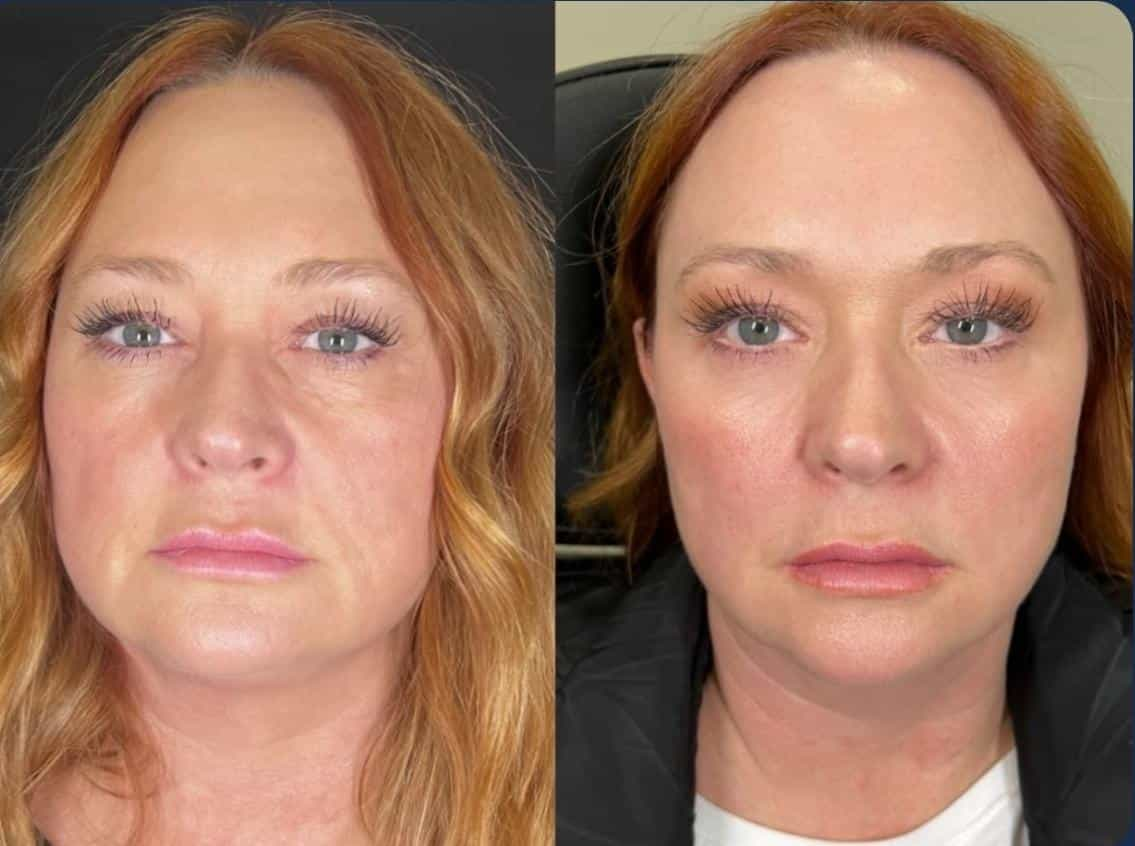
Price starting from $6,500
Anti Aging Stem Cell Package in Ukraine and Poland
Mediland Clinic
- Anti Aging
Kyiv,Ukraine
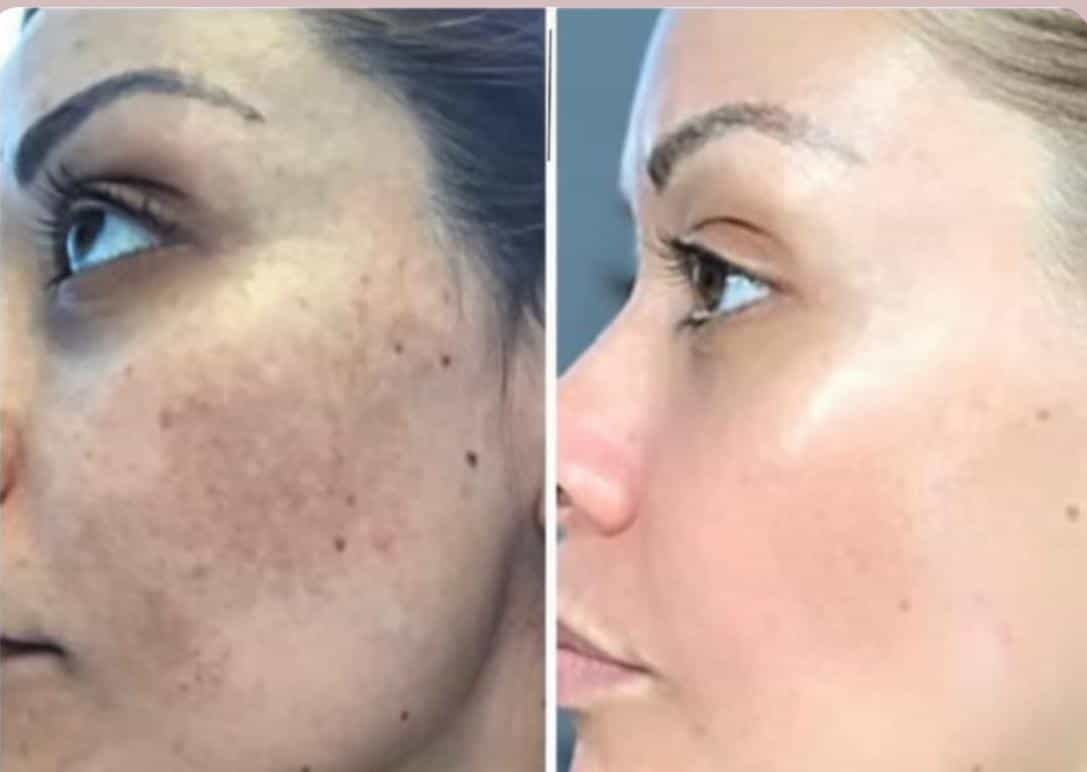
Price starting from $4,500
Skin Damage Treatment Program in Ukraine and Poland
PlacidWay Poland Medical Tourism
- Skin Care
Warsaw,Poland
Skin Care Solutions Near You: Explore Top Medical Centers
Discover how Skin Care is transforming lives at leading medical centers in , . Dive into center profile, specialties, doctors, reviews, etc. and explore the best options tailored to your needs in this region.
California Wellness Institute
Lancaster,Los Angeles
Dr. Felipe Castro Esguerra - Plastic Surgeon in Colombia
Bogota,Colombia
RejuvStem - Stem Cell Therapy Cancun
Cancun,Mexico
Transformative Skin Care Experiences: Dive into Procedure Insights
Discover the power of Skin Care through compelling patient experiences. Uncover detailed insights into procedures, recovery journeys, and life-changing results.


Price starting from $999
Skin Laser Therapy in Seoul, South Korea
- Skin Laser Therapy,Skin Care
Seoul,South Korea
Explore Skin Care: Stories, Testimonials, and Procedures
Watch in-depth videos covering everything from Skin Care success stories to detailed procedure explanations. Learn what to expect and hear from real patients.

Discover Your True Beauty at ICONIC Medical Aesthetic in San Jose del Cabo, Mexico
ICONIC Medical Aesthetic
Patient Thank-You Story Featuring Treatment at King Faisal Specialist Hospital in Riyadh, Saudi Arabia
King Faisal Specialist Hospital and Research Centre (KFSHRC) in Riyadh, Saudi Arabia
Saudi Arabia
Medical Tourism in Istanbul, Turkey – Transforming Lives with Expert Healthcare
International Multispecialty Hospital in Istanbul, Turkey
Turkey
Learn More with These Skin Care Articles
Take a look at these interesting articles, stories and research that will help you learn more about Skin Care.
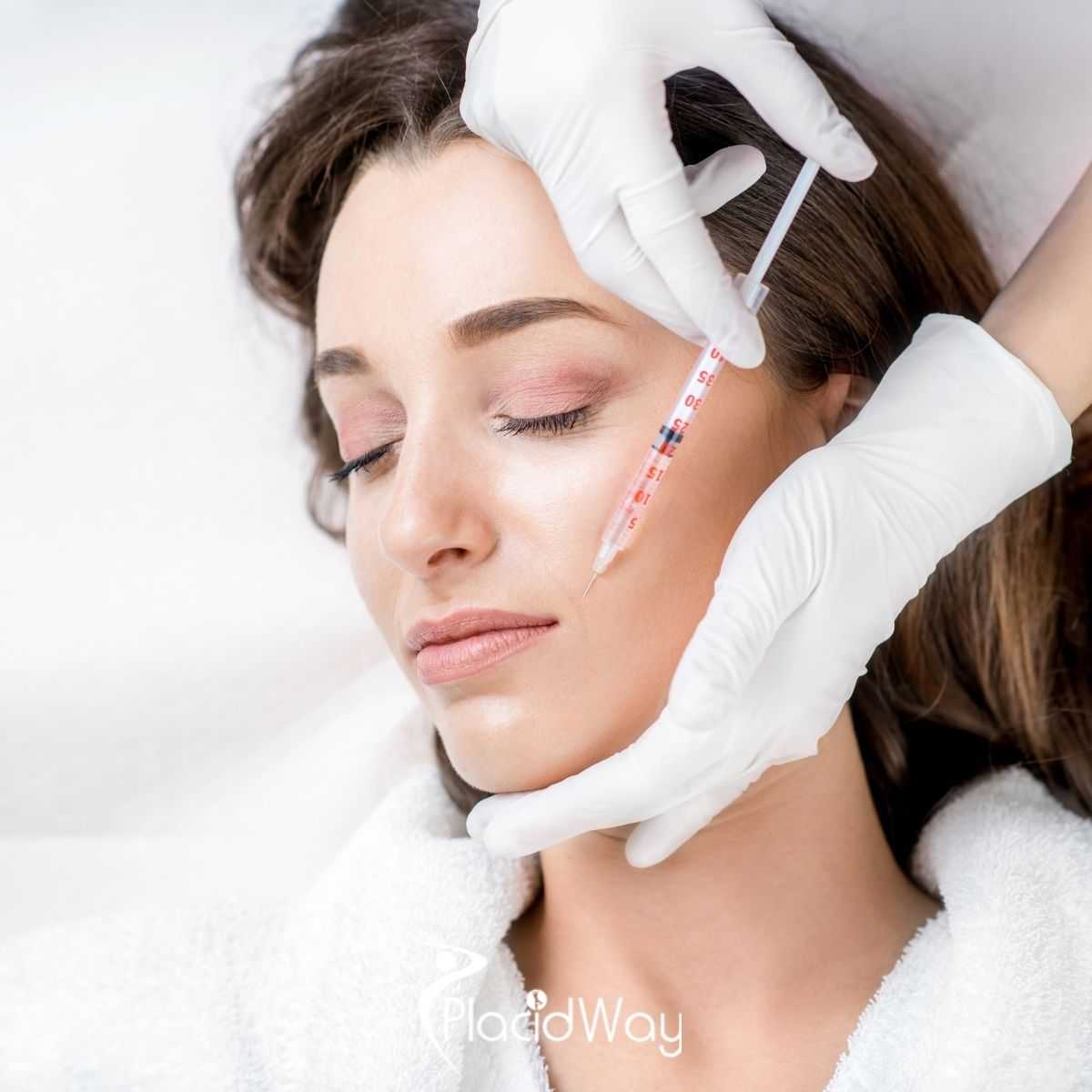
Botox and Dermal Fillers in Tijuana, Mexico: Costs, Safety, and Choosing a Certified Injector
PlacidWay Mexico Medical Tourism
- Skin Care
Mexico
The Hallyu Effect: Why Vietnam is the Leading Importer of South Korean Medical Skin Technology and Tourism
PlacidWay Medical Tourism
- Skin Care
Vietnam
Beyond the 10-Step Routine: Why 2026 Seoul Trends Focus on AI-Bespoke Serums and Medical-Grade Scalp Rejuvenation
PlacidWay Medical Tourism
- Skin Care
South Korea

V-Beam Laser Treatments in Korea for Rosacea Control and Facial Redness Reduction
PlacidWay Medical Tourism
South Korea








