
Achieve Smooth Legs: Understanding Sclerotherapy Costs in Seoul
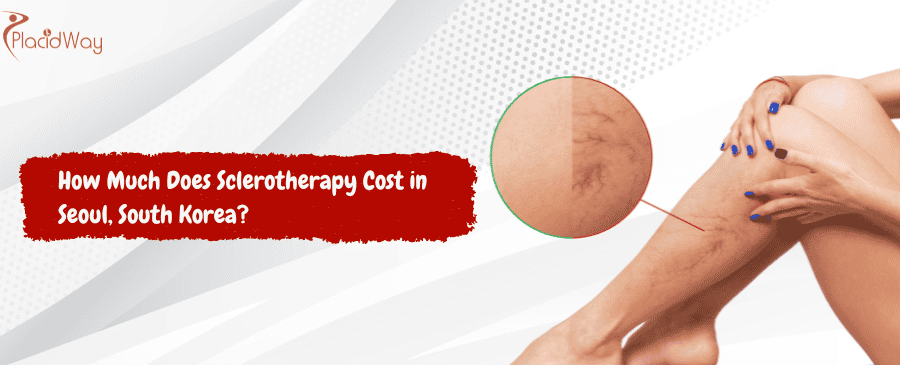
Many international patients consider seeking sclerotherapy in South Korea to address spider veins and smaller varicose veins. Seoul has established itself as a prominent destination for aesthetic and dermatological care, drawing visitors who seek modern facilities and experienced practitioners. Before planning a trip, patients naturally want to understand the financial investment, the specifics of the procedure, and what recovery entails.
Key Takeaways
- Prices generally range between $150 and $500 per session in Seoul.
- Most patients require multiple sessions to achieve their desired outcome.
- The procedure involves injecting a solution directly into targeted veins to collapse them.
- Recovery is relatively quick, though wearing compression stockings is usually mandatory.
- Consulting with a qualified vascular specialist or dermatologist is necessary to determine if you are a suitable candidate.
1. What exactly influences the cost of sclerotherapy in Seoul?
Because vein patterns are unique to each individual, clinics rarely offer a flat fee without first assessing the patient. The type of sclerosant used—whether liquid or foam—can slightly alter the price. Foam sclerotherapy, which is sometimes used for larger veins because it covers more surface area inside the blood vessel, may carry a different cost profile than traditional liquid injections.
Additionally, the reputation and location of the facility play a role. Clinics situated in upscale districts of Seoul, such as Gangnam, often have higher overhead costs, which can reflect in their pricing. The fee also factors in the experience level of the dermatologist or vascular surgeon performing the injections.
2. How does the price in South Korea compare to Western countries?
The relatively affordable pricing is a major driver of medical tourism in South Korea. In many North American and European cities, high administrative costs and clinic fees can make multiple sessions of cosmetic vein treatment quite expensive. By comparison, South Korea’s highly competitive medical sector often allows for lower procedural costs without compromising the standard of the equipment or the sanitation protocols.
However, international patients must remember to calculate the broader financial picture. While the procedure itself may cost less, adding the price of round-trip flights, hotel accommodations, meals, and local transportation can offset the savings if the sole purpose of the trip is a minor vein treatment. Many patients opt to combine this treatment with a pre-existing travel itinerary or other aesthetic procedures.
3. What is usually included when I pay for a sclerotherapy session?
To avoid unexpected charges, patients should clarify exactly what their quoted estimate includes before traveling. When inquiring at a sclerotherapy clinic in South Korea, ask if the following items are bundled into the price or billed separately:
- Initial consultation: Some clinics charge a separate fee for the doctor's initial evaluation.
- Diagnostic imaging: If ultrasound is required to map deeper veins, this often incurs an additional cost.
- Compression garments: Medical-grade stockings are crucial for recovery and may need to be purchased separately at the clinic or a local pharmacy.
- Follow-up appointments: Post-treatment check-ups to monitor healing may or may not be included.
- Translation services: English-speaking coordinators might be provided free of charge by international clinics, but it is wise to confirm.
4. Why do international patients choose Seoul for vein treatments?
South Korea places a strong emphasis on dermatological and aesthetic health. Facilities in Seoul are known for utilizing modern technologies and adhering to rigorous safety standards. The practitioners handling these injections often perform a high volume of aesthetic procedures, giving them extensive hands-on experience in dealing with delicate cosmetic issues like spider veins.
Furthermore, many clinics in the capital city are explicitly structured to accommodate visitors from abroad. They often feature multilingual staff, streamlined booking processes, and detailed pre-arrival instructions to make the experience manageable for those navigating a foreign medical system.
5. Am I a suitable candidate for this procedure?
While sclerotherapy is highly effective for many, it is not appropriate for everyone. A thorough medical evaluation is required before treatment can proceed. Individuals who are pregnant or nursing are advised to wait, as the effects of the sclerosant on the fetus or in breast milk are not fully established.
You may also be ineligible if you have a history of deep vein thrombosis (DVT), certain blood clotting disorders, or if the targeted veins are potentially usable for future cardiac bypass surgeries. Patients taking specific medications, such as blood thinners or prolonged courses of NSAIDs, will need to discuss these with their doctor, as they can affect bleeding and healing.
6. What actually happens during a sclerotherapy appointment?
The procedure is typically performed in a standard clinic room and usually takes 15 to 45 minutes, depending on how many veins are being treated. You will lie down on an examination table, and the doctor will clean the skin overlying the targeted veins with alcohol.
Using a very fine needle, the doctor slowly injects the sclerosant. This solution irritates the lining of the blood vessel, causing it to swell shut and block the flow of blood. Once the needle is withdrawn, the doctor will apply pressure and massage the area to disperse the solution and keep blood out of the injected vessel. The body will eventually reabsorb the collapsed vein, redirecting blood flow through healthier, deeper veins.
7. How long is the recovery, and when can I fly home?
Patients are usually instructed to get up and walk around right after the session finishes. Walking helps prevent the formation of blood clots and promotes good circulation. You will be required to wear compression stockings or bandages over the treated areas for one to three weeks to maintain pressure on the collapsed veins.
Traveling by air shortly after vein treatment requires caution. Sitting immobilized on a long flight from South Korea increases the risk of deep vein thrombosis. Medical guidelines generally suggest waiting a few days to a week before flying, though you should strictly follow the advice provided by your treating physician based on the extent of your procedure.
8. What are the potential risks and side effects?
Most side effects are minor and resolve on their own within a few days or weeks. Bruising at the injection site is common. Some patients experience hyperpigmentation, where darkened lines or spots appear along the path of the treated vein. This usually fades over several months but can occasionally be permanent.
More severe, though rare, complications include allergic reactions to the injected solution, inflammation, or the formation of a blood clot in a deep vein (DVT). If a blood clot travels to the lungs, it can cause a pulmonary embolism, which is a medical emergency. If you experience sudden shortness of breath, chest pain, or severe leg swelling after returning home, seek immediate emergency medical care.
9. Will one session be enough to clear my veins?
Sclerotherapy is a gradual process. Small spider veins typically respond in three to six weeks, while larger veins may take three to four months to fade completely. The body needs time to safely break down and reabsorb the treated tissue.
During your initial consultation, the doctor will estimate how many sessions you might need. If you have a large network of spider veins, it is unlikely they can all be treated safely in a single visit, as there is a limit to how much sclerosant can be injected safely in one day. International patients should factor this into their travel schedule, as sessions are typically spaced several weeks apart.
10. How can I prepare for my vein treatment in South Korea?
Proper preparation can minimize the risk of bruising and complications. You will typically be instructed to stop taking aspirin, ibuprofen, and other non-steroidal anti-inflammatory drugs (NSAIDs) several days prior to the procedure. Dietary supplements that thin the blood, such as ginkgo biloba, garlic, or high doses of vitamin E, should also be paused.
On the day of your appointment, do not apply any lotions, sunscreens, or oils to your legs, as these can interfere with the tape used to secure cotton balls or bandages post-injection. Wearing loose shorts or a skirt to the clinic can make the examination easier, and loose sweatpants are ideal for wearing home over bulky compression stockings.
Why Choose PlacidWay for Medical Tourism in South Korea?
Planning medical travel to a foreign country requires careful research and access to accurate information. PlacidWay acts as an informational resource for patients exploring global healthcare options.
- Informational Platform: PlacidWay provides a directory of clinics and medical providers worldwide, allowing patients to review various treatment centers in one place.
- Direct Connection: The platform allows users to directly request information and pricing estimates from medical facilities in South Korea.
- Facility Profiles: Patients can view details about a clinic's focus areas, technologies, and available services.
- Procedure Overviews: The site offers educational articles and guides on a wide range of aesthetic and medical treatments.
- Free to Use: Patients can browse facilities, compare options, and submit inquiries through the platform without paying user fees.
Frequently Asked Questions
Is sclerotherapy painful?
Patients often experience a mild pinching sensation when the needle is inserted, and a slight stinging or cramping feeling as the solution enters the vein. The discomfort is usually brief and well-tolerated by most individuals.
Can I get sclerotherapy on my face in Seoul?
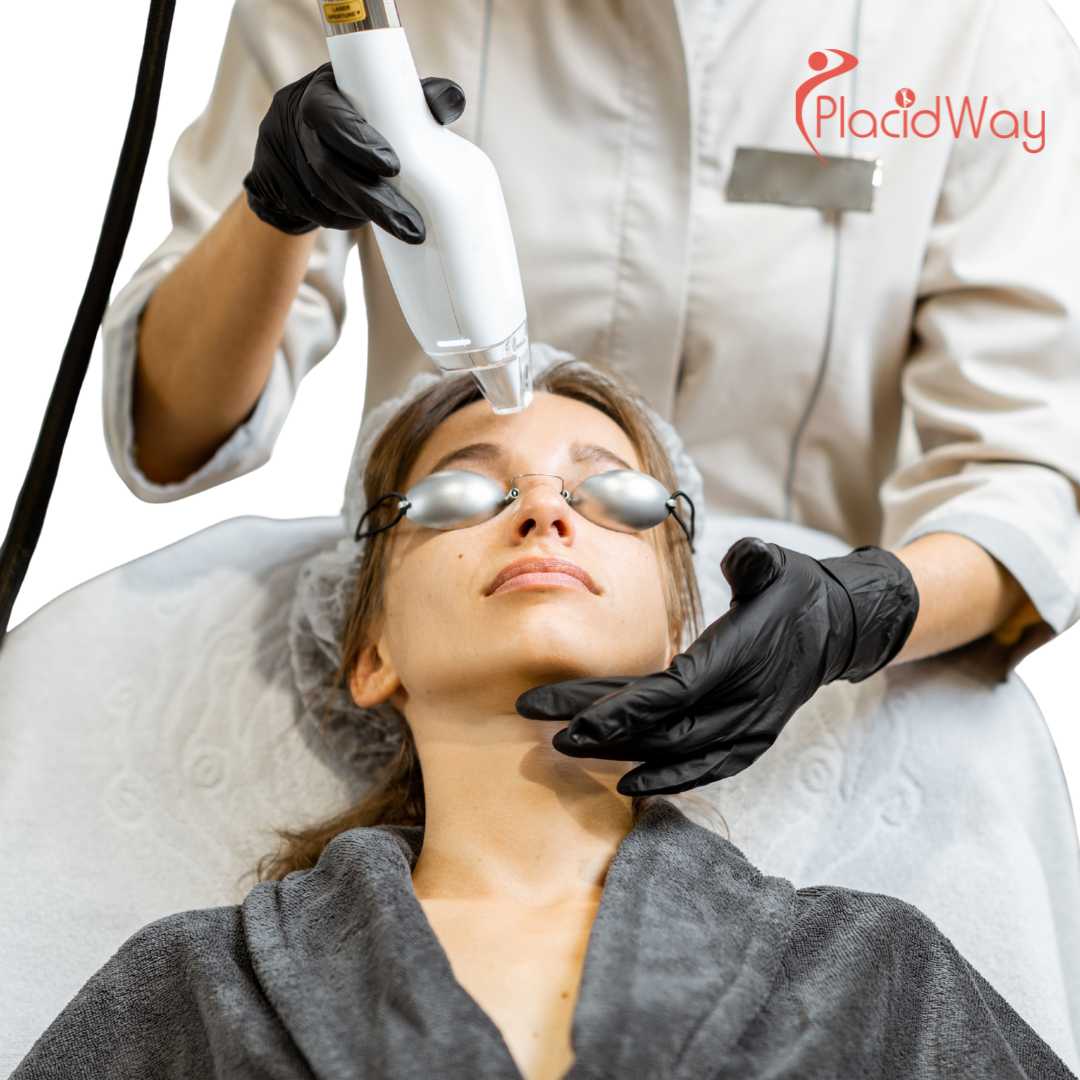
While sclerotherapy is primarily used for the legs, specialized providers in Seoul may use highly diluted solutions for certain facial spider veins. However, laser therapy is often preferred for delicate facial blood vessels.
How long do the results of sclerotherapy last?
Veins that are successfully destroyed by sclerotherapy generally do not return. However, the procedure does not prevent new spider or varicose veins from developing in the future.
Do I need to wear compression stockings after treatment?
Yes, physicians typically recommend wearing medical-grade compression stockings for one to three weeks after the procedure to maintain pressure on the treated veins and promote proper blood flow.
Is ultrasound guidance used for sclerotherapy?
Ultrasound-guided sclerotherapy is often utilized for deeper veins that cannot be seen on the skin's surface. Your specialist will determine if this technique is necessary during your initial evaluation.
Can I drive immediately after my appointment?
Most patients are able to drive themselves home or back to their hotel after the session, as no general anesthesia or strong sedatives are typically used.
Are there alternatives to sclerotherapy available in South Korea?
Yes. Depending on the size and location of the veins, alternatives may include surface laser treatments, endovenous laser ablation (EVLA), radiofrequency ablation, or surgical microphlebectomy.
Does health insurance cover this treatment abroad?
When performed for cosmetic reasons, such as treating spider veins, sclerotherapy is rarely covered by insurance. If deemed medically necessary for symptomatic varicose veins, coverage depends heavily on your specific international health insurance policy.
How soon can I exercise after the injections?
While walking is encouraged immediately to prevent blood clots, strenuous exercise, heavy lifting, and high-impact aerobics should typically be avoided for at least a week following treatment.
Can sclerotherapy treat large, bulging varicose veins?
Foam sclerotherapy can sometimes be used for larger veins, but significantly bulging varicose veins often require different treatments, such as laser ablation or surgical removal, for optimal results.
Explore Your Vein Treatment Options
Gather more information about clinics, compare facility capabilities, and review estimated costs for treatment in South Korea.
Request Treatment InformationReferences
- Sclerotherapy: Overview, Risks, and Recovery – Mayo Clinic
- Sclerotherapy Procedure Details and Expectations – Cleveland Clinic
- Spider Veins and Treatment Options – Society for Vascular Surgery
- Efficacy and Safety of Sclerotherapy for Varicose Veins – National Center for Biotechnology Information
- Leg Veins: Why Sclerotherapy is the Treatment of Choice – American Academy of Dermatology
- Medical Tourism Guidelines and Risks – Centers for Disease Control and Prevention (CDC)

















Share this listing