
A Guide to Dermatology Medical Tourism in South Korea

When discussing aesthetic and clinical skin care, patients from around the globe frequently look toward East Asia. Pursuing dermatology treatments in South Korea has become a prominent choice for individuals seeking solutions for acne scarring, hyperpigmentation, skin aging, and overall skin health. The country's medical system integrates highly trained specialists with heavily researched medical devices, creating an environment focused on precision and continuous improvement.
However, traveling abroad for any medical procedure requires careful consideration. Medical tourism in South Korea is well-organized, but international patients must still navigate language differences, understand the nuances of different technologies, and carefully manage their recovery before flying home. Understanding exactly why this destination stands out, as well as the realities of receiving care overseas, can help you make a more informed decision about your skin health.
Key Takeaways
- South Korea offers highly advanced laser and energy-based devices for various skin conditions.
- Board-certified dermatologists undergo extensive, specialized training before practicing.
- Prices are often competitive, but costs vary widely based on treatment complexity and clinic reputation.
- Patient safety is regulated by government health authorities, though risks inherent to all medical procedures remain.
- Proper planning for translation services, recovery downtime, and follow-up care is essential for a safe trip.
What makes South Korea's dermatology technology so advanced?
One of the primary reasons patients travel internationally for skin care is to access technologies that may not yet be widely available in their home countries. The Korean medical device industry frequently develops and refines sophisticated tools, including high-intensity focused ultrasound (HIFU), radiofrequency (RF) microneedling, and highly precise pico-second lasers. Because these tools are heavily utilized domestically, providers often gain extensive clinical experience operating them.
Furthermore, dermatologists in the region often collaborate with biomedical engineers to test and improve these devices. This feedback loop allows for rapid iterations in technology, often leading to treatments that aim for maximum efficacy with minimized downtime. However, it is vital to remember that advanced technology is only as safe as the practitioner operating it; the machine itself does not guarantee a successful outcome.
What types of skin treatments typically attract international patients?
International visitors often seek out complex, combination therapies rather than single, standard facials. These customized plans often integrate multiple modalities during a single session, provided the patient's skin can safely handle it. Common procedures include:
- Laser Toning and Pigmentation Removal: Using Q-switched or Pico lasers to gently break down melasma or sun damage.
- Scar Revision: Combining subcision, fractional lasers, and RF microneedling to address tethered acne scars.
- Skin Boosters: Micro-injections of hyaluronic acid, polynucleotides, or vitamins directly into the dermis to improve hydration and texture.
- Non-Surgical Lifting: Utilizing ultrasound or radiofrequency energy to stimulate collagen production and tighten the skin.
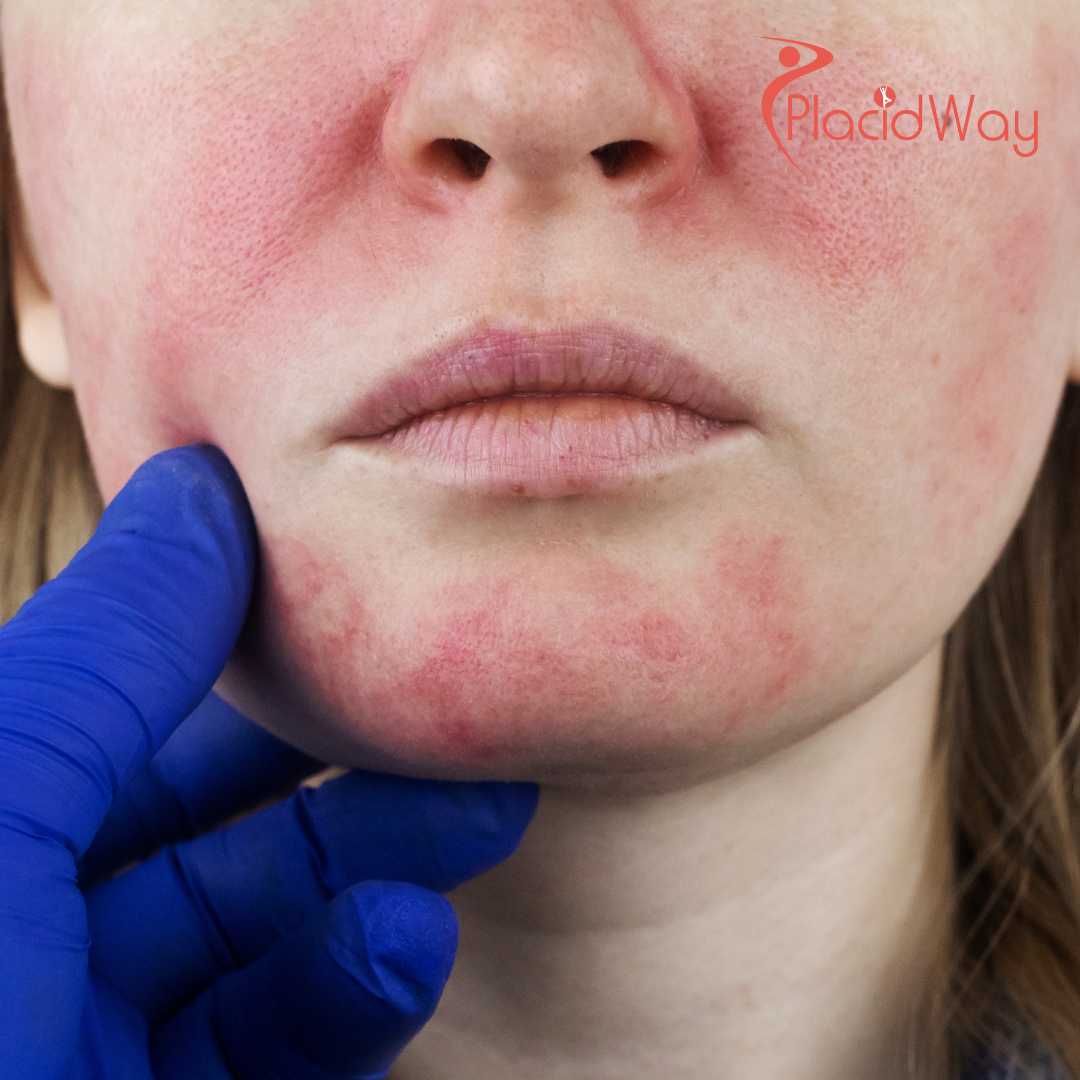
Suitability for these procedures varies significantly from person to person. A thorough medical evaluation is required to ensure that a specific therapy will not exacerbate underlying skin conditions, such as active infections or severe rosacea.
How do you find a reputable dermatology treatments clinic in South Korea?
When searching for a dermatology treatments clinic in South Korea, the distinction between a general practitioner offering aesthetic services and a board-certified dermatologist is crucial. Board-certified dermatologists have completed extensive, specific residency training in diagnosing and treating diseases of the skin, hair, and nails.
To identify a reputable provider, look for affiliations with the Korean Dermatological Association or the Korean Medical Association. Additionally, inquire about the clinic's experience treating international patients. Reputable facilities will offer professional medical interpreters, clearly explain the risks and alternatives of any procedure, and provide comprehensive post-care instructions in your native language.
What factors influence dermatology treatments cost in South Korea?
The dermatology treatments cost in South Korea can be competitive when compared to North America or Western Europe, but it is rarely "cheap" if you are seeing a highly qualified specialist. Because treatment plans are highly individualized, providing a set price list is often difficult. For instance, treating mild sunspots requires vastly different resources than performing deep laser resurfacing for severe acne scars.
When budgeting for medical travel, remember to factor in the total cost of the trip. The procedure itself is only one part of the expense. You must also account for flights, accommodation for the duration of your required recovery, translation services (if not included by the clinic), and any prescribed aftercare medications. Always request a detailed, itemized estimate before committing to travel.
Are these skin procedures safe for all international patients?
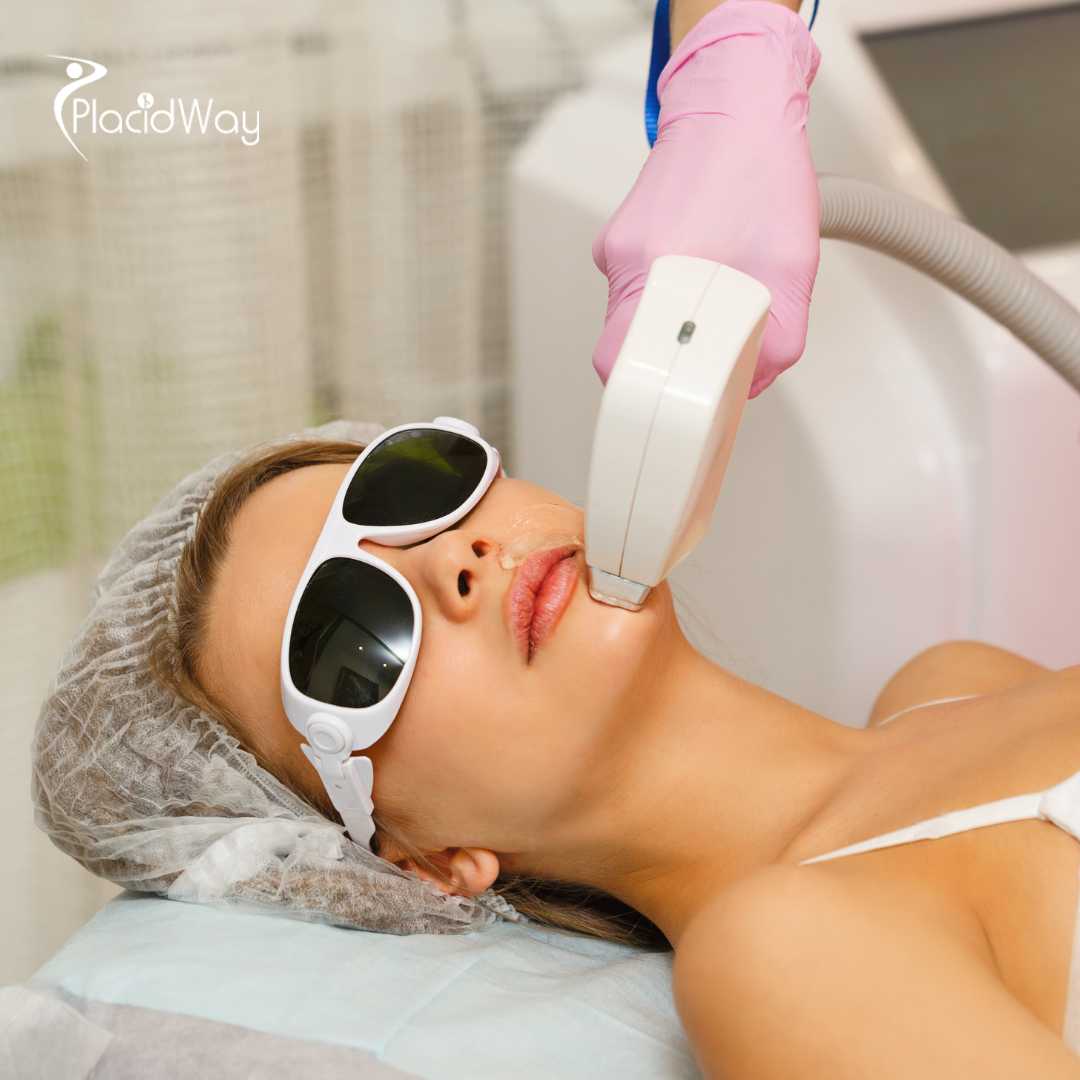
Patient safety must always be the priority. Lasers and energy-based devices cause controlled injuries to the skin to stimulate healing. In some cases, especially if post-care is neglected, this can lead to complications such as bacterial infections, scarring, or prolonged redness.
You should disclose your full medical history during your consultation, including any history of cold sores, keloid scarring, autoimmune conditions, or recent use of medications like isotretinoin, as these can significantly impact your eligibility for certain treatments.
How does the consultation process work for foreign patients?
A thorough consultation is the foundation of effective dermatological care. Upon arriving at a specialized clinic, you will likely undergo facial imaging using specialized cameras that reveal underlying sun damage, vascular issues, and bacterial concentrations invisible to the naked eye. This data allows the dermatologist to diagnose your skin's condition objectively.
During the consultation, clear communication is essential. If you and the doctor do not speak the same language fluently, a trained medical interpreter should be present. Do not rely on basic translation apps for medical discussions. This is the time to ask about expected pain levels, exact downtime, alternative treatments, and what steps to take if an unexpected reaction occurs.
Is the medical tourism industry regulated for patient protection?
The Ministry of Health and Welfare in South Korea mandates that hospitals and clinics seeking to attract foreign patients must be officially registered. This registration requires facilities to meet specific criteria regarding medical malpractice insurance, patient safety protocols, and the provision of adequate dispute resolution mechanisms.
Additionally, some larger facilities voluntarily undergo accreditation by the Korean Accreditation Program for Hospitals Serving Foreign Patients (KAHF). While this oversight adds a layer of reassurance, patients must still do their own research. Government regulation establishes baseline standards, but the individual skill of the treating physician is what most heavily influences the outcome of your procedure.
What should patients expect during recovery and aftercare?
Many patients mistakenly view medical travel as a traditional vacation. However, recovering from intensive skin treatments often precludes typical tourist activities. For example, following fractional laser resurfacing, your skin may be raw, swollen, and highly sensitive. Sweating, prolonged walking in polluted city air, and UV exposure must be strictly avoided to prevent complications.
Your clinic will typically prescribe a specific regimen of gentle cleansers, intensive barrier repair creams, and occasionally oral antibiotics or antivirals. It is highly advisable to remain in the country for at least a few days to a week after intensive procedures. This allows your treating physician to monitor your initial healing phase and manage any immediate, unexpected swelling or reactions before you board an airplane.
What happens if I need follow-up care after returning home?
One of the most significant challenges of receiving medical care abroad is managing long-term follow-up. While immediate complications can be handled if you stay in the destination country for a sufficient recovery period, delayed reactions—such as persistent hyperpigmentation or late-onset infections—can occur after you have flown home.
Before you depart, ensure you receive a comprehensive medical report detailing the exact names of the procedures performed, the settings used on the laser devices, and the names of any injected substances. Having this documentation is crucial if you need to consult a local dermatologist in your home country. It is highly recommended to establish a relationship with a local skin specialist before you travel, so you have a trusted professional to turn to if you need assistance upon your return.
Why Choose PlacidWay for Medical Tourism in South Korea?
Navigating the logistics of international healthcare can be a complex process. PlacidWay exists to help patients access educational resources and connect with healthcare systems worldwide. When considering options in South Korea, PlacidWay offers:
- Extensive Information: Access to detailed profiles of medical facilities and their listed specialties.
- Provider Connections: A platform that facilitates direct communication between patients and registered international clinics.
- Global Perspective: The ability to research and compare healthcare approaches across multiple different countries.
- Educational Resources: Articles and guides to help patients understand general procedure types and standard medical travel considerations.
- Streamlined Inquiries: A straightforward system to request initial estimates and consultation information directly from medical centers.
Frequently Asked Questions
Do I need a visa specifically for medical treatment in Korea?
Many international visitors can enter South Korea for short stays without a visa or with an electronic travel authorization (K-ETA) for minor procedures. However, if you are planning an extended stay strictly for medical reasons, you may need to apply for a Medical Visa (C-3-3 or G-1-10). Always check current regulations with the South Korean embassy in your home country before booking your trip.
How long should I plan to stay in Seoul for a dermatology procedure?
The length of your stay depends entirely on the procedures you undergo. For superficial treatments or minor injectables, a few days may be sufficient. For deeper laser resurfacing or more intensive therapies, clinics often recommend staying for 7 to 14 days to monitor initial healing, manage any complications, and attend follow-up appointments.
Are Korean dermatology treatments suitable for all skin types and tones?
While advanced devices are available, certain lasers and energy treatments carry a higher risk of post-inflammatory hyperpigmentation for individuals with darker skin tones (Fitzpatrick types IV–VI). It is vital to consult with a provider experienced in treating diverse skin types rather than just typical Asian or Caucasian skin profiles.
Can I combine multiple skin procedures in a single visit?
Yes, providers often combine therapies—such as mixing a laser treatment with hydrating skin boosters—to address different layers of the skin. However, combining treatments can also increase recovery time and the risk of complications. Your doctor will determine which combinations are safe for your specific skin barrier.
Will my local insurance cover any treatments done in Korea?
Generally, no. Most domestic health insurance plans do not cover medical care received abroad, especially for procedures that are considered elective or cosmetic. You will typically need to pay out-of-pocket. Specialized medical travel insurance can sometimes cover unforeseen travel complications, but not the procedure itself.
What should I avoid doing right before traveling for a laser treatment?
You should generally avoid heavy sun exposure, tanning beds, and the use of strong active ingredients like retinoids or chemical exfoliants for at least one to two weeks prior to laser therapies. Having inflamed or sunburned skin can result in your provider canceling the procedure for your safety.
Are consultations typically free at Korean skin clinics?
Policies vary widely. Some clinics aimed at international patients offer complimentary initial virtual or in-person consultations, while highly specialized board-certified dermatologists often charge a consultation fee. This fee is sometimes deducted from your final treatment cost if you proceed with their services.
How soon can I fly after receiving injectables or laser therapy?
For non-invasive procedures, patients can often fly within a day or two. However, cabin pressure and dry airplane air can exacerbate swelling and dehydrate recovering skin. Your provider will give you a specific timeline for safe travel, which usually involves waiting until primary swelling or the risk of immediate infection has passed.
Do clinics provide translated medical records for my doctor back home?
Clinics that frequently cater to international patients often provide summaries or translated records of the exact devices, settings, and products used during your visit. You should request this documentation before you leave, as it is highly beneficial if you need follow-up care with your local dermatologist.
Can I wear makeup during my recovery in Korea?
Following treatments that break the skin barrier, such as microneedling or ablative lasers, you must avoid makeup to prevent infection and irritation. Your provider will tell you when it is safe to resume wearing makeup, which is usually after the skin has fully closed and peeling has stopped.
Ready to Explore Your Options?
Gather more information about facilities, specific treatments, and specialized providers to make an informed choice regarding your skin health journey.
Request Treatment InformationReferences
- Medical Tourism Overview – Korea Tourism Organization
- Policies on Foreign Patients – Ministry of Health and Welfare, South Korea
- Laser Treatment Safety and Efficacy – American Academy of Dermatology
- Travelers' Health: South Korea – Centers for Disease Control and Prevention (CDC)
- Medical Training and Certification Standards – Korean Medical Association (KMA)
- Patient Safety for International Aesthetic Procedures – International Society of Aesthetic Plastic Surgery (ISAPS)





















Share this listing