
Evaluating Advanced Skin Care Abroad: A Guide to Corrective Dermatological Treatments
Pursuing Skin Care abroad requires carefully evaluating specific laser technologies, chemical resurfacing protocols, and the clinical expertise required to safely treat complex pigmentation, scarring, and photo-aging.
WHY: Many adults reach a breaking point with severe acne scarring, stubborn melasma, or advanced photo-aging after spending years—and thousands of dollars—on ineffective over-the-counter serums and mild local treatments. The emotional toll of constantly camouflaging skin flaws, combined with high local costs for advanced combination therapies, often prompts a search for international dermatological care.
HOW: While seeking care internationally opens access to highly specialized aesthetic dermatologists and next-generation cosmetic devices, it does not automatically guarantee safety or suitability. Patients must rigorously evaluate the specific medical devices being used, the clinician’s experience with their specific Fitzpatrick skin type, the management of acute peeling phases, and the total cost of travel and required aftercare.
WHAT: Corrective skin care encompasses advanced procedural dermatology, including fractional ablative lasers (CO? and Erbium:YAG), deep chemical peels (TCA or phenol), and radiofrequency microneedling. According to the American Academy of Dermatology (AAD), these controlled-injury treatments stimulate collagen remodeling and epidermal renewal, but require precise clinical execution to avoid post-inflammatory hyperpigmentation or permanent scarring.
For years, your morning routine may have felt less like self-care and more like camouflage. When you have deep acne scars, persistent hyperpigmentation, or severe photo-aging, the mirror reflects a history that topical creams simply cannot erase. You may have already visited local dermatologists, only to find that the advanced laser resurfacing or deep peeling required to achieve meaningful results comes with prohibitive costs, long waiting lists, or a lack of specialized technology in your immediate area.
The frustration of trying endless over-the-counter regimens with minimal improvement can be exhausting. It affects how you present yourself in professional meetings, how you feel in social situations, and how you perceive your own reflection. When local options feel out of reach or inadequate, many patients begin researching whether traveling to specialized international dermatology centers could finally provide the structural skin transformation they are looking for.
However, procedural dermatology is an exact science. Treating the skin requires highly controlled thermal or chemical injury to prompt the body to generate new collagen. This guide is designed to help you navigate the clinical, financial, and logistical realities of seeking advanced dermatological treatments internationally, ensuring your decisions are rooted in medical evidence rather than marketing promises.
Understanding Which Dermatological Treatments Match Your Skin Concerns
Before comparing destinations or browsing clinic prices, you must understand that "skin rejuvenation" is not a single procedure. Comparing a mild superficial peel in one clinic to a fully ablative CO? laser treatment in another is mathematically and clinically flawed. The right treatment depends heavily on your specific symptoms, your tolerance for downtime, and—crucially—your Fitzpatrick skin type (the classification of how your skin responds to ultraviolet light and trauma).
Patients typically explore the following advanced interventions when considering international care:
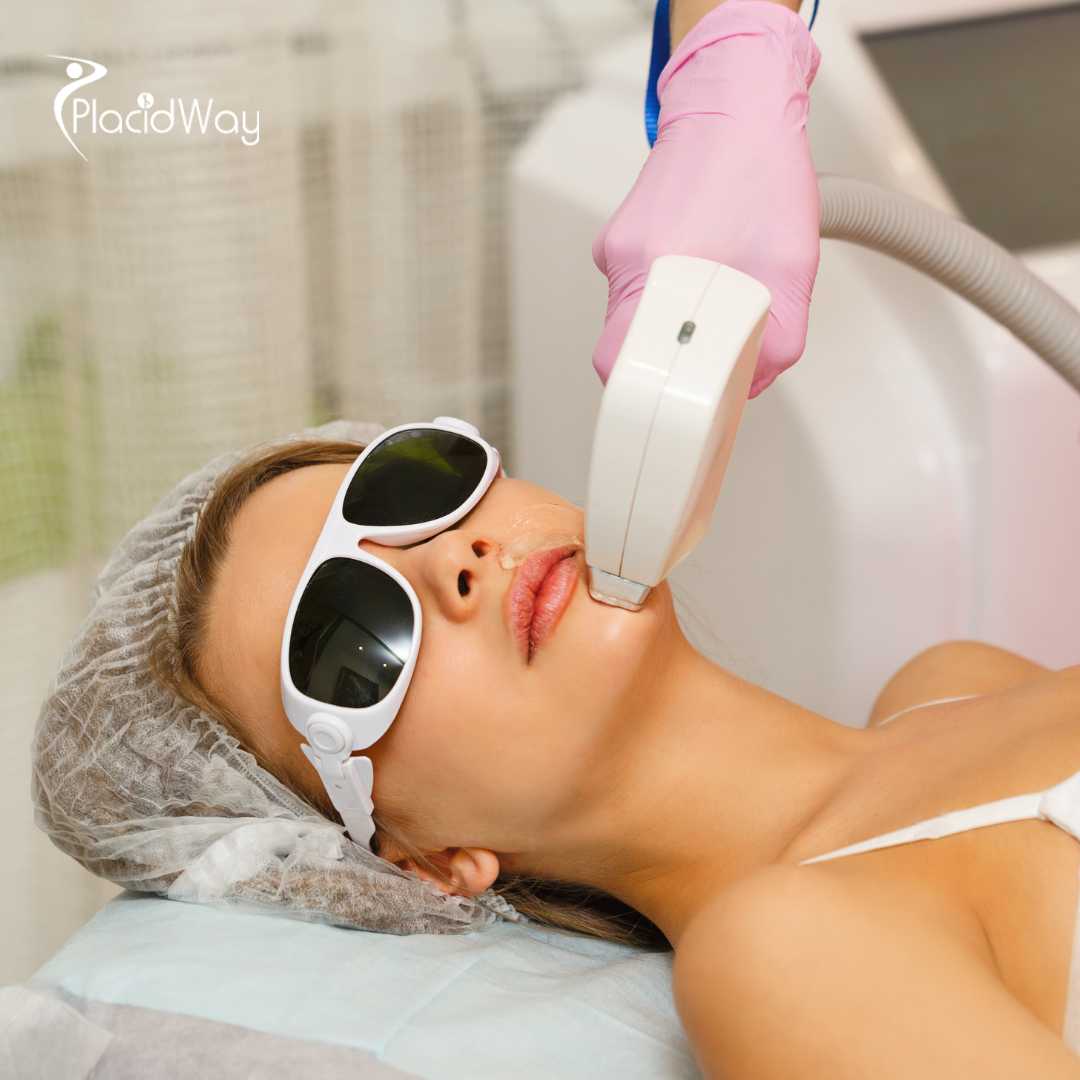
- Ablative Laser Resurfacing (Fractional CO? or Erbium:YAG): These lasers vaporize the outermost layers of the skin while heating the underlying dermis. They are considered the gold standard for deep rhytides (wrinkles), severe sun damage, and atrophic acne scars. Because they remove tissue, recovery involves significant crusting, redness, and oozing lasting one to two weeks.
- Non-Ablative Laser Resurfacing (e.g., Fraxel, Pico): These lasers heat the underlying skin tissue without destroying the surface layer. They are often used for milder texture issues, superficial pigmentation, and melasma management. Recovery is faster, but achieving the same results as ablative lasers usually requires a series of multiple treatments.
- Deep Chemical Peels (TCA or Phenol): Using high concentrations of trichloroacetic acid (TCA) or phenol, these peels cause controlled necrosis (death) of the skin layers, forcing complete regeneration. They are highly effective for deep wrinkles and severe textural irregularities but require meticulous clinical monitoring due to the risk of cardiac toxicity (with phenol) and profound hypopigmentation (loss of skin color).
- Radiofrequency (RF) Microneedling: This technology delivers localized radiofrequency heat directly into the dermis via ultra-fine needles. It is particularly effective for acne scarring, skin laxity, and stimulating collagen with less surface disruption than lasers, making it generally safer for darker skin types.
- Combination Modalities: Many international centers specialize in "stacking" treatments—for example, performing RF microneedling followed immediately by a superficial fractional laser and an application of platelet-rich plasma (PRP) or exosomes. This maximizes the clinical outcome in a single travel visit but significantly increases the intensity of the recovery phase.
The Melanin Factor: A treatment that is safe for a patient with pale, easily sunburned skin (Fitzpatrick Type I) could cause severe, permanent post-inflammatory hyperpigmentation (PIH) in a patient with olive or dark skin (Fitzpatrick Types IV-VI). You must verify that a prospective clinician has extensive, proven experience safely treating your specific skin type.
Why Patients Look Beyond Their Local Dermatologist
Patients rarely travel abroad merely for a facial or a standard Botox injection. The decision to travel for dermatological care is usually driven by a need for profound structural changes to the skin. Factors driving this decision often include:
- Access to Advanced Device Ecosystems: Certain global markets heavily invest in having the latest iterations of picosecond lasers, high-intensity focused ultrasound (HIFU), and RF devices under one roof, allowing for bespoke, multi-device combination therapies that would require visits to multiple specialists locally.
- High-Volume Clinical Expertise: In some regions, treating complex pigmentation issues like melasma or deep acne scarring is done at an incredibly high volume. Clinicians who perform thousands of fractional CO? resurfacing procedures annually often possess a highly refined technique.
- Discreet Recovery: Aggressive skin resurfacing results in a highly visible "ugly duckling" phase where the skin turns brown, peels, and swells severely. For professionals, recovering in a foreign hotel rather than trying to hide from colleagues and neighbors for two weeks is a significant draw.
- Affordability of Staged Protocols: While one laser session might be affordable locally, treating severe scarring often requires five to six sessions, plus subcision (breaking up scar tissue) and filler. The aggregate cost of comprehensive protocols can be substantially lower in certain international markets, even when factoring in travel.
Exploring International Destinations for Cosmetic Dermatology
Different countries have developed distinct reputations within the aesthetic dermatology sector based on their regulatory environments, local beauty cultures, and technological investments. When patients research options, they frequently evaluate the following locations:
| Destination | Often practical for | Why patients compare it | What to verify |
|---|---|---|---|
| South Korea | High-tech laser protocols and combination therapies. | Known for extensive device availability, "glass skin" aesthetic philosophies, and highly efficient, multi-step clinical protocols. | Language barriers during deep clinical consultations; ensure the acting clinician is a board-certified dermatologist, not a technician. |
| Turkey | High-volume cosmetic interventions and combined aesthetic packages. | Major hub for medical tourism offering aggressive pricing on comprehensive facial rejuvenation packages. | Whether the facility focuses primarily on surgical tourism versus specialized, physician-led dermatological care. |
| Mexico | North American patients seeking accessible laser and injectable therapies. | Geographic proximity allows for easier return trips if multiple treatment sessions (e.g., for acne scars) are required. | Medical board certification (Consejo Mexicano de Dermatología) and the specific brands of laser devices being utilized. |
| Thailand | Hospital-integrated cosmetic dermatology and premium care settings. | Combines internationally accredited hospital infrastructure with specialized dermatology departments and extended recovery hospitality. | Experience of the specific clinician with your particular skin type, especially for Caucasian or very dark skin profiles. |
| Colombia | Surgical and non-surgical aesthetic enhancements. | A strong cultural emphasis on aesthetics has driven investment in clinical skincare, body contouring, and advanced peel techniques. | Verification of genuine dermatological credentials versus general aesthetic licenses. |
| Switzerland | Premium, discreet, and regenerative cellular skin therapies. | Focus on extreme privacy, bespoke cellular treatments (like PRP and stem-cell derivatives), and high-end clinic environments. | The high baseline cost of the country itself; verify that regenerative claims are backed by solid clinical evidence. |
To evaluate these destinations safely, rely on official medical registries rather than social media influencers. Check for board certification in dermatology within the destination country, and look for facilities accredited by bodies such as the Joint Commission International (JCI) or specialized dermatological societies.
Planning the Financial Side of Cosmetic and Corrective Dermatology
A common mistake patients make is comparing the cost of a single procedure locally with a single procedure abroad, forgetting that profound skin improvement often requires multiple stages, pre-treatment products, and extended aftercare.
Your total medical travel budget for skin care must account for:
- Pre-treatment Regimens: Prescription retinoids or hydroquinone required 4–6 weeks prior to travel to suppress melanin production.
- Procedure Fees: The cost of the laser session, peel, or microneedling.
- Anesthesia/Pain Management: Topical numbing cream is often included, but nerve blocks, laughing gas (nitrous oxide), or IV sedation for deep treatments may incur extra fees.
- Post-care Products: Specialized medical-grade healing ointments, silicone gels, and physical sunblocks required immediately after the procedure.
- Accommodation: You cannot fly immediately after aggressive resurfacing. You must factor in 7–14 days of hotel stay while your epidermal barrier heals and it becomes safe to enter a dry airplane cabin.
- Sun Avoidance Logistics: Potential costs for private, tinted-window transportation to avoid UV exposure during your recovery stay.
Indicative Treatment Cost Ranges (Per Comprehensive Session/Package)
| Destination Country | Indicative Treatment Cost Range | Do not assume it includes |
|---|---|---|
| South Korea | $800 – $3,500 | Translation fees, multiple required sessions, premium exosome add-ons. |
| Turkey | $500 – $2,500 | IV sedation, extended post-care pharmaceutical supplies, hotel nights. |
| Mexico | $600 – $2,800 | Follow-up visits, proprietary recovery serums, management of complications. |
| Thailand | $700 – $3,000 | Dermatologist consultation fees, hospital facility fees, extra treatment zones (e.g., neck/chest). |
| Colombia | $500 – $2,000 | Pre-treatment skin conditioning products, English-speaking liaison services. |
| Switzerland | $2,500 – $8,000+ | Accommodation (very high local cost of living), specialized blood processing for regenerative add-ons. |
Consumer rule: Do not compare a package headline with a medically detailed quote. Ask every provider for a written line-by-line estimate after reviewing your records.
Evaluating the Clinic, the Laser, and the Specialist
In the field of aesthetic dermatology, the machine is only as good as the clinician operating it. A powerful fractional CO? laser in the hands of an inexperienced technician can cause permanent scarring or hypopigmentation. When evaluating providers, you must separate the marketing of the device from the medical credentials of the user.
Ask these treatment-specific questions:
- Who exactly will be holding the laser handpiece or applying the chemical peel? Is it a board-certified dermatologist, a plastic surgeon, a general practitioner, or a technician?
- What is their experience with my specific Fitzpatrick skin type? Can they show me long-term, non-filtered before-and-after photos of patients with my exact skin tone?
- What specific manufacturer and model of device are they using? (e.g., Candela, Sciton, Cynosure, Lutronic). Verify that these are genuine, globally recognized medical devices.
- How does the clinic handle pain management for deep treatments? Is a board-certified anesthesiologist present if IV sedation is used?
- What is the exact post-treatment protocol for managing the broken epidermal barrier and preventing infection?
The Written Dermatology Treatment Plan: What You Must See
Never book travel or pay a non-refundable deposit based on a social media message or a vague promise of "full facial rejuvenation." You need a formal, written treatment plan based on a thorough virtual or photo consultation (and ultimately confirmed in person).
A legitimate clinical plan for advanced skin care must include:
- Your exact clinical diagnosis (e.g., rolling acne scars, melasma, moderate rhytides).
- The specified modalities (e.g., Subcision + TCA CROSS + Fractional CO? laser).
- Pre-treatment requirements (e.g., applying 4% hydroquinone for 4 weeks prior to travel to suppress pigment cells).
- The named clinician performing the procedure.
- Pain management strategy.
- Detailed recovery timeline, specifying exactly how many days you must remain in the destination country before flying.
- A clear complication pathway (what happens if you develop a severe cold sore breakout or infection post-laser).
Mapping Your Clinical Skin Rejuvenation Journey
The timeline for profound skin correction is a marathon, not a sprint. The "treatment" begins weeks before you board a plane and continues for months after you return home.
- Pre-Travel Conditioning (4-6 weeks prior): Depending on the treatment, your clinician may require you to stop using retinoids, salicylic acid, or other active ingredients. Conversely, they may mandate the use of melanin-suppressing creams to prevent PIH. You must strictly avoid sun exposure during this phase.
- In-Person Assessment (Day 1): Upon arrival, the dermatologist evaluates your skin in person, assesses hydration levels, checks for active acne or cold sores (which can spread disastrously after a peel/laser), and finalizes the device settings.
- The Procedure (Day 2): Following numbing, the treatment is performed. Deep laser treatments or peels may take 1 to 2 hours. You will leave the clinic looking red, swollen, and covered in a thick layer of protective medical ointment.
- The Acute Healing Phase (Days 3-7): This is the most difficult stage. You will likely experience significant swelling (edema), oozing, crusting, and intense peeling. You will spend this time in your hotel room, applying dilute vinegar soaks and re-applying occlusive ointments as directed by your clinic.
- Clearance and Flight (Day 8-14): Once the skin has re-epithelialized (the new surface layer has formed), the crusting stops. The skin will remain vividly pink or red, but it is no longer an open wound. The clinic will assess your fitness to fly.
- Collagen Remodeling (Months 1-6): The redness will gradually fade over several weeks to months. The true results of the treatment—new collagen formation and skin tightening—will not be fully visible until 3 to 6 months post-procedure.
Recovery, Travel Clearance, and Post-Procedure Sun Protection
Traveling after aggressive dermatological treatment carries unique challenges. The most critical factor is the integrity of your epidermal barrier. Flying with an open, oozing face is highly risky due to the dry, recirculated air in airplane cabins and the risk of bacterial infection in transit hubs.
You must plan to stay in the destination country until your doctor confirms your skin has fully closed (re-epithelialized). Even then, flying requires strict precautions. Airplane windows allow significant amounts of UVA radiation to pass through. Because your newly surfaced skin is incredibly vulnerable, you must wear broad-spectrum physical sunscreen (zinc oxide/titanium dioxide), a wide-brimmed hat, and possibly a physical mask, even while inside the aircraft.
You must also have a clear plan for follow-up care in your home country. If you develop prolonged redness, unexpected scarring, or a secondary skin infection, you need a local dermatologist who can intervene quickly. Discussing this transition of care before you leave is vital.
Understanding Clinical Risks and Complication Management
While often marketed as simple aesthetic enhancements, advanced skin resurfacing carries genuine medical risks. You must have a contingency plan for:
- Post-Inflammatory Hyperpigmentation (PIH): A highly common risk where the treated skin heals darker than the surrounding tissue. This is especially risky for patients with darker skin tones and requires immediate medical management with bleaching agents and mild steroids.
- Infection (Bacterial or Viral): The removal of the top layer of skin invites bacteria. Furthermore, the trauma can trigger severe herpes simplex virus (HSV) outbreaks. Most clinics prescribe prophylactic antiviral medication (like Valacyclovir) regardless of your cold sore history.
- Hypopigmentation: Permanent loss of pigment, resulting in white patches. This is a severe risk of deep phenol peels and aggressive CO? laser treatments.
- Scarring: Paradoxically, treatments designed to fix scars can cause them if the thermal injury is too deep or if the patient picks at the healing crusts.
Before committing, ask the clinic: "What happens if I develop a severe bacterial infection on day four? Will the clinic cover the cost of antibiotics and extra hotel nights, or is that entirely my financial responsibility?"
Preparing for International Skin Treatments
Thorough preparation ensures your skin is optimized for treatment and your logistics support a safe recovery. Use this checklist:
- Confirmed your Fitzpatrick skin type with a professional.
- Obtained and started the required pre-treatment melanin-suppressing creams.
- Paused retinoids, AHAs, BHAs, and physical exfoliants as directed by the clinic.
- Secured prophylactic antiviral prescriptions if mandated by the treatment plan.
- Verified the medical license and board certification of the specific dermatologist treating you.
- Confirmed the exact brand and model of the laser/device in writing.
- Reviewed the full line-by-line cost estimate, including required post-care medical ointments.
- Booked a hotel room that allows you to easily block out sunlight (blackout curtains are highly recommended).
- Arranged for flexible return flights in case your skin needs a few extra days to close.
- Packed wide-brimmed hats, large sunglasses, and physical UV-blocking clothing for the journey home.
- Secured travel medical insurance (and verified if complications from elective cosmetic procedures are excluded).
- Identified a local dermatologist willing to monitor your long-term healing upon return.
Comparing International Dermatology Clinics: A Framework
When narrowing down your choices, do not compare clinics based on their lobby decor or social media follower count. Use clinical criteria to evaluate their suitability for complex dermatological procedures.
| Factor Specific to Advanced Skin Rejuvenation | Center A | Center B | Center C |
|---|---|---|---|
| Clinician performing the laser/peel (MD vs Technician) | |||
| Experience specifically with your Fitzpatrick skin type | |||
| Verification of genuine global laser device brands | |||
| Mandatory pre-treatment skin conditioning protocol | |||
| Level of anesthesia offered (Topical vs. Block/Sedation) | |||
| Availability of combination therapies (e.g., Subcision + RF) | |||
| Strict criteria for flight clearance post-treatment | |||
| Inclusion of immediate post-care medical ointments in cost | |||
| Protocol for remote follow-up (management of PIH/Redness) | |||
| Management strategy for severe complications (e.g., infection) |
Global Shifts in Aesthetic and Regenerative Dermatology
The field of international dermatology is rapidly evolving beyond simply burning or peeling the skin. Patients researching care abroad will increasingly encounter trends focused on regeneration and combination modalities.
Notable developments include the integration of topical exosomes and PRP immediately following laser treatments to accelerate wound healing and minimize downtime. Furthermore, advanced AI skin analysis tools are becoming standard in premium international clinics, allowing doctors to precisely measure hidden sun damage and pigment depth before selecting a laser setting. However, while these technologies are exciting, they do not replace the fundamental need for a skilled human clinician to interpret the data and safely execute the procedure.
Personal Reflections Before Committing to a Skin Procedure Abroad
Before proceeding with bookings and deposits, take time to objectively answer these questions:
- Do I fully understand the difference between ablative and non-ablative treatments, and why one has been recommended for me?
- Have I independently verified the credentials of the doctor who will actually hold the laser?
- Am I prepared for the psychological impact of the "ugly duckling" recovery phase while in a foreign country?
- Do I have the flexibility to delay my flight home if my skin heals slower than expected?
- Have I factored the cost of 4-6 weeks of pre-treatment skin prep and months of post-treatment sunscreens/serums into my budget?
- Is my primary motivation driven by an independent medical decision, or am I responding to a clinic's social media marketing?
- Who will manage my skin if I experience hyperpigmentation three months from now?
Making an Informed Choice for Your Skin's Future
Traveling abroad can widen your options for addressing severe scarring, pigmentation, and aging, providing access to advanced technology combinations and highly specialized dermatologists. However, it does not automatically mean a better outcome or a lower total cost. The right sequence is diagnosis first, treatment choice second, clinician and facility comparison third, travel and cost fourth.
The success of your treatment will depend heavily on proper pre-conditioning, expert clinical execution, and meticulous wound care during your recovery. Protect your investment—and your skin barrier—by prioritizing clinical safety over package pricing.
Are you prepared to commit to the rigorous pre-treatment and post-care protocols required to make your international skin care journey both safe and effective?
Medical Disclaimer
This guide is general educational information for people researching medical travel. It does not diagnose a condition, determine whether someone is suitable for treatment, recommend a particular provider or country, or replace advice from licensed healthcare professionals. Prices, travel rules, accreditation status, and provider information can change. Confirm current information directly with the relevant authority and treating clinical team before making decisions.
References and Verification Resources
- Lasers in Dermatology: Guidelines and Safety. American Academy of Dermatology (AAD). https://www.aad.org — Verifies clinical indications, safety standards, and recovery expectations for ablative and non-ablative laser resurfacing.
- Chemical Peels Fact Sheet. American Society for Dermatologic Surgery (ASDS). https://www.asds.net — Verifies the different depths of chemical peeling (superficial, medium, deep) and the associated risks, including hypopigmentation and infection.
- Fitzpatrick Skin Typing and Laser Safety. European Academy of Dermatology and Venereology (EADV). https://www.eadv.org — Verifies the importance of matching laser modalities to skin types to prevent post-inflammatory hyperpigmentation (PIH).
- Microneedling and Radiofrequency in Dermatology. Journal of the American Academy of Dermatology (JAAD). https://www.jaad.org — Verifies the clinical mechanism and evidence supporting RF microneedling for atrophic acne scarring and skin remodeling.














Share this listing