
Affordable Cellulite Removal in Seoul: A Full Price & Treatment Breakdown
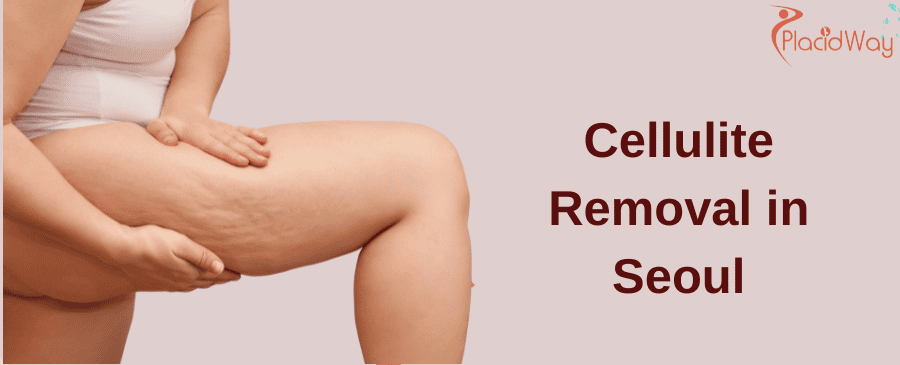
Exploring the option of cellulite removal in South Korea has become increasingly popular for individuals seeking advanced aesthetic treatments. Cellulite, the dimpled appearance of skin commonly found on the thighs, buttocks, and abdomen, affects a significant majority of adult women and many men. Because it is largely driven by anatomical structures—specifically, fibrous bands called septae pulling down on the skin—diet and exercise alone often cannot resolve it.
When considering cellulite removal cost in South Korea, prospective patients find that Seoul offers a wide spectrum of options. From advanced energy-based devices to targeted minimally invasive techniques, the city's medical landscape provides various approaches to smoothing skin texture. This guide explores the estimated expenses, available procedures, recovery expectations, and important medical considerations for international patients.
Key Takeaways
- Treatment estimates range from $500 for non-invasive sessions to $3,000 for minimally invasive techniques.
- Options include radiofrequency, acoustic wave therapy, laser treatments, and subcision.
- Multiple sessions are usually required for non-invasive methods to achieve optimal outcomes.
- Cellulite treatments aim for reduction and improvement; they do not offer a permanent, guaranteed cure.
- Patients must undergo a medical evaluation to determine if they are suitable candidates and to discuss potential risks.
What factors influence the cost of cellulite treatment in Seoul?
When evaluating pricing, it helps to understand that aesthetic medicine is highly individualized. A small localized treatment on the back of the thighs will naturally cost less than a comprehensive approach targeting the thighs, buttocks, and lower abdomen. Every clinic has its own pricing structure based on overhead, the sophistication of their equipment, and the experience of the medical staff.
Another major variable is the choice between non-invasive and minimally invasive procedures. Non-invasive treatments, such as massage-based or energy-based therapies, often appear less expensive per session. However, because they usually require a series of four to eight visits, the cumulative cost can reach that of a single, more intensive minimally invasive procedure. Additionally, visiting a specialized cellulite removal clinic in South Korea with bilingual staff and dedicated international patient services may involve slightly different fee structures compared to local-focused facilities.
| Treatment Type | Typical Sessions Needed | Estimated Cost Range (Total) |
|---|---|---|
| Acoustic Wave Therapy | 6 - 8 sessions | $500 - $1,200 |
| Radiofrequency (RF) | 4 - 6 sessions | $800 - $1,800 |
| Laser-Assisted (e.g., Cellulaze) | 1 session | $2,000 - $3,000+ |
| Subcision (e.g., Cellfina) | 1 session | $2,500 - $3,500 |
*Note: These are broad estimates. Actual prices depend on individual patient assessment and clinic pricing at the time of consultation.
Which types of cellulite reduction procedures are available?
Understanding the anatomy of cellulite is essential to understanding the treatments. Cellulite occurs when fat pushes through the connective tissue beneath the skin. Treatments generally aim to either thicken the skin, reduce the fat, or release the tight fibrous bands (septae) causing the dimples.
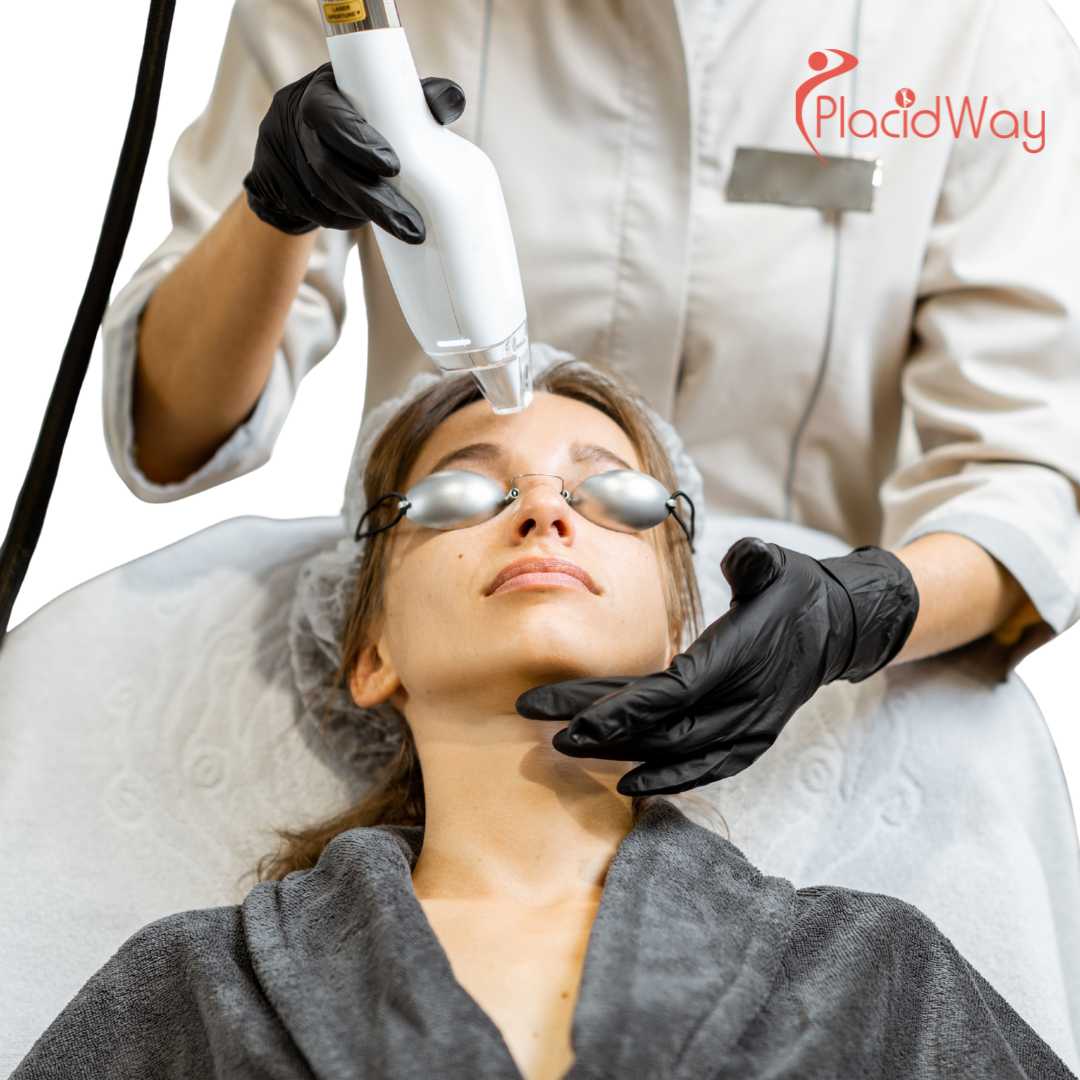
Non-invasive therapies often utilize radiofrequency or infrared light combined with tissue massage. These devices heat the dermal layers, which can stimulate collagen production, temporarily improve localized blood circulation, and tighten the skin. Acoustic wave therapy uses sound waves to disrupt fat and stimulate collagen, which may improve skin texture over time.
For more pronounced dimpling, minimally invasive techniques may be recommended by a physician. Laser-assisted treatments involve inserting a tiny laser fiber under the skin to melt fat and cut the fibrous bands. Subcision utilizes a small needle or specialized blade to physically release the tight connective bands, allowing the skin to bounce back and smooth out. Because these involve breaking the skin, they require local anesthesia and carry a different risk profile compared to topical treatments.
How does Seoul compare to other cities for body contouring?
Participating in medical tourism in South Korea provides international patients access to a highly competitive healthcare environment. The density of aesthetic clinics in areas like Gangnam drives constant innovation and high standards of patient care. Physicians frequently update their equipment and techniques to stay relevant in a demanding market.
Furthermore, the infrastructure supporting international patients is well-developed. Many facilities are experienced in managing travel schedules, providing language support, and navigating pre-consultations via telehealth. While price is a driving factor for some, many choose Seoul primarily for the combination of medical expertise, modern facilities, and rigorous safety protocols overseen by local health authorities.
Are cellulite removal results permanent?
It is crucial to manage expectations before undergoing any aesthetic procedure. Because cellulite is tied to genetics, hormones, and structural anatomy, it is a chronic condition. Treatments can significantly diminish its appearance, but they do not alter your fundamental genetic makeup or prevent the natural aging process of the skin.
Non-invasive treatments typically offer temporary improvements. Patients often see smoother skin for a period of months, after which maintenance sessions are necessary to sustain the results. Minimally invasive treatments that sever the fibrous bands—such as subcision—can yield results that last up to three years or more in suitable patients. However, new cellulite can form over time, and lifestyle factors such as weight fluctuations can impact longevity.
Who is an ideal candidate for these treatments?
Body contouring and cellulite reduction are not weight-loss solutions. They are designed for individuals who struggle with localized skin texture issues despite maintaining a relatively healthy lifestyle. During a consultation, a doctor will assess your skin elasticity and the specific type of cellulite you have to determine the most appropriate approach.
Not everyone is eligible for treatment. Contraindications may include:
- Active skin infections or severe eczema in the treatment area.
- Pregnancy or active breastfeeding.
- A history of keloid scarring or poor wound healing.
- Bleeding disorders or the use of blood-thinning medications.
- Unrealistic expectations regarding the final appearance of the skin.
What are the potential risks and side effects?
Patient safety must always be the priority when considering elective procedures. Every medical intervention carries some level of risk. Non-invasive procedures are generally well-tolerated, with side effects limited to mild redness, localized warmth, or slight swelling that usually resolves within a few hours to a day.
Minimally invasive options like laser therapy or subcision involve penetrating the skin, thereby introducing additional risks. Potential complications include hematoma (collection of blood under the skin), prolonged bruising, infection, changes in skin pigmentation, or uneven skin contours. In rare cases, fluid can accumulate, or nerve sensitivity can occur. Choosing a board-certified dermatologist or plastic surgeon is crucial for proper assessment, sterile technique, and appropriate management of any adverse events.
How many sessions are typically required to see results?
The treatment timeline depends entirely on the technology selected and your individual biological response. Radiofrequency and acoustic wave therapies work by stimulating gradual changes in the skin's collagen structure. Because the body takes time to produce new collagen and clear disrupted fat cells, results become visible slowly, often peaking a few months after the final session.
In contrast, subcision physically cuts the bands pulling on the skin. Because the mechanical release happens immediately during the procedure, patients often notice a visible improvement in dimpling as soon as the initial post-procedure swelling subsides, typically within a few weeks. Your physician will outline a realistic timeline based on your specific treatment plan.
What should international patients expect during recovery?
For individuals traveling for care, planning the recovery phase is just as important as the procedure itself. If you opt for non-invasive sessions, you can typically resume normal activities, including sightseeing around Seoul, immediately after leaving the clinic. Sun protection and adequate hydration are generally the only post-care requirements.
If you undergo a minimally invasive procedure, you should expect some soreness, swelling, and bruising for one to two weeks. Your doctor may require you to wear a specialized compression garment to support the healing tissues and reduce swelling. Travel considerations are also vital. Flying shortly after an invasive body contouring procedure can increase the risk of swelling and, in rare instances, deep vein thrombosis (DVT). Always secure your physician's clearance before booking your return flight, and discuss how to handle any potential follow-up needs once you return home.
How to prepare for your body contouring trip to Seoul?
Traveling abroad for medical care requires diligent planning. Begin by seeking out reputable clinics that specialize in dermatology and plastic surgery. It is highly recommended to schedule virtual consultations prior to your trip. This allows you to discuss your medical history, share photographs of the target areas, and receive customized preliminary recommendations and cost estimates.
You must also factor in the logistics of the trip. The total cost of your journey includes not just the medical fees, but also airfare, accommodation, local transportation, and potential translation services if not provided by the facility. Furthermore, ensure you have a solid plan for aftercare. Ask your prospective physician what steps you should take if you experience delayed complications after you have returned to your home country.
Why Choose PlacidWay for Medical Tourism in Seoul?
Navigating the global healthcare landscape can be challenging. PlacidWay acts as a medical tourism facilitator, helping international patients connect with healthcare providers around the world, including in South Korea. Here are five factual ways PlacidWay assists patients:
- Information Aggregation: Provides a centralized platform to research various procedures, including body contouring options.
- Clinic Comparisons: Allows users to review and compare profiles of different medical facilities and their stated capabilities.
- Direct Communication: Facilitates initial contact between the patient and the international departments of healthcare providers.
- Multilingual Support: Offers platform resources in multiple languages to assist diverse global patient populations.
- Educational Resources: Publishes articles, price estimates, and guides to help patients make informed decisions about seeking care abroad.
Frequently Asked Questions
Is cellulite removal in South Korea painful?
Pain levels vary depending on the treatment type. Non-invasive procedures like radiofrequency or acoustic wave therapy usually feel like a warm massage or strong vibration and are generally well-tolerated. Minimally invasive treatments, such as subcision, involve local anesthesia to manage discomfort, though patients may feel some soreness and tenderness during the recovery phase.
Can I combine cellulite treatment with other aesthetic procedures in Seoul?
Many patients choose to combine body contouring treatments with other non-surgical procedures during their visit. However, this depends on your medical history, the specific treatments requested, and the physician's safety assessment. Always discuss combination treatments during your initial consultation to ensure they are safe to perform concurrently.
How long should I plan to stay in Seoul for my treatment?
Your length of stay depends on the chosen procedure and the number of sessions required. For a single minimally invasive treatment, a stay of 5 to 7 days is often recommended to allow for initial healing and follow-up. For non-invasive treatments requiring multiple sessions, patients may either plan an extended stay or schedule multiple shorter trips.
Are the medical devices used in Seoul safe and regulated?
Reputable clinics in Seoul utilize medical devices that are regulated by the South Korean Ministry of Food and Drug Safety (MFDS). Many of these technologies also carry approvals from international bodies, such as the US FDA or European CE marks. You should always ask your provider about the specific technology they use and its regulatory status.
Will health insurance cover the cost of body contouring?
No. Cellulite reduction is universally classified as an elective, cosmetic procedure. Therefore, standard health insurance policies, both domestic and international, do not cover the costs associated with these treatments or the related travel expenses.
What happens if I experience a complication after returning home?
Before leaving Seoul, you should establish a clear communication plan with your treating physician for remote follow-up. However, if an acute complication arises, such as infection or severe pain, you must seek immediate care from a local healthcare provider in your home country. Bring all your medical records and procedure details with you when traveling.
Do clinics in Seoul provide translators for international patients?
Many facilities that cater to international patients employ in-house coordinators and medical translators who speak English, Chinese, Japanese, and other languages. Clear communication is critical for medical consent and understanding post-operative care, so it is important to confirm language support before booking your appointment.
How soon after treatment can I resume exercising?
Following non-invasive treatments, most patients can return to normal exercise within a day or two. For minimally invasive procedures, your doctor will likely advise avoiding strenuous activity, heavy lifting, or vigorous cardio for at least one to two weeks to minimize the risk of prolonged swelling or bleeding.
Does weight loss eliminate the need for cellulite treatments?
While maintaining a healthy weight can reduce the appearance of cellulite, weight loss alone rarely eliminates it entirely. Cellulite is primarily caused by fibrous connective tissue bands beneath the skin pulling downward, which creates a dimpled texture regardless of your overall body fat percentage.
Are there age restrictions for aesthetic procedures in Korea?
Aesthetic treatments are generally reserved for adults aged 18 and older. Additionally, older patients may need a more thorough medical evaluation to ensure they do not have underlying health conditions that could interfere with healing or increase the risks associated with the procedure.
Explore Your Body Contouring Options
Connect with clinics in South Korea to request cost estimates, learn about available treatments, and review facility credentials.
Request Treatment InformationReferences
- Cellulite treatments: What really works? – American Academy of Dermatology (AAD)
- Cellulite Treatment Options – American Society of Plastic Surgeons (ASPS)
- Aesthetic and Cosmetic Devices – U.S. Food and Drug Administration (FDA)
- Medical Tourism Safety Guidelines – Centers for Disease Control and Prevention (CDC)
- Cellulite: Symptoms and Causes – Mayo Clinic
- Cellulite Overview and Pathology – DermNet

















Share this listing