



The global aesthetic landscape is evolving rapidly, and PRP therapy in Tokyo has emerged as a leading choice for patients seeking advanced regenerative skincare. Platelet-Rich Plasma (PRP) treatments utilize the body’s own natural healing mechanisms to stimulate collagen production and revitalize aging tissues. Over the past decade, Japanese medical institutions have refined this procedure, integrating rigorous clinical protocols and cutting-edge biotechnology to elevate the standard of care.
For international patients, particularly those traveling from Southeast Asia, Tokyo represents the intersection of luxury, precision, and medical innovation. The city’s clinics are renowned for their meticulous attention to detail and highly personalized approaches to aesthetic medicine. This dedication to excellence ensures that patients receive therapies tailored to their unique dermatological profiles, promoting safer and more effective outcomes.
Japan has one of the strictest medical regulatory environments in the world, meaning regenerative treatments like PRP are subjected to rigorous oversight, ensuring high standards of safety for international patients.
- Technological superiority: Japanese clinics utilize state-of-the-art centrifuge technology to yield a highly concentrated plasma formula.
- Holistic aesthetic philosophy: The Japanese approach favors subtle, natural-looking enhancements over dramatic, artificial alterations.
- Strict sterilization protocols: Medical facilities adhere to world-class hygiene standards, significantly reducing the risk of post-treatment infections.
Why Malaysians Choose Medical Tourism in Japan
In recent years, the trend of medical tourism in Japan has gained massive traction among Malaysians looking for premium aesthetic solutions. While Malaysia offers numerous local dermatology clinics, many discerning patients seek the unparalleled expertise and specialized regenerative techniques found in Tokyo. The geographical proximity, combined with the availability of direct flights from Kuala Lumpur, makes Japan an incredibly accessible destination for a medical holiday.
Furthermore, Malaysians are drawn to the cultural synergy and exceptional hospitality—known as Omotenashi—that characterizes the Japanese healthcare experience. Patients are treated with profound respect and care, ensuring a stress-free environment conducive to recovery. The ability to combine a world-class skin treatment with a culturally enriching vacation provides an attractive proposition for those investing in their long-term wellness.
According to regional medical tourism reports, the number of inbound patients traveling to Japan for regenerative therapies and aesthetic procedures has increased by over 25% annually over the last five years.
- Visa-free entry for Malaysian passport holders simplifies travel logistics.
- Access to proprietary skin rejuvenation techniques not widely available in Southeast Asia.
- A deeply ingrained culture of patient privacy and discretion.
How Platelet-Rich Plasma Rejuvenates the Skin
At the core of this innovative treatment is a deep understanding of cellular biology and tissue regeneration. Skin rejuvenation treatment via PRP begins with extracting a small volume of the patient’s own blood, which is then processed in a specialized centrifuge. This spinning process isolates the platelets and growth factors from the red blood cells, creating a potent, golden serum that is biologically tailored to the patient.
When this concentrated plasma is reintroduced into targeted areas of the face or scalp, it acts as a catalyst for cellular renewal. The growth factors signal the body to stimulate fibroblasts, which are the cells responsible for producing collagen and elastin. Over time, patients typically notice an improvement in skin texture, a reduction in fine lines, and a healthy, youthful radiance.
Hydration is crucial for a successful blood draw. Drink plenty of water the day before and the morning of your treatment to ensure your blood flows easily and yields a high-quality plasma concentration.
- Step 1: Consultation: A thorough dermatological assessment to map out target areas.
- Step 2: Blood Extraction: A standard, quick blood draw similar to a routine health check.
- Step 3: Centrifugation: Processing the blood to separate and concentrate the platelet-rich plasma.
- Step 4: Application: Injecting or microneedling the plasma back into the dermis.
Affordable PRP Therapy Cost in Tokyo Versus Malaysia
When evaluating the PRP therapy cost in Tokyo, it is essential to look beyond the initial price tag and consider the overall value, safety protocols, and expertise provided. While local treatments in Malaysia might appear more economical at first glance, Tokyo clinics offer premium, high-concentration PRP systems often combined with advanced regenerative mediums. This means patients generally achieve their desired aesthetic goals with fewer sessions and experience higher safety standards.
Malaysian medical tourists often find that the investment in Japanese healthcare yields long-lasting satisfaction. By prioritizing quality, patients minimize the risk of complications and maximize the efficacy of the growth factors. Below is a realistic market range comparison demonstrating the cost differences based on the area of treatment.
| Procedure Name | Average Cost in Tokyo (USD) | Average Cost in Malaysia (USD) |
|---|---|---|
| PRP Facial Rejuvenation (Full Face) | $800 - $1,200 | $350 - $600 |
| PRP Face and Neck Treatment | $1,100 - $1,600 | $500 - $850 |
| PRP for Hair Loss (Scalp) | $900 - $1,400 | $400 - $700 |
The cost of PRP therapy can vary depending on the type of preparation kit used. Premium Japanese clinics often utilize closed-system kits that prevent airborne contamination and yield up to 5x higher platelet concentrations.
Top PRP Therapy Clinics in Tokyo Setting Global Standards
Tokyo is home to some of the most prestigious aesthetic and regenerative medical centers in the world. These facilities are distinguished not only by their technological advancements but also by their elite board-certified dermatologists and regenerative medicine specialists. For international patients, choosing a facility that is accredited and experienced in managing medical tourists is paramount for a seamless healthcare journey.
One highly regarded facility contributing to this global reputation is HELENE - Stem Cell Clinic in Tokyo, Japan. Known for their sophisticated approach to biological anti-aging, they represent the pinnacle of Japanese medical innovation. Patients exploring stem cell and PRP treatments in Tokyo consistently seek out these top-tier institutions to ensure they receive the highest caliber of medical precision and personalized care.
- Extensive pre-treatment consultations utilizing 3D skin analysis technology.
- Integration of dedicated patient concierges to assist with language translation.
- Use of FDA-approved and Japanese Ministry of Health-compliant processing systems.
The Patient Experience During PRP Treatment in Japan
Undergoing a medical procedure in a foreign country can be daunting, but Japanese clinics excel at transforming this process into an experience of comfort and luxury. From the moment you step into the reception area, the atmosphere is typically serene, private, and designed to alleviate any pre-procedure anxiety. Medical tourism in Japan places an immense focus on the psychological well-being of the patient alongside clinical excellence.
During the procedure, medical professionals prioritize your comfort. A topical anesthetic is generally applied to ensure the injections are as painless as possible. The attending physician will carefully explain each step, ensuring you are fully informed and relaxed while the nutrient-rich plasma is meticulously administered to target your specific skin concerns.
Many high-end clinics in Tokyo offer private recovery suites where patients can relax with complimentary herbal teas and soothing facial cooling masks immediately following their PRP session.
- Detailed briefing on the concentration levels of your harvested plasma.
- Use of micro-needles or advanced injection pens to minimize tissue trauma.
- Immediate post-care application of specialized calming serums.
Expected Recovery Timeline After Skin Rejuvenation
One of the primary reasons patients prefer PRP over more invasive surgical procedures is the relatively short and manageable downtime. Following your skin rejuvenation treatment, you can generally expect to resume most normal activities within a few days. The natural origins of the treatment mean that your body readily accepts the plasma, facilitating an efficient healing process.
However, it is crucial to follow the post-treatment guidelines provided by your Tokyo clinic. Proper aftercare significantly influences the final aesthetic result and helps to mitigate temporary side effects. Most patients experience a predictable healing trajectory that allows them to enjoy the rest of their stay in Japan with minimal interruption.
- Day 1: Mild redness and localized swelling, similar to a light sunburn, are typically experienced.
- Day 2-3: Any swelling usually subsides; minor bruising at injection sites may become visible but can be easily concealed.
- Day 4-7: The skin begins to heal entirely, and initial improvements in hydration and texture may emerge.
- Weeks 4-6: Collagen synthesis ramps up, and patients generally notice firmer, brighter, and more youthful skin.
Potential Risks and Important Contraindications
While PRP therapy is autologous—meaning it uses your own bodily materials—no medical procedure is entirely devoid of risk. Most patients experience a very high safety profile, but it is vital to approach the treatment with realistic expectations and a thorough understanding of potential complications. Transparency regarding your medical history is non-negotiable for ensuring your safety.
Physicians in Tokyo will conduct a comprehensive health screening to rule out any underlying conditions that could interfere with the treatment's efficacy or your body’s healing response. Individuals with specific systemic issues or blood-related conditions are typically advised against undergoing this particular skin rejuvenation treatment.
PRP therapy is generally contraindicated for individuals suffering from platelet dysfunction syndromes, critical thrombocytopenia, active systemic infections, or those currently undergoing chemotherapy. Always disclose your full medical history to your provider.
- Potential for localized infection if post-care hygiene is not strictly maintained.
- Possibility of mild, temporary nerve irritation near the injection sites.
- Risk of minimal scarring if the patient is prone to keloid formation.
Combining PRP Therapy with Other Aesthetic Treatments
To maximize the transformative potential of your visit to Tokyo, dermatologists often recommend synergistic treatment plans. Combining PRP with other advanced non-surgical procedures can significantly enhance collagen production and deliver a more comprehensive facial rejuvenation. This multi-modality approach addresses various skin concerns simultaneously, from deep wrinkles to surface pigmentation.
By leveraging the healing properties of PRP, patients generally experience accelerated recovery times when paired with treatments that purposefully create micro-injuries in the skin. The growth factors in the plasma flood the treated area, promoting rapid cellular repair and enhancing the overall skin rejuvenation treatment outcomes.
The popular "Vampire Facial" is actually a combination of standard microneedling and topical PRP application. The micro-channels created allow the plasma to penetrate deeply into the dermal layers.
- Fractional Laser Therapy: When followed by PRP, it can dramatically improve acne scars and severe hyperpigmentation.
- Hyaluronic Acid Fillers: Combining PRP with fillers helps restore lost facial volume while simultaneously improving skin texture.
- Stem Cell Therapy: Often used together in advanced clinics to trigger powerful, long-term cellular regeneration.
Preparing for Your Medical Journey to Tokyo
Careful preparation is the key to a stress-free and successful medical tourism experience. Malaysians traveling for PRP therapy in Tokyo should begin planning several weeks in advance to ensure all medical, travel, and personal logistics are seamlessly arranged. Being well-prepared allows you to focus entirely on your treatment and recovery.
Communication with your chosen clinic prior to arrival is essential. You will likely be asked to complete virtual assessments and provide medical records. Understanding the pre-treatment protocols, such as dietary restrictions and medication management, is vital to guaranteeing that your blood sample yields the healthiest possible plasma.
Avoid excessive sun exposure and strictly use a high-SPF sunscreen for at least two weeks prior to your appointment to prevent skin inflammation, which can affect treatment application.
- Cease the intake of blood-thinning supplements like Vitamin E and Fish Oil a week before the procedure.
- Compile a detailed list of your current skincare regimen to share with your Tokyo dermatologist.
- Ensure your passport has at least six months of validity from your planned date of entry into Japan.
Cultural and Medical Advantages of Japanese Healthcare
The appeal of medical tourism in Japan extends far beyond the clinical procedures themselves. The Japanese healthcare system is globally respected for its philosophy of precision, uncompromising safety standards, and deep-seated ethical practices. Medical professionals in Tokyo undergo rigorous training and adhere to stringent continuing education requirements, ensuring they remain at the forefront of global dermatology.
Furthermore, the cultural concept of respect and attentiveness permeates the clinical environment. Patients are not treated as mere numbers on a schedule; instead, they receive dedicated time, empathetic listening, and comprehensive post-procedure follow-ups. This holistic, patient-first methodology creates an environment of profound trust.
Japan frequently ranks among the top countries globally in healthcare system efficiency and life expectancy, reflecting the nation's profound commitment to high-quality medical sciences and preventive care.
- Clinics utilize meticulously sanitized environments that often surpass international ISO standards.
- Transparent pricing models with comprehensive explanations of all medical fees prior to treatment.
- Emphasis on non-invasive and minimally invasive techniques designed to preserve natural beauty.
Real Stories of Skin Transformation in Tokyo
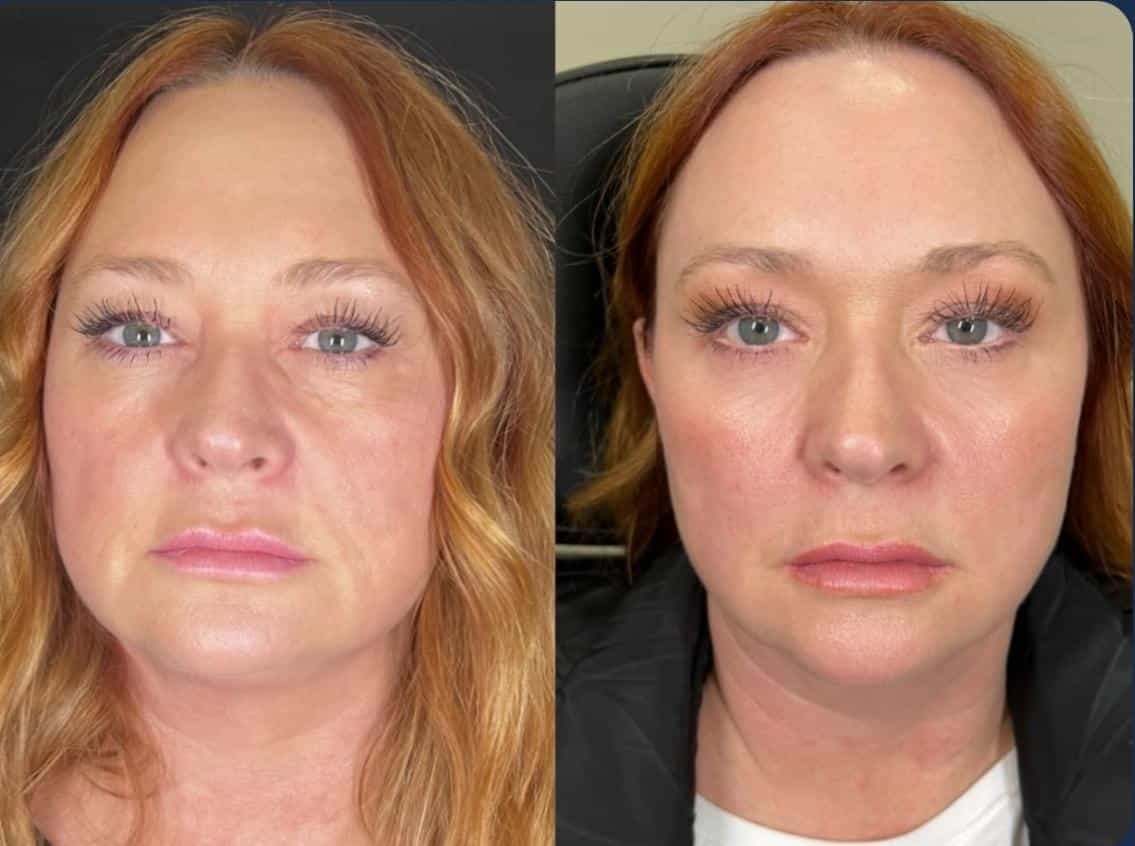
Hearing directly from individuals who have undertaken this journey provides valuable insight into what to expect. Many Southeast Asian patients travel to Japan dealing with sun damage, premature aging, or adult acne scarring, and return with renewed confidence. The success of PRP therapy in Tokyo is best illustrated through the experiences of those who have witnessed the results firsthand.
Below are summaries of experiences from international patients who sought advanced regenerative skincare treatments in Japan. While individual results vary, these accounts reflect the high standard of care and typical outcomes associated with reputable Tokyo clinics.
Amina, 42, Kuala Lumpur
Amina traveled to Tokyo seeking a solution for deep under-eye hollows and dull skin. She noted that the clinic's meticulous approach made her feel completely safe. Three months post-treatment, she reported that her skin generally felt significantly firmer, and her colleagues frequently commented on her rested appearance.
Jason, 38, Penang
Struggling with early signs of androgenetic alopecia, Jason opted for scalp PRP therapy while on a business trip in Japan. He was impressed by the advanced centrifugation technology utilized. Over the next six months, he typically noticed a reduction in hair shedding and improved scalp health.
Sarah, 50, Johor Bahru
Sarah combined her PRP therapy with fractional laser treatment to address severe hyperpigmentation caused by years of sun exposure. She expressed that the English-speaking concierge team removed all language barriers. Her recovery was smooth, and her skin tone typically appeared much more even after the healing process.
Michelle, 35, Selangor
Looking for a preventative anti-aging measure, Michelle chose a facial PRP session. She appreciated the subtle, natural enhancement philosophy of her Japanese dermatologist. She reported that her skin generally maintained a healthy, hydrated glow long after returning to Malaysia's humid climate.
How PlacidWay Assists Your PRP Therapy Journey in Tokyo
Navigating the logistics of international healthcare can be complex, but partnering with an experienced medical tourism facilitator ensures a streamlined process. PlacidWay connects patients from Malaysia and around the world with certified, top-tier medical facilities tailored to their aesthetic goals. Our priority is facilitating access to high-quality care with complete transparency and dedicated support.
We understand that choosing the right provider for your skin rejuvenation treatment is a significant decision. Through our comprehensive network, we provide the resources necessary to make an informed, confident choice regarding your healthcare journey abroad.
- Access to a rigorously vetted network of globally accredited clinics in Tokyo.
- Facilitation of direct, transparent communication between you and top medical specialists.
- Assistance in obtaining personalized, comprehensive treatment plans and cost estimates.
- Guidance on understanding complex medical protocols and pre-treatment requirements.
- Support in navigating international patient coordination services provided by the clinics.
Frequently Asked Questions About PRP Therapy in Japan
When considering crossing borders for a medical procedure, having clear, accurate information is essential for peace of mind. Patients frequently have questions regarding the nuances of receiving treatment in a foreign clinical setting. To help you prepare, we have compiled the most common inquiries related to PRP therapy in Tokyo.
These answers aim to clarify the clinical process, recovery expectations, and travel logistics. Always ensure you discuss your specific circumstances directly with your chosen healthcare provider during your initial consultation.
Is PRP therapy safe for all skin types?
Yes, PRP therapy is generally safe for all skin types because it utilizes your body’s own platelets, significantly reducing the risk of allergic reactions. However, an initial consultation is required to evaluate your specific dermatological needs.
How long does a PRP session take in Japan?
A typical session usually lasts between 60 to 90 minutes, including the blood draw, processing time, and the actual application. Patients can generally return to their daily routines shortly after the procedure.
Do I need a visa to travel from Malaysia to Japan for medical treatment?
Malaysian passport holders currently enjoy visa-free entry to Japan for short-term visits up to 90 days. This makes planning a medical tourism trip for non-invasive treatments highly convenient.
When will I start seeing results from my PRP treatment?
Most patients experience initial improvements in skin texture and tone within three to four weeks post-treatment. Full collagen regeneration continues to develop over several months, gradually enhancing the overall result.
Is the PRP injection painful?
Practitioners typically apply a topical numbing cream before the procedure to minimize discomfort. Patients generally report feeling only mild pressure or tiny pinpricks during the injection phase.
How many PRP sessions will I typically need?
Depending on your skin goals, specialists usually recommend an initial series of three sessions spaced four to six weeks apart. Maintenance treatments are generally suggested once or twice a year.
Can I combine PRP with other skin rejuvenation treatments?
Absolutely. PRP is frequently paired with microneedling, laser therapies, or stem cell treatments to potentially enhance overall outcomes. Your doctor will create a personalized protocol based on safety and efficacy.
Are there any side effects after PRP therapy?
Common side effects typically include mild redness, minor swelling, or slight bruising at the injection sites. These issues generally resolve on their own within two to five days following the procedure.
What should I avoid before my PRP appointment?
Patients are generally advised to stop taking blood-thinning medications, NSAIDs, and certain supplements for at least a week before the procedure to minimize bruising. Always disclose your full medical history during consultation.
How do I communicate with medical staff in Tokyo if I don't speak Japanese?
Leading international clinics in Tokyo employ English-speaking staff and often provide dedicated medical interpreters. This ensures clear communication regarding your treatment plan, consent, and post-care instructions.
Ready to explore world-class PRP therapy in Tokyo? Let PlacidWay guide you to the right specialists for your skin rejuvenation goals.
Medical Disclaimer: This article is for informational purposes only and is not medical advice. Always consult a qualified healthcare provider before any medical decisions. Results may vary. Read Full Disclaimer here.
References
- Mayo Clinic. Platelet-rich plasma (PRP). https://mcpress.mayoclinic.org/healthy-aging/platelet-rich-plasma/
- National Center for Biotechnology Information (NCBI). Platelet-Rich Plasma in Dermatology and Aesthetics. https://pmc.ncbi.nlm.nih.gov/articles/PMC11391108/
- Healthline. PRP for Hair Loss: Efficacy, Safety, and Cost. https://www.healthline.com/health/prp-for-hair-loss
- WebMD. What to Know About Platelet-Rich Plasma (PRP) Treatments. https://www.webmd.com/fitness-exercise/platelet-rich-plasma-injections
.png)



.png)










Share this listing