
Look Younger: Your Guide to Anti-Aging in Seoul

If you are researching ways to address fine lines, volume loss, or skin laxity, you may have encountered information about anti-aging treatments in Seoul, South Korea. Known globally for its integration of modern dermatology and plastic surgery, the city attracts many individuals seeking aesthetic care. Whether you are interested in minimally invasive options like neurotoxins and dermal fillers or more comprehensive surgical interventions, understanding the medical landscape, potential risks, and logistical requirements is essential before making any decisions.
Key Takeaways
- Seoul offers a wide spectrum of anti-aging options, from energy-based devices and injectables to complex surgical facelifts.
- Estimated costs vary significantly depending on the clinic, the expertise of the provider, and the specific materials or devices used.
- Recovery times can range from zero downtime for light skin treatments to several weeks of restricted activity for surgical procedures.
- Results are not permanent; aging is an ongoing process, and maintenance treatments are typically required to sustain non-surgical outcomes.
- Traveling for aesthetic medicine requires careful planning, including arranging local translation services, scheduling adequate recovery time before flying, and organizing post-care at home.
What are the most common non-surgical anti-aging treatments in South Korea?
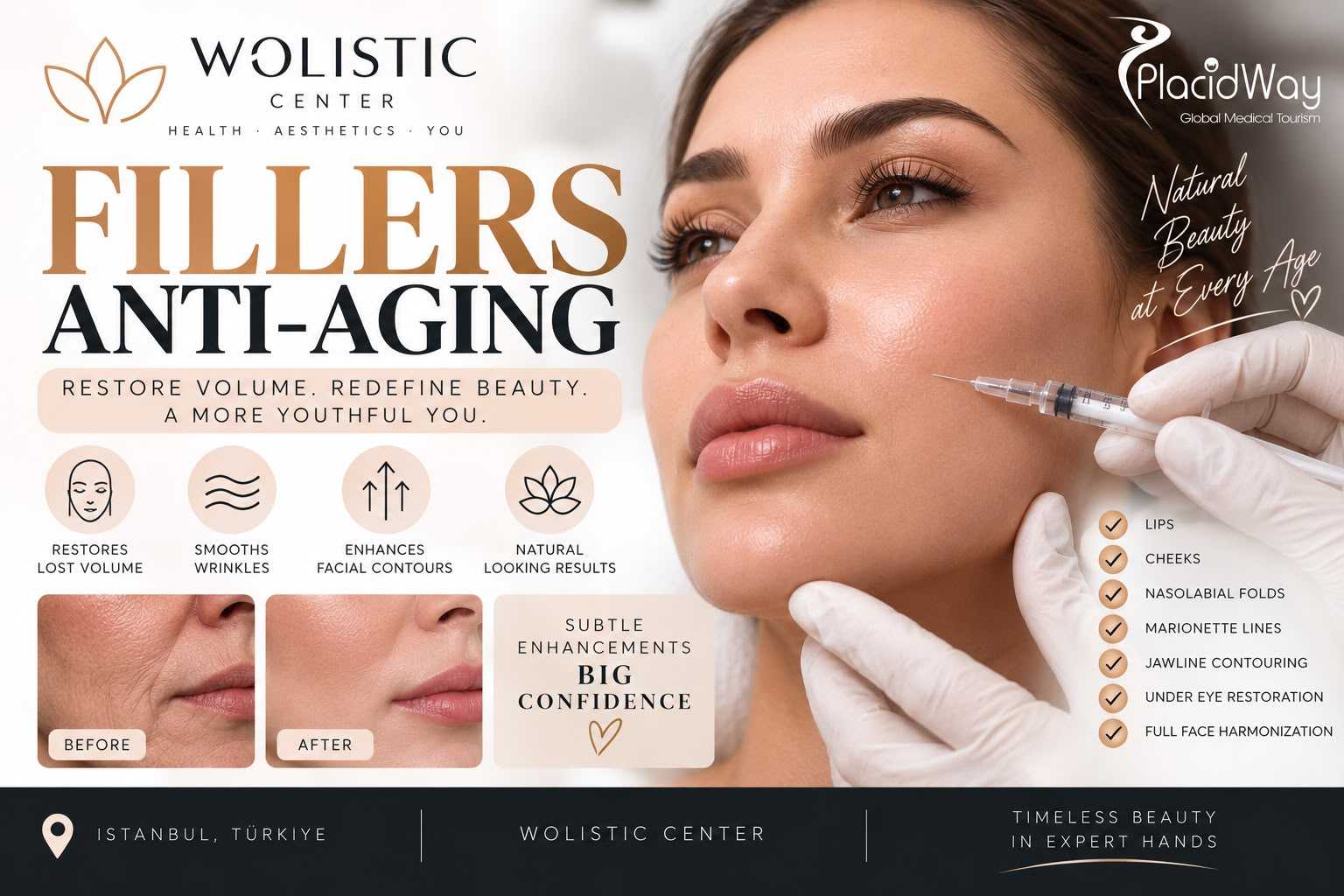
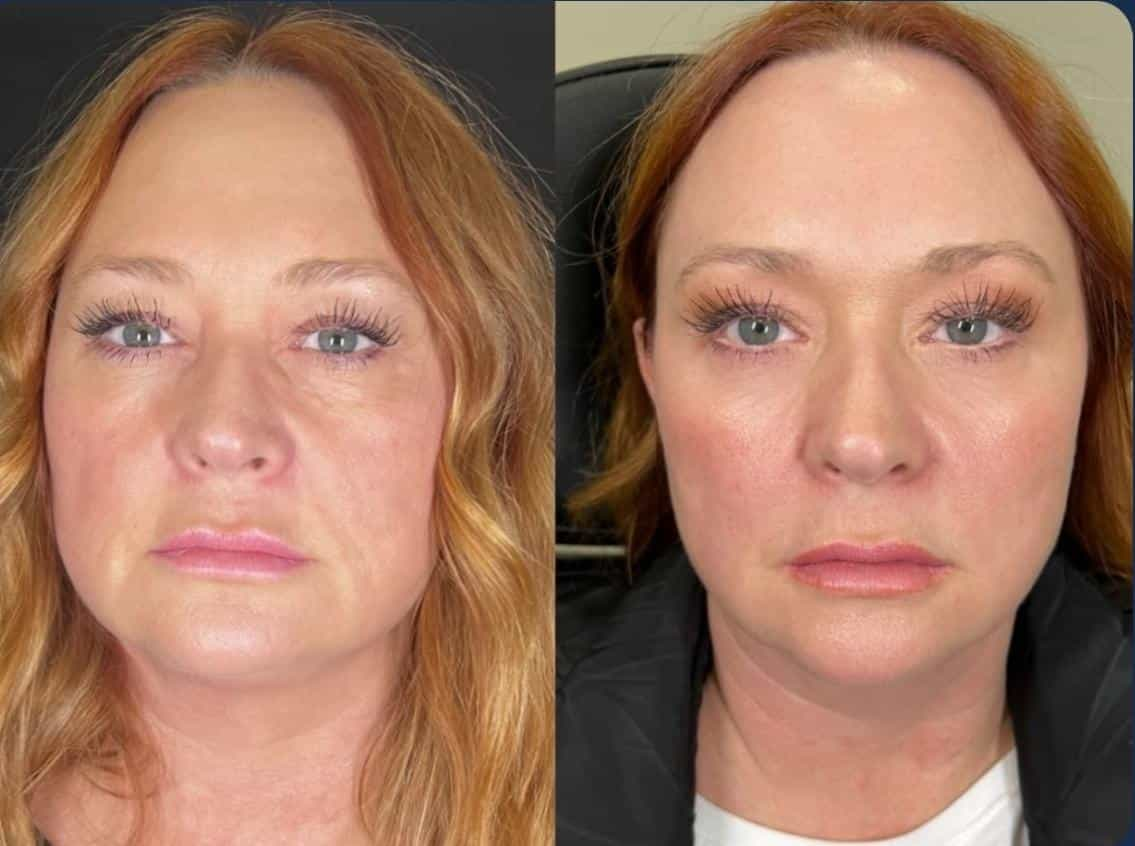
Non-surgical interventions are popular because they typically involve less downtime and carry fewer severe risks than surgery, though they are not without potential complications. Neurotoxins (such as botulinum toxin) are frequently used to temporarily relax facial muscles, which can soften the appearance of dynamic wrinkles on the forehead and around the eyes. Dermal fillers, often made of hyaluronic acid, are utilized to restore lost volume in areas like the cheeks, nasolabial folds, and lips.
In addition to injectables, energy-based devices play a significant role in Korean dermatology. High-Intensity Focused Ultrasound (HIFU) and Radiofrequency (RF) microneedling are commonly employed to heat the deeper layers of the skin. This thermal energy may stimulate collagen production over time, which can help improve skin firmness. Another category highly prevalent in Seoul is "skin boosters"—micro-injections of polynucleotides, hyaluronic acid, or amino acids directly into the skin to improve overall hydration and texture.
What surgical anti-aging procedures are popular in Seoul?
For individuals with significant skin sagging or deep facial folds that cannot be adequately addressed by injectables or lasers, surgical options are often discussed. A rhytidectomy, or facelift, involves repositioning underlying facial tissues (such as the SMAS layer), removing excess skin, and re-draping the remaining skin to create a smoother contour. Surgeons in Seoul perform various types of facelifts, ranging from mini-lifts targeting the lower face to full comprehensive facelifts and neck lifts.
Blepharoplasty is another highly requested procedure. Upper eyelid surgery can remove heavy, drooping skin that can obscure vision or create a tired appearance, while lower blepharoplasty addresses under-eye bags by repositioning or removing excess fat and skin. Additionally, fat grafting (transferring a patient's own fat from areas like the abdomen or thighs to the face) is frequently used to naturally restore facial volume that depletes with age.
How much does an anti-aging treatment cost in South Korea?
Pricing is highly dependent on the complexity of the procedure, the materials used (e.g., imported vs. domestic filler brands), and the reputation of the specific anti-aging clinic in South Korea. It is essential to request a detailed, itemized estimate during your consultation, as initial quotes may not always include anesthesia, facility fees, or post-operative garments.
| Procedure Type | Estimated Cost Range (USD) |
|---|---|
| Neurotoxin Injections (per area) | $100 - $400 |
| Dermal Fillers (per syringe) | $300 - $800 |
| Energy-Based Lifting (e.g., HIFU) | $500 - $1,500 |
| Upper or Lower Blepharoplasty | $1,500 - $3,500 |
| Full Facelift (SMAS) | $7,000 - $15,000+ |
*Disclaimer: These are rough estimates for educational purposes only. Actual costs vary by patient anatomy, clinic, and surgeon. Consult directly with medical providers for accurate pricing.
Am I a suitable candidate for anti-aging treatments?
Suitability can only be determined by a qualified healthcare professional after reviewing your medical history, current medications, and aesthetic goals. If you have active skin infections, certain autoimmune diseases, or bleeding disorders, some treatments may be contraindicated. Women who are pregnant or nursing are typically advised to postpone elective aesthetic procedures.
For surgical procedures, your overall cardiovascular health, smoking status, and ability to undergo general anesthesia or heavy sedation will be evaluated. Smokers are often required to quit nicotine products several weeks before and after surgery, as nicotine constricts blood vessels, significantly increasing the risk of poor wound healing and tissue necrosis.
What should I expect during recovery from anti-aging procedures?
If you opt for injectables or non-ablative lasers, you might experience mild swelling, bruising, or redness that typically resolves within a few days to a week. Most patients can resume normal daily activities almost immediately, though doctors often advise against strenuous exercise, excessive heat exposure (like saunas), and alcohol consumption for 24 to 48 hours.
Surgical recovery is much more intensive. A facelift usually involves significant swelling, bruising, and a feeling of tightness that peaks around the third or fourth day post-operation. Patients normally need one to two weeks off work and must avoid vigorous physical activity for at least four to six weeks. Follow-up appointments are necessary to remove sutures and monitor the healing process to help prevent complications like infection or hematoma.
How long do the results of anti-aging treatments typically last?
- Neurotoxins: Typically wear off after 3 to 6 months as muscle action gradually returns.
- Dermal Fillers: Depending on the type of filler and the area injected, results often last between 6 and 18 months before the body safely absorbs the material.
- Energy-based devices: Collagen remodeling takes time; initial improvements may be seen in a few months, with results lasting 1 to 2 years depending on your skin's natural aging rate.
- Surgical Facelifts: While surgery can effectively "turn back the clock" by 7 to 10 years, your face will continue to age from its new starting point. Sun protection and a healthy lifestyle can help prolong the outcome.
What are the potential risks and complications of these procedures?
It is vital not to minimize the risks associated with cosmetic treatments. Non-surgical options like dermal fillers carry a rare but severe risk of vascular occlusion, where filler is accidentally injected into a blood vessel. This can lead to tissue necrosis (skin death) or, in extremely rare cases, blindness if it occurs near the eyes. Choosing a provider with an intimate knowledge of facial anatomy is critical to mitigating this risk.
Surgical risks include adverse reactions to general anesthesia, deep vein thrombosis (DVT), excessive bleeding (hematoma), poor wound healing, and noticeable scarring. Facial nerve injury, which can cause temporary or permanent muscle weakness or facial asymmetry, is a specific risk associated with facelifts. A thorough consultation should involve an open discussion about how your surgeon works to minimize these risks and how they manage complications if they arise.
How do I choose a qualified anti-aging clinic in South Korea?
Because the aesthetic market is highly competitive, thorough research is essential. Verify that the physician performing the procedure is board-certified in an appropriate specialty, such as plastic surgery or dermatology. Many reputable clinics will clearly display their doctors' credentials, education, and professional affiliations on their websites.
Clear communication is equally important. Ensure the clinic has qualified translators if you do not speak Korean, so you fully understand the proposed treatment plan, the expected recovery, and the medical consent forms. Be cautious of clinics that pressure you into booking multiple procedures on the spot or that guarantee flawless, permanent results.
What is it like to combine medical tourism in South Korea with anti-aging care?
Traveling abroad for healthcare introduces unique logistical and physical challenges. First, you must plan your itinerary to accommodate medical appointments, the procedure itself, and a sufficient recovery period before you are medically cleared to fly. Flying too soon after surgery can increase swelling and the risk of blood clots due to changes in cabin pressure and prolonged sitting.
Additionally, you must plan for what happens when you return home. Should you develop a delayed complication, such as a late-onset infection or prolonged swelling, you need a local healthcare provider willing to assess and treat you. Before leaving South Korea, obtain all your medical records, surgical notes, and details of any implants or products used, as this information is vital for any future medical care you receive in your home country.
Why Choose PlacidWay for Medical Tourism Research?
Navigating international healthcare options can be complex. PlacidWay is a medical tourism platform designed to help patients gather information about global healthcare providers.
- Connects patients with healthcare facilities and clinics worldwide.
- Provides access to clinic profiles, allowing patients to review doctor credentials independently.
- Facilitates initial communication between international patients and medical providers.
- Offers resources and platforms to compare estimated medical costs across different countries.
- Allows users to explore a wide variety of medical and aesthetic treatment options in one centralized location.
Frequently Asked Questions (FAQs)
Is it safe to get anti-aging treatments in Seoul?
Safety largely depends on your overall health, the specific procedure, and the qualifications of the medical provider. While Seoul has many modern, regulated facilities, all medical procedures carry inherent risks that should be discussed with a board-certified professional.
Do doctors in South Korea speak English?
Many doctors who frequently treat international patients speak English, and large clinics often employ in-house translators. However, proficiency varies, so it is important to confirm communication options before booking a consultation.
Can I fly immediately after an anti-aging procedure?
It depends on the treatment. Mild injectables may only require a day or two of observation, while surgical procedures like facelifts require patients to wait several weeks before flying due to the risks of swelling, pressure changes, and deep vein thrombosis (DVT).
What is a 'skin booster' in Korean dermatology?
A skin booster typically refers to micro-injections of hydrating or stimulating substances, such as hyaluronic acid or polynucleotides, delivered into the dermis to help improve skin texture, hydration, and elasticity over time.
Are Korean anti-aging treatments different from those in the US or Europe?
The core medical technologies (like lasers, neurotoxins, and fillers) are largely the same. However, Korean clinics may utilize different locally manufactured brands and often emphasize combination therapies tailored to specific aesthetic preferences.
How do I handle complications if I return home?
Before traveling, you should identify a local healthcare provider willing to assist with follow-up care. You should also request copies of all medical records, treatment notes, and device/implant details from your Korean clinic to share with your local doctor.
Are consultations free at anti-aging clinics in Seoul?
Policies vary by clinic. Some offer complimentary initial discussions, often with a patient coordinator, while comprehensive medical evaluations with a board-certified physician typically require a consultation fee.
What is the minimum age for anti-aging treatments?
There is no universal minimum age, though procedures are generally reserved for legal adults. Medical suitability depends on individual skin condition, signs of aging, and psychological readiness, which a doctor must assess.
Will I need to stay in the hospital overnight?
Non-surgical treatments are almost always performed on an outpatient basis. More extensive surgeries, such as a comprehensive facelift, may require a one or two-night stay in the clinic for monitoring, depending on the surgeon's protocol.
Can I undergo multiple treatments at once?
Combining treatments is common but increases the complexity, recovery time, and potential risks. A medical professional must evaluate your health and aesthetic goals to determine if multiple procedures can be performed safely in one session.
Compare Treatment Options
Gather more information about clinic facilities, doctor credentials, and estimated costs to make an informed decision regarding your care.
Request Treatment InformationReferences
- Facelift Safety and Risks – American Society of Plastic Surgeons (ASPS)
- Botulinum Toxin Overview – American Academy of Dermatology (AAD)
- Dermal Fillers Approved by the Center for Devices and Radiological Health – U.S. Food and Drug Administration (FDA)
- Medical Tourism Guidelines – Centers for Disease Control and Prevention (CDC)
- Facelift Information – International Society of Aesthetic Plastic Surgery (ISAPS)
- Face-lift: Risks and Recovery – Mayo Clinic



















Share this listing