
Botox Explained: How It Works and Its Cosmetic & Medical Benefits
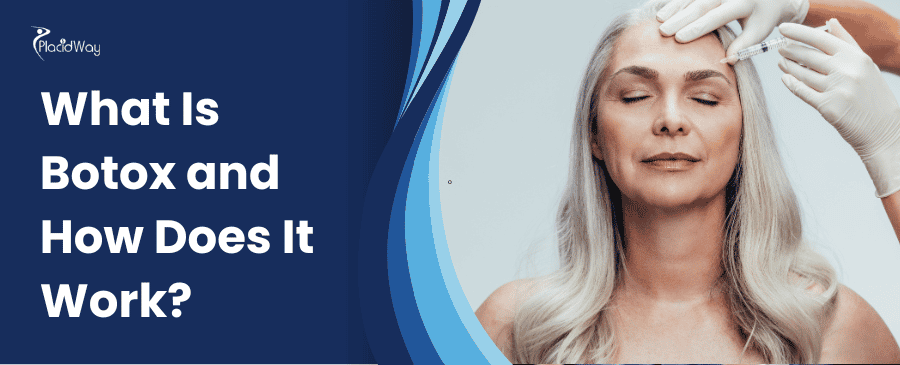
If you are considering Botox in Turkey, you likely have questions about what the treatment actually involves, the science behind it, and what to expect when traveling abroad for cosmetic care. As one of the most recognized non-surgical aesthetic procedures worldwide, botulinum toxin injections offer a relatively straightforward way to address the visible signs of aging.
Understanding the mechanism of action, the realistic outcomes, and the nuances of seeking treatment internationally is essential for making an informed decision. This guide explores the science of how these injections smooth the skin, what the procedure entails, and helpful considerations for those exploring medical travel.
Key Takeaways
- Botox injections temporarily block nerve signals to reduce targeted muscle activity.
- It is commonly used to smooth dynamic wrinkles like forehead lines, crow's feet, and frown lines.
- Results typically begin to appear within a few days and generally last for 3 to 6 months.
- Turkey is a leading destination offering advanced aesthetic care to international patients.
- Individual suitability depends heavily on your unique medical history, facial anatomy, and skin condition.
1. What exactly is Botox made of?
The name "Botox" is actually a brand name that has become synonymous with the treatment itself, much like Kleenex or Band-Aid. The active ingredient is a neurotoxin. While the word "toxin" can sound intimidating, the product used in cosmetic and medical settings undergoes an intensive purification process in laboratory environments. This ensures that the final injectable formulation is safe for human use when administered correctly.
The science relies on precise formulation. The protein is stabilized with human albumin and sodium chloride, creating a freeze-dried powder. Before injection, the medical professional reconstitutes this powder with sterile saline. Because the formulation is so refined, it acts predictably when placed into specific facial muscles by an experienced injector, minimizing the risk of the product spreading beyond the intended treatment zone.
2. How does the Botox mechanism of action work?
To understand how wrinkles form, you have to look at facial mechanics. Every time you smile, frown, or squint, your brain sends a signal down your nerves. The nerve endings release a neurotransmitter called acetylcholine, which binds to receptors on the muscle, causing it to contract. Over years of repetitive movement, the skin overlying these muscles creases, eventually leading to permanent lines.
When the purified protein is injected into a specific muscle, it blocks the release of acetylcholine. The nerve still sends the signal, but the message never reaches the muscle. Because the muscle cannot contract fully, the skin above it remains smooth and relaxed. This localized relaxation gives the skin time to recover, softening existing dynamic wrinkles (wrinkles caused by movement) and helping to prevent new ones from etching deeper into the skin.
3. What are the most common areas treated with Botox?
The upper third of the face is where dynamic wrinkles tend to be most prominent, making it the primary focus for neuromodulator injections. The vertical lines between the eyebrows, often called "elevens" or glabellar lines, are among the most common reasons patients seek treatment, as these lines can sometimes create an unintended angry or tired expression.
Beyond the upper face, advanced injectors may utilize the treatment for lower facial concerns, though these are often considered off-label uses. Some patients receive injections in the masseter muscles (the jaw) to relieve teeth grinding or to create a slimmer jawline profile. Others may seek treatment for "bunny lines" on the nose, a gummy smile, or downward-turning corners of the mouth. The suitability of these areas depends heavily on a personalized consultation.
Important Consideration
Botox specifically treats dynamic wrinkles (lines formed by muscle movement). It is generally less effective on static wrinkles (lines that are present when your face is completely at rest) or wrinkles caused by sun damage and volume loss. Your provider can help you understand which lines will respond best to treatment.
4. How long does a Botox treatment take and does it hurt?
Because the procedure is minimally invasive, it is often referred to as a "lunchtime treatment." Once the consultation is complete and your provider has mapped out the specific injection points based on your facial muscle patterns, the actual administration takes only a few minutes. The injector uses a micro-fine needle to deliver precise amounts of the product just beneath the skin.
Anesthesia is rarely required. Some patients may experience a slight stinging or pinching sensation during the injection, but it resolves almost immediately. If you have a particularly low pain tolerance or needle anxiety, you can ask your provider to apply a topical numbing cream or a cold pack to the area before the injections begin, which can significantly improve comfort.
5. When will I see results and how long do they last?
Patience is required after receiving the injections, as the neurotoxin needs time to bind to the nerve receptors and inhibit muscle contraction. You will not see an immediate change when you leave the clinic. The gradual onset means that day by day, you will notice decreased movement in the treated area and a corresponding softening of the overlying skin. Providers typically wait a full 14 days before assessing the final outcome or offering any touch-ups.
The longevity of the results varies from person to person. Because your body continuously generates new nerve endings and slowly metabolizes the injected protein, muscle function inevitably returns. For most patients, this process takes about three to four months, though some may enjoy effects for up to six months. Factors such as your individual metabolism, the dosage administered, and the strength of the treated muscles all influence how long the results will endure.
6. What are the potential risks and side effects?
Any medical or cosmetic procedure involves some degree of risk, and neuromodulators are no exception. The most common side effects are localized and temporary. You may experience minor redness, slight swelling, or pinpoint bruising where the needle entered the skin. Some patients also report a mild headache during the first 24 to 48 hours following the treatment.
More complex complications occur when the product spreads beyond the intended muscle group. This can lead to temporary asymmetry, such as a drooping eyelid (ptosis), uneven eyebrows, or an asymmetrical smile. These effects are temporary and will resolve as the product wears off, but they underscore the critical importance of choosing a highly trained medical professional who deeply understands facial anatomy. Furthermore, the treatment is contraindicated for individuals who are pregnant, breastfeeding, or suffering from certain neurological diseases.
7. How much does Botox typically cost in Turkey?
Financial considerations are a primary driver for patients exploring medical tourism in Turkey. The lower cost of living and favorable exchange rates allow many Turkish clinics to offer high-quality cosmetic treatments at a fraction of the cost seen in the US or the UK. Pricing structures vary; some providers charge by the unit (e.g., $4 to $8 per unit), while others charge a flat fee per treatment area (such as the forehead or crow's feet).
When evaluating estimated costs, it is important to factor in the total expense of your trip if you are traveling primarily for aesthetic procedures. However, many international patients incorporate their treatment into a broader vacation or combine it with other medical or cosmetic procedures, making the trip highly cost-effective. Always request a clear, individualized estimate from your chosen provider prior to travel.
8. What should I expect during recovery after Botox?
There is essentially no clinical downtime required after the injections. You can leave the clinic and immediately resume non-strenuous activities, including sightseeing if you are visiting as a medical tourist. However, providers generally enforce a few crucial aftercare rules to prevent the product from migrating from the targeted muscles to adjacent areas.
Typical aftercare instructions include remaining upright for at least four hours (avoiding lying flat or bending over excessively), refraining from touching, rubbing, or massaging the injected areas, and pausing strenuous cardiovascular exercise for 24 hours. You may also be advised to avoid saunas, hot tubs, and excessive sun exposure immediately after the procedure to minimize the risk of swelling and bruising.
9. How do I choose a safe Botox clinic in Turkey?
Because Turkey is a major hub for medical tourism, there is a vast array of clinics available. Patient safety should always be the priority when traveling abroad for care. Begin by looking for facilities that hold domestic certifications from the Turkish Ministry of Health, and ideally, recognized international accreditations that signify adherence to rigorous hygiene and patient care standards.
Equally important is the person holding the needle. Verify the credentials of the injector. The procedure should be performed by a registered doctor, dermatologist, or specialized plastic surgeon with extensive training in facial anatomy. Reputable clinics will gladly share their providers' qualifications, before-and-after portfolios, and the specific brands of neurotoxins they utilize. Clear communication in a language you fully understand is also essential for a safe consultation.
10. Can Botox be combined with other cosmetic treatments while abroad?
Combining treatments is a popular approach for international patients seeking to maximize their time in the country. A "liquid facelift," for example, involves utilizing neurotoxins to relax dynamic upper-face wrinkles while concurrently using dermal fillers to restore lost volume in the cheeks, lips, or nasolabial folds. Because they address different types of aging concerns, they complement each other well.
While non-surgical combinations are generally safe in capable hands, it is vital to discuss your entire aesthetic timeline with your provider. Certain treatments, like aggressive laser resurfacing or deep chemical peels, may need to be spaced apart from injectables to ensure optimal healing and prevent product migration. A comprehensive consultation upon your arrival will determine the safest schedule for your specific goals.
Why Choose PlacidWay for Medical Tourism in Turkey?
PlacidWay is a leading medical tourism platform designed to help patients connect with healthcare providers internationally. Here is how the platform can assist your journey:
- Extensive Network: PlacidWay connects patients with recognized, accredited medical facilities and cosmetic clinics across Turkey.
- Comprehensive Provider Profiles: Patients can review detailed information about clinics, including physician credentials and facility certifications.
- Educational Resources: The platform offers transparent information regarding procedure details, helping you make informed healthcare choices.
- Direct Communication: PlacidWay facilitates direct contact between international patients and local clinical coordinators in Turkey.
- Cost Comparisons: The platform allows individuals to request informational quotes, making it easier to compare estimated costs across different regions.
Frequently Asked Questions
Is Botox permanent?
No, Botox is not permanent. The effects are temporary because your body gradually metabolizes the protein and regenerates nerve receptors. Results typically last between three to six months, after which muscle action slowly returns.
Can men get Botox in Turkey?
Absolutely. Often informally referred to as "Brotox", the treatment is highly popular among men seeking to reduce deep forehead creases and frown lines. The mechanism of action is identical, though men may sometimes require slightly higher doses due to greater muscle mass.
What happens if I stop getting Botox?
If you choose not to continue treatments, your muscles will gradually regain full movement. Your skin will slowly return to its pre-treatment appearance, and normal wrinkle development will resume. Your wrinkles will not be worse than before you started.
Are there age restrictions for getting Botox?
Botox is generally approved for adults 18 and older. While many patients begin treatments in their late 20s or 30s as a preventative measure, suitability depends on your skin condition, muscle movement, and a thorough medical evaluation rather than a specific age.
Can Botox treat medical conditions?
Yes. Beyond cosmetic wrinkle reduction, medical professionals frequently use botulinum toxin to help manage conditions such as chronic migraines, excessive sweating (hyperhidrosis), muscle spasms, and overactive bladder, depending on clinical assessment.
Is it safe to fly after getting Botox in Turkey?
Generally, it is safe to fly after treatment. However, many medical professionals advise waiting 24 to 48 hours before taking a long flight to minimize the risk of swelling or potential movement of the product due to cabin pressure changes.
How many units of Botox will I need?
The number of units varies widely based on the specific areas being treated, gender, and individual muscle strength. For example, treating frown lines might require 15 to 25 units, while crow's feet may need 10 to 15 units per side. Your provider will determine the appropriate dose.
What is the difference between Botox and dermal fillers?
Botox works by temporarily relaxing the underlying muscles that cause dynamic wrinkles when you make facial expressions. Dermal fillers, on the other hand, are injected beneath the skin to add volume, fill in static wrinkles, and plump areas like the lips or cheeks.
Do I need a consultation before treatment in Turkey?
Yes, a comprehensive medical consultation is essential. Even for non-surgical procedures, a qualified provider must review your medical history, assess your facial anatomy, and ensure you are a suitable candidate before proceeding with injections.
How can I prepare for my Botox appointment?
Providers typically recommend avoiding blood-thinning medications, NSAIDs, and alcohol for several days prior to your appointment to minimize the risk of bruising. Always follow the specific pre-treatment instructions provided by your chosen clinic.
Ready to Compare Treatment Options?
Learn more about aesthetic procedures, discover verified clinics in Turkey, and request comprehensive treatment information to help you make an informed decision.
Request Treatment InformationReferences
- Botulinum Toxin Products: What to Know – U.S. Food and Drug Administration (FDA)
- Botox Injections: Overview, Risks, and Results – Mayo Clinic
- Botulinum Toxin Therapy Overview – American Academy of Dermatology (AAD)
- Botulinum Toxin – American Society of Plastic Surgeons (ASPS)
- Botox: MedlinePlus Medical Encyclopedia – National Institutes of Health (NIH)
- Medical Tourism: Travel Health Advice – Centers for Disease Control and Prevention (CDC)


















Share this listing