


Complete Guide to Dental Implants in South Korea
The dental implants cost in South Korea typically ranges from $1,000 to $2,500 per tooth. This price includes the titanium post, abutment, and crown. Full mouth restorations like All on 4 average between $8,000 and $15,000 per arch.

Key Takeaways: Dental Implants in South Korea
- Exceptional Affordability: Patients save up to 60 percent compared to prices in the United States or Australia without compromising on material quality.
- Advanced Diagnostics: Clinics universally utilize 3D CBCT scanners and AI-guided surgery for pinpoint precision and faster recovery times.
- Premium Materials: Access to globally recognized brands like Straumann alongside top-tier domestic brands like Osstem and Dentium.
- Speed and Efficiency: Highly optimized clinical workflows allow for same-day extractions and immediate implant placements for eligible candidates.
What factors influence the overall dental implants cost in South Korea?
The final price tag depends heavily on the implant brand chosen, the need for preparatory bone grafting, and the type of crown material selected. Additionally, the specific geographic location of the clinic plays a minor role in pricing variations.
- Brand of the Implant Fixture: Selecting premium international brands like Nobel Biocare or Straumann will increase the dental implants cost in South Korea compared to utilizing high-quality domestic brands like Osstem, which are heavily subsidized locally.
- Necessity of Bone Grafting: Patients experiencing severe jawbone deterioration require bone graft procedures or sinus lifts before implant placement, which adds separate surgical fees and material costs to the overall treatment plan.
- Crown Material Selection: The final visible tooth can be crafted from porcelain fused to metal or pure monolithic zirconia. Zirconia crowns are highly resistant to chipping and offer superior aesthetics, making them slightly more expensive.
- Complexity of the Extraction: If the patient requires complex surgical extractions of existing damaged teeth prior to implant insertion, this additional surgical time and expertise will be reflected in the final comprehensive invoice.
- Choice of Anesthesia: While local anesthesia is standard and highly affordable, patients suffering from dental anxiety who opt for deep intravenous conscious sedation will incur extra charges for the specialized anesthesiologist required on-site.
Why is choosing a specialized dental implants clinic in South Korea crucial for success?
Selecting a dedicated facility ensures your procedure is handled by board-certified oral surgeons rather than general dentists. Specialized centers maintain stringent sterilization protocols and house on-site dental laboratories for rapid crown fabrication.
Navigating the vast landscape of oral healthcare requires diligence, particularly when planning a major restorative procedure abroad. A specialized dental implants clinic in South Korea focuses exclusively on complex restorative surgeries, meaning their surgeons perform hundreds of implant placements annually. This high volume of specialized experience drastically reduces the risk of surgical complications, nerve damage, or implant failure due to improper placement angles.
Furthermore, premier clinics dedicated to implantology invest heavily in state-of-the-art infrastructure. Unlike general practices, these specialized centers boast dedicated surgical suites equipped with hospital-grade air filtration systems to prevent surgical site infections. They also employ dedicated implant coordinators who manage your entire clinical journey, from initial radiographic assessments to final bite adjustments, ensuring a seamless continuum of care.
The presence of an in-house dental laboratory is another hallmark of a top-tier facility. When a clinic crafts its own abutments and crowns on the premises, the turnaround time is reduced from weeks to mere days. This integration allows the prosthodontist and the lab technician to collaborate directly on the color matching and shape of your new teeth, ensuring a perfectly natural and aesthetically pleasing outcome before you return to your home country.
Top facilities catering to international patients undergo rigorous accreditation processes by the Ministry of Health and Welfare. This accreditation guarantees that the clinic adheres to the strictest international protocols for equipment sterilization, patient safety, and emergency response capabilities.
How does medical tourism in South Korea ensure high quality standards for international dental patients?
The government actively regulates the international healthcare sector, mandating that clinics treating foreign patients possess specialized licenses. This strict oversight guarantees transparent pricing, mandatory malpractice insurance, and comprehensive language support.
The global reputation of medical tourism in South Korea is built upon a foundation of uncompromising quality and robust governmental oversight. The Korean government views medical tourism as a vital sector of the national economy and has implemented stringent laws to protect international patients. Only medical facilities that meet rigorous safety criteria and employ certified medical translators are legally permitted to attract and treat patients from overseas.
This regulated environment directly benefits the patient by eliminating the risk of encountering unregulated or sub-standard providers. When you search for dental implants in South Korea, you are accessing a highly curated network of dental hospitals that utilize the exact same premium titanium fixtures and aesthetic ceramic materials found in top-tier clinics in London or New York. The lower cost is a product of national healthcare efficiencies and lower administrative overhead, not a compromise in clinical quality.
Moreover, the emphasis on patient experience is paramount. Clinics catering to medical tourists often assign a personal concierge to guide you through every step of your clinical visits. This dedicated support system ensures that all medical documentation is accurately translated, pre-operative instructions are clearly understood, and your post-operative recovery is monitored closely, creating a stress-free environment conducive to rapid healing.
Global Cost Comparison: Single Dental Implant
| Country | Average Minimum Cost | Average Maximum Cost |
|---|---|---|
| South Korea | $1,000 | $2,500 |
| United States | $3,500 | $6,000 |
| United Kingdom | $3,000 | $5,500 |
| Australia | $3,200 | $5,800 |
What are the exact steps involved when getting dental implants in South Korea?
The process involves a comprehensive initial diagnostic phase, followed by the surgical placement of the titanium post, a healing period for osseointegration, and finally, the attachment of the custom-made crown.
- Advanced 3D Imaging and Planning: Upon arrival, the dental team conducts a highly detailed CBCT scan to map out your jawbone density, identify nerve pathways, and create a precise digital surgical guide for implant placement.
- Tooth Extraction and Site Preparation: If damaged teeth are still present, they are meticulously extracted. Depending on the patient profile, bone grafting material may be inserted into the socket immediately to preserve bone structure.
- Precision Implant Surgery: Using profound local anesthesia, the oral surgeon makes a micro-incision in the gum tissue and precisely inserts the biocompatible titanium implant into the jawbone using the predetermined digital surgical guide.
- The Osseointegration Healing Phase: The patient enters a critical healing period lasting several months where the jawbone naturally fuses with the microscopic pores of the titanium implant, creating an incredibly strong, permanent foundation.
- Abutment and Final Crown Fabrication: Once healing is confirmed via x-ray, a connecting piece called an abutment is attached. Digital impressions are taken to craft a bespoke ceramic or zirconia crown that perfectly matches your natural bite and tooth shade.
How do the materials used for dental implants in South Korea compare to those in the US or UK?
The materials are completely identical. South Korean clinics import the exact same medical-grade titanium alloys and premium dental ceramics used by top-tier professionals in North America and Europe, ensuring identical durability and aesthetic results.
A common misconception regarding medical travel is that lower prices equate to inferior materials. This is entirely false regarding dental implants in South Korea. The global dental supply chain is highly standardized. Whether you receive your treatment in Los Angeles or Seoul, the foundation of the implant is constructed from commercially pure titanium or a highly durable titanium alloy. These metals are celebrated for their unparalleled biocompatibility, meaning the human immune system accepts them without triggering rejection responses.
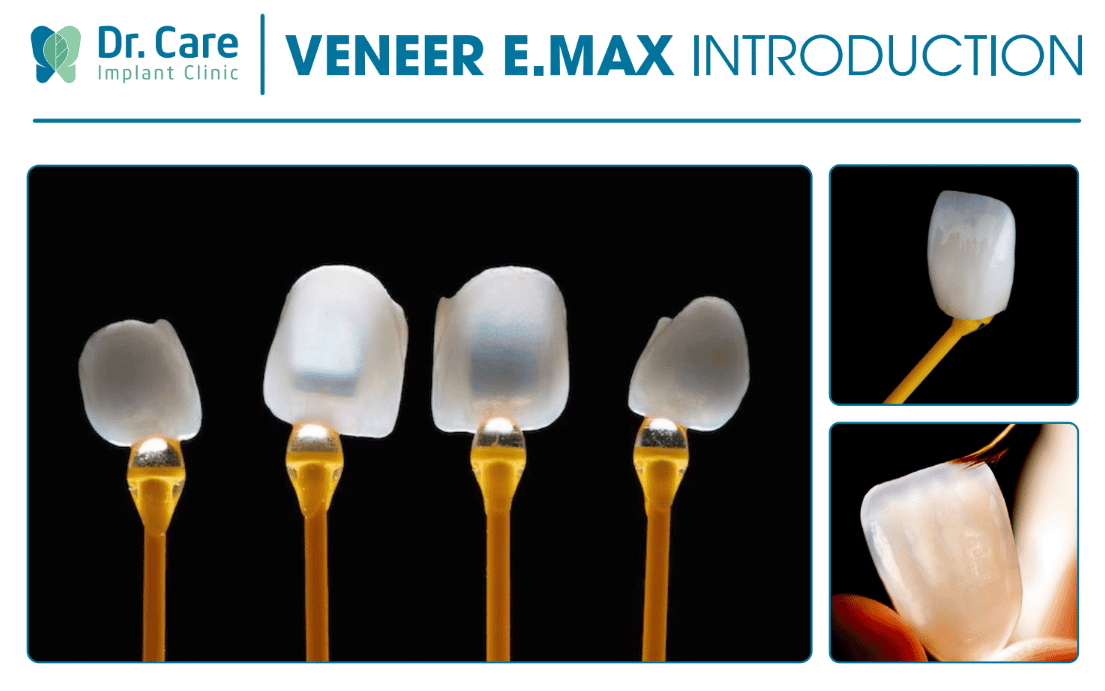
Beyond the structural post, the visible portion of the tooth requires extraordinary craftsmanship and high-end materials. Korean dental laboratories are renowned globally for their precision. They primarily utilize advanced monolithic zirconia or lithium disilicate ceramics to mill the final crowns. These advanced materials possess unique light-reflecting properties that mimic the translucency of natural tooth enamel perfectly, ensuring that your final smile looks entirely organic and vibrant.
Furthermore, many patients specifically travel to access specific global brands. Every premium dental implants clinic in South Korea offers globally recognized systems such as Straumann from Switzerland or Nobel Biocare from Sweden. By choosing these internationally standardized brands, you ensure that if you ever need minor adjustments or maintenance years later in your home country, your local dentist will possess the compatible tools and components to assist you effortlessly.
South Korea is home to one of the most technologically advanced dental manufacturing sectors in the world. Their domestic implant surface treatments, designed to encourage faster bone growth around the titanium post, are currently exported to over eighty countries globally.
What advanced diagnostic technologies do South Korean dental clinics use for implant placement?
Clinics leverage state-of-the-art Cone Beam Computed Tomography scanners and digital intraoral wands to create perfect 3D digital replicas of your mouth, enabling minimally invasive, computer-guided surgical techniques.
- 3D Cone Beam Computed Tomography (CBCT): Unlike flat traditional x-rays, CBCT scanners rotate around the head to capture cross-sectional images, allowing surgeons to measure bone density in microscopic detail and map out critical facial nerves safely.
- Digital Intraoral Scanners: Messy, uncomfortable putty impressions are a thing of the past. Clinics use digital wand scanners to capture thousands of images per second, creating a flawless 3D model of your gums and teeth instantly.
- Computer-Guided Surgical Stents: Utilizing the 3D data, a custom surgical guide is 3D-printed. This guide is placed over your gums during surgery, physically restricting the surgical drill to the exact predetermined angle and depth, eliminating human error.
- Artificial Intelligence Treatment Planning: Leading diagnostic software uses artificial intelligence algorithms to predict bone growth patterns and recommend the optimal size and brand of implant based on millions of previous global surgical outcomes.
- Digital Smile Design Software: Before a single incision is made, advanced software allows you to preview your final smile on a digital monitor, enabling you to request adjustments to tooth shape and length prior to laboratory fabrication.
Are bone grafts and sinus lifts included in the initial dental implants cost in South Korea?
No, bone grafting and sinus lift procedures are considered preparatory surgeries and are billed separately. Depending on the complexity and volume of bone required, these procedures can add between $300 and $1,000 to your total treatment plan.
When reviewing initial estimates for the dental implants cost in South Korea, it is vital to understand that baseline quotes typically cover straightforward placements in healthy bone. If a patient has been missing a tooth for an extended period, the underlying jawbone naturally begins to resorb or shrink. In these scenarios, the surgeon cannot safely anchor an implant without first rebuilding the foundation through a bone graft procedure, which utilizes synthetic bone granules or sterilized donor tissue.
Similarly, when replacing upper molar teeth, the sinus cavity often rests too close to the gumline. To prevent the titanium implant from puncturing the sinus membrane, a specialized procedure called a sinus lift is required. The surgeon gently elevates the delicate membrane and packs bone graft material beneath it, creating a deep, secure bed for the future implant. Because this is a highly delicate surgical procedure requiring specific expertise, it incurs an independent surgical fee.
Transparent communication is a hallmark of premium medical tourism facilitators. Before you commit to traveling, your chosen clinic will evaluate your panoramic x-rays or local CT scans remotely. Based on this remote assessment, they will provide a comprehensive, itemized treatment plan that clearly separates the cost of the implant fixture, the custom crown, and any necessary preparatory surgeries like bone grafting, ensuring you face zero financial surprises upon arrival.
How do domestic implant brands like Osstem affect the dental implants cost in South Korea?
Choosing premium domestic brands like Osstem or Dentium significantly reduces the overall cost. These brands offer world-class clinical success rates but bypass heavy international import taxes, passing substantial savings directly to the patient.
A major strategic advantage of seeking medical tourism in South Korea is gaining direct access to the powerhouse of domestic dental manufacturing. South Korea is home to Osstem Implant, currently ranked among the top global manufacturers by market share. Because these premium implants are manufactured locally, clinics acquire them without paying exorbitant cross-border tariffs or international shipping fees, allowing them to offer the final procedure at a highly competitive rate.
Patients often wonder if choosing a domestic Korean brand means compromising on clinical quality. Decades of peer-reviewed clinical data confirm that brands like Osstem, Dentium, and Megagen perform flawlessly, boasting osseointegration success rates exceeding ninety-eight percent, perfectly mirroring their Swiss and Swedish competitors. They utilize identical medical-grade titanium and feature advanced micro-threaded surface treatments designed to stimulate rapid cellular bone growth.
The decision ultimately comes down to patient preference and geographical convenience. If you are comfortable with an internationally respected but Korean-made brand, your overall dental implants cost in South Korea will remain at the lowest end of the pricing spectrum. However, if you prefer the peace of mind that comes with a globally ubiquitous brand like Nobel Biocare, your chosen clinic can readily accommodate that request at a slightly higher premium.
Why Choose PlacidWay to facilitate your dental implant procedure in South Korea?
PlacidWay serves as your dedicated medical advocate, eliminating the stress of cross-border healthcare by providing access to strictly vetted specialists, transparent pricing, and comprehensive pre-surgical coordination.
- Stringent Clinic Verification Protocols: PlacidWay only partners with elite dental facilities that possess internationally recognized accreditations and verifiable track records of excellence, ensuring you are never exposed to sub-standard clinical practices.
- Complete Financial Transparency: We advocate for you to receive comprehensive, itemized treatment quotes before you commit. We ensure there are absolutely no hidden surgical fees or unexpected post-operative material charges.
- Seamless Medical Record Coordination: Our dedicated team facilitates the secure transfer of your local dental x-rays and medical history to the Korean specialists, allowing them to formulate a highly accurate preliminary surgical plan remotely.
- Direct Surgeon Communication: PlacidWay facilitates direct digital consultations between you and your prospective oral surgeon, allowing you to discuss your specific anxieties and expectations before making any final decisions.
- Dedicated Patient Advocacy: Throughout your entire medical journey, our support team remains actively involved, serving as a reliable point of contact to resolve any medical concerns and ensure your clinical experience exceeds expectations.
Frequently Asked Questions About Dental Implants in South Korea
Do I need a special visa for dental implant surgery in South Korea?
Most international patients traveling for minor dental procedures lasting less than 90 days can enter South Korea using a standard tourist visa or the K-ETA electronic travel authorization. If your dental reconstruction requires extensive bone grafting and a recovery period exceeding three months, your chosen clinic can help you apply for a C-3-3 Medical Tourist Visa.
Is it safe to fly immediately after getting a dental implant in Seoul?
Dentists generally recommend waiting at least 48 to 72 hours before taking a long-haul flight after implant surgery. Cabin pressure changes can exacerbate swelling and minor bleeding at the surgical site. Allowing a brief rest period in Seoul ensures your surgeon can conduct a final post-operative check before you depart.
Can I get immediate load dental implants in South Korea?
Yes, many advanced clinics in South Korea offer immediate load implants, often referred to as same day teeth. This approach requires excellent bone density and involves placing a temporary crown on the implant immediately after surgical insertion, allowing you to leave the clinic with a functional smile.
What happens if my dental implant fails after I return to my home country?
Reputable clinics typically offer comprehensive warranties on the implant fixture itself, often lasting from five years to a lifetime. If a failure occurs due to material defects, the clinic will usually replace the implant at no extra cost, though you would be responsible for the travel expenses to return to South Korea.
Will the dental staff in South Korea speak English during my consultations?
Facilities catering to international patients maintain dedicated international departments equipped with fluent English speaking coordinators. These coordinators accompany you during all consultations and surgeries to ensure clear communication between you and the dental surgeon regarding your treatment plan and recovery instructions.
Are bone grafts commonly required before getting implants in South Korea?
Bone grafting is only necessary if your jawbone lacks the density or volume to securely hold the titanium implant. South Korean clinics use advanced 3D CBCT scans to evaluate your bone structure meticulously during the initial consultation to determine if a synthetic or natural bone graft is mandatory for long-term implant stability.
What payment methods are accepted by dental clinics in South Korea?
Major dental hospitals accept international credit cards such as Visa, Mastercard, and American Express. Many clinics also allow direct international bank transfers for large treatment plans like full mouth restorations. It is advisable to notify your bank beforehand to prevent international transaction blocks.
How much pain should I expect during the implant recovery process in South Korea?
The surgical procedure is performed under local anesthesia or conscious sedation, making it entirely painless. Post-operative discomfort is usually mild and easily managed with prescribed over-the-counter pain relievers and anti-inflammatory medications provided by your clinic, with most patients resuming normal activities within a few days.
Can I combine my dental implant trip with cosmetic treatments in Seoul?
Absolutely. South Korea is a global hub for both dental and cosmetic treatments. Many patients schedule non-invasive cosmetic procedures like dermatology treatments or minor aesthetic enhancements during their dental healing period, maximizing the value of their medical tourism journey.
How long do dental implants placed in South Korea actually last?
With proper oral hygiene and regular dental check-ups, the titanium implant post placed in your jawbone is designed to last a lifetime. The visible ceramic or zirconia crown attached to the implant generally lasts between ten and fifteen years before requiring replacement due to normal wear and tear.
Restore Your Smile with Confidence Today



.jpg)














Share this listing