


When considering Dental Veneers in South Korea for Taiwanese Patients, the primary advantages are cutting-edge digital dentistry, the highly sought-after "K-Smile" aesthetic, and competitive pricing. In 2026, porcelain veneers in Seoul cost between $400 to $800 USD per tooth. Thanks to a short 2.5-hour flight from Taipei, in-house Mandarin translators, and 3D CAD/CAM technology that enables "one-day veneers," South Korea has become the premier medical tourism destination for Taiwanese individuals seeking a natural, radiant smile transformation.
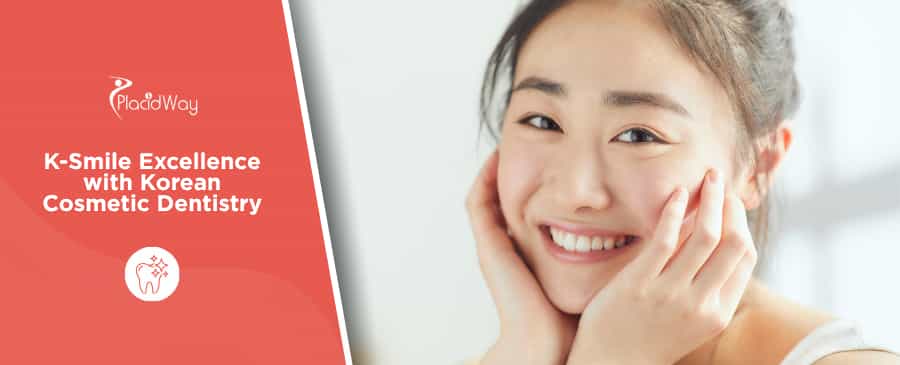
The pursuit of a flawless, radiant smile has transcended borders, and for individuals in East Asia, Seoul has become the epicenter of cosmetic dental innovation. Over the past decade, South Korea’s medical tourism sector has experienced explosive growth, particularly in aesthetic dentistry. For Taiwanese citizens, the combination of geographic proximity, shared aesthetic sensibilities, and highly advanced medical technology makes cross-border dental care an increasingly attractive option.
Every year, thousands of individuals look into Dental Veneers in South Korea for Taiwanese Patients. They are driven by the desire to achieve the famous "K-Smile"—a dental aesthetic characterized by natural translucency, perfect symmetry, and harmonious proportions, popularized by Korean entertainment and media. Rather than the stark, opaque "Hollywood white" often seen in Western dentistry, South Korean prosthodontists specialize in highly customized, natural-looking porcelain restorations.
This comprehensive guide is designed to empower Taiwanese patients considering cosmetic dentistry abroad. We will explore the specific 2026 pricing landscape, the technological advancements that make multi-day trips possible, clinical safety standards, and a step-by-step breakdown of the procedure. By understanding the full spectrum of benefits and inherent medical risks, you can make an educated, confident decision about your dental health journey.
What are Dental Veneers and "K-Smile" Phenomenon?
Before booking a flight to Seoul, it is crucial to understand exactly what this medical procedure entails and the specific aesthetic goals associated with South Korean cosmetic dentistry.
Types of Veneers Available in South Korea
Cosmetic dental clinics in South Korea typically offer two primary categories of veneers, each serving different clinical needs and budgets:
- Porcelain Veneers: The gold standard in aesthetic dentistry. They offer superior durability, resist coffee and tea stains exceptionally well, and mimic the light-reflecting properties of natural teeth. They require a minor amount of natural enamel removal.
- Composite Resin Veneers: A more affordable, less invasive option applied directly to the tooth layer by layer. While they require less enamel preparation, they are more prone to chipping and staining over time compared to porcelain.
- Minimal-Prep or "No-Prep" Veneers: Brands like Lumineers fall into this category. Advanced South Korean labs produce ultra-thin porcelain (as thin as 0.2mm) that requires little to no drilling of the natural tooth structure, though they are not suitable for severely misaligned teeth.
What is the "K-Smile"?
The "K-Smile" is the driving force behind the surge of Dental Veneers in South Korea for Taiwanese Patients. While Western cosmetic dentistry historically favored aggressive whitening and perfectly uniform, "blocky" teeth, the South Korean standard is deeply rooted in natural harmony. Dentists in Seoul utilize advanced facial scanning to design veneers that complement the patient's lip line, facial symmetry, and skin tone. The result is a translucent, slightly textured tooth that looks completely natural, rather than artificial.
2026 Cost Comparison: Taipei vs. Seoul
Financial considerations play a major role in medical tourism. While Taiwan possesses an excellent domestic healthcare system (NHI), cosmetic dentistry like veneers is entirely out-of-pocket. Comparing the value proposition of Seoul versus Taipei requires looking beyond just the price per tooth.
Note: Prices are estimates for 2026 and fluctuate based on currency exchange rates (TWD to KRW/USD), the specific materials chosen (e.g., E.max vs. Zirconia), and the reputation of the Gangnam clinic.
Understanding the Value Proposition
Why do Taiwanese patients travel to South Korea if the base price is sometimes similar to premium clinics in Taipei? The answer lies in efficiency and technology.
South Korean dental clinics operate at high volumes with immense internal competition, which drives down overhead costs. Many top-tier facilities in Seoul are equipped with their own in-house ceramic laboratories and CEREC (Chairside Economical Restoration of Esthetic Ceramics) milling machines. Instead of wearing temporary veneers for two weeks while a third-party lab crafts the finals, patients in Korea can often receive their permanent, highly customized smile in a single 3-to-5 day trip.
Furthermore, medical tourism packages often bundle services. A quoted price in Seoul frequently includes the initial panoramic X-rays, 3D intraoral scanning, professional teeth cleaning before application, and a final night-guard to protect the investment.
Step-by-Step Cosmetic Dental Procedure in South Korea
Traveling abroad for a medical procedure requires strict logistical planning. The process of getting Dental Veneers in South Korea for Taiwanese Patients is highly streamlined. Here is the typical chronological process you will experience:
- Remote Digital Consultation (Before Travel): You will submit clear photographs of your teeth and any recent dental X-rays to the clinic's international coordinator. A prosthodontist evaluates your bite, alignment, and gum health to confirm you are a viable candidate.
- In-Person Clinical Exam (Day 1): Upon arriving in Seoul, you visit the clinic for a comprehensive exam. The dentist uses an intraoral 3D scanner (eliminating the need for messy putty impressions) and discusses your aesthetic goals, selecting the exact shade and shape for your "K-Smile."
- Tooth Preparation (Day 1): Under local anesthesia, the dentist gently shaves a micro-thin layer of enamel (about 0.3mm to 0.5mm) from the front of the target teeth. Temporary veneers are placed to protect your teeth while the permanent ones are milled.
- Fabrication (Day 2): The in-house master ceramists or CAD/CAM milling machines fabricate the custom porcelain veneers. The rapid turnaround time is a hallmark of South Korean dental tourism.
- Bonding and Adjustment (Day 3 or 4): The temporary veneers are removed. The dentist temporarily places the final porcelain veneers to check the fit, bite alignment, and color. Once approved, the teeth are cleaned, polished, and etched. A special cement is applied, and a curing light hardens the bond instantly.
After the final bonding, the dentist evaluates your bite to ensure there is no unnatural pressure on the new ceramics, allowing you to fly back to Taiwan with your new smile.
Safety, Accreditation, and Quality Standards
The most common question regarding cross-border healthcare is: "Is it safe?" The South Korean medical system is renowned globally for its stringent regulations, rigorous academic requirements for physicians, and advanced infrastructure.
Medical Accreditations in South Korea
When seeking dental care in Seoul, Taiwanese patients should look for specific markers of quality. Top-tier international clinics often carry accreditations from the Korean Accreditation Program for Hospitals Serving Foreign Patients (KAHF) or the prestigious Joint Commission International (JCI). These bodies evaluate strict infection control protocols, emergency preparedness, and continuous physician education.
Technological Superiority
South Korea is a global leader in medical technology manufacturing. Clinics catering to international patients utilize state-of-the-art equipment that ensures precision. For example, 3D CBCT (Cone Beam Computed Tomography) scanners allow dentists to view the underlying bone structure and nerve pathways, mitigating the risk of complications during enamel preparation.
Mitigating Clinical Risks
While the standard of care is exceptionally high, patients must be proactive. Dental Veneers in South Korea for Taiwanese Patients require clear communication to ensure safety. Reputable clinics provide medical-grade translation services—usually native Mandarin speakers—who stay with the patient throughout the clinical process. This ensures that allergies, medical histories, and pain levels are accurately communicated to the treating dentist.
Recovery Timeline and Aftercare
Veneer application is minimally invasive, but the teeth have undergone permanent alteration. Proper aftercare is vital to extending the lifespan of your cosmetic investment, which generally lasts 10 to 15 years before requiring replacement.
Immediate Post-Procedure Care
During the first few weeks after returning to Taiwan, you may experience temporary tooth sensitivity to hot and cold foods. This is a normal physiological response as the internal tooth nerve adjusts to the new ceramic layer. Dentists recommend using desensitizing toothpaste and avoiding extreme temperatures during this phase.
Long-Term Maintenance Strategy
- Adopt Non-Abrasive Hygiene: Use a soft-bristled toothbrush and non-abrasive toothpaste. Whitening toothpastes often contain harsh silicas that can scratch the polished surface of the porcelain, dulling its natural luster over time.
- Protect Against Bruxism: If you clench or grind your teeth at night, you must wear a custom-fitted occlusal guard (night guard). Grinding is the leading cause of premature veneer chipping and failure.
- Adjust Dietary Habits: While porcelain is incredibly strong, it is not indestructible. Avoid biting directly into hard objects like ice, pens, unpeeled apples, or hard candies with your veneered front teeth.
Routine dental check-ups every six months in Taiwan are mandatory. Inform your local hygienist that you have porcelain veneers so they avoid using coarse polishing pastes or ultrasonic scalers directly on the ceramic margins.
How to Choose a Dental Clinic in South Korea?
With hundreds of aesthetic clinics clustered in districts like Gangnam and Apgujeong, selecting the right provider is crucial. Use this structured checklist to evaluate potential clinics before placing a deposit.
- Verify Specialist Credentials: Ensure the treating doctor is a board-certified Prosthodontist (a specialist in dental prosthetics and aesthetics), not just a general dentist.
- Demand a Dedicated Translator: Confirm that the clinic provides a fluent, medical-level Mandarin translator included in the package cost.
- Review Before-and-After Portfolios: Ask to see case studies of Taiwanese or East Asian patients to ensure their aesthetic style aligns with the "K-Smile" you desire.
- Inquire About Technology: Ask specifically if they use CAD/CAM technology (like CEREC) and intraoral scanners to ensure the process can be safely completed within your travel window.
- Understand the Warranty: Reputable international clinics offer warranties (often 1 to 5 years) on their porcelain work, provided you adhere to aftercare instructions.
- Confirm Material Brands: High-quality clinics use globally recognized ceramic brands such as IPS e.max by Ivoclar Vivadent. Ask what materials they plan to use for your restorations.
Red Flags to Avoid
Be extremely wary of clinics that offer prices drastically lower than the Seoul average (under $250 USD for porcelain), pressure you into replacing perfectly healthy molars with veneers, or refuse to outline the exact amount of enamel preparation required.
Risks, Limitations, and Contraindications
While cosmetic dentistry offers life-changing aesthetic benefits, it remains a clinical procedure with inherent risks. Honest assessment of these limitations is vital for patient safety and satisfaction.
Who Should NOT Get Veneers?
Veneers are not a one-size-fits-all solution. A responsible prosthodontist will refuse treatment if a patient presents with specific contraindications. Individuals with active periodontal (gum) disease or severe tooth decay must resolve these foundational health issues first. Furthermore, patients with insufficient natural enamel cannot support the bonding process. Those with extreme bruxism (jaw clenching) may be steered toward stronger zirconia crowns rather than thin porcelain veneers.
The Challenge of Follow-Up Care
The primary limitation of Dental Veneers in South Korea for Taiwanese Patients is post-operative geographic distance. If a veneer debonds (falls off) or a margin causes gum irritation a month after the procedure, returning to Seoul is logistically difficult. Patients must establish a relationship with a local Taiwanese dentist who is willing to perform maintenance or minor adjustments on dental work performed abroad.
Irreversibility
Patients must understand that traditional porcelain veneers require the irreversible removal of healthy tooth enamel. Once prepared, a tooth will always require a covering (either a veneer or a crown) for the rest of the patient's life. This is a permanent, lifelong commitment to dental maintenance.
Your 5-Step Action Plan for Smile Restoration in South Korea
If you have weighed the risks and benefits and are ready to pursue a cosmetic dental transformation in South Korea, follow this structured, actionable framework to ensure a seamless experience.
- Undergo a Local Exam: Visit your local dentist in Taiwan for a standard cleaning and X-rays to ensure you have no active cavities or gum disease before seeking quotes abroad.
- Research and Shortlist: Utilize reputable medical tourism platforms like PlacidWay to research verified, highly-rated dental clinics in Seoul. Shortlist 3 to 4 facilities.
- Request Virtual Consultations: Send your panoramic X-rays and clear photos of your smile to the shortlisted clinics. Obtain comprehensive, itemized quotes outlining the cost, timeline, and exact materials to be used.
- Plan Your Travel Logistics: Book a flight with a flexible return date. Ensure your stay in Seoul covers the clinic's maximum estimated fabrication time (usually 4 to 7 days) to avoid rushed clinical work.
- Secure Local Aftercare: Before departing Taiwan, ensure you have a local dentist who can provide regular six-month cleanings and address any minor adjustments upon your return.
Frequently Asked Questions
Take the Next Step Toward Your Confidence
Researching Dental Veneers in South Korea for Taiwanese Patients reveals a compelling opportunity to access world-class cosmetic dentistry at competitive prices. The combination of advanced CAD/CAM technology, specialized prosthodontic artistry focused on the natural "K-Smile," and dedicated international patient care makes Seoul a premium choice for smile transformations.
However, this permanent medical decision requires careful planning, a clear understanding of the risks, and a commitment to lifelong dental hygiene. By choosing accredited clinics and maintaining excellent local aftercare in Taiwan, you can safeguard your cosmetic investment for decades.
Are you ready to explore your options? Connect with verified, top-tier dental clinics in South Korea today. Compare aesthetic portfolios, review itemized quotes, and start planning your customized medical journey with confidence.
Discover Your K-Smile Today
Browse verified South Korean dental clinics, request free estimates, and schedule a remote consultation to see how digital dentistry can transform your smile.
The information in this article is for educational purposes only and does not constitute medical advice. Individual results vary based on health status, case complexity, and other factors. Always discuss your specific situation with a licensed healthcare professional before making treatment decisions. PlacidWay connects patients with verified healthcare providers but does not provide medical services directly.
- American Dental Association (ADA): Dental Veneers Guide and Information
- Mayo Clinic: What are Dental Veneers?
- Cleveland Clinic: Porcelain and Composite Veneers Overview
- World Health Organization (WHO): Global Oral Health Guidelines
- PlacidWay Medical Tourism: Dental Veneers Abroad: Clinics and Costs

















Share this listing