Dental Veneers in South Korea

Publish date: Feb 23, 2026 Modified date: Aug 23, 2026 Medically reviewed by: Dr. Octavio Delacruz on Aug 23, 2026 Author: Sofia Mendez Ivaro
Dental Veneers in South Korea

Contents

Advanced Dental Veneer Treatments in South Korea

If you’ve ever admired the flawless, radiant smiles of K-Pop stars or international celebrities, chances are you’ve seen the handiwork of South Korea’s world-leading cosmetic dentists. South Korea has earned a global reputation as the "Beauty Capital of the World," and this expertise extends far beyond skincare. For patients seeking a total smile transformation, South Korea offers a level of precision and technological integration that is rarely matched elsewhere.

Choosing dental veneers in South Korea means stepping into a future-forward medical ecosystem. Here, the traditional "impressions" of the past are replaced by 3D oral scanners and CAD/CAM technology that design your new smile in a matter of hours. Patients travel to Seoul and Busan not just for the competitive pricing—which can be 40% to 60% lower than in the US or Australia—but for the "one-day" service models that allow travelers to walk in with imperfections and walk out with a permanent, high-strength porcelain masterpiece.

The Korean approach to veneers is uniquely focused on "Natural Minimalism." Rather than bulky, unnaturally white teeth, Korean specialists emphasize facial harmony, ensuring the shape, translucency, and shade of your veneers complement your unique facial features.

Whether you are looking to correct deep staining, close gaps, or fix minor misalignments, South Korea provides a seamless experience where medical precision meets artistic perfection. Let’s dive deeper into why this destination is the gold standard for your smile makeover.

!

Did You Know?

South Korea is a global leader in "Smart Dental Clinics." Many facilities in Seoul use AI-driven smile simulation software that allows you to see your post-veneer results on your own face in 3D before a single tooth is even touched. This "test drive" ensures 100% satisfaction with the design.

Key Insights at a Glance

1
Digital Workflow:

90% of top Seoul clinics use CAD/CAM technology for millimeter-perfect veneer fit and aesthetic harmony.

2
In-House Labs:

Most specialized clinics have their own dental labs, reducing wait times from weeks to just 24-48 hours.

3
Ultra-Thin Tech:

Specialized in "No-Prep" veneers that are as thin as contact lenses, preserving your natural tooth enamel.

4
Material Quality:

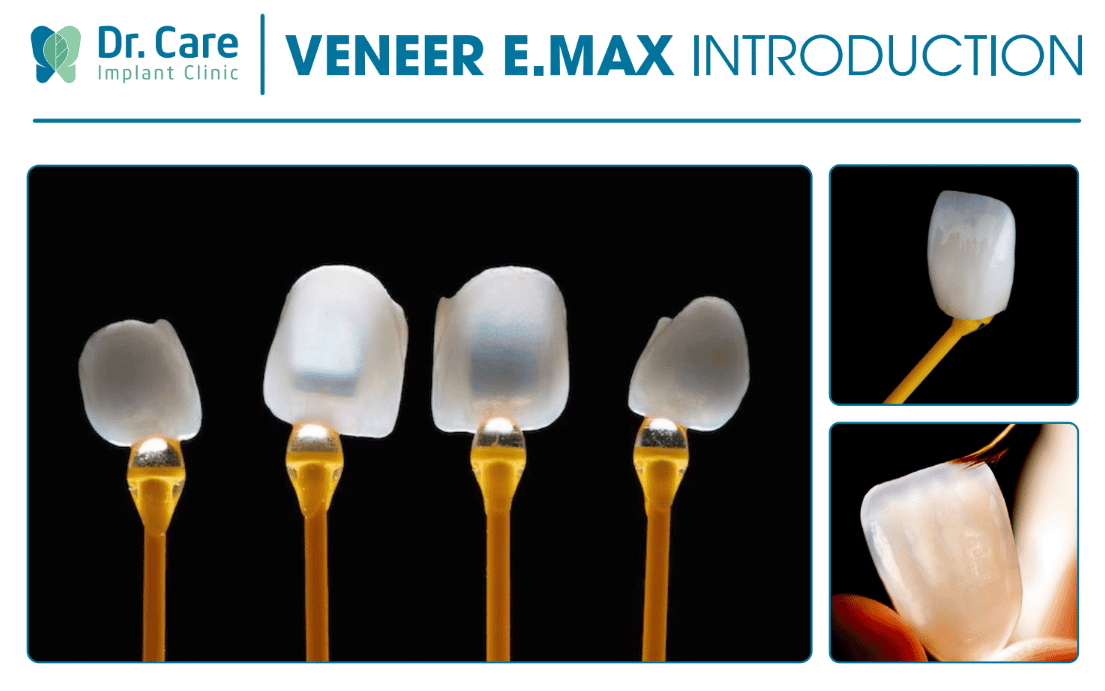
Only premium E-Max and Zirconia materials are used, ensuring longevity of 15+ years with proper care.

5
Language Support:

Global dental centers in South Korea provide dedicated English-speaking coordinators for every patient.

6
Post-Op Safety:

Rigorous follow-up protocols and international warranties are standard at top-tier accredited clinics.

FUN FACT

The "Lunchtime" Smile

South Korea's high-tech dental labs are so efficient that some "one-day" veneer procedures allow you to have your scan in the morning, enjoy a traditional Korean lunch, and return in the afternoon to have your permanent veneers bonded!

Budgeting for your dental transformation is the first step toward a confident smile. The table below outlines the average price per veneer in South Korea, demonstrating the significant savings compared to North America and Europe. While prices reflect the high quality of materials like E-Max porcelain, the overall cost remains remarkably accessible due to the competitive dental market in Seoul. Use these figures as a guideline for your planning.

Tip: Significant discounts are often available when you opt for a full set of 6, 8, or 10 veneers rather than individual units.

`

Navigating a medical trip is easier when everything is bundled. In the section below, you will find a selection of vetted providers who offer all-inclusive dental packages. These typically cover your initial 3D scans, professional cleaning, the veneers themselves (often E-Max or Zirconia), local anesthesia, and temporary veneers if needed. Some premium packages even include airport pick-up and local transport to ensure your focus remains entirely on your recovery and your new smile.

Note: All-inclusive packages eliminate hidden costs by including lab fees and follow-up adjustments in the initial price.

Dental Veneers Cost Comparison in South Korea

Country Procedure Price
Australia Dental Veneers, Dentistry $2000
United States Dental Veneers, Dentistry $2500

South Korea is home to some of the most technologically advanced dental centers in Asia. We have listed several top-tier clinics in Seoul and Busan that specialize specifically in aesthetic dentistry. These centers are recognized for their state-of-the-art CAD/CAM facilities and their adherence to strict Ministry of Health safety regulations. Explore the profiles below to view clinic certifications, lab technologies, and the English-speaking support they offer to international guests.

Safety First: Look for clinics located in the Gangnam district of Seoul, which is the epicenter of elite medical and dental expertise.

Real stories provide the most authentic perspective on the dental tourism journey. The video testimonials below feature international patients sharing their experiences with South Korean dental care. Watch as they discuss the speed of the process, the comfort of the clinics, and show off their immediate results. Seeing the transformation and hearing about the personalized care can help clarify your own expectations for a smile makeover abroad.

Insight: Video testimonials allow you to see the natural look and speech clarity of patients after their veneers are bonded.

Patient satisfaction ratings for South Korean dental services are among the highest in the world. In the following section, you can read verified reviews from past patients. Many highlight the exceptional bedside manner of Korean dentists and the meticulous attention to detail in the "smile design" phase. Use these first-hand accounts to understand the level of professionalism and the long-term satisfaction you can expect when choosing a South Korean specialist.

Review Tip: Pay close attention to reviews that mention the longevity of the veneers and the quality of the initial virtual consultation.

Is getting dental veneers in South Korea safe?

Absolutely. South Korea has one of the world's most regulated medical and dental environments. The Ministry of Health and Welfare enforces strict hygiene and sterilization protocols that clinics must follow to maintain their licenses. Furthermore, South Korean dental education is extremely rigorous, with specialists often pursuing advanced fellowships. When you choose an accredited clinic in South Korea, you are accessing technology and materials (like E-Max and Zirconia) that meet or exceed international safety standards. It is always recommended to verify the clinic's registration for treating international patients to ensure they have the proper infrastructure for your care.

How long do dental veneers last?

With proper maintenance, high-quality porcelain veneers in South Korea typically last between 10 and 15 years, and often even longer. Because South Korean clinics prioritize premium materials like lithium disilicate (E-Max) and high-translucency Zirconia, the veneers are incredibly durable and resistant to staining. Their longevity depends largely on your oral hygiene habits and avoiding behaviors like teeth grinding (bruxism) or biting down on hard objects. Most top Korean clinics provide a limited warranty on their lab work, giving you peace of mind that your investment is protected against early manufacturing defects.

What is the recovery time for veneers?

There is virtually zero "downtime" required after getting veneers. The procedure is minimally invasive. You might experience some mild tooth sensitivity to hot or cold for a few days following the bonding process as your teeth adjust to the new porcelain layers. Most patients return to their normal diet and activities immediately after leaving the clinic. South Korean specialists often use advanced bonding agents that cure instantly. If you had "prepless" veneers, the recovery is even faster since no enamel was removed. You can enjoy Seoul's famous cuisine almost immediately, though we recommend starting with softer foods for the first 24 hours.

Can I get veneers done in a single trip?

Yes, South Korea is the world leader in "One-Day Dentistry." Thanks to advanced CAD/CAM (Computer-Aided Design and Manufacturing) and in-house dental laboratories, many clinics can complete a full set of veneers in a single visit or a short 3-5 day trip. For complex cases involving more than 10 veneers, we typically recommend staying for at least one week. This allows for the initial design, production, bonding, and a follow-up appointment to check your bite and comfort. The efficiency of South Korean dental labs is a major reason why patients choose this destination over others.

Will the veneers look natural?

Korean dental aesthetics are world-renowned for their "natural-look" philosophy. Instead of the opaque, "chicklet" white look, Korean ceramists focus on mimicry of natural tooth enamel. They incorporate subtle translucency at the edges and multi-layered shading that matches your surrounding teeth or creates a naturally brightened look. During your consultation, you can choose the specific shade and shape you prefer. Using 3D simulation, your dentist will show you how the veneers will harmonize with your lip line and facial structure, ensuring the result is a beautiful but believable enhancement of your natural beauty.

What is the difference between porcelain and composite veneers?

Porcelain veneers (like E-Max) are thin shells of ceramic that are custom-made in a lab and bonded to the tooth. They are extremely durable, stain-resistant, and reflect light just like natural enamel. Composite veneers are made of a resin material applied directly to the tooth by the dentist. While composite is cheaper and can be done in one hour, it is more prone to staining and chipping and generally only lasts 3-5 years. In South Korea, porcelain is the gold standard for international patients because it offers the highest aesthetic result and the best long-term value for someone traveling for dental work.

Do I need to shave down my natural teeth?

It depends on the type of veneers you choose. Traditional veneers require a very thin layer of enamel (about 0.5mm) to be removed so the porcelain sits flush with your gum line. However, South Korea is a leader in "No-Prep" or "Minimal-Prep" veneers. These are ultra-thin (0.2mm to 0.3mm) and can often be bonded directly over your natural teeth without any shaving required. This preserves your natural tooth structure entirely. Your dentist will evaluate your bite and alignment to determine if you are a candidate for no-prep veneers during your initial 3D scan.

How much can I save on veneers in South Korea?

On average, patients save between 50% and 70% compared to prices in the US, Canada, or the UK. For a full smile makeover (typically 16-20 veneers), the savings can amount to $10,000 to $20,000. These savings occur because of lower operational and lab costs in Korea, as well as a more competitive market. Importantly, the lower price does not mean lower quality; South Korean clinics use the same high-end German and American materials found in top New York or London practices. The high volume of cosmetic dental work performed in Korea also allows clinics to offer better pricing to international patients.

What qualifications do South Korean dentists have?

South Korean dentists must complete a rigorous 6-year dental program followed by national licensing exams. Those specializing in "Prosthodontics" or "Aesthetic Dentistry" undergo an additional 3-4 years of residency and specialty training. Many of the top specialists in Seoul’s Gangnam district have also completed fellowships or master’s programs in the United States or Europe. They are often members of prestigious organizations like the American Academy of Cosmetic Dentistry (AACD). When researching, look for specialists who are certified by the Korean Academy of Aesthetic Dentistry (KAAD) for the highest level of expertise.

Can veneers fix crooked teeth?

Yes, veneers are often called "instant orthodontics." They are excellent for correcting minor misalignments, small gaps (diastema), and teeth that are slightly rotated or uneven in length. By placing custom-shaped porcelain over the natural teeth, the dentist creates the appearance of a perfectly straight, uniform smile. However, for severe crowding or major bite issues (like a deep overbite), your dentist might recommend a short course of clear aligners (Invisalign) before applying veneers. A 3D scan during your South Korean consultation will determine if veneers alone can achieve your desired alignment goals.

How much does Dental Veneers cost in Seoul, South Korea?

The estimated dental veneers cost in Seoul, South Korea typically ranges from $400 to $800 per tooth. Exact prices depend on whether you choose porcelain or composite materials, treatment complexity, and your individual dental needs. For those exploring options for cosmetic dentistry, combining a trip abroad with treatment has become an increasingly popular consideration. Understanding the dental veneers cost in Seoul, South Korea is a common first step for individuals looking to enhance their smile. Seoul has developed a reputation for advanced dental technology and detailed cosmetic procedures, drawing international patients seeking various treatments. However, deciding to get dental veneers in Seoul, South Korea requires more than just comparing price tags. It involves understanding what materials are used, evaluating your personal eligibility, considering the logistical aspects of traveling for care, and understanding the risks associated with any dental procedure. This guide will help you understand the estimated costs, the treatment process, and what you should consider before pursuing cosmetic dentistry abroad. Key Takeaways Estimated Costs: Generally range from $400 to $800 per tooth, though premium materials can cost more. Material Choices: Porcelain offers durability and stain resistance, while composite resin is more affordable but less resilient. Time Commitment: The process typically requires 2 to 3 dental visits spread over 7 to 14 days in the city. Eligibility: Patients must have healthy teeth and gums; active decay or gum disease will delay eligibility. Aftercare Importance: Regular local dental check-ups and good oral hygiene are vital for long-term maintenance. What factors affect the cost of dental veneers in Seoul? The total price you pay is largely influenced by the type of material used, the number of teeth being treated, and the specific fees set by the clinic you choose. While the baseline price might seem straightforward, several variables can adjust the final amount you pay when visiting a dental veneers clinic in Seoul, South Korea. Understanding these variables can help you budget more accurately and avoid unexpected expenses. Material Selection: The most significant cost driver. High-quality porcelain is more expensive to produce and place than composite resin. Volume of Treatment: The cost is typically calculated per tooth. Treating a full upper arch (often 6 to 8 teeth) will multiply the individual unit cost. Preparatory Dental Work: If your dentist discovers underlying issues such as minor cavities or gum inflammation during the initial consultation, these must be treated first, adding to the total bill. Technology and Customization: Clinics utilizing digital smile design (DSD), 3D scanning, and in-house milling machines may charge different rates based on the technology utilized. Location and Facility: Clinics situated in upscale districts or those specifically tailored to international patients may have different pricing structures compared to standard local practices. How do porcelain and composite veneers compare in price and durability? Porcelain veneers have a higher upfront cost but offer greater durability and stain resistance, while composite veneers are more budget-friendly but generally require replacement sooner. When discussing aesthetic dental options, patients typically choose between two main materials: porcelain and composite resin. Your dentist will recommend a material based on your cosmetic goals, budget, and oral health status. Feature Porcelain Veneers Composite Veneers Estimated Lifespan 10 to 15+ years with proper care 5 to 7 years on average Relative Cost Higher initial investment Lower initial investment Stain Resistance Highly resistant to staining Prone to staining over time Procedure Time Usually requires 2+ visits (lab fabrication) Can often be done in a single visit Are there additional fees to consider when getting veneers abroad? Yes, beyond the quoted clinical costs, patients must budget for flights, accommodation, local transportation, and potential post-treatment adjustments. A common mistake when planning for medical tourism in Seoul, South Korea is looking only at the medical quote. The true cost of your trip will include several logistical and non-medical expenses. Since you may need to stay in the city for one to two weeks depending on your treatment plan, lodging and daily living expenses can add up. Additionally, you should factor in the cost of panoramic X-rays or 3D scans if they are not included in your initial quote. If temporary veneers are required while your permanent ones are being crafted, ask if that is included in the base price. Finally, patients should maintain a contingency budget in case they need to extend their stay for an extra adjustment appointment before flying home. Important Consideration Always request a comprehensive, itemized treatment plan from your chosen provider. This helps clarify what is included (like consultations, imaging, and anesthesia) and what might be billed as an extra charge. Who is an appropriate candidate for dental veneers? Suitable candidates generally have good overall oral health, sufficient tooth enamel, and are looking to correct cosmetic issues like discoloration, minor gaps, or chipped teeth. Veneers can significantly alter the appearance of your smile, but they are not a one-size-fits-all solution, nor are they appropriate for everyone. A qualified dentist must assess your mouth to determine if this treatment aligns with your clinical needs and cosmetic goals. You may be a suitable candidate if you have: Healthy gums free of active periodontal disease. Teeth that are free from severe decay or active root infections. Adequate enamel on your natural teeth to support the bonding process. Stains or discoloration that do not respond well to traditional teeth whitening procedures. Minor structural imperfections, such as small chips or slight misalignments, that do not require extensive orthodontic work. Conversely, if you have a habit of severely grinding your teeth (bruxism), veneers may not be recommended as the pressure can easily crack or chip the material. In such cases, your dentist might suggest alternative treatments or require you to wear a nightguard. What is the typical process for getting veneers in Seoul? The process generally involves an initial consultation and imaging, preparation of the natural teeth, placing temporary veneers, and finally bonding the custom-made permanent veneers. For international patients, time is often a critical factor. When receiving porcelain veneers, the process is typically completed over two or three main visits within a one- to two-week timeframe. Here is a general breakdown of what patients experience: Consultation and Planning: The dentist examines your teeth, takes X-rays, and discusses your aesthetic goals. Some clinics use digital software to preview the expected results. Preparation: To ensure the veneer sits flush with your other teeth, the dentist will carefully remove a thin layer of enamel from the front of the tooth (usually under local anesthesia). An impression or digital scan is then taken and sent to the dental laboratory. Temporary Veneers: Because enamel removal is irreversible and the teeth may be sensitive, the dentist will often place temporary veneers to protect your teeth while the permanent ones are being fabricated. Final Bonding: Once the laboratory finishes crafting your porcelain veneers, you return to the clinic. The dentist will check the fit and color, make any minor adjustments, and permanently bond them to your natural teeth. How long do dental veneers typically last? With excellent oral hygiene and regular dental visits, porcelain veneers can typically last 10 to 15 years, whereas composite resin veneers often last between 5 and 7 years. It is crucial to understand that dental veneers are not a permanent, lifelong fix. While the materials are resilient, they are subject to wear and tear just like natural teeth. The lifespan of your veneers depends heavily on the material you choose and how well you care for them after the procedure. Because the preparation process involves removing a small amount of your natural tooth enamel, the procedure is considered irreversible. When your veneers eventually wear down, chip, or if the gum line recedes over time, they will need to be replaced by a dentist. Planning for these future replacement costs is an important part of the decision-making process. What are the potential risks and complications of dental veneers? Potential risks include increased tooth sensitivity, minor gum irritation, the possibility of the veneer chipping or dislodging, and irreversible alteration of the natural tooth structure. As with any dental or medical procedure, getting veneers involves certain risks. Patient safety and informed consent are paramount. It is essential to weigh the aesthetic benefits against the potential clinical drawbacks before committing to the treatment. Tooth Sensitivity: Because a layer of enamel is removed, you may experience increased sensitivity to hot and cold temperatures. This often subsides but can persist in some patients. Irreversibility: The enamel removal means the treated tooth will always require a covering—whether a veneer or a crown—to protect it. Damage to the Veneer: Veneers can crack, chip, or fall off if subjected to excessive force, such as biting on ice, pens, or hard candies. Underlying Decay: A veneer covers only the front of the tooth. The rest of the tooth remains susceptible to cavities. If decay develops beneath or around the veneer, it may need to be removed to treat the tooth. What aftercare is required for dental veneers? Proper aftercare involves maintaining standard oral hygiene (brushing and flossing), avoiding biting down on excessively hard objects, and visiting your local dentist for regular cleanings. Maintaining your new smile once you return home requires dedication to daily oral care. Although porcelain itself cannot decay, the natural tooth structure underneath and the surrounding gum tissue certainly can. Brushing twice a day with a non-abrasive fluoride toothpaste and flossing daily are essential to prevent plaque buildup at the margins where the veneer meets the tooth. If you engage in contact sports, a protective mouthguard is highly recommended. Similarly, if you clench or grind your teeth while sleeping, your dentist may instruct you to wear a nocturnal bite guard to protect your investment. Keep in mind that international patients must establish care with a local dentist back home to ensure the long-term health of their veneers and to address any routine maintenance or unforeseen issues. Why is medical tourism for dentistry popular in South Korea? Many international patients choose South Korea for dentistry due to the presence of technologically advanced clinics and a strong focus on aesthetic dental procedures. The rise of medical tourism in Seoul, South Korea is closely tied to the country's broader reputation for technological integration and cosmetic enhancements. Many dental clinics that cater to international visitors feature modern diagnostic equipment, such as panoramic 3D X-rays and computer-aided design and manufacturing (CAD/CAM) systems. While costs might be lower compared to certain Western countries, the primary draw for many patients is the emphasis on aesthetic outcomes. However, pursuing care abroad means patients must carefully navigate language barriers, travel logistics, and the reality that any post-operative complications must be managed once they return to their home country. Diligent research and realistic expectations are required to have a safe and successful medical tourism experience. Why Choose PlacidWay for Medical Tourism in South Korea? Navigating international healthcare options can feel overwhelming. PlacidWay serves as a global medical tourism platform to help patients gather information and make informed choices about their dental care abroad. Here are some factual ways PlacidWay assists patients: 1. International Network PlacidWay connects patients with a wide directory of healthcare providers and dental clinics globally, including facilities in South Korea. 2. Clinic Comparisons The platform allows users to review and compare different medical centers, helping you evaluate options based on your specific treatment needs. 3. Informational Resources Patients can access articles, guides, and informative materials regarding various cosmetic dentistry procedures and international destinations. 4. Cost Estimates PlacidWay facilitates the process of requesting quotes from multiple clinics, allowing patients to budget more accurately for their procedures. 5. Multilingual Support Their customer service team offers support in multiple languages, assisting patients in communicating initial inquiries to international providers. Frequently Asked Questions Do I need to stay in Seoul for the entire veneer process? Yes, patients typically need to stay in the city for 7 to 14 days. This allows time for the initial consultation, custom fabrication of the veneers in a laboratory, the final placement, and a follow-up appointment before flying home. Is the dental veneer procedure painful? The procedure is usually performed under local anesthesia to minimize discomfort during the enamel preparation process. Some patients may experience mild sensitivity or soreness for a few days after the temporary or final veneers are placed. Can I get veneers if I have gum disease or tooth decay? No, active oral health issues like gum disease, severe tooth decay, or root infections must be treated before you can be considered for veneers. Placing veneers over unhealthy teeth can lead to trapped decay and further complications. Do veneers stain like natural teeth? Porcelain veneers are highly resistant to stains from coffee, tea, and smoking. Composite resin veneers are more porous and can stain over time, similar to natural teeth, requiring periodic polishing. Can a damaged veneer be repaired? Composite veneers can often be repaired if they chip or crack. However, porcelain veneers generally cannot be repaired and usually need to be completely replaced if they sustain significant damage. How many veneers do I typically need? The number of veneers depends on your cosmetic goals and the width of your smile. Many people choose to get veneers on the upper front four, six, or eight teeth that show most prominently when they smile. Will my dental insurance cover veneers in South Korea? Because dental veneers are almost always considered an elective cosmetic procedure, standard dental insurance typically does not cover them, regardless of whether you have the procedure done locally or abroad. What happens if I experience complications after flying home? If complications arise after you return home, you will need to see a local dentist for assessment and treatment. This is an inherent risk of dental tourism, as returning to your original provider abroad may not be feasible for immediate fixes. Are language barriers an issue at clinics in Seoul? Many facilities that cater to international patients have English-speaking staff or offer translation services. However, it is highly recommended to confirm communication options during your initial inquiry. Do veneers require special toothpaste? You do not need a specialized brand, but dentists typically recommend using a non-abrasive fluoride toothpaste. Highly abrasive whitening toothpastes can scratch the surface of your veneers and diminish their shine. Ready to Explore Your Dental Options? Compare treatment options and gather information about cosmetic dentistry destinations worldwide. Request Treatment Information References Veneers - American Dental Association (MouthHealthy) Dental Veneers: Benefits, Procedure, Costs & Results - Cleveland Clinic Medical Tourism - Centers for Disease Control and Prevention (CDC) Cavities/tooth decay - Mayo Clinic Survival Rates of Porcelain Laminate Veneers - National Center for Biotechnology Information (NCBI) Dental Materials - U.S. Food and Drug Administration (FDA) Medical Disclaimer: The information provided in this article is for educational and informational purposes only and does not constitute medical advice. Treatment outcomes, costs, and recovery times vary significantly by individual. Always consult with a qualified, licensed healthcare professional or dentist to determine if a specific medical or dental procedure is appropriate for your individual circumstances. Never disregard professional medical advice or delay in seeking it because of something you have read online.

The success of your smile depends on the skill and artistic eye of your prosthodontist. South Korean specialists are world-renowned for their technical precision and their ability to create balanced, harmonious results. We have curated a list of top specialists who are board-certified and have extensive experience working with international patients. Review their profiles to understand their training, their aesthetic philosophy, and their commitment to using the latest digital dentistry tools.

1

Board-Certified Prosthodontists

Specialists in Tooth Replacement & Restoration

Our selected specialists are board-certified prosthodontists, a designation that requires years of additional training beyond general dentistry. They specialize in the complex restoration of smiles using veneers, crowns, and implants.

2

Digital Aesthetic Masters

Experts in CAD/CAM & 3D Smile Design

These doctors lead the industry in the use of digital workflows. They use intraoral scanners and advanced software to design veneers that fit perfectly and look naturally radiant, often offering "one-day" smile transformations.

3

Patient-Focused Global Providers

Bilingual Communication & International Standards

Chosen for their high patient satisfaction ratings, these specialists understand the unique needs of medical tourists. They offer clear communication in English and provide comprehensive post-operative guidance for patients returning home.

1

Technological Superiority

South Korea is the undisputed leader in digital dental technology. While many western clinics still rely on manual impressions and external labs, Korean clinics integrated CAD/CAM and 3D printing into their daily practice over a decade ago.

This infrastructure allows for "One-Day Dentistry," where permanent, high-strength porcelain veneers are designed, milled, and bonded in a single visit. This efficiency is a massive draw for international travelers who have limited time but high expectations.

2

The "Gangnam" Medical Infrastructure

The medical district in Seoul is home to the highest density of elite dental clinics in the world. This concentration of expertise fosters a culture of excellence and innovation. Hospitals here are often JCI-accredited or meet rigorous government standards for medical tourism.

Beyond the clinic, South Korea offers a supportive ecosystem for patients, including "Medical Tourist Zones" with bilingual signage, 24/7 convenience, and a high level of safety that makes the travel experience stress-free.

3

Elite Aesthetic Standards

Cosmetic dentistry in Korea is treated as both a science and an art. Korean culture places a high value on facial symmetry and "clean" aesthetics, which has led to surgeons mastering the art of the natural-looking veneer.

Patients choose South Korea because they want a smile that doesn't look "done." The ability to create ultra-thin, translucent veneers that blend perfectly with a patient's natural features is a signature skill of the region's top prosthodontists.

Navigating the dental landscape in South Korea is simple with PlacidWay as your guide. We connect you directly with the country's most prestigious clinics, ensuring your journey to a perfect smile is transparent, safe, and professional.

Rigorous Clinic Vetting

We only partner with dental centers that meet high international standards for technology, hygiene, and patient care results.

Customized Quote Facilitation

Send your dental photos or X-rays through our platform to receive accurate, itemized quotes from multiple clinics for clear comparison.

Direct Specialist Access

We help you arrange virtual consultations with your chosen dentist so you can discuss your smile goals and design options before you fly.

Appointment Management

We streamline the booking process, coordinating your visits to fit your travel schedule, ensuring a smooth and efficient medical trip.

Cost Transparency

We ensure you understand every aspect of your treatment cost, preventing hidden lab fees or unexpected charges during your visit.

Patient Advocacy

Our team serves as your advocate, providing the information and support you need to make an empowered decision about your dental health.

Don’t wait to achieve the smile you’ve always wanted. Contact PlacidWay today for a free, no-obligation consultation and receive a personalized quote for your dental veneers in South Korea.

Get Your Free Personalized Quote

Dental Veneers in South Korea thumbnail

About Experience

Trusted Medical Tourism Platform Since 2007

60+
Countries
2k+
Clinics
19.5k+
Reviews
2.5k+
Qualified Doctors
1.1M+
Patients Served Since 2007