


Clear Skin with V-Beam Laser Therapy in South Korea
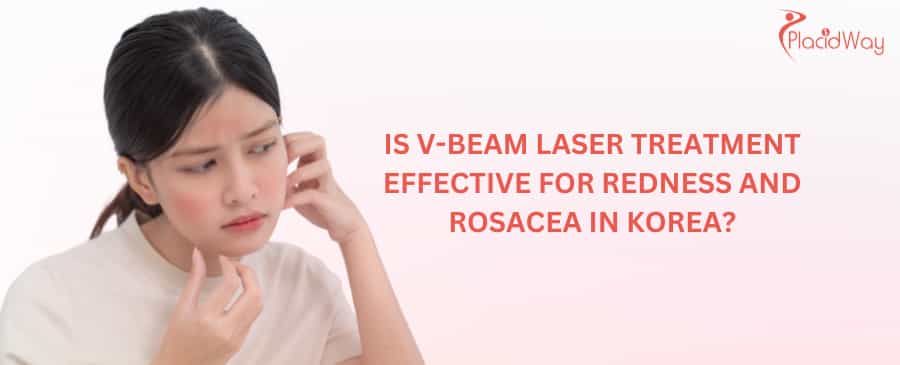
V-Beam laser treatment in Korea is highly effective for reducing facial redness, broken capillaries, and rosacea. Korean dermatologists utilize advanced pulsed dye laser technology to target blood vessels safely, ensuring rapid and visible clearance.
Key Takeaways: Erasing Redness in South Korea
- Gold Standard Technology: V-Beam Perfecta is the globally recognized leading device for vascular skin conditions.
- Expert Precision: Board-certified Korean specialists excel at customizing wavelengths to protect sensitive skin barriers.
- Cost Effectiveness: Treatments are significantly more affordable, often saving patients hundreds of dollars per session.
- Holistic Skin Care: Sessions include deep cleansing, cryo-cooling masks, and advanced LED recovery therapies.
- Minimal Downtime: Advanced cooling sprays allow patients to resume light tourism activities almost immediately.
How exactly does V-Beam laser treatment in Korea target rosacea and facial redness?
The laser uses an intense beam of light at a 595-nanometer wavelength that is exclusively absorbed by oxyhemoglobin in the blood. This instantly collapses dilated blood vessels without damaging surrounding healthy tissue.
Rosacea and chronic facial flushing are primarily caused by abnormally dilated blood vessels near the surface of the skin. When you undergo V-Beam laser treatment in Korea, specialists utilize a pulsed dye laser system designed specifically for these vascular anomalies. The light emitted by the device converts into heat only when it encounters the red pigment in your blood, making it incredibly precise.
Once the heat is absorbed, the targeted blood vessels coagulate and collapse. Over the following weeks, your body naturally flushes away these destroyed vessels through its lymphatic system, leaving behind a clear, even-toned complexion. This precise thermal energy also provides a secondary benefit by gently heating the dermal layer, which subtly stimulates collagen production to improve overall skin texture and resilience.
What sets the Korean approach apart is the hyper-customization of the machine settings. Korean dermatologists are accustomed to treating thinner, more sensitive skin types. They expertly adjust the pulse duration and energy fluence based on immediate skin feedback. This cautious yet highly effective methodology ensures that the redness is cleared efficiently while minimizing the risk of burns or hyperpigmentation.
What is the average V-Beam laser treatment cost in Korea for international patients?
The V-Beam laser treatment cost in Korea typically ranges from $200 to $450 per session, depending on the clinic reputation and the size of the treatment area. This often includes consultation and aftercare.
When evaluating global skincare expenses, South Korea offers unparalleled value for top-tier dermatological procedures. In Western countries like the United States or the United Kingdom, a single session of V-Beam Perfecta can easily cost between $500 and $900. In contrast, Korean clinics provide the exact same FDA-approved technology at a fraction of the price due to high local competition and an incredibly efficient medical infrastructure.
Furthermore, the price quoted in Korean facilities usually represents a comprehensive package rather than a segmented bill. A standard fee typically covers the initial high-resolution skin analysis, thorough double-cleansing by an esthetician, application of topical anesthetics, the doctor-administered laser procedure, and a post-laser calming mask. There are rarely hidden facility fees or separate doctor consultation charges.
To maximize savings, many international patients opt for multi-session packages. Clinics frequently offer fifteen to twenty percent discounts when three or more sessions are purchased upfront. Additionally, medical tourists can take advantage of the national tax refund system, which allows foreign visitors to claim back the ten percent value-added tax at the airport upon departure.
| Country | Average Cost Per Session (USD) | Included Extras |
|---|---|---|
| South Korea | $200 - $450 | Consultation, Numbing, Cooling Mask, LED Therapy |
| United States | $500 - $900 | Just the laser procedure |
| United Kingdom | $450 - $750 | Consultation fee often separate |
How do I select the best V-Beam laser treatment clinic in Korea without knowing Korean?
Choosing the right V-Beam laser treatment clinic in Korea requires looking for international certifications, dedicated translation departments, and board-certified dermatologists specializing in vascular lesions.
- Board Certification: Ensure the head doctor is a certified member of the Association of Korean Dermatologists. This guarantees they have completed rigorous specialized training in skin anatomy.
- In-House Translation: Premium clinics employ full-time medical coordinators who translate everything from the initial consultation to post-op instructions seamlessly.
- Genuine Equipment: Look for centers that publicly display certificates of authenticity for their Candela V-Beam Perfecta or Prima machines to ensure you receive authentic treatments.
- Transparent Pricing: The best centers offer clear, upfront price lists without discriminatory pricing based on your nationality or language skills.
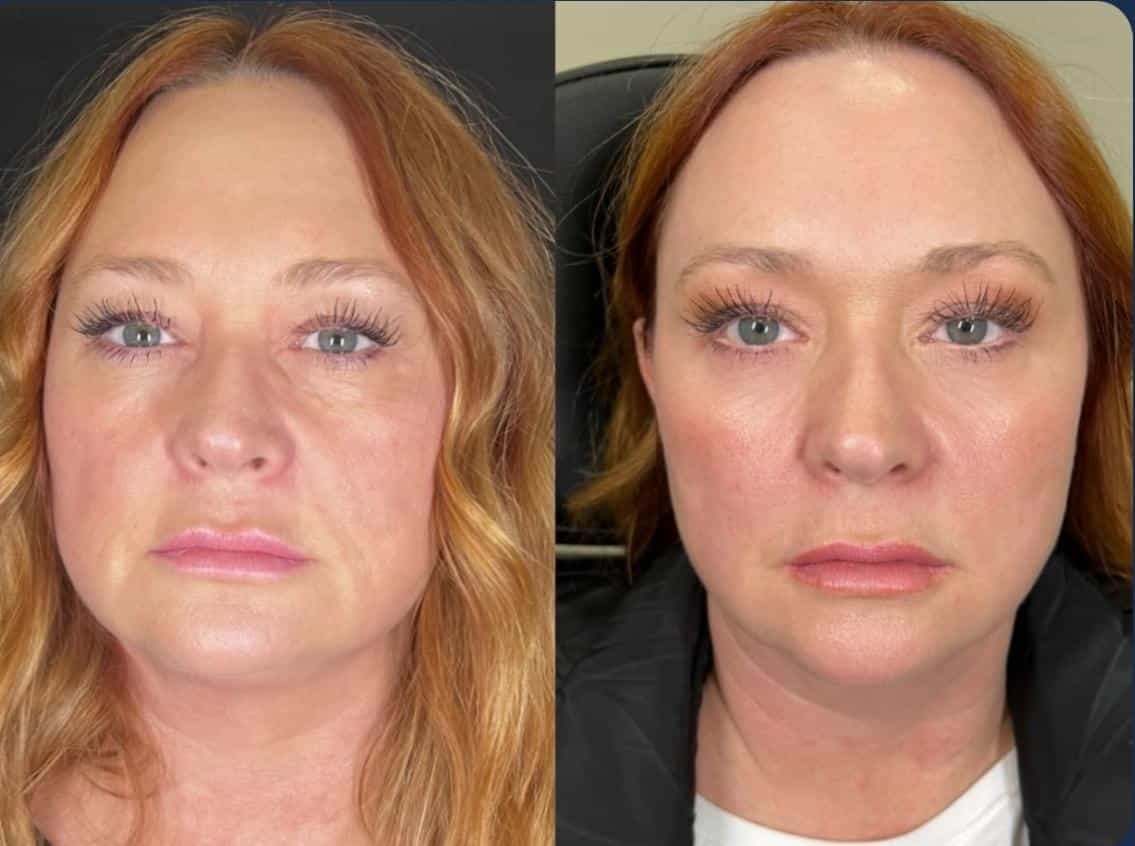
- Before and After Portfolios: Review their gallery specifically for rosacea and capillary clearance to judge the real-world capabilities of their medical team.
Why is medical tourism in Korea so popular for advanced dermatological treatments?
Medical tourism in Korea thrives because the country blends world-class technological infrastructure with an unparalleled cultural dedication to skin perfection, all supported by strict government oversight.
The global phenomenon of K-Beauty has put a massive spotlight on South Korean dermatology, but the appeal goes far beyond skincare products. The country treats aesthetic medicine as a highly respected, heavily funded scientific discipline. The sheer volume of procedures performed daily in districts like Gangnam means that doctors accumulate decades worth of hands-on experience in a fraction of the time it takes their Western counterparts. This high turnover ensures absolute mastery over complex devices like vascular lasers.
Furthermore, the governmental support for the medical sector is robust. The Ministry of Health and Welfare actively promotes and regulates facilities catering to foreigners, ensuring stringent safety standards, hygiene protocols, and ethical business practices. Clinics must pass rigorous inspections to earn the right to treat international patients, providing a built-in safety net for travelers seeking treatments abroad.
Finally, the holistic approach to patient care is unmatched. Western dermatology often feels clinical and rushed; in contrast, a visit to a top-tier Korean center feels akin to visiting a luxury spa. From the moment you enter, every aspect of your comfort is managed. You receive detailed skin mapping, relaxing facial preparations, and specialized recovery therapies that turn a clinical procedure into a highly enjoyable, rejuvenating experience.
In Seoul, treating rosacea isn't just about blasting the skin with a laser and sending the patient home. It is about restoring the compromised skin barrier. Specialists frequently combine vascular lasers with moisture-infusing skin boosters to ensure the foundation of the skin is strong enough to prevent future flare-ups.
What specific pre-treatment steps do Korean dermatologists require before V-Beam therapy?
Before the procedure, patients undergo a digital 3D skin analysis to map vascular depth, followed by strict instructions to avoid UV exposure, chemical exfoliants, and blood-thinning supplements for one to two weeks.
The journey to clear skin begins long before the laser is turned on. When you arrive at a premier clinic, the first step is an advanced digital assessment using machines like the Mark-Vu or VISIA system. These diagnostic tools utilize cross-polarized light to reveal the exact depth, severity, and network structure of the blood vessels beneath the epidermis. This allows the doctor to tailor the laser energy precisely to your unique vascular roadmap.
Preparation guidelines are strictly enforced to maximize safety. Patients are advised to religiously apply high-SPF sunscreen and avoid prolonged sun exposure for at least two weeks prior to arrival. Tanned skin contains excess melanin, which can inadvertently absorb the laser energy meant for the blood vessels, leading to a risk of blistering or unwanted pigmentation changes.
Additionally, you will be instructed to discontinue the use of harsh active ingredients such as retinol, glycolic acid, and aggressive physical scrubs a week before your session. Doctors also advise halting the consumption of alcohol, fish oil, high doses of Vitamin E, and NSAIDs like aspirin, as these can thin the blood and increase the likelihood of post-treatment bruising (purpura).
How does the V-Beam Perfecta differ from older vascular lasers used globally?
The Perfecta utilizes advanced micro-pulse technology to deliver energy smoothly, drastically reducing bruising. It also features a patented Dynamic Cooling Device that sprays cryogen to protect the skin barrier instantly.
Older generations of pulsed dye lasers were notorious for leaving patients with severe, dark purple bruising that could last for weeks. This occurred because the laser energy was delivered in a single, massive spike that literally ruptured the blood vessels rather than gently coagulating them. The V-Beam Perfecta revolutionized this process by breaking down the energy output into eight distinct micro-pulses.
This micro-pulse delivery system allows the laser to heat the target vessel gradually and evenly. The vessel safely shrinks and collapses without the explosive rupture associated with older models. For medical tourists, this is a game-changer; it means you can undergo an effective rosacea treatment and still go out for dinner in Myeongdong the very same evening without looking like you were in a physical altercation.
Equally important is the integrated Dynamic Cooling Device (DCD). Milliseconds before the laser pulse hits the skin, the device sprays a precisely metered burst of cooling cryogen. This numbs the area, vastly improving patient comfort, and protects the delicate epidermis from thermal damage. This dual-action approach of micro-pulsing and instant cooling makes it the safest and most efficient vascular laser available.
Because the V-Beam is so exceptionally safe and effective, it is actually the laser of choice used by pediatric dermatologists around the world to treat port-wine stain birthmarks on infants and young children.
What post-treatment care routines are provided by Korean clinics to ensure optimal results?
Post-care involves immediate cooling sheet masks, restorative red-light LED therapy, and strict protocols for intense hydration and broad-spectrum sun protection to accelerate healing and prevent pigmentation.
- Cryo-Soothing Masks: Immediately following the laser, estheticians apply a medical-grade hydrogel mask infused with aloe and centella asiatica, kept at near-freezing temperatures to instantly draw heat out of the skin.
- Omega Light Therapy: Patients relax under a specialized LED dome emitting yellow or red light, which is clinically proven to reduce post-laser erythema (redness) and speed up cellular repair.
- Barrier Repair Creams: Clinics often provide or prescribe a specialized ceramide-rich recovery cream to reconstruct the lipid barrier and lock in essential moisture.
- Temperature Control Guidelines: Patients are explicitly told to avoid saunas, hot yoga, vigorous exercise, and overly spicy foods for several days to prevent re-dilating the freshly treated vessels.
- Meticulous UV Protection: Applying PA++++ rated physical sunscreen every two to three hours becomes mandatory to protect the vulnerable skin from hyperpigmentation caused by the sun.
How long do the results of a V-Beam session last for patients with chronic rosacea?
Results can last from several months to a few years. While destroyed blood vessels will not return, rosacea is a chronic condition, meaning new vessels may eventually form, necessitating periodic maintenance sessions.
It is important to manage expectations when dealing with vascular conditions. The V-Beam laser is a phenomenal tool for clearing existing redness, but it is not a permanent cure for the underlying genetic or environmental triggers of rosacea. The specific blood vessels and capillaries that are collapsed during your session in Korea are permanently destroyed and reabsorbed by the body.
However, because rosacea involves a chronic inflammatory response, your body has a tendency to develop new capillary networks over time, especially if subjected to known triggers. The longevity of your flawless results depends heavily on lifestyle factors. Patients who diligently avoid extreme temperature changes, excessive alcohol, chronic stress, and relentless sun exposure tend to maintain their clear complexion significantly longer.
To sustain optimal results, Korean dermatologists typically recommend returning for a minor touch-up session once every twelve to eighteen months. Many international patients successfully incorporate this maintenance into an annual vacation itinerary, ensuring their skin remains calm, even-toned, and radiant year after year.
Why Choose PlacidWay for your dermatological journey to South Korea?
PlacidWay removes the stress of navigating a foreign healthcare system by connecting you directly with vetted, English-speaking dermatology centers, ensuring transparent pricing and guaranteed safety standards.
- Verified Clinic Selection: We exclusively partner with fully accredited clinics that are officially licensed by the Korean government to treat international patients, eliminating any guesswork regarding legitimacy.
- Transparent, Upfront Pricing: PlacidWay ensures you receive detailed, fully itemized quotes before you commit, protecting you from hidden consultation fees, tax surprises, or localized price discrimination.
- Dedicated Patient Support: Our team acts as your personal liaison, facilitating clear communication with medical staff and answering all your procedural questions long before you reach the clinic doors.
- Safety Prioritization: We mandate that all our partners utilize genuine, FDA-approved equipment like the V-Beam Perfecta, operated exclusively by highly trained and board-certified dermatologists.
- Holistic Treatment Planning: We help coordinate comprehensive skincare packages that combine vascular lasers with advanced recovery therapies, maximizing your clinical outcome during your stay.
Frequently Asked Questions About V-Beam and Skin Care Tourism
How long does a typical V-Beam laser session take in Seoul?
A standard V-Beam session in Seoul typically takes about fifteen to thirty minutes depending on the size of the treatment area. However, you should allocate at least two hours for the entire clinic visit, which includes a comprehensive consultation, skin cleansing, application of topical numbing cream, the laser procedure itself, and a customized post-laser cooling mask to soothe the skin.
Are there any side effects of V-Beam laser on Asian skin types?
While V-Beam is exceptionally safe, Asian skin types carry a slightly higher risk of post-inflammatory hyperpigmentation. Korean dermatologists mitigate this risk by using conservative energy settings and the built-in Dynamic Cooling Device. Mild swelling and temporary purpura or bruising can occur but usually resolve within a few days when following proper aftercare protocols.
Do Korean dermatologists use numbing cream for V-Beam treatments?
Yes, almost all reputable clinics in Korea apply a high-quality topical anesthetic cream for thirty to forty-five minutes before the procedure. The V-Beam Perfecta system also emits a cooling cryogen spray milliseconds before each laser pulse, which significantly reduces discomfort and protects the outer layer of the skin from thermal damage.
Can I wear makeup immediately after a V-Beam session in Korea?
It is highly recommended to avoid makeup for at least twenty-four to forty-eight hours post-treatment to allow the skin barrier to heal and prevent infection. Korean specialists advise applying only the prescribed soothing ointments and a gentle physical sunscreen. Once the initial redness subsides, you can resume wearing light, non-comedogenic makeup.
How many V-Beam sessions are required to treat severe rosacea?
For severe rosacea and prominent broken capillaries, dermatologists generally recommend a series of three to five sessions spaced four to six weeks apart. While you will notice a significant reduction in redness after just one session, a cumulative approach ensures that deeper, more stubborn vascular networks are fully collapsed and absorbed by the body.
Is it safe to fly out of Korea the day after a V-Beam treatment?
Yes, it is medically safe to fly the day after your procedure. However, cabin air is notoriously dry, which can irritate freshly lasered skin. Specialists advise applying a thick layer of medical-grade moisturizer and avoiding window seats to minimize UV exposure during the flight. Wearing a wide-brimmed hat and a surgical mask is also beneficial.
Does health insurance cover V-Beam laser costs for international patients?
No, V-Beam treatments are generally classified as cosmetic procedures by international health insurance providers, especially when performed abroad. Therefore, medical tourists must cover the costs out-of-pocket. Fortunately, the highly competitive pricing in Korea often makes the total expenditure lower than copays or high-deductible out-of-pocket costs in Western countries.
What is the recommended downtime for V-Beam treatments in Seoul?
V-Beam is often called a lunchtime procedure because it requires zero to minimal clinical downtime. You can immediately walk out of the clinic and resume light daily activities. Social downtime varies; you may experience mild facial flushing or slight swelling for two to three days, but this rarely prevents patients from enjoying sightseeing or shopping in Seoul.
Can V-Beam laser be combined with Pico laser during one visit?
Yes, Korean dermatologists frequently combine V-Beam with Pico toning lasers in a single session to address multiple skin concerns simultaneously. While V-Beam targets vascular lesions and redness, the Pico laser shatters melanin to clear pigmentation and acne scars. This dual approach is a hallmark of Korean glass skin treatment protocols.
How do I translate my medical history for a Korean dermatologist?
Top-tier dermatology centers catering to international patients employ dedicated in-house medical translators fluent in English, Chinese, Russian, and other languages. You simply need to provide your medical history in your native language, and the coordination staff will accurately translate and communicate your conditions, allergies, and goals to the head doctor.
Erase Redness and Achieve Glass Skin Today






.png)








Share this listing