


How Stem Cell Therapy May Support Wound Healing in Slovakia
Yes, stem cell therapy for diabetic foot ulcers in Slovakia effectively uses mesenchymal stem cells to regenerate damaged tissue, improve blood flow, and accelerate healing, significantly reducing the risk of amputation for international patients.

Key Takeaways: Advanced Healing and Amputation Prevention
- Tissue Regeneration: Stem cells actively rebuild damaged skin, muscle, and vascular networks in non-healing wounds.
- Cost Efficiency: Access premium cellular treatments at a fraction of the cost found in North American healthcare systems.
- Angiogenesis Promotion: The therapy stimulates the creation of new blood vessels, restoring crucial oxygen flow to the foot.
- European Standards: Slovakian clinics operate under rigorous European Union medical and laboratory regulations.
- Minimally Invasive: The procedures avoid major surgery, utilizing localized microinjections and intravenous infusions.
How does stem cell therapy for diabetic foot ulcers in Slovakia promote tissue regeneration?
Stem cell therapy for diabetic foot ulcers in Slovakia works by secreting potent growth factors that trigger new blood vessel formation and reduce chronic inflammation in the wound bed. This restores essential oxygen and nutrients to the ulcerated area.
Chronic diabetic wounds fail to heal primarily because high blood sugar levels damage the local blood vessels and nerves, creating an environment starved of oxygen and trapped in a state of perpetual inflammation. Mesenchymal stem cells introduced into this environment act as powerful biological directors. They immediately begin to release signaling proteins known as cytokines, which modulate the hyperactive immune response and calm the destructive inflammation that prevents normal wound closure.
Furthermore, these advanced cellular treatments promote a process called angiogenesis. Angiogenesis is the physiological process through which new blood vessels form from pre-existing vessels. By establishing a fresh capillary network around the ulcer, the stem cells ensure that vital nutrients, oxygen, and the bodys own natural healing agents can finally reach the dying tissue. This vascular restoration is often the turning point between losing a limb and saving it.
Lastly, the applied stem cells have the unique ability to differentiate into various cell types necessary for dermal repair, such as fibroblasts and keratinocytes. They lay down a new collagen matrix, essentially building a biological scaffold over the open wound. This allows healthy skin to migrate across the ulcer bed, leading to rapid wound contraction and eventual complete epithelialization.
What is the average stem cell therapy for diabetic foot ulcers cost in Slovakia compared to other nations?
The average stem cell therapy for diabetic foot ulcers cost in Slovakia typically ranges from $6,000 to $12,000 per treatment cycle. This represents a significant financial advantage, offering massive savings compared to Western clinics.
Financial accessibility is one of the primary drivers for international patients seeking regenerative care abroad. In regions like the United States or the United Kingdom, specialized regenerative treatments for severe diabetic complications can easily exceed $25,000 to $40,000, and these experimental procedures are rarely covered by standard health insurance policies. Patients are left facing impossible financial burdens alongside their physical suffering.
Slovakia offers a compelling alternative due to its lower cost of living and highly efficient, state subsidized medical education systems. These economic factors allow top tier medical facilities to offer exact replicas of Western laboratory protocols at drastically reduced prices. The cost you pay in Central Europe covers not only the advanced cellular products but often includes comprehensive pre-operative testing, specialized wound care consultations, and initial aftercare supplies.
To better understand the financial landscape, consider the following approximate cost comparisons for a complete cellular therapy protocol targeted at a chronic non-healing wound:
| Country | Estimated Minimum Cost | Estimated Maximum Cost |
|---|---|---|
| Slovakia | $6,000 | $12,000 |
| Germany | $15,000 | $22,000 |
| United States | $25,000 | $45,000 |
| United Kingdom | $18,000 | $28,000 |
How can patients choose the best stem cell therapy for diabetic foot ulcers clinic in Slovakia?
Selecting the right stem cell therapy for diabetic foot ulcers clinic in Slovakia requires evaluating facility accreditations, analyzing laboratory quality standards, and reviewing verifiable patient outcome data regarding amputation prevention.
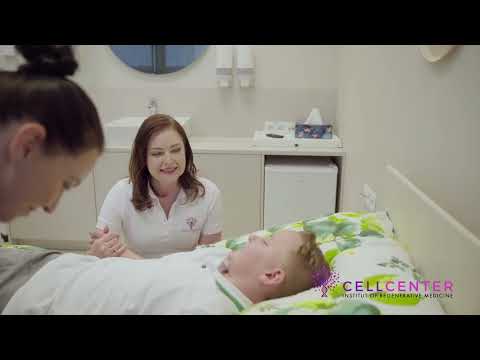
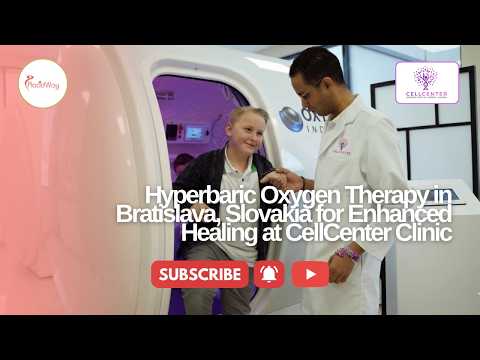
When researching options, many patients discover that pursuing advanced stem cell therapy for diabetic foot ulcers at CellCenter in Slovakia provides access to strict laboratory protocols and experienced multidisciplinary teams. It is crucial to choose a facility that does not treat stem cell therapy as a standalone magic cure, but rather integrates it into a comprehensive diabetic wound care program involving vascular surgeons, endocrinologists, and specialized wound care nurses.
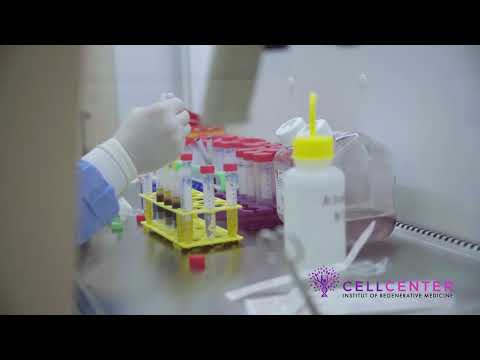
Patients should always verify the laboratory standards of their chosen provider. The best clinics operate their own clean room facilities that strictly adhere to Good Manufacturing Practice guidelines mandated by the European Medicines Agency. This ensures that the cells being cultured and administered are free from contamination, highly viable, and delivered in therapeutic quantities sufficient to induce actual tissue repair.
Furthermore, prospective medical tourists should request detailed pre-treatment consultation calls. A reputable clinic will never guarantee a one hundred percent success rate. Instead, they will insist on reviewing your recent blood panels, hemoglobin A1c levels, and vascular ultrasound reports to determine if your body is currently capable of supporting cellular regeneration. If a clinic immediately approves you without demanding recent medical records, it is a significant warning sign.
The true benchmark of a high-quality regenerative clinic is their diagnostic process. Advanced facilities will utilize duplex ultrasonography to map your arterial flow before applying any stem cells. If the large arteries in your leg are completely blocked, stem cells cannot survive. Ethical clinics will require vascular surgical clearance or angioplasty before proceeding with regenerative therapy.
What makes medical tourism in Slovakia an excellent choice for diabetic patients seeking regenerative medicine?
Medical tourism in Slovakia combines stringent European Union healthcare oversight with cutting-edge regenerative medicine laboratories and highly trained medical professionals dedicated exclusively to complex chronic wound management.
Slovakia has quietly emerged as a premier destination within Central Europe for advanced medical treatments. Because the country is a full member of the European Union, its medical facilities are legally required to comply with exceptionally rigorous health and safety directives. This eliminates the regulatory risks often associated with seeking experimental treatments in developing nations with lax medical oversight. Patients benefit from first-world medical infrastructure and uncompromising hygiene standards.
Beyond the regulatory safety net, the geographical location is incredibly advantageous for international patients. Situated in the heart of Europe, the country is easily accessible via short flights from major European transit hubs, and a straightforward train ride from Vienna International Airport. This ease of access is crucial for diabetic patients dealing with foot ulcers, as prolonged, complex travel itineraries can exacerbate swelling, impede circulation, and cause unnecessary physical trauma to the affected limb.
The local healthcare culture also strongly emphasizes personalized, unhurried patient care. Unlike the high-volume, rushed clinic environments frequently found in Western nations, medical teams in this region allocate significant time to patient education, comprehensive diagnostic evaluations, and meticulous wound debridement prior to cellular application. This methodical approach drastically improves the overall success rates of the regenerative procedures.
Which types of stem cells are utilized for treating diabetic foot ulcers in Slovakian facilities?
Leading facilities primarily utilize Wharton jelly derived mesenchymal stem cells or autologous adipose derived stem cells due to their highly potent regenerative properties and excellent safety profiles in human clinical applications.
For the treatment of severe diabetic wounds, doctors require cells that possess massive regenerative potential and strong anti-inflammatory properties. Allogeneic mesenchymal stem cells derived from donated umbilical cord tissue, specifically the Wharton jelly component, are highly favored. These cells are incredibly young, immunoprivileged (meaning they do not trigger rejection reactions in the recipient), and multiply at a rapid rate, making them ideal for aggressive tissue repair.
Alternatively, some protocols utilize autologous adipose derived stem cells. In this approach, doctors harvest a small amount of the patients own fat tissue, usually from the abdominal area, via a mini-liposuction procedure. The fat is processed in the laboratory to isolate the stromal vascular fraction, which contains a high concentration of the patients own stem cells. These are then immediately reintroduced to the wound site.
The choice between allogeneic cord tissue and autologous fat tissue depends on the specific health status of the patient. If a patient has suffered from severe, long-term unmanaged diabetes, their own internal stem cell reserves may be depleted or malfunctioning. In such cases, healthy donor cells from umbilical cords often yield vastly superior healing results by introducing fresh, highly active biological signals into the stagnant wound.
Umbilical cord-derived mesenchymal stem cells are considered Day Zero cells. Because they are collected at birth, they have never been exposed to aging, environmental toxins, or chronic diseases like diabetes, giving them maximum vitality and healing power compared to adult stem cells.
How are stem cells administered to effectively treat and close diabetic foot ulcers?
Medical specialists administer cellular therapy using a dual-modality approach consisting of localized microinjections directly into the wound margins and a systemic intravenous infusion to ensure maximum delivery to damaged tissues.
The application process is critical to the success of the therapy. Before any cells are introduced, the ulcer must undergo meticulous surgical debridement. The doctor carefully removes all necrotic (dead) and infected tissue to expose a healthy, bleeding wound bed. Without this vital preparatory step, the stem cells would simply die upon contact with the toxic, non-viable surface tissue.
Once the wound is properly prepared, the physician performs localized microinjections. Using an ultra-fine needle, millions of active stem cells are injected directly into the healthy tissue margins surrounding the ulcer. This creates a powerful biological perimeter around the wound, instructing the local skin and blood vessel cells to begin migrating inward to close the defect. Sometimes, a specialized cellular gel or bioscaffold is also applied directly over the open wound surface.
Following the local application, patients typically receive an intravenous infusion of stem cells. The rationale behind systemic delivery is that diabetic foot ulcers are a localized symptom of a systemic disease. The IV infusion allows stem cells to circulate throughout the body, targeting widespread vascular inflammation, improving overall peripheral circulation, and optimizing the patients internal healing environment to support the localized repair efforts on the foot.
What are the expected recovery timelines after receiving stem cell treatments for diabetic foot ulcers?
Patients typically observe significant reductions in wound size, decreased localized pain, and healthy granulation tissue formation within four to eight weeks following their primary stem cell application.
- Week 1 to 2: The Inflammatory Shift. Immediately following treatment, the primary effect is a massive reduction in chronic inflammation. Patients often report reduced redness, less swelling, and a decrease in wound exudate (drainage).
- Week 3 to 5: Angiogenesis and Granulation. The new blood vessels begin functioning, turning the pale wound bed into a healthy, beefy red color known as granulation tissue. This is a critical indicator that the body is preparing to rebuild skin.
- Week 6 to 8: Epithelialization. The wound edges begin to visibly contract. A thin layer of new, delicate skin starts migrating across the granulation tissue, visibly shrinking the total surface area of the ulcer.
- Month 3 and Beyond: Tissue Remodeling. Even after the wound visually closes, the cellular activity continues beneath the surface. The newly formed tissue strengthens, collagen fibers align properly, and the risk of the wound reopening decreases significantly.
- Long-term Maintenance. Complete healing requires the patient to maintain excellent blood sugar control and utilize custom offloading footwear to protect the fragile new tissue from sheer stress and friction.
Are there specific eligibility criteria for diabetic patients seeking regenerative foot ulcer treatments?
Ideal candidates must possess relatively stable blood sugar parameters, demonstrate an absence of active bone infections, and have sufficient major arterial blood supply to support the newly forming microscopic cellular structures.
Regenerative medicine is incredibly advanced, but it requires a cooperative biological environment to function. Before any reputable clinic accepts a patient, they will review the individuals Hemoglobin A1c levels. While perfect control is not expected, wildly fluctuating or extreme hyperglycemia is toxic to newly introduced stem cells, severely diminishing the treatments efficacy.
Infection control is another paramount eligibility factor. If a foot ulcer has progressed to osteomyelitis (infection of the underlying bone) or systemic sepsis, cellular therapy cannot be administered immediately. The active infection must first be aggressively treated with intravenous antibiotics and necessary surgical intervention. Stem cells are a restorative tool, not a primary antibiotic defense mechanism.
Vascular patency is perhaps the most critical criteria. While stem cells build new micro-capillaries, those tiny vessels must connect to a functioning main artery. If the patient suffers from severe peripheral artery disease with total occlusion of the leg arteries, surgical revascularization (like a bypass or balloon angioplasty) must be performed first. Only then can the stem cells be applied to heal the localized wound defect.
Why choose PlacidWay for organizing your regenerative medicine journey to Slovakia?
PlacidWay acts as your dedicated medical advocate, providing access to highly vetted European clinics, facilitating secure medical record reviews, and ensuring completely transparent treatment pricing before you commit to care.
Navigating cross-border healthcare for a critical condition like a diabetic foot ulcer requires precision and trusted guidance. Attempting to manage international medical logistics independently while dealing with a chronic wound can be overwhelming. PlacidWay simplifies this complex process through comprehensive patient advocacy.
- Pre-Vetted Medical Network: We exclusively partner with clinics that hold verifiable European Union accreditations, utilize advanced Good Manufacturing Practice laboratories, and employ board-certified specialists in regenerative medicine.
- Direct Specialist Consultations: We arrange virtual meetings directly between you and the head regenerative doctors in Slovakia, allowing you to ask critical questions and receive a preliminary assessment from the comfort of your home.
- Medical Record Facilitation: Our team assists in securely transferring your medical history, blood panels, and wound photographs to the international medical team, ensuring they have a complete clinical picture prior to your arrival.
- Transparent Financial Structuring: We provide comprehensive quotes that clearly outline the costs of the cellular therapies, medical consultations, and required aftercare supplies, eliminating hidden fees and unexpected hospital bills.
- Dedicated Patient Coordination: You are assigned a dedicated medical coordinator who acts as your liaison, translating complex medical jargon, managing clinic scheduling, and serving as your primary advocate throughout the entire treatment journey.
Frequently Asked Questions
Is stem cell therapy painful for patients with severe diabetic neuropathy?
The procedure is generally well tolerated and involves minimal discomfort. Since many diabetic patients already experience neuropathy, they often feel very little during the localized microinjections. Medical staff also utilize topical anesthetics and advanced cooling techniques to ensure maximum patient comfort during the application process.
Can stem cells completely reverse diabetic nerve damage in the foot?
While stem cells are incredibly effective at healing open wounds and promoting new blood vessel growth, completely reversing severe peripheral neuropathy is challenging. Patients often report significant improvements in sensation and reduced neuropathic pain, but it is typically considered a management and regeneration tool rather than a total cure for underlying nerve degeneration.
Are there age limits for receiving stem cell injections for foot ulcers?
There is no strict upper age limit for receiving regenerative treatments. Medical suitability is based entirely on the overall health of the patient, cardiac stability, and specific blood markers rather than chronological age. Elderly patients frequently undergo these procedures with excellent wound healing outcomes provided they pass the initial medical clearance.
Do I need to stop my diabetes medication before undergoing stem cell therapy?
You should not stop your essential diabetes medications unless specifically instructed by your treating physician. Maintaining stable blood glucose levels is critical for the survival and proliferation of the newly introduced stem cells. Your medical team will review all your current pharmaceuticals and provide a customized pre-treatment medication schedule.
What is the success rate of avoiding amputation with regenerative treatments?
Clinical observations indicate that regenerative medicine can prevent major amputations in a significant majority of patients with chronic non-healing ulcers. Success depends heavily on early intervention, patient compliance with aftercare, and maintaining strict glycemic control following the cellular application.
How long do the effects of stem cell therapy last for chronic wounds?
Once a diabetic foot ulcer completely closes and the tissue regenerates through cellular therapy, that specific wound is considered healed permanently. However, because the underlying systemic diabetes remains, patients must continue proper foot care and sugar management to prevent new ulcers from forming in different locations.
Is hospitalization required for stem cell wound treatment in Slovakia?
The actual cellular administration is an outpatient procedure taking only a few hours. However, medical tourists are advised to stay in the city for several days to a week for initial monitoring, vital follow-up assessments, and subsequent wound dressing changes to ensure the healing cascade has successfully initiated.
Can infected diabetic foot ulcers be treated with stem cells immediately?
Active, aggressive localized infections must be medically managed and cleared before administering cellular therapy. Introducing stem cells into a highly septic environment destroys the cells and compromises the treatment. Doctors will first use targeted antibiotics and surgical debridement to prepare a clean wound bed.
What type of aftercare is necessary once the stem cell treatment is complete?
Post-treatment care involves strict offloading of pressure from the affected foot using specialized orthopedic footwear or casts. Patients must keep the wound clean, attend scheduled dressing changes, monitor their blood sugar vigilantly, and avoid smoking entirely as nicotine severely restricts the blood flow necessary for new tissue growth.
Are umbilical cord stem cells used in Slovakia ethically sourced?
Yes, all mesenchymal stem cells derived from umbilical cord tissue in European Union facilities are sourced under extremely strict ethical guidelines. Tissues are collected solely from healthy, full-term pregnancies after a scheduled cesarean section with the explicit, informed, and prior written consent of the donor mother.
Take Action to Save Your Limb and Restore Your Health Today
* Patient privacy is strictly guaranteed. Connect with care coordinators within 24 hours.
.jpg)





.png)



.png)












Share this listing