
Patients seeking world-class medical care are increasingly exploring the highly advanced bone marrow transplant procedure in Azerbaijan. As medical tourism rapidly expands across Eastern Europe and the Caucasus, international patients require authoritative, highly specialized oncology centers capable of treating severe hematological diseases. The evolution of modern medical infrastructure has transformed the region into a premium destination for complex immunological therapies.
At the absolute forefront of this medical evolution is the specialized Bone Marrow Transplantation Unit at Liv Bona Dea Hospital in Baku. This sophisticated facility merges stringent infection control protocols, renowned oncology specialists, and advanced pharmacological support systems to treat aggressive blood cancers. By providing comprehensive stem cell transplantation services, the hospital ensures that immunocompromised patients receive meticulous, personalized care tailored to their unique physiological profiles.
Video Chapters & Quick Navigation
The Fundamentals of the Bone Marrow Transplant Procedure
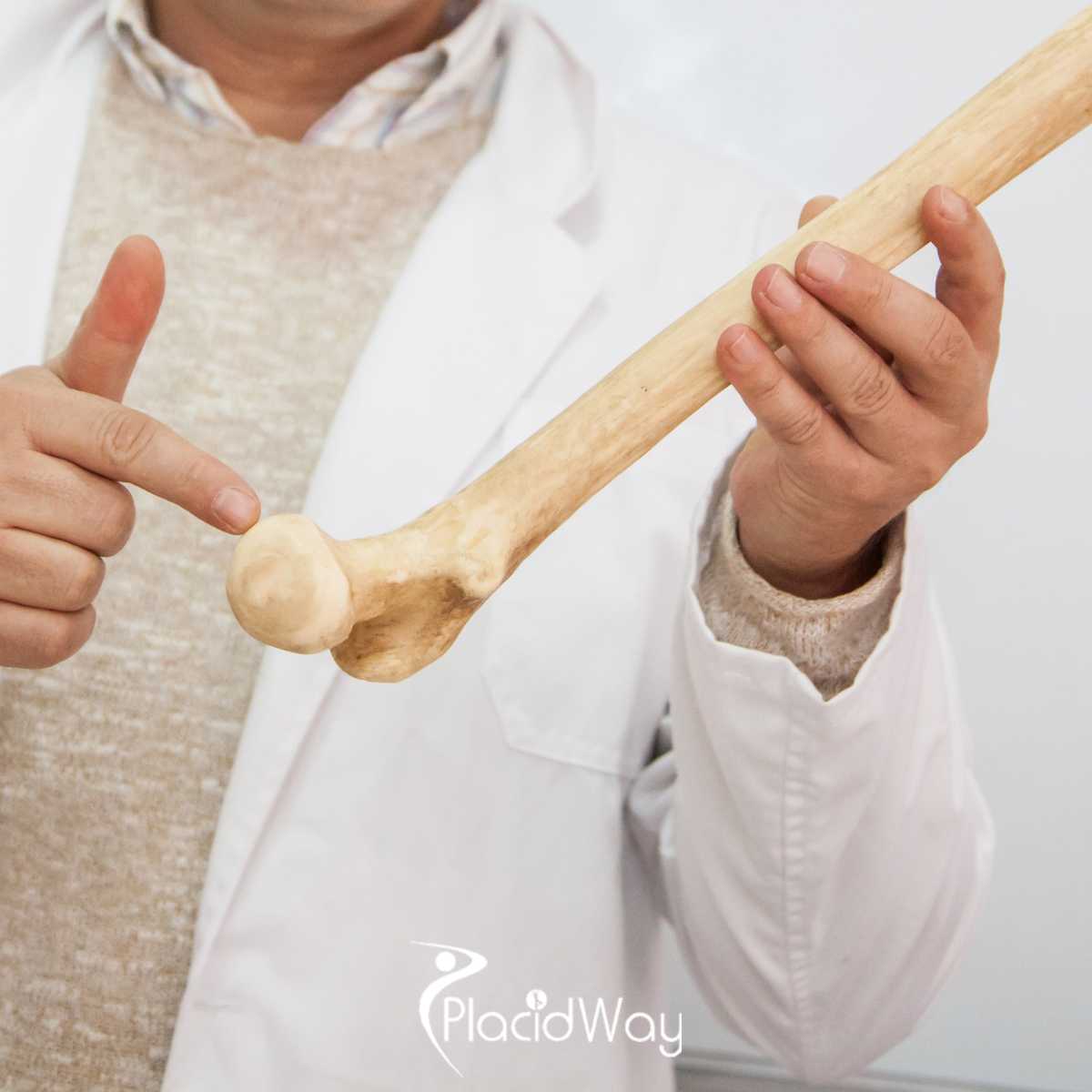
A bone marrow transplant is an incredibly complex medical intervention specifically designed to replace diseased or non-functioning bone marrow with healthy hematopoietic stem cells. The bone marrow acts as the fundamental biological factory for the human body, producing essential blood components required for survival. These critical components include red blood cells responsible for transporting oxygen, white blood cells dedicated to fighting infectious diseases, and platelets necessary for normal blood clotting.
When a patient develops a severe hematological condition, the bone marrow routinely fails to function correctly, necessitating an immediate and complete stem cell replacement. Patients suffering from life-threatening conditions like acute lymphoblastic leukemia, severe aplastic anemia, or high-risk non-Hodgkin's lymphoma frequently require this advanced procedure to achieve clinical remission. The comprehensive treatment protocol aims to eradicate malignant cellular structures through intensive chemotherapy before introducing fresh, healthy donor cells.
Why Hematopoietic Stem Cells Matter
Hematopoietic stem cells are unique, immature cellular structures capable of multiplying and differentiating into any necessary blood cell type required by the immune system. During a systemic bone marrow failure, the rapid decline of these fundamental cells leaves the patient highly susceptible to fatal hemorrhages and opportunistic infections. Successfully transplanting new stem cells effectively resets the patient's entire immunological framework.
The diagnostic journey leading up to a transplant recommendation is often extensive and exhaustive. Clinical hematologists utilize highly invasive bone marrow biopsies, advanced flow cytometry, and comprehensive genetic sequencing to determine the exact extent of the marrow's cellular damage. Once a definitive diagnosis of marrow failure or severe leukemia is established, the specialized oncology tumor board begins formulating a highly customized conditioning regimen.
Autologous vs. Allogeneic Stem Cell Transplant Therapies
Understanding the specific variations of stem cell therapies is absolutely vital for international patients exploring the bone marrow transplant procedure in Azerbaijan. The most frequently utilized approach is an autologous bone marrow transplant, which exclusively leverages the patient's own previously harvested and cryogenically frozen stem cells. This specific method is predominantly utilized for treating multiple myeloma and certain relapsed lymphomas, inherently offering a significantly lower risk of severe immune rejection.
Conversely, an allogeneic stem cell transplant involves intricately harvesting healthy hematopoietic cells from a genetically matched donor. The selected donor can be a fully matched sibling, a matched unrelated donor (MUD) located via international registries, or a haploidentical family member. This specific procedure is highly effective for aggressive leukemias due to the powerful "graft-versus-tumor" biological effect.
Comparing Stem Cell Sources
| Type of Transplant Procedure | Source of Hematopoietic Cells | Primary Medical Indications |
|---|---|---|
| Autologous Transplant | Patient's own pre-harvested body cells | Multiple Myeloma, Hodgkin's Lymphoma |
| Allogeneic Transplant | Genetically matched healthy donor | Acute Leukemias, Aplastic Anemia |
| Syngeneic Transplant | Identical twin sibling | Various Severe Hematological Cancers |
Inside the Sterile Bone Marrow Transplantation Unit at Liv Bona Dea Hospital
The specialized visual walkthrough of the medical facility accurately begins at [00:00], clearly showcasing the dedicated Bone Marrow Transplantation Unit entrance. This highly specialized oncology center is meticulously designed from the ground up to meet the rigorous international architectural standards required for severe immunodeficiency cases. The fundamental structural layout prioritizes absolute strict infection control, actively creating an ultra-sterile environmental barrier between the transplant ward and the general hospital population.
As clearly demonstrated at [00:11], entry into the isolated ward requires strict adherence to hygiene protocols within specialized changing rooms designated for patients and staff. Because heavily immunocompromised patients are profoundly susceptible to airborne pathogens, top-tier medical facilities utilize dynamic positive pressure isolation rooms. These specific hospital rooms are continually equipped with advanced high-efficiency particulate air (HEPA) filtration systems to ensure constant atmospheric purification.
The Importance of Positive Air Pressure
Positive air pressure remains a critical engineering component for the best hospital for bone marrow transplant in Baku. This sophisticated ventilation technique ensures that clean, highly filtered air constantly flows forcefully outward when the patient's door is temporarily opened. Consequently, this prevents dangerous microscopic contaminants and airborne fungal spores from ever entering the patient's immediate breathing space.
Beyond structural engineering, the psychological toll of prolonged clinical isolation is carefully managed by the specialized oncology nursing team. The highly sterilized rooms are purposefully designed to incorporate vast natural light sources and digital communication tools, keeping the isolated patients securely connected with their families. Managing emotional well-being is heavily prioritized alongside the intense pharmacological interventions required for survival.
Patient Admission and Critical Vitals Monitoring
The highly sensitive phase of the hematopoietic stem cell transplantation process officially begins with patient admission and immediate continuous physiological monitoring. At [00:26], dedicated, specialized nursing staff carefully assist the new patient into their technologically integrated isolation bed. Creating a physically comfortable and clinically supportive micro-environment is absolutely essential, as patients typically reside inside this single room for up to four consecutive weeks.
Rigorous, uninterrupted oversight of human vital signs serves as a non-negotiable cornerstone of high-authority international oncology care. The exact footage at [00:37] highlights the continuous digital tracking of the patient's resting heart rate, exact blood pressure, and critical oxygen saturation percentages. Because intensely toxic chemotherapy regimens rapidly cause dangerous fluctuations in cardiovascular stability, this real-time digital data allows the rapid response medical team to intervene immediately.
Central Venous Catheter Integration
- Intravenous Chemotherapy Delivery: Allows safe administration of caustic, high-dose conditioning drugs without burning delicate peripheral veins.
- Painless Daily Blood Draws: Facilitates the multiple daily laboratory samples required to track dropping white blood cell counts.
- Total Parenteral Nutrition: Provides essential intravenous liquid calories when severe oral mucositis prevents the patient from physically swallowing food.
To further guarantee patient safety against opportunistic bacterial infections, strict hand hygiene remains heavily enforced across all clinical interactions. At [00:45], medical professionals are visibly demonstrating the mandatory surgical scrubbing routines required prior to touching any immunocompromised individual. These seemingly basic yet critically rigid protocols drastically reduce the devastating incidence rates of hospital-acquired systemic infections.
Multidisciplinary Oncology Care and Physician Assessments
The ultimate clinical success of leukemia treatment in Azerbaijan heavily relies on the combined expertise of multidisciplinary tumor boards and highly experienced attending hematologists. At [00:52], the lead oncology physician is shown diligently analyzing the patient’s complete blood count alongside comprehensive metabolic kidney panels. Daily meticulous analysis of this laboratory data is utterly critical to successfully track the systemic depletion of malignant cells and prevent accidental organ failure.
Following the intense digital data review, vital hands-on clinical assessments are routinely conducted strictly within the sterile boundaries of the patient room. The comprehensive physical examination captured clearly at [01:07] demonstrates the attending doctor carefully evaluating cardiopulmonary function using a sterilized stethoscope. These daily routine diagnostic checks remain absolutely vital for the early detection of severe post-transplant complications, including dangerous fluid retention within the lungs.
Predicting and Managing Complications
Physicians managing an allogeneic bone marrow transplant must constantly remain extremely vigilant for signs of hepatic veno-occlusive disease, a rare but life-threatening complication affecting the liver. By carefully palpating the patient's abdomen during daily clinical rounds, the hematologist checks for subtle abnormal organ enlargement. Immediate, aggressive medical intervention is instantly deployed at the very first sign of emerging liver toxicity.
Furthermore, the clinical collaboration seamlessly extends beyond specialized physicians to include infectious disease experts, clinical pharmacists, and nutritional dietitians. This holistic medical approach ensures every single physiological variable is meticulously accounted for during the intense conditioning phase. The united objective remains aggressively stabilizing the patient's failing immune system while heavily minimizing excruciating chemotherapeutic side effects.
High-Risk Oncology Care and Cytotoxic Drug Preparation Protocols
A fundamental cornerstone of successfully executing the bone marrow transplant procedure in Azerbaijan is the exceptionally precise formulation of conditioning chemotherapy. At [01:18], the facility footage heavily transitions into the highly restricted, heavily regulated Medication Preparation Room. Here, highly trained oncology pharmacists work exclusively inside negative-pressure biological safety cabinets to safely formulate powerful chemotherapeutic agents.
The exact preparation of these high-risk oncology medications is a rigorous, meticulous science requiring immense psychological focus. As vividly seen at [01:22], specialized pharmacists physically draw highly precise liquid dosages into medical syringes, guaranteeing the patient perfectly receives the exact milligrams required for total marrow suppression. Even a minute mathematical miscalculation during this critical pharmacological preparation phase could potentially lead to fatal patient toxicity.
Safe Transportation of Hazardous Medications
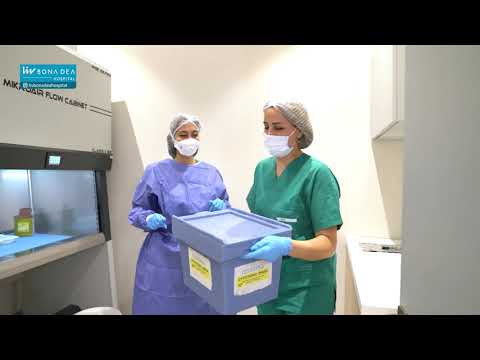
Because cytotoxic medications are designed specifically to destroy rapidly dividing cellular structures, they pose a massive biological hazard to perfectly healthy healthcare workers. Consequently, strict international pharmacy regulations completely mandate that all prepared chemotherapy bags remain heavily sealed inside distinct, brightly colored hazard containment vessels. The subsequent clinical transportation of these chemicals aggressively utilizes specialized oncology cytotoxic drug boxes [01:29].
These incredibly durable, specialized containment boxes guarantee absolute environmental biosafety during the required transfer from the pharmacy cleanroom directly to the patient isolation ward. By actively implementing these strict, uncompromising pharmaceutical standards, the hospital successfully protects its dedicated medical staff from accidental toxic exposure. Ultimately, this comprehensive attention to pharmacological detail firmly establishes the institution as a leading authority in hematological medicine.
The Stem Cell Infusion and Critical Engraftment Phase
Once the patient’s severely diseased bone marrow has been completely and successfully eradicated by the prepared cytotoxic drugs, the highly anticipated stem cell infusion takes place. Commonly referred to by oncologists as "Day Zero," this profound medical milestone marks the literal rebirth of the patient's entire immunological system. Surprisingly, unlike a solid organ transplant, this critical procedure closely resembles a standard intravenous blood transfusion rather than an invasive surgical operation.
The newly introduced, healthy hematopoietic stem cells continuously travel straight through the patient's bloodstream, naturally locating and settling deep inside the empty bone marrow cavities. The subsequent weeks immediately form the highly critical engraftment phase, where recovering patients effectively have zero natural immune defense mechanisms left. During this exceptionally vulnerable period, the dedicated medical staff provides aggressive, life-saving supportive care, rapidly administering prophylactic antibiotics and necessary antiviral medications.
Monitoring the Rise of Absolute Neutrophils
- Daily CBC Assessments: Medical staff closely watch for the absolute neutrophil count (ANC) to steadily rise above a safe minimum threshold of 500.
- Irradiated Blood Transfusions: Frequent infusions of irradiated platelets and red blood cells heavily prevent spontaneous internal bleeding.
- Mucositis Pain Management: Aggressive administration of specialized intravenous pain medication efficiently combats the severe oral sores caused by extreme chemotherapy.
The excruciating waiting game during the engraftment phase heavily tests the psychological resilience of both the immunocompromised patient and their supporting family. The precise moment the daily laboratory results finally indicate a sustainable, rising white blood cell count, the intense fear of fatal bacterial infection rapidly diminishes. Successful engraftment definitively proves that the donor's healthy stem cells are actively thriving and producing fresh, disease-free blood.
Long-Term Recovery and Post-Transplant Care Management
Long-term medical survival and an excellent quality of life following an allogeneic stem cell transplant heavily depend entirely upon comprehensive outpatient post-transplant care. The single most significant biological hurdle remaining in donor stem cell transplants is proactively preventing severe Graft-Versus-Host Disease (GVHD). This highly dangerous immunological condition occurs exactly when the newly transplanted immune cells actively recognize the patient’s healthy organs as foreign entities and begin attacking them.
To successfully mitigate this severe internal conflict, advanced immunosuppressive therapies and highly careful outpatient clinical monitoring are aggressively implemented for several consecutive months. Patients must strictly adhere to a highly regulated neutropenic diet, completely avoiding raw meats, unpasteurized dairy, and unpeeled fresh fruits to prevent accidental ingestion of foodborne bacteria. Furthermore, due to the complete eradication of their original immune memory, patients undergo a comprehensive schedule of protective revaccinations starting one year post-transplant.
The Strategic Value of Medical Tourism
Evaluating the total comprehensive cost of bone marrow transplant in Azerbaijan routinely reveals a highly competitive landscape for desperate medical tourists seeking elite oncological care. Accredited facilities like Liv Bona Dea Hospital routinely offer technologically advanced, FDA-approved treatment protocols at a dramatic fraction of the exorbitant costs typically found in Western Europe. This tremendous financial accessibility heavily empowers international patients to receive potentially life-saving interventions without facing devastating medical bankruptcy.
By effectively merging world-class Turkish pharmacological infrastructure with renowned local clinical expertise, patients receive a remarkably holistic pathway directly toward sustained hematological remission. The meticulous attention to sterile ward environmental details, accurate pharmacological preparation, and compassionate multidisciplinary care successfully rival the best global medical institutions. Consequently, choosing to undergo this monumental medical journey within this advanced regional hub represents a highly strategic, medically sound decision for fighting severe blood cancers.
Consult with Stem Cell Specialists Today
Take the critical next step in your medical journey by consulting with high-authority oncologists. Request personalized medical protocols and precise cost estimates for your specialized treatment plan.
Get Free QuoteView Full Video Transcript Summarization
00:00
Visual introduction of the specialized hospital department. The prominent entrance signage clearly displays "Sümük ?liyi Transplantasiya M?rk?zi" directly alongside the English translation "Bone Marrow Transplantation Unit" situated at Liv Bona Dea Hospital.
00:11
Medical staff gently guide a patient completely through the heavily restricted "Geyim Otaqlar?" or Changing Rooms. This actively highlights the stringent hygiene barriers meticulously implemented right before entering the highly sterile isolation ward.
00:26
A specialized oncology nurse carefully assists the newly admitted patient straight into their highly advanced medical bed. The patient is comfortably situated within a private, positive-pressure isolation room specifically designed for critical immunocompromised care.
00:37
Close-up digital footage heavily focuses on the continuous vital signs monitor stationed immediately next to the patient's bedside. The digital screen clearly displays real-time cardiovascular data, actively monitoring resting heart rate and precise oxygen saturation levels.
00:45
Clear visual demonstration of extremely strict infection control protocols. A medical professional practically utilizes automated touchless wall sensors to safely exit the room, immediately followed by thorough surgical handwashing executed at a dedicated sanitization station.
00:52
The lead oncology specialist is prominently shown diligently reviewing highly comprehensive digital patient records. The specialized physician analytically reviews sensitive laboratory data and complete blood count metrics working securely on a laptop positioned at the central nursing station.
01:07
The expert attending physician effectively conducts a highly thorough physical examination of the resting patient deep inside the sterile room. Utilizing a sterilized stethoscope, the doctor carefully listens to assess the patient's critical cardiopulmonary functions.
01:18
Seamless transition completely into the highly controlled "D?rman Haz?rl??? Ota??" or Medical Drug Preparation Room. A specialized oncology pharmacist is securely shown working meticulously exclusively inside a restricted negative-pressure biological safety containment cabinet.
01:22
Detailed close-up view of highly complex pharmacological preparation. The skilled pharmacist utilizes absolute sterile techniques to accurately draw highly precise dosages of liquid medication completely into medical syringes strictly intended for the patient's conditioning regimen.
01:29
Dedicated medical staff securely pack the freshly prepared treatments completely into heavily insulated "Oncology Cytotoxic Drug" transport containers. These specialized locked boxes fundamentally ensure absolute biosafety protocols during the risky transfer of hazardous chemotherapeutic agents directly to the patient ward.







.png)

.png)
.jpg)
.jpg)
.jpg)








Share this listing