


Stem Cell Therapy in Slovakia
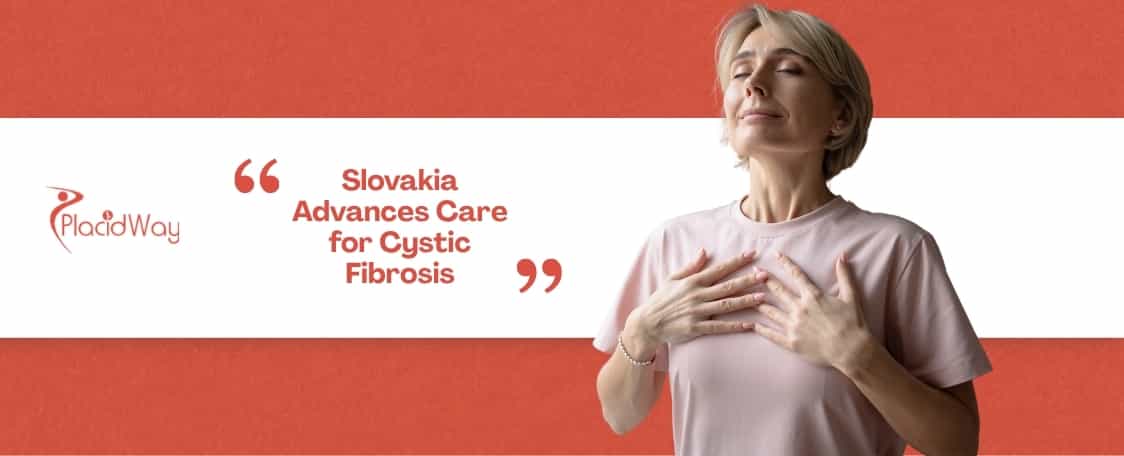
Stem cell medicine in Slovakia treats cystic fibrosis by reducing lung inflammation, repairing damaged respiratory tissue, and modulating the immune system. This innovative therapy slows disease progression and improves patients overall lung capacity.
Key Takeaways: Regenerative Medicine in Central Europe
- Targeted Lung Repair: Intravenous administration allows cells to naturally pool in the lungs, directly targeting damaged alveolar tissue.
- Cost Efficiency: Access premium healthcare saving up to 60% compared to equivalent treatments in North America.
- Advanced Protocols: Utilization of Wharton jelly-derived mesenchymal cells ensures high potency and zero immune rejection.
- Symptom Management: Patients experience a significant reduction in thick mucus production and chronic bacterial lung infections.
- European Standards: Clinics strictly adhere to European Medicines Agency guidelines for maximum biological safety.
How does the biological mechanism of stem cell therapy for cystic fibrosis in Slovakia function?
The therapy works by administering mesenchymal stem cells that target inflamed lung tissues to promote cellular repair. These cells release anti-inflammatory cytokines that significantly decrease the thick mucus buildup typical of cystic fibrosis.
The foundation of stem cell therapy for cystic fibrosis in Slovakia relies on the unique homing capabilities of mesenchymal cells. When introduced into the bloodstream, these intelligent biological agents naturally migrate toward areas of high inflammation. Because cystic fibrosis severely impacts the respiratory system through chronic bacterial infections and intense immune responses, the lungs become the primary destination for these therapeutic cells. Once they arrive at the damaged alveolar sites, they begin their regenerative work.
Instead of just replacing damaged tissue, these cells function as cellular managers. They secrete a vast array of growth factors, exosomes, and anti-inflammatory proteins directly into the lung environment. This biological payload actively suppresses the overactive immune response that causes excessive lung scarring and restricts breathing. By calming this hyper-inflammation, the lung environment stabilizes, allowing the respiratory epithelium a rare opportunity to heal itself without constant immune bombardment.
Furthermore, this regenerative approach tackles the vicious cycle of mucus and infection. Cystic fibrosis is characterized by dehydrated, abnormally thick mucus that traps pathogens. The immunomodulatory effects of the administered cells help reduce the severity of goblet cell hyperplasia, which are the cells responsible for producing this excess mucus. As the airway linings become less inflamed, patients often find it easier to clear their lungs, leading to a drastic reduction in life-threatening pulmonary exacerbations.
Mesenchymal stem cells possess a remarkable ability to secrete antimicrobial peptides such as LL-37. This means that while they repair damaged lung tissue, they actively assist the patients compromised immune system in fighting off stubborn bacterial strains like Pseudomonas aeruginosa, which are notoriously difficult to treat in cystic fibrosis cases.
What is the average stem cell therapy cost in Slovakia for respiratory conditions?
Patients can expect the stem cell therapy cost in Slovakia to range between $6,000 and $12,000 depending on the number of sessions. This provides a highly affordable alternative to Western clinics without compromising on medical standards.
Understanding the financial commitment is crucial for patients seeking alternative medical solutions. The stem cell therapy cost in Slovakia is highly competitive on a global scale. This affordability does not reflect a compromise in quality but is rather the result of favorable local economic conditions, lower administrative overhead, and efficient healthcare infrastructure. Central Europe has streamlined the delivery of advanced biotechnological treatments, allowing clinics to pass substantial savings directly to the patient.
The exact price of the protocol will vary based on several personalized medical factors. The total dosage of cells required, which is carefully calculated based on the patients body weight and the severity of their lung degradation, plays a significant role in the final quote. Additionally, comprehensive packages usually incorporate preliminary diagnostic testing, pulmonary evaluations, specialist consultations, and post-infusion monitoring within the clinical facility.
When comparing international options, the financial advantages become undeniable. Below is a comparative look at how central European pricing stands against other major healthcare markets for similar cellular regenerative protocols.
| Destination Country | Estimated Cost Range (USD) | Inclusions |
|---|---|---|
| Slovakia | $6,000 - $12,000 | Consultation, Cell Processing, IV Infusions, Monitoring |
| United Kingdom | $15,000 - $25,000 | Treatment only, highly restricted availability |
| United States | $25,000 - $40,000+ | Excludes facility fees and extensive pre-testing |
How do patients choose a reliable stem cell clinic in Slovakia for cystic fibrosis?
Choosing a reliable facility requires verifying medical accreditations, laboratory standards, and the expertise of the staff. International patients should prioritize clinics that strictly follow European Union regulatory frameworks.
Selecting the right medical institution is the most critical step in your healthcare journey. Patients must conduct diligent research to ensure the facility maintains pristine laboratory environments for cellular cultivation. A premier clinic will feature on-site or closely partnered clean-room laboratories that hold strict Good Manufacturing Practice certifications, ensuring that the biological materials are cultivated without contamination risks.
When researching options, international patients often discover that facilities like CellCenter in Slovakia maintain exemplary standards for regenerative protocols. By choosing a top-rated stem cell clinic in Slovakia, patients ensure they are receiving highly viable, ethically sourced cellular products administered by board-certified specialists who understand the complex pathology of respiratory diseases.
Transparency is another vital indicator of a trustworthy facility. The best clinics will provide clear documentation regarding the source of their cells, the total cell count you will receive, and the specific viability percentage of the cellular product. They will never promise a magical cure, but rather set realistic clinical expectations focusing on symptom management, disease progression slowing, and measurable improvements in daily breathing capability.
What are the main benefits of medical tourism in Slovakia for regenerative treatments?
The primary benefits include access to cutting-edge medical protocols at a fraction of the global cost. Patients also benefit from stringent European safety standards and highly personalized healthcare experiences.
The rise of medical tourism in Slovakia is not accidental. The nation has purposefully positioned itself as a modern hub for health and biotechnology, offering unique advantages to international visitors seeking solutions for chronic conditions like cystic fibrosis. Here are the distinct benefits driving this medical migration:
- Regulatory Safety: Being part of the European Union means all biotechnological practices must align with the rigid safety protocols dictated by the European Medicines Agency, guaranteeing high patient safety.
- Zero Wait Times: Unlike public healthcare systems in the UK or Canada where elective advanced treatments can take years to access, Slovakian private clinics offer immediate scheduling based on your health readiness.
- English-Speaking Specialists: To cater to the international market, leading medical staff, including head scientists and attending pulmonologists, are highly proficient in English, eliminating stressful language barriers.
- Holistic Care Approach: Packages frequently go beyond the injection itself, incorporating nutritional counseling, physical respiratory therapy, and comprehensive long-term follow-up consultations via telemedicine.
- Geographical Convenience: Located in the heart of Europe, the country is easily accessible via short flights from major European hubs, reducing travel fatigue for medically sensitive individuals.
Which types of stem cells are utilized during stem cell therapy for cystic fibrosis in Slovakia?
Medical professionals primarily utilize multipotent mesenchymal stem cells derived from umbilical cord tissue or the patients own bone marrow. These specific cells are chosen for their profound immunomodulatory capabilities.
In the realm of respiratory treatments, not all cellular therapies are created equal. The most successful protocols utilize Mesenchymal Stem Cells due to their specific biological properties. The preferred source for these cells in modern clinics is Wharton jelly, a gelatinous substance found within donated human umbilical cords. These allogeneic donor cells are incredibly young, highly robust, and possess maximum potential for rapid cellular division and tissue regeneration.
A crucial advantage of umbilical cord-derived mesenchymal cells is their immuno-privileged nature. This means they lack the specific surface antigens that normally trigger an immune attack when introduced to a new host body. For a patient with cystic fibrosis, whose immune system is already hyper-reactive, avoiding any adverse biological rejection is paramount. These donor cells can be safely administered without the need for toxic immunosuppressive drugs.
Alternatively, some protocols may utilize autologous cells extracted directly from the patients own bone marrow or adipose fat tissue. While perfectly compatible, harvesting these cells requires minor surgical procedures. Furthermore, because cystic fibrosis causes systemic bodily stress over time, a patients own cells might be somewhat depleted in vitality compared to pristine day-zero cells sourced from healthy umbilical cords. Your specialist will determine the optimal cell type based on your specific diagnostic profile.
Umbilical cord blood and tissue used in these therapies are ethically collected exclusively from healthy, full-term cesarean section births with the full consent of the mother, utilizing material that would otherwise be discarded as medical waste.
How is the patient evaluated before undergoing stem cell therapy for cystic fibrosis in Slovakia?
Patients undergo comprehensive pulmonary function tests, high-resolution chest imaging, and extensive blood work to assess baseline health. This thorough evaluation ensures the patient is a suitable candidate for regenerative interventions.
Safety and efficacy begin long before any treatment is administered. The pre-treatment evaluation phase is incredibly rigorous to ensure the patient can safely receive and benefit from the cellular infusion. The first step typically involves remote medical screening where your home medical records, recent hospital discharge summaries, and genetic mutation profiles are reviewed by the clinical team in Central Europe.
Upon arrival at the clinic, a fresh round of localized diagnostics is initiated. Pulmonologists will perform detailed spirometry tests to measure Forced Expiratory Volume and Forced Vital Capacity. These baseline metrics are critical as they provide the objective data needed to measure the success of the therapy in the months following the procedure. High-resolution CT scans of the chest may also be conducted to map out the specific areas of severe bronchiectasis and tissue scarring.
Blood panels are equally extensive, checking for active systemic infections, liver and kidney function, and specific inflammatory markers like C-reactive protein. Sputum cultures are carefully analyzed to identify the exact strains of bacteria currently colonizing the lungs. If a patient is undergoing an acute, severe pulmonary exacerbation, the medical team may delay the cellular infusion until the acute infection is stabilized with traditional antibiotics, ensuring the stem cells can focus on long-term repair rather than immediate crisis management.
What does the recovery process look like after stem cell therapy for cystic fibrosis in Slovakia?
The recovery process is generally swift, with most patients resuming normal daily activities within a few days after the intravenous administration. Patients are closely monitored for short-term immune responses before returning home.
Because the primary method of delivery for treating lung conditions is a minimally invasive intravenous drip, the physical recovery is exceptionally fast compared to surgical interventions. However, the biological recovery and cellular integration happen over several weeks. Here is what patients can expect during the post-treatment phase:
- Immediate Observation: Following the IV drip, patients remain in a comfortable clinical recovery room for several hours while nurses monitor blood pressure, oxygen saturation, and heart rate to ensure optimal stability.
- Mild Fatigue: It is entirely normal to experience mild fatigue or a slight low-grade fever for 24 to 48 hours post-treatment. This is a positive indicator that the cells are actively engaging with the bodys immune system.
- Activity Restrictions: While bed rest is not required, doctors strongly advise avoiding strenuous physical exertion, heavy lifting, or exposure to highly crowded public spaces for the first week to protect the respiratory system.
- Dietary Hydration: Patients are instructed to significantly increase their water intake to help the body flush out cellular waste products generated during the rapid tissue repair process.
- Gradual Improvement: Biological healing is not instantaneous. Most patients report noticing a tangible reduction in chest tightness, lighter mucus clearance, and improved energy levels beginning around the four to six-week mark.
What potential risks are associated with a stem cell clinic in Slovakia treating cystic fibrosis?
While highly safe, minor risks include temporary fever, mild fatigue, or slight discomfort at the injection site immediately following treatment. Severe adverse reactions are incredibly rare due to strict sterilization protocols.
When administered by qualified professionals in accredited environments, regenerative medicine presents a remarkably low-risk profile, especially compared to the heavy pharmaceutical load typically required to manage advanced cystic fibrosis. The most commonly reported side effects are entirely transient. A mild fever, slight headache, or a feeling of lethargy usually resolves completely without intervention within two days. These symptoms merely indicate the biological activation of the immune pathways adjusting to the new cellular presence.
A specific phenomenon unique to intravenous treatments is the pulmonary first-pass effect. Because all blood returning to the heart is pumped directly to the lungs for oxygenation, intravenously injected cells naturally pool in the pulmonary capillary beds first. For cystic fibrosis patients, this is highly advantageous as it delivers the medicine exactly where it is needed. However, to prevent any feeling of chest tightness during the infusion, specialists ensure the drip is administered at a slow, carefully calibrated rate.
The dreaded risk of graft-versus-host disease or cellular rejection is virtually eliminated by the clinical selection of cells. By utilizing either the patients own biological material or immuno-privileged Wharton jelly cells, the body recognizes the therapy as friendly. Furthermore, strict adherence to European clean-room standards ensures the risk of introducing a secondary bacterial infection during the procedure is statistically negligible.
How does stem cell therapy for cystic fibrosis in Slovakia improve long-term lung function?
By continuously fighting chronic inflammation and promoting the regeneration of healthy epithelial cells in the lungs. This sustained biological activity helps clear airways more effectively and reduces severe respiratory infections.
The ultimate goal of seeking advanced medical intervention is securing a better long-term quality of life. Regenerative treatments achieve this by fundamentally altering the inflammatory landscape of the respiratory system over a sustained period. While the cells themselves may clear from the body after several weeks, the paracrine signaling they initiate creates a cascade of healing that continues for months. This leads to a stabilization of lung degradation, which is often the most critical victory for a cystic fibrosis patient.
Clinically, this improvement is measured through spirometry testing over time. Patients frequently demonstrate stabilized or improved Forced Expiratory Volume scores. By replacing severely scarred tissue with healthier, more elastic epithelial cells, the lungs regain a degree of their natural compliance. This makes the mechanical act of breathing require less energy, significantly reducing the chronic fatigue that plagues patients dealing with severe respiratory ailments.
Additionally, the long-term immunomodulatory effects create a lung environment that is far less hospitable to opportunistic bacteria. With thinner mucus and a balanced immune response, patients often report a dramatic decrease in the frequency of severe exacerbations. This reduction in continuous lung infections not only preserves vital respiratory tissue but also reduces the patients long-term dependency on harsh intravenous antibiotics, protecting their kidney and liver function in the process.
Why Choose PlacidWay for stem cell therapy for cystic fibrosis in Slovakia?
PlacidWay provides a seamless healthcare journey by connecting international patients with accredited medical facilities and highly experienced specialists. Our platform ensures transparent pricing and dedicated patient advocacy.
Navigating the complex world of international regenerative medicine requires a trusted partner. PlacidWay exists to remove the uncertainty from your healthcare decisions, ensuring your focus remains entirely on your healing process. Here is why thousands of patients rely on our platform to access advanced medical solutions in Central Europe:
- Rigorous Facility Vetting: We perform extensive background checks on all partner clinics, ensuring they possess up-to-date national health ministry accreditations and verifiable international laboratory certifications.
- Transparent Pricing Models: We believe in absolute financial clarity. Through our platform, patients receive comprehensive quotes that outline all medical costs upfront, protecting you from hidden clinical fees.
- Medical Record Coordination: Our team facilitates the secure and efficient transfer of your diagnostic imaging, genetic reports, and medical history directly to the overseas specialists for accurate pre-treatment evaluation.
- Dedicated Patient Advocacy: You are never alone in the process. We assign dedicated case managers who act as your personal healthcare advocates, ensuring your clinical needs and questions are addressed promptly by the medical staff.
- Direct Specialist Access: Through PlacidWay, you can schedule preliminary remote consultations with lead pulmonologists and cellular biologists before making any financial commitments.
Frequently Asked Questions
Is regenerative medicine for cystic fibrosis in Slovakia legally approved?
Yes, regenerative medicine and cellular therapies in Slovakia operate under strict European Union medical directives. Clinics must adhere to the European Medicines Agency guidelines regarding the cultivation, sterilization, and administration of cellular products, ensuring maximum patient safety.
How many treatment sessions are typically required for cystic fibrosis in Slovakia?
The number of sessions depends entirely on the patients current lung function and disease severity. Most standard protocols involve one to three intensive infusion sessions spread over several days, with potential follow-up booster sessions recommended six to twelve months later for sustained benefits.
Can pediatric patients receive stem cell therapy for cystic fibrosis in Slovakia?
Yes, pediatric patients can undergo regenerative treatments. Because cystic fibrosis is a genetic condition diagnosed early in life, treating patients at a younger age before severe irreversible lung scarring occurs can yield highly favorable outcomes. Cases are always evaluated on a strict individual basis.
What is the expected success rate of stem cell treatments for lung diseases in Slovakia?
While success rates vary, a significant majority of patients report noticeable improvements in breathing capacity, reduced reliance on supplemental oxygen, and fewer hospitalizations for respiratory infections within the first three to six months following their comprehensive treatment protocol.
Do stem cell treatments cure cystic fibrosis entirely in Slovakian clinics?
No, regenerative medicine does not alter the underlying genetic mutation responsible for cystic fibrosis. Instead, it acts as a powerful disease management tool that treats the catastrophic secondary symptoms, primarily chronic lung inflammation and tissue destruction, thereby greatly enhancing quality of life.
How does regenerative therapy interact with standard cystic fibrosis medications in Slovakia?
Regenerative treatments are designed to be complementary. Patients are advised to continue their standard mucolytics, bronchodilators, and enzyme supplements. Over time, as lung function improves post-treatment, attending physicians may gradually adjust the dosage of standard medications based on new pulmonary test results.
What makes Slovakian cities a prime destination for medical tourism in Central Europe?
Slovakia offers a strategic geographic location combined with high-tech medical infrastructure. The country features board-certified specialists, state-of-the-art biotechnology laboratories, and significantly lower overhead costs compared to Western Europe, passing these financial savings directly to the international patient.
Are umbilical cord-derived mesenchymal stem cells safe for treating respiratory conditions in Slovakia?
Absolutely. Umbilical cord-derived cells are highly pure, ethically sourced from healthy donor births, and undergo rigorous viral and bacterial screening. They are immuno-privileged, meaning they do not trigger a rejection response in the recipient, making them incredibly safe for intravenous respiratory treatments.
How soon can international patients fly home after receiving stem cell injections in Slovakia?
Most international patients are medically cleared to fly within 48 to 72 hours after their final infusion. Doctors closely monitor patients during this brief observation window to ensure there are no mild immune reactions before issuing a fit-to-fly medical certificate.
Do international health insurance plans cover stem cell treatments in Slovakia?
Because stem cell therapy is largely classified as an advanced regenerative or elective procedure for cystic fibrosis, traditional health insurance plans rarely cover the costs. Patients typically fund these medical journeys privately, which is why the cost-effective nature of European clinics is highly appealing.
Take Control of Your Respiratory Health Today
* Secure form. Patient privacy is strictly guaranteed. Responses within 24 hours.
.jpg)







.png)

Share this listing