


Stem Cell Therapy in Slovakia
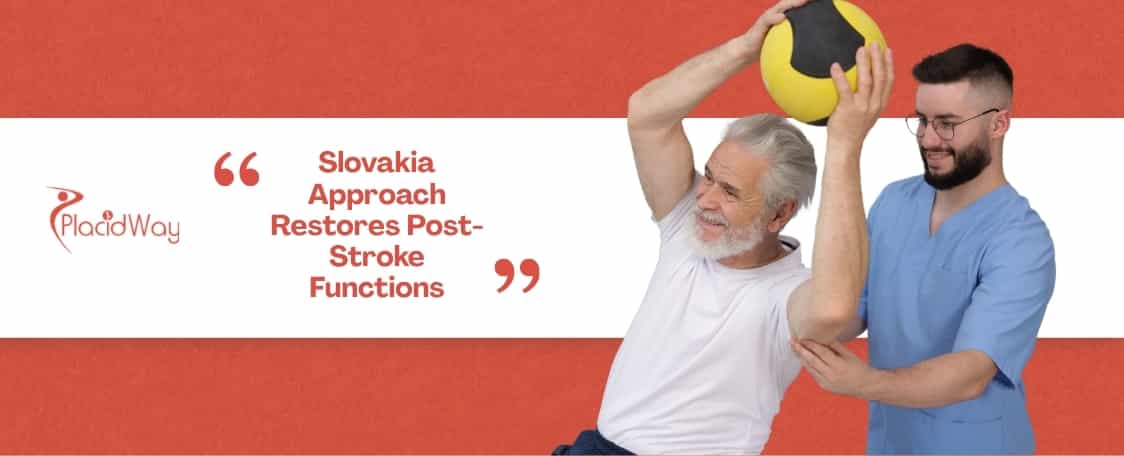
Stem cell therapy in Slovakia shows promising results in restoring mobility, speech, and cognitive function after a stroke by repairing damaged brain tissue, reducing inflammation, and stimulating neurogenesis for enhanced neurological recovery.
Key Takeaways: Neurological Recovery Guide
- Regenerative Capabilities: Mesenchymal cells target the damaged ischemic penumbra to reverse neurological deficits.
- Multidisciplinary Approach: Cellular treatments are combined with intensive physical and speech rehabilitation.
- High Cost Efficiency: Programs offer substantial savings without compromising European Union medical standards.
- Enhanced Neuroplasticity: Therapies create new neural pathways, helping patients regain independence in daily activities.
- Excellent Safety Profile: Treatments use ethically sourced, non-immunogenic cells to prevent rejection risks.
How does stem cell therapy repair brain damage after an ischemic or hemorrhagic stroke?
Stem cells promote brain repair by releasing neurotrophic factors that stimulate the growth of new neurons and blood vessels. This process helps bypass damaged neural pathways to restore lost motor and cognitive functions.
Following a cerebrovascular accident, a specific area of the brain known as the core suffers irreversible cell death. However, surrounding this core is the ischemic penumbra, a zone of stressed but potentially salvageable tissue. Regenerative medicine specifically targets this penumbra. When introduced into the body, mesenchymal cells migrate directly to areas of high inflammation through a process called homing.
Once they reach the damaged neural tissue, these potent cells act as biological factories. They secrete brain-derived neurotrophic factor and vascular endothelial growth factor. These specialized proteins drastically reduce dangerous neuroinflammation while simultaneously encouraging angiogenesis, which is the formation of new blood vessels. Improved blood flow ensures that surviving brain cells receive the necessary oxygen and nutrients to heal.
Furthermore, the therapy significantly amplifies the brains natural neuroplasticity. This means the healthy parts of the brain are stimulated to reorganize themselves and take over the functions previously managed by the damaged areas. Over a period of several months, this biological rewiring translates into measurable improvements in limb mobility, facial muscle control, and language processing capabilities.
Stem cells possess immunomodulatory properties, meaning they can actually communicate with your immune system. After a stroke, the immune system can sometimes attack damaged brain tissue, worsening the injury. Stem cells send chemical signals to calm this aggressive immune response.
What types of regenerative cells are utilized for stroke recovery programs in Central Europe?
Mesenchymal stem cells derived from umbilical cord tissue or the patients own bone marrow are the most commonly used. These specific cells offer potent anti-inflammatory properties and a high capacity for tissue regeneration.
Medical professionals generally prefer utilizing allogeneic umbilical cord-derived mesenchymal stem cells for severe neurological conditions. These cells are considered biologically youthful because they are harvested immediately after a healthy birth. Their youth translates into a higher rate of cellular division and a stronger release of healing exosomes compared to older cells extracted from adult patients.
Another major advantage of utilizing umbilical cord tissue is its immune-privileged status. These cells do not express the specific cell surface markers that normally trigger an immune rejection response. Consequently, stroke survivors can receive these powerful cellular treatments without needing to undergo risky tissue matching protocols or endure harsh immunosuppressant medications.
In some specific clinical scenarios, specialists might opt for autologous treatments using the patients own adipose tissue or bone marrow. While effective for joint issues, neurologists often favor cord-derived cells for brain injuries due to their superior capability to cross the blood-brain barrier and their robust neuro-regenerative profile.
How much does stem cell therapy for stroke cost in Slovakia compared to other destinations?
The stem cell therapy for stroke cost in Slovakia typically ranges from eight thousand to fifteen thousand dollars depending on the protocol. This represents a significant saving compared to clinics in Western Europe or North America.
- • Affordable Excellence: Patients save up to sixty percent compared to similar high-dose cellular protocols offered in the United States or Switzerland.
- • Comprehensive Packages: The quoted price generally encompasses the cell harvesting, specialized laboratory expansion, and the administration procedures.
- • Diagnostic Inclusions: Total costs usually cover essential pre-treatment neurological evaluations, detailed blood panels, and specialist consultations.
- • Transparent Billing: Reputable centers provide all-inclusive quotes prior to arrival, preventing hidden fees related to hospital stays or nursing care.
- • Therapy Integration: Many premium packages bundle early-stage physical therapy and cognitive rehabilitation sessions to maximize the cellular graft viability.
What is the expected success rate at a leading stem cell therapy for stroke clinic in Slovakia?
Patients often experience a thirty to fifty percent improvement in their motor function and speech clarity within six months. Success depends heavily on the severity of the stroke and the timing of the intervention.
When families research a stem cell therapy for stroke clinic in Slovakia, understanding realistic outcomes is crucial. Cellular medicine is not a magic cure that works overnight. Instead, it is an advanced biological catalyst that significantly accelerates and enhances the natural recovery timeline. Clinical observations indicate that patients who combine these infusions with daily targeted physical rehabilitation achieve the highest degree of functional independence.
The timeline for visible improvement varies among individuals. During the first few weeks, families typically report subtle changes such as improved energy levels, better sleep patterns, and decreased muscle spasticity. As the neuro-regenerative factors begin to stimulate new neural pathways, more profound improvements emerge. By the three to six month mark, measurable gains in fine motor skills, gait stability, and verbal articulation are commonly documented.
It is important to note that the type and location of the stroke influence the recovery trajectory. Strokes affecting the brain stem or those causing massive cortical damage present more complex challenges. However, comprehensive assessments prior to treatment ensure that only patients with a high probability of experiencing meaningful neurological improvements are accepted into the programs.
Who is considered the ideal candidate for stem cell therapy for stroke in Slovakia?
Ideal candidates are patients who have stabilized medically following their acute stroke but continue to suffer from lingering neurological deficits. Patients should have a strong cardiovascular foundation to undergo regenerative protocols.
- • Post-Acute Stability: The patient must be past the life-threatening acute phase of the stroke, typically at least one to three months post-event, ensuring vital signs are stable.
- • Observable Deficits: Candidates usually present with specific, measurable impairments such as hemiparesis, severe aphasia, or significant cognitive decline that traditional therapies have failed to resolve.
- • Oncology Clearance: Due to the powerful growth factors involved in cellular regeneration, patients must have no active cancer diagnoses for at least five years prior to treatment.
- • Adequate Organ Function: The individual must possess healthy kidney and liver profiles to safely process the treatment and manage standard metabolic demands during recovery.
- • Committed Support System: A dedicated caregiver or family support structure is essential to assist the patient through the rigorous post-treatment physical therapy requirements.
How to find the best facility for specialized neurological rehabilitation?
Selecting a premier facility involves evaluating their accreditation, laboratory standards, and comprehensive post-treatment physical therapy integration. Top clinics provide multidisciplinary care tailored to individual neurological deficits.
Navigating the landscape of international medical facilities requires careful consideration of laboratory standards. The most effective treatments occur in clinics that utilize GMP certified laboratories for cell processing. This certification ensures that the regenerative materials are cultivated in sterile, highly controlled environments, guaranteeing maximum cell viability and patient safety during the delicate neurological infusion process.
Furthermore, evaluating a medical centers commitment to multidisciplinary care is vital. The best facilities do not simply administer an infusion and send the patient away. They conduct extensive pre-operative brain imaging, detailed neuromuscular assessments, and design personalized recovery blueprints. By integrating specialized stem cell therapy for stroke recovery at CellCenter in Slovakia, patients can access holistic treatment paradigms that address both biological repair and functional retraining simultaneously.
Finally, prospective patients should seek out centers that offer transparent communication and long-term follow-up care. Reputable neurology departments will assign a dedicated medical coordinator who speaks fluent English. This coordinator manages the transfer of complex medical records, facilitates direct video consultations with the head neurologist prior to travel, and tracks the patients rehabilitative progress for months after they return home.
What role does physical therapy play alongside stem cell administration?
Physical therapy is absolutely critical as it trains the newly formed neural connections to perform specific functional tasks. Without rigorous rehabilitation the regenerative potential of the cellular treatment cannot be fully realized.
If stem cells are the construction workers building new neural pathways in the brain, physical therapy represents the architectural blueprint telling them exactly what to build. Following a cellular infusion, the brain enters a heightened state of neuroplasticity. During this critical window, repetitive motor exercises force the brain to wire those new cells into the correct functional networks for walking, grasping, and speaking.
| Recovery Aspect | Traditional Rehab Alone | Combined with Stem Cells |
|---|---|---|
| Neuroplasticity | Relies on surviving, often fatigued cells. | Boosted by new neurotrophic growth factors. |
| Inflammation | Unaddressed medically during exercises. | Actively reduced by cellular exosomes. |
| Muscle Spasticity | Managed slowly through prolonged stretching. | Often resolves faster due to better nerve signaling. |
| Recovery Plateau | Commonly occurs within six to twelve months. | Can break through plateaus years post-stroke. |
Top-tier clinical programs mandate intensive physical, occupational, and speech therapy starting almost immediately after the infusion period. This synergistic approach ensures that as the brain heals biologically, the patient translates that healing into tangible improvements in their quality of life, maximizing the return on their medical investment.
Why is medical tourism in Slovakia rapidly expanding for regenerative medicine?
Medical tourism in Slovakia is growing due to the country strict adherence to European Union medical directives combined with highly affordable healthcare costs. Patients receive world-class biological therapies without facing long wait times.
Situated in the heart of Central Europe, the country has heavily invested in modernizing its biotechnology and healthcare infrastructure. Clinics operating within its borders must comply with the rigorous quality control standards set by European regulatory bodies. This provides international patients with a tremendous sense of security, knowing their biological treatments are held to the same exacting safety standards as those in Germany or Austria.
The primary driver for this influx of international patients is the exceptional value proposition. High operating costs and complex insurance models in North America often make advanced neurological treatments financially inaccessible for the average family. By traveling abroad, patients can access identical, state-of-the-art cellular protocols administered by highly trained specialists at a fraction of the domestic price tag.
Additionally, the capital city of Bratislava has developed into a highly accessible medical hub. It features a welcoming environment, English-speaking medical staff, and specialized recovery centers designed specifically around the needs of international stroke survivors. This blend of medical excellence, affordability, and patient-centric hospitality makes it a premier destination for neurological recovery.
What are the potential side effects of intravenous stem cell infusions for stroke survivors?
The procedure is generally well tolerated with mild side effects such as temporary fatigue, a low-grade fever, or slight headache. Because adult mesenchymal cells are immunologically privileged severe adverse reactions are extremely rare.
- • Mild Fever Response: A slight elevation in body temperature is common within the first twenty-four hours as the immune system briefly reacts to the introduction of biological material.
- • Temporary Fatigue: Patients frequently report feeling unusually tired for a few days post-infusion as the body redirects its cellular energy toward neuro-regeneration.
- • Injection Site Discomfort: Mild bruising, swelling, or tenderness may occur at the intravenous access site or the lumbar puncture area, resolving naturally within days.
- • Minor Headache: If intrathecal administration is utilized, patients might experience a temporary spinal headache, which is easily managed with hydration and rest.
- • No Rejection Risk: When utilizing high-quality umbilical cord cells, the risk of graft-versus-host disease is virtually eliminated due to their lack of mature immune markers.
Why Choose PlacidWay to book your stem cell treatment?
PlacidWay provides unparalleled guidance in connecting stroke survivors with accredited regenerative medical centers across the globe. Our platform ensures maximum safety, transparent pricing, and seamless medical coordination.
- Rigorous Facility Vetting: We partner exclusively with internationally accredited medical centers that utilize certified laboratories and employ board-certified neurologists.
- Comprehensive Record Review: Our system facilitates the secure transfer of your MRI scans and neurology reports directly to specialized medical boards for precise candidacy evaluation.
- Direct Specialist Access: We arrange detailed video consultations allowing you and your family to speak directly with the head neurologist before making any financial commitments.
- Guaranteed Price Transparency: We negotiate all-inclusive medical packages so you receive a clear, upfront cost breakdown encompassing all laboratory fees and doctor consultations.
- Dedicated Patient Coordination: Every patient is assigned a personal case manager who advocates for your health, translates complex medical jargon, and ensures a stress-free clinical experience.
Frequently Asked Questions
Is stem cell therapy for stroke approved by European regulatory bodies?
Yes, regenerative therapies utilizing adult mesenchymal stem cells adhere to strict European Medicines Agency guidelines regarding cell expansion, laboratory safety, and ethical harvesting, ensuring a highly regulated treatment environment.
How long do I need to stay in Bratislava for a complete stem cell stroke protocol?
Most international patients are advised to stay for ten to fourteen days. This allows adequate time for initial neurological assessments, the cell administration sessions, immediate observation, and the beginning of customized physical rehabilitation.
Can stem cells help if my stroke happened several years ago?
Yes, chronic stroke survivors can still benefit. While early intervention within the first year often yields the most dramatic results, stem cells can still reduce chronic neuroinflammation and stimulate dormant neural pathways years after the initial event.
Will I need multiple stem cell sessions to see cognitive improvements?
Treatment protocols vary based on the extent of brain damage. Some patients require a single intensive session, while those with severe deficits may need a staged approach with multiple infusions spread over several months to maximize cognitive and motor gains.
Are there any age limitations for receiving stroke regenerative therapies in Slovakian facilities?
There is no strict upper age limit, but candidates are evaluated based on their overall biological health rather than chronological age. Patients must have adequate cardiac and respiratory function to safely undergo the mild physical stress of the procedure.
How do doctors administer the stem cells to reach the damaged brain tissue?
Administrations are typically performed intravenously or intrathecally. Intravenous delivery systemic healing and reduces general inflammation, while intrathecal delivery directly into the spinal canal bypasses the blood-brain barrier for concentrated neurological repair.
Does the treatment improve aphasia and speech difficulties specifically?
Many patients report noticeable improvements in speech articulation and language comprehension. By stimulating neuroplasticity in the language centers of the brain, the therapy helps patients form new neural connections to bypass damaged speech pathways.
Can hemorrhagic stroke survivors undergo stem cell treatment just like ischemic stroke patients?
Absolutely. Both ischemic and hemorrhagic stroke survivors are candidates. Once the acute bleeding and swelling have fully resolved, stem cells can assist in clearing cellular debris and regenerating tissue in the areas damaged by the hemorrhage.
Are the stem cells ethically sourced and screened for infectious diseases?
Allogenic mesenchymal stem cells used in top facilities are ethically sourced from healthy, full-term umbilical cords following strict donor consent. The tissue undergoes rigorous multi-stage testing for viral, bacterial, and fungal pathogens before expansion.
How soon will I notice improvements in my arm or leg mobility after the infusion?
Initial improvements such as reduced muscle spasticity or increased energy can occur within weeks. However, significant motor function recovery typically manifests gradually over three to six months as new neural networks are established and strengthened through therapy.
Begin Your Neurological Recovery Journey Today
* Responses typically within 24 hours. Privacy guaranteed.
.jpg)


.png)



.png)

Share this listing