


Stem Cell Therapy in Slovakia
Stem cell therapy in Slovakia provides promising supportive care for genetic conditions like Huntington's and Wilson's disease. EU-regulated clinics focus on neuroprotection and slowing disease progression, offering advanced regenerative treatments.

Key Takeaways: Regenerative Medicine in Central Europe
- Symptom Management: Treatments aim to reduce tremors, improve motor skills, and support liver function.
- Regulatory Safety: Facilities operate under strict European Medicines Agency and GMP guidelines.
- Cost Efficiency: Programs offer substantial savings compared to similar therapies in North America.
- Targeted Delivery: Clinics utilize advanced intrathecal and intravenous administration methods.
- Comprehensive Diagnostics: Protocols include extensive genetic and physiological evaluations.
How does stem cell therapy in Slovakia target Huntington's disease progression?
Stem cell treatments focus on neuroprotection by replacing damaged neurons and reducing brain inflammation. This supportive approach aims to manage symptoms and improve motor functions over time.
Huntington's disease is a devastating genetic disorder that causes the progressive breakdown of nerve cells in the brain. Patients seeking stem cell therapy in Slovakia benefit from protocols designed specifically to address this neural degradation. Instead of altering the underlying genetic mutation, regenerative medicine focuses on mitigating the damage caused by the mutated huntingtin protein.
Mesenchymal stem cells are highly valued in these treatments for their powerful paracrine effects. Once introduced into the body, these cells secrete neurotrophic factors, such as Brain Derived Neurotrophic Factor. These specialized proteins actively support the survival of existing neurons, encourage the growth of new neural connections, and significantly reduce neuroinflammation in the basal ganglia.
Clinical observations indicate that this targeted neuroprotection can help stabilize patients. While it is not a definitive cure, slowing the progression of involuntary movements, known as chorea, and preserving cognitive function for longer periods provides a monumental improvement in the quality of life for both patients and their families.
Mesenchymal stem cells have a unique homing ability. When injected into the body, they act like microscopic paramedics, naturally migrating toward areas of inflammation and tissue damage within the central nervous system to begin the repair process.
Can stem cells repair liver damage caused by Wilson's disease?
Regenerative treatments help restore hepatic tissue damaged by severe copper accumulation while modulating immune responses. They work seamlessly alongside standard chelation therapies for better overall liver function.
Wilson's disease prevents the body from properly processing copper, leading to toxic accumulations primarily in the liver and brain. For patients exploring a stem cell therapy clinic in Slovakia, the focus is twofold: repairing fibrotic liver tissue and addressing any neurological symptoms that have developed from copper toxicity.
When administered intravenously, stem cells migrate to the liver where they exert anti-fibrotic properties. They help break down scar tissue and stimulate the regeneration of healthy hepatocytes, which are the primary functioning cells of the liver. This regeneration is critical for patients who are experiencing severe hepatic impairment but may not yet be candidates for a full organ transplant.
Furthermore, these therapies offer profound immune modulation. By regulating the immune systems response to the ongoing tissue damage, stem cells create an optimal healing environment. Patients often undergo these treatments in conjunction with their prescribed copper chelating agents, resulting in a comprehensive approach that targets both the root chemical imbalance and the resulting physical damage.
What is the average stem cell therapy cost in Slovakia for neurological conditions?
The stem cell therapy cost in Slovakia typically ranges from $8,000 to $15,000 depending on protocol complexity. This presents significant financial savings compared to North American or Western European facilities.
Understanding the financial commitment is crucial for international patients. The pricing structures in Central Europe are highly competitive due to lower operational overheads, without compromising on medical excellence or laboratory standards. Here is a breakdown of what comprehensive packages typically include:
- Initial Diagnostics: Extensive blood panels, neurological evaluations, and MRI reviews to establish baseline health.
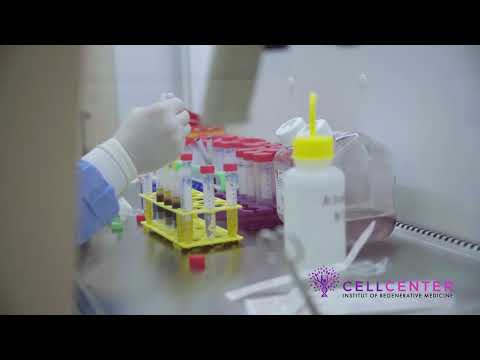
- Cell Cultivation: The laboratory fees associated with harvesting, purifying, and expanding the cellular material in strict sterile conditions.
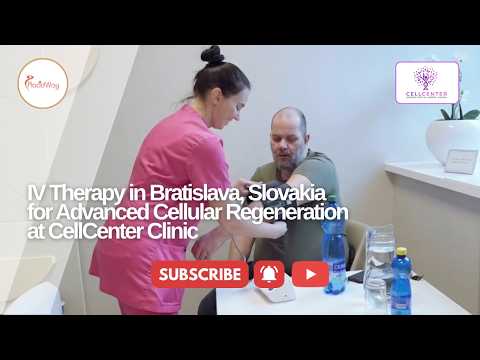
- Medical Administration: Fees for specialized medical staff performing intravenous infusions or lumbar punctures.
- Facility Utilization: Costs covering the hospital stay, private recovery rooms, and nursing care during the treatment phase.
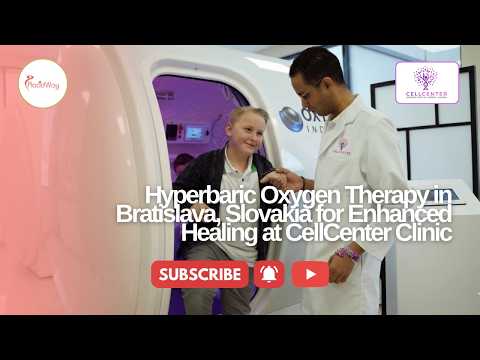
- Post-Treatment Care: Initial follow up consultations and supplementary therapies like hyperbaric oxygen sessions.
| Treatment Component | Estimated Cost Range (USD) |
|---|---|
| Pre-Treatment Diagnostics | $500 - $1,500 |
| Standard IV Therapy Protocol | $8,000 - $10,000 |
| Advanced Intrathecal Protocol | $11,000 - $15,000 |
| Post-Care Supplements | $200 - $500 |
How do EU regulations ensure safety at a stem cell therapy clinic in Slovakia?
A certified stem cell therapy clinic in Slovakia must adhere strictly to European Medicines Agency guidelines. This ensures rigorous cellular testing, sterile laboratory environments, and highly ethical harvesting methods.
Patient safety is the absolute cornerstone of regenerative medicine within the European Union. Unlike poorly regulated markets in other parts of the world, Slovakia operates under the strict oversight of the European Medicines Agency. This centralized regulatory body mandates that all advanced therapy medicinal products meet the highest global standards for quality and efficacy.
Biotechnology laboratories must possess Good Manufacturing Practice certification. This certification guarantees that cellular products are consistently produced and controlled according to rigorous quality standards. The air quality in these labs, the sterilization procedures, and the specific handling protocols are constantly audited by independent health authorities to prevent any possibility of contamination.
Furthermore, biological materials undergo extensive screening for infectious diseases, chromosomal abnormalities, and cellular viability before they ever reach the patient. This multi layered regulatory framework gives international patients complete peace of mind, knowing they are receiving scientifically validated treatments in a fully secure clinical environment.
Why is medical tourism in Slovakia growing for regenerative medicine?
The rise of medical tourism in Slovakia is driven by its unique combination of affordable advanced healthcare, strict EU safety protocols, and highly trained medical professionals specializing in innovative biotechnology.
Slovakia has quietly positioned itself as a premier destination for advanced medical interventions in Central Europe. The country benefits from a robust healthcare infrastructure backed by substantial investments in biotechnological research and development. International patients are increasingly seeking out advanced stem cell treatment options at CellCenter in Slovakia because of the exceptional standard of personalized care provided.
The geographical location makes it highly accessible for patients traveling from the United Kingdom, Western Europe, and even North America. English speaking medical staff, modern hospital facilities, and a deep commitment to patient centric hospitality define the experience. Medical tourists often find that the level of attention they receive far exceeds what is available in their overwhelmed domestic healthcare systems.
Beyond the clinical excellence, the broader appeal of medical tourism in Slovakia lies in the transparency of the medical sector. Clinics here prioritize evidence based outcomes and clear communication, ensuring that patients setting out on complex journeys for conditions like Wilson's disease have realistic expectations and comprehensive medical support.
Slovakia boasts one of the highest numbers of natural thermal springs in Europe. Many medical tourists incorporate specialized hydrotherapy and mineral water treatments into their post-care recovery regimens to boost circulation and enhance cellular healing.
What types of stem cells are primarily used for genetic disorders?
Facilities predominantly utilize autologous bone marrow derived mesenchymal stem cells or ethically sourced umbilical cord tissue cells. The exact choice depends heavily on the specific genetic condition and the patients baseline health.
The success of regenerative therapy relies entirely on selecting the correct cellular material for the targeted disease. In European clinics, specialists rely on several scientifically proven cell sources:
- Umbilical Cord Mesenchymal Stem Cells: These are harvested from healthy, full term donor births. They are incredibly potent, young cells with massive regenerative potential and zero ethical controversies.
- Autologous Adipose Tissue: Cells extracted from the patients own fat stores via a mini liposuction procedure. These are excellent for generalized anti inflammatory protocols and joint repairs.
- Bone Marrow Aspirate: A rich source of hematopoietic and mesenchymal cells extracted from the hip bone, often used when deep tissue healing is required.
- Exosomes: While not whole cells, these microscopic vesicles extracted from stem cells contain the vital growth factors needed for cellular communication and rapid healing.
- Neural Progenitor Cells: In highly advanced and specific trials, these cells are utilized purely for their ability to differentiate directly into various types of brain tissue.
How long does a regenerative treatment program take for international patients?
Most comprehensive protocols require an in country stay of seven to fourteen days to complete all necessary medical evaluations and administrations. Complex genetic diseases may eventually require multiple short visits.
Medical tourism requires careful chronological planning. When patients arrive in Central Europe, the first two to three days are entirely dedicated to diagnostics. Medical teams must conduct fresh blood work, radiological imaging, and physical assessments to ensure the patient is ready for the procedure. This preparatory phase is vital for customizing the exact cellular dosage needed.
The actual administration phase usually spans one to three days. Depending on the disease, a patient might receive a systemic intravenous drip one day, followed by a targeted localized injection the next. Medical staff monitor the patient closely during this time to ensure there are no adverse reactions to the introduced cellular material.
The final few days of the trip are reserved for post treatment observation and supplementary therapies. Doctors use this time to assess the patients immediate response to the therapy, provide detailed guidelines for dietary and physical regimens back home, and finalize the long term follow up communication plan.
What pre-treatment diagnostics are required for Huntington's and Wilson's disease patients?
Patients undergo extensive neurological evaluations, comprehensive liver function tests, and detailed genetic counseling before receiving regenerative treatments. These diagnostics ensure the protocol is perfectly tailored to the disease stage.
Because genetic disorders manifest differently in every single individual, a generic approach to medicine is ineffective. Clinics mandate a strict diagnostic workup before finalizing any therapeutic protocol:
- Advanced Neuroimaging: High resolution MRI and PET scans to map the exact extent of basal ganglia atrophy in Huntington's patients.
- Metabolic Profiling: For Wilson's disease, doctors conduct 24 hour urine copper tests and serum ceruloplasmin evaluations to measure current toxicity levels.
- Hepatic Elastography: Non invasive ultrasound techniques to accurately measure liver stiffness and determine the degree of existing cirrhosis or fibrosis.
- Cognitive and Motor Assessments: Standardized rating scales to establish a baseline for voluntary and involuntary movements, allowing doctors to track post treatment improvements.
- Immunological Screening: Comprehensive blood panels to verify that the immune system is stable enough to accept and process the regenerative materials effectively.
Why Choose PlacidWay for your regenerative medicine journey?
PlacidWay connects international patients with globally accredited medical facilities and provides end to end healthcare coordination. We ensure you receive transparent pricing and ethical care without navigating complex hospital systems alone.
Seeking experimental or advanced medical interventions abroad is a major life decision. PlacidWay acts as your dedicated advocate in the global healthcare market, ensuring your focus remains entirely on healing rather than administrative hurdles. Here is how we support your medical journey:
- Strict Medical Vetting: We partner exclusively with clinics that hold valid European accreditations, employ board certified specialists, and utilize state of the art laboratory equipment for cell processing.
- Secure Record Transfer: Our platform facilitates the encrypted, safe transfer of your sensitive medical history, MRI scans, and blood work directly to the foreign medical board for preliminary evaluation.
- Virtual Consultations: Before you commit to any procedure, we arrange comprehensive video consultations between you and the head specialist to discuss risks, expectations, and customized protocols.
- Transparent Financial Planning: We negotiate all inclusive medical packages, ensuring you understand every fee related to diagnostics, the therapy itself, and hospital facility charges with zero hidden costs.
- Post Treatment Communication: Our support extends beyond the clinic doors. We assist in maintaining open lines of communication between you and your international doctor for necessary follow up care.
Frequently Asked Questions
Is stem cell therapy a cure for genetic diseases?
Regenerative medicine is currently not a definitive cure for genetic disorders. Instead, it serves as an advanced supportive treatment designed to manage symptoms, slow disease progression, and improve the patients overall quality of life by repairing damaged tissues.
Are stem cell treatments painful?
The procedures are generally minimally invasive and involve very little discomfort. Intravenous infusions feel similar to a standard blood draw, while intrathecal injections are performed under local anesthesia to ensure maximum patient comfort throughout the process.
How soon can patients see improvements after treatment?
Response times vary significantly depending on the individuals condition and disease stage. Some patients report improvements in energy and motor function within a few weeks, while neurological regeneration and tissue repair may take several months to become noticeable.
Do I need to stop my current medications before the procedure?
You should never stop taking prescribed medications without consulting the overseeing physician. During your pre treatment consultation, the medical team will review your pharmacology profile and provide specific instructions regarding blood thinners or immunosuppressants.
What makes Slovakian regenerative clinics different from others in Europe?
These facilities combine strict European Medicines Agency compliance with highly competitive pricing. They feature state of the art biotechnology laboratories and employ specialized researchers focused specifically on neurodegenerative and metabolic disorders.
Can umbilical cord stem cells be rejected by the body?
Mesenchymal stem cells derived from umbilical cord tissue are immune privileged, meaning they lack the specific markers that typically trigger an immune response. This makes them exceptionally safe for allogeneic use with minimal risk of rejection or complications.
How are stem cells administered for neurological conditions?
For conditions affecting the central nervous system, specialists often use intrathecal administration. This involves injecting the cells directly into the spinal canal, allowing them to bypass the blood brain barrier and reach damaged neural tissues more effectively.
Are there age limits for receiving regenerative therapies?
While there are no strict upper age limits, eligibility is determined by overall health rather than chronological age. Patients must have sufficient organ function and immune stability to safely undergo the protocol and benefit from the regenerative processes.
What post-treatment care is required after returning home?
Patients are typically advised to rest and avoid strenuous physical activity for several weeks. Ongoing physical therapy, a nutrient rich diet, and regular follow up consultations via telehealth are highly recommended to maximize the longevity of the treatment results.
Do insurance companies cover these treatments in Central Europe?
Most international health insurance plans consider regenerative therapies for genetic diseases to be experimental and do not provide direct coverage. Patients generally self fund these procedures, which is why transparent package pricing is crucial for medical tourists.
Discover Your Regenerative Potential Today
* Responses typically within 24 hours. Patient confidentiality is strictly guaranteed.







.png)
.png)

.png)

.png)








Share this listing