
Why One Percentage Cannot Predict Your Lyme Disease Risk
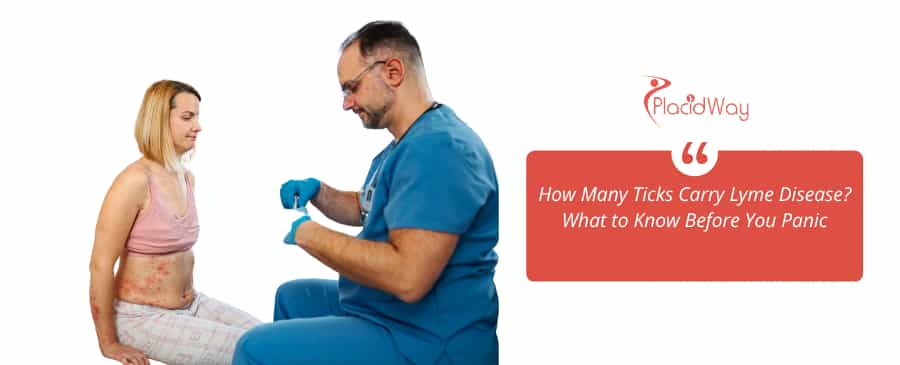
Not every tick carries Lyme disease, and not every tick bite leads to infection. The real risk depends on the type of tick, where the bite happened, how long the tick was attached, and whether symptoms begin afterward.
Key Takeaways
- No single percentage fits every place: Lyme disease risk changes by region and tick species.
- A tick bite does not automatically mean Lyme disease: The bite is only one part of the picture.
- Symptoms matter more than guesses: Rash, fatigue, fever, headaches, and body aches should not be ignored.
- Some patients later explore broader care options: Especially when symptoms continue and local care has not felt enough.
Why do people search how many ticks carry Lyme disease?
Most people search this after a tick bite, a rash, or flu-like symptoms make them wonder how serious the risk really is.
Usually, this is not a casual search. It comes from worry. Someone finds a tick, notices a strange mark on the skin, or starts feeling unwell and wants a simple answer fast.
What they are really asking is whether the situation is likely to pass on its own or whether they should pay closer attention. That is why this keyword matters. It is tied to fear, uncertainty, and the need for practical next steps.
A good answer should feel clear and calm. It should not create panic, but it should not dismiss the concern either.
So how many ticks actually carry Lyme disease?
There is no single number that applies everywhere. Some ticks do not carry Lyme disease at all, while in other areas the risk can be higher depending on local conditions.
This is the part many readers do not like, but it is the most honest answer. Lyme disease risk is not the same in every location. It depends on where the bite happened, what kind of tick was involved, and how common infected ticks are in that area.
That means one statistic cannot tell the whole story. A bite in one state or region may carry a very different level of concern than a bite somewhere else. Not all ticks spread Lyme disease, and not all exposures are equal.
So instead of chasing one universal percentage, it is better to understand your own situation and watch what happens next.
Does every tick bite mean Lyme disease?
No. A tick bite does not automatically mean you have Lyme disease.
It is completely normal to feel anxious after finding a tick. But the bite itself is only one part of the picture. Some ticks do not carry the bacteria linked to Lyme disease, and even when the right kind of tick is involved, infection is still not guaranteed.
What matters more is what happens after the bite. If nothing changes and you feel fine, that matters. If a rash appears or you start feeling feverish, drained, achy, or mentally foggy, that matters too.
The goal is not to panic. The goal is to stay alert and respond early if something feels off.
What should you watch for after a tick bite?
After a tick bite, pay attention to changes that are new, unusual, or getting stronger instead of fading.
| What to Watch | Why It Matters |
|---|---|
| Rash or skin changes | A visible change after a bite is a sign to pay closer attention. |
| Fatigue or fever | Feeling sick after a bite should not be brushed aside too quickly. |
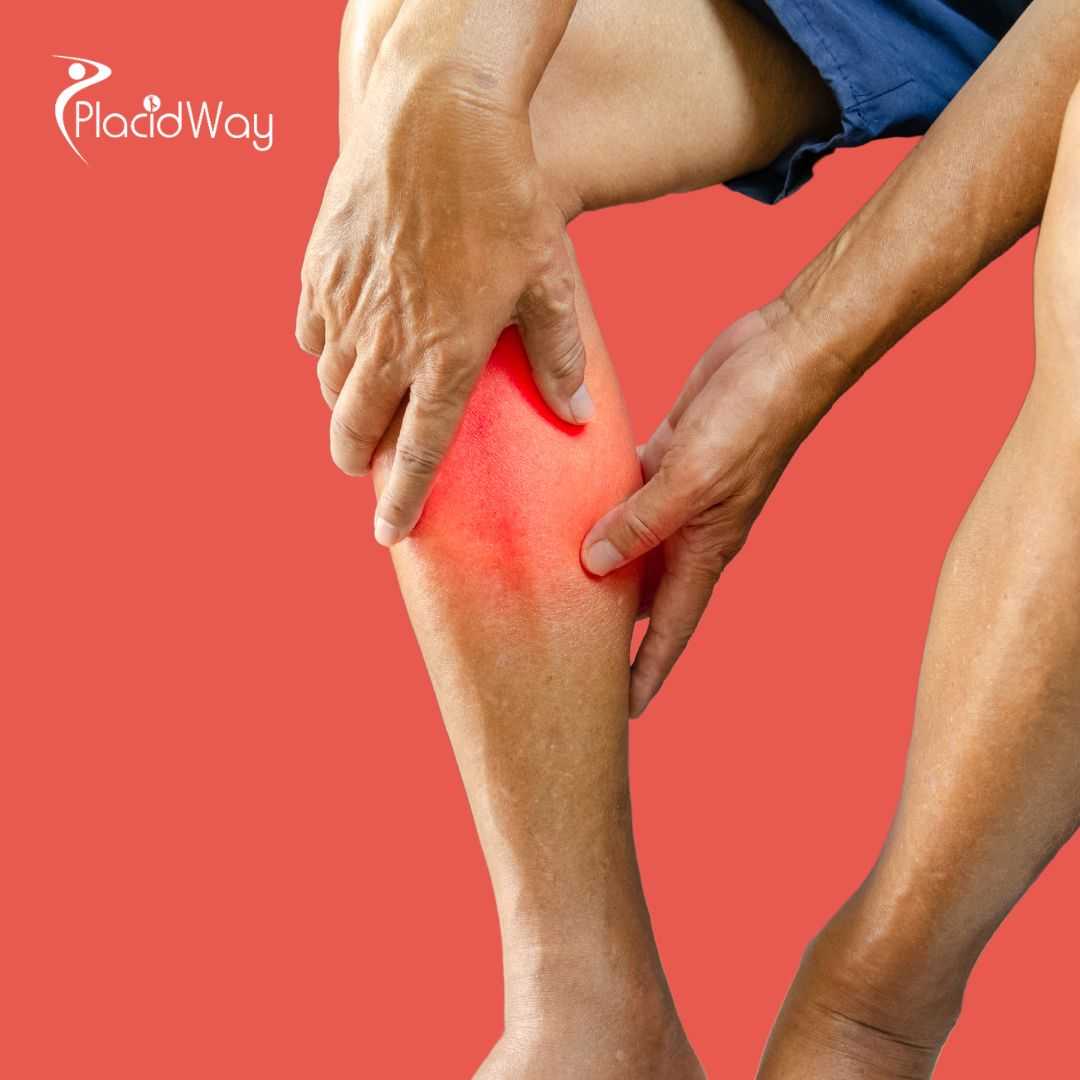
| Headache or body aches | These can be easy to dismiss at first, but they may deserve follow-up if they continue. |
| Joint pain or stiffness | Ongoing discomfort after a bite may need medical evaluation. |
| Brain fog or feeling unlike yourself | A clear change in how you feel physically or mentally is worth taking seriously. |
Many people do not remember being bitten at all. Ticks can be very small, and their bites are often painless, which is why symptoms sometimes become the first real warning sign.
What should you do if you are worried?
If you are worried after a tick bite, do not rely on one percentage alone. Pay attention to your symptoms, note the timing, and seek medical advice if something changes.
- Write down when you first noticed the bite.
- Take photos if you see redness, swelling, or a rash.
- Track any new symptoms over the next several days.
- Do not ignore fever, fatigue, headache, body aches, or worsening discomfort.
- Speak with a qualified medical professional if symptoms appear or continue.
This is a more useful response than trying to force your situation into a number that may not apply to your area or exposure.
When do people start looking beyond local care?
Some people start exploring broader care options when symptoms continue, daily life is affected, and they feel they still need clearer answers or more personalized support.
Not everyone who gets a tick bite ends up on a long medical journey. But some people continue dealing with fatigue, body pain, headaches, concentration issues, or other symptoms that are hard to ignore.
When that happens, they often begin looking for second opinions, integrative support, or treatment programs outside their local area. For some, that search leads to Lyme disease treatment in Mexico because they want to compare options, costs, and clinic approaches more carefully.
The reason is usually practical, not dramatic. Patients often want more time with care teams, more treatment transparency, and a better sense of what their next step should be.
Why do some patients explore Lyme disease treatment in Mexico?
Patients who explore Lyme disease treatment in Mexico are often looking for more personalized attention, clearer pricing, and an easier way to compare different care options.
Most people do not begin their search by planning medical travel. They reach that point after feeling stuck, overwhelmed, or unsure what to do next. When local answers feel limited, they start looking wider.
For some patients, treatment in Mexico becomes part of that research because it may offer coordinated international care, easier access to consultations, and a more direct view of what a clinic includes in its programs.
It is still a decision that should be made carefully. Patients should review credentials, ask detailed questions, and make sure they understand the clinic, the provider, and the scope of care before making any commitment.
Why choose PlacidWay when comparing Lyme disease treatment in Mexico?
PlacidWay helps patients move from confusion to comparison by making it easier to review clinics, request information, and understand their treatment options more clearly.
When people search online, they usually find two extremes. One source sounds too frightening. Another sounds too promotional. That leaves many readers with more questions than answers.
PlacidWay helps simplify the process by giving patients a place to explore treatment options, compare clinics, and request more information before making a decision. For someone researching Lyme disease treatment in Mexico, that can make the process feel more organized and less overwhelming.
- Compare clinics and treatment options in one place.
- Request details before making a commitment.
- Review options with more clarity and less guesswork.
- Take the next step when you are ready, not when you feel pressured.
Frequently Asked Questions About Ticks and Lyme Disease
How many ticks carry Lyme disease?
There is no one percentage that fits every location. The risk changes by region, local conditions, and the type of tick involved.
Does every tick bite cause Lyme disease?
No. Not every tick carries Lyme disease, and not every bite leads to infection.
What matters more than the percentage?
The most important factors are the kind of tick, where the bite happened, how long it was attached, and whether symptoms begin afterward.
What symptoms should I watch for after a tick bite?
Watch for rash, fever, fatigue, headache, body aches, joint discomfort, or symptoms that keep getting worse instead of improving.
What should I do if I am worried?
Track the timing, watch for new symptoms, and get medical guidance if something feels wrong or continues to build.
Why do some patients look into Lyme disease treatment in Mexico?
Some patients explore care in Mexico when they want to compare clinics, understand costs more clearly, or look into broader support options after ongoing symptoms.
.png)

.png)








.png)
.png)
.png)
.png)












Share this listing