


Laser Skin Treatments in South Korea
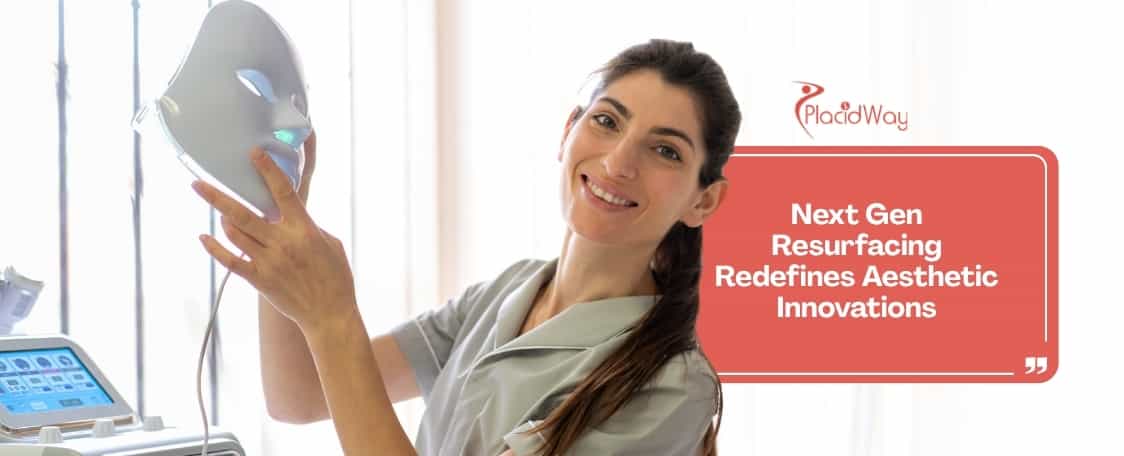
Next-Generation Resurfacing and AI-Assisted Laser Coring in South Korea represent the pinnacle of aesthetic innovation. They use artificial intelligence to remove microscopic skin cores, achieving surgical-level skin tightening without using scalpels.
Key Takeaways: AI Aesthetic Innovations
- Unprecedented Precision: Artificial intelligence continuously maps facial topography to ensure exact depth control and prevent thermal damage.
- Surgical Results, Non-Surgical Method: Micro-coring physically removes excess skin, creating lifting effects similar to traditional facelifts but without extensive incisions.
- Cost Efficiency: Accessing these world-class, premium technologies in East Asia offers significant financial advantages over Western markets.
- Accelerated Recovery: Smart algorithms minimize unnecessary trauma to healthy tissues, drastically reducing patient downtime.
- Global Accessibility: Comprehensive medical travel programs make these exclusive advancements accessible to an international patient base.
What exactly is Next-Generation Resurfacing and AI-Assisted Laser Coring in South Korea?
This advanced procedure utilizes robotic precision and artificial intelligence to extract tiny columns of skin. It drastically reduces skin laxity and wrinkles while promoting massive collagen regeneration.
Traditional skin tightening often relies solely on heating the dermal tissue to stimulate collagen production. However, this innovative coring technique physically removes up to ten percent of the treated skin area without using scalpels. The body naturally heals these microscopic holes by pulling the surrounding tissue together. This biological response results in a significantly tighter, smoother, and more youthful complexion that rivals invasive lifting techniques.
Artificial intelligence plays a crucial and revolutionary role by continuously scanning the skin surface during the entire procedure. The integrated AI maps out the exact depth, structural density, and melanin concentration of the targeted facial zones. This continuous feedback loop ensures that the laser energy and mechanical coring needles adjust in real-time, preventing thermal damage to surrounding healthy tissues and maximizing safety.
By combining these two powerhouse technologies, patients experience rejuvenation results that were previously only possible through highly invasive surgical facelifts. The seamless integration of advanced machine learning algorithms means the treatment is highly customized to each unique facial structure. This guarantees optimal safety protocols and dramatic anti-aging benefits for international patients traveling to find the absolute best in modern aesthetics.
The true genius of combining artificial intelligence with micro-tissue extraction lies in eliminating human error. By automatically adjusting to tissue resistance, the machine prevents over-treatment in delicate areas like the periocular region, which historically posed high risks for scarring with older laser models.
How does artificial intelligence improve the safety of laser skin treatments?
Machine learning algorithms monitor skin reactions millisecond by millisecond, automatically halting or adjusting energy output if temperatures rise too high. This virtually eliminates the risk of severe burns or unwanted hyperpigmentation.
The foremost benefit of integrating artificial intelligence into aesthetic platforms is the unparalleled enhancement of patient safety. Older generations of fractional devices relied entirely on the steady hand and visual assessment of the practitioner. If a doctor moved too slowly, excessive thermal energy could build up, leading to painful burns, prolonged redness, or permanent textural damage. AI removes this subjective guesswork from the equation.
Modern smart devices feature integrated optical sensors that communicate with intelligent algorithms. As the handpiece glides over the epidermis, it measures skin hydration, thickness, and underlying vascular structures. If the system detects that a specific millimeter of tissue is absorbing energy too rapidly, it instantly modulates the power output. This dynamic adaptation protects the vulnerable epidermal barrier while still delivering therapeutic heat to the deep dermis.
Furthermore, this intelligent monitoring is exceptionally beneficial for patients with diverse ethnic backgrounds. Melanin-rich skin is notoriously prone to post-inflammatory hyperpigmentation when exposed to aggressive heat. The automated safeguards recognize melanin density and optimize the wavelength delivery, ensuring that patients of all backgrounds can safely undergo dramatic resurfacing without fearing irreversible discoloration.
What is the average Next-Generation Resurfacing and AI-Assisted Laser Coring cost in South Korea?
The Next-Generation Resurfacing and AI-Assisted Laser Coring cost in South Korea typically ranges from one thousand five hundred dollars to four thousand dollars per session, depending on the targeted area and clinic prestige.
Understanding the financial investment required for these top-tier procedures is vital for prospective patients. In North America and Europe, similar advanced micro-coring and smart laser therapies often command prices exceeding six thousand dollars per session. The highly competitive medical landscape in Seoul drives prices down while simultaneously pushing the boundaries of technological excellence upward.
For a comprehensive full-face treatment utilizing the latest AI-integrated platforms, international visitors can expect to pay between two thousand and three thousand five hundred dollars. If the treatment extends to the neck and décolletage, the price will naturally reflect the increased time and consumable materials required. Many high-end centers provide transparent, tiered pricing structures based on the exact number of pulses or specific anatomical zones addressed.
It is also crucial to account for bundled value when evaluating these costs. The quoted fees at elite institutions frequently encompass much more than just the time under the laser. Comprehensive pricing often includes thorough pre-operative dermatological assessments using 3D imaging, specialized proprietary numbing compounds, and extensive post-procedural aftercare kits containing medical-grade growth factors to guarantee superior healing.
Because the local demand for flawless skin is so incredibly high, cosmetic equipment manufacturers frequently launch their newest prototype devices in Seoul years before they receive FDA approval for distribution in Western markets.
How does laser coring differ from traditional microneedling or fractional CO2 lasers?
While microneedling merely displaces tissue and CO2 lasers burn it, coring physically extracts microscopic cylinders of skin. This actual removal of mass creates unparalleled structural lifting and contraction upon healing.
To truly appreciate this breakthrough, one must understand the limitations of older methods. Traditional microneedling involves puncturing the skin with solid needles. This action pushes the tissue aside to create a micro-injury, stimulating a healing cascade. However, it does not remove any skin volume, meaning its ability to tighten severely sagging skin is minimal. It works well for superficial texture but fails against pronounced laxity.
Fractional CO2 devices operate by delivering columns of intense thermal energy that vaporize moisture and burn tiny holes into the dermis. While highly effective for collagen remodeling, the collateral heat damage is immense. This extensive thermal spread requires prolonged, uncomfortable recovery periods filled with oozing, severe crusting, and a high risk of prolonged erythema or unpredictable pigmentation changes.
Next-generation coring changes the paradigm entirely. Using hollow needles guided by intelligent algorithms, the device physically punches out and vacuums away thousands of microscopic tissue fragments. Because the skin volume is tangibly reduced without massive thermal injury, the surrounding tissue rapidly collapses inward to close the gaps. This mechanism produces architectural skin tightening comparable to surgical excision, but with vastly accelerated healing.
What recovery timeline should patients expect after these advanced resurfacing procedures?
Thanks to precise robotic execution, downtime is significantly compressed. Most patients experience moderate redness and swelling for three to five days, returning to normal social activities within one week.
The immediate post-procedure phase is highly manageable but requires strict adherence to medical protocols. During the first forty-eight hours, the treated areas will appear intensely red, similar to a severe sunburn, accompanied by noticeable edema. You will feel a sensation of tight warmth. During this critical window, patients must continuously apply prescribed barrier repair ointments to keep the micro-channels protected from airborne pathogens and extreme dryness.
By days three through five, the swelling dramatically subsides, and the redness begins to transition into a bronze or brownish hue. This color change indicates the formation of microscopic crusts over the cored areas. It is absolutely imperative that patients do not pick, scratch, or aggressively wash their faces during this phase. Premature removal of these crusts can lead to permanent scarring or textural irregularities.
Around day seven, the vast majority of the micro-crusting naturally flakes away during gentle cleansing, revealing fresh, remarkably smooth, and luminous skin underneath. While the surface appears healed, profound collagen remodeling continues invisibly within the deep dermal layers for up to six months. Patients can resume wearing mineral makeup and attending social engagements after the first week, enjoying progressively improving results.
Who is the ideal candidate for an AI-guided laser coring treatment?
The perfect candidate is someone experiencing moderate to severe lower facial laxity, deep wrinkles, or pronounced acne scarring who wishes to avoid the risks and prolonged downtime of invasive plastic surgery.
Ideal candidates usually fall into the age bracket of forty to sixty-five years old. During this period, the natural degradation of elastin and collagen becomes highly visible, leading to jowling, prominent nasolabial folds, and generalized skin drooping. These individuals seek dramatic, structural improvements but are either medically ineligible for surgical facelifts or simply unwilling to endure the extensive incisions, general anesthesia, and weeks of hidden recovery required by scalpel-based methods.
Younger patients in their late twenties and thirties also make excellent candidates, particularly those battling severe textural issues left behind by cystic acne. Because the technology can specifically target and extract fibrotic scar tissue while leaving healthy adjacent skin unharmed, it provides a highly effective solution for ice-pick, boxcar, and rolling scars that have proven resistant to superficial chemical peels or basic microneedling.
Conversely, individuals with active systemic infections, uncontrolled autoimmune disorders, or those who have taken oral isotretinoin within the last six months must wait before undergoing such intensive resurfacing. Additionally, patients with extremely severe, advanced skin sagging hanging far below the jawline might still require traditional excisional surgery to achieve their desired aesthetic outcome, making a thorough preliminary consultation crucial.
The micro-coring concept was heavily inspired by the agricultural practice of aerating soil. Just as pulling tiny plugs of dirt allows a lawn to grow thicker and healthier, extracting micro-columns of old skin forces the body to regenerate a tighter, denser dermal matrix.
How can international patients find a reputable Next-Generation Resurfacing and AI-Assisted Laser Coring clinic in South Korea?
Securing a world-class Next-Generation Resurfacing and AI-Assisted Laser Coring clinic in South Korea requires prioritizing board-certified dermatologists, verifying government accreditations, and utilizing established medical facilitation agencies.
The sheer volume of aesthetic centers concentrated in districts like Gangnam can overwhelm foreign visitors. The first crucial step is to look beyond flashy marketing and focus strictly on medical credentials. Ensure that the facility is officially registered with the Ministry of Health and Welfare specifically for treating international patients. This government certification guarantees that the center meets rigorous safety standards and possesses adequate malpractice insurance infrastructure.
Secondly, verify the specialized training of the treating physicians. For highly complex energy-based treatments, you must insist on a board-certified dermatologist or plastic surgeon, rather than a general practitioner. Specialists possess a profound understanding of dermal histology and are extensively trained to intervene immediately should any rare complication arise. Examining before-and-after portfolios specifically focusing on your skin type and desired outcome is also essential.
Finally, the language barrier and logistical complexities make navigating the system independently challenging. Utilizing a trusted global medical network removes the uncertainty from this process. Expert facilitators perform rigorous background checks on facilities, negotiate transparent pricing to prevent foreign upcharging, and ensure dedicated medical translators are present during every consultation and procedure to guarantee absolute clarity.
What makes medical tourism in South Korea ideal for cutting-edge laser therapies?
Choosing medical tourism in South Korea guarantees access to the most advanced proprietary technology years before it becomes available elsewhere, combined with unmatched clinical expertise and holistic patient care protocols.
The nation stands completely unrivaled as the global epicenter for dermatological advancements. Because cosmetic enhancement is deeply integrated into the cultural fabric, the domestic market demands absolute perfection with zero visible scarring and minimal interruption to daily life. This immense pressure forces technology companies and medical professionals to innovate constantly, resulting in incredibly sophisticated, pain-free, and rapid-healing treatment modalities.
Moreover, the clinical infrastructure designed for international visitors is spectacular. Premium centers operate specialized international departments that function like five-star concierges. From the moment you arrive, every aspect of your clinical journey is meticulously managed. You receive VIP fast-track consultations, customized in-house pharmacy dispensing, and access to hyperbaric oxygen chambers or LED light therapies specifically designed to cut your healing time in half.
The integration of traditional healing philosophies with futuristic robotics creates a unique patient experience. Post-procedure care often includes soothing botanical masks, specialized nutritional counseling to reduce internal inflammation, and customized skincare regimens formulated on-site based on your AI skin analysis. This comprehensive, 360-degree approach ensures that your aesthetic results are optimized, protected, and incredibly long-lasting.
Are the results of next-generation laser resurfacing permanent or temporary?
The structural remodeling and tissue extraction achieve permanent corrections to existing laxity and scars. However, the skin will naturally continue to age from that newly rejuvenated baseline over the coming years.
It is important to clearly distinguish between halting the aging process and permanently resetting the clock. When intelligent laser coring physically extracts ten percent of a patient's sagging tissue, that specific tissue is gone forever. The resulting architectural tightness and the massive surge of new, healthy collagen permanently alter the structural integrity of the treated area, offering incredibly durable results that far outlast temporary injectables like hyaluronic acid fillers.
For patients treating severe textural abnormalities like atrophic acne scars or deep traumatic pitting, the results are genuinely permanent. Once the fibrotic bands are broken down and the dermal valleys are filled with new, smooth collagen matrix, those specific scars will not return. The skin has essentially been remodeled and repaired at a fundamental, microscopic level.
Despite these profound permanent corrections, no technology can stop the biological clock from ticking forward. Your skin will continue to be subjected to gravity, ultraviolet radiation, and chronological aging. To protect and maximize this substantial investment, specialists strongly recommend adopting rigorous sun protection habits, using medical-grade topical retinoids, and scheduling much milder, non-ablative maintenance sessions every few years to keep collagen production optimized.
Why Choose PlacidWay for your aesthetic journey to South Korea?
PlacidWay removes the stress of international healthcare by connecting you exclusively with vetted, elite specialists, guaranteeing transparent pricing, and providing continuous advocacy throughout your entire aesthetic transformation.
Embarking on a cross-border healthcare journey requires absolute trust and precise coordination. PlacidWay serves as your premier global partner, ensuring that your pursuit of aesthetic excellence is both exceptionally safe and highly successful. Here is why discerning patients choose our network:
- Elite Facility Verification: We rigorously audit our partner networks, guaranteeing you only interact with government-certified institutions that possess impeccable safety records and top-tier technological infrastructure.
- Uncompromising Price Transparency: We eliminate hidden fees and discriminatory foreigner pricing models. Our clear, pre-negotiated package quotes ensure you understand exactly what your comprehensive treatment will cost before making any commitments.
- Direct Specialist Access: Through our secure portals, you can review detailed physician credentials, view extensive clinical portfolios, and engage in preliminary digital consultations with leading board-certified dermatologists.
- Dedicated Patient Advocacy: Our specialized support teams function as your personal medical liaison, facilitating flawless communication between you and the clinical staff to ensure your aesthetic goals are perfectly understood and executed.
- Customized Care Coordination: We ensure that your comprehensive treatment plan includes vital perioperative details, from specialized multi-step pre-care instructions to accessing state-of-the-art restorative aftercare protocols.
Frequently Asked Questions
Is local anesthesia required for AI laser coring procedures?
Yes, local anesthesia is essential for patient comfort. Clinics typically apply a high-strength topical numbing cream for about forty-five minutes before the session begins. For patients with high sensitivity or those undergoing extensive facial treatments, doctors may also administer local anesthetic injections or mild oral sedatives to ensure a completely painless experience.
Can laser coring treat deep acne scars effectively?
Absolutely. This innovative technology is highly effective for severe acne scarring. By physically removing microscopic columns of scar tissue and stimulating rapid collagen production, it remodels the dermal structure from the inside out. The artificial intelligence component maps the depth of each scar, allowing the device to target uneven skin textures with unprecedented precision.
How long should I stay in Seoul for a laser resurfacing treatment?
International patients are generally advised to stay for seven to ten days. This timeframe allows for the initial consultation, the procedure itself, and critical follow-up appointments. More importantly, it ensures you remain near your medical team during the first phase of healing when redness and swelling are most prominent, ensuring proper aftercare and assessment before flying.
Are next-generation lasers safe for darker skin tones?
Modern AI-integrated devices are significantly safer for diverse skin types compared to older lasers. The artificial intelligence actively monitors epidermal melanin levels and adjusts energy outputs in real-time to prevent post-inflammatory hyperpigmentation. However, a thorough consultation is still mandatory, as specific settings must be meticulously calibrated for patients with higher Fitzpatrick skin types.
Can I combine AI laser coring with dermal fillers or Botox?
Combining treatments is common but requires strategic timing. Doctors usually recommend performing the resurfacing procedure first and waiting until the skin has fully healed before injecting dermal fillers or neuromodulators. Injecting neurotoxins or fillers immediately before a thermal or coring treatment could alter the placement or efficacy of the injectables due to induced swelling and localized heat.
What specific post-treatment skincare products are needed?
Post-procedure care strictly prohibits harsh active ingredients like retinoids, vitamin C, or exfoliating acids. Patients must use medical-grade, gentle cleansers, dense barrier repair creams containing ceramides and peptides, and broad-spectrum physical sunscreens. Korean medical centers often provide specialized post-care kits formulated with growth factors to accelerate cellular regeneration and soothe compromised barriers.
Does medical insurance cover advanced laser skin resurfacing?
Because these procedures are classified as elective cosmetic enhancements aimed at anti-aging and aesthetic improvement, they are not covered by standard health insurance policies. Patients must budget for these treatments out-of-pocket. This lack of coverage is a primary reason many individuals choose medical tourism to access premium technologies at more manageable price points abroad.
How soon can I wear makeup after a laser coring session?
Patients must avoid all makeup for at least five to seven days following the procedure. Applying cosmetics over micro-wounds drastically increases the risk of bacterial infection and can disrupt the delicate healing process. Once the micro-crusts have naturally shed and the epidermal barrier has closed, doctors will clear you to use mineral-based, non-comedogenic makeup.
Are there any dietary restrictions before undergoing laser treatments?
Specialists advise patients to avoid alcohol, high-sodium foods, and blood-thinning supplements like fish oil or high-dose vitamin E for at least one week prior to the session. These substances can exacerbate bruising and prolong swelling. Staying highly hydrated and consuming a nutrient-dense diet rich in antioxidants before arrival optimizes the skin environment for rapid healing.
How do Korean clinics handle post-treatment hyperpigmentation risks?
Top aesthetic centers implement rigorous prophylactic protocols to prevent pigmentation issues. This includes the mandatory use of specialized healing ointments, LED light therapies, and strict avoidance of UV exposure. If hyperpigmentation begins to develop, doctors promptly provide targeted tyrosinase inhibitors and gentle brightening serums specifically formulated for post-procedural use to safely restore an even complexion.
Transform Your Skin with Next-Generation Aesthetics
* Responses typically within 24 hours. Privacy completely guaranteed.
.jpg)



-Package-in-Ahmedabad-India-by-House-of-Dontics.jpg)

.png)










Share this listing