


Korean Traditional Medicine in South Korea
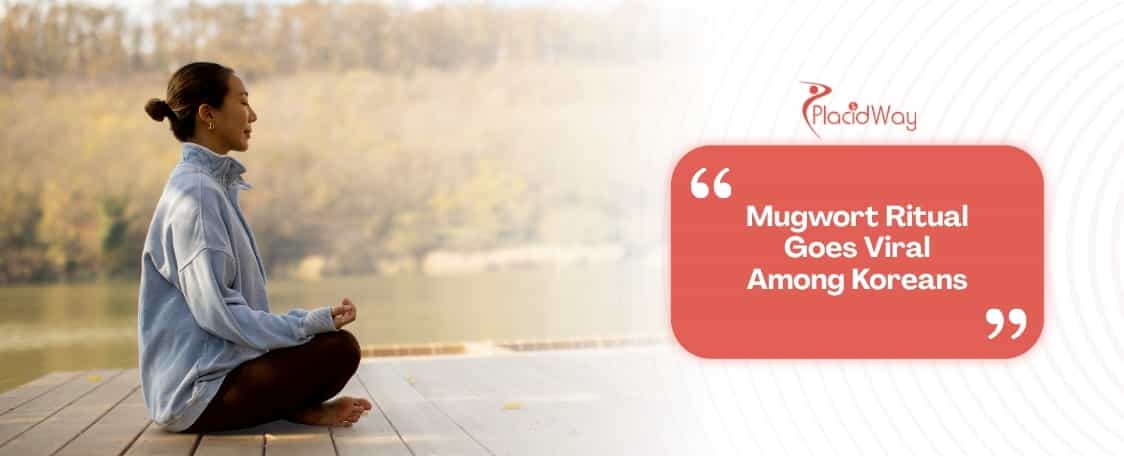
Mugwort Moxibustion in South Korea is surging among youth as a viral wellness trend because it perfectly blends traditional healing with Instagrammable self-care. It relieves modern stress and menstrual cramps while offering an aesthetic detox.
Key Takeaways: The Rise of Traditional Wellness
- Cultural Renaissance: Young adults are rediscovering ancient Hanbang (traditional medicine) for holistic healing.
- Women Health Focus: Highly effective for treating dysmenorrhea, balancing hormones, and improving pelvic circulation.
- Digital Detox: The physical setup forces a break from smartphones, promoting deep mindfulness and mental clarity.
- Accessible Luxury: Treatments offer a high-end spa experience at a fraction of the cost of modern aesthetic procedures.
In a hyper-modern society known for its fast-paced lifestyle and cutting-edge technology, a surprising trend is taking over social media feeds. Young adults are actively trading high-tech saunas for ancient herbal steam therapies. This resurgence is not merely a nostalgic nod to the past; it is a calculated embrace of holistic health. By sitting over steaming vats of aged herbs, participants find a unique sanctuary that addresses both physical ailments and profound mental exhaustion.
How does traditional Korean medicine view the benefits of this therapy?
Traditional medicine views this therapy as a vital method to stimulate meridian points and improve blood circulation. It warms the core body temperature to expel internal coldness and dampness.
In the realm of traditional wellness, the concept of Qi (vital energy) and blood flow dictates overall health. Practitioners believe that many modern ailments, from chronic fatigue to digestive issues, stem from a cold lower abdomen. When the core is cold, blood vessels constrict, preventing the natural healing mechanisms of the body from functioning correctly. Herbal steaming directly combats this by infusing deep, penetrating heat into the pelvic region.
The herb used, known locally as ssuk, is highly revered for its warming properties. When ignited or boiled, it releases volatile oils that possess natural antibacterial and anti-inflammatory characteristics. As the steam rises, these active compounds are absorbed through the highly permeable mucous membranes of the lower body, entering the bloodstream much faster than oral supplements.
Experiencing Mugwort Moxibustion in South Korea is considered a staple preventative measure. Rather than waiting for disease to manifest, young people are adopting these ancient principles to maintain baseline immunity. This proactive approach perfectly aligns with the global shift toward preventative healthcare, proving that ancient wisdom holds significant relevance in contemporary society.
What should I expect during a typical wellness treatment session?
A standard session involves sitting on a specially designed open-seat chair over burning herbs while draped in a protective cape. The warm herbal steam permeates the lower body for about thirty to forty-five minutes.
- Initial Consultation: The session usually begins with a brief pulse check or questionnaire by a practitioner to tailor the herbal blend to your specific constitution.
- Preparation and Attire: You will disrobe and wear a full-length, specialized waterproof gown that reaches the floor, ensuring all steam is trapped around your body.
- The Steaming Process: You sit comfortably on a customized chair with an opening in the seat. Beneath the chair, a pot of boiling water and medicinal herbs generates therapeutic steam.
- Hydration and Relaxation: Attendants frequently serve warm, herbal teas to promote internal sweating and hydration while you relax in a dimly lit, calming environment.
- Cool Down: After the session, you rest for a few minutes to let your core body temperature normalize before changing back into your street clothes.
| Feature | Traditional Herbal Steam | Standard Dry Sauna |
|---|---|---|
| Heat Application | Targeted pelvic and core warming | Whole body ambient heat |
| Active Ingredients | Aged medicinal volatile oils | None (pure dry heat) |
| Primary Goal | Hormone balance and local circulation | General muscle relaxation and sweating |
How much does the Mugwort Moxibustion cost in South Korea?
The Mugwort Moxibustion cost in South Korea generally ranges from thirty to eighty dollars per session. Prices vary heavily based on the facility luxury level and added holistic therapies.
For international visitors seeking holistic therapies, affordability is a massive draw. Compared to high-end spa treatments in Western countries, this ancient therapy remains incredibly accessible. Basic sessions at neighborhood bathhouses or modest traditional clinics lean toward the lower end of the spectrum, providing an authentic, no-frills healing experience.
Conversely, the Mugwort Moxibustion cost in South Korea can increase if you visit a premium boutique spa located in trendy districts like Gangnam or Cheongdam. These luxurious facilities often package the steaming process with comprehensive health consultations, full-body massages, organic facial treatments, and private relaxation suites. These premium packages can elevate the price to well over one hundred dollars, but they deliver an unmatched level of pampering.
Many clinics also offer multi-session packages, which dramatically reduce the per-session cost. Because the benefits of herbal steaming are cumulative, purchasing a package of five or ten sessions is highly common among both locals and medical tourists aiming for long-term health improvements during their extended stays.
How do I find a reputable Mugwort Moxibustion clinic in South Korea?
Finding a top-tier Mugwort Moxibustion clinic in South Korea requires checking for government accreditation and certified traditional medicine practitioners. Look for facilities catering to international patients with comprehensive translation services.
The sheer number of wellness centers available can be overwhelming for a first-time visitor. To ensure safety and therapeutic efficacy, it is crucial to seek out clinics officially registered with local health ministries. Accredited traditional clinics employ doctors who have undergone rigorous university training in oriental medicine, ensuring they understand complex herbal interactions and patient safety protocols.
Furthermore, an excellent Mugwort Moxibustion clinic in South Korea will prioritize hygiene. The equipment used for steam therapies must be meticulously sterilized between clients. Reputable centers use medical-grade stainless steel or traditionally glazed ceramic pots that do not leach toxins when heated. They also provide transparent information regarding the sourcing and aging process of their herbs.
For non-Korean speakers, navigating clinic websites can be a hurdle. Utilizing medical tourism facilitators takes the guesswork out of the equation. Facilitators maintain curated networks of premium clinics that have proven track records of excellence, pristine sanitation standards, and dedicated English-speaking staff to guide you through the consultation process.
Why is this specific herbal therapy heavily favored for female reproductive health?
The therapy is deeply revered for alleviating menstrual cramps and balancing hormones. The direct application of herbal warmth to the pelvic region increases blood flow and relaxes uterine muscles naturally.
- Dysmenorrhea Relief: The deep heat acts as a powerful vasodilator, relaxing the smooth muscles of the uterus and significantly reducing the severity of menstrual cramps.
- Postpartum Recovery: Traditional postpartum care heavily relies on this steam to promote tissue healing, tone the pelvic floor, and clear out lochia after childbirth.
- Hormonal Harmony: Improved blood flow to the ovaries and uterus supports optimal endocrine function, which can help regulate irregular menstrual cycles.
- Microbiome Support: The antimicrobial properties of the volatile herb oils help maintain a healthy pH balance, defending against recurrent yeast or bacterial imbalances.
- Menopausal Transition: Regular sessions provide soothing relief from pelvic dryness and discomfort associated with declining estrogen levels during menopause.
Almost every premium Sanhujoriwon (traditional postpartum care hotel) includes a dedicated herbal steam room. New mothers undergo these treatments daily to accelerate their physical recovery and promote immense emotional relaxation before returning home.
Is this therapy safe for everyone or are there specific side effects?
While generally highly safe, pregnant women and those with active pelvic infections should avoid this treatment. Mild side effects can include temporary lightheadedness or sweating due to the intense heat.
Safety is a primary concern for any wellness procedure. For the vast majority of individuals, herbal steaming is a gentle and highly therapeutic experience. However, traditional medicine practitioners strictly advise against using this therapy during pregnancy. The intense heat and circulation stimulation could potentially induce premature uterine contractions, making it contraindicated for expecting mothers.
Additionally, individuals experiencing active, acute infections presenting with open sores or severe inflammation should wait until the infection clears before participating. The introduction of heat and moisture to an already severely inflamed area can sometimes exacerbate discomfort rather than relieve it. It is always best to consult with the clinic doctor beforehand if you have specific gynecological concerns.
The most common side effect is simple dehydration or mild dizziness upon standing, similar to stepping out of a hot bath. Clinics mitigate this by providing constant fluids during the session and ensuring patients rest properly afterward. By following the guidance of trained professionals, the risks are virtually non-existent, leaving only a profound sense of rejuvenation.
How does this experiential trend merge with modern digital detox culture?
Young adults use these sessions as a mandatory digital detox because using phones under the steaming cape is difficult. It forces mindfulness and provides a rare moment of unplugged relaxation.
The modern generation faces unprecedented levels of screen time and digital burnout. Interestingly, the very nature of this traditional treatment offers a perfect antidote. Once the large protective cape is secured around the neck, reaching for a smartphone becomes cumbersome and impractical. The humid environment also discourages bringing expensive electronics close to the steam source.
This physical barrier forces participants to disconnect entirely for forty-five minutes. Without the distraction of notifications or social media scrolling, individuals are compelled to sit quietly, focus on their breathing, and become acutely aware of their physical sensations. This meditative aspect transforms a simple physical treatment into a profound mental health intervention.
Of course, the visual appeal plays a massive role in its virality. The juxtaposition of ancient wooden steam chairs against sleek, modern clinic interiors creates highly shareable content. Young Koreans often take aesthetic photos right before the session begins, post them online to signal their commitment to self-care, and then completely unplug for the duration of the therapy.
Why is medical tourism in South Korea expanding into traditional wellness?
The scope of medical tourism in South Korea is rapidly expanding beyond plastic surgery to include holistic wellness retreats. Visitors now actively seek traditional therapies to balance intense medical procedures.
Historically, international patients flocked to Seoul primarily for world-class cosmetic surgery and advanced dermatology. However, modern travelers are demanding more comprehensive care. They seek experiences that nurture the soul just as much as they refine the physical appearance. This shift has given rise to a booming K-wellness sector that bridges the gap between clinical medicine and holistic healing.
Many patients now incorporate traditional treatments into their recovery schedules. After undergoing intensive modern procedures, the body requires gentle rehabilitation. Herbal steaming, with its focus on reducing inflammation, boosting systemic immunity, and promoting deep relaxation, serves as the perfect complementary therapy. It offers a gentle, non-invasive way to support the healing body.
The government heavily supports this diversification, officially recognizing traditional medicine as a key pillar of their global healthcare offerings. By establishing specialized wellness hubs and funding research into the efficacy of ancient herbs, the country ensures that international visitors receive safe, standardized, and highly effective holistic care alongside their conventional medical treatments.
Why Choose PlacidWay for your traditional wellness journey?
PlacidWay connects you with globally accredited wellness centers and highly trained traditional practitioners. We ensure a safe, transparent, and seamlessly coordinated holistic medical journey.
- Strict Clinic Vetting: We partner exclusively with wellness centers that maintain official government accreditation, ensuring rigorous hygiene standards and authentic herbal sourcing.
- Price Transparency: Our platform guarantees clear, upfront pricing for all traditional therapies, protecting international patients from unexpected hidden fees or premium foreigner markups.
- Personalized Patient Support: We assign dedicated care coordinators to help you navigate language barriers and communicate your specific health goals to traditional medicine doctors effectively.
- Comprehensive Care Coordination: If you are combining modern cosmetic procedures with traditional recovery therapies, our team seamlessly aligns your schedule for optimal healing.
- Verified Practitioner Quality: We ensure that every traditional treatment is overseen by board-certified doctors in oriental medicine, guaranteeing a medically sound approach to your holistic wellness.
Frequently Asked Questions
How long does a typical mugwort moxibustion session last in Seoul?
A standard session usually lasts between thirty to forty-five minutes. This timeframe is considered optimal for allowing the herbal steam to fully penetrate the skin and stimulate circulation without causing heat exhaustion or dehydration.
Can men also benefit from this herbal steam treatment?
Absolutely. While highly popularized for female reproductive health, men frequently use this therapy to address prostate issues, improve lower body circulation, relieve lower back pain, and support overall detoxification and stress management.
How often should someone undergo this therapy for optimal results?
For general wellness and stress relief, once a week is highly recommended. However, individuals treating specific chronic conditions like severe menstrual cramps or digestive issues might be advised by a traditional medicine doctor to attend two to three sessions per week initially.
What is the primary difference between direct and indirect moxibustion?
Direct moxibustion involves placing small cones of burning herbs directly on the skin, which can sometimes leave tiny scars. The trending V-steam method is a form of indirect moxibustion where the patient sits above the steam, ensuring deep warmth without any risk of skin burns.
Does the herbal smoke leave a lasting smell on clothes or hair?
The natural herb does have a distinct, earthy scent similar to strong green tea or sage. Clinics provide special protective capes to trap the steam and protect your street clothes. Most premium facilities also offer shower amenities and grooming stations so you can leave completely refreshed.
Can I combine this treatment with other Korean beauty procedures?
Yes, it is extremely common to combine traditional herbal steaming with modern aesthetic treatments. Many patients schedule a steam session a few days after facial laser treatments or minor injectables to promote systemic blood flow, which can actually accelerate overall healing.
Is the herb used in Korea fundamentally different from Japanese yomogi?
They are closely related varieties of the Artemisia plant. The Korean variant, known as ssuk, has been cultivated specifically for medicinal potency over centuries. Traditional Korean clinics often age their herbs for several years, which they claim enhances the therapeutic warmth and reduces smoke irritants.
What should I wear to a traditional wellness appointment?
You can arrive in whatever comfortable clothing you prefer. Upon arrival, the clinic will provide you with disposable undergarments and a specialized waterproof gown or cape designed specifically for the steaming process.
Do traditional medicine clinics in major cities speak English?
Top-tier wellness centers catering to international visitors usually have in-house English interpreters or bilingual doctors. When booking through a medical facilitator, translation services are guaranteed, ensuring you fully understand your personalized health assessment.
Can this therapy actively help with chronic digestive issues?
Traditional medicine principles suggest that warming the core effectively stimulates the digestive organs. Many patients report significant relief from bloating, constipation, and irritable bowel symptoms after integrating regular herbal steaming into their wellness routines.
Start Your Holistic Wellness Journey Today
* Responses typically within 24 hours. Privacy guaranteed.
-Becoming-a-Viral-Experiential-Wellness-Trend-Among-Young-Koreans-(2).jpg)





.png)










Share this listing