


Can Chinese Medicine Help Treat Lumbar Disc Herniation and Spinal Stenosis?
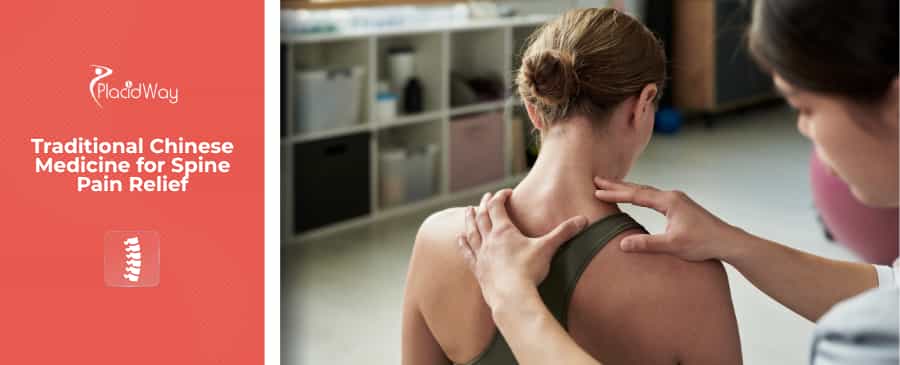
If you are living with severe back pain, you already know how deeply it affects every single part of your life. The sharp, shooting pain of sciatica down your leg. The numbness in your toes. The way your world shrinks because you can only walk short distances before needing to sit down. You are likely asking yourself, Is Traditional Chinese Medicine Effective for Russian Patients with Lumbar Disc Herniation and Spinal Stenosis?
You have probably visited local Russian neurologists and orthopedic surgeons. They may have handed you a heavy prescription for painkillers, suggested steroid injections, or flat-out told you that invasive spinal surgery is your only option. The idea of having your spine cut open is terrifying, and the long wait times in the public healthcare system only add to your anxiety. You want an honest, natural alternative that actually works, but traveling to China feels like a massive leap into the unknown.
I completely understand your hesitation. You need to know if this ancient medical system holds up to modern clinical scrutiny, and more importantly, if it will work for *you*. This guide is designed to give you the honest, straightforward facts. We will explore exactly how Chinese medicine for Russian patients works, look at real costs, compare success rates, and give you the clear next steps you need to take back control of your health.
Quick Facts: Spine Treatment in Russia vs. China
What Is TCM for Lumbar Issues and How Does It Work?
When you have a herniated disc, the inner jelly-like core of your spinal disc has pushed out through the tough exterior, pressing against your sensitive spinal nerves. With spinal stenosis, the canal housing your spinal cord has narrowed, choking the nerves. Both cause intense inflammation and pain. TCM treats this as a blockage of "Qi" (energy) and blood circulation, aiming to restore flow and allow the body to heal the structural damage naturally.
Here is what your daily treatment steps will generally look like in a Chinese hospital:
- Acupuncture for spinal stenosis and disc herniation: Ultra-thin, sterile needles are placed in specific points along your back and legs. This triggers your nervous system to release natural painkillers (endorphins) and dramatically increases local blood flow to flush out inflammatory chemicals around the pinched nerve.
- Tuina (Therapeutic Massage): Forget relaxation massage. Tuina is a targeted, medical-grade physical therapy. The doctor uses deep tissue techniques to release chronic muscle spasms that are aggressively compressing your vertebrae.
- Herbal Decoctions: You will drink a customized blend of natural herbs daily. These are prescribed to reduce internal inflammation, strengthen your kidney and liver functions (which in TCM directly support bone and tendon health), and promote tissue regeneration.
- Moxibustion & Cupping: Warm, glowing herbs are held near the skin to drive deep heat into your lower back, relaxing stiff muscles. Cupping is then used to pull stagnant, deoxygenated blood away from the injured disc, making room for fresh, oxygen-rich blood to heal the area.
The biggest benefit of these natural alternatives for spinal stenosis? There is no scarring, no risk of failed back surgery syndrome, and no long-term reliance on addictive pain medication.
Benefits of Chinese Medicine for Herniated Discs
Why do thousands of Russian patients make the journey to China every year for TCM treatment for lumbar disc herniation? Because the benefits far outweigh the standard treatments offered back home.
- Preserves natural anatomy: Surgery permanently alters your spine, often removing bone or fusing vertebrae together, which limits future mobility. TCM leaves your spine intact.
- Targets inflammation directly: Non-steroidal anti-inflammatory drugs (NSAIDs) treat the whole body and ruin your stomach lining. Acupuncture and cupping localize the anti-inflammatory response directly at the L4/L5 or L5/S1 discs where you need it most.
- No addiction risks: Standard Russian protocols often rely heavily on strong analgesics. TCM allows you to step away from the pharmacy counter and manage pain naturally.
- Improves overall health: TCM is holistic. Patients seeking treatment for back pain often report that their digestion improves, they sleep deeper, and their chronic fatigue disappears thanks to the balancing effects of the herbal medicines.
- Addresses muscle compensation: When your back hurts, you walk differently, which throws your hips and knees out of alignment. Tuina massage corrects these structural imbalances, preventing future injuries down the road.
Cost of TCM Spine Treatment in China vs Russia
Cost is a massive factor. While public healthcare in Russia might offer free surgery, the wait times can stretch for many months, during which your nerve damage could become permanent. If you go private in Russia, the costs skyrocket. Here is a realistic comparison of what you will pay.
| Procedure / Treatment | Private Russia Price | China Price (TCM) | Savings % |
|---|---|---|---|
| Initial Consultation & MRI/Scans | $300-$500 | $100-$200 | 60% |
| Acupuncture (Per Session) | $50-$100 | $15-$35 | 65% |
| 14-Day Intensive Program | $3,000-$5,000 (PT Clinic) | $1,000-$2,000 | 60% |
| Microdiscectomy Surgery | $5,000-$8,000 | N/A (Avoided) | 100% |
| Spinal Fusion Surgery | $8,000-$15,000+ | N/A (Avoided) | 100% |
Why is TCM so much more affordable? In China, TCM is subsidized and fully integrated into the national hospital system. The herbs are grown domestically, and the focus is on highly skilled manual labor (the doctors' expertise) rather than astronomically expensive surgical hardware, titanium screws, and overnight intensive care stays. You are paying for centuries of refined medical knowledge, not overpriced hospital overhead.
Safety of Traditional Chinese Medicine for Spine Issues
Safety is usually the first objection. We are programmed to trust sterile scalpels and MRI machines, and feel skeptical about herbs and needles. But modern TCM in China is practiced in massive, state-of-the-art hospitals. Let us look at how the safety protocols compare.
| Quality Metric | Standard Russian Care | TCM in China | Notes |
|---|---|---|---|
| Treatment approach | Pharmaceutical / Surgical | Natural / Conservative | TCM has no surgical risk |
| Infection rate | 2-5% (post-op) | <0.1% | Single-use disposable needles required |
| Doctor training | 6-8 years medical school | 5-8 years TCM university | TCM doctors hold equivalent medical degrees |
| Diagnostic tools | X-Ray, MRI, CT | MRI + Pulse/Tongue diagnosis | TCM hospitals use Western imaging too |
Here is what you need to know about safety:
- Sterilization is mandatory: All acupuncture needles are single-use, pre-sterilized, and immediately discarded after use. The risk of blood-borne illness is virtually non-existent.
- Doctors are highly educated: A doctor of Chinese medicine in a Tier 3A hospital has spent 5 to 8 years in university, often studying both Western anatomy and traditional methodologies.
- Herbs are strictly regulated: Reputable hospitals source their herbs from state-inspected facilities to ensure there are no heavy metals or pesticides.
- It is integrated with modern medicine: Your Chinese doctors will read your MRI scans from Russia before ever touching your back. They base their treatment on hard diagnostic imaging combined with traditional assessments.
What is the Recovery Time for TCM Spine Treatments?
Healing a compromised spine takes time, but TCM accelerates the pain-relief phase dramatically. Unlike surgery where you spend weeks recovering from the incision itself, TCM allows you to be active immediately.
- Arrival and Assessment (Days 1-2): You check into the hospital or hotel. Doctors review your MRI, assess your mobility, and formulate your custom treatment plan.
- Intensive Treatment Phase (Days 3-14): You will receive daily sessions of acupuncture, massage, and herbal therapy. By day 7, most patients notice a significant decrease in sciatic pain and muscle stiffness.
- Consolidation Phase (Days 15-21): The pain is usually highly managed by this point. Treatments focus on strengthening the surrounding muscles and ligaments to hold the spine in proper alignment.
- Home Healing (Months 1-6): You return to Russia with a supply of herbal medicine and a regimen of specific exercises. Over the next half-year, the herniated disc material is often naturally reabsorbed by the body.
Important things to think about before you book:
- Travel comfort: The flight from Moscow or St. Petersburg to Beijing or Dalian is long. Bring lumbar support cushions and plan for medical assistance at the airport if needed.
- Language barrier: Hospitals catering to Russians, especially in Dalian and Hainan, provide dedicated Russian-speaking translators who accompany you to all appointments.
- Consistency is key: When you return home, you must continue the prescribed stretching and take the herbs. Do not fall back into sedentary habits.
How Effective is TCM for Spinal Stenosis and Are You a Candidate?
We want to be perfectly clear: TCM is powerful, but it is not magic. It cannot cure every single spinal condition, and being honest about your eligibility is crucial.
You are likely a great candidate if you have:
- Lumbar disc herniation (L3-L4, L4-L5, or L5-S1)
- Mild to moderate spinal stenosis
- Sciatica (radiating pain down the buttocks and legs)
- Chronic lower back pain and stiffness
- A strong desire to avoid spinal surgery
- The ability to travel and undergo daily physical therapies
You may need to reconsider or seek emergency surgical care if you have:
- Cauda Equina Syndrome: If you have loss of bladder or bowel control, this is a medical emergency requiring immediate surgery.
- Foot drop: If you are completely unable to lift the front part of your foot due to severe nerve death, surgery is urgently needed.
- Advanced osteoporosis: Extremely brittle bones may make deep Tuina massage unsafe, though gentle acupuncture is still possible.
- Spinal tumors or infections: Pain caused by malignancies requires oncological intervention, not just pain management.
- Severe spinal fractures: Broken vertebrae need surgical stabilization.
If you fit the criteria for a great candidate, your next step is simple: request a consultation with a TCM hospital and let them review your MRI.
Frequently Asked Questions
If you are planning to travel from Russia to China for your spine health, you undoubtedly have logistical and medical questions. Here are the 12 most common questions patients ask, answered clearly.
How much does the cost of TCM spine treatment in China vs Russia compare?
A comprehensive 14-day TCM treatment program in China typically costs $1,500 to $3,500. Private spine surgery or long-term private physical therapy in Russia can cost $5,000 to $12,000. TCM offers a 50-70% savings compared to private surgical routes.
How effective is TCM for spinal stenosis and disc herniation?
TCM is highly effective for symptom management, showing an 80-85% success rate in reducing pain and improving mobility for Russian patients. While it cannot reverse structural aging, it effectively reduces the inflammation causing nerve compression.
What is the recovery time for TCM spine treatments?
Most patients feel significant pain relief within 7 to 10 days of starting daily treatment. Long-term tissue healing and inflammation reduction take 3 to 6 months of following the prescribed herbal and exercise regimen at home.
Can Chinese medicine treat severe nerve damage from spinal stenosis?
TCM is excellent for treating nerve irritation and early-stage neuropathy by improving microcirculation through acupuncture. However, if you have permanent, severe nerve damage causing foot drop or bowel incontinence, surgical intervention is required.
What happens if my back pain returns after I go back to Russia?
Your Chinese doctors will provide you with a 3 to 6 month supply of custom herbal medicine and a specific stretching regimen (like Tai Chi or Qi Gong) to take home. Most flare-ups can be managed conservatively following these guidelines.
Is there a risk of complications with acupuncture for spinal stenosis?
Complications are extremely rare (under 1%) when performed by licensed TCM doctors in reputable hospitals. Minor bruising at needle sites is normal and fades within 2 to 3 days. Standardized sterilization makes infection risks nearly zero.
Which Chinese cities are best for Russian patients seeking TCM?
Dalian, Beijing, and Sanya (Hainan Island) are the top destinations. Dalian and Sanya have dedicated international TCM hospitals with full-time Russian translators, making the medical journey completely stress-free for Russian speakers.
Will my Russian neurologist approve of this treatment?
Many progressive Russian neurologists now view acupuncture and TCM as valid, conservative pain management tools. It is highly recommended to share your TCM records with your local doctor upon return for continuous care.
How do I verify a Chinese TCM hospital is legitimate?
Look for hospitals designated as 'Class Three Grade A' (Tier 3A) by the Chinese government, which is the highest ranking for medical quality. Also, ensure they have established international patient departments with verifiable Russian patient reviews.
Is it safe to travel to China alone for spine treatment?
Yes. Most international TCM hospitals offer VIP services, including airport pickup, translated consultations, and inpatient rooms or nearby partnered hotels. However, if your mobility is severely limited, bringing a companion is highly recommended.
How many trips to China will I need for full relief?
Most patients take one initial 14 to 21 day trip for intensive daily therapy. Many choose to return annually or bi-annually for a 1-week 'tune-up' to maintain their spinal health and enjoy a wellness vacation, though it is not strictly mandatory.
Can I finance my medical trip to China from Russia?
While Chinese hospitals typically require upfront payment via cash, card, or wire transfer, the overall costs are low enough ($1,500-$3,500) that most patients pay out of pocket. Some patients utilize local Russian personal loans for travel expenses.
Ready to Walk Without Pain Again?
References
- National Institutes of Health (NIH). "Efficacy of Traditional Chinese Medicine for Lumbar Disc Herniation."
- PlacidWay Medical Tourism. "Traditional Chinese Medicine Treatments Abroad"
.png)
.png)

.png)












Share this listing