


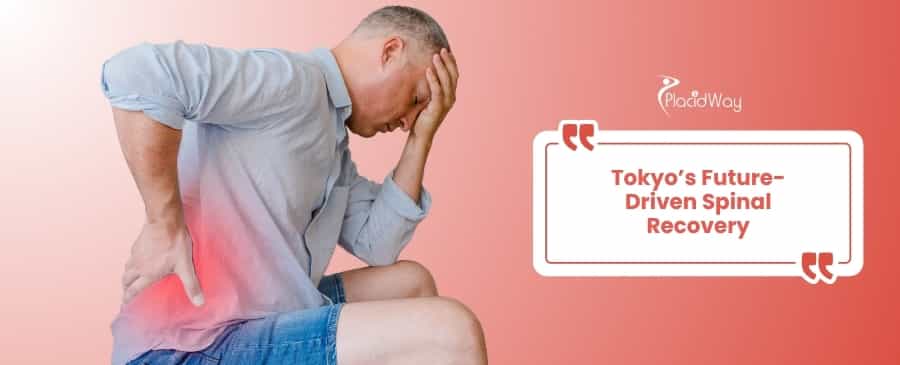
The landscape of neurological recovery is undergoing a profound transformation, leading many to explore dual-pathway spinal injury treatment in Japan. This specialized approach seamlessly integrates regenerative cellular protocols with highly sophisticated robotic exoskeleton training. By addressing both the biological environment of the injured spinal cord and the biomechanical needs of the body, medical teams aim to optimize the window for functional recovery.
Historically, patients facing severe neurological trauma encountered limited therapeutic options focused primarily on adaptation rather than restoration. Today, spinal injury clinics in Japan offer a paradigm shift, utilizing the dual-pathway method to potentially reawaken dormant neural pathways. This comprehensive methodology ensures that while cellular components work to reduce inflammation, robotic systems provide the physical repetition necessary to encourage neuroplasticity.
Japan implemented an expedited regulatory framework for regenerative medicine in 2014, allowing safe, rigorously monitored cellular therapies to reach patients faster than in many Western nations.
- Biological Foundation: Cellular therapy targets the microenvironment of the spinal lesion.
- Biomechanical Reinforcement: Robotic suits respond to faint bio-electrical signals to assist movement.
- Synergistic Approach: Combining both methods typically yields more comprehensive rehabilitation data.
- Monitored Progress: Care protocols are adjusted in real-time based on the patient's daily responses.
The Role of Cellular Therapy for Spinal Recovery in Tokyo
When investigating stem cell therapy for spinal injury in Tokyo, it is crucial to understand how cellular medicine acts as the biological catalyst in the dual-pathway model. Physicians generally harvest mesenchymal stem cells from the patient's own body, minimizing the risk of rejection. Once isolated, expanded, and reintroduced, these cells are believed to secrete neurotrophic factors that help modulate the hostile, inflammatory environment commonly found at the injury site.
This cellular intervention does not immediately "cure" the injury, but rather aims to create a more permissive environment for nerve preservation and potential regeneration. By reducing scarring and promoting angiogenesis—the formation of new blood vessels—advanced spinal cord injury therapy in Japan sets the stage. It creates the optimal internal conditions required for the body to respond favorably to subsequent physical therapies.
Neuroplasticity is the brain and spinal cord's natural ability to reorganize themselves by forming new neural connections, a process that targeted cellular therapy aims to actively support and enhance.
- Anti-inflammatory action: Cellular treatments work to suppress the immune overreaction post-injury.
- Trophic support: Introduced cells release proteins that support the survival of existing neurons.
- Autologous safety: Using the patient’s own biological material significantly reduces adverse immune reactions.
- Targeted delivery: Advanced imaging ensures precise administration near the site of trauma.
How Robotic Rehabilitation in Japan Accelerates Mobility?
The physical cornerstone of this treatment is robotic rehabilitation in Japan, an area where the country's technological prowess truly shines. Wearable cyborg technologies are designed to detect the faintest bio-electric signals leaking onto the skin surface when a patient attempts to move. The exoskeleton then provides the exact amount of mechanical support needed to complete the intended motion, essentially retraining the brain-to-muscle connection.
This active participation is vastly different from passive physical therapy. Because the patient is initiating the movement, the sensory feedback loop to the brain is completed. Over weeks of intensive sessions, this spinal rehabilitation in Tokyo generally helps strengthen these fragile neural bridges. The high repetition of correct gait patterns, facilitated safely by the robot, is vital for long-term functional gains.
Clinical observations note that robot-assisted treadmill training can increase the number of steps a patient takes per session by up to 1,000% compared to traditional manual manipulation therapy.
- Intention-based movement: The suit only moves when the patient actively attempts to initiate muscle contraction.
- High repetition: Enables thousands of consistent gait cycles without causing physical exhaustion to therapists.
- Real-time feedback: Sensors map muscle engagement, allowing therapists to adjust the support level instantly.
- Safety mechanisms: Exoskeletons provide fall protection, building patient confidence during weight-bearing exercises.
Analyzing the Cost of Spinal Injury Treatment in Japan
For international families, evaluating the cost of spinal injury treatment in Japan is a critical step in the decision-making process. While advanced dual-pathway recovery is a significant financial investment, many find it highly competitive when measured against the exorbitant out-of-pocket costs of long-term care or fragmented experimental treatments in North America. The pricing generally encompasses cellular harvesting, lab cultivation, multiple infusions, and weeks of daily robotic therapy.
It is important to understand that affordable spinal injury treatment in Tokyo does not imply compromised quality; rather, it reflects efficient healthcare infrastructures and regulated pricing models. Patients are encouraged to look beyond the initial price tag and consider the comprehensive nature of the inclusions. Proper financial planning is essential, as individual protocols vary based on medical needs and duration of stay.
| Procedure / Treatment Component | Average Cost in Japan (USD) | Estimated Cost in US/UK (USD) |
|---|---|---|
| Autologous Cellular Therapy (Full Protocol) | $15,000 - $22,000 | $30,000 - $50,000+ |
| Intensive Robotic Rehabilitation (4 Weeks) | $10,000 - $15,000 | $25,000 - $40,000 |
| Comprehensive Dual-Pathway Package | $25,000 - $40,000 | $60,000 - $100,000+ |
| Diagnostic Imaging & Medical Assessment | $1,500 - $3,000 | $4,000 - $8,000 |
Always request a completely itemized quote prior to travel. Ensure you understand exactly how many robotic therapy sessions and cellular injections are included to accurately compare values between international providers.
Why Medical Tourism in Japan is Ideal for Neurology Patients?
The rise of medical tourism in Japan is closely tied to the country's impeccable standards of patient safety, hygiene, and technological integration. For individuals living with spinal cord injuries, accessibility and comfort are paramount. Tokyo’s healthcare facilities are meticulously designed for wheelchair navigation, ensuring that international patients experience a stress-free environment from the moment they arrive.
Furthermore, the cultural philosophy surrounding patient care in Japan emphasizes deep respect, patience, and holistic well-being. Choosing to pursue dual-pathway recovery in Tokyo means entering a highly structured medical ecosystem. The interdisciplinary teams—comprising neurologists, cell biologists, and specialized physiotherapists—work collaboratively, ensuring that every facet of the patient's recovery journey is carefully monitored and optimized.
Testimonial: Finding Hope Abroad
"After exhausting standard therapy options at home, the decision to travel for medical care was daunting. However, the level of precision and compassion we experienced during my dual-pathway treatment completely changed my perspective on what is possible for neurological recovery." — Patient Summary, PlacidWay Network
- Advanced Infrastructure: Fully accessible clinics and transit systems accommodate mobility impairments seamlessly.
- Interdisciplinary Care: A cohesive approach where specialists communicate directly regarding patient progress.
- Rigorous Hygiene: Strict infection control protocols are particularly vital for patients undergoing cellular therapies.
- Patient-Centric Culture: An inherent focus on dignity, ensuring patients feel respected throughout intensive therapy.
Comparing Conventional vs Advanced Spinal Injury Care in Tokyo
When assessing spinal injury care in Japan, one must contrast it with conventional rehabilitation methods available globally. Standard care typically focuses on compensatory strategies—teaching a patient how to live with their new physical limitations using wheelchairs and occupational adjustments. While crucial for immediate independence, these methods do not inherently attempt to repair the neurological deficit.
Conversely, the advanced approach leverages technology to actively stimulate recovery. By combining the internal healing properties of cellular therapies with the external physical training of robotic exoskeletons, the goal shifts from mere compensation to functional restoration. This dual approach is why many view spinal cord injury treatment in Japan as a pioneering step forward in rehabilitative medicine.
Conventional physical therapy relies heavily on the physical strength of the therapist to move the patient's limbs, whereas robotic systems provide tireless, mathematically precise assistance tailored to millimeter movements.
- Goal Orientation: Conventional care focuses on adaptation; advanced care targets functional regeneration.
- Therapeutic Limits: Manual therapy is limited by therapist fatigue; robotic therapy is limited only by patient endurance.
- Biological Intervention: Standard rehab lacks the micro-environmental repair offered by combined cellular treatments.
- Data Tracking: Exoskeletons provide granular digital data on muscle engagement, unlike observational traditional therapy.
Ideal Candidates for Dual-Pathway Spinal Treatment in Japan
Determining who qualifies for dual-pathway recovery in Tokyo involves a rigorous pre-assessment phase. Ideal candidates are generally individuals who are medically stable, free from severe systemic infections, and possess a strong psychological readiness to undertake grueling physical rehabilitation. The time elapsed since the initial injury plays a role, though patients with both acute and chronic conditions are routinely evaluated.
Physicians reviewing applicants for spinal injury clinics in Japan pay close attention to MRI scans, bone density reports, and current functional baselines. Patients with severe joint contractures or advanced osteoporosis may face challenges utilizing the robotic equipment safely. Consequently, honest and thorough medical disclosures during the remote consultation phase are paramount.
Not all patients will qualify for cellular or robotic therapies. Active infections, certain types of cancer, and extreme bone frailty are strict contraindications. Always provide complete medical records to ensure accurate suitability screening.
- Medical Stability: Patients must have stable cardiovascular and respiratory systems to handle intense exertion.
- Sufficient Bone Density: Crucial for safely bearing weight within the robotic exoskeleton system.
- Cognitive Capability: Must be able to understand and follow complex instructions during robotic training.
- Realistic Expectations: A clear understanding that progress is gradual and results are never guaranteed.
The Step-by-Step Patient Journey for Spinal Recovery in Tokyo
Embarking on the journey for spinal injury treatment in Japan is a highly structured process designed to maximize clinical efficiency. The journey typically begins long before travel, with detailed telehealth consultations and medical record reviews. Once accepted, the patient travels to Tokyo, where the first few days are dedicated to in-person diagnostic imaging, blood panels, and baseline mobility testing.
Following diagnostics, the active phase of robotic rehabilitation in Japan commences, often parallel to the cellular harvesting process. Over the next four to eight weeks, patients establish a daily routine of specialized physical therapies, nutritional support, and cellular administration. This phased methodology ensures the body is continually stimulated without being overwhelmed.
Testimonial: A Structured Path
"The organization of my treatment plan was incredible. From the initial bone marrow extraction to the daily schedule with the robotic exoskeleton, I always knew exactly what was happening and why. It provided immense peace of mind." — Patient Summary, PlacidWay Network
- Phase 1: Remote Assessment: Comprehensive review of MRI scans and medical history by the Tokyo medical board.
- Phase 2: On-site Diagnostics: Immediate in-person evaluations and fitting for the robotic exoskeleton upon arrival.
- Phase 3: Dual Intervention: Harvesting and processing of cells, integrated with daily intensive robotic gait training.
- Phase 4: Evaluation and Discharge: Final mobility assessments and provision of a long-term home exercise protocol.
Navigating Visa and Logistics for Medical Travel to Japan
Organizing medical tourism in Japan requires careful logistical planning, particularly regarding entry requirements. Japan offers a specific Medical Stay Visa designed for international patients and their accompanying caregivers. This visa accommodates the longer durations—often up to 90 days or more—required for comprehensive dual-pathway recovery protocols.
Beyond visa acquisition, securing appropriate ground transportation and accessibility tools is a priority for those seeking spinal cord injury treatment in Japan. While Tokyo is famously accessible, having a pre-arranged plan for moving between the medical facility and daily living environments reduces stress, allowing the patient to focus entirely on their intensive rehabilitation schedule.
Initiate your Medical Stay Visa application at least two months in advance. You will need formal letters of acceptance and treatment schedules from your chosen Japanese medical institution to submit to the embassy.
- Medical Visa Support: Certified clinics routinely supply the necessary documentation for visa processing.
- Accompanying Persons: The visa framework allows family members to travel and stay as dedicated caregivers.
- Language Assistance: Many international departments provide dedicated medical interpreters for all clinical sessions.
- Transit Accessibility: Tokyo’s public and private transit networks are heavily optimized for wheelchair users.
Essential Recovery Timelines After Spinal Treatment in Tokyo
Patients considering spinal rehabilitation in Tokyo must recognize that recovery timelines are highly individualized and nonlinear. The initial clinical stay generally lasts between four and eight weeks, during which the most intensive, monitored therapies occur. However, the biological effects of cellular therapy often continue to manifest over the ensuing three to six months.
Most patients experience gradual shifts rather than overnight transformations. Early signs of progress during advanced spinal cord injury therapy in Japan might include improved core stability, increased sensation, or better bowel and bladder function, before visible changes in limb mobility occur. Committing to a rigorous physical therapy routine upon returning home is critical to maintaining and building upon these gains.
Testimonial: Patience and Progress
"I didn't walk out of the clinic on day thirty, but six months post-treatment, my core strength improved dramatically. The therapy in Japan gave my body the foundation it needed, but the real work continued every single day back home." — Patient Summary, PlacidWay Network
- Weeks 1-2: Adaptation to the exoskeleton and cellular harvesting/initial injections.
- Weeks 3-6: Intensive repetitive motion training; monitoring for early sensory changes.
- Months 3-6 Post-Treatment: Continued cellular integration; potential improvements in autonomic functions.
- Long-Term (1 Year+): Ongoing physical therapy to maximize the neuroplastic changes initiated abroad.
Assessing Risks of Advanced Spinal Cord Injury Therapy in Japan
Transparency regarding medical risks is a cornerstone of reputable spinal injury clinics in Japan. While autologous cellular therapies carry a lower risk of immune rejection compared to donor cells, the procedure involves minor surgical interventions for harvesting, which carry inherent risks of infection or bleeding. Additionally, patients may experience temporary fatigue or mild fever post-infusion.
Robotic rehabilitation also necessitates careful oversight to prevent skin abrasions, muscle strains, or minor joint injuries from the repetitive mechanical motions. The clinical teams overseeing dual-pathway recovery in Tokyo mitigate these risks through continuous physiological monitoring, strict hygiene standards, and by adjusting the robotic assistance levels based on the patient's daily fatigue markers.
All regenerative medical procedures in Japan are strictly regulated under the Act on the Safety of Regenerative Medicine (ASRM), which mandates rigorous reporting and safety protocols for cell cultivation.
- Infection Control: Harvesting and cultivation are performed under strict sterile laboratory conditions.
- Skin Integrity: Therapists conduct daily skin checks to prevent pressure sores from the robotic suit harnesses.
- Cardiovascular Monitoring: Heart rate and blood pressure are continuously tracked during intensive physical sessions.
- Autologous Safety: Utilizing the patient's own biological matter minimizes severe immunologic reactions.
Evaluating Long-Term Outcomes of Spinal Rehabilitation in Tokyo
Measuring the success of affordable spinal injury treatment in Tokyo requires looking beyond simply the ability to walk. For individuals with severe spinal trauma, significant improvements in quality of life often stem from subtle functional recoveries. These can include regaining the ability to regulate body temperature, reductions in neuropathic pain, and decreased reliance on caregivers for daily tasks.
Clinical data supporting stem cell therapy for spinal injury in Tokyo paired with robotics suggests that maintaining long-term outcomes depends heavily on the patient's dedication to post-treatment therapy. The neural pathways stimulated during the treatment window require continuous activation to remain viable. Therefore, the outcome is viewed not as an endpoint, but as a new, higher baseline for ongoing lifelong rehabilitation.
Testimonial: Redefining Success
"While my goal was mobility, the unexpected victory was the reduction in my daily nerve pain and the return of some autonomic functions. The dual-pathway approach didn't just treat my spine; it improved my entire quality of life." — Patient Summary, PlacidWay Network
Studies suggest that over 60% of patients undergoing combined cellular and robotic protocols report meaningful improvements in quality of life metrics, such as pain reduction and improved autonomic stability, within twelve months.
- Motor Function: Incremental gains in voluntary muscle control and limb movement over time.
- Sensory Recovery: Return of sensation to touch or temperature below the level of injury.
- Autonomic Improvements: Better management of spasticity, bladder control, and blood pressure.
- Psychological Well-being: Enhanced mental health stemming from active participation in advanced recovery.
How PlacidWay Assists Your Spinal Treatment Journey in Japan?
Navigating the complex landscape of international healthcare can be overwhelming, especially when seeking specialized spinal injury treatment in Japan. PlacidWay serves as a crucial bridge, connecting patients with globally accredited medical facilities that specialize in these advanced neurological protocols. Our goal is to empower patients with transparent information and streamlined access to world-class care.
By leveraging an extensive network of specialized providers, PlacidWay ensures that patients seeking dual-pathway recovery in Tokyo are matched with facilities that align with their specific medical needs and financial parameters. We focus on delivering comprehensive support to facilitate a smooth, secure, and well-informed medical journey.
- Providing comprehensive access to highly vetted, internationally accredited neurological centers.
- Facilitating secure transfer of medical records and MRI scans for initial specialist evaluation.
- Assisting with the procurement of transparent, detailed medical cost estimates.
- Offering dedicated coordination support to bridge language and cultural barriers with medical teams.
- Supplying resources and guidance required for acquiring necessary medical travel documentation.
Frequently Asked Questions
Patients generally stay for four to eight weeks, depending on their specific protocol. This duration allows enough time for the cellular therapies to integrate and for intensive robotic rehabilitation sessions to be completed safely.
No medical procedure can guarantee specific results, especially for complex neurological conditions. Outcomes typically vary based on the severity of the injury, the time elapsed since the trauma, and the patient's biological response.
Tokyo features an advanced regulatory framework that safely accelerates regenerative medicine research and application. Furthermore, it hosts a high concentration of specialized facilities equipped with state-of-the-art robotic mobility devices.
Medical facilities generally utilize mesenchymal stem cells (MSCs) harvested from the patient's own bone marrow or adipose tissue. These cells are cultivated in highly regulated laboratories before being reintroduced to target inflammation and support tissue repair.
Robotic rehabilitation utilizes wearable exoskeletons that interpret bio-electric signals from the patient's skin, assisting voluntary movement. This technology allows for highly repetitive, precise gait training that is difficult to achieve through manual therapy alone.
Yes, international patients typically apply for a Medical Stay Visa, which accommodates longer durations needed for comprehensive care. The treating facility in Japan usually provides a letter of medical necessity to support this application.
The average cost ranges between $25,000 and $45,000, depending on the inclusion of robotic sessions and cellular processing fees. This represents a highly competitive option compared to the costs found in standard Western healthcare systems.
While patients with more recent injuries generally show a more rapid response, individuals with chronic injuries may also be considered for treatment. Extensive medical evaluation is required to determine if the dual-pathway approach offers potential benefits for older injuries.
Upon returning home, patients are strongly encouraged to continue regular physical therapy to maintain the gains achieved during their stay. Periodic telehealth consultations with the medical team in Japan are also standard to monitor long-term progress.
There is no strict age limit, but patients must be in overall stable health to withstand intensive rehabilitation and cellular harvesting. The medical team evaluates cardiovascular health, bone density, and other factors before approving a candidate.
Ready to explore advanced neurological care?
Let PlacidWay guide you toward reputable clinics providing dual-pathway recovery solutions worldwide.
Medical Disclaimer: This article is for informational purposes only and is not medical advice. Always consult a qualified healthcare provider before any medical decisions. Results may vary. Read Full Disclaimer here.
References
- National Institutes of Health (NIH). Mesenchymal Stem Cells in Spinal Cord Injury: Mechanisms of Tissue Repair. https://pmc.ncbi.nlm.nih.gov/articles/PMC5467343/
- World Health Organization (WHO). Spinal Cord Injury Fact Sheet. https://www.who.int/news-room/fact-sheets/detail/spinal-cord-injury
- Christopher & Dana Reeve Foundation. Rehabilitation and Exercise Post Spinal Cord Injury. https://www.christopherreeve.org/living-with-paralysis/rehabilitation
- Nature Portfolio. Advances in Robotic Exoskeletons for Neurological Rehabilitation. https://www.nature.com/articles/s41467-025-63474-3



.png)









Share this listing