
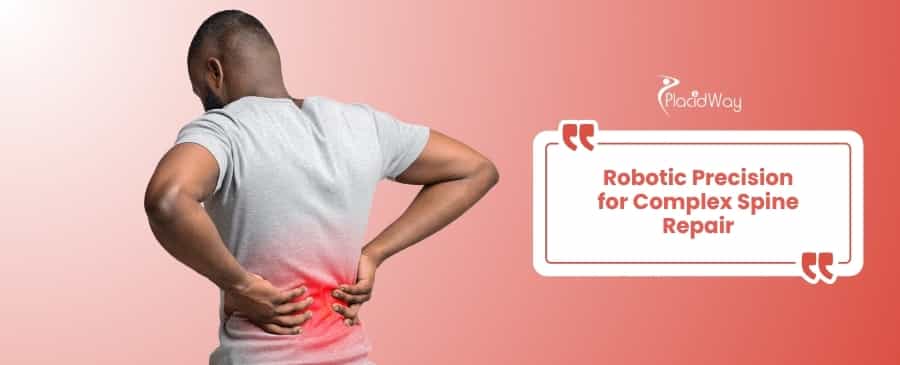
Dealing with a severe spinal deformity can be a daunting, life-altering experience. For many individuals facing progressive spinal curves, traditional open surgeries have historically involved extended recovery times and significant physiological stress. Today, the global healthcare landscape is shifting dramatically, bringing highly advanced, minimally invasive surgical options to the forefront of orthopedic and neurological care.
Among the global leaders pioneering these specialized interventions, India has emerged as a premier destination. More specifically, utilizing cutting-edge technology, highly trained surgical teams are performing robotic spine surgery in Mumbai to correct complex scoliosis safely. This comprehensive guide explores how international patients are accessing world-class spinal care, emphasizing the technology, safety protocols, and realistic outcomes associated with these innovative procedures.
Understanding Robotic Scoliosis Surgery in Mumbai
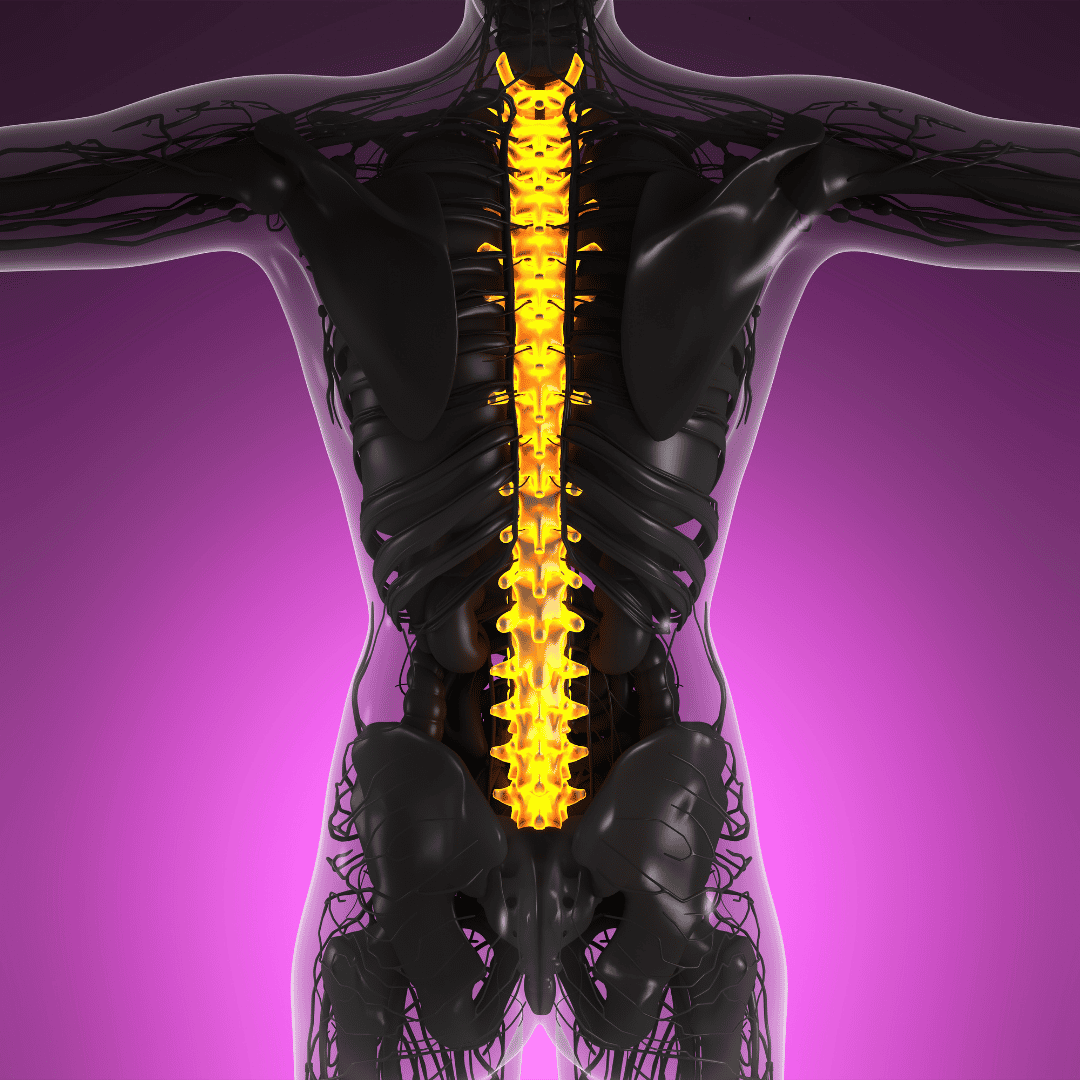
Robotic scoliosis correction in India represents a revolutionary intersection of advanced computer science and meticulous neurological expertise. Unlike conventional free-hand surgery, robotic-assisted techniques utilize a sophisticated mechanical arm guided by real-time 3D mapping. This technology helps the surgeon pre-plan the exact trajectory for spinal implants, ensuring that pedicle screws are placed with sub-millimeter accuracy, which is particularly critical when operating near delicate nerve roots and the spinal cord.
It is important to understand that the robot does not perform the surgery autonomously. Instead, it acts as an ultra-precise navigation tool controlled entirely by a highly experienced spine surgeon. By minimizing human tremor and enhancing spatial awareness, these robotic systems generally allow for smaller incisions, reduced tissue damage, and a lower likelihood of hardware misplacement during complex spinal realignments.
- Enhanced Precision: 3D imaging integration ensures highly accurate screw placement in deformed vertebrae.
- Minimally Invasive: Enables smaller incisions, potentially reducing intraoperative blood loss.
- Radiation Reduction: Significantly limits the need for continuous intraoperative X-rays, protecting both patient and staff.
- Tailored Planning: Surgeons can simulate the procedure virtually before the first incision is made.
The integration of robotic arms in spine surgery can increase the accuracy of pedicle screw placement to over 98%, compared to the lower accuracy rates often associated with traditional free-hand techniques.
Why International Patients Choose Complex Spine Surgery in India?
The decision to travel abroad for critical healthcare is never taken lightly. However, medical tourism in India has grown exponentially due to a combination of elite medical expertise, immediate accessibility, and cutting-edge technology. Patients from North America, Europe, the Middle East, and Africa are increasingly looking to Mumbai for solutions to severe orthopedic conditions that are either prohibitively expensive or subject to massive waitlists in their home countries.
One of the primary drivers behind this trend is the vast clinical experience of Indian spine surgeons. Many of the leading specialists managing complex spine surgery in Mumbai have completed extensive fellowships in the United States or Europe, bringing global best practices back to their home institutions. Furthermore, these private neuro-centers are frequently accredited by international bodies, ensuring that safety, hygiene, and patient care meet or exceed global benchmarks.
- Availability of state-of-the-art robotic platforms like Mazor X™ and ExcelsiusGPS®.
- Bilingual healthcare staff providing seamless communication for international patients.
- No extensive waitlists, allowing for timely intervention before scoliosis progresses further.
- Comprehensive continuum of care, integrating surgery, pain management, and neuro-rehabilitation.
India processes an estimated 500,000 to 700,000 international medical travelers annually, with complex orthopedic and spinal procedures ranking among the top three most sought-after medical specialties.
The Evolution of Neurological Centers for Spinal Correction in Mumbai
Mumbai has long been recognized as India’s commercial capital, but over the last two decades, it has rapidly transformed into a biomedical hub. The top neuro-centers in Mumbai for spine correction have invested heavily in creating dedicated spine institutes within their hospital ecosystems. These specialized departments bring together orthopedic surgeons, neurosurgeons, anesthesiologists, and rehabilitation therapists under one roof to handle multifaceted spinal deformities holistically.
Historically, treating severe scoliosis required vast surgical exposure, leading to significant postoperative pain and longer hospital stays. The paradigm shifted with the introduction of neuromonitoring and robotic navigation in Indian hospitals. By adopting these advanced modalities, modern centers in Mumbai now focus not just on structural correction, but on preserving long-term neurological function and optimizing the overall quality of life for the patient.
- Multidisciplinary tumor boards and spine boards for complex case reviews.
- Integration of intraoperative neuromonitoring (IONM) to track nerve function in real-time.
- Dedicated Intensive Care Units (ICUs) exclusively for neuro-spinal recovery.
- Advanced infection control protocols matching strict international standards.
Patient Case Summary
A 42-year-old patient from Kenya suffering from severe degenerative adult scoliosis experienced chronic nerve pain. After undergoing a robotic-assisted spinal fusion in Mumbai, the patient reported a significant reduction in pain. While recovery was gradual, the precision of the robotic technology facilitated a safe and successful realignment without major neurological complications.
Affordable Robotic Scoliosis Correction Cost in Mumbai
The financial aspect of healthcare is a major catalyst for patients seeking care across borders. The cost of robotic scoliosis correction in Mumbai is remarkably competitive, often standing at a fraction of the price found in Western healthcare systems. This massive price differential is not a reflection of compromised quality; rather, it stems from lower administrative overheads, favorable exchange rates, and the localized production of certain medical consumables.
For individuals seeking affordable scoliosis surgery in India, understanding the breakdown of costs is essential for accurate financial planning. While a basic spinal fusion will have one price point, complex multi-level robotic corrections require additional resources, including intensive pre-operative 3D mapping and post-operative neuro-rehabilitation. Below is an estimated comparative cost breakdown.
| Procedure / Treatment Phase | Average Cost in Mumbai, India | Estimated Cost in USA / UK |
|---|---|---|
| Robotic Scoliosis Surgery (Full Curve Correction) | $15,000 - $22,000 | $80,000 - $120,000 |
| Robotic-Assisted Spinal Fusion (Short Segment) | $9,000 - $14,000 | $60,000 - $90,000 |
| Pre-operative Mapping and 3D Imaging | $800 - $1,500 | $4,000 - $7,000 |
| Post-operative Neurological Rehabilitation | $1,200 - $2,500 | $8,000 - $15,000 |
Always ask for a transparent, itemized quote before traveling. Ensure your estimate includes surgical fees, hospital stay, robotic technology surcharges, and basic post-operative medications to avoid unexpected out-of-pocket expenses.
Technological Advancements in Robotic Spine Surgery in India
To successfully execute a complex spine reset, surgeons rely on an ecosystem of integrated technologies. The evolution of robotic spine surgery in Mumbai goes beyond the robotic arm itself; it encompasses a comprehensive suite of digital tools designed to maximize patient safety. High-definition imaging platforms, such as the intraoperative O-arm, capture detailed 3D scans of the patient's anatomy while they are on the operating table.
This imaging data is seamlessly fed into the robotic navigation software. The surgeon plots the ideal trajectory, width, and length of every single screw required to fuse and correct the spine. During the actual operation, the robotic arm moves into the precise predetermined position, holding a rigid guide tube. The surgeon then works through this tube, executing the pre-planned blueprint with a level of steadiness and precision that is generally impossible to achieve with the human hand alone.
- Real-time 3D Navigation: Continuously tracks the patient's anatomy, adjusting for minute shifts in breathing.
- Predictive Analytics: Software helps anticipate the biomechanical impact of the spinal correction.
- Customized Hardware Integration: Compatible with specialized rods and screws designed for complex deformities.
Advanced intraoperative neuromonitoring (IONM) acts like an "electrical alarm system" during surgery. It continuously monitors the signals traveling through your spinal cord, alerting the surgeon instantly if any nerve is placed under undue stress.
Who is an Ideal Candidate for Robotic Scoliosis Treatment in Mumbai?
While the benefits of robotic scoliosis correction in India are vast, not every patient with a spinal curve requires surgical intervention. Ideal candidates are typically those whose curvature has progressed past a certain degree (often over 45-50 degrees), those experiencing severe, unmanageable pain, or those whose deformity is beginning to compress internal organs like the lungs or heart. Patient selection is heavily scrutinized through comprehensive pre-operative medical evaluations.
Adults suffering from degenerative scoliosis—a condition caused by the wear and tear of spinal discs and joints over time—are also frequently evaluated for robotic interventions. The minimally invasive nature of the procedure is particularly beneficial for older adults who might not tolerate the massive blood loss and prolonged anesthesia associated with traditional open spine surgery.
- Patients with progressive Adolescent Idiopathic Scoliosis (AIS) unresolved by bracing.
- Adults experiencing neurological deficits (numbness, weakness) due to severe spinal degeneration.
- Individuals requiring complex revision surgeries from previously failed spinal fusions.
- Patients with adequate bone density capable of supporting spinal implants.
Robotic spine surgery is generally contraindicated for patients with severe osteoporosis, active systemic infections, or those deemed medically unfit for prolonged general anesthesia. Outcomes are highly individual, and results cannot be guaranteed.
The Step-by-Step Process of Robotic Spine Reset in India
The journey toward a straighter, more stable spine requires meticulous orchestration. For medical tourists undergoing complex spine surgery in Mumbai, the process begins long before the actual operation. It starts with comprehensive digital consultations where international patients share their medical histories, MRIs, and X-rays securely with the surgical team. Once in India, the process shifts to in-person diagnostic confirmation.
On the day of the procedure, under general anesthesia, the surgical team begins by rigidly positioning the patient. After the robotic arm maps the spine, the surgeon executes the procedure, inserting screws with absolute precision. Rods are then carefully maneuvered into place to coax the spine into a corrected alignment. The surgical site is closed using advanced techniques designed to minimize scarring and promote rapid healing.
- Phase 1: Diagnosis & Planning: High-resolution CT scans are uploaded to the robotic software for blueprinting.
- Phase 2: Surgical Execution: Robotic-guided insertion of pedicle screws and corrective rods.
- Phase 3: Realignment: Controlled manipulation of the spine to correct the curvature and restore balance.
- Phase 4: Immediate Post-Op Care: Transition to a specialized neuro-ICU for close monitoring.
Patient Case Summary
A teenager from the UK with progressive idiopathic scoliosis traveled to India to bypass a two-year waiting list. The robotic procedure successfully corrected the curve from 55 degrees to under 15 degrees. Most notably, the minimally invasive approach allowed the patient to walk independently within 72 hours, demonstrating the rapid recovery potential of robotic interventions.
Navigating the Recovery Phase After Spine Surgery in Mumbai
The success of a spinal procedure heavily depends on the quality of postoperative care. Recovery from robotic spine surgery in Mumbai is typically faster than traditional methods, but it still demands patience and dedication. During the first few days, pain management is closely monitored, and physical therapists begin guiding the patient through gentle, localized movements to encourage blood flow and prevent complications like deep vein thrombosis.
Most international patients remain in the hospital for about 5 to 7 days, followed by an additional two to three weeks recovering in a comfortable local environment. During this outpatient period, patients attend regular follow-up visits and physical therapy sessions. Complete bony fusion—the process where the spine solidifies into its new position—generally takes six to twelve months, during which patients must strictly adhere to movement restrictions to ensure optimal outcomes.
- Early mobilization is encouraged, often within 24 hours post-surgery.
- Customized back braces may be prescribed to support the spine during the initial healing phase.
- Heavy lifting, excessive bending, or twisting are strictly prohibited in the early months.
- Regular X-rays are taken to monitor hardware stability and bone fusion progress.
Studies suggest that minimally invasive robotic spine surgery can reduce hospital length of stay by up to 27% and decrease postoperative opioid consumption compared to traditional open spine surgeries.
Comparing Traditional vs. Robotic Scoliosis Surgery in India
Patients evaluating affordable robotic spine surgery in Mumbai frequently ask how it compares to standard surgical methods. Traditional scoliosis surgery involves long incisions down the center of the back, extensive muscle stripping to access the vertebrae, and relying heavily on the surgeon's anatomical knowledge and tactile feedback. While highly effective in expert hands, this method is inherently more traumatic to surrounding tissues.
In contrast, robotic surgery represents a paradigm shift toward tissue preservation. By using the robotic arm to guide tools through tiny incisions, muscle stripping is drastically minimized. This subtle yet profound difference typically translates to less postoperative pain, lower infection rates, and a cosmetically superior scar, all while achieving an incredibly high degree of biomechanical accuracy.
- Incision Size: Traditional (Large/Open) vs. Robotic (Small/Percutaneous).
- Blood Loss: Robotic techniques generally result in significantly less blood loss, often avoiding the need for transfusions.
- Radiation Exposure: Robotic surgery lowers radiation exposure for the patient as fewer intraoperative X-rays are required.
- Recovery Time: Minimally invasive robotic methods generally allow for a faster return to daily activities.
Patient Case Summary
An expatriate living in Dubai required complex revision surgery for a failed previous spinal fusion. Opting for robotic intervention in Mumbai, the surgical team navigated safely around dense scar tissue. The advanced robotic imaging allowed for secure screw placement where traditional methods might have struggled, resulting in a successful stabilization and a highly satisfied patient.
Planning Your Medical Tourism Journey to Mumbai for Spine Care
Organizing international medical travel requires meticulous planning to ensure a stress-free experience. When arranging medical tourism in India, the initial step is securing comprehensive medical clearance and gathering all relevant imaging files (MRIs, CT scans) in digital formats. International patients must also secure an official medical visa, which is usually expedited once you receive an invitation letter from an accredited Indian medical facility.
Mumbai is highly accessible, featuring a major international airport with direct connections to global hubs. Patients are advised to arrive a few days before their scheduled pre-operative tests to acclimatize and overcome any jet lag. Traveling with a trusted companion is highly recommended, as they can provide invaluable emotional support and practical assistance during the immediate postoperative recovery phase.
- Ensure your passport is valid for at least six months beyond your intended stay.
- Digitize all medical records, blood tests, and recent imaging for easy access.
- Pack comfortable, loose-fitting clothing that is easy to wear over potential back braces.
- Discuss follow-up care arrangements with your local doctor prior to leaving for India.
Invest in comprehensive medical travel insurance that specifically covers complications arising from planned surgical procedures abroad. Standard travel insurance typically does not cover planned medical interventions.
Safety Protocols and International Standards in Indian Neuro-Centers
Safety is the primary concern for anyone seeking complex spine surgery in Mumbai. Recognizing this, India's premier healthcare institutions have strictly aligned their operational protocols with international safety benchmarks. Many top-tier hospitals hold accreditations from the Joint Commission International (JCI) or the National Accreditation Board for Hospitals & Healthcare Providers (NABH).
These accreditations are not merely symbolic; they enforce rigorous standards regarding infection control, surgical safety checklists, medication administration, and emergency response capabilities. Furthermore, the operating theaters utilized for robotic spine surgeries feature advanced laminar airflow systems to ensure ultra-sterile environments, significantly minimizing the risk of surgical site infections.
- Mandatory pre-anesthesia health screenings for all international patients.
- Strict adherence to international sterilization and biohazard disposal guidelines.
- Routine audits of clinical outcomes to maintain high success and safety metrics.
- Continuous monitoring of patient vitals in specialized, nurse-heavy post-op units.
Hospitals holding JCI accreditation are mandated to comply with over 1,000 distinct measurable safety elements, ensuring care standards parallel to leading medical institutions in the USA and Europe.
Managing Risks During Complex Scoliosis Correction in Mumbai
Transparency regarding the inherent risks of major surgery is a hallmark of ethical medical practice. While robotic scoliosis correction in India significantly improves precision, it is still a major neuro-orthopedic intervention. Potential risks, though generally mitigated by advanced technology, include infection, bleeding, hardware failure (such as screw loosening), and in rare cases, neurological deficits or nerve damage.
Surgeons in Mumbai manage these risks proactively. Neuromonitoring provides an active defense against nerve injury, while pre-operative health optimizations ensure the patient's body is resilient enough to handle surgery. Post-operatively, strict medical protocols manage pain, monitor for deep vein thrombosis (blood clots), and ensure the fusion process initiates correctly. Most patients experience highly positive outcomes, provided they adhere strictly to their rehabilitation protocols.
- Use of prophylactic antibiotics to prevent postoperative surgical site infections.
- Careful screening for bone density to ensure implants remain securely anchored.
- Utilization of specialized pneumatic compression devices during recovery to prevent blood clots.
Patient Case Summary
A 60-year-old patient from the USA underwent robotic surgery in Mumbai to correct painful lumbar scoliosis. Despite concerns regarding their age and mild osteoporosis, meticulous pre-operative planning and the use of specialized augmented screws ensured a stable spinal fusion. The patient safely returned home pain-free and regained significant mobility.
How PlacidWay Assists Your Robotic Spine Surgery Journey in Mumbai?
Navigating an international medical system for a procedure as critical as spine surgery can be overwhelming without experienced guidance. For patients seeking affordable scoliosis surgery in India, having a dedicated medical tourism facilitator streamlines the process, ensuring peace of mind at every step of the journey.
PlacidWay serves as a crucial bridge connecting patients with accredited, high-quality medical providers globally. By offering customized support, patients can focus entirely on their preparation and recovery rather than the logistical complexities of cross-border healthcare.
- Facilitating direct communication with highly accredited neuro-centers in Mumbai.
- Assisting with the secure transfer of your medical records and imaging to surgical teams for accurate evaluations.
- Providing transparent, comprehensive cost estimates tailored to your specific clinical needs.
- Guiding you through the healthcare landscape of your destination to ensure informed decision-making.
- Offering dedicated patient coordination to simplify the administrative processes involved in medical tourism.
Patients utilizing structured medical facilitation platforms often report significantly reduced stress levels, as dedicated coordinators manage the complex triage of connecting with international specialists seamlessly.
Frequently Asked Questions
Making an informed decision about international spine surgery involves understanding every facet of the experience. The following section addresses the most common questions raised by international patients exploring robotic spine surgery in Mumbai.
From concerns regarding legal visas to inquiries about clinical recovery timelines, having clear answers is vital. Here are essential insights to help guide your medical tourism journey.
Most patients experience an initial recovery phase of 4 to 6 weeks, though complete bone fusion generally takes several months. Your medical team in Mumbai will provide a tailored physical therapy plan to support long-term mobility.
Yes, international patients are typically required to apply for an Indian Medical Visa (e-Medical Visa). This specialized visa ensures you are legally permitted to undergo medical treatments in accredited facilities across India.
While all surgical procedures carry inherent risks, robotic assistance enhances precision and generally reduces the risk of human error during screw placement. Mumbai’s leading neuro-centers follow stringent international safety protocols.
Yes, adults suffering from degenerative scoliosis or unresolved adolescent idiopathic scoliosis are often considered. Candidacy depends on bone density, overall health, and the severity of the spinal curvature.
The cost of robotic scoliosis correction in Mumbai generally ranges from $15,000 to $22,000, depending on the complexity of the deformity. This is significantly more affordable compared to Western countries where prices can exceed $100,000.
Yes, physical rehabilitation is a crucial component of the recovery process. Specialized neuro-rehabilitation helps restore core strength, flexibility, and proper posture as your spine heals.
International patients are typically advised to stay in Mumbai for 3 to 4 weeks. This timeframe accommodates preoperative testing, the surgical procedure, hospital recovery, and essential postoperative follow-ups before flying.
No surgery can guarantee a perfectly straight spine. The primary goal is to safely halt the progression of the curvature, relieve neurological pressure, and restore functional balance while mitigating future complications.
Advanced neuro-centers in Mumbai typically utilize pre-operative 3D CT scans combined with intraoperative O-arm imaging. This allows the robotic system to map the spine and guide the surgeon's instruments in real-time.
Yes, robotics are increasingly utilized for complex revision surgeries due to the altered anatomy from previous procedures. The robotic arm provides enhanced navigation to safely maneuver around existing hardware and scar tissue.
Ready to take the next step toward a pain-free life? Connect with top-tier specialists for your robotic spine surgery journey.
References
- Wikipedia. Scoliosis. https://en.wikipedia.org/wiki/Scoliosis
- National Institutes of Health (NIH) - PubMed. Robotic Surgery in Spine: An Overview. https://pubmed.ncbi.nlm.nih.gov/30614975/
- Mayo Clinic. Scoliosis - Diagnosis and treatment. https://www.mayoclinic.org/diseases-conditions/scoliosis/diagnosis-treatment/drc-20350721
- Johns Hopkins Medicine. Robotic Spine Surgery. https://www.hopkinsmedicine.org/neurology-neurosurgery/specialty-areas/spine/centers/minimally-invasive-spine-surgery
- Cleveland Clinic. Adult Scoliosis: Symptoms & Treatment. https://my.clevelandclinic.org/health/diseases/15837-adult-scoliosis

-Surgery-Package-in-Saudi-Arabia-at-KFSHRC-Thumbnail.jpg)


.png)


.png)





.png)
.png)
.png)








Share this listing