Spinal Fusion Surgery in Saudi Arabia

Publish date: Oct 21, 2026 Medically reviewed by: Dr. Raul Valenzano on Oct 21, 2026 Author: Usama Ahmad
Spinal Fusion Surgery in Saudi Arabia

Contents

Living with persistent, debilitating back pain alters every facet of daily life—simple movements like sitting at a desk or bending down can become agonizing challenges. When facing prolonged waitlists for spinal care at home or mounting out-of-pocket medical expenses, patients frequently search for specialized international spine centers. That is why many individuals suffering from degenerative spine conditions explore Spinal Fusion Surgery in Saudi Arabia. The rapid advancement of neurosurgical and orthopedic infrastructure across the region makes it a prominent destination for patients seeking specialized spinal interventions abroad.

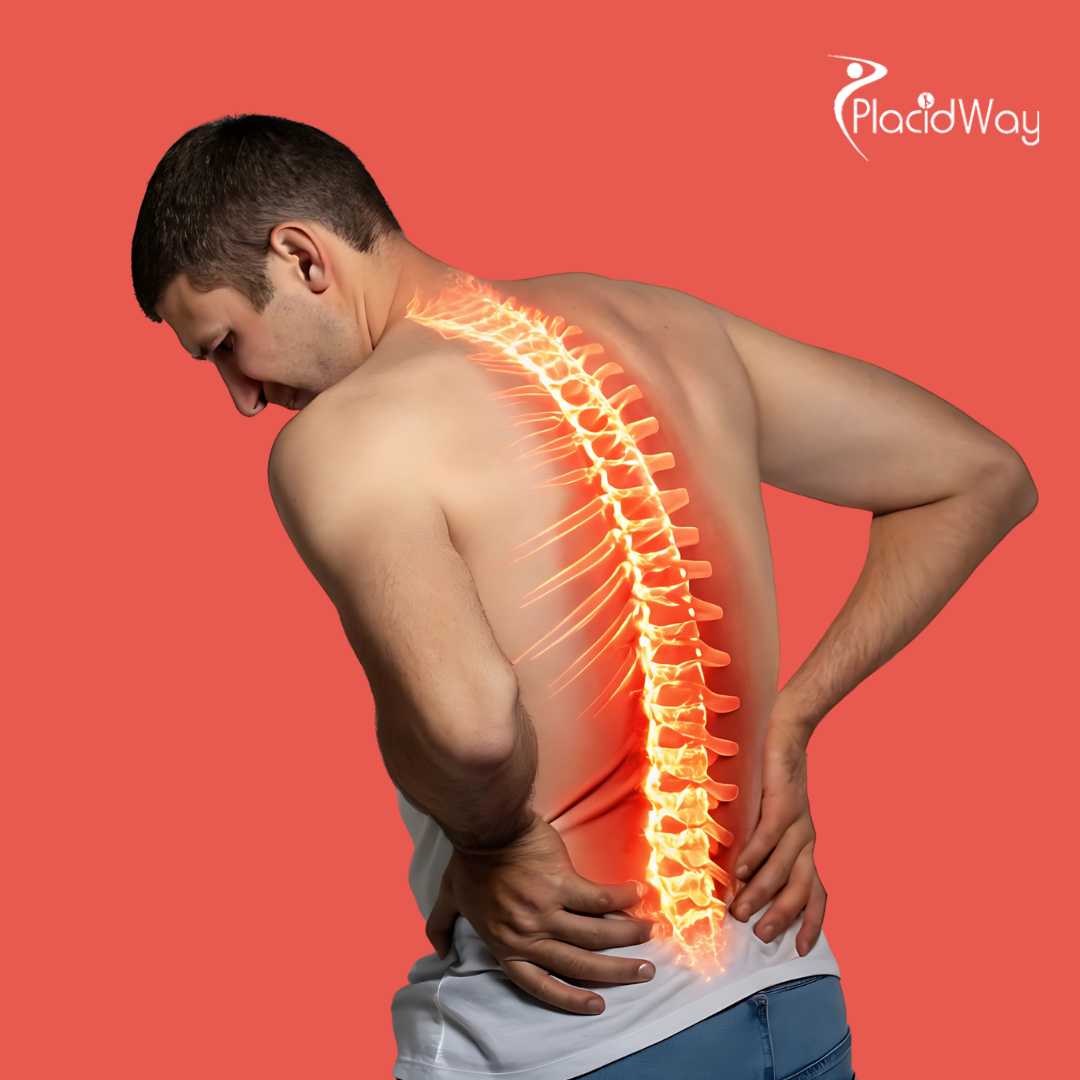
A spinal fusion procedure permanently joins two or more vertebrae to eliminate painful motion and restore structural stability along the spinal column. However, choosing to undergo spine surgery overseas requires meticulous research into hospital standards, sterile operating theaters, and advanced neuromonitoring technology. When evaluating medical facilities, verify official accreditations such as Joint Commission International (JCI) certifications. You should also examine the spine surgeon’s fellowship credentials, specialized training in minimally invasive spinal techniques, and active memberships in professional bodies like the Saudi Spine Society. Taking time to carefully vet institutions ensures a secure clinical journey.

Key Takeaways

 
1
Advanced Spinal Technology
Hospitals feature cutting-edge intraoperative imaging, navigation systems, and neuromonitoring.
2
Patient-Specific Planning
Surgical approaches are tailored based on disc pathology, vertebral alignment, and nerve compression.
3
Stringent Safety Protocols
International patients should prioritize facilities verified by recognized healthcare accreditation bodies.
4
Comprehensive Rehabilitation
Postoperative physical therapy is integrated early to support core muscle strengthening and mobility.
5
Structured Recovery Timelines
Clear guidance is provided regarding travel timing, activity restrictions, and follow-up care.

Organizing major orthopedic surgery abroad can become challenging when trying to coordinate hospital fees, surgeon consultations, and lodging independently. Comprehensive medical packages simplify this process by bundling surgical care, hospital stays, and initial postoperative support into one clear plan. Explore the coordinated options below to understand how structured packages facilitate your treatment journey.

`

Financial clarity is essential when planning medical travel for spine interventions. Treatment expenses fluctuate based on the number of spinal levels treated, implant hardware specifications, hospital tier, and length of inpatient stay. Reviewing itemized pricing details ensures that patients and their families can plan their medical budgets transparently prior to departure.

<!-- Package Overview -->

<p><span style="font-family:-apple-system,blinkmacsystemfont,segoe ui,roboto,helvetica,arial,sans-serif; font-size:16px">Organizing major orthopedic surgery abroad can become challenging when trying to coordinate hospital fees, surgeon consultations, and lodging independently. Comprehensive medical packages simplify this process by bundling surgical care, hospital stays, and initial postoperative support into one clear plan. Explore the coordinated options below to understand how structured packages facilitate your treatment journey.</span></p>

Watching facility walkthroughs and hearing directly from medical professionals can alleviate anxiety before hospital admission. Video resources offer transparent insights into physical therapy areas, recovery wards, and consultation spaces. Take a moment to review the media presentations below to familiarize yourself with the clinical environment.

Listening to past international patients who have successfully undergone spine procedures abroad provides invaluable practical wisdom. Testimonials highlight real experiences with nursing care, pain management protocols, and rehabilitation support. Reading these personal accounts helps set realistic expectations for your own recovery.

1. What is the typical hospital stay for a Lumbar Spinal Fusion in Saudi Arabia?

Hospitalization after lumbar spinal fusion commonly lasts several days, depending on the number of spinal levels treated, surgical technique, overall health, and postoperative progress. Patients are generally discharged when their pain is adequately controlled, mobility is considered safe, and there are no complications requiring continued inpatient care.

2. Are language barriers managed effectively in major hospitals in Saudi Arabia?

English is commonly used in many major Saudi medical facilities, particularly in large urban centers such as Riyadh and Jeddah. Interpreter services or international patient coordinators may be available, depending on the hospital. International patients should confirm language assistance before arrival to ensure they understand their diagnosis, surgical consent, medication instructions, and rehabilitation plan.

3. When is air travel permitted following lumbar spinal fusion surgery?

The appropriate time to fly depends on the extent of surgery, recovery progress, risk of blood clots, pain control, and the patient's overall condition. International patients should obtain clearance from their surgeon before booking or taking a long-distance flight. The treating team can recommend an appropriate travel timeline and advise on movement, mobility assistance, and precautions during the journey.

4. What diagnostic records are required before consultation?

Patients should prepare recent MRI scans, relevant CT or X-ray images, radiology reports, neurological examination findings, previous treatment records, medication lists, and a summary of their medical history. Previous surgical reports and information about physical therapy, injections, or other treatments may also be useful. Ask the hospital whether records should be translated into English and submitted digitally before the consultation.

5. Who may be a candidate for lumbar spinal fusion?

Lumbar spinal fusion may be considered for selected patients with spinal instability, certain cases of degenerative spondylolisthesis, spinal deformities, fractures, or other conditions affecting spinal stability. It may also be recommended in specific cases of degenerative disc disease or recurrent spinal problems. Eligibility depends on imaging findings, symptoms, previous treatment, overall health, and the surgeon's assessment. Fusion is not necessary for every patient with lower back pain.

6. What are the potential benefits of lumbar spinal fusion?

For appropriately selected patients, lumbar spinal fusion can stabilize an affected spinal segment, correct certain deformities, and help relieve symptoms associated with spinal instability. When combined with decompression, it may also help address nerve compression in suitable cases. Outcomes vary according to the underlying condition, surgical technique, and individual healing. Fusion does not guarantee complete pain relief, and the expected benefits should be discussed with the treating spine specialist.

7. How much does lumbar spinal fusion cost in Saudi Arabia?

The cost depends on the hospital, surgeon, number of spinal levels treated, surgical approach, implants, length of hospitalization, and additional medical requirements. Patients should request an individualized written quotation that explains whether surgeon fees, anesthesia, implants, diagnostic tests, hospital accommodation, medications, and follow-up appointments are included. International patients should also clarify potential additional expenses, including rehabilitation and travel-related costs.

8. How long does recovery take after lumbar spinal fusion?

Recovery takes place gradually over several weeks and months. Patients may resume selected light activities during the early recovery period, depending on their surgeon's instructions, while returning to more demanding activities can take longer. Bone fusion itself commonly requires several months and may take six to twelve months or more to mature fully. Follow-up imaging, physical rehabilitation, and individual healing progress help determine when activities can safely increase.

9. What are the possible risks of lumbar spinal fusion surgery?

Potential risks include infection, bleeding, blood clots, anesthesia-related complications, nerve injury, persistent pain, and complications involving the implanted hardware. Some patients may experience delayed bone healing or failure of the vertebrae to fuse, while others may develop problems in adjacent spinal segments over time. Individual risks depend on overall health, smoking status, the complexity of surgery, and other factors. Patients should review these risks and possible alternatives with their surgeon before proceeding.

10. What should international patients arrange before traveling to Saudi Arabia for lumbar spinal fusion?

Patients should obtain a preliminary medical assessment, submit relevant imaging and medical records, confirm the proposed surgical plan, and request a detailed cost estimate. They should also verify applicable visa and entry requirements, arrange accommodation and transportation, and confirm the expected hospital stay and postoperative follow-up schedule. Before returning home, patients should obtain medical clearance, discharge documentation, medication instructions, and a plan for continued rehabilitation and follow-up with a local healthcare professional.

The success of Spinal Stabilization Surgery in Saudi Arabia depends heavily on the precision and expertise of the operating spine surgeon. When researching specialists, look for board-certified orthopedic spine surgeons or neurosurgeons with extensive fellowship training in complex spinal reconstruction and instrumentation. Reviewing professional background profiles ensures alignment with high clinical standards.

Traveling to the Kingdom of Saudi Arabia for specialized spine care is supported by international aviation hubs, modern transport networks, and established visa procedures. Major metropolitan centers such as Riyadh, Jeddah, and Dammam offer access to hospitals and specialist services for international patients seeking spinal evaluations, surgical consultations, and advanced clinical treatments.

Travel Aspect What to Expect
Flight Connections King Khalid International Airport (RUH) in Riyadh, King Abdulaziz International Airport (JED) in Jeddah, and King Fahd International Airport (DMM) serving the Dammam area connect Saudi Arabia with international destinations. Travelers should confirm available routes, transit requirements, and airline policies before departure.
Ground Transport Taxis, ride-hailing services, and private transfers may be available for travel between airports, hospitals, and accommodation. Patients should ask their chosen hospital whether airport pickup or transportation assistance is available, particularly if mobility is limited after a spinal procedure.
Recovery Lodging Hotels and serviced apartments near major medical centers may provide convenient accommodation for patients and accompanying family members. Patients recovering from spine surgery should confirm accessibility, transportation arrangements, proximity to follow-up appointments, and suitability of the accommodation with their treating team.

International patients planning spine treatment in Saudi Arabia should coordinate with their selected hospital before finalizing travel arrangements. Preparation may include submitting MRI or CT scans, arranging a specialist consultation, obtaining a written treatment estimate, verifying visa requirements, and confirming the anticipated hospital stay. Patients considering spinal surgery should also discuss postoperative mobility, pain management, rehabilitation, wound care, and the timing of follow-up appointments. Before booking a return flight, obtain clearance from the treating surgeon and confirm whether additional monitoring is needed. Advance planning can help patients and their families organize transportation and accommodation while supporting continuity of care throughout treatment and recovery.

Spinal Fusion Surgery in Saudi Arabia thumbnail

About Experience

  • Price Range: $0 - $0
  • Treatment: Spinal Fusion Surgery, Spine Care/Surgery
  • Location: Saudi Arabia
  • Overview Compare Spinal Fusion Clinics, Surgical Techniques, and Costs in Saudi Arabia

Trusted Medical Tourism Platform Since 2007

60+
Countries
2k+
Clinics
19.5k+
Reviews
2.5k+
Qualified Doctors
1.1M+
Patients Served Since 2007