


Choosing the Best Yoga Retreat Based on Your Health and Wellness Goals
Restorative and Yin yoga are best for severe anxiety by calming the nervous system. Iyengar yoga is optimal for back pain due to its strict structural alignment focus. Vinyasa and Ashtanga styles effectively drive cardiovascular weight loss.
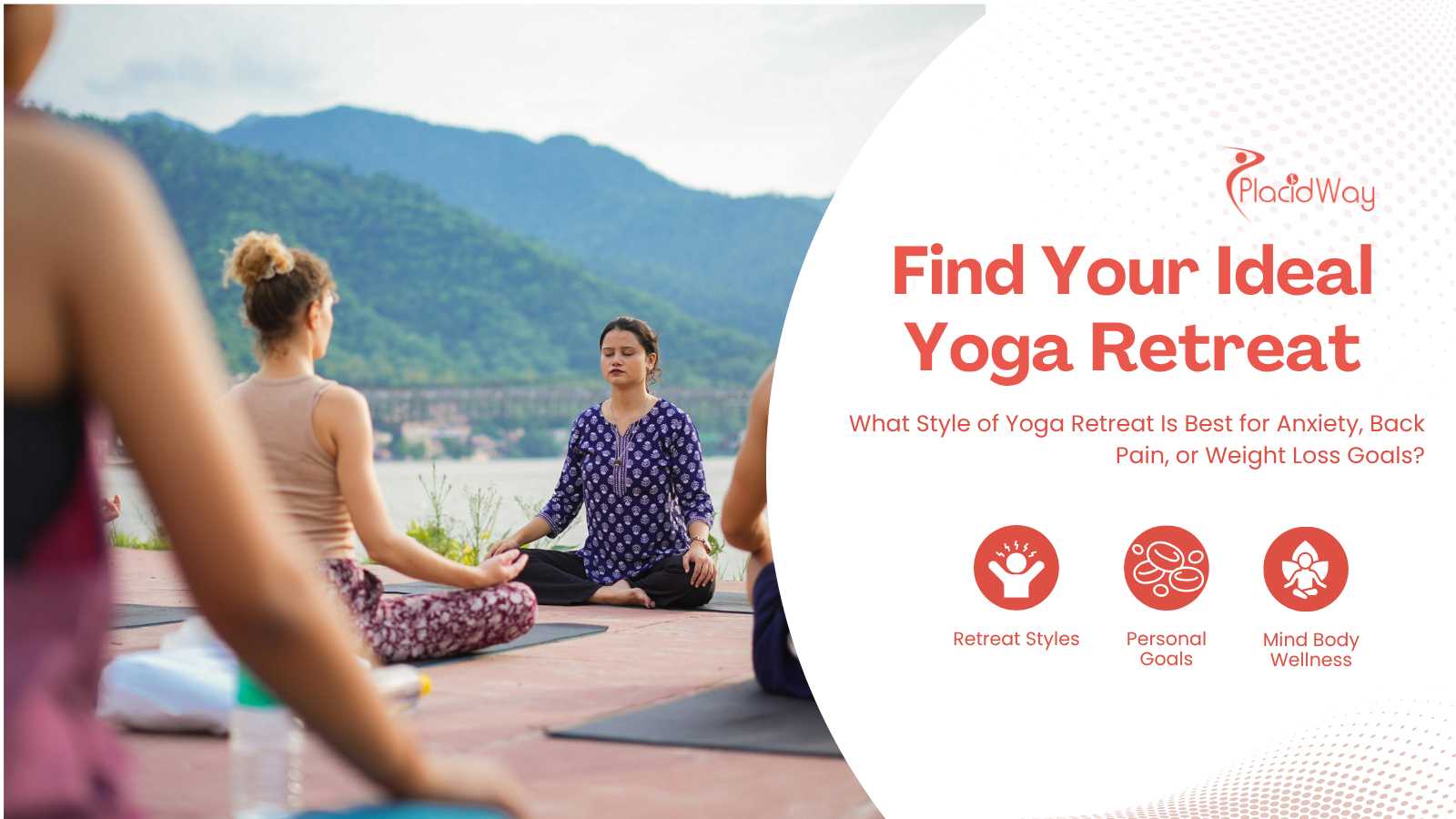
Key Takeaways: Matching Modalities to Your Health Goals
- Nervous System Downregulation: Slow, prop-supported styles manually shift the body from a frantic sympathetic state into deep parasympathetic healing to conquer anxiety.
- Structural Rehabilitation: Alignment-based practices safely decompress the spine and correct muscular imbalances to eliminate chronic lumbar pain.
- Metabolic Conditioning: Fluid, breath-linked movements elevate the heart rate significantly, creating the caloric deficit necessary for sustainable weight loss.
- Global Therapeutic Access: Patients frequently leverage medical tourism globally to access highly specialized, immersive retreats tailored perfectly to their unique clinical needs.
How does Restorative Yoga effectively reduce severe clinical anxiety?
Restorative yoga directly targets the parasympathetic nervous system through prolonged, fully supported postures. This gentle approach dramatically lowers cortisol levels and halts the rapid heart rate associated with acute clinical anxiety.
When an individual suffers from chronic anxiety, their central nervous system is perpetually locked in a state of high alert. The adrenal glands constantly pump out cortisol and adrenaline, causing a rapid heart rate, shallow breathing, and persistent muscle tension. This biochemical cascade makes it biologically impossible to relax, regardless of cognitive attempts to calm down. Restorative practices intervene entirely at the physiological level.
During a session, the practitioner utilizes heavy bolsters, thick blankets, and supportive blocks to completely remove the burden of gravity from the patient. Poses are held for five to twenty minutes in absolute stillness. Because the muscles do not have to work to hold the body up, the brain receives an unmistakable, overwhelming biological signal that the environment is entirely safe. This physical safety shuts off the production of panic-inducing chemicals.
By consistently receiving this treatment, patients train their nervous system to establish a lower baseline of reactivity. Over time, the brain learns how to self-regulate more efficiently, allowing the patient to handle modern daily stressors without launching into a full-scale biological panic attack. The deep, diaphragmatic breathing practiced during these long holds massively stimulates the vagus nerve, initiating a profound relaxation response.
Which yoga style provides the best structural relief for chronic lower back pain?
Iyengar yoga is widely considered the absolute best therapeutic style for resolving chronic lower back pain. It relies heavily on anatomical precision and utilizes props to achieve perfect spinal alignment without joint strain.
Chronic non-specific lower back pain is frequently driven by severe fascial restriction, asymmetrical muscular pulling, and poor postural habits rather than acute structural damage. Flow-based classes move too quickly for individuals in pain to establish proper biomechanics, often worsening their condition. Iyengar yoga solves this by breaking down every single posture into its exact anatomical components, moving at an incredibly deliberate and calculated pace.
This highly clinical style utilizes specialized wall ropes, heavy wooden blocks, and sturdy straps to help patients achieve spinal decompression. A certified therapeutic instructor can suspend a patient using pelvic traction to completely unweight the lumbar vertebrae, creating negative pressure within the joint capsules. This pulls in vital nutrients and actively relieves compressed peripheral nerves like the sciatic nerve.
Furthermore, Iyengar emphasizes isometric strengthening of the deep core stabilizers and the pelvic floor. By proactively correcting these structural discrepancies and holding postures long enough to rebuild muscular endurance, organizations entirely avoid the slow, insidious development of severe repetitive strain injuries. Patients learn precise body mechanics that protect their spine during everyday functional movements.
How do Vinyasa and Ashtanga styles accelerate healthy weight loss goals?
Vinyasa and Ashtanga are dynamic, high-intensity styles that continuously link breath with rapid physical movement. This constant cardiovascular output elevates the heart rate, burns significant calories, and builds lean muscle mass.
Integrating structured physical fitness directly combats the devastating effects of sedentary behavior. Regular vigorous movement radically improves metabolic insulin sensitivity, directly preventing the expensive onset of metabolic syndrome. Vinyasa flows require the practitioner to support their entire body weight through continuous push-ups, lunges, and balancing postures, providing a rigorous full-body resistance workout without the need for heavy gymnasium equipment.
Ashtanga follows a strict, highly demanding sequence of postures that generates immense internal body heat. Engaging in regular cardiovascular and resistance training fundamentally changes cellular biology, forcing muscle tissues to efficiently consume circulating blood glucose. This targeted metabolic correction builds dense, metabolically active lean muscle tissue, which permanently increases the basal resting metabolic rate of the individual.
Psychologically, vigorous physical exertion remains the most biologically potent method for completing the human stress cycle. Sweating and heavy breathing safely flush accumulated adrenaline and cortisol from the systemic circulation. By lowering cortisol, the body stops aggressively hoarding visceral fat around the abdominal organs, removing a massive barrier to achieving long-term, sustainable weight reduction.
Why is trauma informed yoga critical for anxiety and PTSD recovery?
Trauma informed yoga provides a highly controlled, predictable environment where participants feel completely safe exploring their physical sensations. Instructors avoid physical assists and focus entirely on patient empowerment and boundary setting.
- Restoring Bodily Autonomy: Trauma frequently disconnects an individual from their physical body. This specialized practice uses invitational language, allowing the patient to choose exactly how they want to move, completely restoring their sense of physical ownership.
- Eliminating Triggers: Instructors never dim the lights entirely, play unpredictable music, or walk behind patients without warning. Every aspect of the room is tightly controlled to prevent startling the hyper-vigilant nervous system.
- No Physical Adjustments: Unwanted physical touch can violently trigger severe PTSD flashbacks. Instructors exclusively use verbal cues to guide alignment, guaranteeing the personal space of the student is never violated.
- Somatic Awareness: Patients learn to rapidly scan their bodies for hidden physical tension, allowing them to release deeply stored psychological stress before it manifests as severe panic attacks.
- Pacing and Grounding: If an emotional reaction occurs, the practice halts immediately. The instructor provides profound interpersonal skills to help the patient ground themselves using tactile sensations until the panic subsides safely.
Can Iyengar yoga prevent future musculoskeletal injuries and back pain?
Yes, the strict biomechanical focus of Iyengar yoga actively corrects the muscular imbalances and asymmetrical movement patterns that typically cause injuries. It builds a highly resilient structural foundation that protects the spine.
The modern sedentary office environment is exceptionally hostile to the human musculoskeletal system. Sitting for prolonged periods with poor postural alignment places catastrophic, unnatural loads directly onto the lumbar spine and cervical vertebrae. Iyengar yoga acts as a clinical ergonomic intervention, scientifically aligning the physical body with proper human biomechanics during every single posture.
By proactively correcting these structural discrepancies, practitioners entirely avoid the slow, insidious development of severe repetitive strain injuries. Instructors meticulously assess how a student distributes weight through their feet and hips. If an athlete subtly shifts their body weight onto their left leg during every pose, this asymmetrical loading frequently leads to severe secondary injuries. Iyengar explicitly destroys these dangerous compensatory habits.
Beyond merely adjusting physical form, comprehensive structural interventions train patients in fundamental body mechanics. Workers learn precisely how to engage their core stabilizers while sitting and standing. This intense neuromuscular re-education ensures muscles fire at the exact millisecond needed to brace joints against violent, unpredictable forces, completely safeguarding the long-term mobility of the individual.
How does Bikram or hot yoga impact metabolic rate and weight loss?
Practicing vigorous yoga sequences in a heavily heated room significantly increases heart rate and promotes profuse sweating. This intense thermal stress acts as a cardiovascular workout, burning excess calories and temporarily reducing water weight.
- Cardiovascular Demand: The extreme heat forces the heart to pump significantly faster to push blood to the skin surface for cooling, providing an aerobic challenge similar to light jogging or brisk walking.
- Heat Shock Proteins: The thermal stress activates specialized proteins that repair damaged cellular structures, actively reducing the risk of severe cardiovascular events and improving overall metabolic efficiency.
- Lymphatic Flushing: Profuse sweating facilitates the healthy excretion of accumulating environmental toxins through the pores of the skin, heavily reducing the toxic burden on the liver.
- Increased Flexibility: The heated environment rapidly warms the muscular fascia, allowing participants to achieve deeper stretches and burn more energy without risking acute muscle tears.
- Mental Endurance: Enduring a ninety-minute session in extreme heat requires massive psychological fortitude, building a highly disciplined mindset that directly translates to better dietary choices outside the studio.
Extensive neuroimaging studies explicitly validate mindfulness-based practices. Consistent meditation physically alters brain structure, decreasing the volume of the fear-processing amygdala while simultaneously thickening the prefrontal cortex, heavily fortifying the exact neurological region responsible for strict emotional impulse control.
What role does meditation play during an anxiety focused yoga retreat?
Meditation serves as the cognitive counterpart to physical yoga postures, training the brain to observe anxious thoughts without severe emotional reactivity. This neurological rewiring directly shrinks the fear centers of the amygdala.
While physical movement actively burns off circulating adrenaline, meditation addresses the psychological root cause of the stress. Cognitive behavioral interventions actively rewire destructive thought patterns to enhance workplace emotional stability. Therapists train employees to recognize the earliest physiological signs of anxiety, allowing them to deploy calming strategies before panic severely impairs their logical reasoning.
The therapy actively identifies and reframes the irrational internal narratives that directly drive the devastating cycle of occupational burnout and impostor syndrome. By continuously practicing bringing wandering thoughts back to the present moment, professionals repair the fractured attention spans severely damaged by constant digital multitasking.
This profound physiological relaxation achieved during these clinical sessions aggressively lowers circulating pro-inflammatory cytokines, protecting the cardiovascular system from stress-induced damage. The framework provides profound interpersonal skills that help individuals resolve complex internal disputes objectively, entirely avoiding toxic emotional reactivity and establishing a permanent baseline of calm resilience.
How do specialized instructors modify poses for severe spinal disc issues?
Highly trained therapeutic instructors utilize bolsters, customized wall ropes, and modified seating to remove dangerous compressive loads from the spine. This allows patients with herniated discs to stretch safely without risking further nerve impingement.
- Avoiding Deep Flexion: Forward folds frequently exacerbate bulging discs. Instructors strictly substitute these poses with supported backbends that gently push the disc material back into its proper anatomical space.
- Axial Extension: Utilizing wall traction systems entirely unweights the vertebral column, creating a powerful vacuum effect that deeply rehydrates starving, desiccated spinal discs.
- Core Isolation: Instead of dangerous sit-ups, practitioners teach targeted isometric bracing techniques to build an impenetrable muscular corset around the damaged lumbar region.
- Pelvic Neutrality: Specialized blocks are placed under the hips during seated postures to ensure the pelvis tilts correctly, maintaining the natural curve of the lower back and preventing localized muscle spasms.
- Pain-Free Parameters: Instructors enforce absolute obedience to pain signals. If a posture elicits sharp, radiating nerve pain down the leg, the setup is instantly abandoned and rebuilt safely from the ground up.
Why do patients seek medical tourism globally for intensive yoga retreats?
Patients utilize medical tourism globally to access highly immersive, uninterrupted healing environments away from daily domestic stressors. These international programs often combine elite yogic instruction with comprehensive holistic medical care.
Finding an elite yoga clinic internationally allows patients to step entirely away from the environmental stressors that originally caused their illness. Healing is exponentially accelerated when a patient is removed from their stressful corporate job, chaotic household, and toxic daily routines. International retreats provide a pristine, highly controlled sanctuary dedicated exclusively to physical and mental recovery.
Furthermore, global medical tourism allows for the bundling of highly advanced therapies. At a premier international facility, a patient doesn't just receive a single movement session. They receive a comprehensive daily itinerary that includes organic anti-inflammatory nutrition, daily bodywork, clinical psychological support, and specialized energy work, all supervised by leading holistic experts.
This level of immersive, multidisciplinary care is often prohibitively expensive in standard Western healthcare systems. By traveling abroad, patients access elite, transformational healing experiences that finally resolve their chronic pain and metabolic dysfunction from the root, rather than merely attempting to suppress the surface symptoms through disjointed domestic appointments.
How do I select the right yoga clinic internationally for my specific goals?
Selecting a premier yoga clinic internationally requires matching your exact clinical needs to the specialty of the retreat. You must verify the credentials of the instructors and ensure the facility offers the precise therapeutic style your body requires.
- Vetted Clinical Excellence: Exclusively partner with internationally renowned facilities that deploy board-certified specialists, guaranteeing your leadership team receives completely safe, scientifically rigorous evaluations.
- Transparent Financial Planning: Utilize highly secure platforms that provide absolute clarity regarding the yoga retreat cost internationally, eliminating the deep frustration of hidden hospitality fees.
- Targeted Modalities: Research the daily schedule extensively. If you have severe osteoarthritis, joining an aggressive Ashtanga boot camp will end in catastrophic injury; you must actively seek out restorative programs.
- Dedicated Patient Advocacy: Ensure the facility offers compassionate support coordinators who tirelessly manage all direct communications, guaranteeing that your specific physical limitations are deeply respected.
- Holistic Recovery Access: Leveraging yoga retreats globally allows you to immerse yourself in highly advanced, restorative environments that seamlessly blend ancient movement philosophies with modern clinical diagnostics.
Frequently Asked Questions About Therapeutic Retreats
What is the average yoga retreat cost internationally for a one week program?
The overall financial investment varies heavily based on the facility and program duration. Comprehensive residential programs typically range between one thousand and five thousand dollars for an immersive stay, which generally includes all clinical consultations, daily therapies, specialized meals, and customized herbal formulations.
How do I find a certified therapeutic yoga clinic internationally?
Reputable global platforms conduct exhaustive credential verification on all affiliated holistic centers. They rigorously check educational diplomas, specialized board certifications, and clinical safety records to ensure patients only receive care from top tier, internationally accredited healthcare professionals.
Are daily massages included in yoga retreats globally?
Many premium wellness programs integrate targeted massage therapy into their daily itineraries. Modalities like lymphatic drainage and deep myofascial release actively flush metabolic waste, break down restrictive scar tissue, and manually lower circulating stress hormones to support your physical practice.
Can beginners attend advanced weight loss yoga programs safely?
Yes, highly qualified instructors always provide modifications for every posture. Beginners are safely guided through foundational movements to build cardiovascular endurance and muscular strength without risking acute structural injuries during intense dynamic flows.
Does insurance cover therapeutic yoga retreats for chronic back pain?
Coverage relies entirely upon your specific insurance provider and policy structure. While conventional physical therapies are routinely covered, immersive holistic retreats and botanical medicine consultations are frequently classified as elective out of pocket medical expenses.
How many hours of daily practice are expected at a wellness retreat?
A standard therapeutic itinerary typically includes two to four hours of active physical practice, separated into morning and evening sessions. The remainder of the day is strictly dedicated to nutritional education, psychological counseling, and profound nervous system rest.
What is the best diet to follow during a weight loss yoga retreat?
An anti inflammatory diet strictly eliminates highly processed foods, refined sugars, and acidic ingredients that fuel internal heat and fat storage. Patients transition to a cooling, plant heavy diet tailored specifically to their unique metabolic constitution to optimize fat burning.
Are private rooms available at budget friendly international yoga centers?
To keep costs highly accessible, many budget friendly programs utilize shared accommodations. While this reduces privacy, many participants find that sharing space actively fosters a strong sense of community and combats the deep isolation often associated with depression and anxiety.
How soon will I notice anxiety relief after starting a retreat program?
Patients typically experience a noticeable reduction in acute mental tension and physical hyperarousal within forty eight to seventy two hours of strict protocol adherence. However, fully rewiring deep seated chronic anxiety often requires continuous, dedicated therapy long after the retreat concludes.
Can I combine yoga therapy with other holistic treatments abroad?
Integrative medicine models actively encourage combining these holistic protocols. Elite facilities frequently bundle therapeutic yoga with acupuncture, hydrotherapy, and advanced nutritional counseling to address chronic disease from every possible biological angle.
Discover Your Ideal Wellness Sanctuary Today
* Responses typically within 24 hours. Complete privacy guaranteed.
References
- Yoga: What You Need To Know – National Center for Complementary and Integrative Health
- Effect of Holistic Movement on Pain and Anxiety – PubMed
- Stress effects on the body – American Psychological Association
- Global Centre for Traditional Medicine – World Health Organization
- Yoga for Chronic Low Back Pain: A Randomized Trial – National Center for Biotechnology Information
- Effect of Somatic Interventions on Mental Health Outcomes – PubMed
.png)















Share this listing