


What Ailments Can Korean Traditional Medicine (Hanbang) Help Manage?
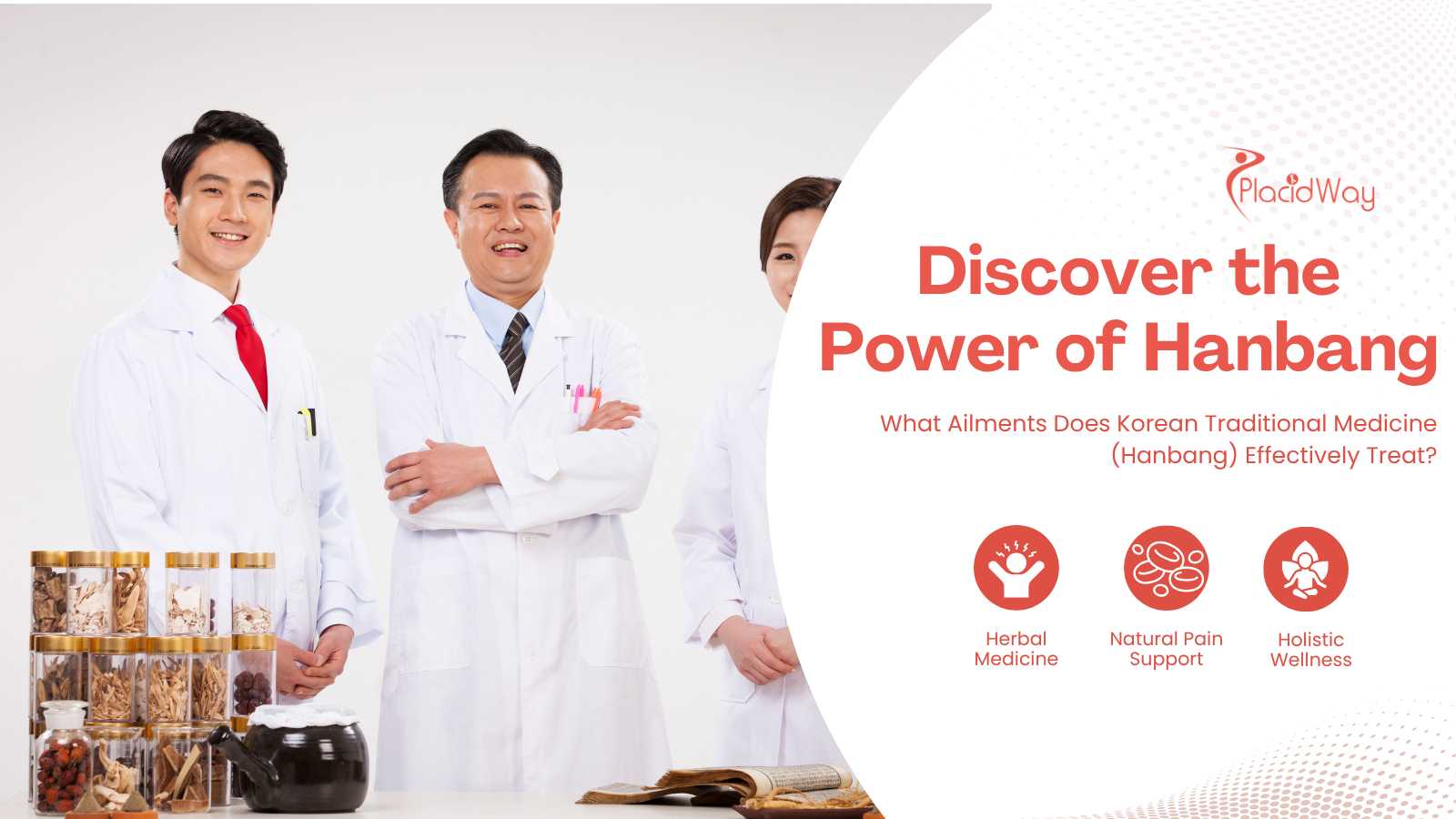
Korean Traditional Medicine (Hanbang) effectively treats chronic musculoskeletal pain, severe digestive disorders, stress-induced autonomic nervous system imbalances, and specific women's health issues. It utilizes personalized herbal medicine, acupuncture, and Chuna manual therapy to address the root causes of disease.
Key Takeaways: Healing with Hanbang
- Constitutional Diagnosis: Hanbang uniquely utilizes Sasang typology, treating the patient's inherited biological constitution rather than just the isolated disease.
- Non-Invasive Pain Relief: Combines acupuncture and Chuna manipulation to resolve severe joint and spinal pain without pharmaceutical reliance.
- Systemic Balance: Highly customized herbal decoctions actively regulate digestion, metabolism, and immune function simultaneously.
- Integrative Safety: Modern practitioners utilize advanced clinical diagnostics (like MRI) to inform and validate ancient holistic healing protocols.
Korean Traditional Medicine, known as Hanbang, is a highly sophisticated, centuries-old medical system that focuses intensely on restoring deep physiological harmony. Unlike conventional reductionist medicine, which often treats symptoms in isolation, Hanbang views the human body as a deeply interconnected web of energy (Qi), blood, and internal organ systems. When this vital energy becomes blocked or depleted due to stress, poor diet, or environmental factors, physical disease manifests. Hanbang excels at treating complex, chronic ailments that frequently frustrate modern diagnostic frameworks.
How does Hanbang effectively manage severe musculoskeletal pain?
Hanbang approaches chronic musculoskeletal pain by physically realigning structural imbalances and aggressively reducing localized inflammation. Practitioners use a combination of precise acupuncture, cupping, and specialized Chuna manual therapy.
Millions of individuals suffer from debilitating, chronic pain conditions such as herniated spinal discs, sciatica, frozen shoulder, and severe osteoarthritis that limit their daily mobility. Conventional treatments often default to heavy pharmaceutical painkillers or highly invasive orthopedic surgeries. Hanbang offers a highly potent, non-surgical alternative designed to resolve the mechanical and energetic root causes of the pain.
A cornerstone of this pain management is Chuna manual therapy. Highly trained doctors use their hands and specialized treatment tables to apply precise, controlled forces to the patient's spine and joints. Unlike basic chiropractic adjustments, Chuna deeply incorporates meridian theory, physically releasing severely contracted muscle fascia while simultaneously restoring the smooth flow of vital Qi through the affected energetic channels. This dual-action approach profoundly decompresses trapped nerves and immediately improves joint biomechanics.
To complement structural realignment, practitioners deploy targeted acupuncture and cupping therapies. Inserting ultra-fine needles into specific trigger points forces the central nervous system to release massive amounts of natural endorphins, providing immediate pain relief. Furthermore, the micro-trauma from the needles, coupled with the suction of cupping, violently draws fresh, highly oxygenated blood into the damaged, stagnant tissues. This massive influx of circulation rapidly flushes out inflammatory markers, heavily accelerating cellular repair.
Why is Sasang typology critical for treating chronic internal diseases?
Sasang typology is a unique diagnostic framework within Hanbang that categorizes patients into four distinct constitutional types. This ensures that herbal medicines and treatments are perfectly customized to the patient's inherited biological strengths and weaknesses.
The most defining characteristic of Korean Traditional Medicine that separates it from other East Asian healing systems is the utilization of Sasang constitutional medicine. Developed in the 19th century by the physician Lee Je-ma, this profound philosophy argues that humans are born with distinct variations in the size and function of their internal organ systems. These inherent physiological differences dictate a person's physical shape, personality traits, and specific susceptibility to chronic diseases.
The four constitutions are Tae-Yang (Greater Yang), So-Yang (Lesser Yang), Tae-Eum (Greater Yin), and So-Eum (Lesser Yin). Because each type processes food, emotions, and environmental stressors entirely differently, standardizing treatment is impossible. For instance, an individual categorized as Tae-Eum typically has a very strong digestive system but weak respiratory and excretory functions. They are biologically prone to metabolic syndrome, obesity, and severe cardiovascular issues.
This means that if a Tae-Eum patient and a So-Eum patient both present to a clinic suffering from severe, chronic migraines, the Hanbang doctor will prescribe completely different treatment protocols. The practitioner does not simply treat the symptom of the headache; they treat the underlying constitutional imbalance that allowed the headache to manifest. This extreme level of personalization drastically improves clinical outcomes for complex, highly stubborn internal diseases like hypertension and diabetes.
In modern integrative clinics, the ancient art of pulse diagnosis where a master doctor can detect dozens of subtle variations in your radial artery to determine organ health—is frequently combined with state-of-the-art MRI and comprehensive blood panels to create an incredibly safe, evidence-based treatment plan.
Can Hanbang effectively resolve functional digestive disorders?
Yes, Hanbang is highly successful at resolving functional digestive disorders such as Irritable Bowel Syndrome and chronic gastritis. It utilizes specific herbal formulas to cool internal inflammation and regulate chaotic gastrointestinal motility.
Functional digestive disorders are notoriously difficult for conventional medicine to treat because routine endoscopies and lab tests often return completely normal results, despite the patient experiencing agonizing daily symptoms. Hanbang views the digestive system specifically the Spleen and Stomach energetic networks—as the absolute center of human vitality. If the digestive fire is weak or erratic, the entire body suffers from severe nutritional deficiency and toxic accumulation.
When a patient suffers from chronic bloating, severe acid reflux, or unpredictable bowel habits, a Hanbang practitioner diagnoses the specific energetic pathology. For example, severe acid reflux is often categorized as "Rebellious Stomach Qi" (energy moving upward instead of downward). To correct this, the doctor will formulate a highly customized herbal decoction utilizing roots and barks designed to soothe the irritated mucosal lining and forcefully redirect the digestive energy downward.
Simultaneously, practitioners apply targeted acupuncture to specific abdominal and distal leg points to heavily stimulate the vagus nerve. This directly forces the nervous system out of a stressed fight-or-flight state and into a calm rest-and-digest baseline. This combination of botanical tissue repair and neurological regulation provides profound, long-lasting relief for patients who have failed to find comfort through standard pharmaceutical antacids.
How does Korean Traditional Medicine treat psychological stress and anxiety?
Hanbang treats psychological stress by acknowledging its profound physical impact on the organs. Therapies actively cool the 'Liver Fire' generated by chronic frustration, utilizing adaptogenic herbs and acupuncture to completely reset the autonomic nervous system.
- Addressing Hwabyung: Hanbang explicitly recognizes a unique cultural syndrome known as Hwabyung, which translates to "fire illness." This occurs when severe, prolonged anger or emotional distress is suppressed, physically manifesting as a tight chest, heart palpitations, and intense heat in the upper body.
- Nervous System Downregulation: Strategic acupuncture points are utilized to instantly lower circulating cortisol levels. Patients frequently report entering a state of deep, meditative trance during sessions, effectively breaking the exhausting cycle of chronic hyper-arousal.
- Herbal Adaptogens: Practitioners prescribe potent botanical formulas that nourish the adrenal glands and stabilize erratic mood swings. These herbs do not heavily sedate the patient like pharmaceutical anti-anxiety drugs; rather, they build internal resilience to handle daily pressures.
- Restoring Sleep Architecture: Because chronic anxiety heavily disrupts the circadian rhythm, treatments specifically target the energetic pathways required to calm the mind at night, ensuring the patient can achieve deep, restorative delta-wave sleep.
- Holistic Emotional Release: By treating the mind and body as a single, inseparable unit, Hanbang therapies facilitate the safe physical release of stored trauma trapped deep within the muscle fascia.
What specific women's health issues benefit from Hanbang therapies?
Hanbang provides exceptionally powerful, non-invasive treatments for severe menstrual cramps, endometriosis symptoms, infertility, and menopausal distress. It works by heavily improving pelvic blood circulation and naturally stabilizing endocrine hormone production.
Women's health, or gynecology, has been a highly specialized and deeply respected branch of Korean Traditional Medicine for centuries. Many conventional approaches to female reproductive issues rely on synthetic birth control pills to artificially mask symptoms. Hanbang, however, seeks to restore the natural, biological rhythm of the female body by addressing the quality of the blood and the specific energetic temperature of the uterus.
For conditions like severe dysmenorrhea (painful cramps) or endometriosis, the pathology is often diagnosed as severe "Blood Stagnation" or "Cold in the Uterus." Practitioners utilize Moxibustion the burning of therapeutic mugwort herb near specific acupuncture points to drive deep, penetrating heat directly into the pelvic cavity. This profound thermal therapy dissolves the stagnation, vastly improving fresh blood flow to the reproductive organs and effectively eliminating the agonizing cramping without the use of harsh chemical painkillers.
Furthermore, for women navigating the turbulent transition of menopause, Hanbang offers exceptional relief. Severe hot flashes, night sweats, and emotional volatility are viewed as a critical deficiency in "Yin" (cooling, grounding energy). Customized herbal decoctions are expertly formulated to deeply nourish the Yin, actively cooling the systemic bodily fire and restoring a calm, comfortable hormonal baseline.
Frequently Asked Questions About Korean Traditional Medicine
How does Hanbang differ from Traditional Chinese Medicine?
While sharing ancient roots, Hanbang uniquely incorporates Sasang constitutional typology, a highly personalized diagnostic framework. This means Korean medicine focuses heavily on treating the patient's specific inherited constitution, rather than just treating the isolated symptom presenting at the time.
Is Hanbang effective for severe chronic pain management?
Yes, Hanbang is exceptionally effective for chronic pain. Through modalities like targeted acupuncture, cupping, and specialized Chuna manual therapy, practitioners can physically realign structures, dramatically reduce localized inflammation, and alter pain perception without relying on heavy pharmaceuticals.
What is Chuna manual therapy and what does it treat?
Chuna is a sophisticated Korean manual therapy where licensed doctors use precise physical manipulation to realign the spine and correct severe joint imbalances. It is highly effective for treating herniated discs, sciatica, frozen shoulder, and chronic postural distortions.
Can Korean herbal medicine resolve chronic digestive issues?
Absolutely. Hanbang views chronic digestive issues, such as Irritable Bowel Syndrome or functional dyspepsia, as an imbalance in the body's internal heat or energy flow. Customized herbal decoctions are prescribed to soothe intestinal inflammation, improve motility, and organically restore a healthy gut microbiome.
How does Hanbang approach stress and mental health?
Hanbang recognizes the profound physical manifestation of stress, identifying specific cultural syndromes like 'Hwabyung' (suppressed emotional distress). Therapies focus on deeply calming the autonomic nervous system through acupuncture and adaptogenic herbs, moving the body from a frantic fight-or-flight state into restorative rest.
Are Hanbang herbal formulas safe to consume?
When prescribed by a licensed, formally trained doctor of Korean medicine, these formulas are highly safe. Modern clinical practices mandate that all herbs are strictly tested for heavy metals, pesticides, and contaminants before being compounded into a personalized decoction for the patient.
Can Korean medicine be integrated with western medical treatments?
Yes, integrative medicine is a hallmark of modern Hanbang practice. Practitioners routinely use advanced Western diagnostics, such as MRI scans and comprehensive blood panels, to inform and validate their holistic, traditional treatment protocols, ensuring maximum patient safety and clinical efficacy.
How does Sasang constitution analysis dictate my treatment?
Sasang analysis categorizes individuals into four distinct constitutional types based on physical traits, organ strengths, and emotional tendencies. If two patients present with the exact same migraine, their herbal prescriptions and acupuncture points will be entirely different based on their unique Sasang classification.
Is Hanbang useful for treating women's health conditions?
Hanbang excels in gynecology and women's health. It provides powerful, non-invasive therapies for severe menstrual cramps, endometriosis symptoms, postpartum recovery, and menopausal hot flashes by naturally balancing the endocrine system and improving pelvic blood circulation.
How long does a typical Hanbang treatment protocol take to show results?
Acute pain can often be relieved within one to three acupuncture sessions. However, for deep-seated chronic illnesses or systemic metabolic imbalances, patients typically require a dedicated protocol of herbal medicine and regular treatments spanning several weeks or months to achieve permanent structural changes.
Discover Deep Holistic Restoration
* Responses typically within 24 hours. Complete privacy guaranteed.
References
- Traditional Korean East Asian Medicines and Herbal Formulations for Cognitive Impairment – National Center for Biotechnology Information
- The Practice of Korean Medicine: An Overview of Clinical Trials in Acupuncture – National Center for Biotechnology Information
- Personalized acupuncture treatment with Sasang typology – National Center for Biotechnology Information
- Traditional, Complementary and Integrative Medicine – World Health Organization
- Diagnosis and treatment principle in Sasang medicine: original symptom – National Center for Biotechnology Information
- Identifying the Relationship between the Korean Medicine and Western Medicine – National Center for Biotechnology Information
.png)





.png)










Share this listing