
All on 4 Dental Implants Price in Mexicali, Mexico
For many patients facing extensive tooth loss, full-arch restoration can be a life-changing procedure. However, the high costs of dental care in the United States and Canada often make these treatments financially out of reach. As a result, many individuals explore alternative options just across the border. Understanding the All-on-4 dental implants cost in Mexicali, Mexico is the first step in determining if this pathway aligns with your medical and financial needs.
While cross-border healthcare offers potential savings, navigating the landscape requires careful research. Prices can fluctuate significantly depending on the materials used, the complexity of your dental health, and the specific facility you choose. Below, we explore the nuances of pricing, what to expect from the procedure, and important considerations for patient safety when traveling abroad for care.
Key Takeaways
- The estimated initial cost for a single arch (upper or lower) usually ranges between $8,000 and $12,000 in Mexicali.
- Base pricing typically covers initial extractions, implant surgery, and a temporary healing denture.
- The final permanent bridge—often made of zirconia or porcelain—may require a separate fee and a return trip.
- Complex cases needing extensive bone grafting or sinus lifts will increase the total financial investment.
- Careful vetting of providers and planning for local follow-up care are critical for long-term safety and success.
What exactly does the estimated price usually include?
When reviewing a treatment plan, it is vital to read the itemized breakdown. A comprehensive initial quote should ideally encompass the pre-surgical diagnostics, such as CBCT (Cone Beam Computed Tomography) scans, which are necessary for precise surgical planning. These scans allow the dental surgeon to assess bone density and nerve locations accurately.
Additionally, the surgical phase includes the cost of the titanium implants themselves, the abutments (the connecting pieces), and the professional fees for the dental surgeon and anesthesiologist. The teeth you leave with on the day of surgery are typically temporary. They are designed to be lighter to minimize stress on the healing implants while providing immediate function and aesthetics.
Does the initial price cover the final permanent teeth?
The All-on-4 process is almost always a two-stage journey. During the first few months after surgery, a biological process called osseointegration occurs, where the jawbone fuses to the titanium implants. The temporary acrylic teeth worn during this period allow the gums to heal and shrink to their final shape.
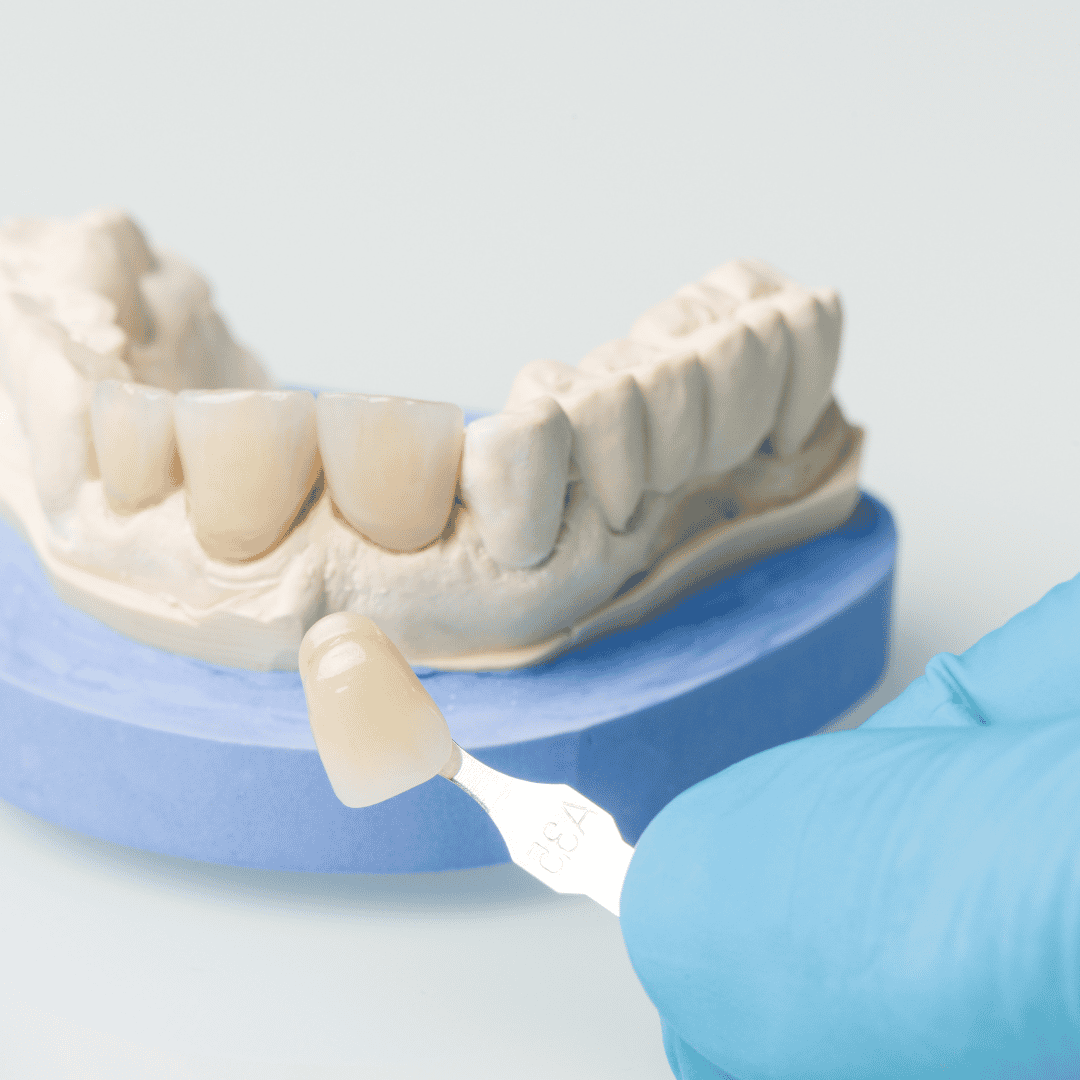
Once healing is complete, you will need a final set of customized, durable teeth. These permanent bridges are typically crafted from stronger materials like zirconia, porcelain, or a titanium-reinforced acrylic framework. Because these materials are premium and require specialized laboratory fabrication, they often represent a significant portion of the total long-term cost. Always ask providers if their advertised price represents only Phase 1 or the entire completed treatment.
What factors can increase the total cost of my treatment?
- Bone Loss: If you have been missing teeth for a long time or wear traditional dentures, you may have experienced significant jawbone deterioration. Grafting materials add to the overall expense.
- Choice of Sedation: While local anesthesia is standard, many patients prefer IV sedation, which requires an anesthesiologist and incurs an additional fee.
- Material Upgrades: Opting for high-end implant brands or premium zirconia for the final bridge will result in a higher quote compared to generic implants or acrylic teeth.
- Complications: Unexpected infections or slower-than-expected healing can require additional visits, medications, or specialized interventions.
Why is the procedure more affordable in Mexicali compared to the US?
The significant price difference is primarily driven by macroeconomics. Rent, utilities, and wages for support staff (like dental assistants and hygienists) are lower in Mexico than in the US or Canada. Additionally, many providers operating in border towns do not have the same massive administrative burdens related to third-party insurance billing, allowing them to offer streamlined cash prices.
However, it is vital to understand that a lower price does not automatically equate to lower quality, nor does it guarantee equivalence. Patients must remain vigilant, as regulatory oversight varies. The affordability makes it possible to access care, but the responsibility falls heavily on the patient to verify the facility's safety standards and the dentist's credentials.
How do I find a qualified All-on-4 dental implants clinic in Mexicali, Mexico?
Not every dentist is equipped to perform complex full-arch reconstructions. When researching options, look for providers who have completed advanced, verifiable training in implant placement. Many reputable dentists who cater to international patients hold memberships in recognized organizations, such as the American Academy of Implant Dentistry (AAID) or international equivalent bodies.
Furthermore, a modern clinic should utilize up-to-date technology, including in-house 3D scanners and strict sterilization protocols. Don't hesitate to ask for a virtual consultation beforehand to discuss their experience, the specific implant brands they use, and their protocols for managing potential surgical complications.
What are the potential hidden fees in medical tourism for dental care?
When calculating the true cost of treatment, the surgical quote is only one piece of the puzzle. Mexicali is a border city, accessible by driving from Southern California or Arizona, which can reduce travel costs for some. However, if you are flying, you need to account for airfare to nearby airports (like Yuma or San Diego), rental cars, or shuttle services.
You will likely need to stay in a hotel for several days during your initial surgical trip for monitoring and adjustments. Because the All-on-4 procedure requires two separate phases separated by several months, these travel and accommodation costs will essentially double. Factoring these into your overall budget is essential for an accurate financial comparison.
Is it safe to pursue medical tourism in Mexico for complex dental surgery?
Patient safety should always be the top priority. Implant surgery involves incisions into the gum and bone, carrying standard surgical risks such as excessive bleeding, nerve damage, and post-operative infection. If a complication arises after you have returned to your home country, seeking local emergency dental care can be difficult and expensive, as some domestic providers may be hesitant to intervene on work performed abroad.
To mitigate these risks, it is highly recommended to have an honest discussion with a local dentist in your hometown before traveling. Establish a plan for routine cleanings and emergency interventions so you have a safety net in place once you return.
Can my US or Canadian dental insurance help cover the costs in Mexico?
- Annual Caps: Most traditional dental insurance policies have low annual maximums (often between $1,000 and $2,000), which will barely dent the cost of a full-arch restoration.
- Out-of-Network Rules: You will typically need to pay the foreign clinic out-of-pocket upfront and submit translated, itemized receipts to your insurance company for potential reimbursement.
- Pre-Approvals: It is highly recommended to contact your insurance carrier prior to travel to determine if cross-border care is permitted under your specific policy.
- FSA/HSA Accounts: In many cases, you can use funds from a Flexible Spending Account or Health Savings Account to pay for legitimate medical and dental expenses incurred abroad.
How long does the entire All-on-4 process take?
Your first trip to Mexicali generally lasts between 3 to 7 days. This timeframe allows for the initial consultation, the extraction of any failing teeth, the surgical placement of the implants, and the fabrication and fitting of your temporary acrylic teeth. The clinic will want to monitor you for a day or two post-surgery to ensure the initial healing is progressing properly.
After returning home, you enter the healing phase. Once osseointegration is confirmed by your provider—usually after 4 to 6 months—you will return for Phase 2. This second trip often involves taking new impressions of your fully healed gums and fitting your custom, permanent bridge. The second trip may also last several days while the laboratory finalizes the prosthetics.
What should I expect during my recovery after returning home?
The success of dental implants relies heavily on patient compliance during the recovery period. Because the implants are stabilizing in the bone, chewing hard, sticky, or chewy foods can cause micro-movements that lead to implant failure. Patients are generally instructed to adhere to a liquid or soft-food diet (like smoothies, mashed potatoes, and scrambled eggs) for several weeks to months.
Proper oral hygiene is also critical. You will likely be given specific instructions on how to gently clean around the surgical sites and use prescribed antimicrobial mouthwashes. Smoking severely inhibits blood flow and dramatically increases the risk of implant failure, so patients are strongly advised to abstain from tobacco use during the entire healing process.
Why Choose PlacidWay for Medical Tourism Research?
Navigating international healthcare options can be overwhelming. PlacidWay is a medical tourism platform designed to help patients gather information about global healthcare possibilities. Here are several factual points about their services:
- Extensive Directory: PlacidWay provides a comprehensive directory of international healthcare providers, allowing users to browse facilities across multiple countries.
- Educational Resources: The platform offers articles, guides, and FAQ sections to help patients understand various medical and dental procedures.
- Provider Information: Users can view facility profiles, read about dentist credentials, and see available technology listed by the clinics.
- Direct Connections: PlacidWay facilitates initial contact between the patient and the international clinic to streamline the inquiry process.
- Cost Comparisons: The platform provides estimated pricing tools, helping patients compare general healthcare costs across different regions.
Frequently Asked Questions (FAQs)
How long do dental implants typically last?
With proper oral hygiene, regular dental check-ups, and a healthy lifestyle, the titanium implant posts can often last many years, sometimes a lifetime. However, the prosthetic bridge attached to them experiences wear and tear and may need replacement or repair after 10 to 15 years.
Am I a good candidate for the All-on-4 procedure?
Suitability depends on your overall health, remaining bone density in the jaw, and absence of active gum disease. A comprehensive evaluation by a qualified dental professional, including 3D scans, is necessary to determine if you are a candidate.
Is the All-on-4 procedure painful?
The procedure is performed under local anesthesia, and often with IV sedation, so you should not feel pain during the surgery. Post-operative discomfort, swelling, and bruising are common but can typically be managed with prescribed or over-the-counter pain medications.
What is the difference between titanium and zirconia implants?
Titanium is the traditional, widely researched standard for dental implants, known for its strength and ability to fuse with bone. Zirconia is a ceramic alternative that is metal-free and tooth-colored, often preferred by patients with metal allergies or specific aesthetic concerns.
Do I need a passport to travel to Mexicali for dental care?
Yes, US and Canadian citizens require a valid passport to cross the border into Mexico and to re-enter their home countries. It is important to check current travel requirements and border regulations before planning your trip.
How soon can I eat normally after getting All-on-4 implants?
You will need to adhere to a strict soft-food diet for several months while the implants fuse with your jawbone. Eating hard or crunchy foods too soon can cause the implants to shift or fail. Normal eating typically resumes after the permanent bridge is attached.
What happens if an implant fails after I return home?
If complications arise, you may need to seek immediate care from a local dentist or oral surgeon. It is highly recommended to establish a relationship with a local provider before traveling abroad, as returning to Mexico for emergency care may not be practical.
Can I get both top and bottom arches done at the same time?
In many cases, yes. If your health permits and your provider deems it safe, upper and lower arches can be placed during the same surgical session. This approach can reduce the total number of surgeries but may extend the initial surgery time and recovery intensity.
Do dental providers in Mexicali speak English?
Many clinics catering to international patients have English-speaking dentists and staff. However, fluency varies by facility, so it is helpful to confirm communication preferences before booking a consultation.
Will I be put to sleep during the surgery?
Many patients opt for IV sedation, which puts you in a deeply relaxed, twilight state where you are largely unaware of the procedure. General anesthesia (being completely unconscious) is less common but may be available in certain hospital-based settings.
Explore Your Dental Treatment Options
Gather more information about international providers, compare estimated costs, and request educational resources to help guide your healthcare decisions.
Request Treatment InformationReferences
- Dental Implants – American Dental Association (ADA)
- Dental Implants: What You Should Know – U.S. Food and Drug Administration (FDA)
- Medical Tourism Safety Guidelines – Centers for Disease Control and Prevention (CDC)
- Information on Dental Implants – American Academy of Implant Dentistry (AAID)
- Dental Implant Surgery Risks and Recovery – Mayo Clinic
- Patient Safety Information – World Health Organization (WHO)
Medical Disclaimer: The information provided in this article is for educational and informational purposes only and does not constitute medical advice, diagnosis, or treatment recommendations. The estimated prices, recovery timelines, and procedure details discussed vary significantly by individual patient. Always consult with a qualified healthcare provider or licensed dentist to evaluate your specific health conditions, eligibility, and the associated risks before undergoing any medical or dental procedure, domestically or abroad.






















Share this listing