

Contents
You are likely sitting in your local dentist’s chair in the US or Canada, staring at a treatment plan for a full mouth restoration that looks more like a mortgage application. Choosing between a comfortable retirement and the ability to chew a steak without pain shouldn't be a normal dilemma, yet here we are. This financial roadblock is exactly why thousands of North Americans head south each year for complex dental care. Getting All on 6 dental implants in Mexico offers a practical way to bypass those staggering home-country prices without sacrificing medical quality.
The average cost for this procedure across the border typically ranges from $9,000 to $12,000 per arch, compared to upward of $30,000 back home. However, navigating international healthcare requires due diligence. When exploring your options, it is crucial to verify that clinics hold local COFEPRIS certification, which ensures they meet strict Mexican health and safety regulations. You should also look for dental specialists who maintain international memberships with organizations like the American Dental Association (ADA). Doing your homework on these credentials ensures your new smile is both safe and structurally sound.
Key Insights
Navigating dental quotes can be confusing if you do not know exactly what is included in the bottom line. Comprehensive treatment bundles for a full arch usually cover the six titanium implants, the temporary healing prosthesis, surgical fees, and necessary imaging like 3D CBCT scans. However, every facility bundles their services differently.
Some centers might leave out essential preliminary steps like bone grafting or remaining tooth extractions, which can add unexpected expenses later. It is important to ask for an itemized breakdown before making any travel arrangements, including whether airport transfers and hotel stays are factored in. Review the package options below to compare what each center includes and determine which bundle provides the most transparent care for your situation.

Price starting from $13,510
All on 6 Dental Implants Mexico – Reliable and Aesthetic Solution Package by All on X
All On X Dental Studio: Leading Dental Clinic in Los Algodones
- Dentistry
Los Algodones, Mexico

Price starting from $8,900
Marietta All on 6 Dental Implants Package in Los Algodones, Mexico
Marietta Dental Care Los Algodones
- Dentistry
Los Algodones, Mexico

Price starting from $12,800
All-Inclusive All-on-6 Dental Implants Package in Nuevo Progreso, Mexico by Dental Artistry
Dental Artistry Dental Center
- Dentistry
Nuevo Progreso, Mexico

Price starting from $9,870
All on 6 Dental Implants Package in Tijuana, Mexico by Dental Smile Studio
Dental Smile Studio
- Dentistry
Tijuana, Mexico

Price starting from $12,000
All on 6 Dental Implants Package by Quality International Dental Clinic in Tijuana, Mexico
Quality International Dental Clinic
- Dentistry
Tijuana, Mexico

Price starting from $14,445
All on 6 Dental Implants Package in Cancun, Mexico by Dentaris Cancun Riviera Maya Dentistry
Dentaris Cancun Riviera Maya Dentistry
- Dentistry
Cancun, Mexico
The average cost for an All on 6 dental implant procedure in Mexico typically ranges from $9,000 to $12,000 per arch. This pricing varies depending on the specific brand of implants used, the material chosen for the final permanent crowns, and whether you require extensive preparatory bone grafting. While this represents a significant saving compared to domestic rates, you should never choose a provider based solely on the cheapest estimate.
Extremely low quotes often omit crucial fees for abutments or rely on off-brand implant materials that lack global warranties. Always request a written, all-inclusive estimate covering both the surgical and restorative phases of the treatment. Explore the cost estimates below to compare different pricing tiers and identify an option that fits your budget without compromising clinical safety.
All on 6 Dental Implants Centers Cost Comparison in Mexico
| Provider | Procedure | Price |
|---|---|---|
| Dentaris Cancun Riviera Maya Dentistry | All on 6 Dental Implants, Dentistry | $14445 |
| Dental Artistry Dental Center | All on 6 Dental Implants, Dentistry | $12800 |
| Dental Smile Studio | All on 6 Dental Implants, Dentistry | $9870 |
| Marietta Dental Care Los Algodones | All on 6 Dental Implants, Dentistry | $8900 |
| Sani Dental Group | All on 6 Dental Implants, Dentistry | $10450 |
| Sani Dental Group Playacar | All on 6 Dental Implants, Dentistry | $10450 |
All on 6 Dental Implants Cost Comparison in Mexico
| Country | Procedure | Price |
|---|---|---|
| Canada | All on 6 Dental Implants, Dentistry | $27000 |
| Australia | All on 6 Dental Implants, Dentistry | $25000 |
| United States | All on 6 Dental Implants, Dentistry | $35000 |
Finding the right dental facility requires looking far beyond a beautifully designed lobby or a glossy website. Your main priority should be verifying the credentials and hygiene standards of the dental centers you are evaluating. Look for facilities that are transparent about their local licensing, specifically checking for up-to-date COFEPRIS certification to ensure compliance with national health protocols.
You should also evaluate their sterilization techniques and see if they utilize in-house dental labs, which often improves the accuracy of your prosthetics. Take the time to request actual dentist license numbers and cross-reference their specialized training in oral surgery. Take a look at the clinics below to compare their accreditations and medical standards to see which environment feels right for your care.
PV Smile - Dental Clinic Puerto Vallarta Mexico
Puerto Vallarta, Mexico
Sani Dental Group Playacar
Playa Del Carmen, Mexico
Sani Dental Group Cancun
Cancun, Mexico
International Dental Center PV
Puerto Vallarta, Mexico

Marietta Dental Care Tijuana
Tijuana, Mexico
Rose Dental Studio
Los Algodones, Mexico
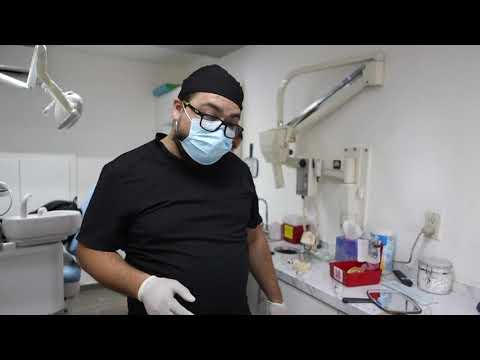
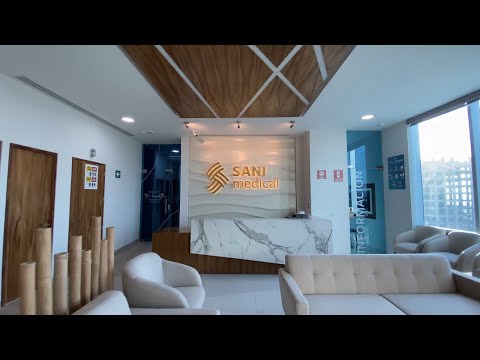
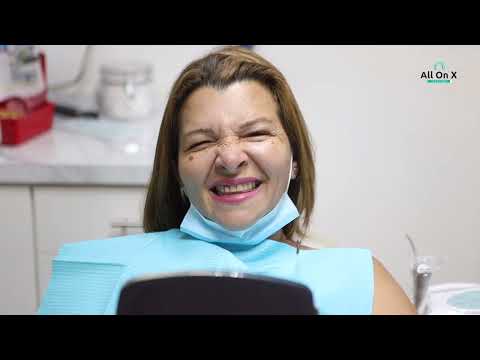
Reading about complex oral surgery is helpful, but seeing the actual environment where it happens provides a completely different level of patient reassurance. Video walkthroughs allow you to digitally step inside a facility to observe their cleanliness, the diagnostic technology they use, and how the clinical staff interacts with international visitors.
It is also a highly effective way to hear implantologists explain the procedure in their own words, giving you a sense of their communication style and professional demeanor. Watching documented patient journeys can help you accurately visualize the reality of traveling for major dental restoration. Watch the videos below to compare the clinic environments and get a clearer picture of your potential surgical experience.
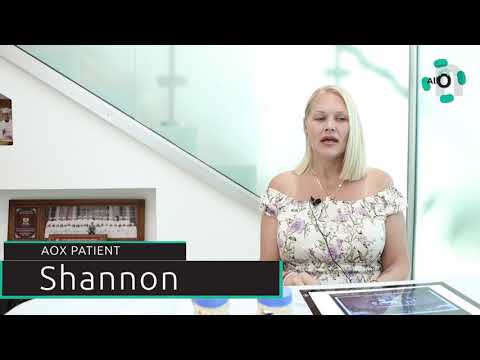


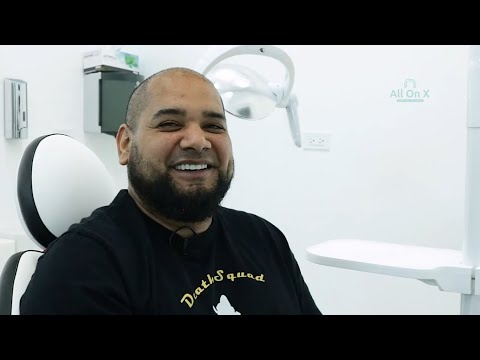
Patient feedback is one of the most valuable tools you have when planning a major dental restoration abroad. However, it is essential to look past simple five-star ratings and read the detailed accounts of individuals who underwent the exact same full-arch procedure. Pay attention to how previous patients describe their pain management, the quality of their temporary teeth, and how the clinic handled communication between visits.
Authentic testimonials often highlight the logistical realities of the journey, from cross-border transportation to adjusting to the final permanent bite. Read the patient reviews below to compare firsthand experiences and find a provider that consistently delivers reliable, compassionate care throughout the entire process.

Preparing for complex implant surgery in another country naturally comes with specific logistical and medical concerns. Below are some of the most common inquiries patients have about getting this full-arch restoration south of the border.
Why is the procedure significantly cheaper in Mexico?
The lower cost is due to a reduced cost of living, lower commercial real estate overhead, and different malpractice insurance structures, rather than a decrease in the quality of materials or medical training.
How many trips to Mexico do I need for this treatment?
The process typically requires two trips separated by four to six months. The first visit is for extractions, implant placement, and temporary teeth, while the second visit is to attach the final permanent crowns.
Are the implant materials used the same as in the US?
Yes, reputable facilities utilize globally recognized titanium implant brands, such as Straumann or Nobel Biocare, which are the exact same high-grade materials used by top dentists in the US and Canada.
What happens if I experience complications after returning home?
Top dental centers provide warranties on their implants and prosthetics. Many have established communication protocols or partner with US-based clinics to handle minor follow-up care or adjustments.
Do the clinic staff and dentists speak fluent English?
Facilities that cater specifically to international medical tourists purposefully employ bilingual dentists, nurses, and patient coordinators to ensure clear communication regarding your medical care.
Is it safe to travel to border towns for dental implants?
Millions of people safely travel for medical care yearly. By sticking to designated medical tourism zones, using direct clinic shuttles, and avoiding nighttime travel, patients generally have safe and straightforward experiences.
Will I be without teeth during the healing phase?
No, you will not leave the clinic toothless. A temporary fixed or removable denture is placed immediately after the surgical placement of the implants, allowing you to smile and eat soft foods while your bone heals.
What payment methods do these dental centers accept?
Most major centers accept credit cards, cash, wire transfers, and third-party medical financing. Keep in mind that some clinics may charge a processing fee for international credit card transactions.
Do I need a passport to cross the border for dental care?
Yes, a valid passport or passport card is legally required by customs authorities for re-entry into the United States or Canada, regardless of whether you are flying, driving, or walking across the border.
Can I claim the surgery on my domestic dental insurance?
Some PPO plans will cover a portion of out-of-network international care. However, you must pay the clinic upfront and then submit translated, itemized invoices to your insurance provider for potential reimbursement.
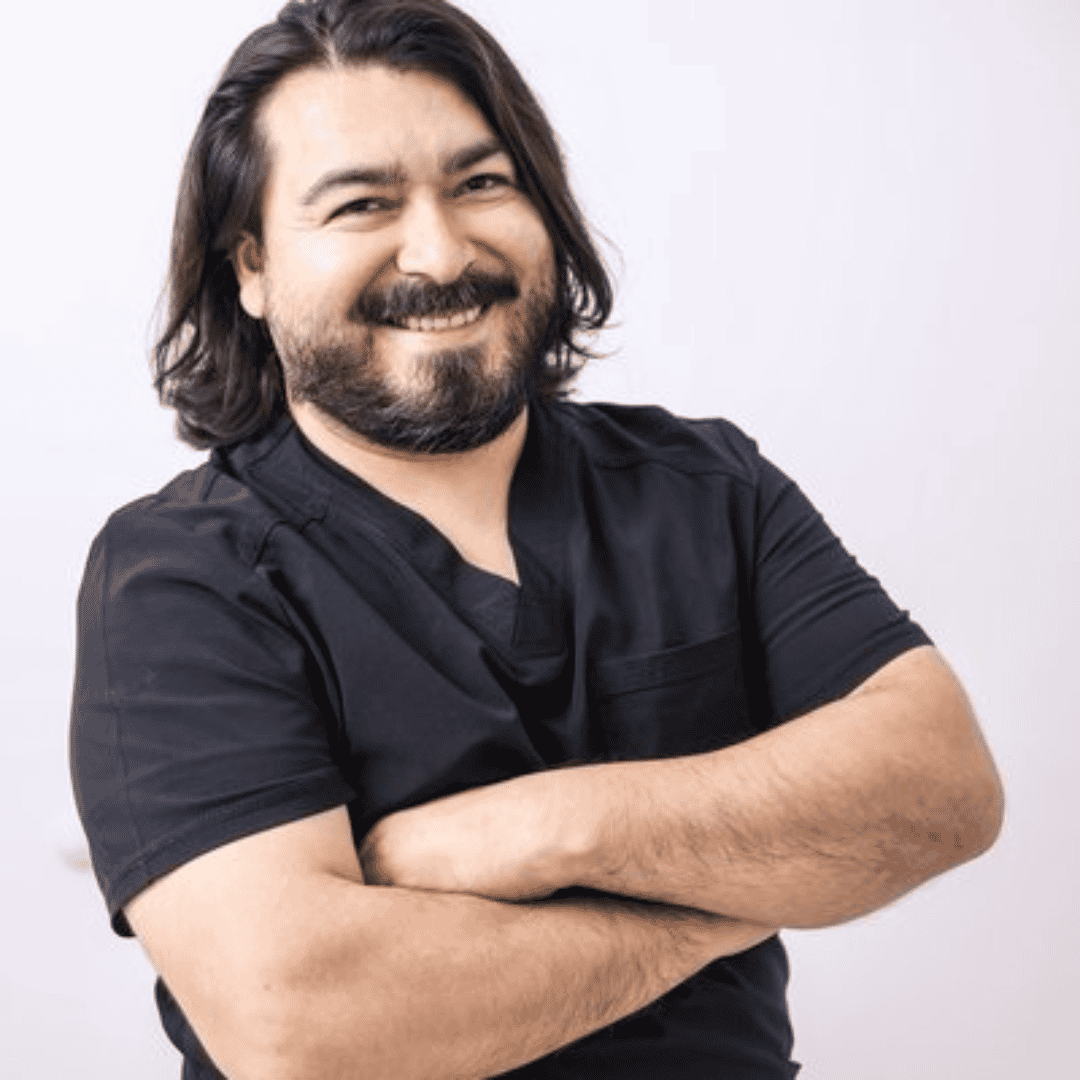
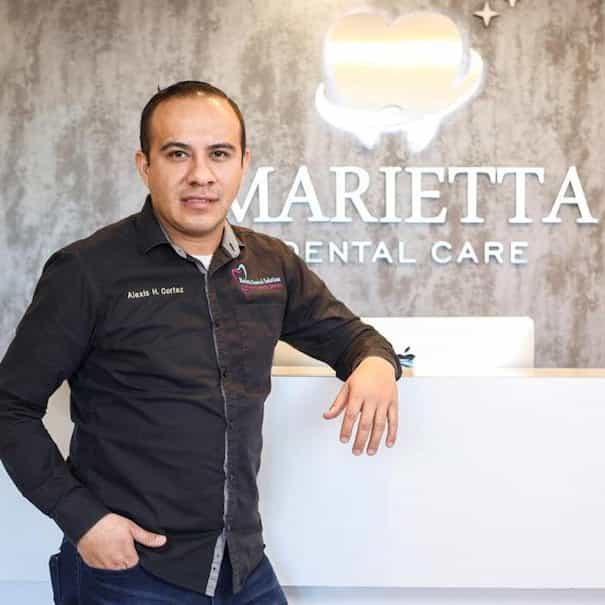
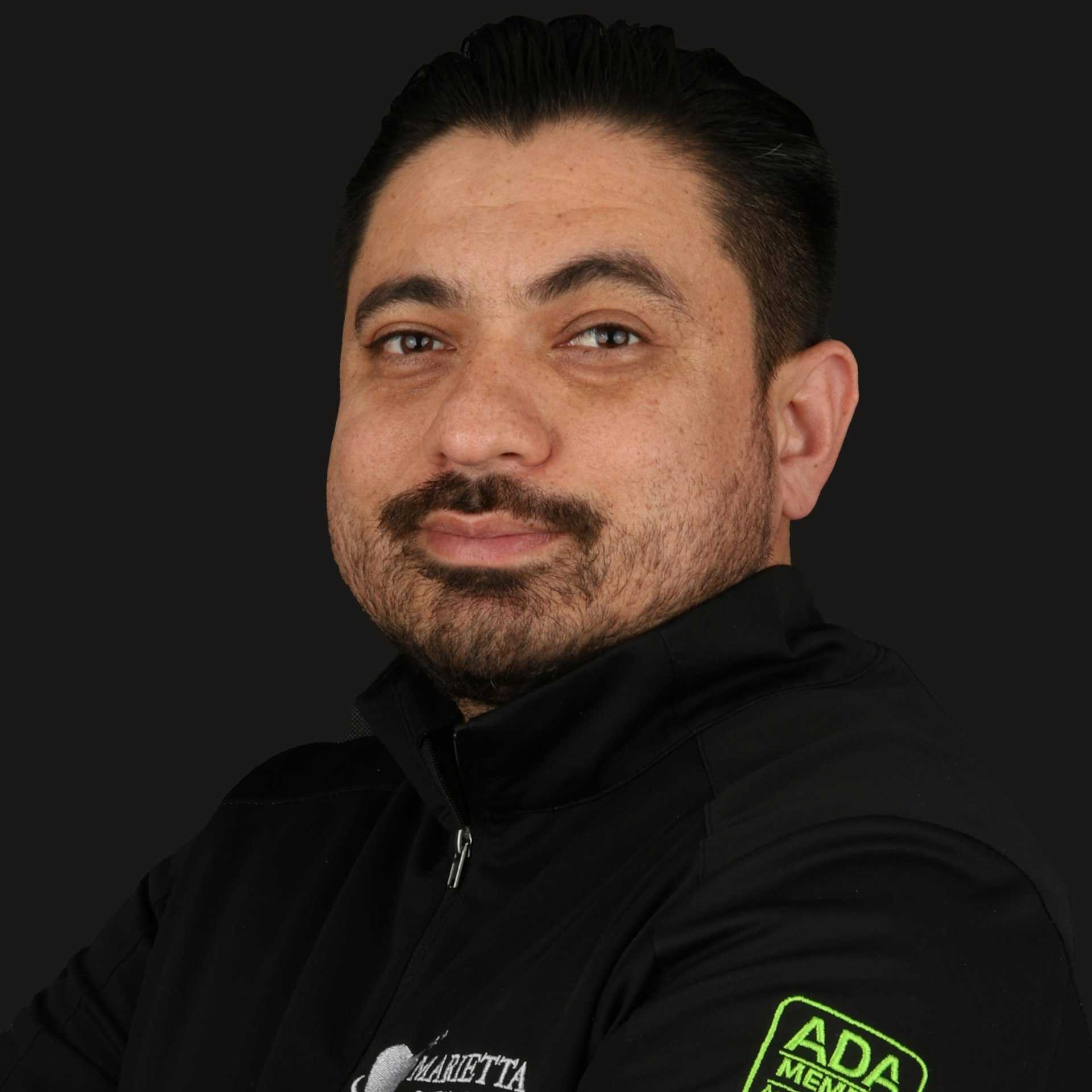
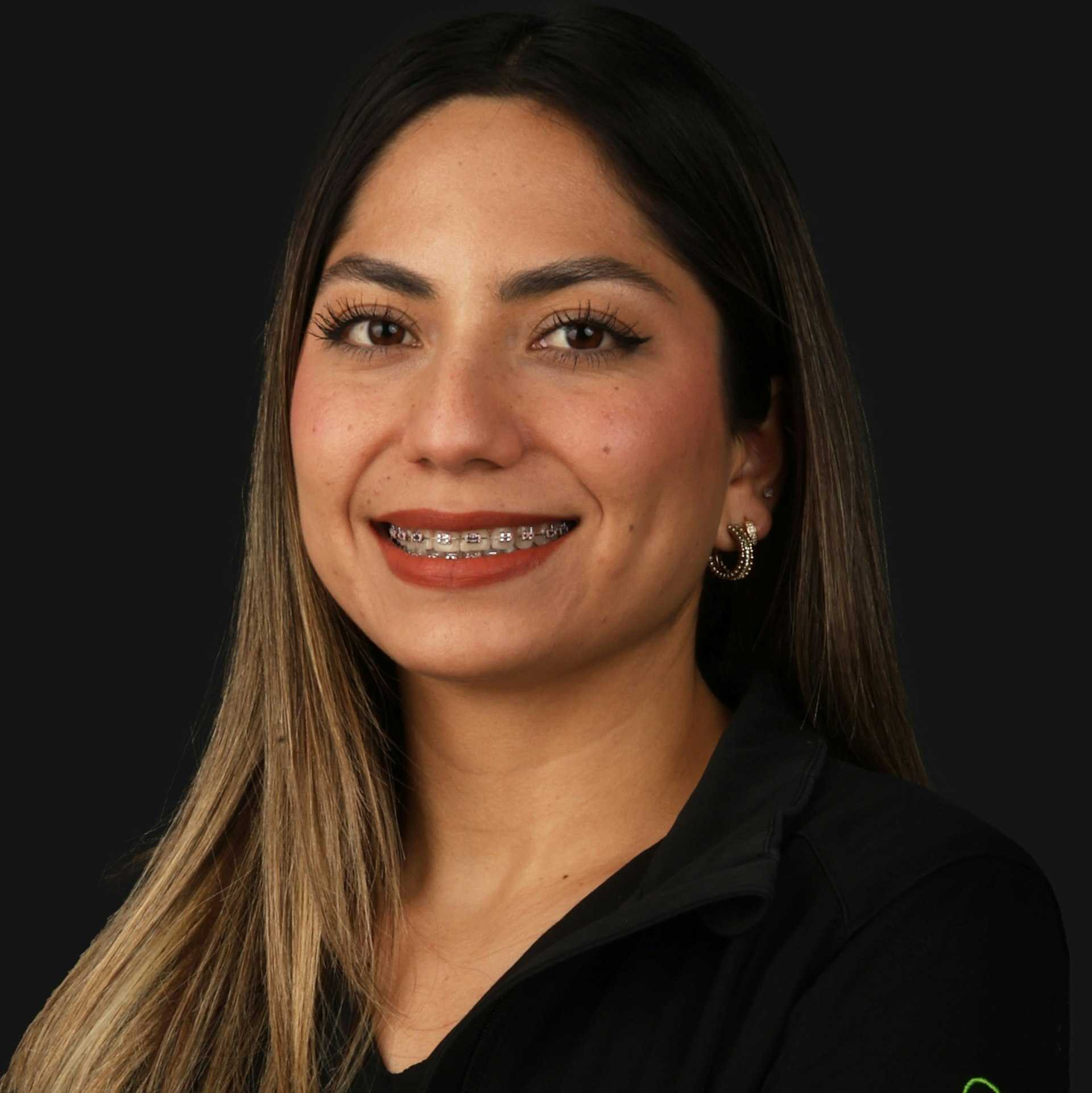
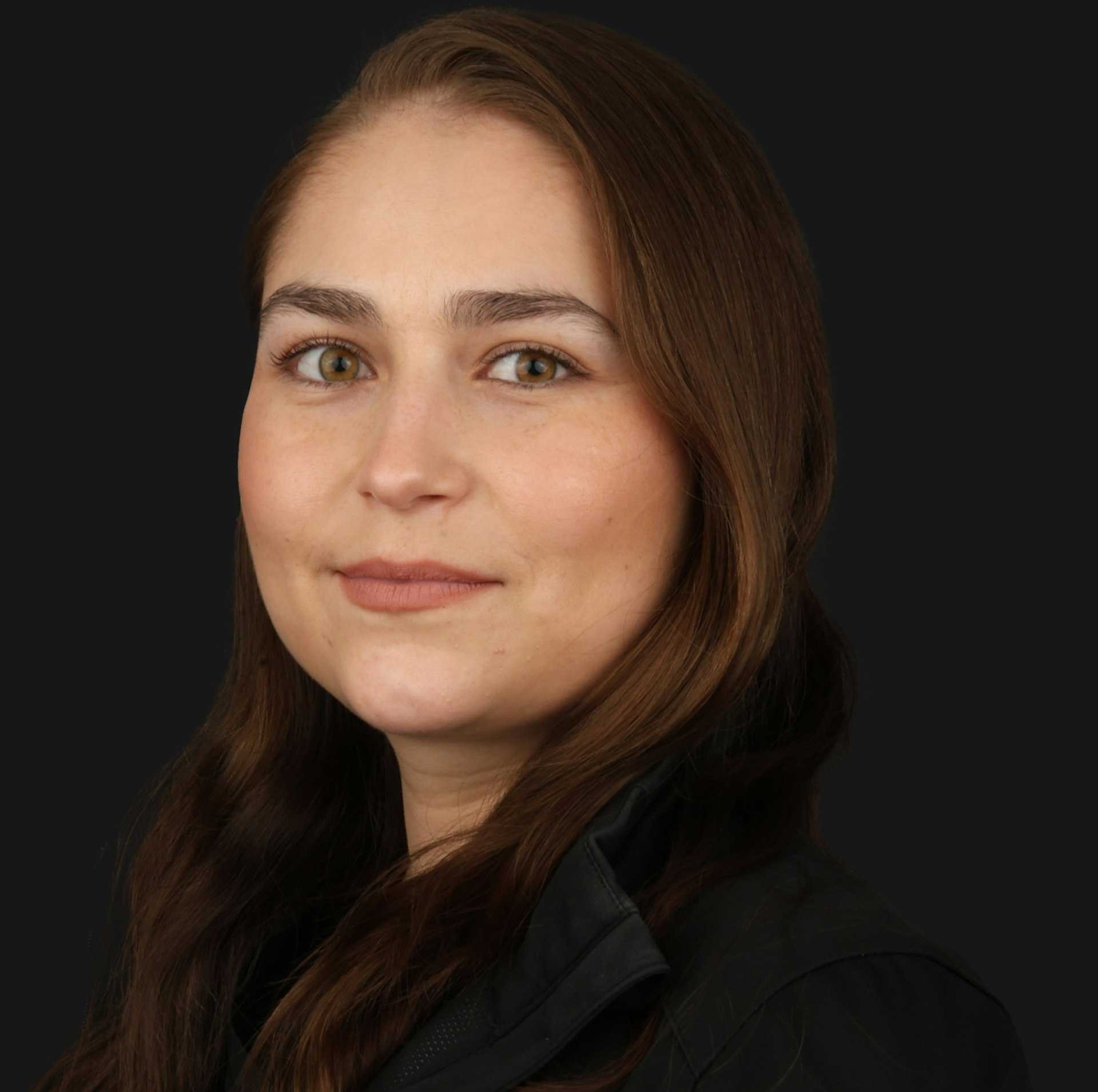
The structural success of a full-arch restoration relies entirely on the precise skill of the surgeon performing the operation. It is critical to choose a dental professional who specializes explicitly in complex implantology, rather than a general practitioner who only occasionally places single implants. Look for specialists who have completed advanced postgraduate surgical training and hold active board certifications.
It is also wise to check if they belong to reputable global organizations, such as the International Congress of Oral Implantologists (ICOI). Do not hesitate to ask a provider how many full-arch cases they handle on a monthly basis to gauge their practical experience. Review the profiles of the specialists below to compare their educational backgrounds and expertise, helping you find the right surgeon to rebuild your smile.

Mexico has firmly established itself as one of the premier global destinations for advanced dental care, attracting hundreds of thousands of North Americans annually. Patients from across the United States and Canada frequently cross the border not just for the significant cost reduction, but for the highly specialized, world-class surgical care available in its major medical hubs.
Navigating your travel depends heavily on where you choose to undergo treatment. Border cities and resort towns offer distinctly different logistical advantages for international patients.
| Destination Area | Logistical Advantages |
| Los Algodones | Easily walkable from the Yuma, Arizona border; highly concentrated dental infrastructure. |
| Tijuana | Directly accessible via flights to San Diego; robust clinic shuttle systems available. |
| Cancun / Riviera Maya | Direct international flights; allows patients to combine recovery with a relaxing resort setting. |
When planning your trip, remember that this procedure requires at least two visits separated by several months of healing. Recognizing the stress of international logistics, many top-tier facilities provide dedicated concierge services. They frequently arrange airport transfers, assist with booking discounted local hotel rates, and ensure safe, direct transport between your accommodation and the clinic.
Whether you are driving across the Texas border or catching a direct flight to the coast, the infrastructure catering to medical tourists is highly developed. This organized approach is purposefully designed to make your journey as safe and straightforward as possible.
Taking the step to restore your jaw function and smile with full-arch implants is a major medical and financial decision that requires careful planning. We are here to help you navigate the process of finding verified, credentialed dental specialists who meet strict safety and hygiene standards. If you want to explore personalized treatment plans, evaluate clinic accreditations, and receive accurate cost estimates for your specific clinical needs, our team can provide the transparent information necessary to move forward confidently.
References
- Dental Implants Overview – American Dental Association (ADA)
- Traveler's Health: Mexico – Centers for Disease Control and Prevention (CDC)
- Dental Implants: What You Should Know – U.S. Food and Drug Administration (FDA)
- Clinical Outcomes of the All-on-4/6 Treatment Concept – National Institutes of Health (NIH)
- Patient Information on Implantology – International Congress of Oral Implantologists (ICOI)





















Share this listing