
If you are struggling with volume loss in your face, breasts, or buttocks and want a natural solution, navigating affordable fat transfer surgery in Istanbul Turkey requires careful planning to ensure your medical safety. Finding a trustworthy clinic does not have to be stressful when you know exactly how to check for Turkish Ministry of Health licenses, transparent pricing, and national board certifications. This guide gives you the precise medical facts, realistic cost comparisons, and essential safety checklists you need to make a confident decision about your health and body.
Quick Summary: What to Know Before Traveling
- Estimated Cost: Typically ranges from $2,500 to $4,500 USD, depending on the number of areas treated and the complexity of the liposuction required.
- Safety & Certifications: Always verify that the facility holds a Turkish Ministry of Health (Sa?l?k Bakanl???) license and that your surgeon is board-certified by the Turkish Medical Association (TTB).
- Ideal Candidate: Healthy adults who have adequate donor fat (usually from the abdomen or thighs) and wish to naturally enhance volume in their face, breasts, or buttocks without synthetic implants.
- Recovery Time: Most patients need 7 to 14 days of downtime, with final volume settling and maturing over 3 to 6 months.
- Why Istanbul: Patients choose this destination for access to highly experienced plastic surgeons, modern accredited hospitals, and comprehensive surgical packages that include local transfers and aftercare.
- Important Caution: Not all transferred fat survives; typically, 50% to 70% is retained permanently, so choosing a surgeon highly experienced in fat purification and micro-grafting techniques is critical for optimal results.
Understanding Why Patients Choose Fat Transfer in Istanbul
Choosing to travel abroad for a cosmetic medical procedure is a major decision that involves balancing clinical quality, financial reality, and personal safety. Patients seeking fat transfer, also known as autologous fat grafting, often look toward Istanbul because the city has developed a highly regulated, internationally recognized medical tourism infrastructure over the last decade.
Instead of relying on synthetic implants or temporary dermal fillers, fat grafting uses your body’s own tissue to restore volume, correct asymmetry, or enhance contours. Istanbul has become a central hub for this specific technique due to the high volume of procedures performed annually by local specialists.
The primary reasons international patients travel to Istanbul for fat grafting include:
- Access to specialist plastic surgeons with extensive daily experience in advanced liposuction and micro-fat grafting.
- Strict oversight by the Turkish Ministry of Health, which monitors facility hygiene, emergency protocols, and medical tourism licensing.
- Comprehensive medical packages that reduce the stress of organizing hospital fees, anesthesia, follow-up appointments, and local transport separately.
- Significantly lower operational costs and favorable exchange rates, allowing patients to access premium medical facilities for a fraction of Western prices.
- The ability to undergo combined procedures, such as a mommy makeover or facelift, in a single hospital stay safely.
- High standards of post-operative care, often including multilingual nursing staff and dedicated patient coordinators.
Patient Demographics and Medical Travel Trends
The demographic profile of patients traveling to Turkey for aesthetic surgery has shifted significantly between 2024 and 2025. According to recent international aesthetic society reports and Turkish medical tourism data, patients are increasingly seeking natural augmentation over traditional silicone implants.
Understanding who travels for autologous fat grafting helps set realistic expectations regarding the standard of care tailored to international visitors. A large proportion of these patients travel from Western Europe and North America, driven by the combination of clinical expertise and the availability of specialized clinics in Istanbul. Women between the ages of 35 and 55 represent the largest segment, typically seeking facial rejuvenation or breast contouring, while a growing percentage of younger patients explore gluteal enhancement.
International Patient Origins for Aesthetic Procedures in Turkey (2024 Data)
This chart represents the distribution of inbound medical tourists seeking cosmetic and reconstructive procedures in Turkey, highlighting the dominant outbound markets.
The Medical Science Behind Autologous Fat Grafting
Fat transfer is a specialized surgical process that relies on your body's biological ability to heal and integrate its own tissues. Understanding the clinical steps involved can help you ask better questions during your medical consultation in Istanbul.
The procedure occurs in three distinct phases. First, the surgeon carefully extracts excess fat from a donor area, typically the abdomen, flanks, or thighs, using a gentle liposuction technique. Modern clinics often utilize VASER or Water-Jet Assisted Liposuction (WAL) to preserve the viability of the fat cells during extraction. Second, the harvested fat undergoes a strict purification process in a centrifuge or filtration system. This separates intact, healthy fat cells from blood, oil, and damaged tissue.
Finally, the purified fat is precisely re-injected into the target area using micro-cannulas. Because the injected fat requires a new blood supply to survive, the surgeon places it in multiple tiny droplets across different tissue layers. This micro-grafting technique maximizes the survival rate of the fat cells and prevents clumping or cyst formation.
Common Treatment Areas Addressed in Turkey
Because autologous fat is biocompatible, it can be safely used in various parts of the body. In Istanbul, plastic surgeons customize the treatment plan based on your anatomical needs, skin elasticity, and the amount of donor fat available.
The face is a highly requested area for fat grafting. As we age, facial volume diminishes, leading to hollow cheeks, deep nasolabial folds, and thinning under the eyes. Transferring micro-fat to these areas restores youthful contours naturally and permanently, often improving skin texture due to the presence of stem cells in the fatty tissue.
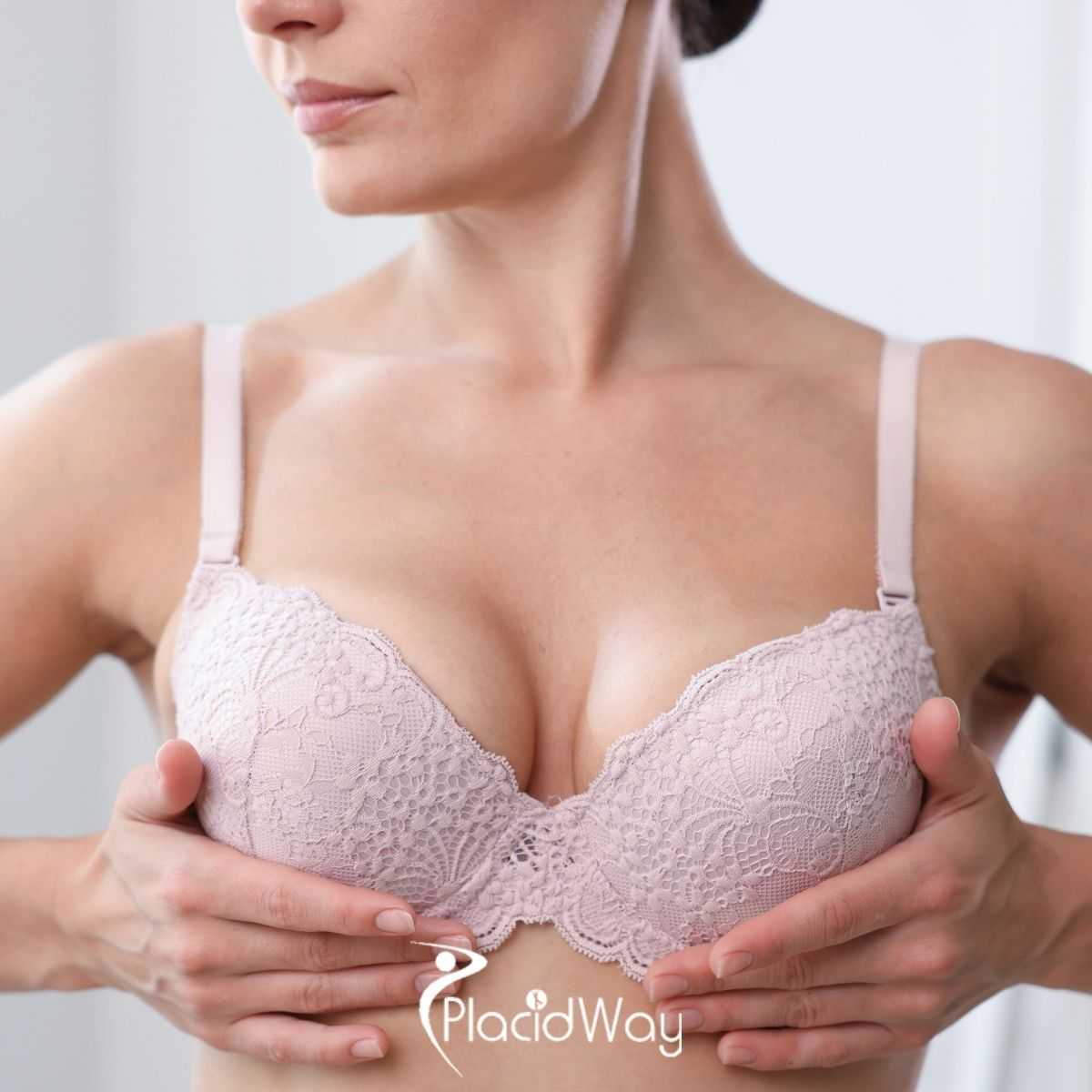
Breast and gluteal enhancements are also prevalent. A fat transfer to the breasts is ideal for patients seeking a modest increase (typically one cup size) or seeking to correct asymmetry without silicone implants. Gluteal fat grafting (often referred to as a Brazilian Butt Lift or BBL) remains popular, though it requires strict adherence to international safety guidelines regarding ultrasound-guided injection techniques to prevent severe complications.
Cost of Fat Transfer in Istanbul vs. Your Home Country
Financial considerations are often the initial catalyst for medical travel. Healthcare systems in the US, UK, and Europe carry high administrative overheads, expensive local anesthesiologist fees, and costly facility charges, making elective aesthetic surgeries prohibitively expensive for many patients.
In Istanbul, the cost structure is entirely different. Private medical facilities operate with lower local overhead and benefit from government incentives designed to promote health tourism. Most importantly, clinics in Turkey bundle the associated costs—such as hospital stays, pre-operative blood tests, post-operative garments, and local transportation—into a single, transparent package price. This prevents the unexpected separate bills often experienced in Western healthcare systems.
| Country / Region | Estimated Procedure Cost (USD) | Inclusions Typically Provided |
|---|---|---|
| United States | $6,500 - $12,000+ | Surgery only (Anesthesia and facility fees billed separately) |
| United Kingdom | $5,500 - $9,500+ | Surgery and follow-up (Consultation fees extra) |
| Istanbul, Turkey | $2,500 - $4,500 | All-inclusive (Surgery, hospital stay, hotel transfers, garments) |
| Western Europe (Germany/France) | $6,000 - $8,500+ | Surgery only (Variable hospital fees) |
Keep in mind that exact pricing will depend on how many areas require liposuction to harvest the fat, the complexity of the reinjection, and the specific hospital's credentials. Always request a detailed, itemized quote in writing before paying any deposits.
How to Verify Hospital and Clinic Safety in Turkey
While the cost savings are attractive, your safety must remain the absolute priority. Turkey has thousands of clinics, but they do not all operate at the same clinical standard. You must evaluate the facility where your surgery will take place just as rigorously as you evaluate your surgeon.
First, verify that the clinic or hospital holds an active license from the Turkish Ministry of Health (Sa?l?k Bakanl???). This is the baseline legal requirement for any medical facility operating in the country. Additionally, check if the facility is authorized for International Health Tourism; clinics must pass specific regulatory inspections to legally treat foreign patients.
Look for facilities that maintain national accreditation through the Standards of Accreditation in Health (SAS) in Turkey. While international accreditations like Joint Commission International (JCI) are excellent indicators of strict clinical protocols, emergency care standards, and rigorous hygiene practices, a fully licensed and nationally accredited Turkish hospital is also highly capable of delivering safe surgical care.
Selecting a Qualified Surgeon in Istanbul
The success, safety, and aesthetic outcome of your fat transfer rely heavily on the technical skill of your doctor. Fat grafting is highly technique-sensitive; if the fat is injected too densely or into the wrong tissue plane, it will not survive, leading to oil cysts, lumps, or severe infections.
To ensure your surgeon is qualified, confirm they are a registered plastic and reconstructive surgeon. In Turkey, this means they must have completed specialized medical training and hold board certification recognized by the Turkish Medical Association (Türk Tabipleri Birli?i - TTB). You should also look for membership in the Turkish Society of Plastic Reconstructive and Aesthetic Surgeons (TSAPS).
Many elite surgeons in Istanbul also maintain membership in international organizations, such as the International Society of Aesthetic Plastic Surgery (ISAPS). When reviewing a surgeon, ask about their specific annual case volume for fat transfer procedures. A surgeon who performs this procedure weekly will have a much more refined technique than one who performs it occasionally.
The Medical Consultation Process
A thorough consultation is the foundation of a safe surgical outcome. Even if you undergo an initial online consultation via video call, your surgeon in Istanbul must conduct a comprehensive in-person medical evaluation before you enter the operating room.
During this evaluation, the surgeon will assess your skin elasticity, measure available donor fat, and discuss your medical history. You must disclose all medications, supplements, prior surgeries, and lifestyle habits, particularly smoking. Nicotine constricts blood vessels and severely compromises the blood supply needed for the newly transferred fat to survive, significantly increasing the risk of fat necrosis (death of the fat tissue).
What to Ask the Surgeon
- Are you board-certified in plastic surgery?
- Do you use ultrasound guidance for deep injections?
- What happens if I experience an emergency?
- What is your revision policy if the fat does not survive?
What to Avoid
- Consultations heavily driven by sales tactics.
- Doctors who promise a "100% permanent" result.
- Clinics that refuse to disclose the hospital name.
- Facilities that skip pre-operative blood work.
Understanding Risks and Complication Management
No surgical procedure is entirely risk-free. While autologous fat transfer is generally safe because it uses your own biological material, meaning there is no risk of allergic reaction or implant rejection, complications can still occur. Understanding these risks helps you monitor your recovery effectively.
Common, mild side effects include bruising, swelling, and temporary numbness at both the liposuction donor site and the injection site. However, clinical risks can include infection, asymmetry, and fat necrosis. Fat necrosis occurs when the injected fat cells do not establish a blood supply, causing them to die and form firm, benign lumps under the skin. In rare instances, particularly in gluteal fat grafting, improper deep injection can lead to fat embolism—a severe, life-threatening emergency where fat enters the bloodstream.
To mitigate these risks, ensure your surgeon in Turkey strictly adheres to modern safety protocols, such as using blunt cannulas and injecting fat only into the subcutaneous tissue, never deep into the muscle. Always confirm that the hospital has an Intensive Care Unit (ICU) on-site or immediate transfer protocols in case of a rare surgical emergency.
Recovery Timeline and Fat Survival Expectations
Recovery from a fat transfer involves healing in two distinct areas: where the fat was removed and where it was injected. You will typically need to wear a medical compression garment on the liposuction areas to reduce swelling and help the skin retract.
It is critical to understand that not all transferred fat will survive. The body naturally absorbs a portion of the grafted cells during the first few months. Surgeons typically over-correct slightly during the procedure to account for this absorption. Your final, permanent volume is usually visible around the three to six-month mark.
| Timeframe | Biological Process | Action Required by Patient |
|---|---|---|
| Days 1-7 | Acute swelling; new blood vessels begin forming around grafts. | Rest, wear compression garments, avoid sitting on or applying pressure to grafted areas. |
| Weeks 2-4 | Bruising fades; initial fat reabsorption begins. | Gradually resume light walking; continue protecting the graft sites from pressure. |
| Months 2-3 | Swelling fully resolves; unstable fat cells are absorbed by the body. | Resume normal exercise (with surgeon clearance); evaluate early results. |
| Months 6+ | Remaining fat cells have established blood supply and behave like normal tissue. | Maintain a stable body weight to preserve the final aesthetic result. |
Clinical Trajectory: Average Fat Graft Retention Over 12 Months
Based on 2024 clinical guidelines and volumetric MRI studies of autologous fat grafting, this graph illustrates the typical timeline of fat volume retention as the body naturally absorbs a percentage of the grafted tissue before stabilizing.
Combining Fat Transfer with Other Surgeries
Because international travel requires time away from work and family, many patients choose to combine their fat transfer with other surgical procedures to maximize their recovery period. Clinics in Istanbul frequently facilitate these combined treatment plans.
Facial fat grafting is commonly performed alongside a facelift, blepharoplasty (eyelid surgery), or rhinoplasty to achieve comprehensive facial rejuvenation. When performed together, the fat grafts provide volume that lifts tissues, while the surgical lifting removes excess skin. For body contouring, fat transfer is often combined with tummy tucks (abdominoplasty) or breast lifts (mastopexy) as part of a mommy makeover.
However, combining surgeries increases the total time under general anesthesia, which inherently increases surgical risks. Your doctor will evaluate your body mass index (BMI), age, and overall health to determine if combining procedures is safe for you. If the combined surgery exceeds safe anesthesia limits (typically 6-8 hours), a responsible surgeon will insist on staging the procedures months apart.
Travel Logistics and Planning Your Trip to Turkey
Traveling to Istanbul for a medical procedure requires more logistical planning than a standard vacation. Your body will be healing, and minimizing physical stress during your trip is essential for a smooth recovery.
Most all-inclusive packages provided by Turkish clinics include VIP airport transfers and accommodation in partner hotels. You should plan to stay in Istanbul for a minimum of 7 to 10 days post-surgery. This timeframe allows your surgeon to monitor your initial healing, remove any surgical drains or sutures, and clear you medically for your flight home.
When booking your flights, check the visa requirements for your specific nationality via the official Turkish e-Visa portal. Before flying home, ensure you request a "fit-to-fly" certificate from your surgeon, as airlines may require medical clearance for passengers traveling shortly after major surgery. During the flight, wear compression socks, stay hydrated, and walk the aisle periodically to prevent deep vein thrombosis (DVT).
Frequently Asked Questions
Is fat transfer in Istanbul safe for international patients?
Yes, it is generally safe when performed in a facility licensed by the Turkish Ministry of Health and executed by a board-certified plastic surgeon. Verifying credentials and choosing a clinic with stringent emergency protocols are critical steps in ensuring your safety.
How long will the transferred fat last?
The fat that successfully survives the initial 3 to 6-month healing process becomes a permanent part of your tissue. However, because it is living tissue, it will shrink or expand if you experience significant weight loss or weight gain in the future.
Can I sleep on my back after a gluteal fat transfer in Turkey?
No. Direct pressure restricts blood flow to the newly transferred fat cells, causing them to die. You must sleep on your stomach or sides and use a specialized BBL pillow when sitting for at least 4 to 6 weeks.
Are the medical results guaranteed?
No medical procedure can be 100% guaranteed. Survival rates for transferred fat vary from patient to patient, typically ranging between 50% and 70%. Your surgeon can estimate outcomes, but biological responses differ.
What certifications should I look for when choosing a Turkish surgeon?
You should look for registration with the Turkish Medical Association (TTB) and board certification in plastic surgery. Memberships in national (TSAPS) or international societies (ISAPS) are also strong indicators of continued education and peer recognition.
Will I have noticeable scars from the liposuction?
Liposuction incisions are very small (typically 3 to 5 millimeters) and are strategically placed in natural skin folds or hidden areas. While permanent, they usually fade into thin, barely noticeable lines over a year.
What is included in a typical medical tourism package in Istanbul?
Most packages include the surgical fee, anesthesia, operating room charges, a 1-to-2-night hospital stay, VIP airport and clinic transfers, pre-operative tests, post-operative garments, and an English-speaking patient coordinator.
Do Turkish clinics provide aftercare once I return home?
Reputable clinics provide structured remote follow-up via video calls or messaging apps. However, you should identify a local doctor in your home country who can assist you if you experience unexpected late complications.
Who is not a good candidate for autologous fat grafting?
Patients with very low body fat may not have enough donor tissue for significant volume enhancement. Additionally, active smokers, individuals with severe bleeding disorders, or those with unrealistic expectations may be advised against surgery.
Does the procedure require general anesthesia?
Small volume transfers, such as for the face, can often be performed under local anesthesia with sedation. Larger volume transfers, such as for breasts or buttocks, typically require general anesthesia for patient comfort and safety.
Need Help Planning Your Fat Transfer?
PlacidWay can help you connect with certified surgeons in Istanbul, compare verified clinic costs, and review medical travel options safely.
Request Free InformationDisclaimer: This information is for educational purposes only and does not replace professional medical advice. Always consult a qualified healthcare provider before making medical decisions.
References
- Global Survey 2023-2024 Preliminary Data – International Society of Aesthetic Plastic Surgery (ISAPS)
- Physician Verification and Medical Regulations – Turkish Medical Association (TTB)
- Health Tourism Legislation and Accreditation – Republic of Turkey Ministry of Health
- Autologous Fat Grafting Survival Rates and Outcomes (2024 Study) – Aesthetic Surgery Journal
- Fat Transfer Overview and Safety Guidelines – American Society of Plastic Surgeons (ASPS)
- Plastic Surgery Board Standards in Turkey – Turkish Society of Plastic Reconstructive and Aesthetic Surgeons (TSAPS)

















Share this listing