


Top-Rated Rhinoplasty Doctors in Mexico for 2026
Comprehensive Guide to Rhinoplasty in Mexico: Top Surgeons, Costs, and Recovery Insights
Fast Facts: Rhinoplasty Abroad
Choosing to undergo Rhinoplasty Surgery in Mexico provides international patients with an optimal balance of elite cosmetic surgical expertise, exceptionally fast scheduling, and transformative cost reductions compared to Western clinics.
-
Average Savings: Between 50% and 75% lower than medical fees typical in the United States and Canada.
-
Surgeon Tiers: Globally certified plastic surgeons holding active memberships in major international aesthetic boards.
-
Primary Hubs: Tijuana, Mexicali, Puerto Vallarta, and Mexico City.
The Benefits of Rhinoplasty in Mexico
Opting for rhinoplasty in Mexico introduces an array of structural advantages for individuals seeking to enhance both their facial harmony and respiratory function. Private plastic surgery centers across major Mexican medical corridors have evolved into world-class facilities, matching the diagnostic technologies, sterilization standards, and surgical methodologies found in top-tier Western practices. By eliminating the inflated institutional overhead costs prevalent in the United States, these clinics allow patients to access premium medical settings without enduring extreme financial hardship or long waiting periods.
Beyond the fiscal relief, traveling to Mexico for nasal reshaping provides unparalleled structural convenience and comfort. Border cities like Tijuana and Mexicali enable North American patients to bypass the complications of transcontinental travel, significantly reducing the post-operative physiological stresses that accompany long-haul commercial flights. Furthermore, the specialized private care ecosystem in Mexico places a heavy emphasis on patient-centric recovery, offering comprehensive personal oversight during the vulnerable early healing stages.
-
Board-Certified Specialists: Leading plastic surgeons frequently maintain comprehensive training or clinical fellowships across Europe and North America.
-
Bilingual Environments: Dedicated medical teams operate with high English proficiency to ensure absolute structural alignment regarding cosmetic objectives.
-
Advanced Surgical Modalities: Clinics routinely implement structural, preservation, and closed ultrasonic rhinoplasty techniques.
-
Expedited Logistics: Initial virtual diagnostic consults lead to rapid procedural booking within brief, flexible timeframes.
Price Comparison: Rhinoplasty Cost in Mexico vs. Other Countries
Choosing rhinoplasty in Mexico allows many international patients to receive treatment from experienced plastic surgeons while significantly reducing overall healthcare expenses. Depending on the surgeon's experience, facility, and complexity of the procedure, rhinoplasty in Mexico generally costs between $3,000 and $6,500, often including consultations, hospital fees, anesthesia, and post-operative care. In comparison, the same procedure in countries such as the United States, Canada, or the United Kingdom can cost two to four times more. These savings make Mexico one of the world's leading destinations for affordable, high-quality cosmetic surgery.
| Country | Average Rhinoplasty Cost (USD) | Estimated Savings Compared to USA |
|---|---|---|
| Mexico | $3,000 – $6,500 | 40–70% |
| United States | $8,000 – $18,000 | — |
| Canada | $7,000 – $12,000 | 15–40% |
| United Kingdom | $7,500 – $13,000 | 20–45% |
What Is Included in the Cost of a Nose Job in Mexico?
Navigating international medical care requires an explicit, fully itemized understanding of procedural billing structures to ensure absolute financial security. Private aesthetic clinics in Mexico prioritize unified package billing to protect traveling patients from unexpected, hidden individual fees. A standard comprehensive medical quote covers the total utilization of modern private operating theaters, all specialized surgical instruments, and the complete clinical service fees for the primary board-certified plastic surgeon, assisting nursing staff, and dedicated anesthesiology professionals.
Furthermore, these customized packages account for all mandatory pre-operative laboratory workups, baseline diagnostics, initial physical clearings, and necessary post-surgical pharmaceuticals, such as specific antibiotics, prescription anti-inflammatory medications, and localized pain management protocols. Depending on the targeted tier of service selected, many centers seamlessly integrate logistics directly into the structural quote, offering secure private vehicular transit across international ports of entry alongside coordinated local hotel accommodations.
-
Surgical Personnel Fees: Full financial coverage for the primary operating surgeon, secondary assistant, and credentialed anesthesiologist.
-
Clinical Facility and Hardware: Utilization of specialized private outpatient surgical suites alongside high-grade sterile instrumentation.
-
Diagnostic Clearances: Mandatory pre-surgical blood profiles, structural assessments, and essential metabolic panels.
-
Continuous Follow-Up: Post-operative observation windows, physical suture/splint removal, and scheduled virtual evaluations.
The Best Candidate for Rhinoplasty
Determining individual suitability for definitive nasal reconstruction demands a thorough evaluation of both physiological health parameters and personal expectations. An optimal candidate is an adult or mature adolescent whose facial skeletal architecture has achieved full development, typically occurring by age sixteen for females and seventeen for males. Individuals must be in good overall health, free from active chronic systemic illnesses or poorly managed medical conditions that could fundamentally jeopardize general anesthesia safety or stall structural tissue vascularization during the healing process.
Equally critical is the mental and emotional perspective of the prospective patient. Candidates should seek targeted improvements in specific aesthetic balances—such as correcting a prominent dorsal hump, refining a bulbous tip, or balancing overall facial asymmetry—or structural fixes to repair a deviated septum or post-traumatic airway obstruction. Approaching the procedure with realistic, balanced cosmetic goals ensures a highly successful outcome and a positive patient experience.
-
Skeletal Maturity: Complete cessation of facial bone growth patterns to secure permanent procedural tracking.
-
Physiological Wellness: Non-smokers or individuals willing to commit to total nicotine cessation to protect microvascular healing pathways.
-
Functional Indicators: Presence of anatomical breathing impairments, turbinate hypertrophy, or aesthetic imbalances.
-
Psychological Stability: Clear, rational expectations focused entirely on personal physical optimization rather than external ideals.
Quick Facts: Rhinoplasty Surgery
- Procedure Duration
- Typically 1.5 to 3 hours under precise surgical execution.
- Anesthesia Profile
- Deep intravenous sedation or standard general anesthesia.
- Hospital Mandate
- Usually performed as an outpatient procedure with a brief initial discharge window.
- Primary Recovery Window
- 7 to 10 days before basic social re-integration and standard flight clearance.
Top Rhinoplasty Surgeons in Mexico
1. Dr. Juan Cuellar Perez Grovas
Hospital CYNTAR – Tijuana, Mexico
Renowned for structural rhinoplasty techniques, providing elite corrective treatments inside advanced surgical theaters adjacent to the US border corridor.
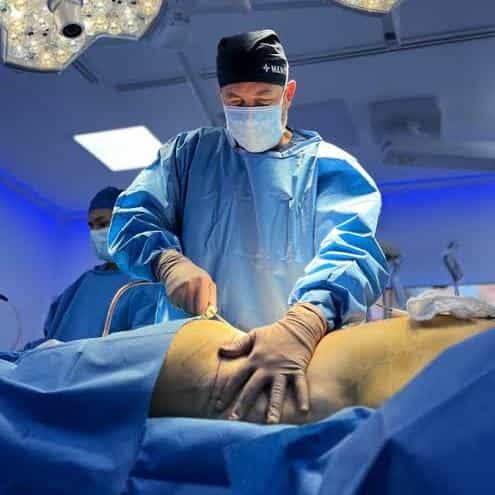
2. Dr. Salvador Medina Sanchez
Hospital CYNTAR – Tijuana, Mexico
Specializes in advanced ethnic rhinoplasty configurations and internal structural deviations, emphasizing natural aesthetic outcomes.

3. Dr. Edgar Vargas Flores
Hospital CYNTAR – Tijuana, Mexico
Expert in preservation rhinoplasty techniques that drastically mitigate early tissue trauma and reduce overall recovery timelines.

4. Dr. Ary Papadopulos
Tijuana, Mexico
An established clinical presence utilizing precise open approach configurations to resolve severe traumatic nasal defects.
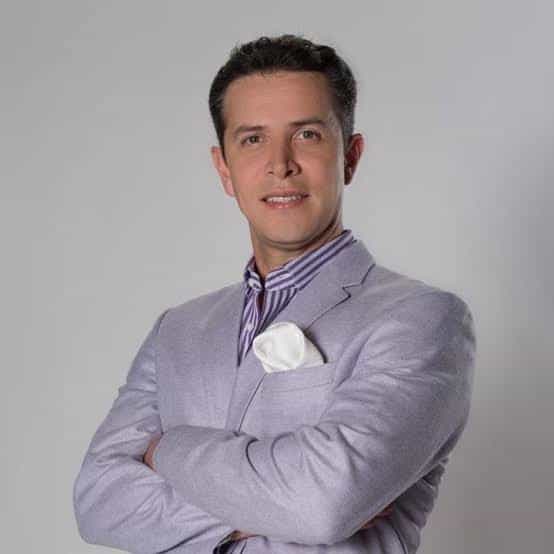
5. Dr. Jorge Sandoval Plastic Surgery
Mexico City, Mexico
Operating out of the nation's capital, offering world-class cosmetic profile balancing for demanding global patient networks.
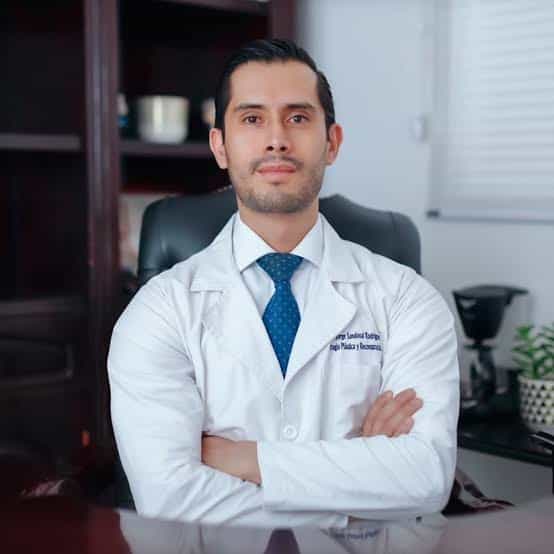
6. Dr. Israel Villalobos
Tijuana, Mexico
A dedicated plastic surgeon focused on custom tip definitions and state-of-the-art nasal airway clearance procedures.
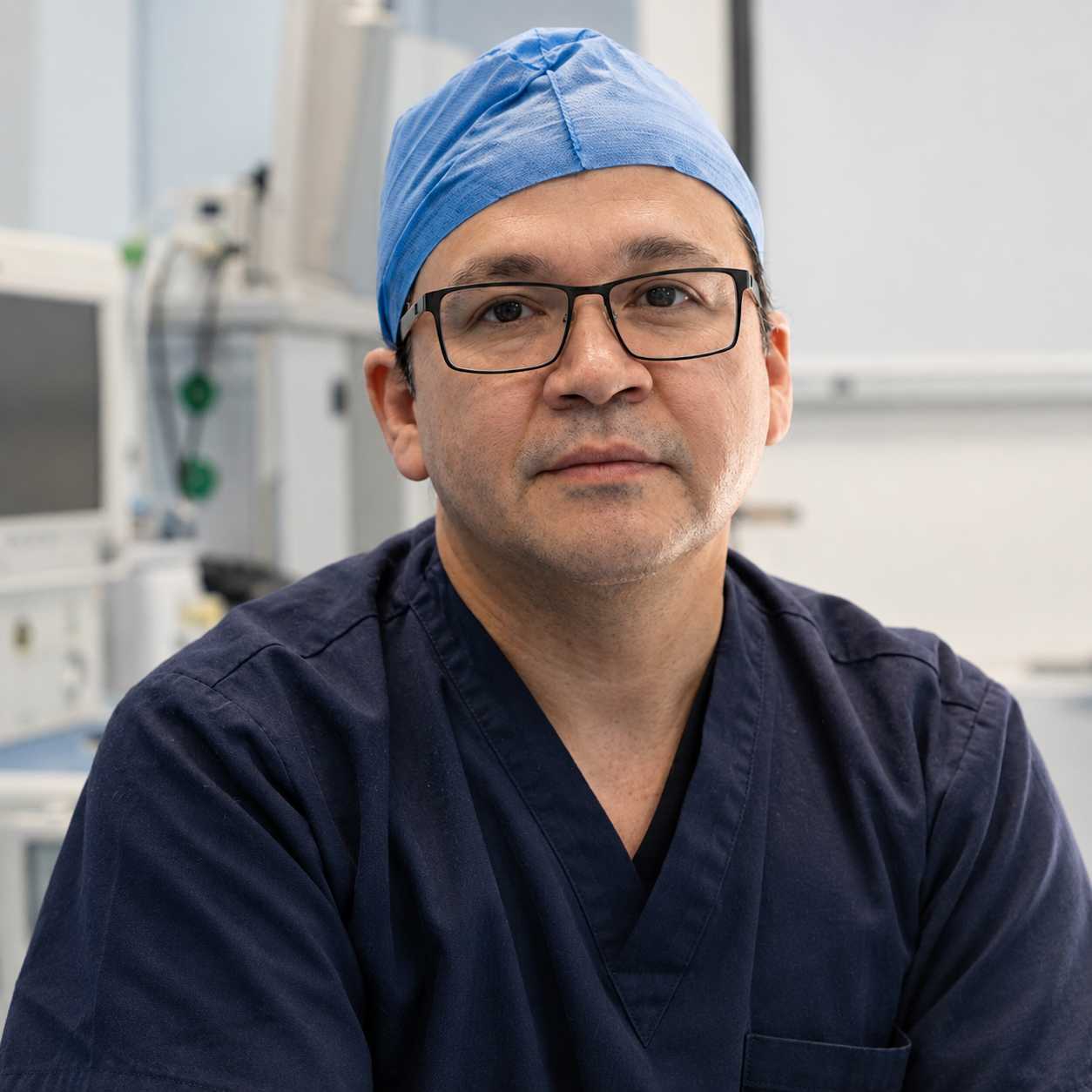
7. Dr. David Flores Soto
Silver Tier Accredited – Mexico
Highly recognized expert delivering predictable, micro-detailed structural improvements for primary cosmetic candidates.
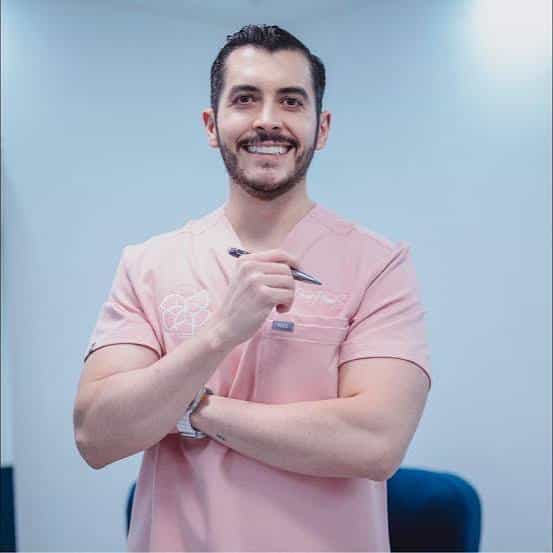
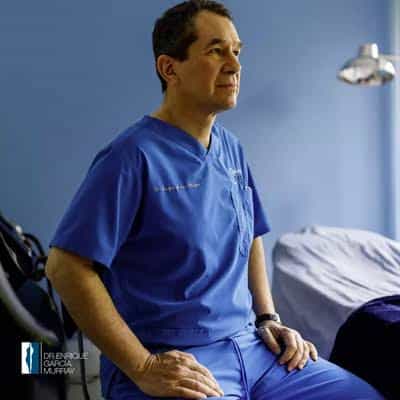
8. Dr. Enrique Garcia Murray
Mexico City, Mexico
Leverages decades of aesthetic masterwork, specializing in complex custom graft selections and structural profile redesigns.
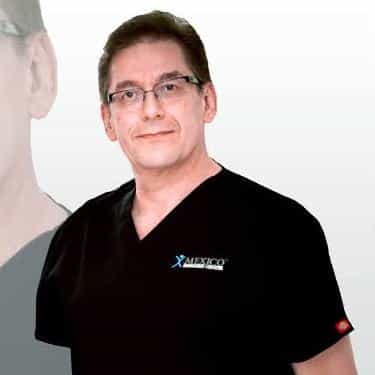
9. Dr. Joaquin Ayala
Tijuana, Mexico
A trusted specialist offering exceptional regional care options focused closely on comprehensive patient safety and balanced nasal anatomy.
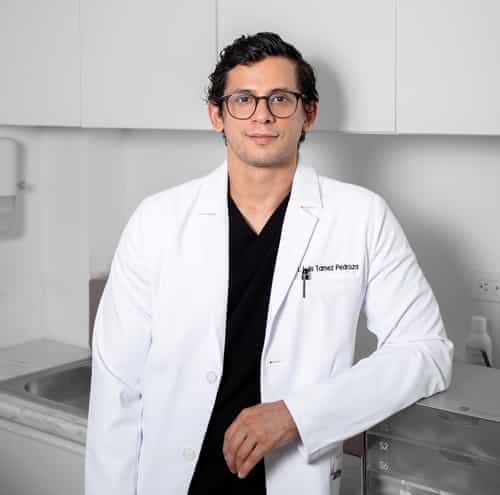
10. Dr. Luis Tamez
Mexicali, Mexico
Strategically situated in the major hub of Mexicali, providing exceptional minimally invasive internal adjustments and cosmetic solutions.
The Next Steps If You Plan to Have Rhinoplasty in Mexico
Initiating your international medical journey requires an organized, structured process to guarantee both safety and predictability. The initial baseline phase centers on scheduling comprehensive virtual evaluations with candidate surgeons, allowing you to discuss anatomical goals, submit high-resolution diagnostic photography, and securely transmit relevant medical background details. Once clinical clearings are settled, focus shifts to practical logistical planning, including passports, direct flight lines, and secure, pre-arranged border transport links.
Simultaneously, you must systematically organize your personal schedule to prioritize post-operative rest without workplace or physiological distractions. Setting up a dedicated post-surgical recovery network—such as booking extended local stays and keeping open channels of digital communication with your coordinator—is essential. This guarantees a smooth experience from the initial physical check-in to your final medical travel clearance.
-
Credential Verification: Verify active board designations via official regulatory medical channels in Mexico.
-
Comprehensive Quotes: Request explicit, all-inclusive documentation outlining individual clinical cost partitions.
-
Flight Coordination: Book travel windows that account for mandatory pre-operative checks and necessary post-surgical downtime.
-
Local Aftercare Prep: Secure localized hotel suites located within rapid reach of your main surgical center.
How Does Rhinoplasty Procedure Work
The execution of a modern rhinoplasty follows a highly precise, multi-tiered sequence within a fully sterile environment. Following the delivery of general anesthesia or deep IV sedation, the specialist creates incisions according to the selected technique. An open rhinoplasty utilizes a tiny trans-columellar incision across the narrow tissue strip separating the nostrils, allowing full visualization of the skeletal framework. In contrast, a closed rhinoplasty confines all surgical adjustments strictly within the nasal passages, leaving no external scars.
With the structural pathways accessible, the surgeon carefully reshapes internal cartilage patterns, reshapes bone configurations, or fixes complex septal deviations to enhance airway performance. Once the structural work is complete, the outer skin and soft tissues are meticulously redraped over the newly refined framework. The incisions are then closed with fine sutures, and a protective external splint is applied to hold the precise contours throughout the initial healing phase.
Side Effects of Rhinoplasty Procedure
Experiencing temporary, localized side effects is a normal physiological reaction as your body adapts to structural nasal alterations. In the initial days post-surgery, patients should expect moderate local swelling, peri-orbital bruising, and a persistent sensation of congestion or nasal fullness due to internal tissue inflammation. Minor post-operative fluid drainage or occasional bloody spotting is typical, and is easily managed with simple gauze dressings according to clinic protocols.
While these mild symptoms diminish substantially over the initial weeks, subtle internal swelling can linger for several months, particularly near the nasal tip. This is a normal part of the healing process and is closely monitored during your follow-up visits. Following all post-operative instructions—such as maintaining head elevation and avoiding accidental contact—ensures proper healing and minimizes long-term risks.
Frequently Asked Questions (FAQs)
1. What Is Rhinoplasty?
Rhinoplasty is a specialized plastic surgery procedure focused on modifying the external shape, structural size, or internal functional tracking of the human nose. It is utilized to harmonize facial proportions or correct breathing impairments caused by structural defects.
2. How Long Is the Recovery Timeline for Rhinoplasty?
The complete healing matrix transitions across distinct developmental milestones: early splint extraction occurs near day 7, primary bruising clears by week 2, major soft tissue swelling subsides at month 2, and the final structural definition stabilizes at the 12-month mark.
3. Is a Nose Job a Permanent Procedure?
While the primary functional recovery phase finishes smoothly within 10 to 14 days, complete internal tissue stabilization and complete swelling resolution require roughly a full year to achieve final cosmetic permanence.
4. How Long Will You Need to Stay in Mexico?
Patients should plan to stay locally for 7 to 10 days. This allows the surgical team to perform mandatory follow-up exams, verify early healing, safely remove external splints, and provide official travel clearance.
5. When Can You Return to Work?
Most individuals return to light office duties within 7 to 10 days, provided their work does not involve strenuous physical exertion or a high risk of accidental facial contact.
6. When Can You Return to Exercise?
Light walking is highly encouraged immediately to support healthy vascular circulation. However, strenuous cardiovascular training must be avoided for 4 weeks, and contact sports require a minimum clearance of 6 weeks.
7. When Will the Final Results Be Visible?
While noticeable cosmetic enhancements are apparent immediately after the splint is removed, the final, refined nasal contours emerge gradually over 12 months as structural micro-swelling completely resolves.
8. What Type of Activities to Avoid?
It is vital to strictly avoid bending forward at the waist, lifting heavy items, wearing resting eyeglasses directly on the nasal bridge, blowing your nose aggressively, or placing yourself in environments with a risk of facial trauma during the first 6 weeks.
9. What Type of Diet Should You Expect After the Surgery?
The early post-operative days require soft, easy-to-chew foods that are low in sodium to avoid worsening tissue fluid retention. Maintaining high hydration levels through consistent water intake is highly recommended.
Ready to Achieve Your Aesthetic Goals Safely?
Take the next step toward enhancing your facial harmony with Nose Surgery in Mexico. PlacidWay connects you with experienced, internationally trained plastic surgeons, allowing you to compare accredited clinics, transparent treatment packages, and personalized care plans in one place. Request a free consultation, receive customized quotes, and plan your medical journey with confidence while benefiting from high-quality care, modern surgical facilities, and dedicated support before, during, and after your procedure.
Get a Free Quote NowReferences & Authoritative Sources
- American Society of Plastic Surgeons (ASPS). (n.d.). Rhinoplasty (Nose Surgery): Procedure Overview, Candidate Safety, and Recovery. Retrieved from PlasticSurgery.org
- Mayo Clinic. (n.d.). Rhinoplasty: Overview, Risks, Recovery, and Results. Retrieved from MayoClinic.org
- International Society of Aesthetic Plastic Surgery (ISAPS). (n.d.). ISAPS Global Survey on Aesthetic/Cosmetic Procedures. Retrieved from ISAPS.org
- PlacidWay Medical Tourism. (n.d.). Plastic Surgery in Mexico. Retrieved from PlacidWay.com







.jpg)








Share this listing