

When several teeth are failing, comparing full-mouth implant treatment can feel difficult because one quote may include only surgery while another includes the final bridge, sedation, extractions and follow-up care. All-on-4 dental implants in Los Algodones may cost approximately $5,500 to $13,000 per arch, depending on the implant system, prosthetic material and clinical complexity. Before choosing a clinic, verify the dentist’s Mexican professional license, relevant specialty training and the facility’s COFEPRIS or Baja California COEPRIS documentation.
Quick Summary of All-on-4 Treatment in Los Algodones
- Estimated 2026 cost: approximately $5,500 to $13,000 per arch, or roughly $11,000 to $26,000 for upper and lower arches, before travel and case-specific additions.
- Ideal candidate: someone missing most or all teeth, or someone whose remaining teeth have a poor long-term prognosis and cannot be predictably restored.
- Typical treatment: four implants support a fixed full-arch bridge. A temporary bridge may be attached shortly after surgery when implant stability permits.
- Recovery: early swelling and tenderness may improve during the first week, but bone integration commonly requires three to six months.
- Credentials to verify: the dentist’s SEP professional cédula, any specialty cédula, relevant board certification and the clinic’s COFEPRIS or COEPRIS operating documentation.
- Important caution: a low starting price may exclude extractions, bone grafting, sedation, the final bridge, second-trip treatment or complication management.
- Main reason patients travel: Los Algodones offers a concentrated dental-care market near the Arizona–California border, making treatment accessible to many American and Canadian patients.
Why Patients Consider All-on-4 in Los Algodones?
Patients mainly consider All-on-4 treatment in Los Algodones because a full-arch restoration may be available at a lower out-of-pocket cost than comparable treatment in the United States or Canada. The city is immediately south of the Andrade, California, border crossing and is commonly reached through Yuma, Arizona.
Cost is only one part of the decision. Patients also look for shorter scheduling delays, coordinated laboratory services, bilingual support and dentists who regularly treat international full-mouth reconstruction cases. However, high treatment volume does not replace individual diagnosis, careful surgical planning or verifiable professional credentials.
Why Americans Choose Los Algodones
Common motivations include limited dental insurance, high local implant quotes, proximity to the border and the ability to drive rather than arrange long international flights.
Why Canadians Choose Los Algodones
Canadian patients may be motivated by uncovered implant expenses, winter travel to Arizona, scheduling preferences and significant out-of-pocket restorative costs.
Why Full-Arch Patients Travel
People with failing dentures, advanced tooth loss or repeated dental problems may want a fixed restoration that improves chewing stability and confidence.
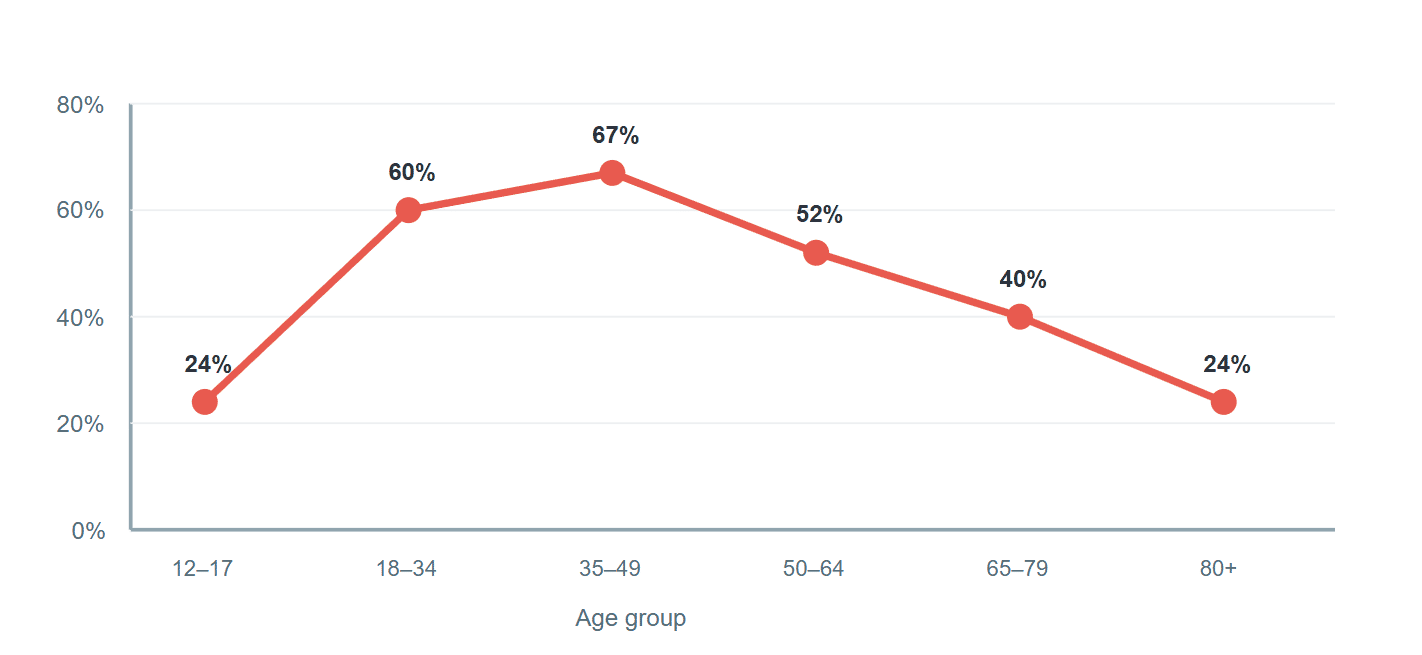
Dental Cost Pressure by Canadian Age Group
Percentage of Canadian Dental Care Plan-eligible people who avoided a dental visit because of cost, based on 2023–2024 survey data published in 2025. This is access-barrier evidence, not a census of Los Algodones patients.
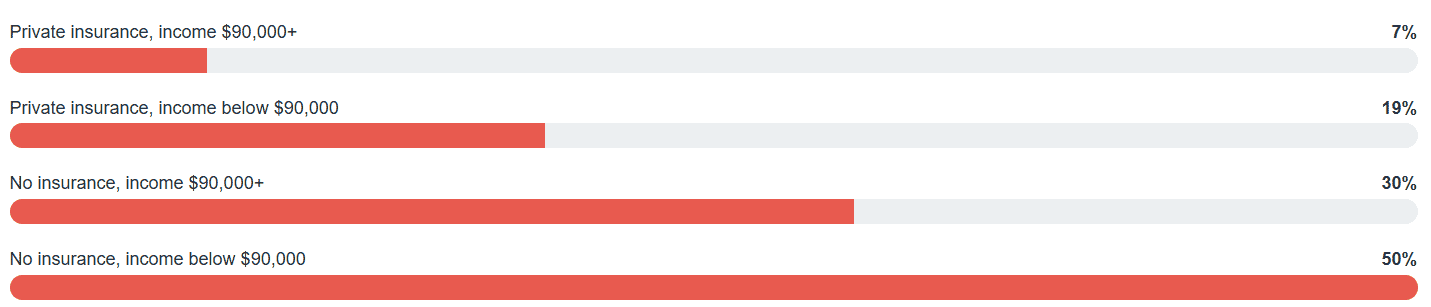
How Insurance and Income Affect Dental Access
Canadian survey data published in 2025 show that cost-related avoidance was highest among uninsured people with household income below $90,000.
How All-on-4 Dental Implants Work in Mexico
All-on-4 is a full-arch treatment in which four dental implants support a fixed bridge replacing the teeth in the upper jaw, lower jaw or both. The front implants are generally positioned more vertically, while the back implants may be angled to use available bone and reduce the need for extensive grafting.
The implants act as artificial tooth roots. Abutments connect them to a temporary or final prosthetic bridge. The bridge is fixed in place and can only be removed by a dental professional, unlike a conventional removable denture.
| All-on-4 component | Clinical purpose | Question to ask in Mexico |
|---|---|---|
| Four implants | Transfer chewing forces into the jawbone and support the arch. | Which brand, diameter and implant model will be used? |
| Multi-unit abutments | Correct implant angles and connect the bridge to the implants. | Are original manufacturer components used? |
| Temporary bridge | Provides teeth during healing when immediate loading is clinically appropriate. | Is the temporary fixed, removable or separately priced? |
| Final bridge | Provides the long-term chewing surface and appearance after healing. | Is it acrylic, nanoceramic, zirconia or titanium-reinforced? |
All-on-4 candidacy in Los Algodones
You may qualify when most teeth are already missing, the remaining teeth cannot be predictably saved or a removable denture no longer provides acceptable function. A CBCT scan, which is a three-dimensional dental X-ray, helps the dentist evaluate bone height, width, sinus position and important nerves.
Your dentist should also review diabetes control, smoking, gum disease, medications, immune conditions, previous radiation treatment, teeth grinding and your ability to clean under the bridge. Age alone does not determine candidacy, but your health and healing capacity matter.
All-on-4 factors that may support treatment
- Extensive tooth loss or failing teeth
- Adequate bone for four stable implants
- Controlled medical conditions
- Commitment to hygiene and follow-up
- Realistic expectations about maintenance
All-on-4 factors needing further assessment
- Uncontrolled diabetes or active infection
- Heavy smoking or nicotine use
- Severe teeth grinding
- Insufficient bone in strategic areas
- Medications affecting bone healing
2026 All-on-4 Costs in Los Algodones, the US and Canada
All-on-4 treatment in Los Algodones generally costs less than comparable private treatment in the United States or Canada. A realistic 2026 planning range is approximately $5,500 to $13,000 per arch, although complex cases can cost more.
The lower part of the range commonly reflects a standard implant system and acrylic or PMMA restoration. Premium zirconia, titanium frameworks, additional implants, specialist anesthesia, bone procedures and complex extractions can increase the final total.
| Treatment location | Estimated cost per arch in USD | Estimated cost for both arches | Important consideration |
|---|---|---|---|
| Los Algodones, Mexico | $5,500–$13,000 | $11,000–$26,000 | Confirm final bridge material and second-trip costs. |
| United States | $20,000–$30,000+ | $40,000–$60,000+ | Fees vary considerably by region and specialist involvement. |
| Canada | Approximately $15,000–$26,000 equivalent | Approximately $30,000–$52,000 equivalent | The USD equivalent changes with currency exchange rates. |
Possible additions to an All-on-4 quote in Mexico
| Potential expense | Planning range | What to confirm before booking |
|---|---|---|
| CBCT and diagnostic records | $0–$300 | Whether scans are included and whether you receive copies. |
| Tooth extractions | $50–$250 per tooth | Whether surgical or impacted extractions cost more. |
| Bone grafting | $250–$1,200+ per area | Why grafting is needed and which material will be used. |
| Sinus augmentation | $900–$2,500+ | Whether an alternative implant design could avoid it. |
| IV sedation or anesthesia support | $500–$1,500+ | Who administers sedation and how they are credentialed. |
| Zirconia or premium framework upgrade | $2,000–$5,000+ per arch | Exact material, framework design and warranty terms. |
| Two-trip travel and lodging | $600–$2,500+ | Number of nights, border transfers and return-trip timing. |
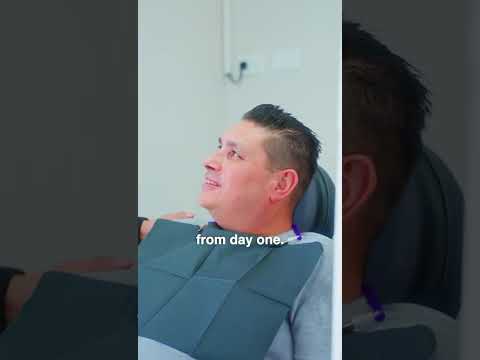
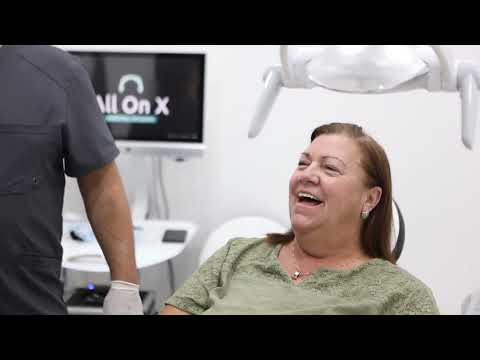
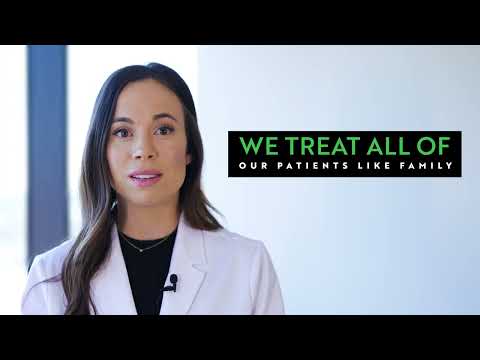
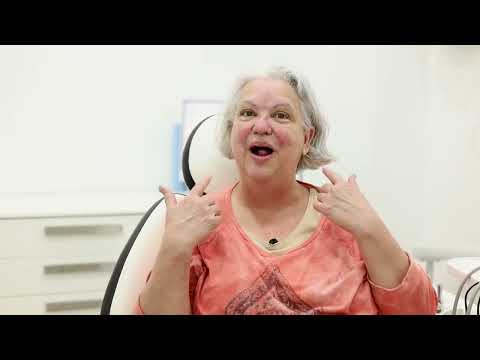
All-on-4 Dental Implants in Los Algodones - Patient Testimonial
All-on-4 Treatment Timeline in Los Algodones
All-on-4 treatment usually involves planning, implant surgery, a healing period and delivery of the final bridge. Some patients receive a fixed temporary bridge shortly after implant placement, but immediate loading is not automatic.
The surgeon must achieve sufficient implant stability and control the way biting forces reach the implants. When stability is inadequate, a removable temporary restoration or delayed loading may be safer.
| All-on-4 stage | What normally happens | Typical timing | Patient responsibility |
|---|---|---|---|
| Remote review | The clinic reviews dental images, health history and treatment goals. | Before travel | Disclose diagnoses, medications, smoking and previous implant problems. |
| In-person diagnosis | Examination, CBCT, bite analysis and confirmation of the final plan. | Day 1 | Do not proceed until the revised plan and price are explained. |
| All-on-4 surgery | Extractions, implant placement and any necessary bone procedures. | Day 1 or 2 | Follow fasting, escort and medication instructions provided by your clinician. |
| Temporary bridge | A temporary prosthesis is fitted and adjusted when immediate loading is appropriate. | Within 1–3 days | Report pressure areas, an uneven bite or bridge movement immediately. |
| Healing and osseointegration | Bone gradually integrates with the implant surfaces. | Approximately 3–6 months | Protect the temporary bridge, maintain hygiene and attend local checks if requested. |
| Final All-on-4 bridge | Final impressions or digital scans, try-in, bite verification and bridge delivery. | Second visit | Approve appearance, speech and bite before final completion. |
How to Choose an All-on-4 Clinic in Los Algodones?
A trustworthy clinic should be willing to show its operating documentation, infection-control procedures, diagnostic capabilities and emergency arrangements. In Mexico, health establishments are overseen through federal and state sanitary authorities, including COFEPRIS and Baja California’s COEPRIS.
Dental facilities should follow applicable Mexican health regulations, including NOM-013-SSA2-2015 for oral disease prevention and control. The exact permits or notices required depend on the services performed, particularly when sedation, radiology or surgical services are involved.
| Los Algodones clinic checkpoint | Evidence to request | Why it matters |
|---|---|---|
| Legal operation | Aviso de Funcionamiento and responsible-health-officer documentation, or the applicable sanitary license. | Shows that the establishment has completed required regulatory steps. |
| Infection prevention | Sterilization logs, sealed instruments, surface-disinfection protocols and biological-waste handling. | Implant surgery requires consistent sterile procedures. |
| Diagnostic equipment | CBCT imaging, digital scanning and documented radiology oversight. | Three-dimensional planning helps identify bone, sinuses and nerves. |
| Emergency readiness | Emergency equipment, trained personnel and a written hospital-transfer pathway. | Complications can occur during sedation or surgery. |
| Aftercare access | Named contact, response times, scheduled reviews and remote follow-up process. | International patients need support after crossing the border. |
| Transparent laboratory process | Material certificate, laboratory name, framework design and remanufacturing policy. | The bridge is a major part of treatment quality and cost. |
How to Verify an All-on-4 Dentist in Mexico
Every treating dentist should hold a valid professional cédula issued through Mexico’s Secretaría de Educación Pública. You can search the Registro Nacional de Profesionistas using the dentist’s full legal name and compare the result with the credentials supplied by the clinic.
For complex full-arch surgery, ask whether the provider has formal postgraduate training in oral surgery, periodontics, prosthodontics or implant dentistry. A general dental license confirms authority to practice dentistry, but it does not by itself demonstrate advanced surgical or prosthetic experience.
All-on-4 dentist verification checklist for Mexico
- Request the dentist’s full legal name and professional cédula number.
- Confirm the dental degree through Mexico’s Registro Nacional de Profesionistas.
- Search separately for a postgraduate specialty cédula when specialty training is claimed.
- Ask who performs implant placement and who designs the final bridge.
- Request the dentist’s annual number of full-arch implant cases.
- Ask about implant failures, bridge fractures and revision management.
- Confirm whether an anesthesiologist is involved when IV sedation is planned.
- Verify that the name on your consent form matches the dentist you researched.
Strong All-on-4 experience signals
- Documented full-arch case volume
- CBCT-based planning
- Experience managing complications
- Prosthetic and surgical coordination
- Long-term maintenance protocols
Questions that deserve clear answers
- Who is responsible if an implant fails?
- Who pays for replacement components?
- Can compatible parts be sourced in your country?
- How are bite problems corrected?
- What voids the written warranty?
All-on-4 Materials and Alternatives in Los Algodones
The implant count is only one treatment variable. Your long-term experience is also influenced by bridge material, implant distribution, bite design, cleaning access, opposing teeth and the amount of force you generate when chewing.
Research comparing four and six implants has not shown a simple universal winner for every patient. A 2024 systematic review found no significant overall difference in implant or prosthesis survival between four- and six-implant groups, although the four-implant group showed greater marginal bone loss in the included evidence.
| Full-arch option | Potential advantage | Potential limitation | Who may consider it |
|---|---|---|---|
| All-on-4 | Uses fewer implants and may avoid extensive grafting. | Each implant plays an important supporting role. | Patients with suitable bone distribution and controlled bite forces. |
| All-on-6 | May provide additional implant distribution and support. | Requires adequate bone and costs more. | Patients whose anatomy and prosthetic plan benefit from extra implants. |
| Implant overdenture | Removable for cleaning and often less expensive. | Does not feel identical to a fixed bridge. | Patients prioritizing hygiene access or lower cost. |
| Conventional denture | No implant surgery and lowest initial expense. | May move, reduce chewing efficiency or require relining. | Patients who cannot or do not want implant surgery. |
All-on-4 bridge materials available in Mexico
| Bridge material | Common characteristics | Maintenance discussion |
|---|---|---|
| Acrylic or PMMA | Lighter, easier to modify and generally less expensive. | Teeth can wear or fracture and may need repair or replacement. |
| Composite or nanoceramic | Designed to balance appearance, repairability and resilience. | Ask how the material is repaired outside Mexico. |
| Zirconia | Strong, stain-resistant and often selected for the final restoration. | Requires precise bite design and can be more expensive to replace. |
All-on-4 Risks and Safety Warning Signs in Mexico
All dental implant procedures carry risks, regardless of country. Possible complications include infection, delayed healing, implant movement, nerve injury, sinus involvement, gum inflammation, prosthetic fracture, screw loosening and an uncomfortable bite.
Smoking, untreated periodontal disease, poor plaque control and uncontrolled diabetes can increase healing concerns. The FDA also advises patients to ask for the brand and model of the implant system and retain that information for future care.
| All-on-4 concern | Possible sign | Risk-reduction approach | Patient action |
|---|---|---|---|
| Infection | Increasing swelling, pus, fever or worsening pain. | Sterile surgery, disease control and careful hygiene. | Contact the clinic promptly and seek urgent local care when severe. |
| Implant instability | Movement, pain on biting or a changing bridge position. | Adequate primary stability and controlled bite forces. | Stop chewing on the area and obtain an assessment. |
| Nerve injury | Persistent or worsening lip, chin or tongue numbness. | CBCT planning and safe implant positioning. | Report symptoms immediately rather than waiting until the second trip. |
| Bridge fracture | Cracking, movement or a missing prosthetic tooth. | Reinforced design, balanced bite and soft-diet compliance. | Avoid using the damaged area and arrange repair. |
| Peri-implant disease | Bleeding, swelling, discharge or progressive bone loss. | Daily cleaning and professional implant maintenance. | Schedule evaluation before discomfort becomes severe. |
All-on-4 Recovery and Aftercare After Los Algodones
Early recovery commonly includes swelling, bruising, mild bleeding, pressure and changes in speech. Symptoms should generally move toward improvement rather than becoming progressively worse.
Even when you receive a fixed temporary bridge, the implants are still healing inside the bone. You may be asked to follow a soft or non-chew diet for six to twelve weeks, depending on stability, bone quality and your clinician’s protocol.
| Timeframe | Biological or clinical process | Patient sensation | Activity level | Action required |
|---|---|---|---|---|
| First 24–72 hours | Clot formation and early inflammatory healing. | Swelling, tenderness and mild oozing. | Rest with limited exertion. | Follow written instructions and keep emergency contacts available. |
| Days 4–7 | Soft tissues begin closing around surgical areas. | Bruising and stiffness may remain. | Light daily activity. | Attend the review and confirm that the bite is comfortable. |
| Weeks 2–6 | Early bone remodeling occurs around the implants. | Less discomfort, but chewing restrictions remain. | Normal routine with dietary limits. | Clean beneath the bridge using the recommended tools. |
| Months 2–6 | Osseointegration progresses and implant stability is reassessed. | The bridge should feel increasingly familiar. | Gradual return as approved. | Avoid assuming healing is complete without clinical confirmation. |
| Long-term | Implants and prosthetic components face ongoing biological and mechanical forces. | Treatment should feel stable and functional. | Normal activity after clearance. | Maintain professional cleaning, bite checks and home care. |
Travel Planning for All-on-4 Treatment in Los Algodones
Many patients reach Los Algodones through Yuma, Arizona, and cross at the Andrade Port of Entry. Some park on the United States side and walk across, while others use a clinic transfer service.
Border hours, waiting times and travel advisories can change. Check official information shortly before each appointment and allow additional time when returning to the United States, especially during busy winter periods.
| Travel stage | All-on-4 planning task | Questions to resolve |
|---|---|---|
| Before booking | Obtain a preliminary plan and disclose your medical history. | Can the price change after the CBCT, and under what conditions? |
| Before departure | Consult your regular clinician when significant health conditions are present. | Should any records, blood tests or medication instructions be arranged? |
| First Mexico visit | Plan enough time for diagnosis, surgery, prosthetic fitting and review. | How many nights should you remain nearby after surgery? |
| Return home | Carry scans, implant details, receipts and emergency instructions. | Which local dentist will help if the bridge needs adjustment? |
| Second Mexico visit | Confirm integration, complete final records and receive the final bridge. | Are final adjustments and future maintenance included? |
Documents for All-on-4 travel to Mexico
- Valid passport or accepted border document
- Medication and allergy list
- Relevant medical and dental records
- Written quote and appointment schedule
- Clinic and emergency contact details
Travel cautions after All-on-4 surgery
- Avoid planning strenuous tourism immediately after surgery.
- Discuss long-distance travel risks when you have clotting risk factors.
- Do not leave before the dentist checks your bridge and bite.
- Know where to obtain urgent care on both sides of the border.
Frequently Asked Questions
How much are All-on-4 dental implants in Los Algodones in 2026?
All-on-4 treatment in Los Algodones may cost approximately $5,500 to $13,000 per arch. The total depends on the implant brand, temporary and final bridge materials, extractions, bone procedures, sedation and whether a second visit is included.
Is All-on-4 treatment in Los Algodones safe?
Treatment may be performed safely when you choose licensed professionals, a properly regulated facility and an appropriate clinical plan. Safety depends on diagnosis, sterile technique, surgical experience, implant stability, prosthetic design, aftercare and timely management of complications.
Can I receive permanent All-on-4 teeth in one day in Mexico?
You may receive a fixed temporary bridge shortly after surgery when the implants achieve sufficient stability. The final bridge is commonly made after three to six months of healing. Ask the clinic whether “same-day teeth” means temporary or final teeth.
How many trips to Los Algodones are needed for All-on-4?
Many patients make two trips. The first includes examination, implant surgery and a temporary restoration. The second usually occurs after integration and includes final scans, bite verification and delivery of the definitive bridge. Your case may require additional reviews.
How can I verify a dentist in Los Algodones?
Request the dentist’s complete legal name and professional cédula number. Search Mexico’s Registro Nacional de Profesionistas and verify both the dental degree and any claimed specialty. Ask for documented full-arch implant experience and complication-management policies.
Does All-on-4 always avoid bone grafting?
No. Angled posterior implants may reduce the need for major grafting in some patients, but grafting can still be necessary around extraction sites or deficient bone. A CBCT scan and prosthetically guided plan are required before deciding.
Is All-on-6 better than All-on-4 in Mexico?
Not automatically. Six implants may improve support in selected cases, but they require suitable bone and increase cost. Four implants can be appropriate when implant distribution, stability, bridge design and bite forces support that plan. The decision should be anatomy-driven.
What implant brands are available in Los Algodones?
Clinics may offer international and regional implant systems. Ask for the manufacturer, model, dimensions and component details before surgery. Select a system with documented regulatory status and replacement components that can be sourced in your home country.
What happens if an All-on-4 implant fails after I return home?
Management depends on the failure’s timing and cause. Treatment may involve unloading the implant, removing it, allowing healing or placing a replacement. Before treatment, obtain a written policy explaining professional fees, component costs, travel expenses and warranty exclusions.
How long should I stay in Los Algodones after All-on-4 surgery?
The required stay varies, but many plans allow several days for surgery, temporary bridge fabrication, bite adjustments and a postoperative review. Do not book a same-day departure unless your treating team confirms that it is clinically appropriate.
Can I use US or Canadian dental insurance in Los Algodones?
Many Mexican clinics require direct payment. Some insurance plans may reimburse eligible out-of-country services after treatment, but coverage varies. Ask your insurer about preauthorization, required procedure codes, itemized receipts and whether foreign laboratory charges qualify.
How long can All-on-4 dental implants last?
Compare All-on-4 Options in Los Algodones
PlacidWay can help you compare treatment options, request itemized pricing and prepare questions about dentist credentials, implant brands, bridge materials, recovery and aftercare. A clinic must still complete an individual assessment before confirming your treatment plan.
Request All-on-4 InformationDisclaimer: This information is for educational purposes only and does not replace professional medical advice. Always consult a qualified healthcare provider before making medical decisions.
References
- Dental Implants: What You Should Know – U.S. Food and Drug Administration
- Outcomes of Four- or Six-Implant Maxillary Fixed Prostheses: Systematic Review and Meta-analysis – PubMed
- Medical Tourism, CDC Yellow Book 2026 – Centers for Disease Control and Prevention
- Mexico, CDC Yellow Book 2026 – Centers for Disease Control and Prevention
- Characteristics of Cost-Related Avoidance of Oral Health Services – Statistics Canada
- COFEPRIS-05-036 Notice for Health Service Establishments – Government of Baja California
- NOM-013-SSA2-2015 for Prevention and Control of Oral Diseases – Diario Oficial de la Federación
- Registro Nacional de Profesionistas and Professional License Verification – Secretaría de Educación Pública





.png)
.png)
.jpg)
.png)
.jpg)
.jpg)
.jpg)
.jpg)








Share this listing