

Finding a highly skilled, board-certified plastic surgeon for a full abdominoplasty should not require emptying your life savings, which is why thousands of patients cross the border each year for a tummy tuck in Tijuana, Mexico. By knowing exactly which COFEPRIS clinic licenses and CMCPER surgeon board certifications to look for, you can safely access state-of-the-art facilities that rival top hospitals in the United States and Canada. With procedure costs typically 50% to 70% lower than at home, taking control of your physical comfort and body confidence is closer and more attainable than you might realize.
Quick Summary: Tummy Tuck in Tijuana
- Estimated Cost: Typically ranges from $4,500 to $6,500 USD (compared to $9,000–$15,000+ in the US and Canada).
- Required Surgeon Certifications: Look for CMCPER (Consejo Mexicano de Cirugía Plástica) board certification and AMCPER membership.
- Required Facility Licensing: The hospital or clinic must hold a current COFEPRIS license (Mexican health authority).
- Ideal Candidate: Non-smokers near their ideal weight with excess abdominal skin and weakened muscles (diastasis recti), often due to pregnancy or massive weight loss.
- Primary Reason for Travel: Access to highly experienced, internationally trained surgeons at a fraction of North American prices, without sacrificing medical quality.
- Average Recovery Time: 1 to 2 weeks in Tijuana for initial healing, with 4 to 6 weeks total before resuming strenuous activity.
- Important Caution: Never choose a provider based on price alone. Always verify board credentials and ensure the clinic has in-house emergency protocols.
Why Consider a Tummy Tuck in Tijuana, Mexico?
Making the decision to undergo body contouring surgery is deeply personal. For many, diet and exercise simply cannot repair separated abdominal muscles or tighten stretched skin left behind by pregnancy or significant weight loss. You may feel frustrated by the physical discomfort of excess tissue or long for the confidence you once had. Unfortunately, the soaring costs of private healthcare in the United States and Canada place these restorative procedures out of reach for many individuals.
This reality drives a growing number of patients to explore a tummy tuck in Tijuana, Mexico. Located just minutes across the US-Mexico border, Tijuana has evolved into a global hub for advanced cosmetic and reconstructive surgery. The city boasts specialized clinics tailored specifically to international patients, offering concierge-level care, bilingual medical staff, and luxurious recovery retreats.
Patients primarily travel from the United States (notably California, Texas, and New York) and Canada. The driving factors behind this cross-border healthcare journey include:
- Substantial Cost Savings: Procedures are often 50% to 70% more affordable due to lower administrative and operational costs, not a lack of quality.
- Expert Surgeons: Many top-tier plastic surgeons in Tijuana complete fellowships in the US or Europe and perform hundreds of abdominoplasties annually.
- Comprehensive Packages: Clinics frequently bundle the surgery, anesthesia, pre-op testing, ground transportation, and post-op recovery boutique stays into one transparent price.
- Minimal Wait Times: Unlike the Canadian healthcare system where elective surgery waitlists can stretch for months, Tijuana clinics offer flexible, immediate scheduling.
- Proximity and Convenience: Flying into San Diego International Airport (SAN) allows patients to easily cross the border via medical fast-lanes in less than 30 minutes.
Understanding the Tummy Tuck Procedure in Tijuana, Mexico
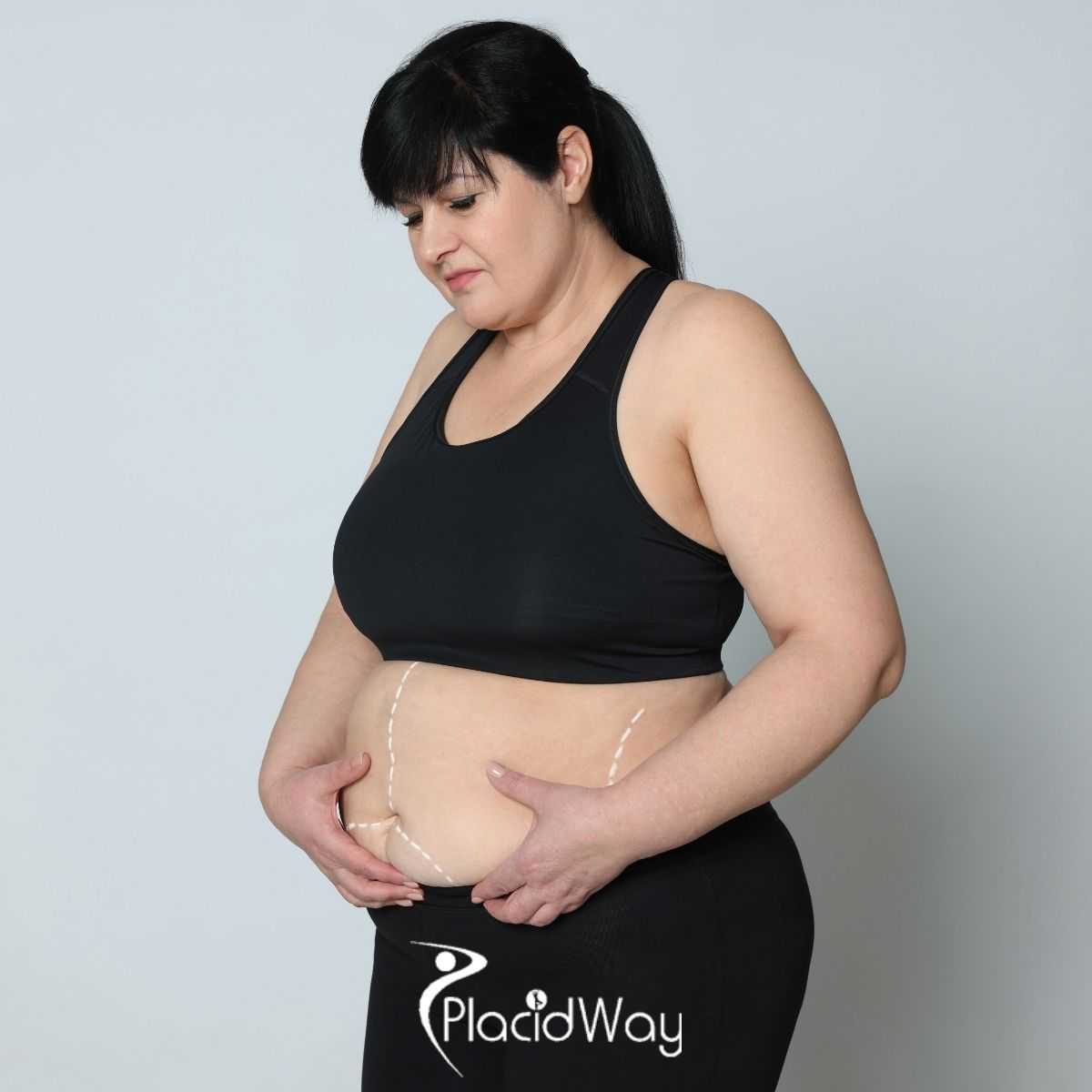
A tummy tuck, clinically known as abdominoplasty, is a major surgical procedure designed to reshape and firm the abdomen. The surgery targets three specific issues: removing excess, sagging skin; extracting stubborn fat deposits; and surgically tightening the underlying abdominal wall muscles. This muscle repair, known as plication, corrects diastasis recti (muscle separation), which is a common aftereffect of multiple pregnancies.
During your initial consultation, your surgeon in Tijuana will evaluate your anatomy and discuss your specific goals. Because no two bodies are identical, abdominoplasty is not a one-size-fits-all operation. Your doctor may recommend a specific technique depending on the amount of redundant tissue and its location on your torso.
| Procedure Type | Clinical Focus | Typical Incision Placement | Best Suited For |
|---|---|---|---|
| Mini Tummy Tuck | Targets only the area below the belly button without moving the navel. | Short horizontal line just above the pubic mound. | Patients with a minor lower belly "pooch" and good muscle tone. |
| Full Tummy Tuck | Addresses the entire abdominal wall, repairs muscles, repositions the navel. | Hip-to-hip horizontally, low on the abdomen. | Post-pregnancy patients or those with moderate loose skin. |
| Extended Tummy Tuck | Removes skin from the abdomen and the flanks (love handles). | Wraps around the hips toward the lower back. | Patients who have experienced massive weight loss. |
| Fleur-de-Lis | Removes significant skin horizontally and vertically. | An anchor shape: hip-to-hip plus a vertical line down the center. | Post-bariatric surgery patients with extreme skin laxity. |
Ideal Candidates for Abdominoplasty in Tijuana, Mexico
While a tummy tuck provides transformative results, it is not a substitute for weight loss or an alternative to a healthy lifestyle. The best outcomes are achieved when patients understand the physical limitations of the surgery and have realistic expectations. Surgeons in Tijuana adhere to strict medical guidelines to ensure patient safety and optimal wound healing.
An ideal candidate is generally in good overall health, free from chronic conditions that impair healing, such as uncontrolled diabetes or severe cardiovascular disease. You must be committed to maintaining a stable weight after the procedure, as significant future weight fluctuations can reverse the surgical improvements.
???? Medical Vetting Checklist for Candidates
- Stable BMI: Your Body Mass Index should ideally be below 30. Higher BMIs increase anesthesia risks and complications.
- Nicotine Free: You must completely stop smoking and using all nicotine products at least 4 to 6 weeks before and after surgery to prevent tissue necrosis (tissue death).
- Family Planning: It is highly recommended that you are finished having children, as future pregnancies can re-stretch the repaired abdominal muscles.
- Nutritional Health: Adequate protein intake and proper nutrition are essential for optimal wound healing.
Patient Demographics: Who Travels to Tijuana for a Tummy Tuck?
Understanding the demographic profile of medical tourists in Tijuana provides valuable context for your own journey. Based on recent 2024 to 2025 cross-border healthcare data, the patient demographic is diverse but shares common motivations. The majority of patients seeking body contouring are women between the ages of 35 and 55, typically seeking to restore their pre-pregnancy bodies or remove excess skin following bariatric weight loss.
While women make up the significant majority, there has been a steady increase in male patients traveling for extended abdominoplasty, primarily driven by the rising popularity of gastric sleeve surgeries that leave dramatic amounts of loose skin in both genders. The chart below illustrates the verified age distribution of international body contouring patients in Mexico for the 2024–2025 period.
Patient Age Distribution for Abdominoplasty in Mexico (2024-2025 Data)
Source: 2024 Cross-Border Aesthetic Surgery Demographic Registries.
Cost of a Tummy Tuck in Tijuana, Mexico vs. US and Canada
Financial transparency is one of the most critical aspects of planning your medical travel. In the United States and Canada, cosmetic procedures are rarely covered by health insurance unless a strict medical necessity, such as chronic skin infections from severe overhang, can be proven. This leaves patients paying out-of-pocket for surgeon fees, operating room time, anesthesiology, and post-operative garments.
When you evaluate the cost of a tummy tuck in Tijuana, Mexico, you will find that the pricing structure is entirely different. Mexican clinics typically utilize an "all-inclusive" model. This means the quoted price usually covers the surgical facility, the medical team, overnight hospital stays, basic medications, and local transportation from the San Diego airport. However, exact prices vary based on your BMI, the complexity of your surgery, and the reputation of the clinic.
| Procedure Variation | Estimated Cost in US/Canada | Estimated Cost in Tijuana, Mexico | Average Savings |
|---|---|---|---|
| Mini Tummy Tuck | $6,500 - $9,000 USD | $3,500 - $4,500 USD | ~50% |
| Full Tummy Tuck | $9,000 - $14,000 USD | $4,500 - $5,800 USD | ~55% |
| Extended / Post-Bariatric | $12,000 - $18,000+ USD | $5,500 - $7,000 USD | ~60% |
?? Financial Warning: Avoid Hidden Costs
Always request an itemized, written quote before traveling. Clarify whether your package includes medical complication insurance, specialized compression garments (fajas), post-operative lymphatic drainage massages, and extended stays at a recovery house if required. Do not trust providers offering prices drastically below the $4,500 average, as this often indicates compromised safety standards or unlicensed facilities.
How to Choose a Hospital for Your Tummy Tuck in Tijuana, Mexico
The safety of your procedure depends heavily on the facility where it is performed. Tijuana possesses a robust private healthcare sector, but regulatory standards can vary between luxury hospitals and independent surgical centers. As an international patient, you must prioritize clinical safety over aesthetic appeal or luxury amenities.
In Mexico, the primary government regulatory body is the Federal Commission for the Protection against Sanitary Risk (COFEPRIS). This agency acts similarly to the FDA in the United States or Health Canada. For a clinic to legally perform major surgeries like abdominoplasty, it must hold a specific COFEPRIS license that authorizes operating rooms and overnight inpatient care.
Additionally, top-tier hospitals in Tijuana may seek accreditation from the General Health Council (Consejo de Salubridad General or CSG). This is the highest national health accreditation in Mexico and signifies that the hospital meets rigorous standards for infection control, emergency management, and patient care. While international accreditations like JCI are excellent indicators of quality, they are not mandatory for a facility to be highly safe and legally compliant under Mexican law.
Selecting a Qualified Tummy Tuck Surgeon in Tijuana, Mexico
Your surgeon's skill, experience, and ethical judgment are the most critical variables in your surgical outcome. You must meticulously verify your doctor's credentials before making a deposit. Do not rely solely on Instagram before-and-after photos, as these can be manipulated or lack the context of patient history.
In Tijuana, a legally qualified plastic surgeon must hold a specialized medical license (Cédula de Especialidad) in Plastic, Aesthetic, and Reconstructive Surgery. Furthermore, you should verify their board certification. Look for surgeons who are certified by the Mexican Council of Plastic, Aesthetic, and Reconstructive Surgery (CMCPER) and are active members of the Mexican Association of Plastic, Aesthetic, and Reconstructive Surgery (AMCPER).
Questions to Ask Your Surgeon
- What is your CMCPER certification number?
- How many tummy tucks do you perform each month?
- What is your specific protocol if a complication occurs during surgery?
- Who administers the anesthesia, and are they a board-certified anesthesiologist?
Red Flags to Avoid
- The doctor is listed as a "cosmetic surgeon" rather than a "plastic surgeon."
- Consultations are only handled by sales coordinators, not the doctor.
- The clinic operates out of a strip mall without an ICU transfer agreement.
- They push you to add unnecessary multiple procedures simultaneously.
Preparing for Your Tummy Tuck Journey to Tijuana, Mexico
Successful medical travel requires thorough preparation. Crossing the border for surgery involves logistical planning, medical clearance, and understanding what to pack. Because you will be crossing an international border, ensure your passport is valid for at least six months beyond your travel dates.
Most reputable clinics in Tijuana offer a medical pass (Fast Lane pass) that significantly expedites your return trip across the border into the United States via vehicle. Preparing your body and your home environment ahead of time will greatly reduce your post-operative stress.
| Timeline | Action Required |
|---|---|
| 4 Weeks Before | Stop smoking completely. Discontinue blood-thinning supplements (vitamin E, fish oil) and medications like aspirin or ibuprofen as directed by your surgeon. |
| 2 Weeks Before | Complete all required pre-operative lab work (blood panels, EKG). Secure your flight to San Diego (SAN) and finalize your clinic deposit. |
| 1 Week Before | Pack loose, button-up clothing. Set up a comfortable recovery space at your home for when you return, including extra pillows for sleeping elevated. |
| 24 Hours Before | Fast from food and water exactly as instructed by your anesthesiologist. Pack your passport and medical documents. |
The Day of Your Tummy Tuck in Tijuana, Mexico
When the day of your surgery arrives, knowing what to expect can help calm your nerves. If you fly into San Diego, a clinic representative will typically greet you at the airport and drive you across the border directly to the medical facility.
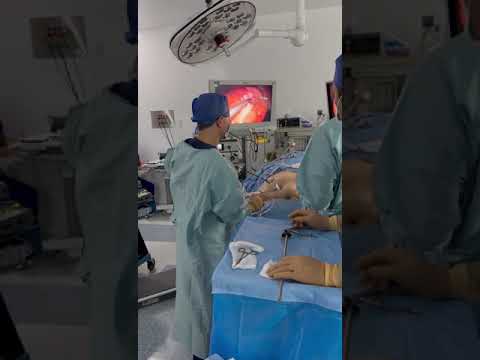
Upon arrival, you will undergo standard hospital admissions procedures. You will meet with your surgeon one final time to review the surgical plan. During this pre-op consultation, the surgeon will make anatomical markings on your abdomen with a surgical pen. You will also meet the anesthesiologist to discuss your health history and the general anesthesia protocol. The surgery itself typically lasts between two to four hours, depending on the complexity of the muscle repair and skin removal.
Recovery and Aftercare After a Tummy Tuck in Tijuana, Mexico
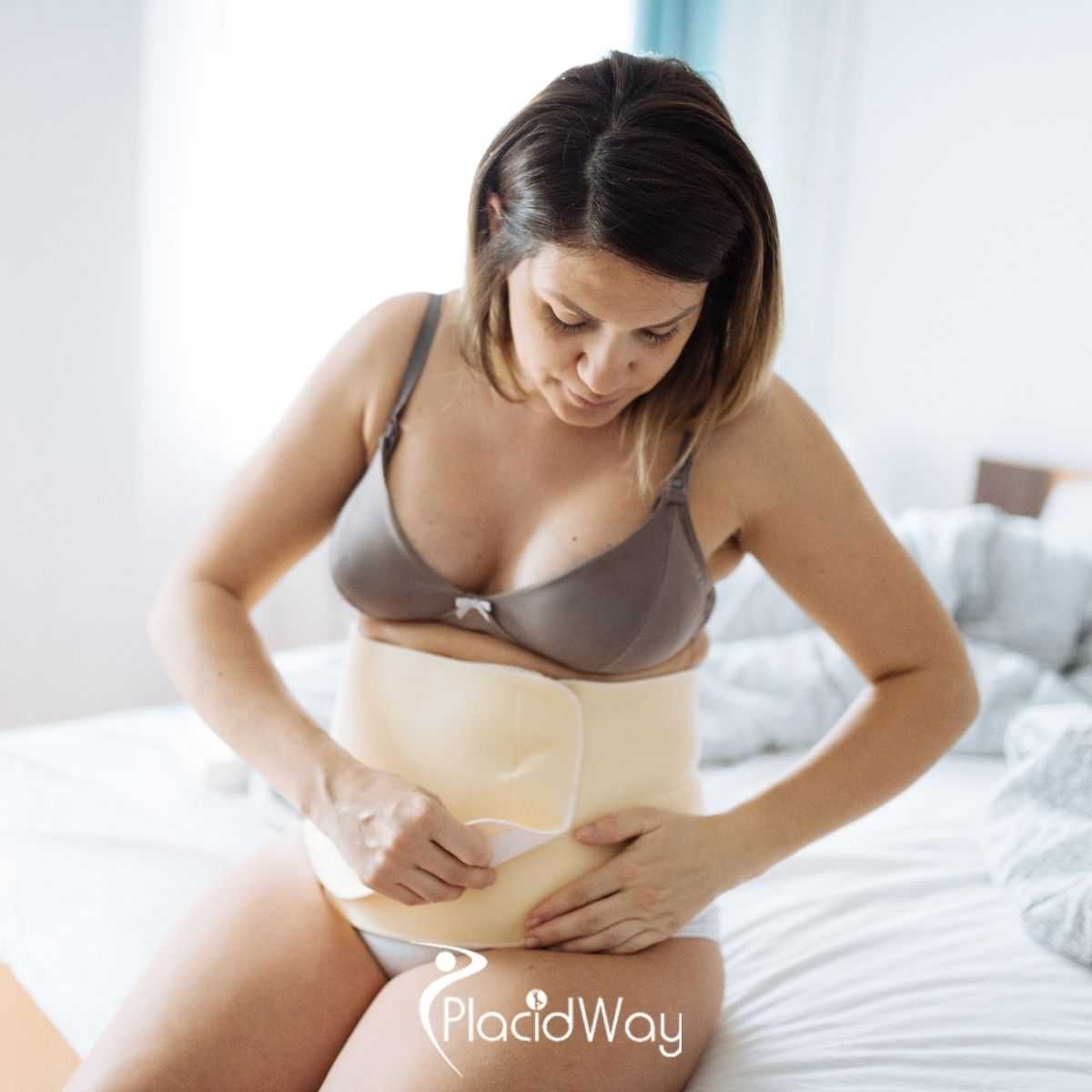
The recovery phase is just as critical as the surgery itself. When you wake up, your abdomen will be wrapped in bandages and a compression garment (faja). You will likely have surgical drains inserted near the incision to prevent fluid buildup (seroma). Most patients stay one to two nights in the clinic or hospital under 24/7 nursing care before moving to a specialized recovery boutique in Tijuana for several days.
Pain is typically managed with prescribed medication. You will not be able to stand completely straight for the first week due to the tightness of the muscle repair and skin removal. You must follow your surgeon's specific timeline for walking, showering, and eventually returning home.
| Timeframe | Patient Sensation | Activity Level | Action Required |
|---|---|---|---|
| Days 1–3 | Significant tightness, soreness, and grogginess. | Strict bed rest, sleeping at a 45-degree angle. Short walks to the bathroom. | Take prescribed pain meds. Keep compression garment on 24/7. Empty drains as instructed. |
| Days 4–7 | Pain transitions to dull aching. Swelling peaks. | Light walking around the room to prevent blood clots. Still walking bent over. | Surgeon will evaluate drains for removal. Prepare for travel back home. |
| Weeks 2–4 | Twinges of nerve pain as tissue heals. Itching near the incision. | Can stand upright. Return to desk jobs. No lifting over 5-10 lbs. | Continue wearing faja. Begin scar care protocols. Attend virtual check-ins. |
| Weeks 6+ | Swelling subsides significantly. Incision begins to fade from red to pink. | Cleared for most exercise, including light core workouts. | Maintain stable weight. Protect scar from sun exposure. |
Potential Risks and Complications of Tummy Tuck Surgery
No surgical procedure is entirely risk-free. While choosing a board-certified surgeon in a COFEPRIS-licensed facility dramatically reduces your risks, you must be aware of potential clinical complications. Tummy tucks involve large incisions and significant tissue manipulation, which places stress on the body's vascular and healing systems.
The most severe immediate risk is a Deep Vein Thrombosis (DVT), which is a blood clot that can travel to the lungs. This risk is elevated due to the travel involved in medical tourism. Surgeons mitigate this by prescribing blood thinners post-operatively, using compression boots during surgery, and encouraging early walking. Other complications include infection, hematoma (blood pooling), seroma (fluid pooling), and delayed wound healing—particularly along the center of the incision where blood supply is weakest.
???? Key Takeaway: Emergency Preparedness
Before paying your deposit, ask your clinic for their exact written protocol on managing post-operative emergencies. Ensure they have access to an Intensive Care Unit (ICU) and inquire about purchasing medical tourism complications insurance, which can cover the costs of extended stays or revision surgeries if an adverse event occurs.
Success Rates and Clinical Outcomes for Tummy Tuck
When performed by a qualified specialist, the clinical outcomes for abdominoplasty are highly favorable. Modern surgical techniques, such as the use of progressive tension sutures, have significantly reduced complication rates like seromas and minimized the tension on the outer skin closure, leading to thinner, more aesthetically pleasing scars.
Clinical registries tracking patient outcomes from 2024 to 2026 indicate a sustained upward trend in successful recoveries and post-bariatric body contouring volumes. Advancements in enhanced recovery after surgery (ERAS) protocols—which include opioid-sparing pain management and targeted preoperative nutrition—have drastically improved the patient experience. The graph below highlights the documented index of post-bariatric body contouring case volumes over recent years, reflecting the growing safety, normalization, and demand for these restorative procedures globally.
Global Post-Bariatric Body Contouring Patient Volume Index (2024-2026 Trends)
Source: 2024-2026 Documented Body Contouring Procedural Growth Reports.
Combined Procedures with Tummy Tuck in Tijuana, Mexico
Many patients elect to combine their tummy tuck with other cosmetic procedures to maximize their trip and achieve a more comprehensive physical transformation. Combining surgeries means you only undergo general anesthesia once and share a single recovery period. However, it also extends the surgical time, which can moderately increase the risk of complications.
The most common combination is the "Mommy Makeover," which pairs abdominoplasty with breast procedures (such as a lift, augmentation, or reduction). Another highly popular addition is Liposuction 360, which removes stubborn fat from the back, flanks, and upper abdomen to contour the waistline before the skin is pulled tight. Your surgeon will calculate your operative time and blood loss risk to determine if combining treatments is clinically safe for your specific body.
Frequently Asked Questions About Tummy Tuck in Tijuana, Mexico
Making an informed decision requires thorough research. Below are answers to common concerns patients have regarding safety, longevity, and expectations for abdominoplasty abroad.
Is it safe to get a tummy tuck in Tijuana, Mexico?
It is generally safe when you carefully select a board-certified plastic surgeon and a COFEPRIS-licensed medical facility. Medical tourism risks decrease significantly when patients avoid budget clinics, follow all pre-operative guidelines, and ensure their chosen hospital has standard emergency protocols in place.
How long do tummy tuck results last?
The surgical removal of skin and fat cells is permanent, and the muscle repair is long-lasting. However, the overall aesthetic results depend on your lifestyle. Significant weight gain, weight loss, or future pregnancies can stretch the remaining skin and undo the muscle plication.
How long should I stay in Tijuana after my surgery?
Surgeons typically recommend staying in Tijuana for 7 to 10 days post-surgery. This allows the medical team to monitor your initial healing, manage your pain safely, and properly remove your surgical drains before you undertake the physical stress of traveling home.
Will I have a visible scar after a tummy tuck?
Yes, an abdominoplasty will leave a permanent scar. A skilled surgeon carefully places the incision low on the abdomen so that it can typically be hidden beneath underwear or a bikini bottom. Over the course of 12 to 18 months, the scar usually fades from red or purple to a thin, lighter line.
Can I finance my tummy tuck in Mexico?
Yes, many established clinics in Tijuana accept financing through third-party medical credit companies such as CareCredit or specialized medical tourism lenders. Always verify directly with your chosen clinic regarding their accepted payment methods and financing partners.
What is a drainless tummy tuck, and is it available in Tijuana?
A drainless tummy tuck uses advanced suturing techniques (progressive tension sutures) to tack the skin down to the underlying muscle, eliminating the dead space where fluid normally collects. Many advanced surgeons in Tijuana offer this technique, though it depends on your specific anatomy and surgical plan.
Does a tummy tuck remove stretch marks?
A tummy tuck only removes stretch marks that are located on the skin being excised—typically the skin between the belly button and the pubic area. Stretch marks on the upper abdomen or flanks will remain, though they may appear flatter as the skin is pulled downward.
When can I return to work after surgery?
If you have a desk job, you may be able to return to work within 2 to 3 weeks. If your job involves physical labor, heavy lifting, or prolonged standing, your surgeon may recommend waiting 4 to 6 weeks to ensure the muscle repair is not compromised.
What happens if there is a language barrier?
Reputable medical tourism clinics in Tijuana cater heavily to American and Canadian patients. The lead surgeons, anesthesiologists, and patient coordinators are typically fluent in English. Additionally, many hospitals provide dedicated bilingual patient concierges to assist you throughout your stay.
Can a tummy tuck fix a hernia?
In many cases, yes. A plastic surgeon can often repair an umbilical or ventral hernia during the same operation as your muscle repair (diastasis recti). You must inform your surgeon about any known hernias during your consultation so they can plan the procedure accordingly.
Ready to Take the Next Step?
Navigating international healthcare options can feel daunting. PlacidWay can help you compare vetted providers, understand your treatment costs, and connect directly with board-certified surgeons in Tijuana to evaluate your options safely.
Request Free InformationDisclaimer: This information is for educational purposes only and does not replace professional medical advice. Always consult a qualified healthcare provider before making medical decisions. Procedure outcomes, recovery times, and costs vary significantly based on individual patient health, surgical complexity, and chosen medical facility.
References
- Tummy Tuck Safety Guidelines – American Society of Plastic Surgeons (ASPS)
- Abdominoplasty International Patient Guide – International Society of Aesthetic Plastic Surgery (ISAPS)
- Official Registry of Board-Certified Plastic Surgeons – Consejo Mexicano de Cirugía Plástica, Estética y Reconstructiva (CMCPER)
- Travelers' Health: Medical Tourism in Mexico – Centers for Disease Control and Prevention (CDC)
- Clinical Outcomes and Complication Rates in Abdominoplasty – National Institutes of Health (NIH) / PubMed Central
- Sanitary Registries and Medical Facility Licensing – Federal Commission for the Protection against Sanitary Risk (COFEPRIS)
- Surgical Patient Education: Tummy Tuck – American College of Surgeons (ACS)





















Share this listing