
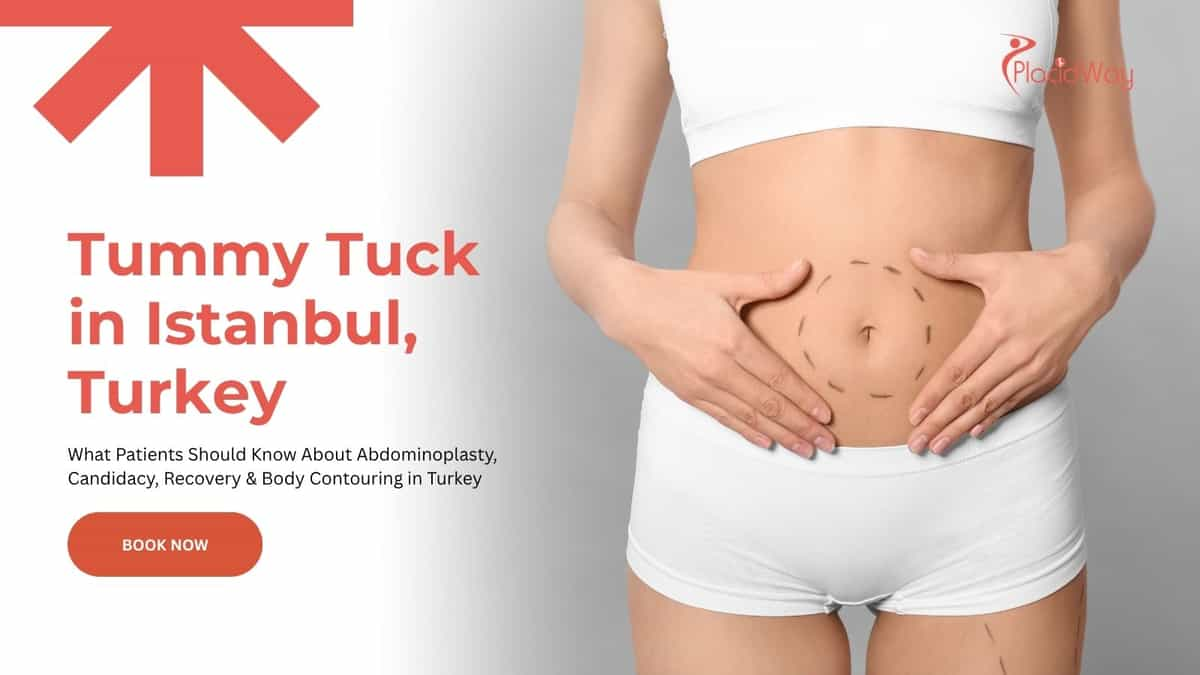
Living with excess abdominal skin or separated muscles after pregnancy or significant weight loss can deeply affect your comfort and self-confidence. You deserve to feel comfortable in your own body, which is why thousands of patients look toward a tummy tuck in Istanbul, Turkey, where treatment typically costs between $3,000 and $4,500. When making this important healthcare decision, evaluating clinics that hold a Health Tourism Authorization Certificate from the Turkish Ministry of Health and surgeons registered with the Turkish Society of Plastic Reconstructive and Aesthetic Surgeons (TSPRAS) ensures you receive highly regulated, expert care.
Quick Answer Summary Box
- Estimated Cost: Typically ranges from $3,000 to $4,500 USD, often including accommodation and local transfers.
- Ideal Candidate: Individuals near their ideal body weight experiencing loose abdominal skin, stubborn fat, or weakened abdominal muscles (diastasis recti).
- Safety & Certifications: Look for the Ministry of Health Authorization Certificate and surgeon membership in TSPRAS or the Turkish Medical Association (TTB).
- Primary Reason for Travel: Access to highly experienced, board-certified plastic surgeons at significantly lower costs compared to the US or UK healthcare systems.
- Average Recovery Time: Expect 2 to 3 weeks of initial downtime, with a gradual return to strenuous activities after 6 to 8 weeks.
- Important Caution: A tummy tuck is a major surgical procedure; smoking severely impacts healing, and nicotine use must be stopped at least 4 to 6 weeks before surgery.
Why International Patients Choose Istanbul, Turkey for Tummy Tuck
Deciding to undergo major cosmetic surgery is a deeply personal choice. Many patients struggle with the frustration of physical discomfort and clothing that no longer fits comfortably. When exploring options to restore their abdominal contour, patients frequently discover that the cost of domestic healthcare makes surgery financially inaccessible.
Istanbul has emerged as a globally recognized hub for aesthetic medicine. The combination of rigorous medical training, state-of-the-art surgical facilities, and a supportive hospitality infrastructure provides a highly compelling option for international patients.
Primary Reasons for Traveling to Istanbul:
- Cost Accessibility: Treatments are often 50% to 60% more affordable than in the United States or the United Kingdom.
- Surgeon Expertise: Turkish plastic surgeons perform a high volume of complex contouring surgeries annually.
- All-Inclusive Care: Clinics routinely bundle airport transfers, hotel stays, and bilingual coordinators into transparent packages.
- Advanced Techniques: Facilities frequently utilize modern surgical technology to minimize scarring and optimize recovery.
- Strict Regulation: The government actively monitors clinics treating foreign patients to maintain high national safety standards.
Patient Demographics and Travel Trends for Tummy Tuck in Turkey
Understanding who travels for body contouring procedures helps contextualize the medical tourism landscape. Based on 2024 healthcare reports and global aesthetic registries, abdominoplasty remains one of the top five procedures sought by cross-border patients.
Patients primarily originate from the United Kingdom, Germany, the United States, and the Middle East. The motivations vary largely by age group. Younger demographics often seek restorative surgery following multiple pregnancies, while older age brackets frequently pursue surgery after significant weight loss or bariatric intervention.
Demographics of International Patients Seeking Abdominoplasty in Turkey (Age Groups, 2024 Data)
The substantial volume of patients in the 35 to 50 age range directly correlates with the demand for post-pregnancy abdominal restoration. Female patients represent approximately 96% of the demographic for this specific intervention, reflecting strong continuous demand for specialized maternal aesthetic recovery.
Outbound Medical Tourism Growth for Plastic Surgery in Turkey (2024–2026 Projections)
Understanding the Tummy Tuck Procedure in Istanbul, Turkey
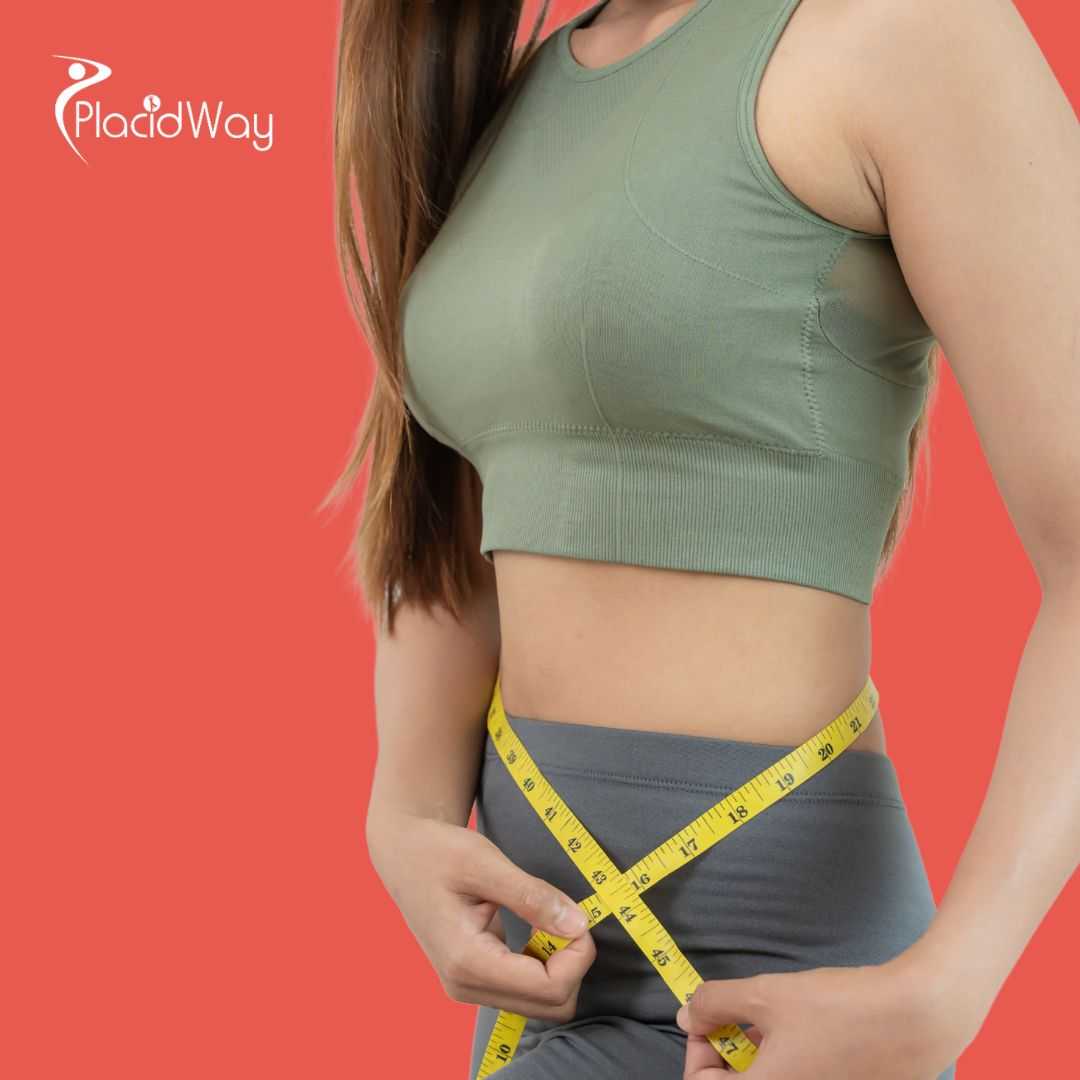
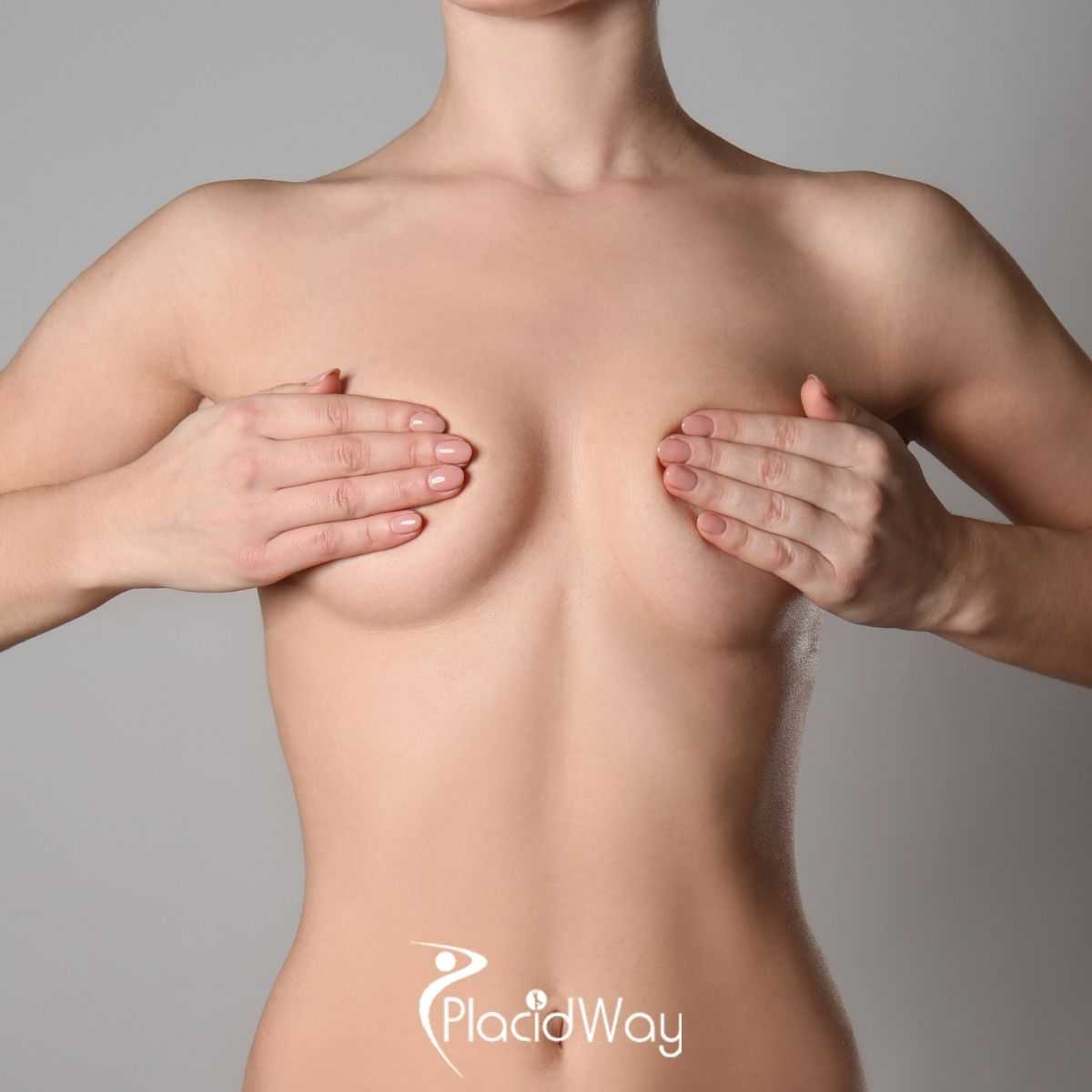
Abdominoplasty, commonly referred to as a tummy tuck, is a surgical procedure designed to flatten the abdomen. The treatment removes extra fat and skin while tightening the muscles of the abdominal wall. It is essential to understand that this is not a weight-loss surgery, but rather a contouring procedure aimed at tissue that does not respond to diet or exercise.
When you undergo this procedure, your surgeon addresses multiple anatomical layers. The structural integrity of the abdomen is restored, which can also alleviate physical symptoms such as lower back pain caused by weakened core muscles.
| Anatomical Area | Surgical Action | Clinical Benefit |
|---|---|---|
| Subcutaneous Fat | Direct excision or localized liposuction. | Reduces tissue bulk and improves waist contour. |
| Dermal Tissue (Skin) | Removal of inelastic, stretched skin below the navel. | Eliminates sagging and smooths the abdominal surface. |
| Rectus Abdominis Muscle | Suturing separated muscles together (plication). | Restores core strength and creates a firmer abdominal wall. |
| Umbilicus (Belly Button) | Repositioning and reshaping through a new skin opening. | Maintains natural anatomy and proportion on a tightened abdomen. |
Ideal Candidates for Abdominoplasty in Istanbul, Turkey
Not everyone seeking a flatter stomach is medically suited for this operation. Your surgeon will carefully evaluate your medical history during your initial consultation. The best outcomes typically occur in patients who have realistic expectations and maintain a stable lifestyle.
If you are planning future pregnancies or are actively trying to lose a significant amount of weight, your doctor may recommend postponing the surgery. Expanding the abdomen again can reverse the surgical improvements made to your muscles and skin.
Favorable Candidate Traits
- Stable body weight for at least 6 months.
- Non-smoker, or willing to quit weeks in advance.
- Good general cardiovascular health.
- Excess, drooping skin localized to the abdomen.
- Diastasis recti (muscle separation).
Contraindications & Cautions
- Uncontrolled diabetes or severe heart conditions.
- Active nicotine use (significantly increases necrosis risk).
- Body Mass Index (BMI) exceeding safe surgical limits (often >30 or 35).
- Plans for future pregnancies.
- History of severe blood clotting disorders.
Types of Tummy Tuck Surgeries Available in Turkey
Because no two bodies are identical, surgeons in Istanbul offer various surgical techniques tailored to your specific anatomy. The extent of correction required dictates the length of the incision and the complexity of the procedure.
During your surgical planning phase, your plastic surgeon will assess the elasticity of your skin and the location of your excess fat. Based on your diagnosis, they will recommend the safest and most effective approach.
| Procedure Type | Incision Style | Best Suited For |
|---|---|---|
| Full Tummy Tuck | Hip-to-hip horizontally, plus an incision around the navel. | Patients with significant laxity above and below the belly button, and severe muscle separation. |
| Mini Tummy Tuck | Shorter horizontal incision; no navel repositioning. | Patients with minor skin sagging strictly below the belly button. |
| Extended Tummy Tuck | Incision extends around the flanks to the lower back. | Massive weight loss patients needing contouring on the abdomen and hips/flanks. |
| Fleur-de-Lis | Standard horizontal incision plus a vertical incision down the center. | Post-bariatric patients with extreme vertical and horizontal skin laxity. |
Step-by-Step Surgical Process for Tummy Tuck in Istanbul, Turkey
Knowing what to expect can significantly reduce preoperative anxiety. Traveling abroad for healthcare requires structured coordination between you, your chosen clinic, and your medical team. Reliable facilities utilize a highly organized clinical pathway to ensure your safety from arrival to departure.
The typical medical journey spans approximately 7 to 10 days in the country. This timeline allows your surgeon to closely monitor your initial healing and remove surgical drains before you board a flight home.
The Standard Treatment Timeline
- Day 1: Arrival & Consultation
You arrive in the city. You meet with your surgeon for physical markings, blood tests, and an anesthesia evaluation. - Day 2: Surgery Day
Under general anesthesia, the surgery is performed (lasting 2 to 4 hours). You will stay overnight in the hospital under 24/7 nursing care. - Day 3-4: Initial Hospital Recovery
Pain management is administered. Once stable and walking briefly, you are discharged to your hotel with a compression garment. - Day 5-7: Hotel Rest & Check-ups
You rest at the hotel. You will return to the clinic for follow-up appointments to check incisions and manage surgical drains. - Day 8-10: Final Clearance & Departure
Drains are typically removed. The surgeon issues a fitness-to-fly certificate, and you travel safely back home.
Estimating the Cost of Tummy Tuck in Istanbul, Turkey
The financial advantage is a primary motivator for patients choosing treatment abroad. However, it is crucial to look past advertised prices and understand what is actually included in a medical quote. Prices vary based on the complexity of your anatomy, the technique required, and the specific credentials of your operating surgeon.
Many high-quality providers offer all-inclusive packages. These typically cover the surgical fee, operating room costs, anesthesia, compression garments, hospital stay, local transfers, and several nights of hotel accommodation. Airfare is generally excluded.
| Country | Estimated Cost Range (USD) | What is Typically Included? |
|---|---|---|
| United States | $8,000 – $15,000+ | Procedure only. Anesthesia, OR fees, and aftercare often billed separately. |
| United Kingdom | $7,500 – $12,000+ | Standard inpatient surgery. Aftercare included, no travel logistics. |
| Turkey (Istanbul) | $3,000 – $4,500 | All-inclusive packages (Surgery, OR, anesthesia, hotel, transfers, garments). |
Choosing the Right Clinic and Hospital in Istanbul, Turkey
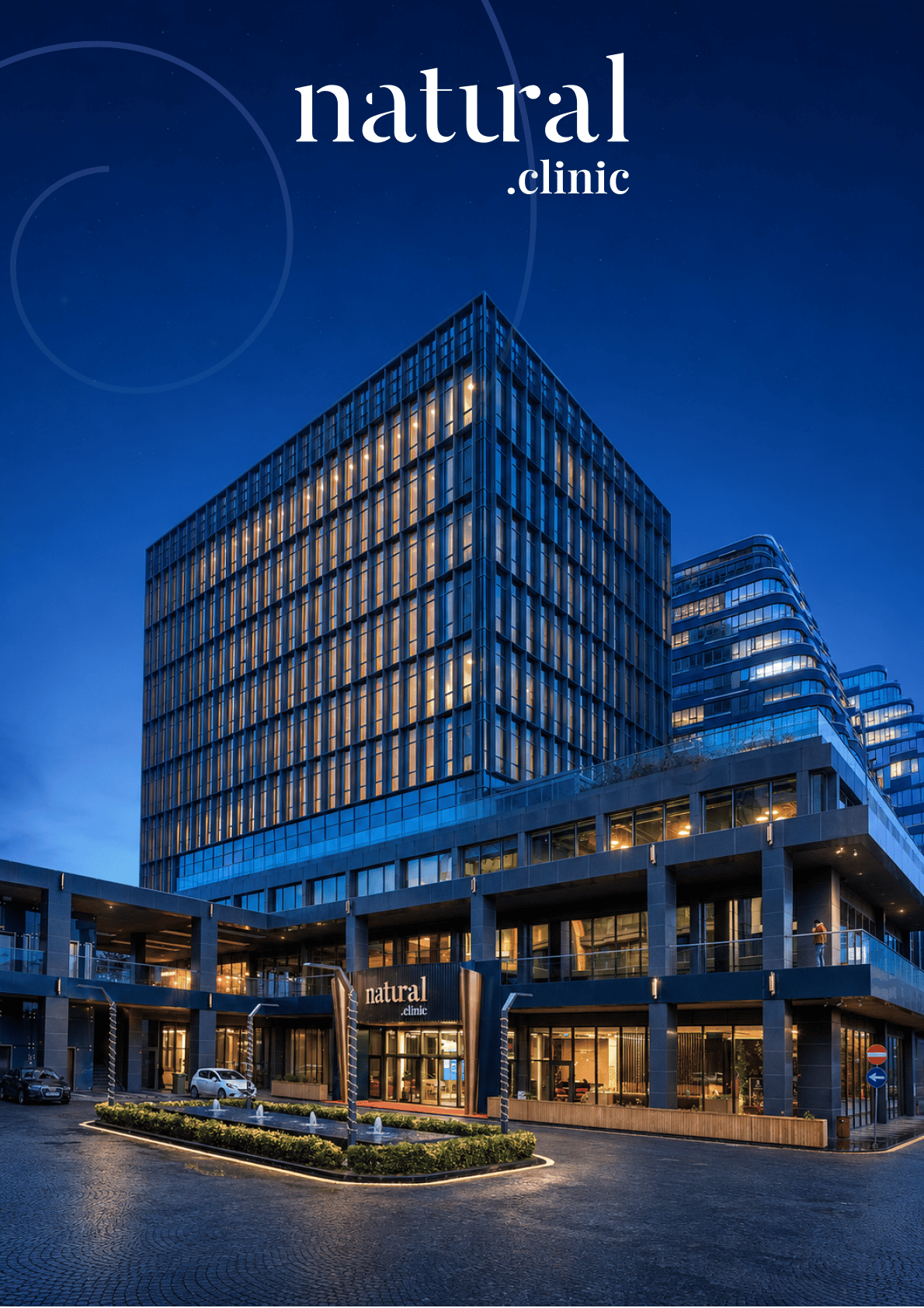
Patient safety should dictate where you undergo surgery. Not all facilities are equipped to handle complex body contouring procedures or potential medical emergencies. You must verify that the infrastructure of the clinic meets rigorous national and international standards.
The Turkish healthcare system is highly regulated. Identifying legitimate, high-quality institutions requires looking for specific governmental and independent quality markers rather than relying solely on social media marketing.
Facility Vetting Checklist
- Ministry of Health License: The hospital must hold a valid license from the Turkish Ministry of Health, specifically granting permission to treat international medical tourists (Health Tourism Authorization Certificate).
- Intensive Care Unit (ICU): Ensure the facility has an on-site ICU. While rarely needed for aesthetic surgery, immediate access is critical for unexpected surgical complications.
- National Hospital Accreditation: Look for compliance with Turkish national hospital standards or TS-EN ISO 9001 Quality Management Systems.
- International Accreditation (Optional but strong): Joint Commission International (JCI) accreditation is held by several top-tier hospitals in Istanbul, signifying adherence to rigorous global safety protocols.
Selecting a Qualified Plastic Surgeon in Istanbul, Turkey
The outcome of your surgery depends primarily on the skill, experience, and ethical standards of your plastic surgeon. Aesthetic procedures demand deep anatomical knowledge and an artistic eye. Because the medical tourism market is competitive, distinguishing a highly qualified specialist from a general practitioner is vital.
You should confirm that your doctor holds specific board certifications in plastic surgery, rather than general surgery or dermatology. Validating these credentials protects you from substandard care.
Credentials to Verify:
- Turkish Medical Association (TTB): The doctor must be a registered member.
- TSPRAS Membership: The surgeon should be a member of the Turkish Society of Plastic Reconstructive and Aesthetic Surgeons. This ensures they have completed formal plastic surgery residency training.
- EBOPRAS Certification: Many elite surgeons also hold certification from the European Board of Plastic Reconstructive and Aesthetic Surgery, aligning their skills with broader European standards.
- Procedure Volume: Ask how many abdominoplasty procedures the surgeon performs annually. High-volume specialists typically manage complex anatomies more effectively.
Medical Regulations and Patient Safety in Turkey
Turkey has structured its healthcare regulations to protect both domestic and international patients. The national government recognizes the economic and reputational importance of medical tourism and enforces stringent operational protocols.
The Ministry of Health frequently audits licensed healthcare providers. Patients are protected under Turkish medical laws, which mandate informed consent, proper translation of medical documents, and the right to transparent communication regarding surgical risks. Reputable clinics will present you with detailed consent forms translated into your native language prior to administering anesthesia.
Risks, Complications, and Management for Abdominoplasty
Like any major invasive procedure, a tummy tuck carries inherent clinical risks. Understanding these complications empowers you to adhere strictly to your surgeon's preoperative and postoperative instructions, thereby mitigating potential harm.
Your doctor will review these risks during consultation. The likelihood of complications increases significantly if you have uncontrolled health conditions or if you use tobacco products.
| Potential Risk | Clinical Description | Prevention & Management |
|---|---|---|
| Seroma | Fluid accumulation under the skin causing swelling and pressure. | Surgical drains are placed temporarily. Compression garments reduce fluid buildup. |
| Wound Infection | Bacterial growth at the incision site leading to redness and fever. | Prophylactic antibiotics are given. Strict hygiene and wound care are required. |
| Skin Necrosis | Tissue death due to compromised blood supply, often linked to smoking. | Absolute cessation of nicotine 4-6 weeks prior. Careful surgical technique. |
| Deep Vein Thrombosis (DVT) | Blood clots forming in the legs due to prolonged immobility. | Early walking post-surgery, compression stockings, and blood thinners if indicated. |
Recovery Timeline After Tummy Tuck in Istanbul, Turkey
Healing is a biological process that requires patience and strict adherence to medical advice. Your body needs time to resolve inflammation, fuse tissues, and regenerate blood supply. You will experience tightness and moderate discomfort during the initial phases.
Wearing the prescribed abdominal binder is mandatory, as it controls swelling and supports your newly tightened contours. You must avoid strenuous lifting to protect the internal muscle repairs.
| Timeframe | Patient Sensation | Activity Level | Required Action |
|---|---|---|---|
| Week 1 | Tightness, moderate pain, fatigue. | Resting at a slight angle. Short, slow walks inside. | Manage drains. Take prescribed pain medication. Keep compression garment on. |
| Weeks 2-3 | Swelling persists. Bruising fades. Numbness near incision. | Gradually walking upright. Light desk work may resume. | Travel home. Avoid lifting anything over 5 lbs. Continue garment use. |
| Weeks 4-6 | Energy returns. Tightness reduces significantly. | Most daily activities resume. Light cardio allowed. | Avoid core-straining exercises. Monitor scar healing. |
| Months 3-6 | Swelling mostly resolved. Scar begins to lighten. | Full return to exercise and heavy lifting. | Apply scar management gels. Maintain stable weight. |
Combining Tummy Tuck with Other Procedures in Turkey
Many international patients optimize their travel by undergoing combined surgeries. The most common combination is the "Mommy Makeover," which typically pairs abdominoplasty with breast contouring (lifting, augmentation, or reduction).
Liposuction is also frequently performed alongside a tummy tuck to sculpt the flanks and hips. While combining treatments can be more cost-effective and consolidate recovery time, it also extends the duration of anesthesia and increases surgical trauma. Your surgeon will calculate your operative risk to determine if combining procedures is safe for your specific physiology.
Travel and Visa Guide for Your Tummy Tuck in Istanbul, Turkey
Preparing for medical travel involves logistical planning beyond the clinic. Istanbul is serviced by two major international airports (Istanbul Airport - IST, and Sabiha Gökçen - SAW), offering direct flights from most global hubs.
Depending on your nationality, you may need an e-Visa to enter the country. It is highly recommended to arrange your visa well in advance. When packing, bring loose-fitting clothing, slip-on shoes, and a travel pillow to make your return flight more comfortable, as sitting upright for extended periods may strain your abdomen.
Frequently Asked Questions About Tummy Tuck in Istanbul, Turkey
Addressing specific concerns helps you make an informed decision. Below are answers to common questions patients ask when researching body contouring in this destination.
How long do I need to stay in Istanbul for a tummy tuck?
You typically need to stay for 7 to 10 days. This allows the surgeon to perform the operation, monitor your initial recovery, remove surgical drains, and safely clear you for air travel.
Will I have visible scars after a tummy tuck?
Yes, scarring is unavoidable. However, skilled plastic surgeons place the horizontal incision low on the abdomen so it can be concealed by most underwear or bikini bottoms. Scars typically fade from red to pale white over 12 to 18 months.
Is it safe to fly after abdominal surgery?
Flying is generally safe once your surgeon issues a fitness-to-fly certificate, usually a week after surgery. You should stay hydrated, take short walks in the cabin, and wear compression stockings to minimize the risk of blood clots.
Can I get pregnant after a tummy tuck?
Yes, it is physically possible to get pregnant. However, doctors strongly advise waiting until your family is complete before undergoing the procedure, as a new pregnancy will stretch the repaired muscles and skin, compromising the surgical results.
Do clinics in Turkey speak English?
Reputable clinics catering to international patients employ fluent English-speaking surgeons and provide dedicated bilingual patient coordinators who assist you throughout your medical journey.
What is a drainless tummy tuck?
A drainless tummy tuck uses advanced suturing techniques (progressive tension sutures) to close the empty space under the skin, minimizing fluid buildup. Your surgeon will decide if your anatomy allows for this technique.
How painful is the recovery?
Pain is most noticeable during the first 3 to 4 days and is typically managed effectively with prescribed oral medication. The sensation is often described as deep muscle soreness, similar to an intense core workout.
Are consultations conducted online or in person?
Most clinics offer a preliminary online consultation based on photographs and medical history. However, a comprehensive physical examination is always conducted in person upon your arrival before any surgery takes place.
How much weight will I lose from this procedure?
A tummy tuck is not a weight-loss tool. While a few pounds of excess skin and fat are removed, the primary goal is structural contouring. You should be near your goal weight before surgery.
What happens if I experience complications after returning home?
Before selecting a clinic, inquire about their revision policy and aftercare program. Reputable providers offer ongoing virtual follow-ups. In medical emergencies, you must seek immediate care from your local healthcare provider.
Need Help Planning Your Treatment?
Navigating international healthcare can feel complex. PlacidWay can help you compare certified providers, understand exact treatment costs, and connect with top-rated plastic surgeons in Istanbul.
Request Information NowDisclaimer: This information is for educational purposes only and does not replace professional medical advice. Always consult a qualified healthcare provider before making medical decisions.
References
- ISAPS Global Survey 2024: Global Statistics on Aesthetic Procedures – International Society of Aesthetic Plastic Surgery
- Health Tourism in Turkey 2024 Reports – USHA? (Turkish Ministry of Health)
- Tummy Tuck (Abdominoplasty) Overview – American Society of Plastic Surgeons
- Tummy Tuck: About the Procedure and Risks – Mayo Clinic
- Abdominoplasty Clinical Data and Techniques – StatPearls (NCBI/NIH)
- Cosmetic Surgery: Tummy Tuck Guidelines – National Health Service (NHS UK)
- Patient Safety and Surgeon Credentials – Turkish Society of Plastic Reconstructive and Aesthetic Surgeons (TSPRAS)















Share this listing