


The Complete Guide to Vagina Aesthetic Procedures and Female Intimate Health
The conversation surrounding female intimate health has undergone a massive transformation over the past decade. Today, discussing a vagina aesthetic is no longer considered a taboo subject but rather an empowering dialogue about women's bodily autonomy, comfort, and confidence. Modern medicine has evolved to offer tailored solutions that address both cosmetic desires and functional discomforts.
Whether you are experiencing physical irritation during physical activities, seeking to restore your pre-pregnancy anatomical structure, or simply looking to improve your personal confidence, cosmetic gynecology provides safe and effective pathways. Watch to discover the revolutionary advancements in intimate aesthetic procedures, detailing the exact differences between surgical options like labiaplasty and cutting-edge non-surgical vaginal rejuvenation techniques.
Video Chapters & Quick Navigation
Understanding Vagina Aesthetics and Female Anatomy
When discussing female intimate health, it is vital to recognize that vulvar and vaginal anatomies are as unique as fingerprints. There is no single universal standard for how female genitalia should look, feel, or function. However, the pursuit of a specific vagina aesthetic is a highly personal journey driven by a desire for enhanced comfort, self-esteem, or functional improvement.
Historically, women have silently endured physical discomfort caused by elongated labia, such as chafing during exercise or pain while wearing tight clothing. As detailed at in the video, the aesthetic and functional aspects of the female anatomy are deeply intertwined. A procedure intended to alter the aesthetic appearance often yields life-changing functional benefits.
The modern approach to intimate aesthetics emphasizes patient education and empowerment. Medical professionals now provide comprehensive consultations to ensure that any chosen procedure aligns perfectly with the patient's unique anatomical baseline and personal lifestyle goals. It is about taking ownership of one's body and making informed decisions without external pressure.
The Unprecedented Rise of Cosmetic Gynecology
Cosmetic gynecology is currently one of the fastest-growing sectors in the global aesthetic medicine market. Over the past few years, the demand for vaginal rejuvenation surgery and non-invasive intimate treatments has skyrocketed. This surge is not merely a passing trend; it reflects a profound shift in how women prioritize their holistic well-being.
One of the primary catalysts for this rise is the destigmatization of female sexual health. Women are talking openly about the physical changes brought on by childbirth, hormonal fluctuations, and natural aging. As noted at , issues like vaginal laxity, stress urinary incontinence, and aesthetic dissatisfaction are now viewed as treatable medical conditions rather than inevitable life sentences.
Furthermore, the widespread availability of high-quality medical information has empowered patients to seek out specialized care. Women are no longer settling for generalized advice; they are actively researching high-volume long-tail topics such as the long-term benefits of labiaplasty and the effectiveness of laser vaginal tightening. This proactive mindset has fundamentally reshaped the landscape of female healthcare.
Comprehensive Guide to Surgical Vaginal Procedures
For patients seeking permanent, structural changes to their intimate anatomy, surgical interventions remain the gold standard. These procedures are performed by highly trained board-certified plastic surgeons or specialized cosmetic gynecologists. They require precise surgical techniques to ensure optimal aesthetic outcomes while preserving delicate nerve endings and sensory functions.
The Labiaplasty Procedure
Labiaplasty is arguably the most recognized surgical procedure within the realm of cosmetic gynecology. It involves the surgical alteration of the labia minora (the inner lips) or the labia majora (the outer lips). The primary objective is usually to reduce the size or correct asymmetry, preventing the inner labia from protruding beyond the outer labia.
Surgeons typically employ one of two main techniques: the edge trim method or the wedge resection method. The edge trim method involves removing the outer darker edges of the labia, creating a streamlined look. The wedge resection, mentioned at , removes a V-shaped piece of tissue from the thickest part of the labia, preserving the natural edge and resulting in a virtually undetectable surgical alteration.
Vaginoplasty for Muscular Restoration
Vaginoplasty, often referred to as vaginal tightening surgery, is specifically designed to repair and tighten the vaginal canal and the pelvic floor muscles. This procedure is incredibly popular among post-partum women who have experienced significant stretching or tearing during vaginal childbirth. Over time, weakened vaginal muscles can lead to decreased sexual sensation and pelvic floor dysfunction.
During a vaginoplasty, the surgeon removes excess vaginal mucosal lining and tightens the underlying muscles using dissolvable sutures. The result is a narrower vaginal canal that closely mimics the anatomical tightness present before childbirth. This structural restoration significantly enhances friction during intimacy, leading to improved sexual satisfaction for both partners.
Clitoral Hood Reduction and Monsplasty
Often performed in conjunction with a labiaplasty, a clitoral hood reduction removes excess skin folds surrounding the clitoris. This not only creates a more balanced, aesthetically pleasing vulvar appearance but also exposes the clitoris more directly, which can dramatically enhance sexual stimulation and sensitivity.
Monsplasty, on the other hand, targets the mons pubis—the fatty mound of tissue situated above the pubic bone. Through a combination of liposuction and surgical excision, a monsplasty reduces bulging and lifts sagging skin. This procedure is frequently sought after by patients who have experienced significant weight loss or natural aging.
| Procedure Type | Primary Objective | Average Recovery Time |
|---|---|---|
| Labiaplasty | Reduce size and correct asymmetry of the labia minora/majora. | 4 to 6 weeks for full recovery. |
| Vaginoplasty | Tighten the vaginal canal and repair separated pelvic floor muscles. | 6 to 8 weeks before resuming intimacy. |
| Monsplasty | Reduce fatty tissue and lift sagging skin above the pubic bone. | 3 to 5 weeks for swelling to subside. |
| Clitoral Hood Reduction | Remove excess tissue covering the clitoris to improve aesthetics and sensation. | 4 to 6 weeks for complete healing. |
Exploring Non-Surgical Vaginal Rejuvenation Options
Not all patients are willing or able to undergo invasive surgical procedures. Fortunately, the realm of non-surgical vaginal rejuvenation has seen explosive technological advancements in recent years. These minimally invasive therapies offer zero downtime, minimal discomfort, and highly effective results for mild to moderate intimate concerns.
Fractional CO2 Laser Therapy
Laser treatments, such as the MonaLisa Touch or FemiLift, utilize fractional CO2 technology to deliver controlled thermal energy directly into the vaginal mucosal tissue. This targeted micro-trauma stimulates the body's natural healing response, triggering massive collagen and elastin production.
As highlighted at , laser therapy is particularly beneficial for menopausal women suffering from vaginal atrophy, dryness, and painful intercourse. The newly generated collagen restores the vaginal wall's thickness, elasticity, and natural lubrication, providing profound relief without a single incision.
Radiofrequency (RF) Treatments
Radiofrequency devices, like ThermiVa or Viveve, operate on a similar principle of thermal collagen stimulation but use RF energy instead of lasers. RF energy penetrates deeper into the subdermal layers of the vaginal tissue. This deep heating mechanism is exceptional for treating mild vaginal laxity and stress urinary incontinence.
Patients typically undergo a series of three relatively painless sessions spaced a few weeks apart. Because there is no ablation or cutting of the skin, patients can literally receive an RF treatment during their lunch break and immediately return to normal physical activities, including sexual intercourse.
Injectable Therapies: The O-Shot and Hyaluronic Acid
Platelet-Rich Plasma (PRP) therapy, commonly branded as the O-Shot, involves drawing a small amount of the patient's blood, isolating the growth factors, and injecting them into the clitoris and upper vaginal wall. This stimulates rapid cellular regeneration, increases blood flow, and dramatically enhances sexual arousal and orgasmic function.
Additionally, specialized hyaluronic acid dermal fillers can be injected directly into the labia majora. This acts to plump up deflated, aging labial tissue, instantly restoring a youthful, hydrated aesthetic to the outer vulva without the need for surgical fat grafting.
Physical and Psychological Benefits of Intimate Aesthetics
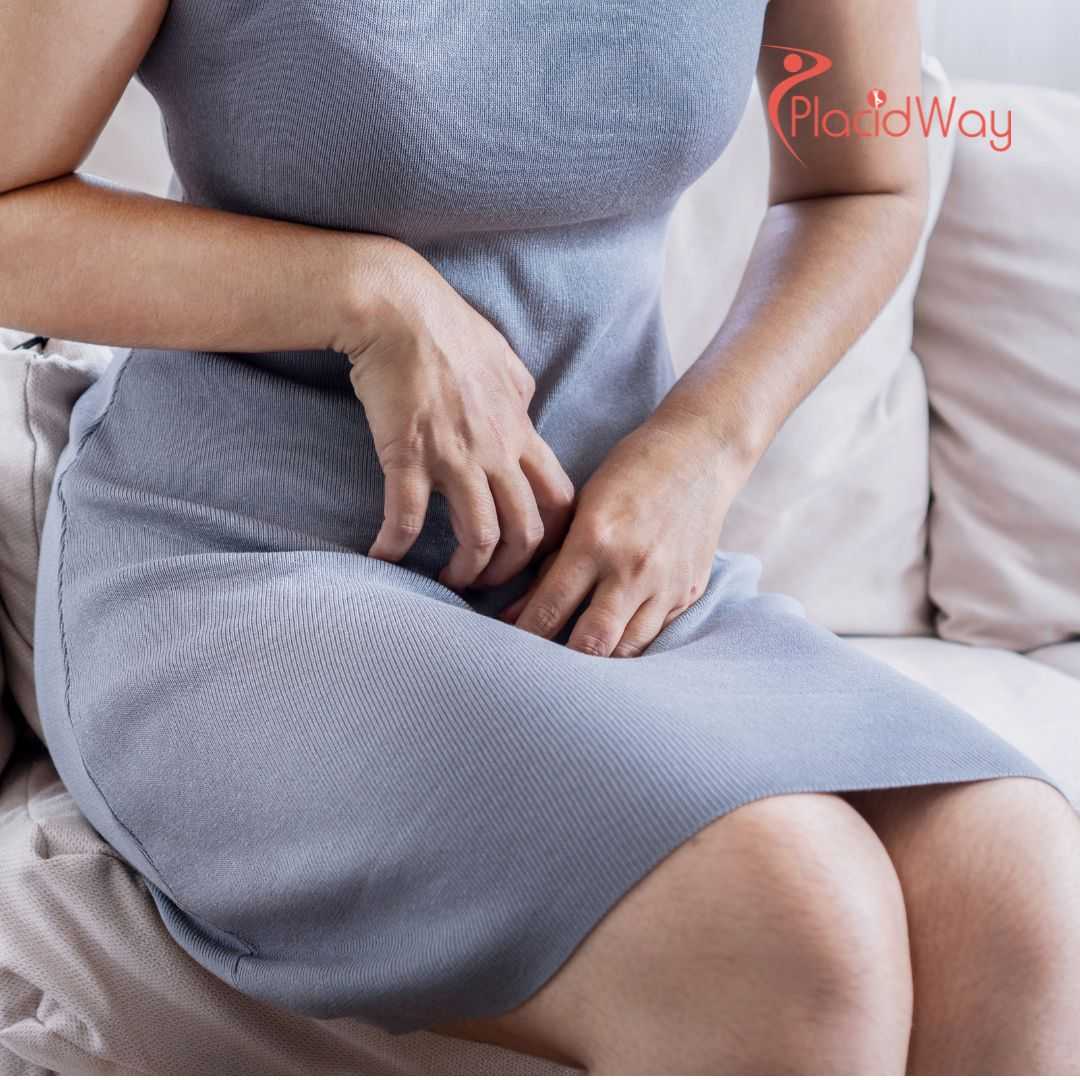
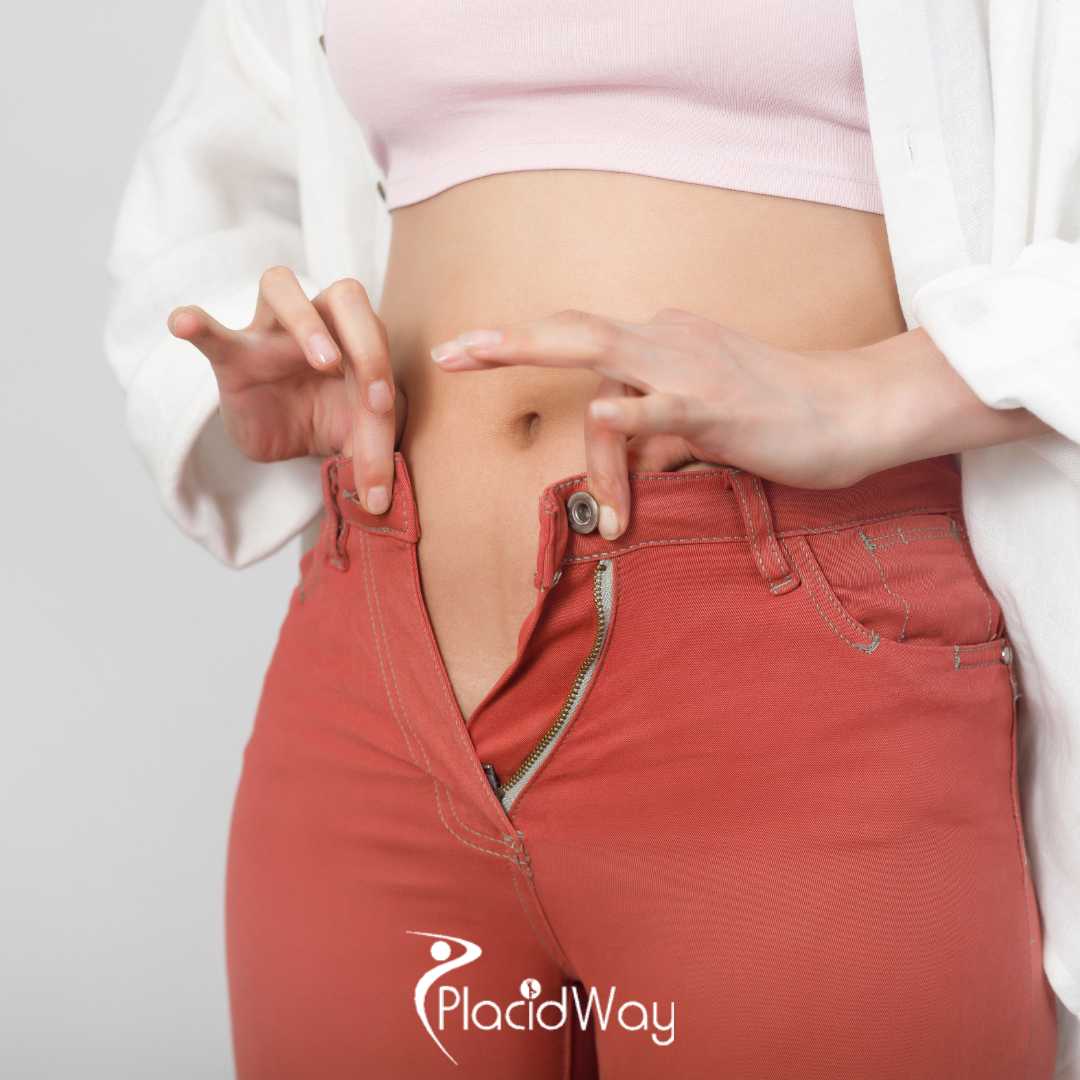
The decision to pursue a vagina aesthetic transformation is rarely based on vanity alone. For a vast majority of patients, the physical benefits of these procedures act as the primary motivating factor. Enlarged or asymmetrical labia can cause significant friction, making simple activities like cycling, running, or even wearing yoga pants incredibly painful.
By correcting these anatomical irregularities, patients experience immediate relief from chronic physical irritation and recurring skin infections. As discussed at , resolving these physical constraints allows women to reclaim active, healthy lifestyles that they previously avoided due to embarrassment or localized pain.
Equally important are the profound psychological benefits. Intimate physical insecurities can deeply impact a woman's sexual confidence, leading to anxiety, avoidance of intimacy, and strained romantic relationships. Achieving a desired aesthetic outcome effectively eliminates this mental burden, fostering a renewed sense of self-worth, body positivity, and uninhibited sexual expression.
- Eradication of Physical Discomfort: Stops painful chafing, pulling, and twisting of labial tissue during sports and daily movement.
- Enhanced Wardrobe Freedom: Allows patients to comfortably wear tight-fitting clothing, swimwear, and athletic gear without self-consciousness.
- Improved Sexual Function: Restores muscular tightness and exposes nerve endings, directly increasing intimate friction and sensation.
- Relief from Incontinence: Strengthens the anterior vaginal wall, significantly reducing instances of stress urinary incontinence caused by sneezing or coughing.
The Complete Recovery Timeline for Vaginal Surgery
Understanding the post-operative recovery process is crucial for achieving the best possible cosmetic and functional results. While non-surgical options boast zero downtime, surgical interventions like labiaplasty or vaginoplasty require a dedicated healing period. Proper aftercare significantly minimizes the risk of complications and ensures smooth, imperceptible scarring.
During the first 24 to 48 hours post-surgery, patients can expect localized swelling, mild bruising, and moderate discomfort. Surgeons strictly advise applying ice packs to the perineal area continuously, taking prescribed anti-inflammatory medications, and resting in a reclined position to reduce pelvic pressure. Detailed at , hygiene during this initial phase relies heavily on the use of a peri-bottle with warm water rather than abrasive wiping.
As the first week progresses, the swelling will peak and then begin to gradually subside. Most patients feel comfortable returning to desk jobs and light daily activities within 5 to 7 days. However, it is absolutely critical to avoid any heavy lifting, strenuous cardio workouts, or activities that cause friction in the pelvic region for at least four weeks.
The final phase of recovery stretches from weeks four to six. By this point, the dissolvable sutures will have completely disappeared, and the delicate tissue will have fused. Surgeons typically clear patients to resume using tampons, taking submerged baths, and re-engaging in sexual intercourse by the sixth week, though full residual swelling may take up to three months to entirely resolve.
Selecting a Board-Certified Specialist for Female Intimate Surgery
The success of any intimate aesthetic procedure relies almost entirely on the skill, experience, and artistic eye of the operating surgeon. Because the vulvovaginal area contains a dense network of nerves and highly vascular tissue, it is not a region suitable for inexperienced practitioners. Selecting the right specialist is the single most important decision a patient will make.
Patients should exclusively seek out board-certified plastic surgeons or board-certified gynecologists who have completed dedicated, advanced fellowship training in cosmetic gynecology. These specific credentials guarantee that the surgeon possesses a profound understanding of both aesthetic harmony and intricate pelvic floor functionality. Do not hesitate to ask prospective surgeons about the frequency with which they perform these specific procedures.
During the consultation phase, it is essential to request extensive before-and-after portfolios of previous patients. This provides clear insight into the surgeon's aesthetic style and their ability to achieve natural-looking, symmetrical results. A reputable surgeon will listen attentively to your goals, conduct a thorough physical examination, and openly discuss both the potential risks and realistic outcomes of the surgery.
Cost Factors and the Rise of Medical Tourism
The financial investment required for vagina aesthetic procedures can vary wildly depending on geographic location, the surgeon's expertise, and the complexity of the chosen surgical technique. Because these procedures are overwhelmingly classified as elective cosmetic surgeries, they are rarely covered by standard health insurance policies, leaving patients to bear the total out-of-pocket expenses.
In major medical hubs across North America and Western Europe, a comprehensive labiaplasty or vaginoplasty can easily cost between $6,000 and $12,000. This steep price barrier has driven a massive surge in medical tourism for cosmetic gynecology. Patients are increasingly looking beyond their borders to access world-class surgical care at a fraction of domestic costs.
Countries with highly regulated, technologically advanced private medical sectors are attracting thousands of international patients annually. By utilizing global medical facilitation platforms, patients can secure all-inclusive surgical packages that encompass the procedure, hospital fees, luxury recovery accommodations, and personalized VIP concierge services, all while saving up to 60% on the total treatment cost.
Ready to Transform Your Intimate Health and Confidence?
Navigating the world of cosmetic gynecology can be overwhelming. PlacidWay Medical Tourism connects you directly with globally accredited, board-certified specialists who offer world-class vagina aesthetic procedures. Secure exceptional care, absolute privacy, and highly competitive pricing.
REQUEST YOUR FREE CONSULTATION TODAY














Share this listing