
If you are considering a facelift to restore youthful facial contours, traveling to Istanbul offers a compelling blend of experienced surgeons and accessible medical care. Navigating international healthcare can feel challenging, especially when weighing treatment costs against your primary concern: surgical safety. This guide walks you through realistic pricing expectations, specific Turkish Ministry of Health credentials to verify, and practical steps to ensure you choose a qualified specialist for your facial rejuvenation journey.
Quick Answer Summary
- Estimated Cost: Typically ranges from $3,500 to $6,500 USD, depending on the surgical technique and clinic inclusions.
- Safety Overview: Healthcare is strictly regulated; prioritize facilities licensed by the Turkish Ministry of Health.
- Ideal Candidate: Healthy non-smokers seeking to address moderate to severe lower facial sagging, jowls, or loose neck skin.
- Recovery Time: Plan to stay in Turkey for 10 to 14 days for initial healing and follow-up care before flying home.
- Why Choose Istanbul: Access to highly specialized facial surgeons, comprehensive care packages, and modern, regulated hospitals.
- Credentials to Verify: Look for plastic surgeons certified by the Turkish Society of Plastic Reconstructive and Aesthetic Surgeons (TSPRAS) or the European Board of Plastic Reconstructive and Aesthetic Surgery (EBOPRAS).
Understanding Facelift Surgery in Istanbul
A facelift, medically known as a rhytidectomy, addresses visible signs of aging in the face and neck. Over time, factors like gravity, sun exposure, and natural tissue laxity cause skin to sag and deep folds to form. This surgical intervention repositions underlying tissues, removes excess skin, and restores a firmer facial profile. International patients often look to Istanbul to undergo this procedure because the city hosts a mature medical tourism infrastructure equipped to support complex aesthetic surgeries.
Choosing to travel abroad for facial surgery requires thoughtful consideration. You are entrusting your appearance and health to a foreign healthcare system, which makes thorough research vital. Patients traveling to Turkey generally seek a balance between surgical expertise and comprehensive care packages that manage their logistical needs. Understanding what the procedure entails and what local regulations protect you is the first step in making an informed decision.
Primary Reasons Patients Travel for This Procedure
- Access to surgeons performing a high annual volume of facial rejuvenation procedures.
- Comprehensive treatment plans that bundle airport transfers, accommodation, and hospital fees.
- Availability of modern clinical facilities approved by national health authorities.
- Shorter wait times for elective aesthetic surgeries compared to national healthcare systems.
- The ability to recover privately away from social and professional obligations at home.
Types of Facelift Procedures Available in Turkey
Not all facial aging is treated with the same surgical approach. Your plastic surgeon will evaluate your facial anatomy, skin elasticity, and aesthetic goals to recommend a specific technique. Istanbul clinics generally offer a spectrum of facelift options, ranging from less invasive methods to comprehensive structural repositioning.
Understanding these variations helps you have a more productive consultation with your chosen surgeon. Each technique carries distinct recovery timelines, risks, and longevity of results.
| Procedure Type | Primary Focus Area | Surgical Approach | Typical Candidate |
|---|---|---|---|
| Mini Facelift | Lower face and mild jowls | Shorter incisions, minimal tissue disruption | Younger patients with early signs of aging |
| SMAS Facelift | Mid-to-lower face and neck | Lifts and tightens the Superficial Musculoaponeurotic System layer | Patients with moderate sagging and deep nasolabial folds |
| Deep Plane Facelift | Entire face, midface volume | Releases ligaments to lift muscle and fat pads as a single unit | Patients needing significant rejuvenation and natural contouring |
| Neck Lift (Platysmaplasty) | Neck and jawline | Tightens neck muscles and removes excess fat/skin | Patients with pronounced "turkey neck" or prominent neck bands |
Patient Demographics and Medical Travel Trends
The profile of patients traveling to Turkey for facial aesthetic surgery has evolved. Documented 2024 healthcare travel patterns indicate a steady influx of patients primarily from the United Kingdom, the United States, Germany, and the Middle East. Many of these patients face high out-of-pocket costs for elective surgeries in their home countries or experience long waiting periods for consultations with specialized plastic surgeons.
Age plays a significant role in treatment seeking behavior. The majority of patients pursuing comprehensive facial rejuvenation fall within the 45 to 64 age bracket, reflecting the natural timeline of facial tissue laxity. The graph below illustrates the age distribution of medical travelers pursuing rhytidectomy procedures in Turkey, based on 2024 demographic indicators from national medical tourism registries.
Age Distribution of Facelift Patients in Turkey (2024 Data)
Why International Patients Choose Istanbul for Facelifts
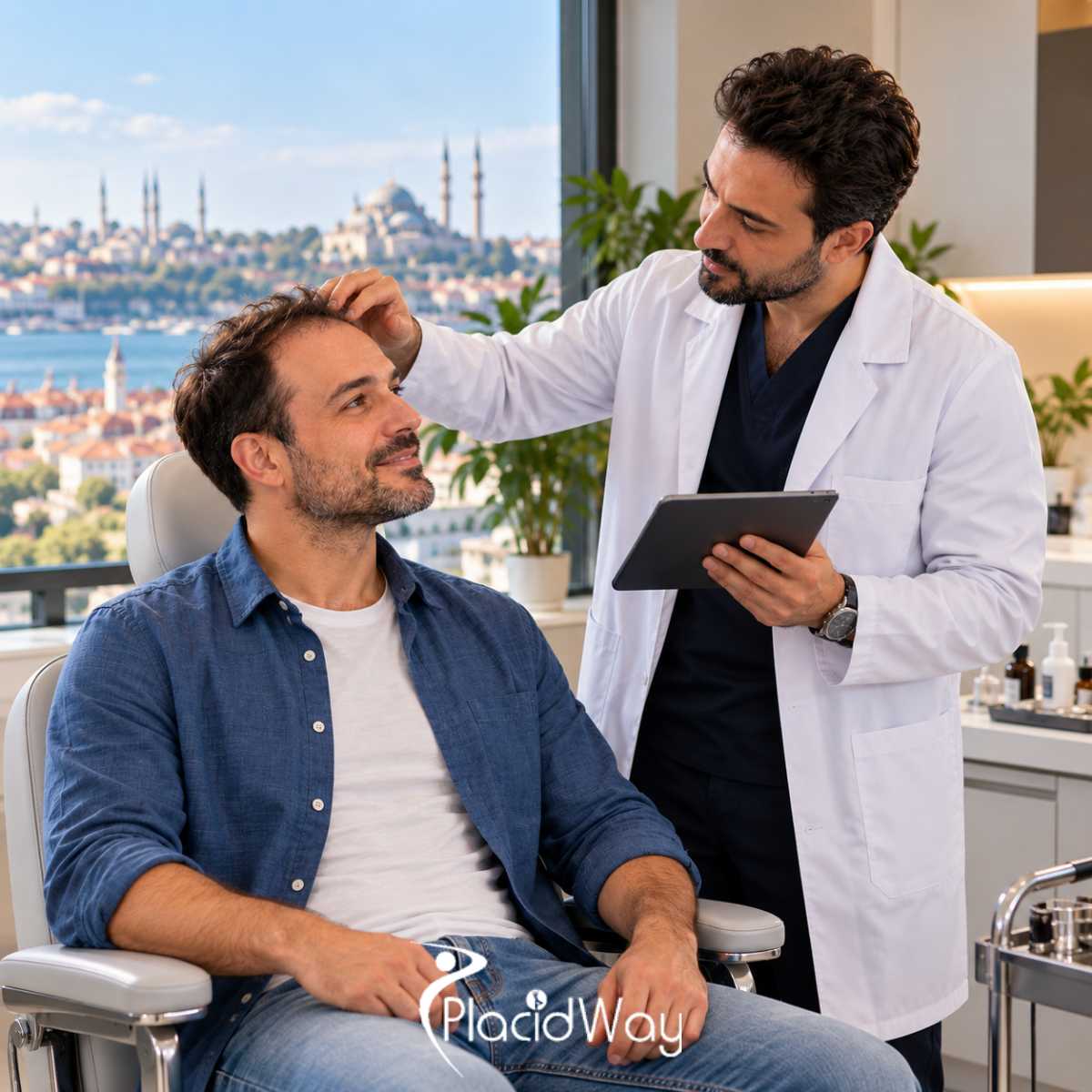
Beyond geographical convenience for European and Middle Eastern travelers, Istanbul has developed a focused medical tourism ecosystem. The city integrates clinical care with hospitality, streamlining the experience for patients arriving from abroad. Many hospitals maintain dedicated international patient departments featuring multilingual coordinators to bridge communication gaps between patients and medical staff.
Additionally, surgical volume plays a critical role in surgical proficiency. Because Istanbul receives a high number of local and international aesthetic patients, many plastic surgeons here perform facelifts frequently. High case volumes often correlate with refined surgical techniques and efficient management of potential postoperative complications.
Clinical Advantages
Access to internationally trained surgeons and facilities equipped with modern intensive care units (ICUs) for enhanced safety during general anesthesia.
Logistical Support
Clinics typically provide structured aftercare, including scheduled postoperative hotel visits by nursing staff to monitor drain removal and wound healing.
Evaluating the Cost of a Facelift in Istanbul
Financial accessibility remains a dominant factor for patients seeking care abroad. When researching the cost of treatment, it is essential to distinguish between the isolated surgical fee and an all-inclusive package. In the United States or the United Kingdom, quotes often separate the surgeon’s fee, anesthesia, facility costs, and follow-up appointments. In Turkey, clinics frequently bundle these into a single package price.
Pricing varies significantly based on the procedure's complexity. A mini facelift requires less surgical time than a deep plane facelift combined with a neck lift, altering the final cost. Your personal diagnosis and anatomical needs ultimately dictate the price your doctor recommends.
| Country | Estimated Cost Range (USD) | Typical Inclusions |
|---|---|---|
| United States | $12,000 - $25,000+ | Surgery only (Facility and anesthesia often billed separately) |
| United Kingdom | $10,000 - $18,000+ | Surgery, anesthesia, facility fee |
| Istanbul, Turkey | $3,500 - $6,500+ | Surgery, anesthesia, hospital stay, hotel, transfers, aftercare |
Cost Warning: Be cautious of quotes that seem uncharacteristically low. Extremely low prices may indicate compromised facility standards, hidden fees for anesthesia, or operations performed by non-certified practitioners. Always request an itemized written quote prior to travel.
How to Choose a Safe Hospital for Your Facelift
Your safety during a complex surgical procedure depends heavily on the clinical environment. In Turkey, healthcare facilities must operate under the strict regulations of the Ministry of Health (Sa?l?k Bakanl???). When reviewing potential treatment centers, prioritize hospitals and surgical clinics that openly display their national licensing information.
While many reputable independent clinics exist, major surgeries involving general anesthesia are safest when performed in fully equipped hospitals. These facilities have emergency protocols in place and feature on-site Intensive Care Units (ICUs) should unexpected complications arise.
Hospital Vetting Checklist
- Verify the facility holds a current license from the Turkish Ministry of Health.
- Check if the hospital possesses a Health Tourism Authorization Certificate, required to legally treat international patients.
- Ask if the facility holds international accreditations like Joint Commission International (JCI), which serves as an additional, though not strictly mandatory, indicator of quality.
- Ensure the facility has an on-site ICU and dedicated anesthesiology team.
- Confirm the availability of an in-house interpreter to ensure clear medical communication.
Verifying Your Plastic Surgeon's Credentials in Turkey
The skill of your surgeon is the single most critical variable in achieving a safe and satisfactory outcome. Not all medical doctors are qualified to perform intricate facial surgeries. In Turkey, legitimate plastic surgeons undergo rigorous specialized training, similar to board certification in Western countries.
Do not rely solely on social media portfolios or before-and-after photographs, as these can be misleading. Instead, verify the surgeon's professional registrations and specialized medical memberships.
Essential Surgeon Credentials to Request
- National Registration: The surgeon must be registered with the Turkish Medical Association (Türk Tabipleri Birli?i - TTB).
- Specialist Certification: Look for membership in the Turkish Society of Plastic Reconstructive and Aesthetic Surgeons (TSPRAS). This confirms they are a recognized specialist, not just a general practitioner.
- International Recognition: Many elite surgeons in Istanbul also hold certification from the European Board of Plastic Reconstructive and Aesthetic Surgery (EBOPRAS) or international society memberships (e.g., ISAPS).
The Facelift Recovery Timeline and What to Expect
Recovery from facial surgery requires patience and strict adherence to your surgeon's aftercare instructions. Swelling, bruising, and a feeling of tightness are standard clinical responses to tissue repositioning. While you may feel presentable to the public within a few weeks, deep tissue healing and final scar maturation take several months.
Recent clinical observations highlight the predictable trajectory of postoperative swelling. By understanding this timeline, patients can set realistic expectations and avoid unnecessary anxiety during the early healing phases.
Clinical Timeline of Visible Swelling Reduction (2024 Observational Data)
| Timeframe | Biological Process | Patient Sensation | Activity Level | Action Required |
|---|---|---|---|---|
| Days 1-3 | Acute inflammatory phase | Maximum swelling, tightness, mild to moderate pain | Strict bed rest, head elevated | Wear compression garment; take prescribed medication |
| Days 4-7 | Fluid reabsorption begins | Bruising shifts colors; itching around incisions | Light indoor walking | Attend clinic for drain and initial suture removal |
| Weeks 2-3 | Surface healing closes wounds | Residual numbness; minor visible swelling | Return to light daily tasks | Protect scars from sun exposure; massage if directed |
| Months 3-6 | Deep tissue remodeling | Sensation slowly returns; scars fade | Normal activity; strenuous exercise permitted | Maintain regular virtual follow-ups with your surgeon |
Potential Risks and How Turkish Clinics Manage Them
No surgical procedure is entirely risk-free. A facelift involves maneuvering delicate tissues near major facial nerves and blood vessels. Potential complications include hematoma (blood pooling beneath the skin), infection, adverse reactions to anesthesia, poor wound healing, and temporary or permanent facial nerve injury. Patients who smoke are at a significantly higher risk for skin necrosis and delayed healing.
Reputable clinics in Istanbul mitigate these risks through extensive preoperative blood panels, cardiac evaluations, and strict adherence to hygiene protocols. Your doctor may recommend specific surgical drains or specialized compression wrappings to prevent fluid buildup.
Emergency Warning Signs: If you experience sudden, asymmetrical swelling on one side of your face, severe unmanageable pain, shortness of breath, or a high fever during your recovery in Turkey, contact your clinic's 24/7 emergency support line immediately. These may be signs of a hematoma or infection requiring prompt clinical intervention.
Preparing for Your Medical Trip to Istanbul
Successful surgery relies heavily on proper preparation. Organizing medical travel involves coordinating health optimizations with logistical bookings. Your body needs to be in peak condition to handle general anesthesia and the demands of wound healing.
It is vital that you cease smoking and the use of all nicotine products at least four to six weeks prior to surgery. Nicotine constricts blood vessels, drastically increasing the risk of serious complications. Your surgeon will also provide a list of medications and supplements to avoid, such as aspirin or certain vitamins, which can increase bleeding risks.
Travel Planning Timeline
Frequently Asked Questions About Facelifts in Turkey
Patients researching their treatment options often share similar concerns regarding surgical techniques, international travel, and expected outcomes. Below are answers to common questions regarding facial plastic surgery in Istanbul.
How long do I need to stay in Istanbul for a facelift?
You typically need to remain in Istanbul for 10 to 14 days. This timeframe allows your surgical team to monitor your initial healing, remove surgical drains, and safely take out stitches before you are cleared to fly home.
Is it safe to fly after facial surgery?
Flying is generally safe once you are cleared by your surgeon, usually around 10 days post-operation. However, cabin pressure changes can cause temporary increased swelling. Your doctor may recommend wearing compression garments and moving frequently during the flight to prevent blood clots.
Are the results of a facelift permanent?
No aesthetic procedure stops the natural aging process entirely. While a facelift turns back the clock by repositioning tissues, your face will continue to age naturally from its new baseline. Results typically last between 7 to 15 years depending on the technique used, your genetics, and lifestyle factors like sun protection.
What is the difference between a SMAS and a Deep Plane facelift?
A SMAS facelift lifts the muscle layer just beneath the skin, making it suitable for moderate aging. A Deep Plane facelift goes beneath this layer, releasing ligaments to lift the muscle and fat pads as one cohesive unit, often resulting in a more natural look and addressing midface drooping more effectively.
Will I have visible scars after my surgery in Turkey?
Scarring is unavoidable with any surgery, but skilled plastic surgeons strategically place incisions within the hairline and in the natural creases around and behind the ears. Over time, these scars typically fade significantly and become very difficult to detect.
Can a facelift be combined with other procedures?
Yes, it is very common. Your doctor may recommend combining a facelift with an eyelid lift (blepharoplasty), brow lift, or fat grafting to achieve balanced facial rejuvenation. Combining surgeries requires careful evaluation of your fitness for extended anesthesia time.
What happens if I experience complications after returning home?
Before leaving Istanbul, ask your clinic about their complication management protocol. Reputable clinics offer long-term virtual follow-ups. However, in the event of an acute medical emergency at home, you must seek immediate care from a local hospital or specialist.
How do I communicate with medical staff if I don't speak Turkish?
Clinics catering to international patients typically provide dedicated patient coordinators who are fluent in English and other major languages. These interpreters accompany you to all consultations, ensuring clear medical communication with your surgeon and nurses.
Is a facelift painful?
The procedure is performed under general anesthesia, so you will feel no pain during surgery. Postoperatively, patients usually experience a tight, uncomfortable sensation rather than severe pain. This discomfort is typically well-managed with prescribed oral pain medication during the first few days.
Who is not a good candidate for this surgery?
Individuals with severe unmanaged medical conditions (like uncontrolled diabetes or severe heart disease), active smokers who cannot quit, and patients with unrealistic expectations regarding surgical outcomes are generally not suitable candidates for elective facial surgery.
Take the Next Step in Your Journey
Navigating international medical travel requires careful planning. PlacidWay can help you compare certified providers in Istanbul, understand detailed treatment costs, review doctor credentials, and ask the right questions before making your decision.
Request Clinic InformationDisclaimer: This information is for educational purposes only and does not replace professional medical advice. Always consult a qualified healthcare provider before making medical decisions.
References
- Facelift Surgery Overview and Safety – American Society of Plastic Surgeons (ASPS)
- Global Survey on Aesthetic/Cosmetic Procedures – International Society of Aesthetic Plastic Surgery (ISAPS)
- Health Tourism Regulations and Licensing – Republic of Turkey Ministry of Health
- Face-lift: Risks, Preparation, and Recovery – Mayo Clinic
- Evaluation of SMAS vs. Deep Plane Facelift Techniques – National Center for Biotechnology Information (NCBI)
- Guidance on Traveling Abroad for Medical Treatment – National Health Service (NHS UK)
- Professional Specialist Registration and Board Information – Turkish Society of Plastic Reconstructive and Aesthetic Surgeons (TSPRAS)





















Share this listing