
The cost ladder · Before the deposit
“Which doctor is doing it?”
Dan had his bank card beside his laptop. He had found an Istanbul hair-transplant package within his budget, lined up annual leave and checked flights from Manchester. The offer mentioned a hotel, transfers and a graft number that sounded generous. His brother, glancing at the confirmation screen, asked a smaller question: which clinician would examine Dan and perform the operation?
Dan scrolled through the messages. They described an experienced team and showed a package price, but did not name the doctor, say who would make the recipient-site incisions or explain who would extract and place grafts. His brother suggested asking before paying. Dan paused the deposit and sent one message requesting a written clinical plan.
Dan and his brother are composite characters, and the exchange is illustrative rather than a quotation from a real patient. The point is not that a low price signals poor care. It is that a package description cannot replace a clinician-led assessment or a clear account of who does what.
The cost ladder · The price you can see
A good-looking package is only the first figure
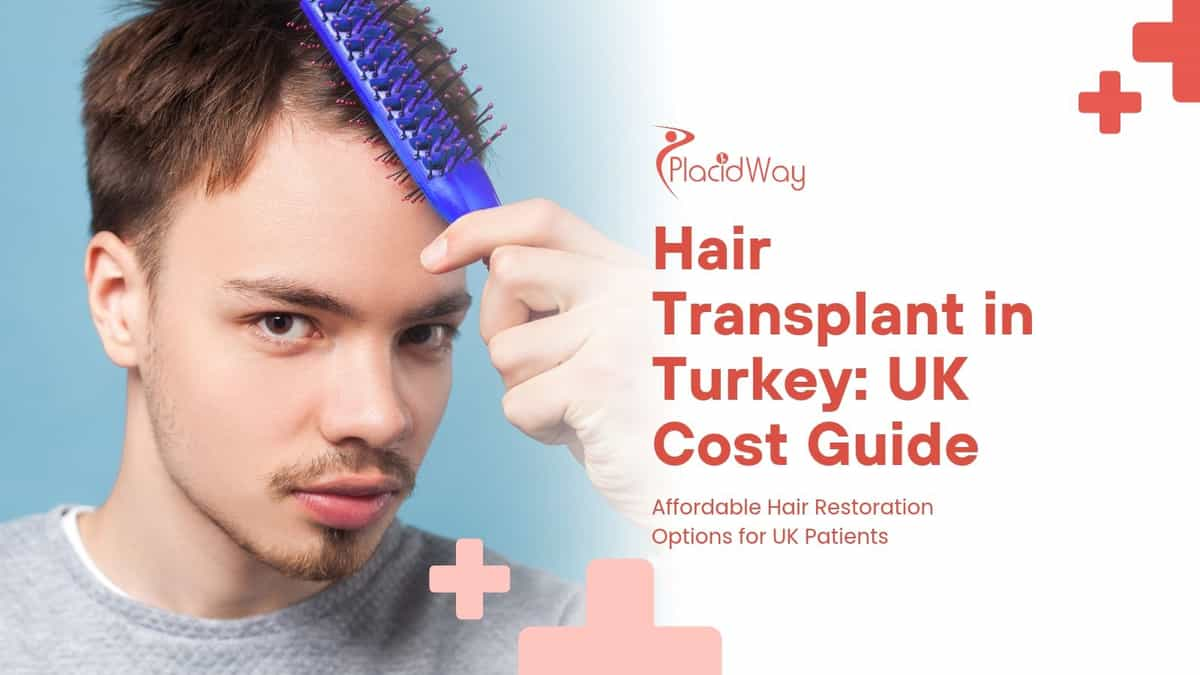
For a man in the UK paying privately, the appeal is understandable. Hair transplantation for hereditary hair loss is generally a cosmetic procedure, so NHS funding is unusual. A trip to Istanbul may bring the quoted treatment price within reach even after flights and time away from work. Package arrangements can also make planning easier when they spell out the hotel, local transport, medicines and first checks.
Approximate Istanbul FUE or package prices run from $1,500–$5,000. Many offers include the procedure, local transfers, medication, initial aftercare and two or three hotel nights. Flights are usually excluded. A UK private FUE or FUT treatment baseline is approximately $3,800–$15,000. These are broad USD estimates, not like-for-like quotations. Exchange rates, graft requirements, technique, clinician involvement and inclusions all affect the amount you will actually pay.
If you budget in pounds, ask for the quote in the currency you will be charged, check your card provider’s conversion and foreign-transaction fees, and keep room for the return flight and unexpected changes to your stay. A headline package converted into pounds on a search page may not equal the amount on your card statement.
The first avoidable cost
Paying before the clinical details are written down can make it harder to compare offers or change your plans without losing money.
A deposit is not inherently a problem. The timing is. Before paying, you should know what service you are reserving, which parts are subject to a clinician’s assessment, and what happens to the deposit if that assessment changes the plan.
The cost ladder · What the quote leaves open
Read the blank spaces, not just the total
A package message often arrives before a full medical assessment. Photos can help a clinic start a conversation, but lighting, hair length and camera angle limit what they show. An in-person assessment may change the appropriate graft count, donor-area plan or even whether surgery is advisable. That is why a preliminary quote should say what remains provisional.
Illustrative quote review · Not a real clinic document
Ask for the clinic’s legal name and treatment address as well as the responsible clinician’s identity. Check professional credentials through an appropriate official register where possible, and ask the provider to explain its authorisation to treat international patients. Membership of a professional society can be useful context, but it is not a substitute for checking the individual’s role or the clinic’s arrangements.
The answer need not be a particular staffing model to be useful. What matters is that you understand who will assess you, who supervises each step, which tasks are performed by appropriately qualified staff and who is accountable if the plan needs to change.
The cost ladder · The decision made in the treatment room
What might have happened if Dan had paid anyway?
He might have arrived to find that the package was exactly as described by the coordinator and that a suitably qualified clinician had a sound plan. He might instead have learned only on arrival that the proposed graft count, the surgical team’s roles or the expected result differed from what he thought he had booked. We cannot know which would have happened. The near miss is that he had too little information to make an informed choice before committing money and travel.
A graft is a small unit of hair follicles moved from a donor area, usually at the back or sides of the scalp, into an area of thinning. In FUE, follicular units are extracted individually. FUT involves removing a strip of donor tissue before preparing grafts. is a term often used for a particular method of placing grafts and does not, by itself, tell you who performs the surgical work. The chosen technique should suit your hair loss, donor supply and goals, not simply the package name.
If too many grafts are proposed for a limited donor area, future options may be restricted. If the design ignores likely progression of hereditary hair loss, the transplanted hair and surrounding native hair may age differently. A low graft count can also be disappointing when expectations were set by a much larger advertised figure. These are planning issues, not reasons to assume surgery will go badly. A qualified clinician should explain the trade-offs and the possibility that medication or waiting may be more appropriate.
Before agreeing to treatment, ask to see examples of patients with a similar pattern of hair loss at meaningful follow-up points, with consistent lighting where available. Images can help you discuss hairline shape and density, but they cannot promise your outcome. Ask how the clinic protects donor hair, what degree of coverage is realistic and how it handles a change in plan after the in-person examination.
The cost ladder · Comparing the real alternatives
A cheaper quote is not automatically a cheaper decision
Dan was also comparing London, Budapest, Athens and Tirana. That is sensible, provided the comparison is between written plans rather than five headline prices. For a UK traveller, London makes face-to-face follow-up easier but commonly carries a higher private treatment price. Istanbul may offer a package with local logistics included, while the other destinations have different mixes of procedure-only and bundled offers.
| Location | Typical range | Check before comparing |
|---|---|---|
| Istanbul | $1,500–$5,000 | Hotel nights, transfers, medicines and whether flights are excluded |
| London | $4,500–$15,000 | Consultations, graft limits, medication and follow-up |
| Budapest | $2,200–$5,500 | Whether accommodation and airport transfers are included |
| Athens | $2,000–$5,500 | Hotel, medicines and follow-up arrangements |
| Tirana | $1,500–$4,000 | Hotel and transfer inclusions, with flights generally extra |
These ranges do not rank cities or clinics by quality. If you are weighing offers, put the most weight on provider qualifications, clinical oversight and accreditation, followed by safety and hygiene. Then compare total cost and pricing clarity, aftercare, documented hair-transplant experience and travel access from the UK. A short flight from London or Manchester is convenient, but it cannot make up for unanswered clinical questions.
For each offer, calculate the amount you would pay if the clinician recommends fewer or more grafts than initially suggested. Include flights, any extra hotel night, meals, time off work and the cost of a local appointment if you need one after returning. Confirm whether any optional treatment is genuinely optional. The useful comparison is the whole journey and care plan, not a single number on an advert.
The cost ladder · The flight home
The return ticket should follow the aftercare plan
It is tempting to take the first practical flight home, particularly if annual leave is tight. Early recovery is also when the clinic may want to review the grafts, wash or explain how to wash the scalp, and check for concerns. Ask your treating clinician when they want to see you before departure and whether your proposed flight allows for that review. Do not rely on a hotel-night count alone to decide when to fly.
During the first days, the recipient area may look red and feel tender, and small scabs can form. Swelling can occur. Your clinic should give you instructions on touching the scalp, sleeping position, washing, medicines and when a loose hat is safe, if you want to wear one through the airport. Follow your own clinician’s directions rather than assuming another patient’s routine applies to you.
On a flight back to the UK, the practical problems are usually ordinary ones: protecting a tender scalp from an overhead bag or seat, carrying permitted medicines, and knowing whom to contact if a symptom develops after landing. Ask the clinic for written discharge information and a contact number that works from the UK. If you feel unwell, have unexpected bleeding, worsening pain, fever or other concerning symptoms, seek medical advice rather than trying to keep to an itinerary. Your treating clinician should advise on fitness to fly, taking account of your health and the procedure performed.
Before buying a non-changeable fare, check your airline’s rules and your travel insurance terms. Standard travel insurance may not cover complications connected with planned treatment abroad. Ask the insurer directly what is and is not covered, and keep its answer. A flexible return ticket or a budget for an extra night can be useful if your clinician recommends a later check, without assuming a delay will be necessary.
The cost ladder · After you land
Aftercare is a service, not a line on the brochure
A coordinator saying “contact us any time” can be reassuring, but ask what that means in practice. Will a clinician review photographs if you have a concern? At what intervals are routine checks offered? Is there an English-speaking contact during evenings or weekends? If the clinic recommends treatment after you return to the UK, who arranges it and who pays?
Discuss ordinary recovery as well as problems. Transplanted hairs commonly shed before later growth develops, and visible change takes time. The clinic should explain its expected timeline for your case, what photographs to send and when to judge progress. Hereditary hair loss can continue in untreated areas, so ask your own clinician whether medicines or longer-term monitoring belong in your plan. Do not start or stop medication on the basis of a package advertisement.
If you need medical attention in the UK, a local GP, NHS service or private clinician can assess your current symptoms, but they may not have access to your operative details. Bring your discharge letter, medicine list and the clinic’s contact details. NHS care should not be treated as a replacement for the provider’s promised follow-up or as a way to price an incomplete overseas package.
What Dan avoided
He did not have to discover at the airport that his last clinic review was scheduled after his flight.
What he still had to decide
A clear reply would let him assess the offer. It would not, by itself, guarantee a particular result.
The extra cost of poor planning might be a changed flight, another hotel night or a private assessment at home. None is inevitable. Asking about them before booking gives you a realistic budget and a calmer route to help if you need it.
The cost ladder · If the deposit has gone
Already paid? You can still ask
A deposit does not take away your right to understand and consent to the proposed treatment.
Send the clinic one written request for the responsible clinician’s name and credentials, the roles of the team, your provisional graft plan, the full price and what is included, the aftercare schedule, and the change or cancellation terms. Save the reply with your booking documents.
If answers remain unclear, ask for a call with the treating clinician before you travel. You can request time to consider a revised plan. Check the terms you agreed to before changing flights or assuming a refund is available. If you have already travelled, you can still pause before the procedure and ask the clinician to explain any difference between the written offer and the consent form.
There is no need to blame yourself for booking from a concise offer. Package adverts are designed to make a complicated trip legible. Your next step is to fill in the clinical gaps. If you feel pressured to decide immediately, take time to review the information and speak with an independent healthcare professional where helpful. Treatment is elective, so you should be comfortable with the plan before consenting.
If surgery has already taken place and you have a medical concern, contact the treating clinic promptly and follow its instructions. Seek urgent local medical care for severe or rapidly worsening symptoms. For less urgent questions, keep photographs and a dated record of symptoms so your treating clinician can advise. A dispute about what a package included is separate from getting timely medical care.
The cost ladder · The pause that saves a decision
Why this detail is easy to miss
Dan was not careless. He was balancing a private healthcare bill against his income, the length of his annual leave and the hope of doing something about a hairline that had bothered him for years. A single package price made the decision feel manageable. The missing information concerned roles and responsibilities that many people would reasonably expect a clinic to have settled.
The useful pause is brief but specific. Ask the clinic to put its answers in the same place as the price, rather than spreading them across calls and chat messages. Look for a clinician-led assessment, a defensible graft plan, clear hygiene and safety arrangements, a procedure address, and a named route for follow-up. Ask what happens if the examination on arrival leads the clinician to recommend fewer grafts, another approach or no surgery.
Then match the itinerary to the plan. If you work in an office and can take a few days of leave, ask what you are likely to look and feel like when you return. If your job involves lifting, a helmet or physical exertion, ask your treating clinician when those activities are appropriate. If you are travelling alone, make sure you can reach the hotel and clinic easily after treatment and know whom to call if you need help. These details matter more than fitting the trip into the shortest possible break.
In this illustrative near miss, Dan waited for written answers before deciding whether to book. That is the whole intervention: not abandoning Istanbul, and not assuming every offer has the same standards, but making the clinical plan as visible as the travel package. Dan and his brother are composites, not accounts of identifiable patients.
Take this to your booking screen
Five checks before you leave the UK
Keep the replies with your quote and travel documents. If an answer changes after your in-person assessment, ask your treating clinician to explain the new plan before you consent.
- 1Identify the clinical team. Get the responsible clinician’s full name, credentials and role, the clinic’s treatment address, and an explanation of who performs and supervises each surgical step.
- 2Check the proposed graft plan. Ask about the provisional graft range, donor-area limits, hairline design, technique and how an in-person change would affect your price or decision to proceed.
- 3Build the full budget. Obtain a written quote in the payment currency covering inclusions, exclusions, deposit terms and follow-up. Add flights, card fees and a contingency for a changed return journey.
- 4Plan the flight with your clinician. Confirm the pre-departure review, washing and medicine instructions, fitness to fly, a contact number that works from the UK, and your insurer’s position on planned treatment.
- 5Know the route home after treatment. Save your discharge information, scheduled remote checks, the clinic’s response process for concerns and the details you would give a UK clinician if you needed an assessment.



























Share this listing