
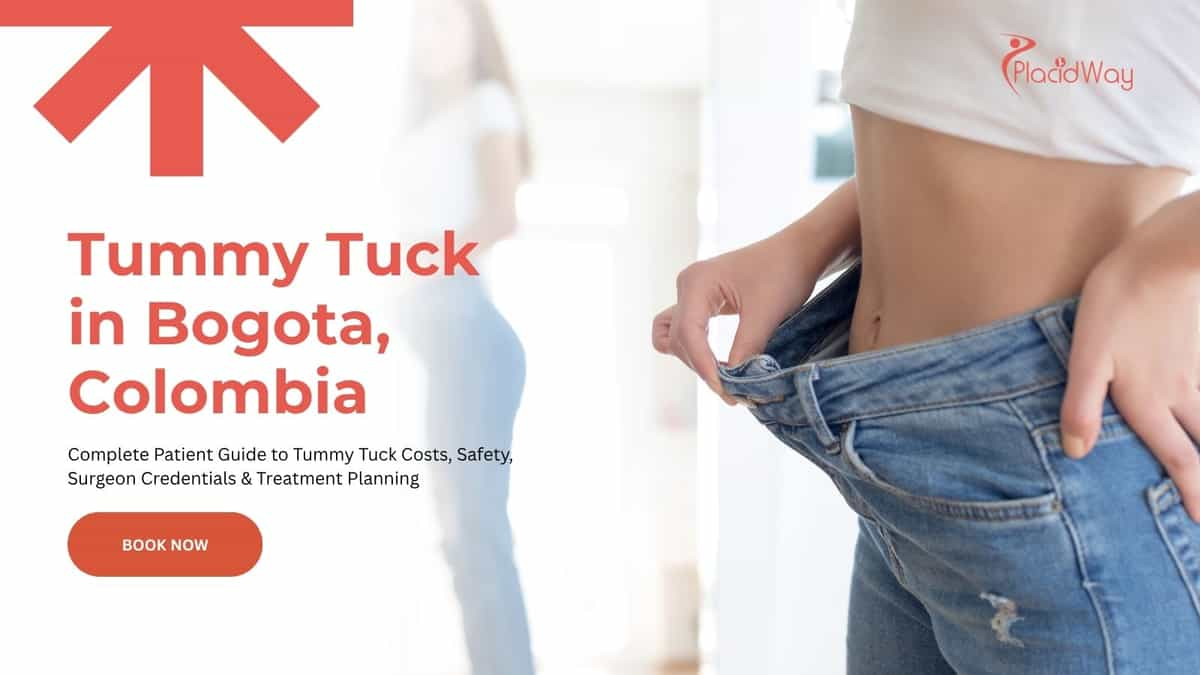
Traveling abroad for body contouring is a major decision that requires careful planning and clear information. You are likely researching this procedure in Colombia to access highly skilled plastic surgeons at a more manageable price point. This guide helps you navigate local hospital certifications, understand exactly how to verify a doctor's membership with the Colombian Society of Plastic Surgery (SCCP), and know what to expect financially and physically during your medical journey.
Quick Answer Summary
- Estimated Cost: Typically ranges from $3,500 to $5,500 USD, depending on surgical complexity and hospital fees.
- Safety Certifications to Check: Verify that the clinic is licensed by the Secretaría Distrital de Salud (Bogota Health Secretary) and your surgeon is a member of the SCCP.
- Ideal Candidate: Individuals near their target weight with excess abdominal skin and weakened muscles, often due to weight loss or pregnancy.
- Recovery Time in Bogota: Plan to stay in Colombia for 10 to 14 days post-surgery before flying home.
- Why Patients Choose Bogota: Access to globally trained board-certified plastic surgeons and modern medical facilities at a fraction of North American prices.
- Important Caution: Bogota sits at a high altitude (8,660 feet). Patients must strictly follow hydration and mobility guidelines to mitigate the risk of Deep Vein Thrombosis (DVT).
Understanding the Tummy Tuck Procedure
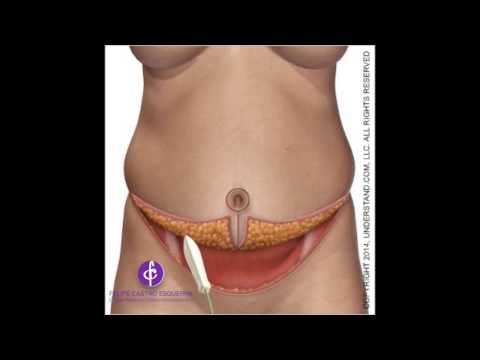
A tummy tuck, clinically known as abdominoplasty, is a surgical procedure designed to reshape the abdominal area. The operation involves removing excess skin and fat while tightening the underlying abdominal wall muscles. This procedure addresses loose tissues that typically do not respond to diet and exercise alone.
Patients often seek this surgery after significant life changes. Pregnancy, massive weight loss, or the natural aging process can stretch the abdominal fascia. By restoring a smoother profile, the surgery may improve physical comfort and help clothing fit more naturally.
Treatment Terminology Guide
- Diastasis Recti: The separation of abdominal muscles, commonly corrected during a tummy tuck.
- Plication: The surgical technique of folding and stitching the abdominal muscles together to tighten the core.
- Seroma: A potential pocket of fluid that can build up after surgery, often managed with temporary surgical drains.
Your surgeon in Bogota will tailor the surgical approach to your specific anatomy. Depending on the amount of loose skin and your aesthetic goals, your doctor may recommend one of several distinct abdominoplasty techniques.
| Procedure Type | Target Area | Typical Incision Size | Best Suited For |
|---|---|---|---|
| Full Tummy Tuck | Upper and lower abdomen | Hip bone to hip bone, plus around the navel | Patients with significant skin laxity above and below the belly button. |
| Mini Tummy Tuck | Lower abdomen only | Smaller incision above the pubic area | Patients with minimal loose skin strictly below the navel. |
| Extended Tummy Tuck | Abdomen, flanks, and lower back | Extends beyond the hips around the lower back | Patients who have undergone massive weight loss and need circumferential tightening. |
Why Do Patients Travel for a Tummy Tuck in Bogota, Colombia?
International patients increasingly look toward South America for plastic surgery. Bogota has established itself as a prominent destination for elective healthcare due to its combination of stringent medical training and modern clinical infrastructure.
Many patients feel confident traveling here because Colombian plastic surgery training programs are rigorous, often requiring years of general surgery followed by specialized reconstructive and aesthetic training. Furthermore, the robust private healthcare sector in the capital frequently utilizes the same surgical technologies found in the US and Europe.
Medical Advantages
- Highly specialized body contouring surgeons.
- Private clinics with modern ICU facilities.
- Comprehensive post-operative care packages including lymphatic massages.
Logistical Benefits
- Direct flights from major US and Canadian cities.
- Favorable exchange rates reducing total out-of-pocket costs.
- Multilingual patient coordinators at private clinics.
Patient Demographics for Cosmetic Travel to Colombia
Understanding who travels to Colombia for body contouring can help contextualize your own journey. Data from 2024 healthcare travel analyses indicates that patients primarily travel from North America and the Caribbean, seeking both expertise and cost efficiency.
The majority of these patients are women in their 30s and 40s who are pursuing post-maternity body restoration or post-bariatric skin removal. Safety, specialized surgical techniques, and the cultural normalization of aesthetic procedures make Colombia a frequent choice for these demographics.
Origin of International Patients Seeking Cosmetic Surgery in Colombia (2024 Data)
Based on 2024 inbound medical tourism statistics for elective procedures.
Age also plays a significant role in determining candidacy for abdominoplasty. According to 2024 global plastic surgery statistics, the procedure peaks among individuals in their late thirties and forties. This aligns with the period when many patients have finished building their families or have achieved long-term weight stability.
Age Distribution of Abdominoplasty Patients (2024 Clinical Registry Trend)
Visualizing the percentage of patients undergoing body contouring by age bracket.
Are You a Candidate for a Tummy Tuck in Colombia?
Not every patient qualifies for this surgery. Surgeons in Bogota strictly evaluate your medical history before approving you for travel and surgery. A tummy tuck is a restorative surgery, not a weight-loss tool.
Surgeons generally require patients to be at a stable weight for at least six months prior to surgery. Fluctuating weight can reverse the tightening effects of the procedure. Furthermore, underlying health conditions such as uncontrolled diabetes or heart disease may disqualify you from safely undergoing general anesthesia.
Medical Warning Regarding Smoking and Nicotine
Nicotine constricts blood vessels, drastically reducing blood flow to the skin. This increases the risk of tissue death (necrosis) and severe wound healing complications. Reputable surgeons in Colombia will require you to completely stop using all nicotine products (including vapes and patches) at least four to six weeks before and after your surgery.
Ideal candidacy also involves psychological readiness. You must have realistic expectations about the recovery timeline and the resulting permanent scar, which surgeons typically place low on the abdomen so it can be concealed by underwear or swimwear.
Evaluating the Cost of Tummy Tuck in Bogota
Cost is a major factor driving patients to research treatments abroad. Healthcare economics in Colombia allow facilities to offer surgeries at lower prices without compromising clinical standards. The reduced cost of living, lower overhead for private clinics, and distinct medical malpractice insurance structures all contribute to the savings.
When requesting quotes, always ask for an itemized breakdown. Many clinics in Bogota offer "all-inclusive" packages tailored for international patients, but you must clarify exactly what is included. You do not want surprise bills for anesthesia or compression garments.
| Destination | Estimated Procedure Cost (USD) | Typical Inclusions in Quote |
|---|---|---|
| United States / Canada | $8,000 - $15,000+ | Surgeon fee (Hospital and anesthesia often billed separately) |
| Bogota, Colombia | $3,500 - $5,500 | Surgeon, anesthesia, operating room, compression garments |
Remember to budget for travel expenses. While the surgery itself is more affordable, you must factor in round-trip airfare, a 10-to-14-day stay in a recovery house or hotel, meals, and local transportation to follow-up appointments.
How to Choose the Right Clinic and Surgeon in Bogota
Your safety depends heavily on selecting a properly credentialed provider. Colombia has a strong regulatory framework, but as a foreign patient, you must know what certificates to look for to differentiate highly qualified hospitals from unregulated establishments.
The facility should be explicitly licensed by the local health authority, the Secretaría Distrital de Salud. If an emergency occurs during surgery, the clinic must either have an on-site Intensive Care Unit (ICU) or a formalized, immediate transfer protocol to an adjacent high-complexity hospital.
Surgeon Verification Checklist
- Medical Degree: Verify their degree from a recognized Colombian or international university.
- Specialist Registry: Ensure they are registered as a plastic surgeon in the ReTHUS (Registro Único Nacional del Talento Humano en Salud), the national health registry in Colombia.
- Society Membership: They should be an active member of the SCCP (Sociedad Colombiana de Cirugía Plástica Estética y Reconstructiva). This is the most crucial credential to confirm.
- Communication: Ensure the clinic has an in-house interpreter or a surgeon who speaks your native language fluently to avoid critical miscommunications.
Preparing for Your Medical Trip and Altitude Considerations
Preparing for surgery abroad involves more than just packing a suitcase. You must arrange for time off work, secure your passport, and prepare your body for surgery. Your surgeon will require routine blood work and possibly an EKG before you arrive.
One critical medical factor specific to this destination is the elevation. Bogota is situated at 2,640 meters (8,660 feet) above sea level. The high altitude means the air is thinner, which can affect oxygen saturation levels in your blood and alter your initial recovery sensation.
Because surgery and high altitude both independently increase the risk of blood clots, your surgeon will likely prescribe specific mobility routines and possibly blood-thinning medication. You must stay aggressively hydrated and avoid alcohol entirely in the days leading up to your procedure.
The Surgical Experience: Step-by-Step
Understanding the steps of the surgical day can help reduce pre-operative anxiety. The entire process is carefully structured by the clinical team in Bogota to ensure patient safety and comfort.
You will typically arrive at the clinic early in the morning. After final consultations and surgical marking, you will meet with the anesthesiologist. Abdominoplasty is almost always performed under general anesthesia, meaning you will be completely asleep.
The surgeon makes an incision low on the abdomen, typically from hip to hip, carefully avoiding major nerves and blood vessels.
The underlying fascia and abdominal muscles are sutured together, repairing diastasis recti and creating a firmer abdominal wall.
The abdominal skin is pulled taut over the newly tightened muscles, and the excess skin is carefully removed.
The surgeon meticulously closes the incisions with sutures, often placing temporary drains under the skin to prevent fluid accumulation.
Recovery Timeline After a Tummy Tuck in Bogota
Recovery requires patience and strict adherence to your surgeon's aftercare instructions. You will not see your final results immediately due to swelling, and you will need assistance with basic tasks during the first few days.
In Colombia, post-operative care often includes a series of specialized lymphatic drainage massages. These massages help reduce swelling, manage fluid retention, and improve skin healing. Your clinic will coordinate these sessions as part of your recovery protocol.
| Timeframe | Biological Process | Patient Sensation | Action Required |
|---|---|---|---|
| Days 1-3 | Acute inflammatory response. Fluid drains from surgical sites. | Tightness, soreness, fatigue. Walking hunched over. | Rest heavily. Keep drains clean. Take prescribed pain medication. |
| Days 4-7 | Initial tissue sealing. Inflammation begins to peak and stabilize. | Swelling is prominent. Bruising appears. Pain transitions to aching. | Attend follow-up appointments. Begin light, short walks to prevent clots. |
| Weeks 2-3 | Drains are typically removed. Incisions fully close. | Mobility improves. Tightness persists but posture straightens. | Safe to fly home (with doctor clearance). Continue wearing compression garment. |
| Months 3-6 | Deep tissues heal. Swelling subsides significantly. | Numbness near incision starts to resolve. Scar matures. | Resume normal exercise routines upon clearance. Practice scar care. |
Risks and Complications of Abdominoplasty
All surgical procedures carry inherent risks, and a tummy tuck is a major operation. While severe complications are uncommon when performed by a board-certified surgeon in a licensed facility, you must be educated on the warning signs.
The most common minor complication is a seroma, which is an accumulation of fluid beneath the skin. This can typically be managed in the clinic by simply draining the fluid. More serious risks include infection, poor wound healing (especially in smokers), and Deep Vein Thrombosis (DVT).
You can mitigate these risks by closely following post-operative protocols. If you experience sudden shortness of breath, chest pain, or excessive asymmetrical leg swelling, you must seek emergency medical help immediately, as these may be signs of a blood clot.
Combining Tummy Tuck with Other Procedures
Many patients traveling to Bogota choose to combine their abdominoplasty with other body contouring procedures. The most common combination is a "Mommy Makeover," which typically includes a breast lift or augmentation alongside the tummy tuck.
Liposuction is also frequently performed simultaneously to sculpt the waist and flanks, providing a more comprehensive silhouette. However, combining surgeries extends the time you spend under general anesthesia, which inherently increases surgical risks.
Your surgeon will calculate your BMI, age, and general health to determine if combining procedures is safe for you. If your surgical plan is too extensive, a responsible doctor may recommend staging the surgeries months apart to protect your health.
Frequently Asked Questions
How long do I need to stay in Bogota after my tummy tuck?
Most board-certified surgeons in Colombia require international patients to remain in the city for 10 to 14 days after surgery. This timeframe allows the medical team to monitor your initial healing, manage drains, and ensure you are safe to handle the pressure changes of air travel.
Is it safe to get a tummy tuck in Colombia?
Medical procedures carry risks everywhere. However, patients can maximize safety in Colombia by exclusively choosing clinics licensed by the health ministry and surgeons who are active, verified members of the Colombian Society of Plastic Surgery (SCCP).
What is included in a tummy tuck package in Bogota?
Packages often vary by clinic. Standard inclusions typically cover the surgeon's fee, anesthesia, operating room costs, and pre-surgical consultations. Many international packages also include compression garments, post-operative lymphatic massages, and local airport transfers.
Can I lose weight with a tummy tuck?
No. A tummy tuck is a body contouring procedure, not a weight loss surgery. While some weight is lost through the removal of excess skin and localized fat, patients should be at or near their ideal, stable weight before undergoing the procedure.
How painful is the recovery process?
Patients typically experience the most discomfort during the first three to five days, describing it as a deep muscle ache and severe tightness. Clinics provide prescription pain medication to manage this. The pain gradually subsides into mild soreness by the second week.
Where will my scars be located?
The primary scar runs horizontally across the lower abdomen, typically sitting just above the pubic area so it can be concealed by most underwear or bikini bottoms. A full tummy tuck also involves a smaller, circular scar around the newly positioned navel.
How do I verify my Colombian plastic surgeon?
You should ask for their medical registration number and verify it against the ReTHUS database. Additionally, visit the official website of the SCCP (Sociedad Colombiana de Cirugía Plástica) to confirm they are an accepted and active member.
Does the high altitude in Bogota affect recovery?
Yes. The high elevation (8,660 feet) means there is less oxygen in the air, which can cause fatigue and shortness of breath in the first few days. It is crucial to stay hydrated, limit physical exertion, and follow your doctor's protocols to prevent blood clots.
What happens if I have a complication after returning home?
Before leaving Colombia, discuss the protocol for remote aftercare. If a complication arises at home, you must seek immediate care from a local primary care physician or emergency room. Your Colombian surgeon should provide full medical records for your local doctor to review.
Can I get pregnant after a tummy tuck?
You can medically carry a safe pregnancy after a tummy tuck. However, doctors strongly recommend waiting until you are finished having children before undergoing the surgery, as pregnancy will stretch the abdominal skin and muscles again, reversing the surgical results.
Take the Next Step in Your Medical Journey
Researching international providers can be a complex process. PlacidWay can help you compare highly rated clinics, understand transparent treatment costs, and request information from board-certified surgeons in Bogota.
Request Clinic InformationDisclaimer: This information is for educational purposes only and does not replace professional medical advice. Always consult a qualified healthcare provider before making medical decisions.
References
- Tummy Tuck Safety and Risks – American Society of Plastic Surgeons
- Official Member Directory – Sociedad Colombiana de Cirugía Plástica (SCCP)
- National Registry of Health Human Talent (ReTHUS) – Ministry of Health, Colombia
- Travel Health Information for Colombia – Centers for Disease Control and Prevention (CDC)
- Demographic Trends in Body Contouring (2024 Study) – Aesthetic Surgery Journal
- Safety Protocols in Cosmetic Surgery and Travel Risk (2024) – National Institutes of Health (NIH)
- Global Aesthetic Survey Data – International Society of Aesthetic Plastic Surgery (ISAPS)













Share this listing