
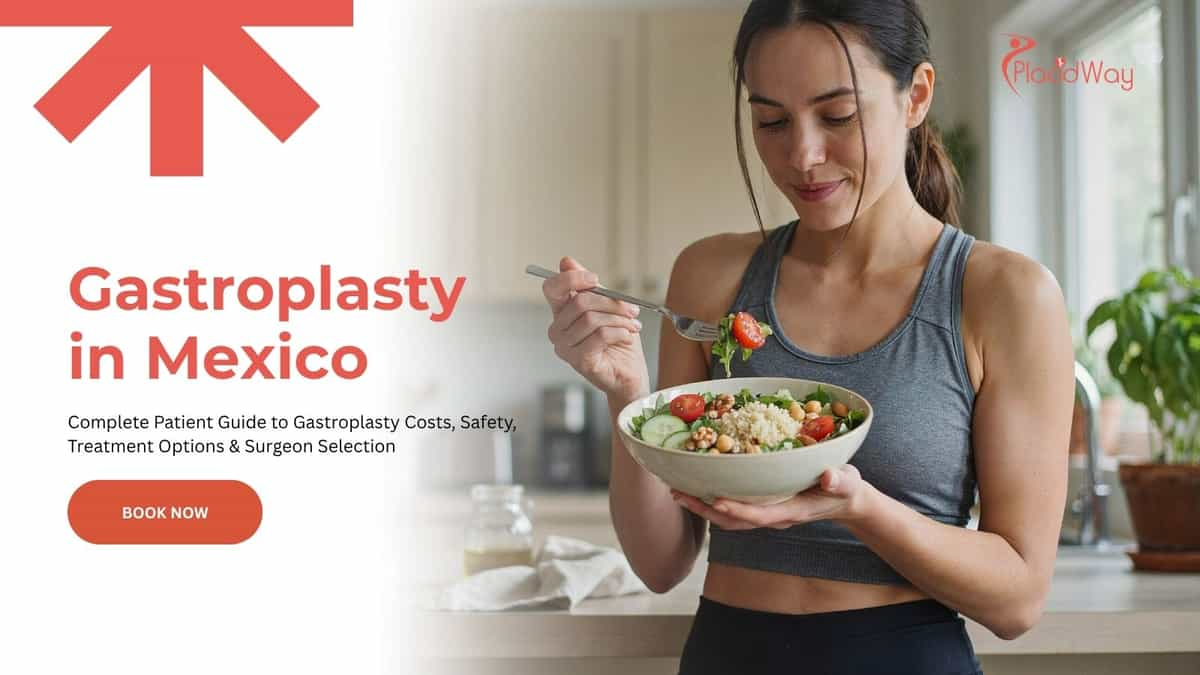
Struggling with weight loss can feel overwhelming, especially when diet and exercise fall short and the out-of-pocket costs for medical procedures at home are out of reach. You might be researching bariatric options abroad to find a solution that fits your budget without compromising your safety. Mexico has become a primary destination for procedures like Endoscopic Sleeve Gastroplasty (ESG) due to the presence of highly experienced, board-certified surgeons offering care at a fraction of North American prices. However, making an informed decision requires looking past marketing claims. This resource is designed to help you understand realistic treatment costs, verify crucial surgeon credentials like CMCOEM board certification, and evaluate if this procedure aligns with your long-term health goals.
Quick Answer Summary
- Estimated Cost: Prices typically range from $4,500 to $7,000 USD, depending on the clinic, city, and whether it is a surgical or endoscopic procedure.
- Safety Overview: Gastroplasty is generally safe when performed by credentialed specialists in regulated facilities, though all weight-loss procedures carry inherent medical risks.
- Ideal Candidate: Typically individuals with a BMI of 30 or higher who have not had success with traditional weight loss methods and are committed to permanent lifestyle changes.
- Recovery Time: Most patients return to light activities within 3 to 7 days, with full internal healing taking several weeks.
- Main Reason Patients Choose Mexico: Access to highly specialized bariatric care at significantly lower costs, often with comprehensive care packages designed for international travelers.
- Important Caution: Always verify that your chosen surgeon is certified by the Mexican College of Surgery for Obesity and Metabolic Diseases (CMCOEM) and that the facility holds certification from the General Health Council (CSG).
Understanding Gastroplasty Procedures in Mexico
Gastroplasty refers to medical procedures designed to reduce the size of the stomach to help you lose weight. Unlike traditional gastric bypass, these procedures typically focus only on stomach restriction rather than altering the intestines. When patients search for this treatment, they are usually looking at Endoscopic Sleeve Gastroplasty (ESG) or a variation of surgical stomach restriction. Endoscopic Sleeve Gastroplasty is a minimally invasive technique. A bariatric specialist uses a flexible tube (endoscope) inserted through your mouth into the stomach. Using a specialized suturing device, the doctor places sutures inside the stomach to fold it and significantly reduce its volume. This creates a sleeve-like shape without any external surgical incisions. Because it is less invasive, many international patients prefer ESG to reduce travel downtime and avoid external scarring. However, it is essential to understand the biological mechanism. By reducing stomach capacity, the procedure restricts how much you can eat and alters gastric emptying. This helps you feel fuller faster and stay satisfied longer.
Why Patients Travel to Mexico for Gastroplasty
Choosing to undergo a medical procedure in another country is a major decision. Patients looking into cross-border healthcare often have practical, financial, and clinical motivations. Mexico has developed a robust infrastructure to support bariatric tourists, particularly in cities near the United States border and major tourist hubs. The primary reasons individuals choose Mexico for this treatment include:
- High out-of-pocket costs or lack of insurance coverage for weight-loss procedures in their home countries.
- Proximity to the United States and Canada, allowing for relatively short, direct flights or simple border crossings.
- Access to surgeons who perform high volumes of bariatric procedures annually, which can contribute to advanced clinical experience.
- The availability of all-inclusive medical packages that coordinate ground transportation, hotel stays, and hospital care.
- Access to multidisendersciplinary care teams, including nutritionists and psychologists, tailored for international patients.
While these benefits are appealing, the responsibility remains on you to thoroughly vet the destination, the clinic, and the medical professionals involved in your care.
Cost of Gastroplasty in Mexico
Financial savings are a significant driver for medical travel. When researching costs, it is important to distinguish between the base price of the procedure and comprehensive medical tourism packages. In North America, bariatric procedures often carry high out-of-pocket expenses for those who do not meet strict insurance criteria. In Mexico, the cost structure is different due to lower administrative expenses, localized medication pricing, and reduced facility overhead. However, prices will vary based on the specific type of gastroplasty, the surgeon's expertise, and the geographic location of the clinic (for example, Tijuana versus Cancun).
| Country | Estimated Cost (USD) | Typical Inclusions |
|---|---|---|
| United States | $12,000 - $20,000+ | Procedure and facility fees (often excludes extensive follow-up) |
| Canada | $14,000 - $18,000+ | Procedure and facility fees (private clinics) |
| Mexico | $4,500 - $7,000 | Procedure, facility fees, pre-op tests, hotel stay, ground transfers |
When reviewing quotes from clinics, request a detailed, itemized breakdown. Ask specifically if the quote covers pre-operative lab work, post-operative medications, nutritional consultations, and medical complications insurance.
Patient Demographics and Treatment Trends (2024–2026 Data)
The profile of patients traveling for bariatric care has evolved. Recent clinical registries and cross-border healthcare data from 2024 to 2025 indicate a clear demographic pattern among international patients seeking gastroplasty and related metabolic procedures. Women continue to represent the vast majority of bariatric tourists, making up approximately 75% to 80% of the patient volume. The most common age group spans from 35 to 55 years old. These patients frequently present with a BMI between 30 and 40, often seeking endoscopic solutions rather than traditional bypass surgery. Clinically, many of these patients have experienced repeated cycles of weight loss and regain, and they view gastroplasty as a necessary tool to break that cycle. Below is a visualization based on 2024–2025 aggregated data illustrating the age distribution of international patients traveling for bariatric procedures.
Bariatric Tourist Demographics by Age Group (2024-2025)
Data reflects generalized 2024-2025 cross-border bariatric registry trends. Source references available below.
Another vital aspect of clinical data is post-operative weight loss expectations. While results vary individually based on metabolic rate and dietary adherence, recent multi-center tracking data shows a relatively predictable curve for Excess Weight Loss (EWL) following gastroplasty procedures.
Average Excess Weight Loss (EWL) Trajectory Post-ESG (2024 Data)
Graph represents generalized mean percentage of Excess Weight Loss tracking in compliant patients.
Choosing the Right Hospital or Clinic in Mexico
Your safety relies heavily on the environment where the procedure is performed. Mexico has a structured healthcare regulatory system that you must navigate carefully. While shiny marketing brochures can make any clinic look appealing, medical reality is defined by certifications and government licensing. The most important national certification to look for is from the Consejo de Salubridad General (CSG). The CSG is Mexico's General Health Council, and their certification is the national equivalent of rigorous hospital accreditation systems found in the US. A hospital carrying CSG certification meets strict governmental standards for facility safety, hygiene, and emergency response capabilities. Some private hospitals in Mexico also seek Joint Commission International (JCI) accreditation. While JCI is a globally recognized standard, it is not legally required to operate. A clinic functioning safely under CSG guidelines offers a strong indication of quality care.
- Verify the facility's official licensing with the Mexican Ministry of Health (Secretaría de Salud).
- Ask if the clinic holds CSG certification.
- Ensure the facility has an on-site Intensive Care Unit (ICU) or immediate, documented transfer protocols to a partner hospital.
- Confirm that the sterilization equipment and operating rooms are fully dedicated to bariatric and general surgery, minimizing cross-contamination risks.
How to Verify Bariatric Surgeons in Mexico
The expertise of your physician is the single most critical factor in your medical journey. In Mexico, medical licensing follows a specific legal pathway. When evaluating a surgeon for gastroplasty, you must look for specific credentials that prove their specialized training in obesity and metabolic procedures. First, your surgeon must have a Cédula Profesional, which is a federal medical license issued by the Mexican government. However, a general license is not enough for complex bariatric procedures. You must ensure the doctor is certified by the national medical council, CONACEM (Comité Normativo Nacional de Consejos de Especialidades Médicas). Furthermore, the most qualified bariatric surgeons are active members of the Colegio Mexicano de Cirugía para la Obesidad y Enfermedades Metabólicas (CMCOEM). This specific college sets the national standards for bariatric surgery in Mexico. Surgeons recognized by CMCOEM have undergone rigorous peer review, proven their surgical volume, and demonstrated adherence to strict safety and ethical guidelines.
Green Flags
- Active CMCOEM Board Certification
- Transparent complication rates
- Requires comprehensive pre-op blood work
- Offers a structured, long-term post-op nutritional plan
Red Flags
- Unwilling to share Cédula Profesional number
- Promises guaranteed or specific weight loss numbers
- Rushes you to book without a prior medical consultation
- No dedicated nutritionist on the care team
Evaluating Your Eligibility for Gastroplasty
Gastroplasty is not a cosmetic quick fix; it is a clinical intervention for obesity. Determining whether you are a suitable candidate requires an honest assessment of your physical health, medical history, and willingness to alter your lifestyle permanently. Doctors use strict medical guidelines to qualify patients for this procedure. Generally, ideal candidates for Endoscopic Sleeve Gastroplasty (ESG) or related procedures have a Body Mass Index (BMI) of 30 or higher. You may be a candidate if you have attempted medically supervised diets and exercise programs in the past without long-term success. It is also an option for individuals who may not qualify for more invasive surgeries like a gastric bypass due to specific anatomical or medical reasons. Patients with severe gastrointestinal conditions, such as active stomach ulcers, large hiatal hernias, or a history of significant gastric bleeding, are typically not candidates for this procedure. Your surgeon will require an endoscopy prior to the actual procedure to evaluate the internal health of your stomach lining.
The Consultation Process for International Patients
Because you are traveling from abroad, the initial consultation process looks different than a local doctor's visit. High-quality clinics in Mexico utilize a robust telehealth protocol to assess your health before you ever book a flight. This ensures that you are medically cleared to travel and suitable for the intervention. The process usually begins by filling out a detailed health questionnaire. You will need to disclose your complete medical history, current medications, previous surgeries, and any psychological history related to eating disorders. Be completely honest during this phase; omitting information can severely compromise your safety under anesthesia. Following the questionnaire, you will likely have a video consultation with the surgeon or a lead medical coordinator. During this call, the doctor will explain the biological process of reducing your stomach capacity, the tools they will use, and the specific outcomes they anticipate. They will also outline the mandatory pre-operative diet, which typically begins a few weeks before your travel date.
Procedure Day: What to Expect in Mexico
The day of your gastroplasty is highly structured to prioritize safety and efficiency. If you booked a medical package, a patient coordinator usually picks you up from your hotel or the airport and escorts you directly to the clinic or hospital. Upon arrival, you will undergo final pre-operative testing. This typically includes a physical examination, an electrocardiogram (EKG) to check heart function, and comprehensive blood panels. Once cleared by the anesthesiologist, you will be prepared for the procedure. If you are undergoing Endoscopic Sleeve Gastroplasty, the procedure is performed under general anesthesia. The surgeon inserts an endoscope through your mouth and down your throat into the stomach. Using specialized medical devices attached to the endoscope, the surgeon places a series of sutures to fold and cinch the stomach. The entire process takes approximately 60 to 90 minutes. Because there are no external incisions, the immediate physical trauma is significantly lower than traditional open or laparoscopic surgery.
Recovery Timeline and Aftercare Guidelines
Recovery from gastroplasty is a multi-phased process. While the surface recovery is quick, your internal anatomy requires careful management to heal properly. The sutures or staples placed in your stomach must be protected from stretching or tearing during the initial weeks. Immediately after the procedure, you will likely spend one night in the clinic for monitoring. You may experience nausea, abdominal cramping, or a sore throat from the endoscope tube. These are expected biological responses and are typically managed with prescribed medications.
| Timeframe | Biological Process | Patient Sensation | Activity Level | Action Required |
|---|---|---|---|---|
| Days 1-3 | Acute tissue healing; stomach inflammation | Cramping, mild nausea, fatigue | Resting, short walks to prevent blood clots | Strict clear liquid diet; follow medication schedule |
| Days 4-14 | Sutures beginning to secure; inflammation subsiding | Reduced discomfort; rapid satiety when drinking | Return to light daily activities; avoid lifting | Transition to full liquids/protein shakes as guided |
| Weeks 3-6 | Stomach adapting to new restricted volume | Energy returning; learning new fullness cues | Normal activities; light cardiovascular exercise | Gradual introduction of pureed, then soft foods |
| Months 2+ | Long-term tissue adaptation | Consistent weight loss; improved mobility | Regular exercise regimen | Maintain balanced solid diet; focus on protein |
Dietary Changes Post-Gastroplasty
The success of your gastroplasty is heavily dependent on your post-operative diet. The procedure is a restrictive tool; it physically stops you from eating large volumes of food. However, if you consume high-calorie, sugary liquids, you can bypass this restriction and fail to lose weight. Your clinical team will provide a phased dietary plan. Initially, you will be restricted to clear liquids to allow the stomach lining to heal without mechanical stress. Slowly, you will transition to thicker liquids, pureed foods, and eventually solid meals. When you return to eating solid foods, your portion sizes will be drastically smaller. You must learn to chew food thoroughly, eat slowly, and stop immediately when you feel a sense of fullness. Overeating can cause vomiting or, more seriously, stretch the stomach tissues and compromise the sutures.
Risks, Complications, and Safety Protocols
All medical interventions carry inherent risks, and it is crucial to approach medical tourism with a realistic understanding of potential complications. While gastroplasty is generally considered safe when performed by skilled professionals, biological complications can still occur. Immediate post-operative risks include bleeding at the suture or staple lines, adverse reactions to general anesthesia, and infections. In rare cases, a patient may experience a leak from the stomach wall, which is a medical emergency requiring immediate surgical intervention. Long-term complications can involve acid reflux, nausea, or nutritional deficiencies if post-operative guidelines are ignored. There is also the risk of weight regain if the stomach stretches over time due to consistent overeating. Discuss the clinic's complication management protocol before you travel. Understand what happens, both medically and financially, if you require an extended hospital stay or a revision procedure due to an unforeseen complication.
Travel and Visa Requirements for Medical Tourists
Planning the logistical side of your medical journey to Mexico is as important as the clinical preparation. Depending on your home country, travel requirements will vary, and you should ensure all documentation is in order well before your procedure date. For citizens of the United States and Canada, a valid passport is required to enter Mexico and to return home. Typically, a standard tourist visa, which is granted upon arrival, is sufficient for short-term medical stays. If your recovery demands an extended stay beyond standard tourist allowances, coordinate with your clinic to secure the necessary medical travel documentation. Many bariatric patients fly into major hubs like San Diego, California, and are driven across the border to Tijuana by clinic-provided shuttles. Others fly directly into cities with robust medical infrastructure like Cancun, Monterrey, or Guadalajara. Always coordinate your travel timeline with your surgeon, ensuring you have enough time cleared for pre-operative consultations and a safe post-operative monitoring period before flying home.
Frequently Asked Questions
Is Endoscopic Sleeve Gastroplasty a permanent procedure?
ESG uses sutures to fold the stomach, making it a durable procedure, but it is not entirely permanent. The sutures can loosen over time, especially if a patient consistently overeats. Unlike a surgical sleeve gastrectomy, no part of the stomach is physically removed.
How long do I need to stay in Mexico after gastroplasty?
Most surgeons require patients to stay in the country for at least 3 to 5 days after the procedure. This allows the medical team to monitor your initial healing, manage any acute nausea or pain, and ensure you are tolerating liquids before you fly or drive home.
Can I get medical complications insurance for surgery in Mexico?
Yes, specialized medical tourism insurance is available through third-party providers. This insurance is designed to cover unexpected medical costs, extended hotel stays, or emergency travel related to surgical complications while abroad.
Will my home country doctor provide aftercare for a procedure done in Mexico?
Many primary care physicians will monitor your long-term health and blood work. However, some may be hesitant to manage specific surgical complications. It is highly recommended to arrange a supportive aftercare plan with a local physician before you travel.
How much weight can I expect to lose with ESG?
Weight loss varies significantly based on patient adherence to dietary changes. On average, clinical data suggests patients may lose 15% to 20% of their total body weight within the first 12 to 24 months following an endoscopic gastroplasty.
What is the difference between ESG and a Gastric Sleeve?
A surgical gastric sleeve involves making incisions to physically cut and remove 70-80% of the stomach. ESG is performed endoscopically through the mouth without incisions, using sutures to fold and restrict the stomach volume without removing any tissue.
Are the bariatric hospitals in Mexico clean and safe?
Private hospitals targeting international patients in Mexico often maintain excellent hygiene standards and modern medical equipment. You must ensure the specific hospital holds certification from the General Health Council (CSG) to verify these safety standards.
Does the treatment package cover the cost of flights?
Typically, all-inclusive bariatric packages in Mexico cover the procedure, hospital fees, medications, ground transportation, and hotel accommodations. International flights are almost always the financial responsibility of the patient.
Is it safe to fly after having a gastroplasty procedure?
Flying is generally safe a few days after the procedure once your surgeon clears you. You must stay hydrated, walk the aisles to prevent blood clots (DVT), and avoid lifting heavy luggage during your transit.
What happens if I experience severe nausea after returning home?
Mild nausea is a normal part of the healing process. However, if nausea is severe and prevents you from keeping liquids down, you must contact your surgical team immediately for guidance, and you may need to visit a local emergency room for IV hydration.
Ready to Explore Your Options in Mexico?
Navigating international healthcare choices can be complex. PlacidWay can help you compare highly credentialed clinics, understand detailed cost breakdowns, and connect with board-certified bariatric specialists tailored to your medical needs.
Request Information and Clinic QuotesDisclaimer
Disclaimer: This information is for educational purposes only and does not replace professional medical advice. Always consult a qualified healthcare provider before making medical decisions.
References
- Estimate of Bariatric Surgery Numbers – American Society for Metabolic and Bariatric Surgery (ASMBS)
- Safety and Efficacy of Endoscopic Sleeve Gastroplasty (2024 Updates) – National Center for Biotechnology Information
- Surgeon Certification Standards and Ethical Guidelines – Colegio Mexicano de Cirugía para la Obesidad y Enfermedades Metabólicas (CMCOEM)
- National Hospital Certification Framework – Consejo de Salubridad General (CSG) Mexico
- Medical Speciality Verification and Licensing – Comité Normativo Nacional de Consejos de Especialidades Médicas (CONACEM)
- Obesity and Overweight Global Health Guidelines – World Health Organization (WHO)
- Medical Tourism Patient Safety and Risk Guidelines – Centers for Disease Control and Prevention (CDC)






















Share this listing