
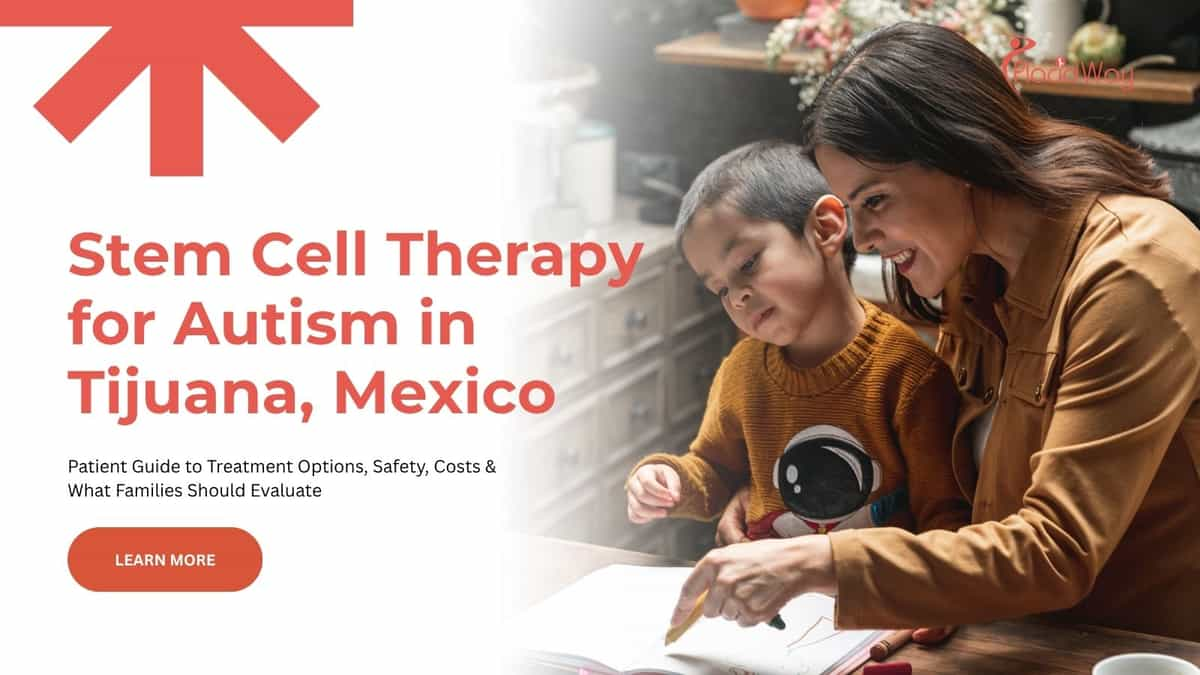
Many parents exploring alternative medical treatments for their children with autism spectrum disorder naturally feel anxious about traveling abroad for medical care. Researching regenerative medicine requires careful attention to safety protocols clinical evidence and precise medical credentials. This detailed overview helps you evaluate clinical options understand the financial considerations and identify the specific government licenses you must verify before choosing a specialized clinic across the border.
- Estimated Cost in USD: Packages typically range from $4500 to $12000 depending on the number of cell infusions and days of clinical care.
- Safety Overview: Highly dependent on selecting clinics regulated by COFEPRIS (Mexico's national health regulatory agency).
- Ideal Candidate: Children with confirmed autism spectrum disorder diagnoses particularly those exhibiting strong markers of neuroinflammation or immune dysregulation.
- Recovery Time: The physical infusion procedure usually requires no downtime but long-term developmental observations continue for six to twelve months.
- Main Reason Patients Choose Tijuana Mexico: Proximity to the United States combined with access to specialized mesenchymal stem cell treatments at lower price points.
- Important Caution: Stem cell therapy is not a cure for autism and clinical outcomes vary significantly between individual patients. Always prioritize transparent providers over those making guaranteed claims.
Why Families Travel for Autism Stem Cell Therapy in Tijuana Mexico
Parents of children diagnosed with autism spectrum disorder often seek out every possible intervention to improve their childs quality of life. Traditional therapies such as applied behavior analysis speech therapy and occupational therapy provide essential developmental support. However many families look toward regenerative medicine when behavioral therapies plateau.
Tijuana has become a major destination for these families due to its unique geographical and medical landscape. Situated just minutes from the United States border in San Diego California it offers international patients a way to access advanced therapies without taking long transatlantic flights.
Primary Motivations for Travel
- Immediate geographic proximity to US healthcare infrastructure
- Access to umbilical cord tissue derived mesenchymal stem cells
- Significantly lower treatment costs compared to limited experimental trials elsewhere
- Comprehensive clinical packages that include transportation and specialized pediatric care
Common Origin Countries
- United States (particularly California Texas and New York)
- Canada (mostly British Columbia and Ontario)
- United Kingdom
- Australia
How Mesenchymal Stem Cells Target Autism Spectrum Disorder Symptoms
To understand why this treatment is utilized you must first understand the biological theories connecting regenerative medicine to autism. While autism spectrum disorder is categorized as a developmental and neurological condition current medical research points to physical underlying factors in many patients.
A significant subset of children with autism exhibit chronic systemic inflammation neuroinflammation in the brain and immune system dysregulation. Stem cells specifically mesenchymal stem cells are widely researched for their potent immunomodulatory and anti-inflammatory properties.
Clinical Insight: Mesenchymal stem cells do not magically replace damaged brain tissue. Instead they work primarily through a process called paracrine signaling. The stem cells release specialized proteins and growth factors that signal the body's own immune system to reduce harmful inflammation.
When administered these cells may help regulate abnormal immune responses. By potentially lowering neuroinflammation in the brain the therapy aims to create a healthier neurological environment. Parents often monitor for subsequent improvements in focus speech socialization and a reduction in aggressive or repetitive behaviors following treatment.
Evaluating Which Autistic Patients Respond Best to Stem Cell Therapy
Not every child with an autism diagnosis is an ideal candidate for regenerative cellular therapies. Autism is a vast spectrum and the underlying biological mechanisms differ wildly from patient to patient. Identifying suitability is a critical first step before planning any medical travel.
Physicians in Tijuana typically conduct thorough medical evaluations via telemedicine before approving a patient for treatment. They review comprehensive medical records behavioral history and recent bloodwork to look for specific biological markers.
Medical Warning: Children with active severe infections undiagnosed genetic syndromes or certain co-morbidities like severe unmanaged epilepsy may be contraindicated for this procedure. Thorough screening by a licensed pediatric specialist is absolutely mandatory.
The best candidates typically include children whose autism is strongly linked to immune dysfunction or inflammation. Doctors often review inflammatory panels gut health markers and autoimmune indicators to determine if the immunomodulatory effects of stem cells might provide a tangible benefit for that specific child.
Understanding Mexican Healthcare Regulations for Stem Cell Clinics
Patient safety hinges on understanding how healthcare is regulated in Mexico. The Mexican medical system operates under strict federal guidelines and any facility handling human cells or tissues must undergo rigorous government inspection.
The primary regulatory body you must be familiar with is COFEPRIS. This is the Federal Commission for the Protection against Sanitary Risk which functions similarly to national health agencies in the US and Canada. A clinic cannot legally perform cellular therapies without explicit licensing from this government body.
| Regulatory Authority | Primary Function in Patient Safety | What You Should Verify |
|---|---|---|
| COFEPRIS | Federal regulation of medical facilities pharmacies and stem cell laboratories | Active operational license and specific cellular therapy permit |
| General Health Council | National hospital and clinic accreditation program | Certification of medical facility infrastructure and safety protocols |
| Ministry of Health | Oversight of physician licensing and national medical registries | The doctors professional license number (Cedula Profesional) |
Clinics operating safely in Tijuana will transparently provide their COFEPRIS license numbers upon request. You should avoid any facility that hesitates to share their regulatory documentation or claims that local regulations do not apply to their specific proprietary treatments.
Crucial Medical Certificates and Accreditations to Verify in Tijuana
Beyond basic facility licensing the exact origin and handling of the stem cells require dedicated verification. In Tijuana the majority of therapies for autism utilize allogeneic umbilical cord-derived mesenchymal stem cells. These cells must be cultured in specialized environments.
You must ask the clinic about their laboratory partnerships. Are the cells processed in-house or sourced from a third-party tissue bank? If they use a third-party laboratory that specific lab must hold its own independent COFEPRIS biological banking license.
Actionable Takeaway: Ask the clinic for a Certificate of Analysis for the stem cells. This document proves the cells have been tested for sterility viability cell count and infectious diseases before they are ever administered to a patient.
Furthermore look for doctors who are registered with the national medical council and hold relevant board certifications. While international accreditations are positive indicators the strict adherence to Mexico's internal national licensing standards remains your most reliable measure of safety.
Selecting the Right Stem Cell Specialist for Autism in Tijuana
Choosing a doctor to oversee your childs regenerative treatment is arguably the most critical decision in your medical tourism journey. You are not just looking for a general practitioner you need a medical team experienced in pediatric care complex neurological conditions and cellular medicine.
Investigate the lead physicians background thoroughly. Check their years of experience specifically administering stem cell protocols for neurodevelopmental disorders. Ask about their annual case volume to ensure they regularly treat pediatric autism patients.
Questions to Ask Your Prospective Doctor:
- What is your exact protocol for managing potential allergic reactions during infusion?
- How do you calculate the optimal cell dosage for a pediatric patient?
- What follow up care is included once we return to our home country?
- Can you provide a transparent itemized quote outlining all medical costs?
The most reputable specialists will provide clear medically conservative answers. They will emphasize that outcomes vary and will prioritize comprehensive post-treatment care plans over aggressive sales tactics. A trustworthy doctor will also have an in-house interpreter or bilingual medical coordinator to ensure perfect communication.
Step by Step Treatment Process for Autism Stem Cell Therapy in Tijuana
Understanding the procedural timeline helps alleviate travel anxiety for both parents and children. Once a patient is accepted the actual medical process in Tijuana is typically completed over a span of two to four days depending on the clinics protocol.
Day one usually involves in-person clinical consultations vital sign monitoring and baseline blood tests to confirm the child is healthy enough for treatment. Pediatric specialists will evaluate the childs current baseline behaviors to establish metrics for post-treatment comparison.
| Treatment Phase | Clinical Process | Patient Experience |
|---|---|---|
| Preparation | Bloodwork physical exam and specialist consultation | Clinical environment may cause sensory stress for the child |
| Cell Administration | Intravenous (IV) infusion of mesenchymal stem cells | Requires sitting still while the IV is placed and infused |
| Observation | Monitoring vital signs and assessing for immediate reactions | Resting in a specialized recovery suite for several hours |
| Discharge | Final physician check and post-treatment medical guidelines | Cleared for travel back to the United States or home country |
The administration itself is usually an intravenous infusion. Some clinics may utilize specialized pediatric anesthesiologists to administer mild sedation if the child has severe sensory aversions to needles or medical environments. Safety protocols during this phase include continuous oxygen monitoring and having emergency medications readily available.
Estimated Cost of Stem Cell Therapy for Autism in Tijuana Mexico
Financial transparency is vital when researching treatments abroad. Medical tourists often seek out Tijuana because it offers highly advanced biological therapies at a fraction of the cost found in other international jurisdictions. However you must understand what is included in these price tags.
On average comprehensive autism stem cell packages in Tijuana range from $4500 to $12000 USD. This variance is primarily dictated by the total cell count administered the number of infusion days and the specific ancillary therapies included in the package.
| Cost Category | Estimated Range (USD) | Typical Inclusions |
|---|---|---|
| Base Infusion Package | $4500 to $6500 | Single IV infusion physician consultation basic follow-up |
| Comprehensive Protocol | $7000 to $9500 | Multiple infusions specialized pediatric sedation blood panels |
| Premium Care Package | $10000 to $12000 | High cell counts hyperbaric oxygen therapy specialized behavioral assessments |
When comparing clinics always verify if the quoted price is an all-inclusive package or a procedure-only price. Hidden costs can include pre-treatment laboratory work specialized pediatric sedation local transportation and extended post-treatment telemedicine consultations. Secure a written itemized quote before making any financial commitments.
Real Patient Demographics Traveling to Tijuana for Autism Treatments
Analyzing recent demographic data helps families understand the broader landscape of regenerative medical travel. Between 2024 and 2026 the volume of international patients seeking pediatric regenerative care in border cities like Tijuana has shown distinct trends.
Data indicates that the majority of traveling families are addressing moderate to severe autism presentations where local interventions have ceased yielding new developmental progress. Understanding the age distribution of these patients can help parents contextualize the optimal intervention windows suggested by clinical researchers.
The concentration of patients in the six to ten year demographic highlights a period where families often begin combining intensive regenerative interventions with established educational and behavioral therapies. This integrative approach continues to drive cross-border medical travel statistics.
Travel and Logistics Planning for Medical Trips to Tijuana
Logistical preparation is just as important as medical research when bringing an autistic child across international borders. The sensory challenges associated with travel require careful proactive planning. The most common route is flying into San Diego International Airport and taking specialized ground transport across the San Ysidro border crossing.
Reputable medical facilities in Tijuana recognize the unique needs of families managing neurodiversity. High-quality clinics provide dedicated concierge services that pick your family up directly from the San Diego airport or your US-based hotel ensuring a seamless private transfer directly to the medical facility.
Travel Logistics Checklist:
- Confirm valid passports for all traveling family members including the child.
- Ask your clinic for a Medical Lane Pass (Fastlane pass) for a quicker border return into the US.
- Pack familiar sensory tools noise-canceling headphones and preferred snacks to manage travel stress.
- Ensure your US cellular plan includes international data roaming for Mexico.
Most families choose to stay either in specialized recovery hotels in Tijuana that cater specifically to medical tourists or they opt to stay in San Diego and cross the border daily for appointments. Your clinical coordinator should guide you based on your child's specific routine dependencies.
How to Prepare Your Child for Stem Cell Therapy in Mexico
Preparing a child with autism for medical procedures involves extensive sensory and behavioral planning. The hospital environment can be highly overwhelming due to bright lights unfamiliar faces and routine medical equipment. Proactive preparation can significantly reduce procedural anxiety.
In the weeks leading up to the trip parents are often advised to begin medical play at home. Introducing the concept of doctors nurses and basic equipment like bandages through visual schedules and social stories helps the child build a predictable framework for the upcoming experience.
Medical Warning: Do not alter your childs current prescription medications supplements or established diet without explicit written instructions from both your home pediatrician and the treating specialist in Tijuana.
Work closely with the clinic to adapt the environment. Many top-tier clinics in Tijuana offer sensory-friendly rooms dimmable lighting and allow parents to be present during the entire administration process to provide a calming anchor for the child.
Potential Medical Risks and Patient Safety Protocols in Mexico
Stem cell therapy while exhibiting strong safety profiles in many recent clinical trials is not entirely without risk. As a parent evaluating this treatment for your child you must clearly understand potential adverse events. The most commonly reported side effects are generally mild and temporary.
These temporary effects can include a low-grade fever mild fatigue or minor swelling at the intravenous injection site within the first twenty-four hours. These are typical immune responses to the introduction of biological material and are usually managed with basic pediatric fever reducers under medical supervision.
| Potential Risk Factor | Clinical Management Protocol |
|---|---|
| Allergic or immune reaction | Pre-screening panels and on-site emergency medications available |
| Infection at the injection site | Strict adherence to sterile protocols and COFEPRIS guidelines |
| Contaminated cell products | Mandatory third-party Certificate of Analysis verifying cell sterility |
| Procedural distress | Availability of pediatric sedation and sensory-friendly clinical spaces |
Severe complications are exceedingly rare when treatments are performed in properly licensed highly regulated clinical environments. However the risk increases significantly if patients seek out unaccredited discount clinics that bypass federal safety testing standards. Rigorous vetting is your best defense against medical complications.
Expected Recovery Timeline Following Stem Cell Infusion for Autism
The physical recovery from the stem cell infusion is typically very fast. Because the procedure is minimally invasive most children are cleared to travel back to the United States or their home country the following day. There are generally no physical restrictions though strenuous physical play should be limited for forty-eight hours.
The biological recovery and potential developmental observation period however is a much longer journey. The immunomodulatory effects of mesenchymal stem cells do not happen overnight. The body requires time to process the paracrine signals and reduce systemic inflammation.
Actionable Takeaway: Do not expect immediate behavioral changes on the flight home. Most clinical protocols require structured behavioral tracking for three to six months before assessing the overall efficacy of the cellular intervention.
During this extended observation window parents are instructed to maintain detailed logs of the child's sleep patterns gastrointestinal health vocalizations and behavioral meltdowns. These logs are critical for follow-up medical reviews.
Long Term Care and Post Treatment Follow Up for Autism Patients
Stem cell therapy is not a standalone solution. It must be viewed as an integrative component of a broader autism management strategy. The goal of potentially reducing neuroinflammation is to create a physiological environment where traditional therapies can become more effective.
Upon returning home your child must continue their established applied behavior analysis speech language pathology and occupational therapies. Many parents report that following cellular treatments their children exhibit increased focus and responsiveness during these traditional therapy sessions.
Clinical Follow Up Schedule
- Week Two: Initial telemedicine check for post-infusion safety
- Month One: Review of baseline behavioral logs and sleep patterns
- Month Three: Comprehensive evaluation of developmental shifts
- Month Six: Determination of long term efficacy and planning
Home Integration
- Share treatment summaries with your home pediatrician
- Inform therapists of the treatment to watch for behavioral leaps
- Maintain consistent dietary and supplementary routines
- Continue regular bloodwork as requested by the specialist
Reputable clinics in Tijuana provide a structured post-treatment follow-up program utilizing secure telemedicine platforms. This ensures the medical team remains actively involved in your childs developmental tracking long after you have crossed the border back home.
Comparing Tijuana to Other Popular Stem Cell Therapy Destinations
While Tijuana is a prominent hub families often compare it against other international medical tourism destinations offering regenerative medicine such as Panama Colombia or certain European nations. Evaluating destinations requires balancing cost travel difficulty and regulatory environments.
Panama for example offers highly established clinics with robust clinical trial histories but requires long-haul international flights which can be severely destabilizing for an autistic child. The sheer travel time and associated sensory disruptions often make long-haul destinations impractical for pediatric neurodevelopmental cases.
| Destination | Primary Advantage | Primary Challenge |
|---|---|---|
| Tijuana Mexico | Geographic proximity to the US and strong biological regulations | Requires careful clinic vetting to avoid commercialized facilities |
| Panama City Panama | Extensive legacy of published regenerative medicine data | Significant travel distance and higher overall logistical costs |
| Bogota Colombia | Highly advanced hospital infrastructure and lower costs | Requires long flights and navigating different visa considerations |
Tijuana strikes a unique balance by offering advanced COFEPRIS-regulated cellular therapies within a short drive from a major US airport. This accessibility allows parents to minimize travel trauma making the clinical experience much smoother for the child.
Frequently Asked Questions About Stem Cell Therapy for Autism in Mexico
Is stem cell therapy a guaranteed cure for autism spectrum disorder?
No. Stem cell therapy is not a cure for autism. It is an advanced biological treatment that may help modulate the immune system and reduce neuroinflammation potentially improving the childs quality of life and responsiveness to behavioral therapies.
Why do clinics in Tijuana use umbilical cord mesenchymal stem cells?
Umbilical cord-derived mesenchymal stem cells are widely utilized because they are young robust and possess strong immunomodulatory properties. They are thoroughly screened for safety and eliminate the need for an invasive bone marrow extraction from the child.
How can I verify if a clinic in Tijuana is legally allowed to operate?
You must request their COFEPRIS operating license and their specific cellular therapy permit. Legitimate medical facilities will display these documents transparently and provide license numbers that can be verified with Mexican health authorities.
Will my child be sedated during the stem cell infusion?
This depends on the childs specific needs. Many children tolerate the intravenous drip without sedation while playing with a tablet. However for highly anxious patients specialized pediatric sedation administered by a licensed anesthesiologist can be arranged.
Are the stem cells tested for safety and infectious diseases?
Yes. Reputable laboratories perform rigorous testing on all allogeneic cell products including screening for infectious diseases cellular viability and sterility. Always ask the clinic to provide the Certificate of Analysis for the cells they use.
How many days will we need to stay in Tijuana for the treatment?
Most standard protocols require a stay of two to four days. This includes the initial consultation bloodwork the infusion day itself and a brief follow-up before receiving medical clearance to travel home.
Does US health insurance cover autism stem cell treatments in Mexico?
No. Currently stem cell therapy for autism is considered an out-of-pocket medical expense. US health insurance providers do not cover the cost of regenerative cellular therapies performed in international jurisdictions.
How long does it take to see improvements after the therapy?
Clinical observation periods typically run from three to six months. Because the therapy relies on biological healing processes and immunomodulation any potential developmental improvements emerge gradually rather than immediately.
Can my child continue their applied behavior analysis therapy afterward?
Yes. It is highly encouraged that your child continues all behavioral speech and occupational therapies. The cellular treatment is designed to complement traditional therapies by potentially improving the childs baseline focus and neurological health.
Is it safe to cross the border into Tijuana for medical tourism?
Medical tourism is a highly protected industry in Tijuana. Millions cross annually for healthcare. Clinics usually provide private transportation directly from San Diego and utilizing Medical Lane passes ensures a safe efficient border crossing process.
Disclaimer: This information is for educational purposes only and does not replace professional medical advice. Always consult a qualified healthcare provider before making medical decisions.
References
- Clinical Trials on Mesenchymal Stem Cells for Autism – U.S. National Library of Medicine
- Efficacy and Safety of Stem Cell Therapy for Autism Spectrum Disorder – PubMed National Institutes of Health
- Guidelines for Cellular Therapy Licensing – Federal Commission for the Protection against Sanitary Risk (COFEPRIS) Mexico
- Cross Border Medical Travel Patient Demographics Data 2024-2025 – Medical Tourism Association
- Immunomodulatory properties of mesenchymal stem cells – Nature Research
- Guidelines for Evaluating Pediatric Neurodevelopmental Interventions – American Academy of Pediatrics

















Share this listing